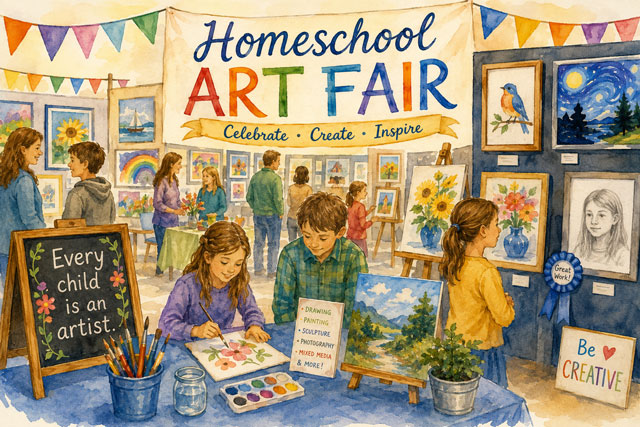
A homeschool art fair can transform an ordinary gathering into a memorable celebration of creativity, learning, and community. Children often spend hours drawing, painting, sculpting, designing, and experimenting with new artistic techniques, yet much of that work is seen only by immediate family members. An art fair gives students an opportunity to present their accomplishments to a wider audience while gaining confidence in their abilities. It also creates a meaningful occasion for families to come together and appreciate the talents developing within their homeschool community.
Unlike large public exhibitions, a homeschool art fair can be tailored to the needs and values of participating families. It can be formal or informal, competitive or noncompetitive, small enough to fit inside a church fellowship hall or large enough to fill a community center. The focus remains the same: encouraging students to pursue excellence, share their work, and learn from one another.
Art fairs also provide a natural bridge between academic subjects. A student studying ancient Egypt may create a drawing inspired by tomb paintings. Another may build a model based on Roman architecture. A young photographer may document local wildlife while learning science and observation skills. The resulting exhibition becomes more than an art show. It becomes a visual record of learning.
The most successful homeschool art fairs do not require enormous budgets or professional event planners. They require thoughtful organization, willing volunteers, and a shared commitment to encouraging young artists. With proper preparation, an art fair can become one of the most anticipated annual traditions in a homeschool group.
Why an Art Fair Benefits Your Homeschool Community
Encouraging Creativity and Confidence
Many students create their best work when they know it will be displayed publicly. The prospect of sharing artwork with friends, family members, and community guests often motivates children to invest more effort in planning and execution. They become more attentive to detail, more willing to revise their work, and more interested in learning new techniques.
Displaying artwork also helps students develop confidence. Standing beside a finished painting or sculpture and discussing it with visitors teaches valuable communication skills. Young artists learn how to explain their creative choices, answer questions, and accept compliments graciously. These experiences can be particularly valuable for students who are naturally quiet or reserved.
Confidence gained through artistic achievement frequently carries into other areas of life. A child who successfully presents artwork to visitors may become more comfortable delivering speeches, participating in discussions, or taking leadership roles within the homeschool community. The ability to share one’s work publicly is a skill that extends far beyond art.
Parents often notice another benefit as well. Students begin to take greater ownership of their projects. Instead of viewing art assignments as simple school tasks, they begin to see them as opportunities for personal expression and accomplishment.
Strengthening Family and Community Connections
Homeschool communities thrive when families have opportunities to gather around shared interests and goals. An art fair provides exactly that kind of opportunity. Families who may only see one another occasionally can spend an afternoon or evening celebrating student achievement together.
Grandparents, relatives, neighbors, and family friends can also be invited to attend. These visitors gain a better understanding of homeschool education while encouraging young artists. The event becomes a positive public showcase for the homeschool community.
Parents often discover talents among students they may not have previously known. One child may excel at watercolor painting. Another may demonstrate remarkable skill in woodworking or photography. Seeing these accomplishments firsthand encourages appreciation for the diverse gifts present within the community.
The event can also create stronger relationships between families. Planning committees, volunteer teams, and exhibit coordinators work together toward a common goal. Those collaborative efforts often lead to lasting friendships and increased cooperation in future homeschool activities.
Supporting Educational Goals
Art education has long played an important role in the development of observation, creativity, and critical thinking. An art fair reinforces these educational objectives by providing students with a meaningful reason to complete and present projects.
Many homeschool families already integrate art into history, literature, science, and geography studies. A medieval history unit might inspire illuminated manuscript designs. A study of American landscapes may lead to painting projects. Nature journals can become exhibition pieces demonstrating both artistic and scientific observation.
Students also learn practical skills during preparation. They must organize materials, meet deadlines, follow submission guidelines, and present finished work professionally. These experiences mirror real-world responsibilities and help develop habits of discipline and accountability.
Additional educational benefits include:
- Improved observation skills
- Greater attention to detail
- Enhanced creative problem-solving
- Experience presenting work publicly
- Increased self-discipline
- Stronger appreciation for artistic craftsmanship
Celebrating Effort and Achievement
One of the greatest strengths of a homeschool art fair is its ability to recognize effort at every skill level. Not every student will become a professional artist, but every student can benefit from encouragement and recognition.
A well-planned event highlights growth rather than focusing exclusively on competition. Students can compare current work to earlier projects and see measurable improvement. Parents gain a clearer understanding of their children’s developing abilities.
Recognition can take many forms. Certificates, ribbons, honorable mentions, and audience-choice awards all provide encouragement. Even simple participation certificates can become treasured keepsakes.
When students see their work displayed alongside that of peers, they gain inspiration as well as appreciation. They learn that artistic success often comes through practice, persistence, and a willingness to keep improving.
Planning the Art Fair from Start to Finish
Forming an Organizing Committee
Every successful event begins with a capable team. Even a modest homeschool art fair benefits from having multiple volunteers who share responsibilities. Dividing tasks prevents burnout and ensures that important details are not overlooked.
A committee should ideally begin planning several months before the event. This timeline allows families to create artwork, reserve venues, coordinate volunteers, and promote attendance. Starting early also provides flexibility if unexpected challenges arise.
Leadership roles can be assigned according to individual strengths. One volunteer may excel at communication and publicity. Another may have experience with event logistics. A third may be particularly skilled at organizing displays and exhibits.
Common committee positions include venue coordinator, exhibit coordinator, volunteer coordinator, hospitality coordinator, registration manager, and publicity director. Smaller events may combine several roles, while larger fairs may require additional assistance.
Choosing a Venue and Date
Venue selection influences nearly every aspect of the event. The location should provide sufficient space for artwork displays, visitor traffic, registration tables, and special activities. Good lighting is especially important because it allows artwork to be viewed properly.
Church fellowship halls are popular choices because they often provide affordable rental rates and flexible layouts. Community centers, libraries, private schools, and civic buildings may also offer suitable facilities. Some homeschool cooperatives have access to buildings that can accommodate exhibitions without additional rental costs.
Scheduling should take local calendars into consideration. Avoiding major holidays, community festivals, and school events can help maximize attendance. Many homeschool groups find that spring and autumn are particularly effective seasons for art fairs because weather conditions are generally favorable and family schedules are less crowded.
Weekend events often attract the largest audiences. A Saturday afternoon schedule allows working relatives and community supporters to attend while minimizing conflicts with weekday responsibilities.
Establishing Rules and Categories
Clear guidelines help create a fair and organized exhibition. Families should receive submission requirements well in advance so they can prepare artwork appropriately.
Age divisions often make judging and recognition more meaningful. Categories might include elementary, middle school, and high school participants. Some events also create divisions for adults, allowing parents and teachers to exhibit their own artwork.
Artwork categories can accommodate a wide variety of creative interests. Traditional options include drawing, painting, sculpture, and photography. Additional categories may include digital art, woodworking, fiber arts, ceramics, model building, and mixed media.
Submission guidelines should address framing requirements, size limitations, labeling procedures, and entry deadlines. Clear communication reduces confusion and simplifies setup on event day.
Judging criteria, if applicable, should also be established in advance. Participants benefit from understanding how creativity, craftsmanship, originality, and presentation will be evaluated.
Budgeting and Funding
A homeschool art fair does not need an extravagant budget to be successful. Careful planning and community support can keep costs manageable while still creating an impressive event.
Major expenses typically include venue rental, display materials, printing, decorations, awards, and refreshments. Many of these costs can be reduced through donations or volunteer contributions. Families may lend easels, display panels, table coverings, and other equipment.
Local businesses occasionally support educational events through sponsorships or donations. Art supply stores, print shops, and community organizations may be willing to contribute materials or services. Recognition in event programs can provide an incentive for participation.
Registration fees can also offset expenses when necessary. Modest fees often cover basic operating costs without creating a significant financial burden for participating families.
Maintaining a detailed budget throughout the planning process helps ensure that expenses remain under control while allowing organizers to make informed decisions about event priorities.
Creating an Engaging Exhibition Experience
Displaying Artwork Professionally
The presentation of artwork has a significant impact on how visitors experience an exhibition. Even simple student projects can appear impressive when displayed thoughtfully and neatly. Careful arrangement demonstrates respect for the effort students invested in creating their work and encourages visitors to spend more time examining each piece.
Labels should be clear and easy to read. A basic label might include the student’s first name, age, title of the work, medium, and year completed. Consistency is important. When all labels follow the same format, the exhibition appears organized and professional.
Artwork should be arranged in a logical manner. Some fairs group pieces by age level, allowing visitors to observe artistic development across different stages of childhood. Others organize displays by medium, such as drawing, painting, photography, or sculpture. A themed arrangement can also be effective if many students have created projects connected to a particular subject.
Traffic flow deserves careful attention. Visitors should be able to move comfortably throughout the exhibition without crowding. Wide aisles, clearly marked sections, and thoughtful placement of larger works help create an enjoyable viewing experience. Good lighting further enhances presentation by ensuring that colors, textures, and details can be appreciated properly.
Interactive Activities for Families
An engaging art fair offers more than passive observation. Interactive activities encourage participation and help visitors connect more deeply with the creative process. These experiences often become some of the most memorable aspects of the event.
Live demonstrations are particularly popular. Students can show visitors how they create sketches, paint landscapes, shape clay, or work with other materials. Demonstrations help guests appreciate the skill and patience required to complete artistic projects.
Collaborative art activities provide opportunities for attendees of all ages to contribute. A large community mural, for example, allows each visitor to add a small element to a collective work. By the end of the event, the completed piece serves as a visual representation of the community itself.
Student artist talks can also be highly effective. Young artists may briefly discuss their inspirations, explain techniques they used, or describe challenges they overcame during the creative process. Such presentations build communication skills while helping visitors better understand the artwork.
Hands-on activity stations are especially valuable for younger children. Simple drawing tables, coloring areas, or craft projects provide creative outlets while keeping younger siblings engaged during the event.
Creative activities might include:
- Community mural projects
- Live painting demonstrations
- Sketching challenges
- Clay modeling stations
- Art scavenger hunts
- Student artist interviews
- Collaborative collage projects
- Family portrait drawing activities
Recognition and Awards
Recognition should encourage participation while celebrating achievement. A well-designed awards program motivates students without creating unnecessary pressure or discouragement. The goal is to inspire continued growth and appreciation for artistic effort.
Participation certificates are often among the most meaningful forms of recognition. Every student who contributes artwork receives acknowledgment for completing and displaying a creative project. This simple gesture reinforces the value of perseverance and commitment.
For fairs that include judging, multiple award categories help recognize a variety of strengths. Awards for creativity, craftsmanship, originality, use of color, and technical skill allow different talents to be celebrated. Judges should provide constructive feedback whenever possible so students can learn from the experience.
People’s Choice awards add another enjoyable dimension. Visitors vote for their favorite works, creating additional engagement throughout the exhibition. Students often enjoy knowing that audience members have actively considered and appreciated their work.
Recognition ceremonies should emphasize encouragement and growth. Celebrating improvement, dedication, and creativity helps maintain a positive atmosphere that benefits every participant.
Creating a Memorable Event Atmosphere
Atmosphere influences how visitors remember an event long after it concludes. Thoughtful decorations, welcoming volunteers, and a cheerful environment contribute significantly to the overall experience.
Seasonal decorations can complement the exhibition without overwhelming the artwork itself. Spring flowers, autumn displays, or tasteful banners may help create a festive setting while keeping attention focused on student accomplishments.
Background music can enhance the environment when used carefully. Instrumental selections played at a modest volume help create a pleasant atmosphere without distracting visitors from conversations or artwork.
Refreshments often encourage guests to remain longer and interact with one another. Simple offerings such as cookies, punch, coffee, or light snacks can transform the event into a social gathering as well as an exhibition.
Hospitality volunteers play an important role. Friendly greeters, knowledgeable exhibit guides, and attentive hosts help visitors feel welcome from the moment they arrive. A positive first impression often shapes the entire event experience.
Making the Art Fair a Lasting Tradition
Gathering Feedback and Measuring Success
The conclusion of an art fair marks the beginning of preparation for future events. Gathering feedback while experiences remain fresh helps organizers identify strengths and areas for improvement.
Surveys provide valuable insights from families, visitors, volunteers, and students. Questions may address venue suitability, exhibit organization, scheduling, awards, activities, and overall satisfaction. Honest feedback often reveals practical improvements that organizers might otherwise overlook.
Volunteer meetings following the event can also be productive. Committee members can discuss what worked well and identify challenges encountered during planning or execution. Documenting these observations creates a useful reference for future organizers.
Attendance figures provide another measure of success. Tracking participation levels from year to year helps determine whether the event is growing and which promotional efforts are proving most effective.
Success should not be measured solely by numbers. Positive student experiences, increased family involvement, and stronger community relationships are equally important indicators of achievement.
Building Community Partnerships
Strong partnerships can help an art fair expand its reach and impact over time. Community organizations often share an interest in supporting educational and cultural activities, creating opportunities for mutually beneficial cooperation.
Public libraries frequently host art exhibits and educational programs. They may provide display space, promotional assistance, or additional resources that enhance the event. Community centers and cultural organizations can offer similar support.
Local artists and art instructors can contribute expertise through demonstrations, workshops, or judging services. Their involvement introduces students to experienced practitioners while adding credibility and educational value to the fair.
Business partnerships may provide sponsorships, prizes, printing services, refreshments, or supplies. Such support can reduce costs while strengthening ties between homeschool families and the broader community.
Museums and historical societies sometimes offer educational materials, exhibit ideas, or programming support. These relationships can lead to future learning opportunities that extend beyond the art fair itself.
Expanding Future Events
Once a homeschool art fair has established a successful foundation, organizers may wish to explore new possibilities. Gradual expansion helps maintain quality while introducing fresh opportunities for participation and learning.
Annual themes can provide inspiration and unity. Themes such as American landscapes, local history, nature studies, architecture, literature, or inventions encourage students to explore subjects in greater depth while creating a cohesive exhibition experience.
Special exhibitions can highlight outstanding projects from previous years or feature works created during group classes and workshops. Student artist spotlights may give individual participants an opportunity to showcase larger collections of work.
Additional programming can broaden the educational value of the event. Guest speakers, art history presentations, hands-on workshops, and demonstrations expose students to new ideas and techniques.
Seasonal exhibitions may also become viable as participation grows. Some homeschool communities eventually establish both spring and autumn showcases, providing students with multiple opportunities each year to display their work.
Preserving the Event’s Legacy
Every successful art fair contributes to the history of the homeschool community. Preserving records of these events creates a valuable archive that future families can enjoy and learn from.
Photography plays a central role in documentation. Images of exhibits, award ceremonies, demonstrations, and family activities capture memories that might otherwise fade with time. Designating an official event photographer helps ensure consistent coverage.
Programs, certificates, newsletters, and promotional materials should also be preserved. These documents provide useful references for future planning while recording the development of the event over the years.
Student portfolios offer another meaningful way to preserve artistic growth. Comparing artwork created years apart often reveals remarkable progress and increasing mastery. Many students enjoy revisiting earlier projects and seeing how their abilities have developed.
As traditions continue, the art fair becomes more than an annual event. It becomes part of the community’s shared history, connecting families across generations through a common appreciation for creativity and learning.
Conclusion
Hosting an art fair in your homeschool community is one of the most effective ways to celebrate creativity, strengthen relationships, and encourage educational growth. The event provides students with an opportunity to display their accomplishments, develop confidence, and experience the satisfaction that comes from sharing their work with others.
A successful art fair does not depend on elaborate budgets or professional expertise. It depends on thoughtful planning, dedicated volunteers, supportive families, and a commitment to encouraging young artists. Whether the exhibition features a dozen students or hundreds of participants, the underlying purpose remains the same: recognizing effort, cultivating talent, and building community.
The benefits extend far beyond a single day. Students gain valuable skills, families form stronger connections, and the homeschool community develops traditions that can endure for many years. Each exhibition becomes a visible reminder that education involves not only academic achievement but also imagination, craftsmanship, and personal expression.
With careful preparation and a spirit of cooperation, any homeschool group can create an art fair that inspires students and brings families together. The first event may be modest, but every great tradition begins with a single step.
Key Takeaways
- A homeschool art fair provides students with opportunities to build confidence and showcase their creative achievements.
- Careful planning, clear guidelines, and volunteer support are essential to a successful event.
- Interactive activities help visitors engage with the artistic process and create memorable experiences.
- Recognition programs should emphasize encouragement, growth, and participation.
- Consistent documentation and community partnerships can help transform an art fair into a lasting annual tradition.
Frequently Asked Questions
Should an art fair include judging?
Judging is optional. Some communities prefer competitive categories, while others focus entirely on participation and encouragement.
How far in advance should planning begin?
Most homeschool groups benefit from beginning preparations three to six months before the event date.
What age groups can participate?
Art fairs can accommodate students of all ages, from young children through high school students.
How expensive is it to host an art fair?
Costs vary, but many successful events operate on modest budgets through volunteer support, donations, and careful planning.
Can non-artistic students participate?
Yes. Photography, woodworking, model building, digital design, crafts, and mixed-media projects allow students with diverse interests to contribute.