Few nineteenth-century painters are as closely associated with a single city as Martín Rico is with Venice. Although he was born in Spain and traveled extensively throughout Europe, it was the floating city of canals, bridges, and shimmering reflections that became the defining subject of his career. Through his paintings, Rico captured Venice with remarkable precision and beauty, creating works that continue to fascinate art lovers more than a century after his death.
Martín Rico y Ortega occupies an important place in Spanish art history. During a period when European painting was undergoing major changes, he successfully blended traditional artistic training with a fresh commitment to direct observation and realism. His landscapes and cityscapes demonstrate an exceptional ability to depict light, atmosphere, and architectural detail without sacrificing warmth or emotion.
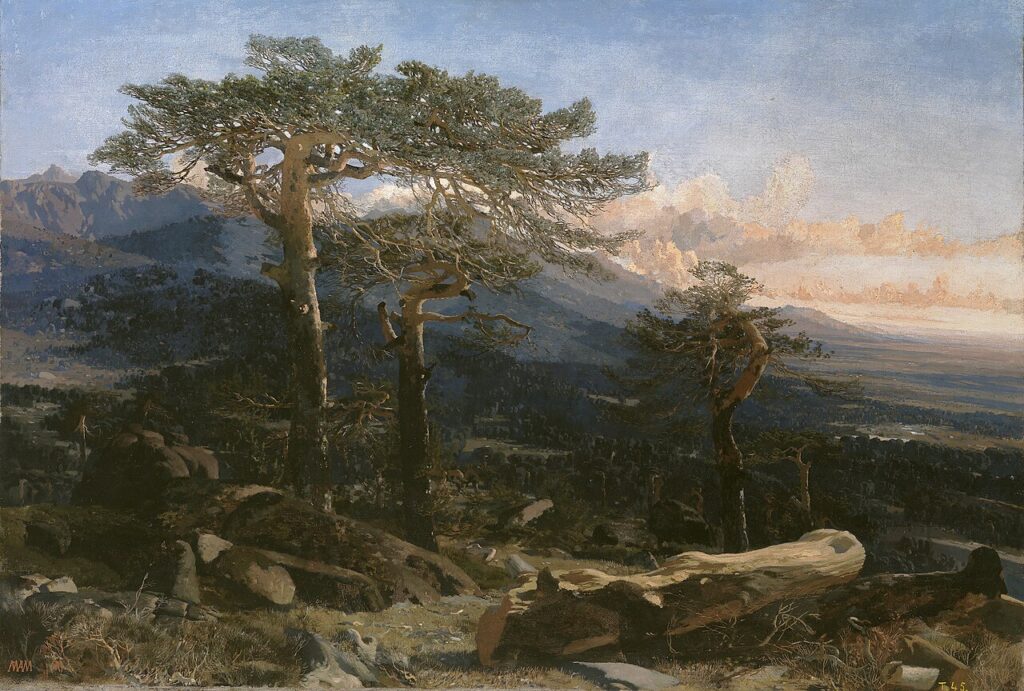
His career took him from the artistic circles of Madrid to the studios and galleries of Paris, the landscapes of France and Switzerland, the historic streets of Granada, and finally the canals of Venice. Each location contributed something valuable to his artistic development. By the end of his life, he had become one of Spain’s most respected painters and an artist whose work attracted collectors across Europe and the United States.
Today, Martín Rico is remembered not only as a painter of Venice but also as a pioneer who helped modernize Spanish landscape painting. His art stands as a bridge between Romanticism and the more naturalistic approaches that would dominate the later nineteenth century.
Early Life and Artistic Training
Martín Rico was born on November 12, 1833, in El Escorial, a town located northwest of Madrid. Growing up in Spain during a period of political and social change, he developed an early interest in drawing and painting. The cultural environment of the country, rich in artistic traditions and historic monuments, provided an inspiring backdrop for a young artist with ambition and talent.
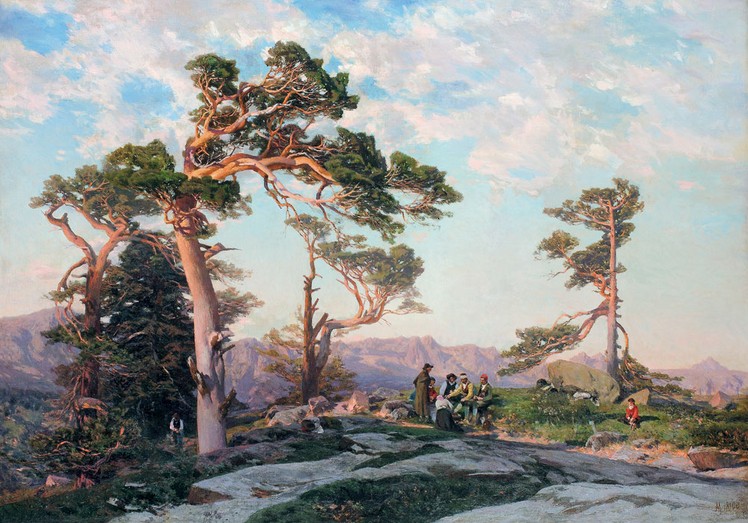
Recognizing his abilities, Rico eventually enrolled at the Real Academia de Bellas Artes de San Fernando in Madrid. The academy was one of Spain’s leading institutions for artistic education and had trained many of the country’s most accomplished painters. Here Rico received a rigorous academic foundation that included drawing, composition, perspective, and the study of historical masterpieces.
One of the most important influences during his training was the painter Jenaro Pérez Villaamil. Villaamil was known for his dramatic landscapes and architectural scenes, and his teaching introduced Rico to the possibilities of landscape painting as a serious artistic pursuit. Under his guidance, Rico learned how to combine careful observation with artistic imagination.
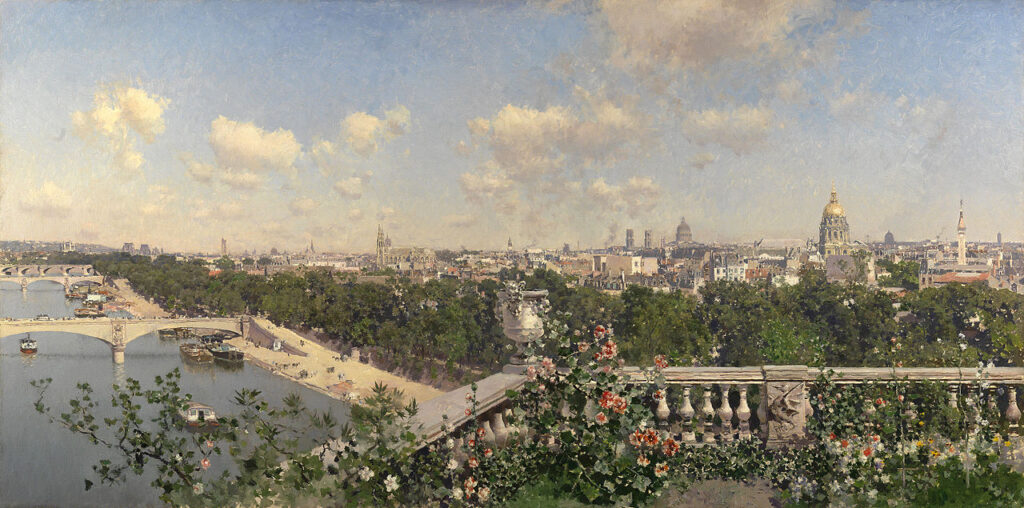
During these formative years, Rico absorbed the principles of Romanticism, which remained influential throughout Europe. His early works reflected the movement’s fascination with picturesque scenery, historic sites, and emotional atmosphere. While he would later move beyond Romanticism, these experiences provided essential technical skills and artistic confidence.
Paris and the Influence of the Barbizon School
A turning point in Rico’s career came when he received a government scholarship that allowed him to continue his studies abroad. Paris was then one of the world’s most important artistic centers, attracting painters from across Europe. For Rico, the move represented an opportunity to encounter new ideas and broaden his artistic horizons.
In France he came into contact with the Barbizon School, a group of painters who emphasized direct observation of nature. Rather than creating idealized landscapes in the studio, these artists often worked outdoors, studying the effects of changing weather, light, and atmosphere. Their commitment to realism had a profound effect on Rico.
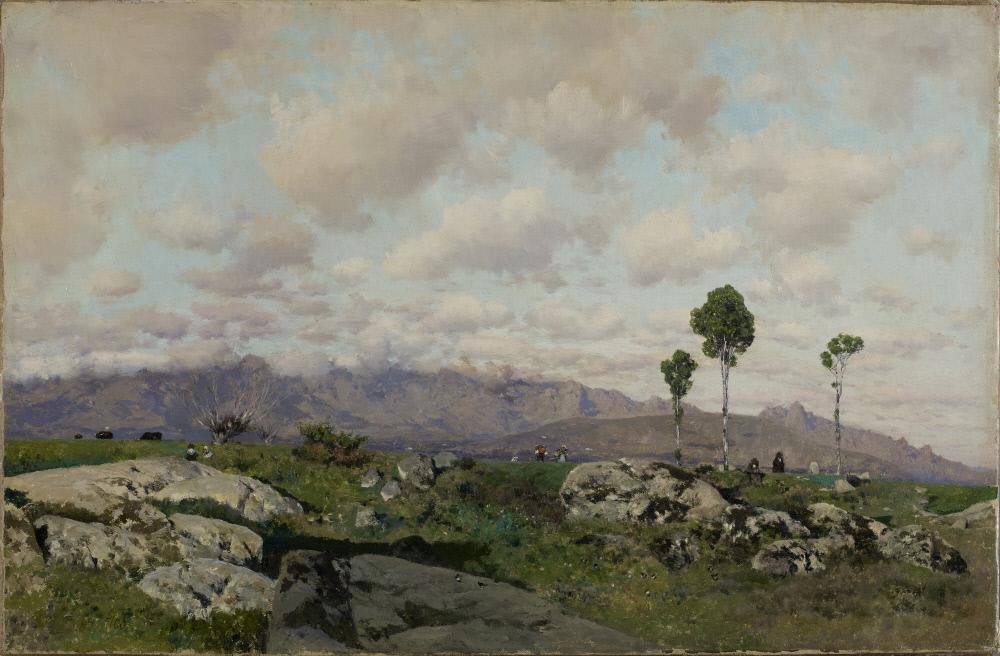
Among the figures who influenced him most was Charles-François Daubigny. Daubigny’s landscapes demonstrated how ordinary scenes could become extraordinary through careful attention to light and mood. Rico admired this approach and gradually adopted many of its principles in his own work.
The experience transformed his artistic outlook. He began painting landscapes with greater accuracy and sensitivity, paying closer attention to natural detail and atmospheric effects. The lessons learned in France would remain visible throughout the rest of his career, even as his subject matter evolved.
Friendship with Marià Fortuny and the Granada Years
The outbreak of the Franco-Prussian War in 1870 disrupted artistic life in France and encouraged Rico to return to Spain. This period marked another important chapter in his development. Back in his homeland, he renewed his connection with Spanish subjects while also benefiting from the influence of fellow artists.
One of the most significant relationships of his career was his friendship with Marià Fortuny, one of the most celebrated Spanish painters of the nineteenth century. Fortuny was admired for his brilliant use of color, his technical mastery, and his ability to capture sunlight. Rico and Fortuny shared artistic interests and developed a close professional friendship.
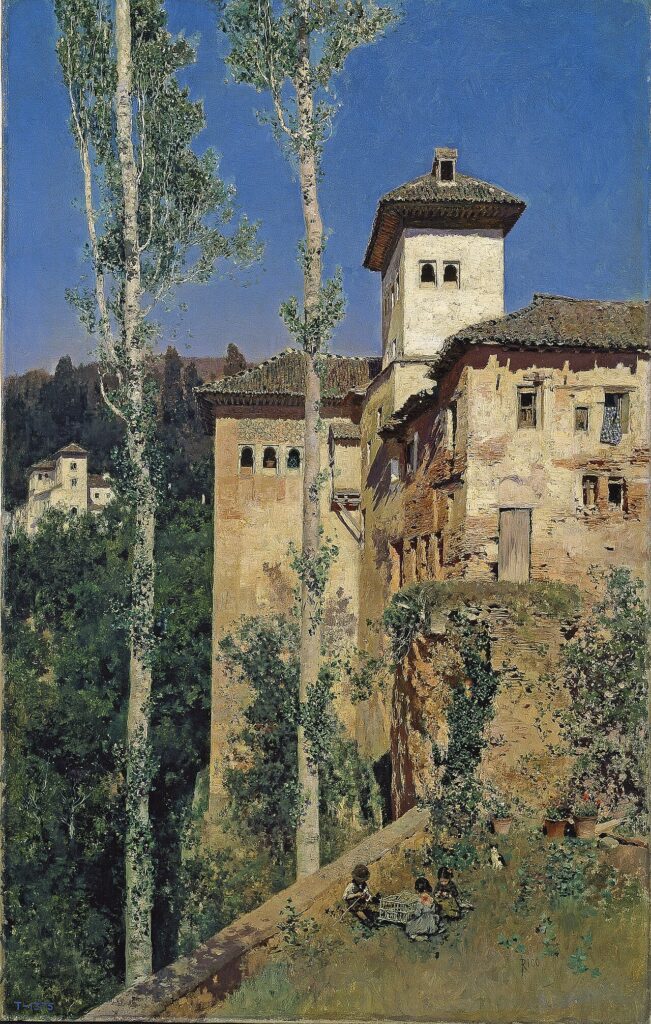
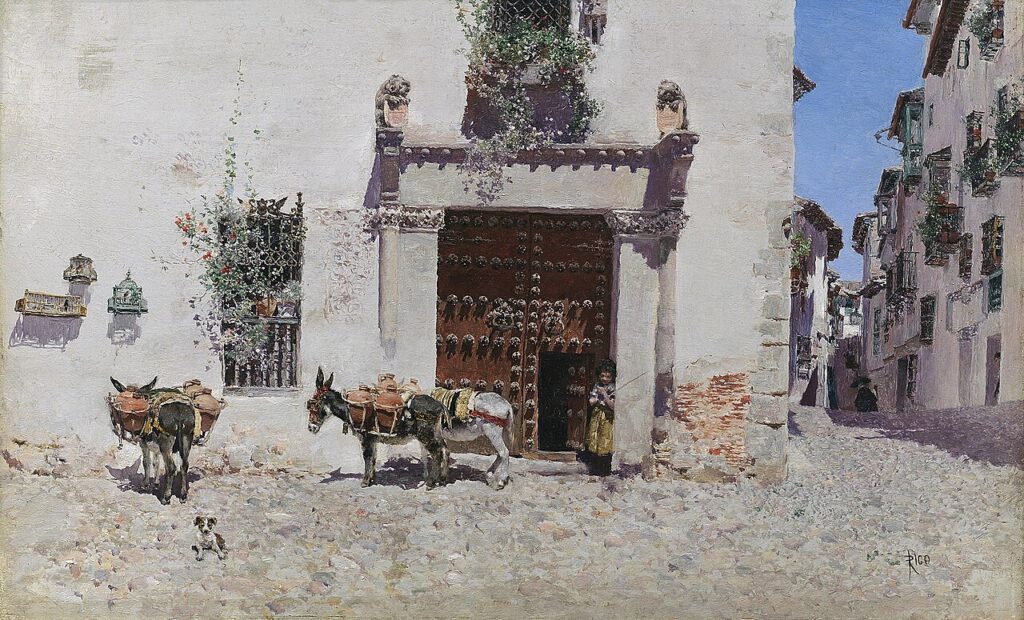
The two artists spent time together in Granada, a city renowned for its rich history and stunning architecture. The Alhambra, with its intricate decoration and dramatic setting, provided endless inspiration. Rico painted the city’s streets, gardens, and surrounding landscapes while refining his understanding of color and light.
Granada helped prepare him for the artistic discoveries that awaited him in Venice. The bright southern light, reflective surfaces, and architectural beauty of Andalusia encouraged him to think more deeply about atmosphere and visual harmony. These lessons would become central to his mature style.
Discovering Venice
In 1873 Rico visited Venice for the first time. The city immediately captivated him. Unlike any other place in Europe, Venice offered a combination of water, architecture, history, and light that seemed perfectly suited to his artistic interests.
The canals became natural pathways for observation. Rico could study reflections from countless angles while examining the intricate relationships between buildings, bridges, boats, and water. Every change in weather created new visual possibilities. Morning mist, afternoon sunlight, and evening shadows all transformed the city’s appearance.
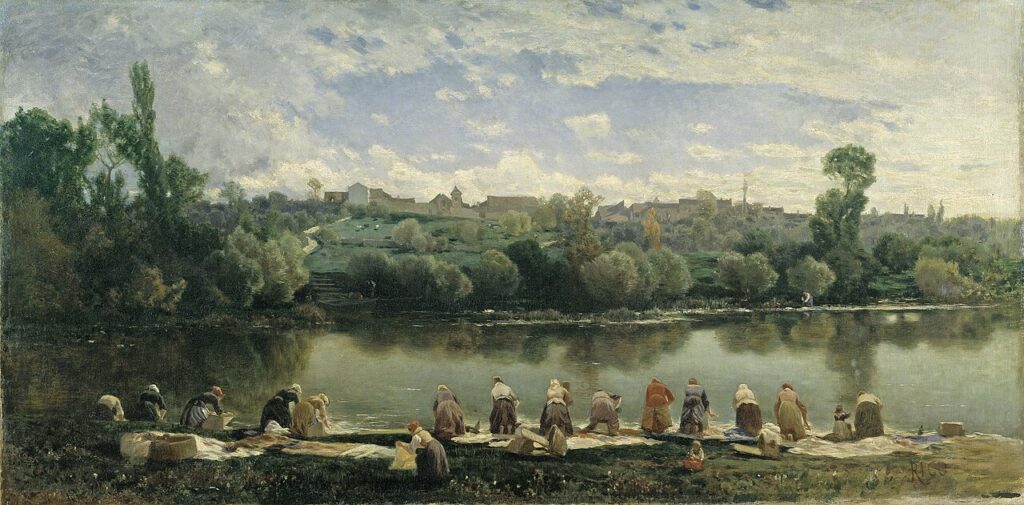
Venice quickly became the dominant subject of his art. Although he continued to paint elsewhere, he returned to the city repeatedly over the following decades. These visits allowed him to develop an intimate understanding of its character and atmosphere.
His Venetian scenes appealed strongly to collectors. Many viewers admired the combination of technical precision and poetic beauty found in his paintings. As demand increased, Rico’s reputation grew internationally, establishing him as one of the leading painters of urban landscapes during the late nineteenth century.
Artistic Style and Technique
One of Martín Rico’s greatest strengths was his ability to depict light. Whether painting a quiet canal, a sunlit bridge, or a distant landscape, he paid close attention to how illumination affected surfaces and colors. This sensitivity gave his works a convincing sense of atmosphere.
His paintings are notable for their remarkable detail. Architectural features were rendered with care and accuracy, yet the overall compositions never feel rigid or mechanical. Rico balanced precision with artistic expression, creating scenes that appear both realistic and inviting.
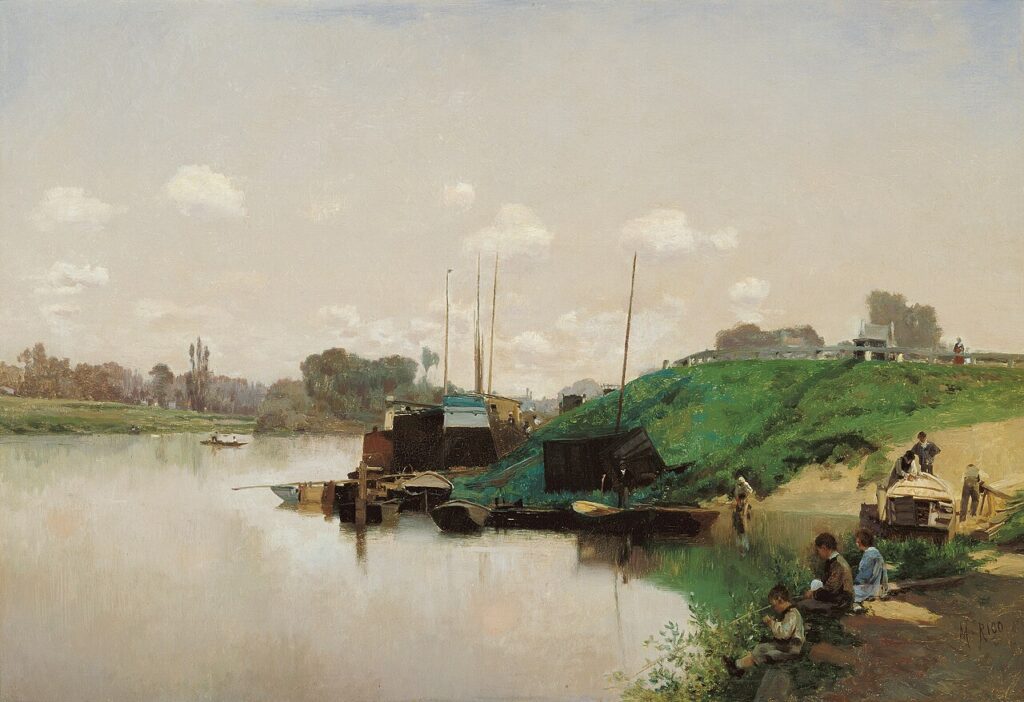
Water played a central role in many of his works. The reflections found in Venetian canals allowed him to demonstrate exceptional technical skill. He carefully observed how buildings, boats, and sky interacted with the water’s surface, producing effects that remain impressive today.
Color was another important element of his style. Influenced by both the Barbizon School and Fortuny, Rico developed a luminous palette capable of conveying subtle shifts in weather and mood. His paintings often feel bright and airy, even when depicting complex architectural settings.
Major Works and Career Success
Throughout his career, Rico produced numerous landscapes and cityscapes that attracted attention from collectors and critics. His Venetian views became especially popular because they combined accuracy with elegance. Rather than creating dramatic fantasies, he presented Venice as a living city filled with beauty and everyday activity.
His success extended beyond Spain. Collectors in France, Britain, and the United States acquired his works, helping to establish an international market for his paintings. This widespread appreciation provided financial stability and allowed him to continue traveling and working on ambitious projects.
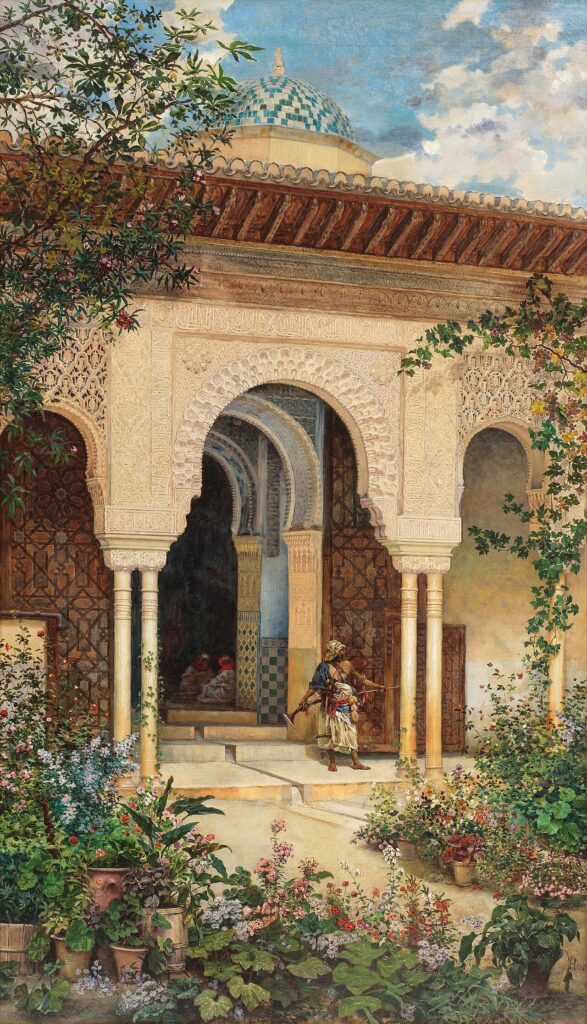
Exhibitions further strengthened his reputation. During the nineteenth century, public exhibitions played a crucial role in an artist’s career, and Rico’s participation in these events introduced his work to larger audiences. Positive critical responses reinforced his standing among professional artists and collectors.
By the final decades of his life, he had achieved a level of recognition that few Spanish landscape painters enjoyed. His paintings were sought after for their beauty, craftsmanship, and ability to transport viewers to some of Europe’s most picturesque locations.
Legacy and Influence
Martín Rico occupies an important position within the history of Spanish painting. He helped expand the possibilities of landscape and cityscape art at a time when many artists still focused primarily on historical or religious subjects. His commitment to direct observation contributed to the growing popularity of naturalistic painting.
His work also reflects the increasingly international nature of nineteenth-century art. Rico absorbed influences from Spain, France, Italy, and Switzerland while maintaining a distinctive personal style. This ability to blend different traditions helped make his paintings appealing to audiences across Europe.
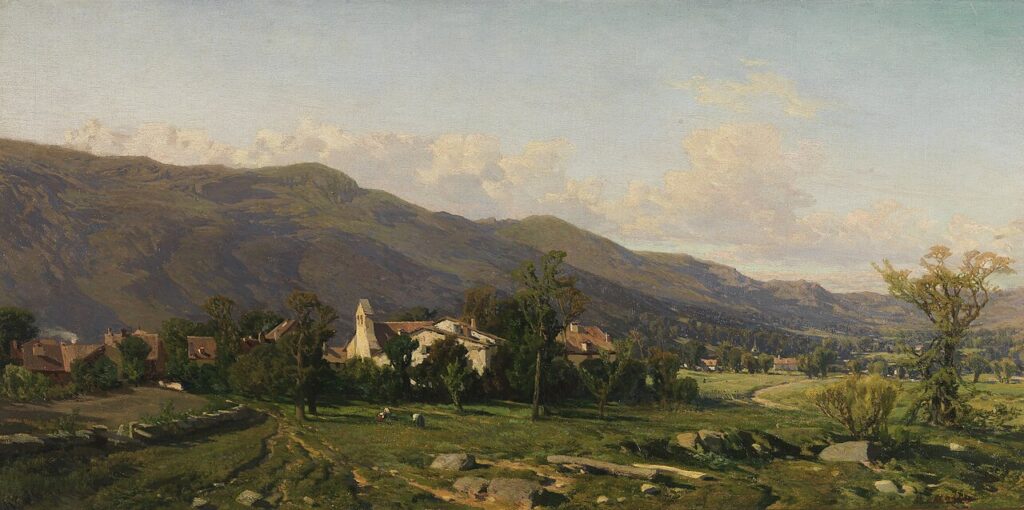
Modern scholars often view him as a bridge between Romanticism and later forms of realism. His early interest in atmosphere and picturesque scenery never disappeared completely, but it became balanced by careful observation and technical discipline. This combination remains one of the most attractive aspects of his art.
Museums and collectors continue to value his paintings today. His Venetian scenes are particularly admired because they preserve a vision of the city before the transformations of the twentieth century. Through his work, viewers can experience a Venice that is both historically specific and timelessly beautiful.
Conclusion
Martín Rico’s artistic journey took him from the classrooms of Madrid to the artistic circles of Paris and eventually to the canals of Venice. Along the way, he absorbed influences from Romanticism, the Barbizon School, and fellow painters such as Marià Fortuny. Rather than imitating others, he transformed these influences into a distinctive style defined by light, atmosphere, and precision.
His greatest achievement was his ability to capture place. Whether painting a French river, a Spanish landscape, or a Venetian canal, Rico conveyed a strong sense of presence and authenticity. Viewers feel as though they are standing within the scene itself, experiencing its light and atmosphere firsthand.
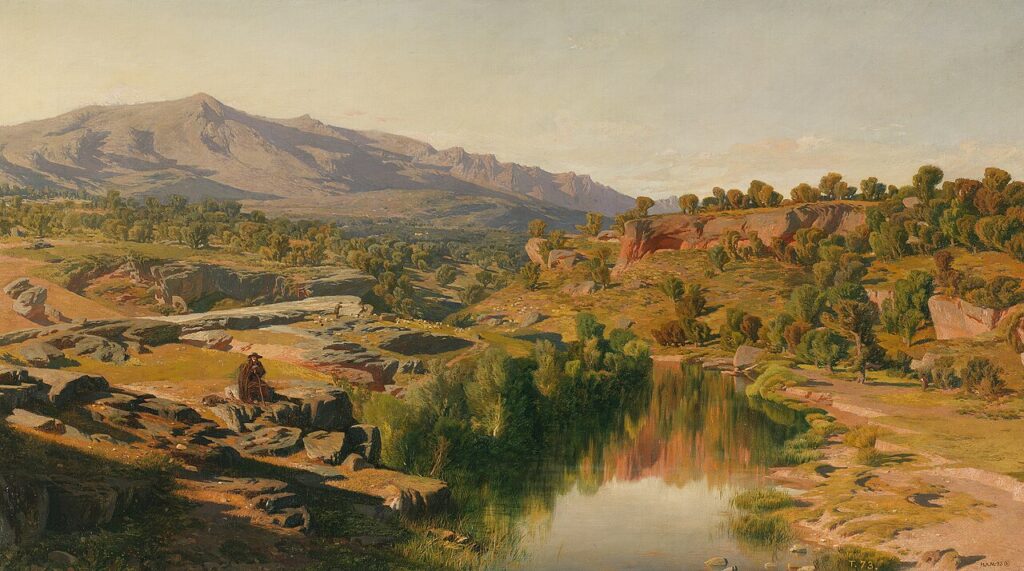
More than a century after his death, his paintings remain admired for their technical excellence and visual charm. They offer not only beautiful images but also valuable records of the places he loved and studied throughout his life.
Martín Rico may be remembered primarily as the painter of Venice, but his legacy extends far beyond a single city. He helped shape modern landscape painting and left behind a body of work that continues to inspire artists, historians, and collectors around the world.
Key Takeaways
- Martín Rico was born in El Escorial, Spain, in 1833 and became one of Spain’s leading landscape painters.
- He studied at the Real Academia de Bellas Artes de San Fernando under Jenaro Pérez Villaamil.
- His artistic development was strongly influenced by the Barbizon School and Charles-François Daubigny.
- Venice became his most important subject after his first visit in 1873.
- His paintings are celebrated for their mastery of light, atmosphere, architecture, and reflection.
Frequently Asked Questions
1. When was Martín Rico born?
Martín Rico was born on November 12, 1833, in El Escorial, Spain.
2. What type of art is Martín Rico known for?
He is best known for landscapes, cityscapes, and especially his paintings of Venice.
3. Who influenced Martín Rico’s artistic style?
Important influences included Jenaro Pérez Villaamil, Charles-François Daubigny, the Barbizon School, and Marià Fortuny.
4. Why is Venice associated with Martín Rico?
After visiting Venice in 1873, he made the city the primary subject of many of his most celebrated paintings.
5. When did Martín Rico die?
He died in Venice on April 13, 1908.