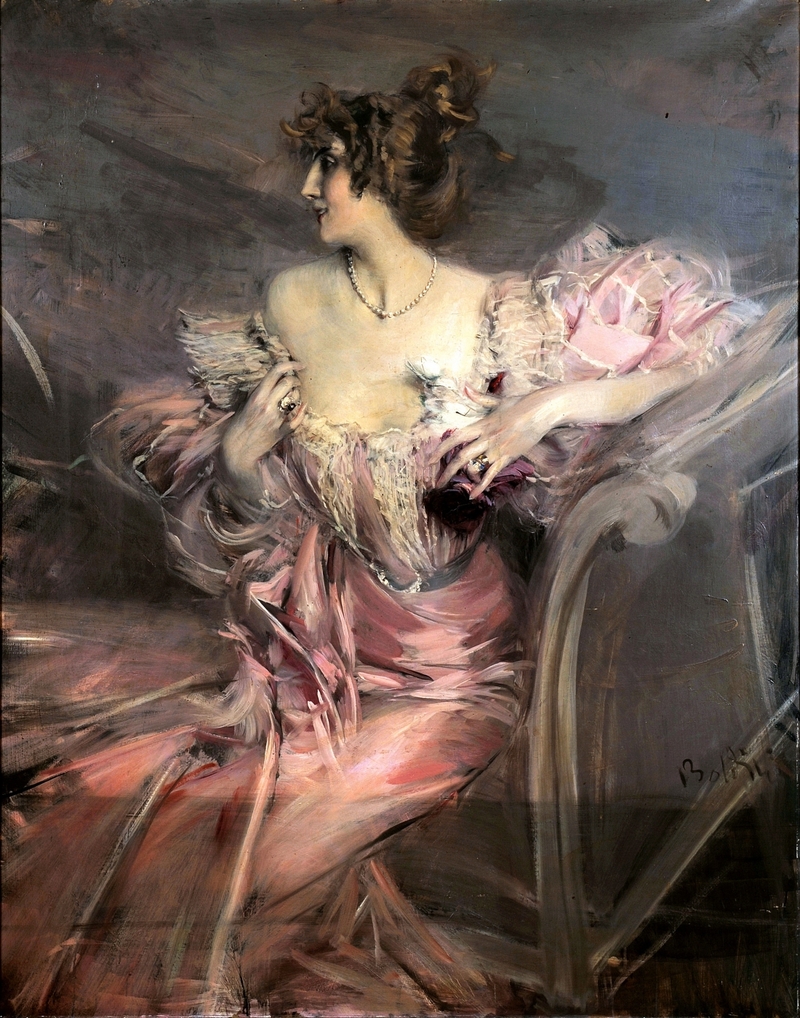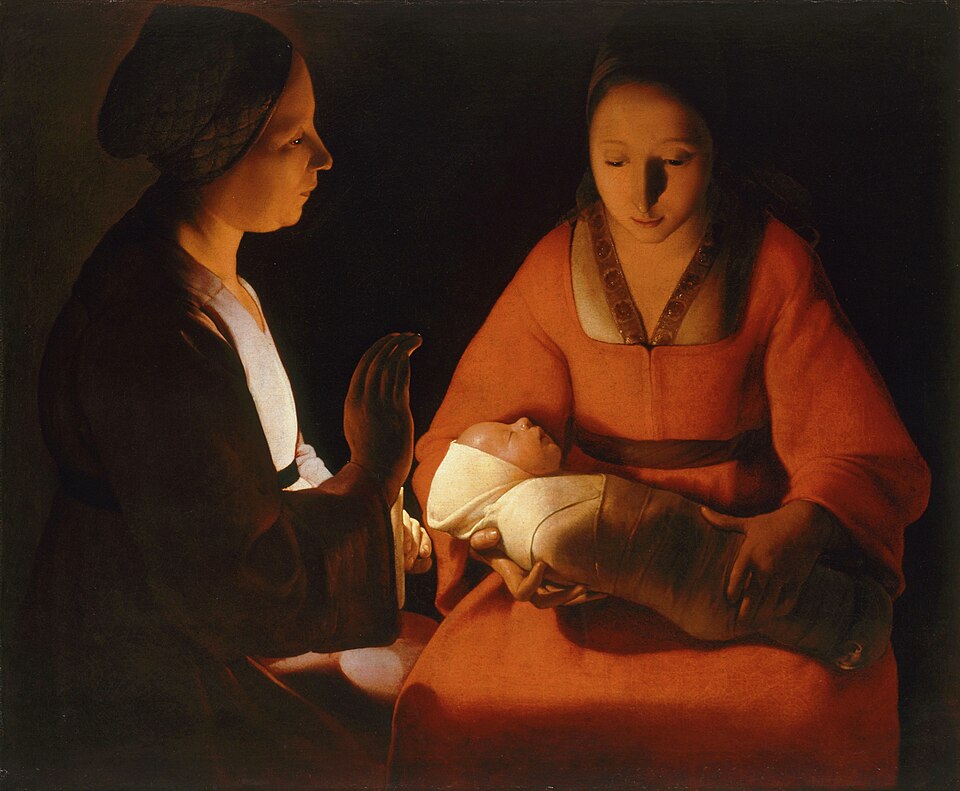
Ever wonder which artists share your birthday? The Art Bog’s calendar gathers the birthdates of painters, sculptors, illustrators, and other creative souls from across the centuries. It’s a simple, inspiring way to explore art history one day at a time. Whether you’re just browsing or hunting for a connection to your own special date, the calendar is here to remind us that every day brought someone new into the world — someone who picked up their artistic implements and left their mark.
Have fun! And remember, The Art Bog is always adding to this list.
January 1
Qi Baishi (1864–1957) — Chinese painter and calligrapher best known for expressive ink paintings of shrimp, flowers, birds, and other natural subjects.
César Baldaccini (1921–1998) — French sculptor best known for innovative works made from compressed automobiles, scrap metal, and expanding polyurethane foam.
Jacques-Émile Blanche
Anastas Bocarić (1864–1944) — Montenegrin painter best known for portraits, historical compositions, and scenes of Balkan life.
John Cassidy (1860–1939) — Irish sculptor best known for public monuments, portrait busts, and war memorials in Britain.
Osvaldo Cavandoli (1920–2007) — Italian animator and cartoonist best known for creating the minimalist animated character La Linea.
Adolf Mosengel (1887–1963) — German painter best known for landscapes, city views, and scenes of everyday life.
Yiannis Poulakas (1863–1942) — Greek painter best known for portraits, genre scenes, and depictions of everyday life in Greece.
Heinrich Rauchinger (1858–1942) — Austrian painter best known for portraits, genre scenes, and refined depictions of children.
Paul Revere (1735–1818) — American silversmith, engraver, and patriot best known for his engravings and his celebrated midnight ride during the American Revolution.
Edwin W. Shaar
Alfred Stieglitz (1864–1946) — American photographer and gallery owner best known for advancing photography as a fine art and promoting modern artists.
Spencer Tunick (1967– ) — American photographer best known for large-scale installations featuring groups of nude volunteers in public spaces.
January 2
Emil Åberg (1864–1940) — Swedish painter best known for portraits, landscapes, and scenes of everyday Swedish life.
Gerard Pieter Adolfs (1897–1968) — Dutch painter best known for colorful landscapes and street scenes of Indonesia and the Dutch East Indies.
Ernst Barlach (1870–1938) — German sculptor, printmaker, and writer best known for expressive figures exploring human suffering and spirituality.
Constant Detré (1886–1945) — Hungarian painter and illustrator best known for expressive portraits, theater designs, and caricatures.
Christoffer Wilhelm Eckersberg (1783–1853) — Danish painter best known as the father of Danish painting for his portraits, landscapes, and marine scenes.
Frederick Burr Opper (1857–1937) — American illustrator and cartoonist best known for creating the comic strip characters Happy Hooligan and Alphonse and Gaston.
Christian Daniel Rauch (1777–1857) — German sculptor best known for Neoclassical monuments, portrait statues, and the equestrian statue of Frederick the Great.
Hendrik van de Sande Bakhuyzen (1795–1860) — Dutch landscape painter best known for pastoral scenes featuring cattle, rivers, and the Dutch countryside.
Frederick Varley (1881–1969) — Canadian painter best known as a founding member of the Group of Seven and for expressive landscapes and portraits.
January 3
Valentin de Boulogne (1591–1632) — French Baroque painter best known for dramatic religious scenes and genre paintings influenced by Caravaggio.
Jack Levine (1915–2010) — American painter best known for satirical figurative works criticizing politics, war, and social injustice.
August Macke (1887–1914) — German Expressionist painter best known for luminous scenes of everyday life and as a leading member of Der Blaue Reiter.
Ivan Seleznyov (1843–1907) — Ukrainian painter best known for historical scenes, portraits, and genre paintings depicting Ukrainian life.
Joseph-Benoît Suvée (1743–1807) — Flemish Neoclassical painter best known for history paintings, classical subjects, and portraits.
January 4
Cristiano Banti (1824–1904) — Italian painter best known as a member of the Macchiaioli movement for landscapes, portraits, and rural scenes.
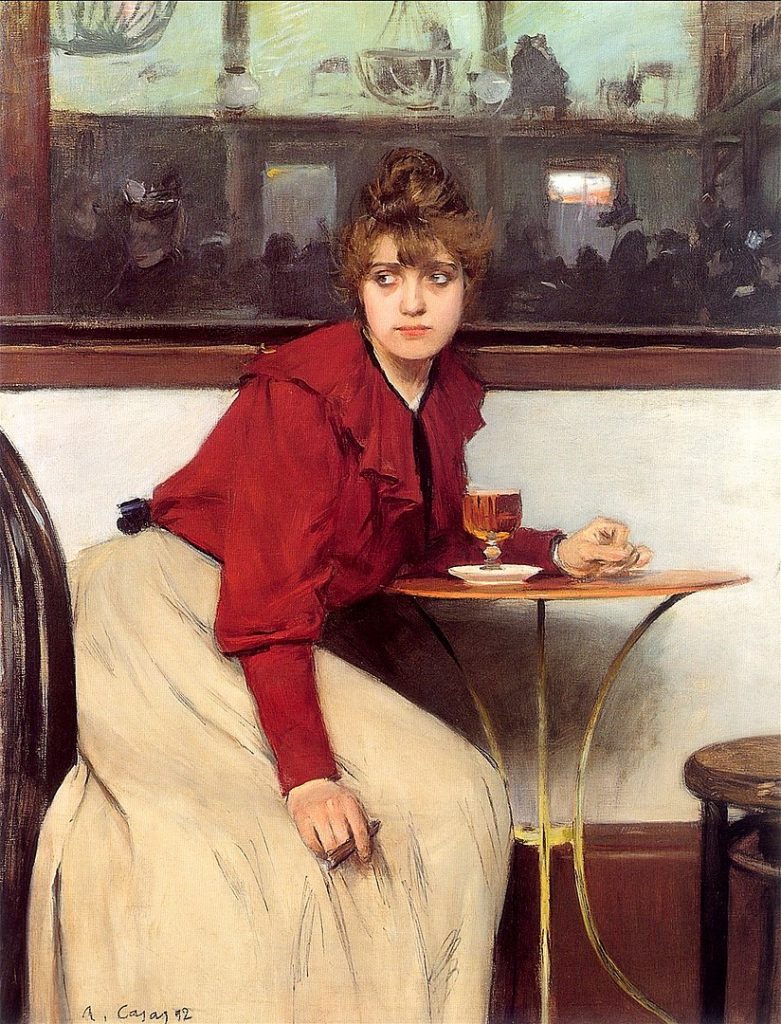
Ramon Casas (1866–1932) — Spanish painter and illustrator best known for portraits, café scenes, and depictions of modern life in Catalonia.
Jules-Cyrille Cavé
Marsden Hartley (1877–1943) — American Modernist painter best known for bold landscapes and expressive abstract works inspired by Europe and Maine.
Augustus John (1878–1961) — Welsh painter best known for vigorous portraits, figure paintings, and bohemian lifestyle.
André Masson (1896–1987) — French painter best known for Surrealist works featuring automatic drawing and dreamlike imagery.
Yoshitomo Nara (1959) — Japanese contemporary artist best known for paintings and sculptures of wide-eyed children with ambiguous expressions.
Rolf Nerlöv
François Rude (1784–1855) — French sculptor best known for The Departure of the Volunteers of 1792 on the Arc de Triomphe.
Zurab Tsereteli
Arthur Villeneuve (1910–1990) — Canadian folk artist best known for transforming his house into a richly painted work of art.
Victor Westerholm (1860–1919) — Finnish painter best known for atmospheric landscapes and winter scenes inspired by the Nordic countryside.
January 5
Mino Argento (1927–2022) — Italian-born American painter best known for geometric abstract compositions exploring color, space, and visual perception.
Oldřich Blažíček (1887–1953) — Czech painter best known for expressive landscapes, cityscapes, and richly colored still lifes.
Nicolas de Staël (1914–1955) — French painter of Russian origin best known for boldly textured semi-abstract landscapes and still lifes.
Pablo Gargallo
Remigius Adrianus Haanen (1812–1894) — Dutch painter best known for Romantic winter landscapes, mountain views, and forest scenes.
Marcus Larson
Yves Tanguy (1900–1955) — French Surrealist painter best known for mysterious dreamlike landscapes filled with biomorphic forms.
January 6
José Campeche (1751–1809) — Puerto Rican painter best known for religious works and portraits, making him one of the island’s greatest colonial artists.
Gustave Doré (1832–1883) — French illustrator, engraver, and painter best known for dramatic illustrations of the Bible, Don Quixote, and The Divine Comedy.
Aleksandra Ekster (1882–1949) — Ukrainian avant-garde painter and designer best known for Cubo-Futurist works and innovative theater stage designs.
W. J. Fenn
Jean-Robert Ipoustéguy (1920–2006) — French sculptor and painter best known for expressive monumental sculptures exploring the human condition.
Apollon Kutateladze (1899–1972) — Georgian painter best known for portraits, landscapes, and helping shape modern Georgian art education.
Joaquin Mir Trinxet (1873–1940) — Spanish painter best known for brilliantly colored landscapes that became landmarks of Catalan Modernism.
Charles E. Pont (1898–1971) — American illustrator and cartoonist best known for magazine illustrations, pin-up art, and advertising artwork.
Baldassare Verazzi (1819–1886) — Italian painter best known for historical subjects, portraits, and frescoes associated with the Risorgimento.
Martin von Feuerstein (1856–1931) — German painter best known for religious murals, altarpieces, and monumental church decorations.
January 7
George Grantham Bain (1865–1944) — American photographer and publisher best known for pioneering one of the first major news photography agencies.
Nicolaas Bastert
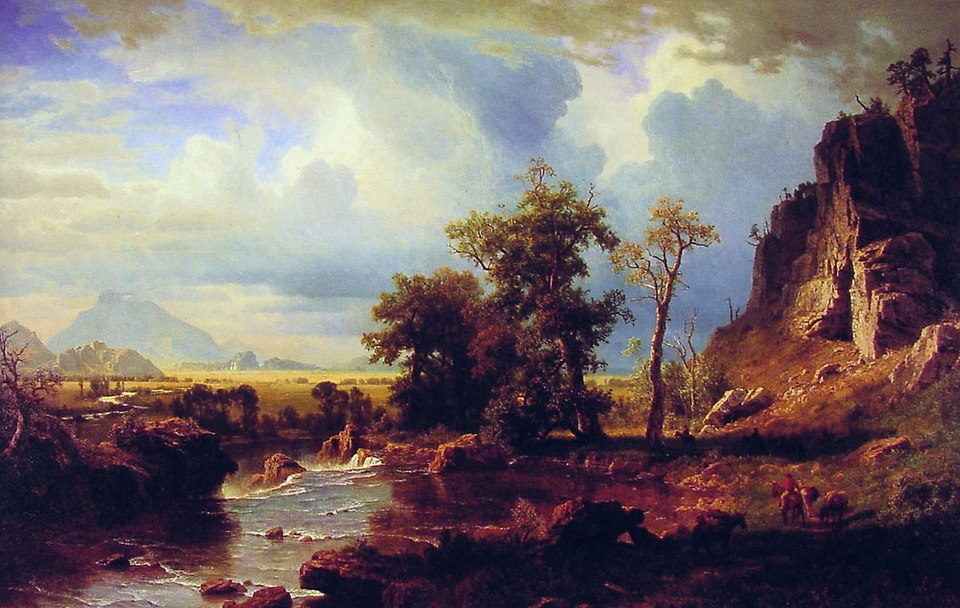
Albert Bierstadt (1830–1902) — German-American painter best known for monumental landscapes of the American West and the Rocky Mountains.
Pascal Dagnan-Bouveret (1852–1929) — French Academic painter best known for meticulously realistic religious scenes, portraits, and rural life.
Giovanni Marghinotti
Patrick Nasmyth (1787–1831) — Scottish landscape painter best known for idyllic rural scenes inspired by the Dutch Golden Age.
Johannes Wilhjelm (1868–1938) — Danish painter best known for luminous landscapes, interiors, and scenes from the island of Ven.
Christopher Williams (1873–1934) — Welsh painter best known for portraits, historical subjects, and patriotic scenes celebrating Welsh history.
January 8
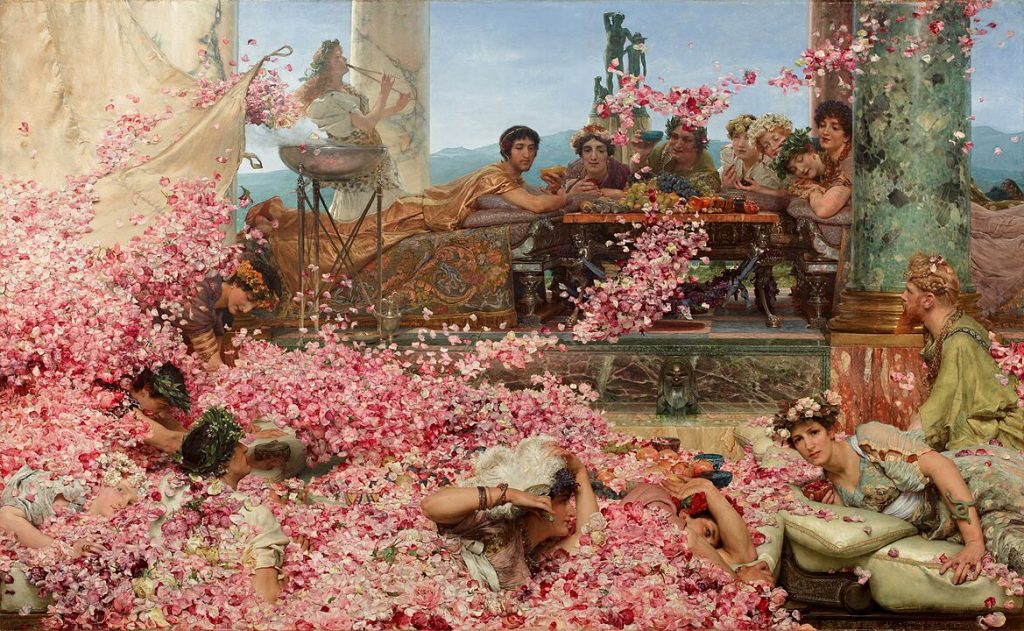
Lawrence Alma-Tadema (1836–1912) — Dutch-born British painter best known for meticulously detailed scenes of ancient Greece and Rome.
Pietro Benvenuti
José Bernal
Paolo Carosone (1909–1981) — Italian painter best known for landscapes, portraits, and scenes of everyday Italian life.
Pavel Filonov (1883–1941) — Russian avant-garde painter best known for his highly detailed Analytical Art and visionary compositions.
François Guiguet (1860–1937) — French painter best known for intimate portraits, domestic interiors, and scenes of everyday life.
Jan Nieuwenhuys (1922–1986) — Dutch painter best known for colorful abstract and expressive works associated with the CoBrA movement.
Alida Jantina Pott (1888–1931) — Dutch painter and graphic artist best known for Symbolist and Art Deco-inspired portraits and decorative compositions.
Elisabetta Sirani (1638–1665) — Italian Baroque painter best known for religious, mythological, and allegorical works produced during her remarkably short career.
Florent Willems
Julie Wolfthorn (1864–1944) — German painter best known for portraits and for advocating greater opportunities for women artists.
January 9
Albert Baertsoen (1866–1922) — Belgian painter and printmaker best known for atmospheric cityscapes and canals of Ghent rendered in muted tones.
Nicolas Coustou (1658–1733) — French sculptor best known for elegant Baroque marble sculptures and monumental works at the Palace of Versailles.
François de Troy (1645–1730) — French painter best known for portraits and refined historical compositions at the court of Louis XIV.
Edvard Diriks (1855–1930) — Norwegian painter best known for coastal landscapes, marine scenes, and views of northern Norway.
William Powell Frith (1819–1909) — English painter best known for richly detailed Victorian crowd scenes, including Derby Day and The Railway Station.
Ronnie Landfield (1947) — American painter best known for lyrical Color Field abstractions and expressive post-painterly landscapes.
Nicolas Sicard
Simon Vouet (1590–1649) — French Baroque painter best known for introducing the Italian Baroque style to France through religious and allegorical works.
January 10
Howard Chandler Christy
May Louise Greville Cooksey (1878–1943) — English painter best known for portraits, landscapes, and still lifes exhibited at leading British art institutions.
Eldzier Cortor (1916–2015) — American painter and printmaker best known for expressive depictions of African American life and the human figure.
Barbara Hepworth (1903–1975) — English sculptor best known for abstract modernist sculptures featuring pierced forms inspired by nature.
Donald Knuth
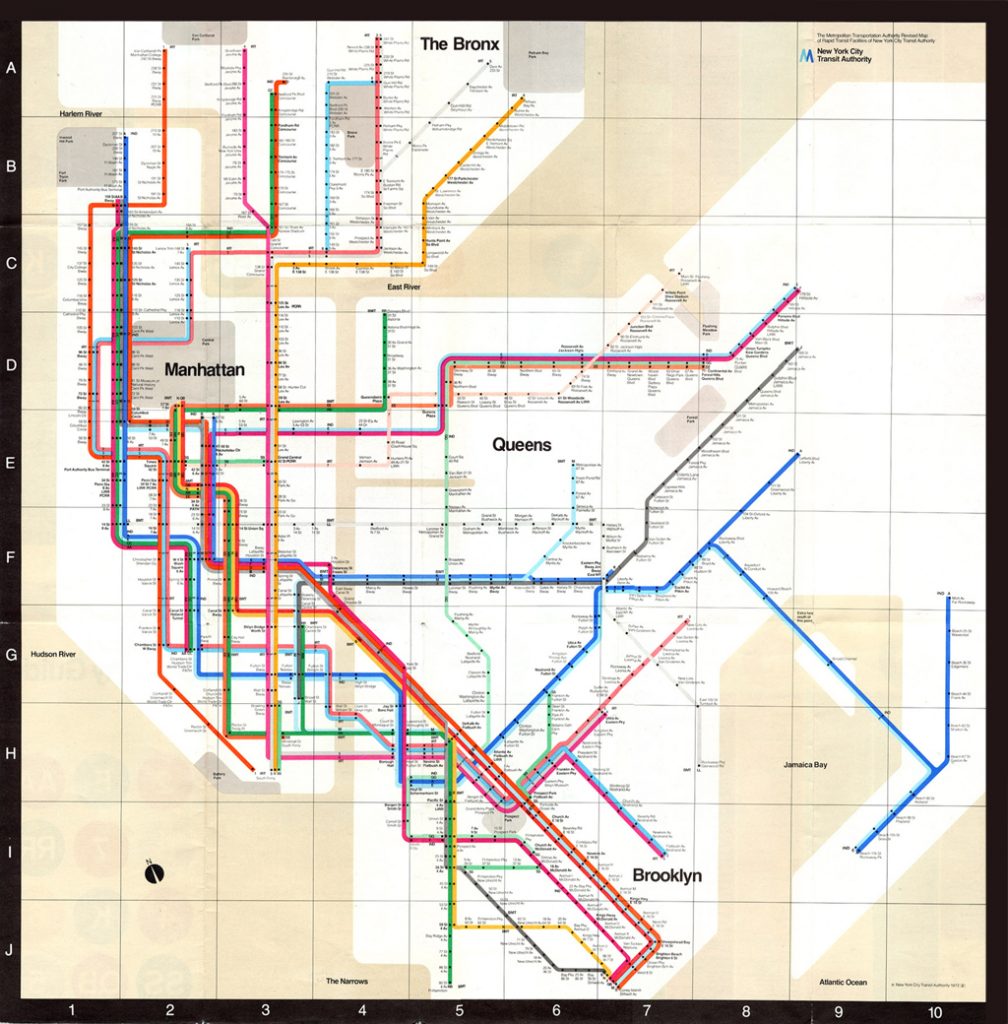
Massimo Vignelli (1931–2014) — Italian designer best known for influential graphic, furniture, and product designs, including the 1972 New York City Subway map.
Melchior Paul von Deschwanden (1811–1881) — Swiss painter best known for religious paintings, altarpieces, and devotional portraits.
August Weber (1817–1873) — German landscape painter best known for Romantic views of forests, rivers, and the Rhine Valley.
Johannes Zick (1702–1762) — German Baroque painter and fresco artist best known for monumental church ceiling paintings throughout southern Germany.
Heinrich Zille (1858–1929) — German illustrator, photographer, and graphic artist best known for sympathetic depictions of everyday working-class life in Berlin.
January 11
Oskar Andersson (1877–1906) — Swedish cartoonist and illustrator best known for creating the pioneering comic strip Mannen som gör vad som faller honom in.
Giuseppe Bonito (1707–1789) — Italian painter best known for portraits and lively genre scenes depicting everyday life in eighteenth-century Naples.
Mildred Anne Butler (1858–1941) — Irish painter best known for watercolor and oil paintings of flowers, gardens, and the Irish countryside.
Alexander Calder (1898–1976) — American sculptor best known for inventing the mobile and creating monumental abstract stabiles.
Charles Olivier de Penne
Peter Johann Nepomuk Geiger (1805–1880) — Austrian painter and illustrator best known for historical scenes, book illustrations, and portraits.
Eva Hesse (1936–1970) — German-born American sculptor best known for innovative Post-Minimalist works using latex, fiberglass, and other unconventional materials.
Nora Heysen (1911–2003) — Australian painter best known for portraits, still lifes, and serving as Australia’s first female official war artist.
Georgios Jakobides (1853–1932) — Greek painter best known for academic portraits and tender scenes of children and family life.
Parmigianino (1503–1540) — Italian Mannerist painter and printmaker best known for the elegant Madonna with the Long Neck.
January 12
Charles Partridge Adams (1858–1942) — American landscape painter best known for majestic mountain scenes of Colorado and the Rocky Mountains.
Jacques-André-Joseph Aved (1702–1766) — French portrait painter best known for refined Rococo portraits of European aristocracy and intellectuals.
Alexis Simon Belle (1674–1734) — French painter best known for portraits of the French and Jacobite courts.
Jean Béraud (1849–1935) — French painter best known for elegant scenes of everyday life on the streets and boulevards of Paris.
Jusepe de Ribera (1591–1652) — Spanish Baroque painter and printmaker best known for dramatic religious works influenced by Caravaggio.
Edward Lamson Henry (1841–1919) — American painter best known for nostalgic scenes of nineteenth-century rural life and horse-drawn transportation.
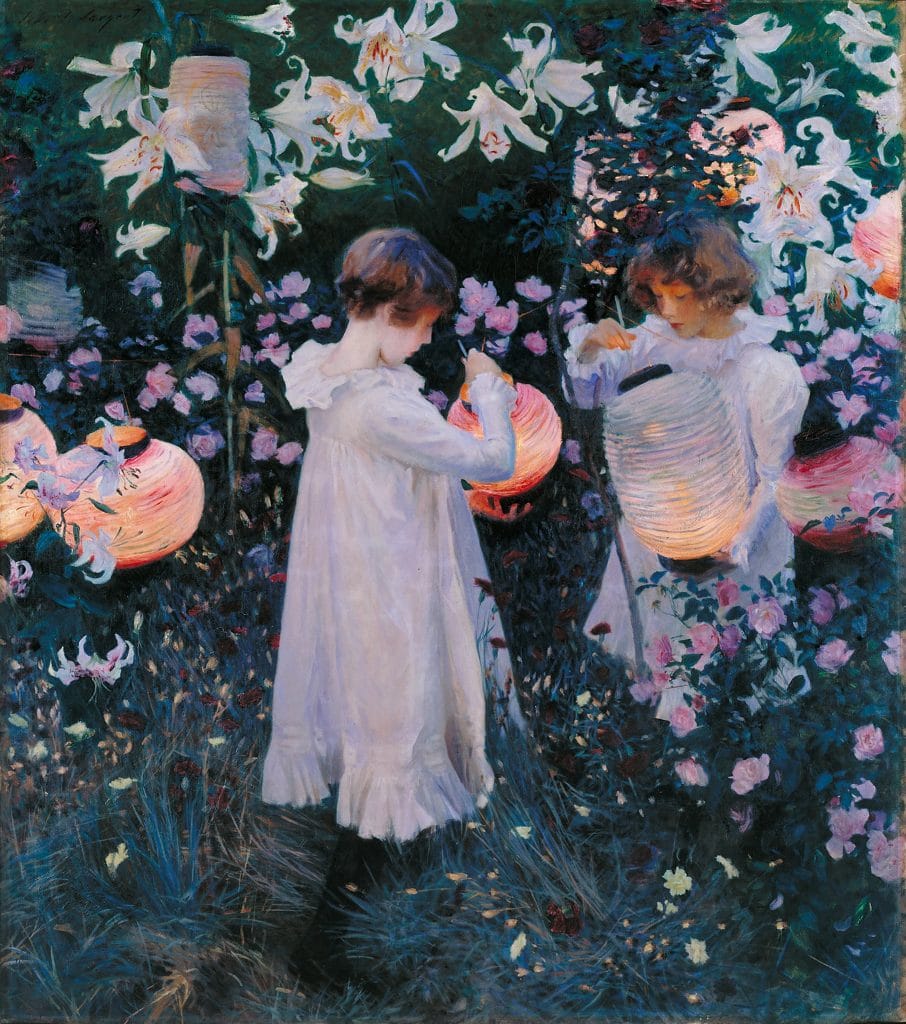
John Singer Sargent (1856–1925) — American painter best known for brilliant society portraits and masterful watercolor landscapes.
January 13
Giuseppe Abbati (1836–1868) — Italian painter best known as a leading member of the Macchiaioli movement for landscapes and rural scenes.
Edmond Aman-Jean (1858–1936) — French Symbolist painter best known for poetic portraits of women and decorative mural paintings.
Antonietta Brandeis (1848–1926) — Czech-born Italian painter best known for detailed views of Venice and other historic Italian cities.
Adrianus Eversen (1818–1897) — Dutch painter best known for lively street scenes and canal views of historic Dutch towns.
Paul Gavarni (1804–1866) — French illustrator, lithographer, and caricaturist best known for satirical depictions of Parisian society.
Lilla Cabot Perry (1848–1933) — American Impressionist painter best known for portraits, landscapes, and introducing Impressionism to American audiences.
Henry Meynell Rheam (1859–1920) — English painter best known for Pre-Raphaelite-inspired portraits and literary subjects.
Philippe-Jacques van Bree (1786–1871) — Belgian painter best known for historical scenes, genre paintings, and portraits.
Jan van Goyen (1596–1656) — Dutch Golden Age painter best known for tonal landscapes, river views, and coastal scenes.
January 14
Clément Castelli (1870–1959) — French painter best known for luminous landscapes, Provençal scenes, and Mediterranean coastal views.
Elnar Hákonarson (1945) — Icelandic painter and sculptor best known for expressive figurative works inspired by Icelandic history, folklore, and daily life.
Claude-Guy Hallé (1652–1736) — French painter best known for decorative religious and mythological works created for churches and royal commissions.
Emanuel Hegenbarth
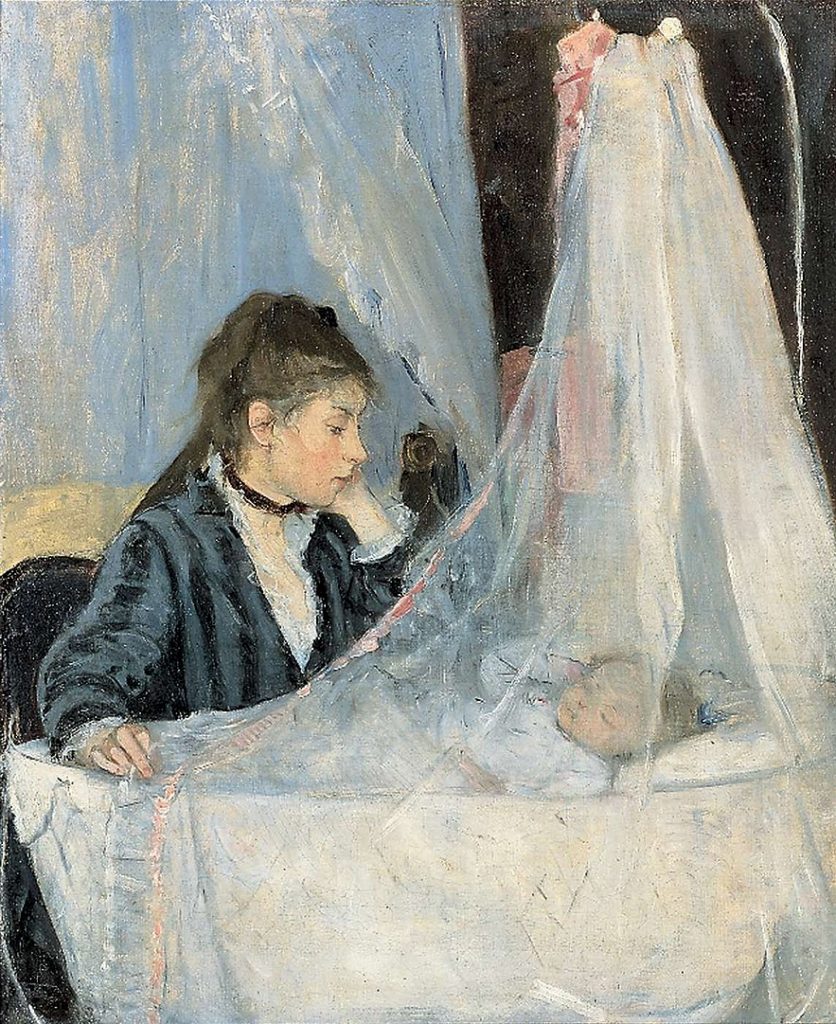
Berthe Morisot (1841–1895) — French Impressionist painter best known for luminous depictions of women, children, and domestic life.
Henri Fantin-Latour (1836–1904) — French painter best known for exquisite flower still lifes and group portraits of artists and writers.
Witold Pruszkowski (1846–1896) — Polish painter best known for poetic Symbolist works inspired by folklore, history, and literature.
Jean-Baptiste van Loo (1684–1745) — French painter best known for elegant portraits of European royalty and aristocracy.
January 15
George Adomeit (1879–1967) — American painter best known for Impressionist landscapes, cityscapes, and scenes of Cleveland and northern Ohio.
Ernest Christophe (1827–1892) — French sculptor best known for allegorical monuments and funerary sculptures in the Romantic tradition.
Palmer Hayden (1890–1973) — American painter best known for depictions of African American life, folklore, and Harlem Renaissance subjects.
Jan Josef Horemans the Younger (1714–1790) — Flemish painter best known for lively genre scenes, interiors, and depictions of everyday eighteenth-century life.
Frances Benjamin Johnston (1864–1952) — American photographer best known for pioneering portrait photography and documenting historic architecture across the United States.
Ferdinand Waldmüller (1793–1865) — Austrian painter best known for realistic portraits, landscapes, and scenes of rural life during the Biedermeier period.
Stanisław Wyspiański (1869–1907) — Polish painter, playwright, and designer best known for Symbolist art, stained glass, and his influential role in the Young Poland movement.
January 16
Lucas Achtschellinck (1626–1699) — Flemish Baroque painter best known for expansive woodland landscapes and panoramic views often populated with small figures.
Eugène Carrière (1849–1906) — French Symbolist painter best known for softly modeled portraits and intimate family scenes enveloped in warm, hazy tones.
Oscar Fristrom (1856–1918) — Swedish-born Australian painter best known for Queensland landscapes, coastal views, and scenes of tropical Australia.
Karl Isakson (1878–1922) — Swedish painter best known for colorful Post-Impressionist landscapes and still lifes influenced by modern French art.
Ludwik Misky (1884–1938) — Polish painter best known for landscapes, portraits, and genre scenes reflecting early twentieth-century Polish artistic traditions.
Robert Jenkins Onderdonk (1852–1917) — American painter best known for Texas landscapes, bluebonnet scenes, and his influence on generations of Texas artists.
Algirdas Petrulis (1910–1981) — Lithuanian painter best known for expressive landscapes, portraits, and decorative compositions inspired by Lithuanian folk traditions.
Helga Marie Ring Reusch (1874–1945) — Norwegian painter best known for portraits, landscapes, and still lifes painted in a restrained naturalistic style.
Francesco Scavullo (1921–2004) — American fashion photographer best known for glamorous celebrity portraits and influential magazine covers, especially for Cosmopolitan.
January 17
Johannes Evert Hendrik Akkeringa (1861–1942) — Dutch painter best known for sunny beach scenes, gardens, and intimate domestic subjects associated with the Hague School.
Will Burtin (1908–1972) — German-born American graphic designer best known for pioneering information design, scientific exhibitions, and innovative editorial layouts.
Laurent Delvaux (1696–1778) — Flemish sculptor best known for elegant Rococo and Neoclassical marble sculptures, religious works, and portrait busts.
A. B. Frost (1851–1928) — American illustrator best known for humorous sporting scenes, outdoor subjects, and classic illustrations for Uncle Remus stories.
Arthur Heming
Ndoc Martini (1880–1916) — Albanian painter best known for religious icon paintings and church murals created in the traditional Orthodox style.
Peeter van Bloemen (1657–1720) — Flemish painter best known for lively landscapes, cavalry scenes, and travelers set against Italian-inspired countryside views.
January 18
Hans Aeschbacher (1906–1980) — Swiss sculptor best known for abstract stone and bronze sculptures featuring bold geometric and organic forms.
Ambrosius Bosschaert
Joseph Matthäus Aigner (1818–1886) — Austrian portrait painter best known for refined likenesses of prominent political, cultural, and aristocratic figures.
Carroll Cloar (1913–1993) — American painter best known for poetic Regionalist scenes blending Southern rural life with elements of magic realism.
Emma Ekwall (1838–1925) — Swedish painter best known for religious works, portraits, and genre scenes, becoming one of Sweden’s earliest professionally trained women artists.
Jeremiah Meyer (1735–1789) — English portrait painter and enamel miniaturist best known for serving as one of the founding members of the Royal Academy.
Giuseppe Patania
Antoine Pevsner (1886–1962) — Russian-born French sculptor best known for Constructivist sculptures combining abstract forms with innovative engineering principles.
Kiki Smith (1954) — American sculptor, printmaker, and multimedia artist best known for works exploring the human body, nature, mythology, and identity.
January 19
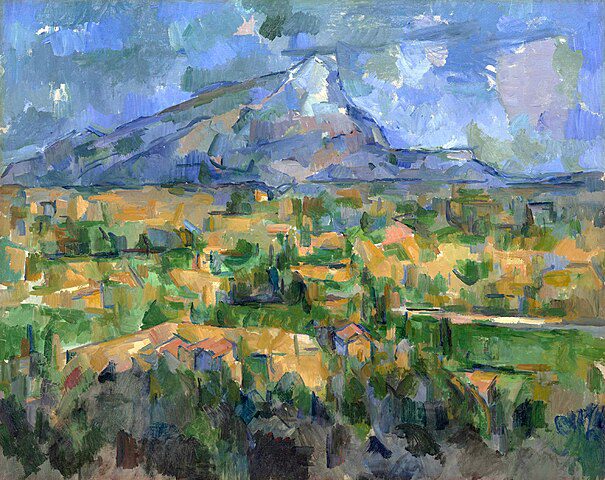
Paul Cézanne (1839–1906) — French Post-Impressionist painter best known for transforming landscape and still life through structural forms that helped inspire Cubism.
Harold R. Heaton
Thomas Kinkade (1958–2012) — American painter best known for idyllic, light-filled cottage and landscape scenes that earned him the nickname “Painter of Light.”
Frank Xavier Leyendecker
Robert Braithwaite Martineau (1826–1869) — English painter best known for meticulously detailed Pre-Raphaelite-influenced historical and literary subjects, especially The Last Day in the Old Home.
Cindy Sherman (1954– ) — American photographer best known for conceptual self-portraits exploring identity, gender, and the construction of visual culture.
Sidney Goodman (1936–2013) — American painter best known for expressive figurative works, portraits, and urban scenes reflecting psychological depth.
Sophie Taeuber-Arp (1889–1943) — Swiss artist, designer, and architect best known for pioneering geometric abstraction through painting, textiles, furniture, and Dada-inspired works.
January 20
Hippolyte Bayard (1801–1887) — French photographer best known for pioneering early photographic processes and creating one of history’s first staged photographic self-portraits.
Luca Carlevarijs (1663–1730) — Italian painter and engraver best known for detailed Venetian cityscapes that helped establish the tradition later perfected by Canaletto.
Clarice Cliff (1899–1972) — English ceramic artist and designer best known for brightly colored Art Deco pottery, especially her celebrated Bizarre Ware.
Pierre Gandon (1899–1990) — French engraver and illustrator best known for designing elegant postage stamps and finely executed banknotes.
Gerard Muller (1910–2009) — Dutch painter best known for expressive landscapes, portraits, and still lifes reflecting twentieth-century Dutch realism.
Mark Ryden (1963– ) — American painter best known for meticulously detailed Pop Surrealist works blending childhood imagery, symbolism, and classical painting techniques.
Emilio Sala (1850–1910) — Spanish painter best known for historical scenes, decorative murals, and richly detailed genre paintings in the Academic tradition.
John Roddam Spencer Stanhope (1829–1908) — English painter best known for Pre-Raphaelite and Symbolist works inspired by mythology, literature, and religion.
January 21
Harriet Backer (1845–1932) — Norwegian painter best known for luminous interior scenes and sensitive depictions of everyday domestic life.
Józef Czajkowski (1872–1947) — Polish painter, architect, and designer best known for combining Art Nouveau with Polish folk traditions in art and architecture.
Jacob Gensler (1808–1845) — German painter best known for portraits, genre scenes, and depictions of everyday life in nineteenth-century Hamburg.
René Iché (1897–1954) — French sculptor best known for expressive modernist sculptures inspired by the human figure and the tragedies of war.
Jeff Koons (1955– ) — American artist best known for monumental sculptures of everyday objects, including his iconic Balloon Dog series.
Auguste Prévot-Valéri (1857–1930) — French painter best known for landscapes, marine scenes, and pastoral views painted in a naturalistic style.
Adriaen van der Werff (1659–1722) — Dutch painter best known for highly finished mythological, religious, and portrait paintings admired throughout eighteenth-century Europe.
Moritz von Schwind (1804–1871) — Austrian painter best known for Romantic fairy-tale scenes, literary subjects, and decorative murals inspired by German folklore.
January 22
Eugen Adam (1817–1880) — German painter best known for dramatic battle scenes, military subjects, and detailed depictions of horses.
Zygmunt Ajdukiewicz (1861–1917) — Polish painter best known for historical scenes, portraits, Orientalist subjects, and equestrian paintings.
Vincenc Beneš (1883–1979) — Czech painter best known for colorful landscapes and still lifes influenced by Post-Impressionism and modern Czech art.
Heinrich Eddelien (1802–1852) — Danish painter best known for portraits and genre scenes produced during the Danish Golden Age.
Karl Ludwig Kaaz
Moïse Kisling (1891–1953) — Polish-born French painter best known for portraits, female figures, and colorful landscapes associated with the School of Paris.
Nicolas Lancret (1690–1743) — French Rococo painter best known for elegant fêtes galantes depicting aristocratic leisure and courtly entertainment.
Francis Picabia (1879–1953) — French painter, poet, and writer best known for his influential contributions to Dada, Cubism, and Surrealism.
Gerard Unger (1942–2018) — Dutch graphic designer and typographer best known for designing highly readable typefaces used in books, newspapers, and signage.
Jean-Baptiste Wicar
Joseph Wolf (1820–1899) — German artist and illustrator best known for scientifically accurate wildlife illustrations depicting birds and mammals from around the world.
January 23
Marco Almaviva
Jean-Michel Atlan (1913–1960) — French painter best known for expressive abstract works blending Surrealism, mythology, and lyrical forms after the Second World War.
Georg Baselitz (1938– ) — German painter and sculptor best known for his inverted paintings, which challenged conventional ways of viewing art.
Henri Biva
Lawrence Johnson
Édouard Manet (1832–1883) — French painter best known for groundbreaking works such as Olympia and Le Déjeuner sur l’herbe, which helped usher in modern art.
Ebba Tesdorpf (1851–1924) — Danish painter best known for finely observed landscapes, architectural views, and interiors painted during the late nineteenth century.
January 24
Konstantin Bogaevsky (1872–1943) — Russian painter best known for visionary Symbolist landscapes inspired by Crimea, ancient civilizations, and imagined historical worlds.
Cassandre (Adolphe Jean-Marie Mouron) (1901–1968) — French graphic designer, painter, and poster artist best known for bold Art Deco advertising posters and innovative typography.
Silvester Diggles (1817–1880) — Australian artist and natural history illustrator best known for detailed paintings of Australian birds, reptiles, and marine life.
Maynard Dixon
Sándor Liezen-Mayer
Robert Motherwell (1915–1991) — American painter, printmaker, and editor best known as a leading Abstract Expressionist and for his Elegy to the Spanish Republic series.
Gillis van Coninxloo (1544–1607) — Flemish painter best known for pioneering dense forest landscapes that influenced later Dutch and Flemish landscape artists.
Vasily Surikov (1848–1916) — Russian painter best known for monumental historical paintings depicting dramatic events from Russian history.
Emanuel Thelning (1767–1828) — Finnish-born Swedish painter best known for portraits and historical paintings, including scenes from the Finnish War.
January 25
Janko Alexy
Maria Geertruida Barbiers (1801–1879) — Dutch painter best known for finely executed flower still lifes that continued her family’s distinguished artistic tradition.
Pompeo Batoni (1708–1787) — Italian painter best known for elegant portraits of Grand Tour travelers and refined Neoclassical history paintings.
Marius Bauer (1867–1932) — Dutch painter and etcher best known for atmospheric Orientalist scenes inspired by his travels across the Middle East and Asia.
Joseph Blanc
Charles Allston Collins (1828–1873) — English painter and writer best known for Pre-Raphaelite works, especially Convent Thoughts, and later for his literary career.
Carlos de Haes (1826–1898) — Belgian-born Spanish painter best known for realistic landscapes that transformed nineteenth-century Spanish landscape painting.
Govert Flinck (1615–1660) — Dutch Golden Age painter best known for portraits, biblical scenes, and history paintings influenced by Rembrandt.
Eleanor Fortescue-Brickdale (1872–1945) — English painter and illustrator best known for romantic Pre-Raphaelite-inspired scenes, book illustrations, and stained-glass designs.
Alexander Demetrius Goltz (1822–1870) — German painter best known for historical scenes, portraits, and genre paintings produced during the nineteenth century.
Rudolf Großmann
Daniel Maclise (1806–1870) — Irish painter best known for monumental historical murals at the Palace of Westminster and dramatic literary subjects.
January 26
Eugenio Agneni (1819–1879) — Italian painter best known for historical subjects, portraits, and patriotic works inspired by the Italian Risorgimento.
Francesco Bassano the Younger (1549–1592) — Italian painter best known for continuing the Bassano family workshop with religious, pastoral, and genre paintings.
Rupprecht Geiger (1908–2009) — German painter best known for vibrant abstract compositions exploring the expressive power of pure color, especially red.
Charles Léon Godeby (1851–1909) — French painter best known for portraits, genre scenes, and carefully observed depictions of everyday rural life.
Benjamin Robert Haydon (1786–1846) — English painter best known for ambitious historical paintings and his passionate advocacy for public support of monumental art.
Barbara Kruger (1945– ) — American conceptual artist best known for bold text-and-image works exploring consumerism, identity, and mass media.
Giovanni Lanfranco (1582–1647) — Italian Baroque painter best known for dramatic illusionistic ceiling frescoes and dynamic religious compositions.
Jean-Baptiste Pigalle (1714–1785) — French sculptor best known for graceful marble and bronze sculptures combining Rococo elegance with Neoclassical restraint.
Theodor von Deschwanden (1811–1861) — Swiss painter best known for religious paintings and altarpieces created for churches throughout Switzerland.
Kees van Dongen (1877–1968) — Dutch-French painter best known for bold Fauvist portraits featuring vivid colors and fashionable society figures.
January 27
Julian Ashton (1851–1942) — English-born Australian painter best known for Impressionist landscapes and for founding the influential Sydney Art School.
Hendrick Avercamp (1585–1634) — Dutch Golden Age painter best known for lively winter landscapes filled with skaters and everyday outdoor activities.
Léon Bakst (1866–1924) — Russian painter and designer best known for dazzling stage and costume designs created for the Ballets Russes.
John Collier (1850–1934) — English painter best known for realistic portraits and mythological subjects, including Lady Godiva and Lilith.
Henri Decaisne (1799–1852) — Belgian-born French painter best known for historical, religious, and portrait paintings in the Academic tradition.
Jean-François de Troy (1679–1752) — French Rococo painter best known for elegant history paintings and fashionable scenes of aristocratic life.
Ernest Faut (1879–1926) — Belgian painter best known for luminous Impressionist landscapes, interiors, and scenes of everyday life.
Johann Jakob Frey
Jacques Hnizdovsky (1915–1985) — Ukrainian-American printmaker and painter best known for finely detailed woodcuts depicting animals, plants, and landscapes.
Jozef Israëls (1824–1911) — Dutch painter best known for compassionate depictions of fishermen, peasants, and everyday rural life associated with the Hague School.
Arkhip Kuindzhi (1842–1910) — Russian landscape painter best known for dramatic lighting effects in works such as Moonlit Night on the Dnieper.
Selson Maeda (1943– ) — Brazilian painter best known for vibrant abstract compositions inspired by color, movement, and geometric forms.
Karel Ooms (1845–1900) — Belgian painter best known for historical subjects, portraits, and genre scenes executed in a polished Academic style.
Samuel Palmer (1805–1881) — English painter and printmaker best known for visionary pastoral landscapes inspired by Romanticism and the countryside of Kent.
Louise-Amélie Panet (1789–1862) — Canadian painter best known for portraits, miniatures, and sketchbooks documenting early nineteenth-century Quebec.
Samuel Peploe (1871–1935) — Scottish painter best known for colorful still lifes and landscapes as one of the leading members of the Scottish Colourists.
January 28
Richmond Barthé (1901–1989) — American sculptor best known for expressive bronze figures celebrating African American subjects, dancers, and religious themes.
Gyula Benczúr (1844–1920) — Hungarian painter best known for grand historical scenes, portraits, and richly detailed academic compositions.
Alexandre-Jacques Chantron
Ernest William Christmas (1863–1918) — English-born Australian painter best known for landscapes and coastal scenes depicting Australia and New Zealand.
Walter Granville-Smith (1870–1938) — American painter best known for Impressionist landscapes, coastal scenes, and depictions of rural New England.
Johan Hörner (1717–1792) — Swedish painter best known for portraits of clergy, merchants, and members of the Swedish nobility during the eighteenth century.
Nannie Zenobia Carver Huddle (1860–1951) — American painter best known for portraits, floral still lifes, and teaching art in Virginia for many decades.
Malvin Gray Johnson (1896–1934) — American painter best known for Harlem Renaissance portraits and scenes celebrating African American life and culture.
Alice Neel (1900–1984) — American painter best known for psychologically penetrating portraits of artists, activists, neighbors, and family members.
Claes Oldenburg (1929–2022) — Swedish-born American sculptor best known for monumental public sculptures of everyday objects enlarged to extraordinary scale.
Vilhelm Pedersen (1820–1859) — Danish illustrator and painter best known for the first illustrated editions of Hans Christian Andersen’s fairy tales.
Jackson Pollock (1912–1956) — American painter best known for pioneering Abstract Expressionism through his revolutionary drip painting technique.
Jacques Sablet
January 29
Carl Frederik Aagaard (1833–1895) — Danish painter best known for serene forest landscapes, lakes, and sunlit woodland scenes rendered with meticulous naturalistic detail.
Frederick Styles Agate (1803–1844) — American painter best known for finely executed portrait miniatures and genre scenes from the early nineteenth century.
Patrick Caulfield (1936–2005) — English painter best known for bold Pop Art compositions combining flat color, clean outlines, and everyday interior objects.
Albin Egger-Lienz (1868–1926) — Austrian painter best known for monumental depictions of peasants, soldiers, and rural life rendered in a powerful, simplified style.
Julius Friedländer (1813–1884) — German painter best known for Romantic landscapes, architectural views, and scenes inspired by his travels in Italy.
John Callcott Horsley (1817–1903) — English painter and illustrator best known for historical and literary subjects and for designing the world’s first commercial Christmas card.
François Kinson (1770–1839) — Flemish portrait painter best known for elegant likenesses of European aristocracy during the Napoleonic era and Bourbon Restoration.
Vassily Maximov
Barnett Newman (1905–1970) — American painter best known for monumental Color Field paintings featuring his signature vertical “zip” lines.
Henry Ward Ranger (1858–1916) — American painter best known for Tonalist landscapes and his leadership in the Old Lyme art colony in Connecticut.
Arkady Rylov (1870–1939) — Russian painter best known for lyrical landscapes celebrating the beauty of forests, rivers, and the northern countryside.
Peter Voulkos (1924–2002) — American sculptor and ceramic artist best known for revolutionizing studio ceramics through large-scale abstract forms.
January 30
George Denholm Armour (1864–1949) — Scottish painter, illustrator, and writer best known for sporting art, hunting scenes, and lively animal illustrations.
Bernardo Bellotto (1722–1780) — Italian painter best known for meticulously detailed cityscapes of Venice, Dresden, Vienna, and Warsaw, often painted under the name Canaletto.
Albert Charpin
Patrick Heron (1920–1999) — English painter best known for vibrant abstract compositions exploring color, light, and geometric forms.
Bertha Merfield (1869–1951) — English painter and illustrator best known for landscapes, floral subjects, and watercolor works exhibited with leading British art societies.
January 31
Emilie V. Clarkson (1864–1946) — American painter best known for portraits, floral still lifes, and landscapes exhibited throughout the northeastern United States.
Henri-Camille Danger (1857–1937) — French painter best known for historical, mythological, and allegorical scenes executed in the Academic tradition.
Joseph Kosuth (1945– ) — American conceptual artist best known for One and Three Chairs and works exploring language, meaning, and the nature of art.
Daniel Moder (1969– ) — American cinematographer and photographer best known for his work in film and documentary cinematography.
Betty Parsons (1900–1982) — American painter, art dealer, and gallery owner best known for championing Abstract Expressionists including Jackson Pollock and Mark Rothko.
Karl Uchermann (1855–1940) — German painter best known for realistic military scenes, hunting subjects, and detailed paintings of horses and dogs.
February 1
Germán Álvarez Algeciras (1848–1912) — Spanish painter best known for historical scenes, portraits, and richly detailed genre paintings in the Academic tradition.
Jean-Baptiste Capronnier (1814–1891) — Belgian painter and stained-glass artist best known for reviving monumental stained-glass design in nineteenth-century Europe.
Thomas Cole (1801–1848) — American painter best known for founding the Hudson River School and creating grand, symbolic landscapes such as The Course of Empire.
Vladimir Dimitrov (1882–1960) — Bulgarian painter, known as The Master, best known for vibrant portraits of peasants and colorful rural landscapes.
Jose Etxenagusia (1844–1912) — Spanish Basque painter best known for religious works, portraits, and historical paintings executed in an Academic style.
Phill Grimshaw (1950– ) — English painter best known for atmospheric urban scenes featuring railways, canals, and rain-soaked industrial landscapes.
Sava Henția (1848–1904) — Romanian painter best known for historical subjects, portraits, and illustrations documenting the Romanian War of Independence.
René Charles Edmond His (1877–1960) — French painter best known for luminous landscapes, coastal scenes, and Impressionist-inspired views of southern France.
Claudio Linati (1790–1832) — Italian painter, lithographer, and political activist best known for introducing lithography to Mexico and illustrating its people and costumes.
Takashi Murakami (1962– ) — Japanese contemporary artist best known for his colorful Superflat style blending traditional Japanese art with popular culture.
February 2
Oswald Achenbach (1827–1905) — German painter best known for luminous Italian landscapes and dramatic views that became hallmarks of the Düsseldorf School.
William E. Artis (1914–1977) — American sculptor and ceramic artist best known for expressive figurative works inspired by African American life and culture.
Étienne Azambre
Sébastien Bourdon (1616–1671) — French Baroque painter best known for history paintings, landscapes, portraits, and religious works marked by remarkable stylistic versatility.
George Loring Brown (1814–1889) — American painter best known for idealized landscapes of New England and Italy, admired for their luminous atmospheric effects.
Philippe Chaperon
Harry Chase (1853–1889) — American painter best known for portraits and genre scenes produced during the late nineteenth century.
George Mosson
José Guadalupe Posada (1852–1913) — Mexican printmaker and illustrator best known for his satirical engravings and iconic skeletal figures known as calaveras.
Enrique Simonet
February 3
Jan Santini Aichel (1677–1723) — Czech architect best known for blending Baroque and Gothic forms in innovative churches and monasteries across Bohemia.
Gillian Ayres (1930–2018) — English painter best known for vibrant abstract paintings filled with energetic brushwork and richly layered color.
Manuel Castellano (1826–1880) — Spanish painter best known for portraits, genre scenes, and detailed depictions of nineteenth-century Spanish society.
Giuseppe Moretti (1857–1935) — Italian-born American sculptor best known for creating the monumental Vulcan statue that overlooks Birmingham, Alabama.
Norman Rockwell (1894–1978) — American painter and illustrator best known for iconic magazine covers depicting everyday American life with warmth, humor, and compassion.
February 4
Carlos Alonso
Manuel Álvarez Bravo (1902–2002) — Mexican photographer best known for poetic black-and-white images that helped define modern photography in Mexico.
Georgina de Albuquerque (1885–1962) — Brazilian painter best known for Impressionist-inspired works, portraits, and the landmark history painting Session of the Council of State.
Johann Friedrich Dietler (1804–1874) — Swiss painter best known for portraits, genre scenes, and lithographs depicting nineteenth-century Swiss life.
Louis Eilshemius (1864–1941) — American painter best known for dreamlike landscapes, symbolic figure paintings, and imaginative fantasy scenes.
Fernand Léger (1881–1955) — French painter best known for bold, machine-inspired Cubist compositions celebrating modern industry and everyday life.
Alessandro Magnasco (1667–1749) — Italian painter best known for dramatic, loosely painted religious scenes, landscapes, and mysterious genre subjects.
Edvard Petersen (1841–1911) — Danish painter best known for Italian landscapes, architectural views, and sunlit scenes from his travels in southern Europe.
Władysław Podkowiński (1866–1895) — Polish painter best known for Impressionist landscapes and the Symbolist masterpiece Frenzy of Exultations.
February 5
Pavle Čortanović (1830–1903) — Serbian painter best known for Romantic landscapes, historical scenes, and illustrations inspired by Serbian history and folklore.
H. R. Giger (1940–2014) — Swiss painter, sculptor, and designer best known for his biomechanical art and the Academy Award-winning creature design for Alien.
Lluís Graner
Alison Saar (1956– ) — American sculptor, painter, and printmaker best known for figurative works exploring history, identity, and African American cultural traditions.
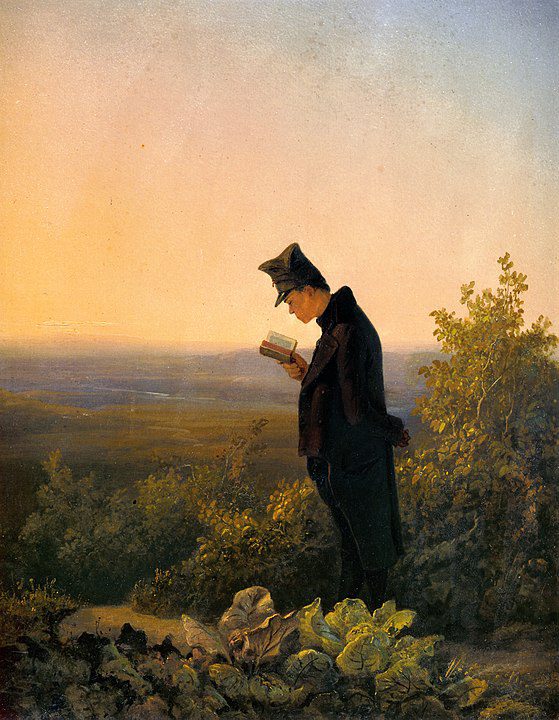
Carl Spitzweg (1808–1885) — German painter best known for humorous Biedermeier genre scenes, especially The Poor Poet.
February 6
Catherine Engelhart Amyot (1845–1926) — Danish painter best known for portraits, floral still lifes, and genre scenes painted in a refined Academic style.
Lojza Baránek (1865–1944) — Czech painter best known for landscapes, genre scenes, and illustrations depicting rural life in Moravia.
Henry Bone (1755–1834) — English enamel painter best known for exquisitely detailed portrait miniatures copied from works by the Old Masters.
Zefiryn Ćwikliński (1871–1930) — Polish painter best known for landscapes, portraits, and scenes of rural life rendered in a realistic style.
Feliksas Daukantas (1915–1995) — Lithuanian painter best known for expressive landscapes, still lifes, and scenes celebrating the Lithuanian countryside.
Achille Devéria (1800–1857) — French painter and lithographer best known for elegant portraits, Romantic illustrations, and fashionable Parisian subjects.
Othon Friesz (1879–1949) — French painter best known for Fauvist landscapes before developing a more structured style influenced by Classical traditions.
Karl Michael Haider
Franz Xaver Messerschmidt (1736–1783) — German-Austrian sculptor best known for his remarkable Character Heads, a series of highly expressive sculpted busts.
Gerard Portielje
Bolette Puggaard (1798–1847) — Danish landscape painter best known for Italian views and other Romantic landscapes inspired by her travels.
Karl von Kügelgen (1772–1832) — German painter best known for landscapes and portraits created in Russia and the Baltic region during the Romantic period.
February 7
José Jiménez Aranda (1837–1903) — Spanish painter best known for finely detailed historical scenes, genre paintings, and realistic depictions of everyday life.
Aleksander Augustynowicz (1865–1944) — Polish painter best known for portraits, genre scenes, and illustrations reflecting Polish culture and society.
Egerton Coghill (1853–1921) — Irish painter best known for portraits, landscapes, and scenes of rural life in Ireland and Italy.
Russell Drysdale (1912–1981) — Australian painter best known for haunting depictions of the Australian outback and its isolated rural communities.
Wilhelm Freddie (1909–1995) — Danish painter, sculptor, and printmaker best known for provocative Surrealist works that challenged artistic and social conventions.
Henry Fuseli (1741–1825) — Swiss-born British painter best known for dramatic, supernatural works such as The Nightmare, a masterpiece of Romanticism.
Eugène Goyet (1868–1944) — Belgian painter best known for portraits, landscapes, and genre scenes exhibited in Belgium during the late nineteenth and early twentieth centuries.
Vladimir Makovsky
Philip Sadée (1837–1904) — Dutch painter best known for coastal genre scenes depicting fishermen, village life, and the people of Scheveningen.
George Washington Wilson (1823–1893) — Scottish photographer best known for landscape and architectural photographs that documented Victorian Britain.
February 8
Léon Bakst (1866–1924) — Russian painter, illustrator, and stage designer best known for his dazzling costumes and sets for the Ballets Russes.
Théodore Basset de Jolimont (1786–1846) — French draftsman, lithographer, and antiquarian best known for illustrated publications documenting historic architecture and monuments.
Kate Cory (1861–1958) — American painter and photographer best known for documenting the Hopi people and the landscapes of Arizona.
Corrado Giaquinto (1703–1766) — Italian Rococo painter best known for luminous frescoes and grand religious and allegorical compositions.
Guercino (1591–1666) — Italian Baroque painter best known for dramatic religious works, expressive figures, and masterful use of light and shadow.
Franz Marc (1880–1916) — German Expressionist painter best known for vividly colored animal paintings and as a founding member of Der Blaue Reiter.
Paula Modersohn-Becker (1876–1907) — German painter best known for pioneering Expressionist portraits, self-portraits, and intimate scenes of rural life.
Ivan Pokhitonov (1850–1923) — Ukrainian painter best known for exquisitely detailed small-scale landscapes and rural scenes of Europe.
John Ruskin (1819–1900) — English art critic, writer, and draftsman best known for championing Gothic architecture, J. M. W. Turner, and the Pre-Raphaelites.
Carl Frederik Sørensen (1818–1879) — Danish marine painter best known for detailed naval battles, sailing ships, and coastal scenes.
Frederick Coffay Yohn (1875–1933) — American illustrator best known for dramatic historical and military illustrations, especially of the American Civil War.
February 9
Federico de Madrazo y Kuntz (1815–1894) — Spanish painter best known for elegant royal and aristocratic portraits that defined nineteenth-century Spanish Academic art.
Frank Frazetta
Étienne Jeaurat (1699–1789) — French painter best known for lively genre scenes depicting everyday life in the streets and markets of Paris.
Adrian Jones (1845–1938) — English sculptor and painter best known for monumental equestrian sculptures and military memorials throughout Britain.
J. J. P. Oud (1890–1963) — Dutch architect best known for pioneering modernist housing projects and his influential role in the De Stijl movement.
Robert Morris (1931–2018) — American sculptor, conceptual artist, and writer best known for Minimalist works exploring space, process, and perception.
Gerhard Richter (1932– ) — German painter best known for photorealistic paintings, abstract works, and his continual exploration of image and memory.
Konstantin Trutovsky (1826–1893) — Russian painter best known for genre scenes portraying Ukrainian rural life, traditions, and folk customs.
February 10
Anna Boch (1848–1936) — Belgian painter best known for vibrant Neo-Impressionist landscapes and for supporting artists such as Vincent van Gogh.
Miklós Barabás (1810–1898) — Hungarian painter best known for elegant portraits and genre scenes that helped define nineteenth-century Hungarian art.
Roberto Bompiani
Francesco Hayez (1791–1882) — Italian painter best known for Romantic historical paintings, portraits, and The Kiss, a symbol of Italian nationalism.
Mary Lovelace O’Neill (1894–1961) — American painter and educator best known for expressive modernist paintings, murals, and influential teaching in California.
Kanuty Rusiecki (1800–1860) — Polish-Lithuanian painter best known for portraits, religious works, and scenes of everyday life in Lithuania.
Ary Scheffer (1795–1858) — Dutch-French painter best known for Romantic paintings inspired by literature, religion, and history.
Fyodor Petrovich Tolstoy (1783–1873) — Russian sculptor, medalist, draftsman, and painter best known for finely crafted medals, reliefs, and neoclassical works.
February 11
Thomas P. Barnett (1870–1939) — American sculptor best known for public monuments, architectural sculpture, and commemorative works created across the United States.
Jean-Baptiste Berré (1777–1838) — Belgian painter best known for finely detailed animal paintings, still lifes, and natural history subjects.
Carlo Carrà (1881–1966) — Italian painter best known for his roles in Futurism and Metaphysical painting, producing influential modernist landscapes and still lifes.
August Eisenmenger (1830–1907) — Austrian painter best known for monumental history paintings, allegorical murals, and decorative commissions for public buildings.
Olaf Lange (1875–1965) — Norwegian painter best known for expressive landscapes and portraits created during his long career in Germany and Norway.
Artur Loureiro (1853–1932) — Portuguese painter best known for naturalistic landscapes, marine scenes, and portraits painted in Portugal and Australia.
Giulio Aristide Sartorio (1860–1932) — Italian painter best known for Symbolist works, monumental decorative cycles, and classical mythological subjects.
William Henry Fox Talbot (1800–1877) — English photographer, inventor, and scientist best known for developing the calotype process, a foundation of modern photography.
James Alfred Turner (1850–1908) — Australian painter best known for atmospheric landscapes and pastoral scenes of the Australian countryside.
Erik Werenskiold (1855–1938) — Norwegian painter and illustrator best known for realistic rural scenes and celebrated illustrations of Norwegian folk tales.
February 12
Innocenzio Ansaldi (1734–1816) — Italian painter and architect best known for religious frescoes and architectural decoration in northern Italy.
Eugène Atget (1857–1927) — French photographer best known for documenting the disappearing streets, architecture, and everyday life of old Paris.
Max Beckmann (1884–1950) — German painter, printmaker, and sculptor best known for powerful Expressionist and New Objectivity works exploring modern life.
Katharine Carl (1865–1938) — American painter best known for portraits, including her celebrated portrait of the Empress Dowager Cixi of China.
George H. Clements (1854–1935) — American painter best known for Impressionist landscapes and luminous coastal scenes of New England.
François Diday (1802–1877) — Swiss painter best known for dramatic Alpine landscapes that helped define the Geneva school of landscape painting.
William Henry Huddle (1847–1892) — American painter best known for portraits and historical scenes, including depictions of important figures in Texas history.
Antonije Kovačević (1848–1930) — Serbian painter best known for portraits, religious works, and scenes of everyday life in nineteenth-century Serbia.
Thomas Moran (1837–1926) — American painter best known for majestic landscapes of the American West, especially Yellowstone and the Grand Canyon.
February 13
David Allan (1744–1796) — Scottish painter best known for lively genre scenes of everyday Scottish life, earning the nickname “the Scottish Hogarth.”
Auguste Baud-Bovy (1848–1899) — Swiss painter best known for Symbolist-inspired landscapes and scenes of rural life in Greece and Switzerland.
Charles-Michel-Ange Challe (1718–1778) — French painter, architect, and designer best known for theatrical set designs and decorative works for the French court.
Charles Courtney Curran (1861–1942) — American painter best known for luminous Impressionist scenes of women in gardens, meadows, and sunlit landscapes.
Philibert-Louis Debucourt (1755–1832) — French painter and printmaker best known for elegant color engravings depicting fashionable Parisian society.
Frederick Daniel Hardy (1827–1911) — English painter best known for detailed Victorian genre scenes portraying domestic and historical subjects.
Anton Melbye
Morten Müller (1828–1911) — Norwegian painter best known for atmospheric forest landscapes and tranquil woodland scenes.
Sophie Pemberton (1869–1959) — Canadian painter best known for portraits and still lifes, becoming the first Canadian woman to win the Prix Julian in Paris.
Giovanni Battista Piazzetta (1682–1754) — Italian painter best known for dramatic Baroque religious works distinguished by rich chiaroscuro and expressive figures.
Willem Bastiaan Tholen
Jean Veber
Jan Hillebrand Wijsmuller
Grant Wood (1891–1942) — American painter best known for American Gothic, one of the most iconic paintings in American art.
February 14
Alfred Thomas Agate (1812–1846) — American painter and draftsman best known for documenting the United States Exploring Expedition with detailed scientific and landscape illustrations.
Max Feldbauer (1868–1948) — German painter best known for Impressionist and Expressionist landscapes, portraits, and vibrant scenes of everyday life.
Nina Hamnett (1890–1956) — Welsh painter and writer best known for her Bohemian lifestyle and modernist portraits of artists and writers in Paris and London.
Peter Ilsted (1861–1933) — Danish painter and printmaker best known for quiet sunlit interiors and masterful color mezzotints associated with the Copenhagen interior school.
Marc Restout (1656–1701) — French painter best known for religious and historical works produced as a member of the distinguished Restout artistic family.
Þórarinn B. Þorláksson (1867–1924) — Icelandic painter best known for pioneering landscape paintings that helped establish a national tradition in Icelandic art.
Walenty Wilhelm Wańkowicz (1800–1842) — Polish painter best known for Romantic portraits and historical paintings depicting leading cultural and political figures.
February 15
Ion Andreescu (1850–1882) — Romanian painter best known for expressive landscapes and still lifes that helped shape modern Romanian art.
Joseph Binder (1898–1972) — Austrian-born American graphic designer best known for bold, colorful posters and influential commercial advertising designs.
Charles-François Daubigny (1817–1878) — French painter best known for poetic landscapes of the Barbizon School that strongly influenced the Impressionists.
August Deusser (1870–1942) — German painter best known for equestrian subjects, military scenes, and his role in the Düsseldorf modern art movement.
Anton Dorph (1831–1914) — Danish painter best known for religious works, portraits, and genre scenes rendered in a realistic academic style.
Jean-Baptiste Lemoyne (1704–1778) — French sculptor best known for refined portrait busts and monumental sculptures created for the French royal court.
Adam Pynacker
Carle Vanloo (1705–1765) — French painter best known for elegant Rococo portraits, mythological scenes, and decorative works for European royalty.
Hubert Vos (1855–1935) — Dutch-American painter best known for society portraits and depictions of East Asian subjects painted during his extensive travels.
February 16
Pierre Bobot (1902–1974) — French painter best known for luminous landscapes, harbor scenes, and travel-inspired views painted in a colorful Post-Impressionist style.
Giambattista Bodoni (1740–1813) — Italian typographer, printer, and type designer best known for creating the elegant Bodoni typeface that transformed modern typography.
Edith Susan Boyd (1881–1961) — Australian painter best known for portraits, landscapes, and still lifes exhibited throughout Australia during the early twentieth century.
Michelangelo Cerquozzi (1602–1660) — Italian Baroque painter best known for lively battle scenes, genre paintings, and depictions of everyday Roman life.
Armand Guillaumin (1841–1927) — French painter best known for vibrant Impressionist landscapes featuring bold color and expressive brushwork.
Théodore Ralli
Andreas Schelfhout (1787–1870) — Dutch painter best known for masterful winter landscapes, frozen canals, and atmospheric rural scenes of the Netherlands.
Józef Szermentowski (1833–1876) — Polish painter best known for lyrical landscapes that helped establish landscape painting as a major genre in Polish art.
February 17
Josef Bosáček (1850–1931) — Czech painter best known for detailed genre scenes, portraits, and still lifes reflecting everyday life in nineteenth-century Bohemia.
Pierre-Auguste Cot (1837–1883) — French Academic painter best known for the romantic masterpieces The Spring and The Storm.
Edmund Aubrey Hunt (1855–1922) — English painter best known for landscapes, pastoral scenes, and carefully observed views of the British countryside.
Raphaelle Peale (1774–1825) — American painter best known for exquisite still lifes of fruit and table settings, helping establish the genre in the United States.
Josep Tapiró Baró (1836–1913) — Catalan painter best known for highly detailed watercolor portraits and Orientalist subjects inspired by life in Morocco.
Adolf Meckel von Hemsbach (1856–1893) — German painter best known for finely executed landscapes and architectural views in the late nineteenth-century academic tradition.

February 18
Miroslav Adámek (1959– ) — Czech painter best known for expressive contemporary landscapes, figurative works, and richly textured compositions.
Lea Ahlborn (1826–1897) — Swedish engraver, sculptor, and medalist best known for designing coins, medals, and official portrait medallions.
Leon Battista Alberti (1404–1472) — Italian Renaissance architect, writer, and theorist best known for designing churches and pioneering ideas on perspective and architecture.
Wallace Berman (1926–1976) — American artist best known for assemblages, experimental photography, and influential collage works associated with Beat culture.
Jasper Francis Cropsey (1823–1900) — American Hudson River School painter best known for brilliant autumn landscapes celebrating the American countryside.
Thomas Girtin (1775–1802) — English watercolor painter best known for elevating landscape watercolor into a major artistic medium during the Romantic era.
John Glover (1767–1849) — English-born Australian painter best known for luminous landscapes that documented the scenery of colonial Tasmania.
Max Klinger (1857–1920) — German painter, sculptor, and printmaker best known for imaginative Symbolist prints and the monumental sculpture Beethoven.
Louis Comfort Tiffany (1848–1933) — American artist and designer best known for innovative stained glass, Favrile glass, and Art Nouveau decorative arts.
Alexey Venetsianov
Carlo Wostry (1865–1943) — Italian painter best known for religious works, portraits, and decorative murals created in the Academic tradition.
February 19
Antonio Bellucci (1654–1726) — Italian Baroque painter best known for elegant mythological, religious, and allegorical works created for European courts.
Edward S. Curtis (1868–1952) — American photographer and ethnologist best known for his monumental photographic documentation of Native American peoples and cultures.
Hans Dahl (1849–1937) — Norwegian painter best known for idyllic fjord landscapes and romantic scenes of rural life in western Norway.
Enrico Donati (1909–2008) — Italian-American painter and sculptor best known for Surrealist and Abstract Expressionist works inspired by organic forms.
Lucio Fontana (1899–1968) — Argentine-Italian painter and sculptor best known for his slashed canvases, which pioneered the Spatialist movement.
Gabriele Münter (1877–1962) — German painter best known for vibrant Expressionist landscapes and portraits associated with the Blue Rider movement.
Józef Peszka (1767–1831) — Polish painter best known for portraits of the Polish nobility and historical figures during the late eighteenth and early nineteenth centuries.
February 20
Ansel Adams (1902–1984) — American photographer best known for breathtaking black-and-white landscapes of the American West, especially Yosemite National Park.
Ivan Albright (1897–1983) — American painter best known for meticulously detailed, haunting images exploring aging, decay, and the passage of time.
J. M. Barnsley (1861–1929) — English painter best known for landscapes and rural scenes depicting the English countryside in a naturalistic style.
Margo Chase (1958–2017) — American graphic designer best known for distinctive branding, typography, and entertainment industry design, including work for major film and music clients.
Jan Ciągliński (1858–1913) — Polish painter best known for luminous Impressionist-inspired landscapes and scenes influenced by his travels through the Middle East.
Pierre Emmanuel Damoye
Jan de Baen (1633–1702) — Dutch Golden Age painter best known for elegant portraits of European nobility, statesmen, and military leaders.
Aksentije Marodić (1838–1909) — Serbian painter best known for portraits, religious works, and historical scenes executed in an Academic style.
Elie Nadelman (1882–1946) — Polish-born American sculptor best known for modernist sculptures inspired by classical art and popular folk traditions.
Anna Petersen (1845–1910) — Danish painter best known for realistic portraits, interiors, and genre scenes depicting everyday domestic life.
February 21
Vittorio Avanzi (1850–1913) — Italian painter best known for luminous landscapes, city views, and atmospheric scenes of Venice and northern Italy.
Félix Granda
Goscombe John (1860–1952) — Welsh sculptor best known for public monuments, portrait busts, and war memorials created throughout Britain.
Pyotr Konchalovsky (1876–1956) — Russian painter best known for bold still lifes, landscapes, and portraits as a leading member of the Jack of Diamonds group.
G. P. Nerli
Ernst Stückelberg
Henry Wallis (1830–1916) — English painter best known for the Pre-Raphaelite masterpiece The Death of Chatterton and later historical subjects.
February 22
Giovanni Battista Biscarra
Eric Gill (1882–1940) — English sculptor, type designer, and printmaker best known for the Gill Sans typeface, stone carvings, and architectural lettering.
Emilio Gola
Otto Modersohn
Rembrandt Peale (1778–1860) — American painter best known for refined portraits, including iconic likenesses of George Washington, and for advancing American museum culture.
Dechko Uzunov (1899–1986) — Bulgarian painter, illustrator, and muralist best known for expressive portraits, landscapes, and monumental public artworks.
Mattheus Ignatius van Bree
Antoine Wiertz
February 23
Antonio Alice
Michele Cammarano (1835–1920) — Italian painter best known for dramatic historical scenes, military subjects, and landscapes inspired by southern Italy.
Pieter-Frans De Noter (1779–1842) — Belgian painter best known for finely detailed architectural interiors, city views, and still lifes in the Romantic tradition.
Antonio Fontanesi
Frederick Garling Jr. (1775–1848) — English-born Australian painter best known for early colonial landscapes, harbor views, and portraits documenting New South Wales.
Kazimir Malevich (1879–1935) — Russian avant-garde painter best known for founding Suprematism and creating the revolutionary abstract work Black Square.
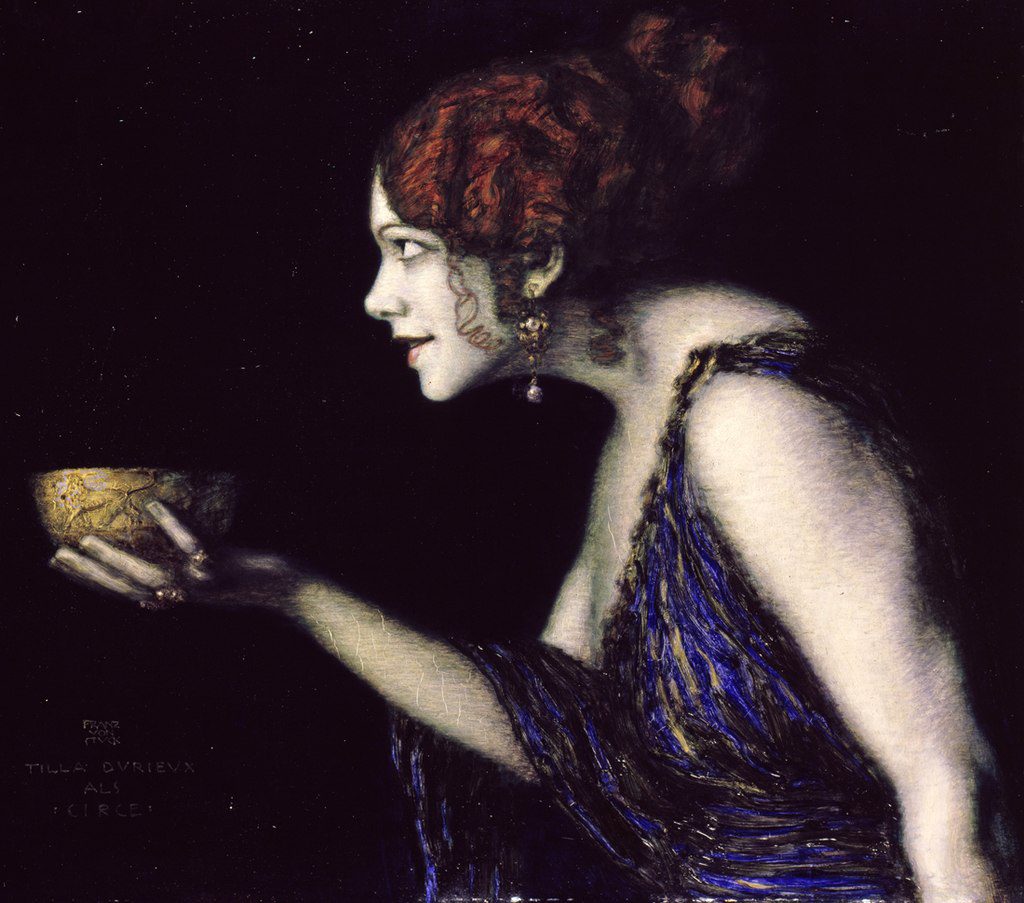
Franz von Stuck (1863–1928) — German painter, sculptor, and architect best known for Symbolist works such as The Sin and richly imaginative mythological subjects.
George Frederic Watts (1817–1904) — English painter and sculptor best known for allegorical works, portraits, and the iconic painting Hope.
Tom Wesselmann (1931–2004) — American Pop artist best known for his bold Great American Nude series and vibrant still lifes celebrating everyday consumer culture.
Guy C. Wiggins
February 24
Victoria Åberg (1824–1892) — Swedish painter best known for portraits, floral still lifes, and finely detailed genre scenes.
Johan Christian Dahl (1788–1857) — Norwegian painter best known for dramatic landscapes that helped establish Norway’s national school of painting.
Henri-Pierre Danloux (1753–1809) — French portrait painter best known for elegant portraits of French and British aristocracy.
Alexandre-François Desportes (1661–1743) — French painter best known for hunting scenes, animal paintings, and richly detailed still lifes.
Richard Hamilton (1922–2011) — English artist best known as a pioneer of Pop Art through works inspired by consumer culture and mass media.
Winslow Homer (1836–1910) — American painter best known for powerful seascapes, rural scenes, and depictions of life along the Atlantic coast.
Charles Le Brun (1619–1690) — French painter and decorator best known for overseeing the artistic program of the Palace of Versailles under Louis XIV.
Mattia Preti (1613–1699) — Italian Baroque painter best known for dramatic religious works distinguished by strong light and shadow.
Daniel Berkeley Updike
Stanisław Ignacy Witkiewicz (1885–1939) — Polish painter, writer, and playwright best known for his highly expressive portraits and avant-garde ideas.
February 25
Louisa Atkinson (1834–1872) — Australian writer, illustrator, and botanical artist best known for her detailed studies of native plants and pioneering nature illustrations.
Angèle Delasalle
Giuseppe De Nittis (1846–1884) — Italian painter best known for elegant Impressionist scenes of Paris, London, and modern urban life.
Frederick McCubbin (1855–1917) — Australian painter best known for evocative bush landscapes and pioneering works of the Heidelberg School.
Dióscoro Puebla (1831–1901) — Spanish painter best known for grand historical paintings, especially The First Landing of Christopher Columbus in the New World.
Pierre-Auguste Renoir (1841–1919) — French painter best known for luminous Impressionist portraits and joyful scenes of leisure, including Dance at Le Moulin de la Galette.
Santiago Rusiñol (1861–1931) — Catalan painter, writer, and playwright best known for poetic gardens, landscapes, and his leadership in the Catalan Modernisme movement.
Bernt Tunold (1877–1946) — Norwegian painter best known for colorful coastal landscapes and fjord scenes inspired by western Norway.
February 26
José María Avrial (1807–1891) — Spanish painter and scenic designer best known for architectural views, historical reconstructions, and theatrical stage designs.
Anna Barbara Bansi (1777–1843) — Swiss painter best known for delicate floral still lifes and botanical watercolors admired for their scientific accuracy.
Nils Bergslien (1853–1928) — Norwegian painter and illustrator best known for scenes from Norwegian folklore, rural life, and national history.
Jorge Colaço (1868–1942) — Portuguese painter and ceramic artist best known for monumental azulejo tile panels decorating churches, railway stations, and public buildings.
Honoré Daumier (1808–1879) — French painter, printmaker, and caricaturist best known for satirical lithographs criticizing politics, the legal system, and Parisian society.
Annie Louisa Swynnerton (1844–1933) — English painter best known for Symbolist-inspired portraits and figure paintings, becoming one of Britain’s leading women artists.
Frederick Arthur Verner (1836–1928) — Canadian painter best known for landscapes, wildlife, and scenes of Indigenous peoples in the Canadian West.
February 27
Gaetano Perratone Armandi (1845–1899) — Italian painter best known for finely executed genre scenes, portraits, and historical subjects in the Academic tradition.
Pierre Ernest Ballue (1855–1928) — French painter best known for atmospheric landscapes, Parisian views, and decorative mural projects.
Alois Beer (1840–1916) — Austrian photographer best known for documenting the architecture, landscapes, and daily life of the Austro-Hungarian Empire.
Laurent de La Hyre (1606–1656) — French Baroque painter best known for serene classical compositions of biblical, mythological, and allegorical subjects.
Nikolai Ge
James Dickson Innes (1887–1914) — Welsh painter best known for expressive Post-Impressionist landscapes inspired by Wales and southern France.
Otto Reinhold Jacobi (1812–1901) — German-born Canadian painter best known for Romantic landscapes that helped shape nineteenth-century Canadian art.
Marino Marini (1901–1980) — Italian sculptor, painter, and printmaker best known for his dynamic horse-and-rider sculptures exploring the human condition.
Henri-Pierre Picou (1824–1895) — French painter best known for graceful mythological and allegorical scenes associated with the Neo-Grec movement.
Joaquín Sorolla y Bastida (1863–1923) — Spanish painter best known for radiant beach scenes, portraits, and sunlit Mediterranean landscapes filled with brilliant color.
Ferdinand von Harrach
February 28
Frank Gehry (1929– ) — Canadian-American architect best known for sculptural buildings including the Guggenheim Museum Bilbao and Walt Disney Concert Hall.
Wilson Irvine (1869–1936) — American painter best known for luminous Impressionist landscapes depicting Illinois, New England, and the American countryside.
Wilhelm Kandler
Berne Nadall
Albert Joseph Pénot (1862–1930) — French painter best known for dramatic Symbolist and academic works featuring witches, mythological figures, and allegorical subjects.
John Tenniel (1820–1914) — English illustrator and cartoonist best known for his classic illustrations for Alice’s Adventures in Wonderland and Through the Looking-Glass.
Johann Jakob Ulrich (1798–1877) — Swiss painter best known for Romantic landscapes of the Alps and picturesque views of Italy.
Jacob Eduard van Heemskerck van Beest (1828–1894) — Dutch painter best known for detailed marine paintings depicting sailing ships, naval scenes, and coastal landscapes.
Leo von König
February 29
Balthus (Balthasar Klossowski) (1908–2001) — French-Polish painter best known for enigmatic figurative paintings that blend classical technique with dreamlike, mysterious subjects.
Jaguar (Sérgio de Magalhães Gomes Jaguaribe) (1932–2022) — Brazilian cartoonist, illustrator, and comic artist best known for his satirical political cartoons and humorous magazine illustrations.
Augusta Savage (1892–1962) — American sculptor best known for her Harlem Renaissance works, influential teaching career, and the sculpture The Harp created for the 1939 New York World’s Fair.
March 1
Kristine Aas (1949– ) — Norwegian painter best known for expressive landscapes and abstract compositions inspired by the natural scenery of Norway.
Gheorghe Asachi (1788–1869) — Romanian painter, writer, and educator best known for promoting the visual arts and helping establish modern cultural institutions in Romania.
Francesco Bacchiacca (Francesco d’Ubertino Verdi) (1494–1557) — Italian Renaissance painter best known for richly detailed religious works and decorative paintings for the Medici court.
Theresa Bernstein (1890–2002) — American painter best known for lively urban scenes, portraits, and depictions of everyday life in New York City.
Robert Cornelius (1809–1893) — American photographer best known for creating one of the earliest surviving photographic self-portraits in 1839.
Giovanni Duprè (1817–1882) — Italian sculptor best known for realistic marble sculptures that helped revive naturalism in nineteenth-century Italian art.
Eiler Rasmussen Eilersen (1867–1917) — Danish painter best known for landscapes, coastal scenes, and depictions of rural life painted in a naturalistic style.
Aleksandr Golovin
Nikolaos Gyzis (1842–1901) — Greek painter best known for academic genre scenes, allegorical works, and his leadership within the Munich School.
Franz Hanfstaengl
Oskar Kokoschka (1886–1980) — Austrian painter and writer best known for intensely expressive portraits and landscapes that became landmarks of Expressionism.
Luigi Mayer (1755–1803) — Italian painter best known for topographical views of the Ottoman Empire, Egypt, and the eastern Mediterranean.
Augustus Saint-Gaudens (1848–1907) — American sculptor best known for monumental public memorials, including the Robert Gould Shaw Memorial, and elegant portrait sculpture.
March 2
Benjamin Duterrau (1767–1851) — English-born Australian painter best known for portraits and historical scenes documenting early colonial Tasmania and its Indigenous peoples.
Mir-Hossein Mousavi (1942– ) — Iranian architect, painter, and former prime minister best known in the art world for expressive modernist paintings alongside his architectural work.
Pietro Novelli
Nicholas Pocock (1740–1821) — English painter best known for dramatic marine paintings and meticulously detailed naval battle scenes.
Theodor Seuss Geisel (Dr. Seuss) (1904–1991) — American author, illustrator, and cartoonist best known for creating beloved children’s books including The Cat in the Hat and Green Eggs and Ham.
Louis-Michel van Loo (1707–1771) — French painter best known for elegant portraits of European royalty and richly composed Rococo history paintings.
Jan Baptist Van Der Hulst (1790–1846) — Belgian painter and lithographer best known for portraits, historical subjects, and official depictions of the Belgian royal family.
Robert Williams (1943– ) — American painter best known for founding the Lowbrow art movement through vividly detailed pop surrealist paintings.
March 3
William James Blacklock (1816–1858) — English painter best known for poetic landscapes of northern England inspired by the Romantic tradition.
Howard Russell Butler (1856–1934) — American painter best known for luminous landscapes and scientifically accurate paintings of solar eclipses.
Louis Buvelot (1814–1888) — Swiss-born Australian painter best known for naturalistic landscapes that helped shape Australian landscape painting.
Alexandre-Gabriel Decamps (1803–1860) — French painter best known for dramatic Orientalist scenes, landscapes, and genre paintings with bold lighting effects.
Asger Jorn (1914–1973) — Danish painter best known for expressive abstract works and as a founding member of the CoBrA movement.
Charles-Joseph Natoire (1700–1777) — French painter best known for Rococo mythological and religious paintings and decorative commissions for the French court.
Arnold Newman (1918–2006) — American photographer best known for pioneering the environmental portrait, photographing influential artists, writers, and world leaders.
Ronald Searle (1920–2011) — English illustrator and cartoonist best known for creating the St Trinian’s schoolgirl cartoons and his incisive satirical drawings.
Francisco de Paula Van Halen (1814–1887) — Spanish painter best known for historical battle scenes and military subjects rendered in a Romantic style.
Beatrice Wood (1893–1998) — American ceramic artist best known for her lustrous iridescent pottery and her influential role in the American studio ceramics movement.
March 4
Adolphe Aze
Afro Basaldella (1912–1976) — Italian painter best known for expressive Abstract Expressionist-inspired works combining bold color with lyrical abstraction.
Frances Bunsen (1791–1876) — Welsh painter best known for portraits, landscapes, and sketches created during her extensive travels across Europe.
Samuel Colman (1832–1920) — American painter best known for Hudson River School landscapes and luminous watercolor scenes of Europe and the Middle East.
Lauritz de Thurah (1706–1759) — Danish architect best known for designing and expanding Baroque palaces, churches, and royal buildings throughout Denmark.
William Dobson (1611–1646) — English Baroque painter best known for portraits of Royalist figures during the English Civil War.
Fra Galgario (1655–1743) — Italian painter best known for strikingly realistic portraits of aristocrats, clergy, and military officers.
David Cooke Gibson (1870–1952) — American painter best known for landscapes and marine scenes of coastal New England.
Peter Kuhfeld (1952– ) — British painter best known for traditional portraits, landscapes, and serving as an official artist to the British royal family.
Wijnand Nuijen
William Payne (1760–1830) — English watercolor painter best known for picturesque landscapes and introducing the artists’ pigment known as Payne’s Grey.
Dav Pilkey (1966– ) — American author and illustrator best known for creating the Captain Underpants and Dog Man children’s book series.
Henry Raeburn (1756–1823) — Scottish portrait painter best known for elegant portraits, including The Skating Minister.
Traver Rains (1870–1950) — American illustrator and painter best known for depictions of the American West, cowboys, and Native American subjects.
Alfred William Rich (1856–1921) — English watercolor painter best known for landscapes, rural architecture, and influential writings on watercolor technique.
Ed Roth (1932–2001) — American artist and custom car designer best known for creating the hot rod character Rat Fink.
Kanō Tan’yū (1602–1674) — Japanese painter best known for leading the Kanō school and decorating castles with monumental ink and gold paintings.
Robert R. Wilson (1928–2006) — American sculptor best known for monumental abstract steel sculptures installed in public spaces.
Robert William Wood (1889–1979) — English-born American landscape painter best known for colorful scenes of the American West, forests, and mountains.
March 5
Giovanni Battista Tiepolo (1696–1770) — Italian painter best known for magnificent Rococo ceiling frescoes, luminous religious scenes, and grand mythological compositions.
Peter Brandes (1944–2025) — Danish painter, sculptor, ceramic artist, and printmaker best known for monumental works inspired by biblical and classical themes.
Angelos Giallinas (1857–1939) — Greek painter best known for luminous watercolor landscapes depicting Corfu, Venice, and other Mediterranean scenes.
Howard Pyle (1853–1911) — American illustrator and writer best known for his iconic images of pirates, knights, and historical adventures that shaped modern illustration.
Georges Yatridès (1931–2017) — Greek-French painter best known for mysterious, surreal landscapes and symbolic compositions with dreamlike atmospheres.
March 6
Angiolo Achini (1850–1930) — Italian painter best known for elegant portraits, genre scenes, and landscapes executed in a refined Academic style.
Sofia Adlersparre (1808–1862) — Swedish painter best known for portraits, genre scenes, and still lifes produced during the nineteenth century.
Ejler Bille (1910–2004) — Danish painter and sculptor best known for pioneering abstract art in Denmark as a member of the Linien group.
Pauline Boty (1938–1966) — English painter best known for vibrant Pop Art celebrating popular culture while exploring women’s experiences and identity.
Lefevre James Cranstone (1821–1893) — English painter best known for landscapes, rural scenes, and views inspired by the English countryside.
Ken Danby (1940–2007) — Canadian painter best known for meticulously realistic scenes of everyday life and the Canadian landscape.
Edmond Jean de Pury (1845–1911) — Swiss painter best known for landscapes, pastoral scenes, and views of the Swiss countryside.
Santi di Tito (1536–1603) — Italian painter best known for Counter-Reformation religious works that blended Renaissance naturalism with early Baroque realism.
F. Burrall Hoffman (1882–1980) — American architect best known for designing notable public buildings, including the original Folger Shakespeare Library in Washington, D.C.
Annie Feray Mutrie (1826–1893) — English painter best known for colorful flower paintings and still lifes exhibited during the Victorian era.
Michelangelo (1475–1564) — Italian sculptor, painter, architect, and poet best known for the David, the Sistine Chapel ceiling, and the dome of St. Peter’s Basilica.
Gerasimos Pitsamanos
March 7
Juan Martínez Abades (1862–1920) — Spanish painter best known for realistic marine scenes, coastal landscapes, and depictions of fishing life in Asturias.
Jean Pierre Alexandre Antigna (1817–1878) — French painter best known for moving genre scenes portraying the hardships and dignity of ordinary people.
Gracius Broinowski (1837–1913) — Polish-born Australian artist and ornithologist best known for his detailed bird illustrations and natural history publications.
Paul Émile Chabas (1869–1937) — French painter best known for idealized female figures and the celebrated painting September Morn.
Giovanni Giacometti
Boris Kustodiev (1878–1927) — Russian painter best known for colorful depictions of merchant life, festivals, and traditional Russian culture.
Edwin Landseer (1802–1873) — English painter and sculptor best known for masterful animal paintings and the monumental lion sculptures in Trafalgar Square.
Jacques Majorelle (1886–1962) — French painter best known for vibrant Moroccan scenes and the famous Majorelle Garden in Marrakesh.
Piet Mondrian (1872–1944) — Dutch painter best known for pioneering abstract geometric compositions of black lines and primary colors through De Stijl.
March 8
Adalbert Begas (1836–1888) — German painter best known for portraits and historical scenes executed in a polished Academic style.
Colin Campbell Cooper (1856–1937) — American Impressionist painter best known for luminous cityscapes, skyscrapers, and architectural views.
Anthony Caro (1924–2013) — English sculptor best known for pioneering abstract steel sculptures that transformed postwar modern sculpture.
Antonio María Esquivel (1806–1857) — Spanish painter best known for Romantic portraits, literary subjects, and religious works.
Friedrich Kurt Fiedler (1894–1950) — German illustrator and painter best known for landscape watercolors and travel illustrations depicting Saxony and central Europe.
Rosso Fiorentino (1495–1540) — Italian Mannerist painter best known for emotionally charged religious works and his influential frescoes at the Château de Fontainebleau.
Anna Gerresheim (1852–1921) — German painter best known for portraits, genre scenes, and finely observed depictions of women and children.
Georges Gimel (1898–1962) — French painter, engraver, and enamel artist best known for expressive modernist compositions and innovative enamel works.
Frederic Goudy
Orra White Hitchcock
Anselm Kiefer (1945– ) — German painter and sculptor best known for monumental works exploring history, mythology, memory, and the landscape of postwar Europe.
Jozef Božetech Klemens (1817–1883) — Slovak painter, sculptor, inventor, and photographer best known for portraits and his contributions to the Slovak National Revival.
Elias Martin
Alexander Mollinger (1836–1867) — Dutch photographer best known for early landscape and architectural photographs documenting the Netherlands.
Ivan Pavle
Tom Roberts (1856–1931) — English-born Australian painter best known for leading the Heidelberg School and creating iconic Australian bush and rural scenes.
March 9
Alois Arnegger (1879–1967) — Austrian painter best known for luminous landscapes, Venetian views, and sunlit scenes of the Austrian Alps and Italy.
Guram Dolenjashvili (1943– ) — Georgian painter best known for atmospheric monochromatic landscapes rendered with exceptional tonal subtlety and realism.
Harry Pelling Gill
Alfred Ordway (1819–1897) — American painter best known for Hudson River School–inspired landscapes and panoramic views of the American countryside.
Aleksander Orłowski (1777–1832) — Polish painter and draftsman best known for dynamic drawings of horses, soldiers, and scenes from Polish and Russian life.
Tom Roberts (1856–1931) — Australian painter best known for pioneering the Heidelberg School through vivid depictions of rural life and the Australian bush.
Taras Shevchenko (1814–1861) — Ukrainian painter, printmaker, and poet best known for portraits, historical works, and his enduring influence on Ukrainian culture.
David Smith (1906–1965) — American sculptor best known for monumental abstract steel sculptures that transformed twentieth-century modern sculpture.
March 10
William Etty (1787–1849) — English painter best known for richly colored historical and mythological scenes featuring the nude figure.
Hector Guimard (1867–1942) — French architect and designer best known for iconic Art Nouveau Paris Métro entrances and elegant decorative architecture.
Louis Hersent (1777–1860) — French painter best known for Neoclassical portraits, historical paintings, and religious subjects exhibited at the Paris Salon.
John Longstaff (1861–1941) — Australian painter best known for portraits and atmospheric landscapes painted in a refined Academic style.
Adolf Nickol (1864–1939) — Austrian painter best known for Alpine landscapes, pastoral scenes, and finely observed views of the Austrian countryside.
Marie Spartali Stillman (1844–1927) — British painter best known for Pre-Raphaelite portraits and literary subjects inspired by Dante and medieval poetry.
Stanisław Tondos (1854–1917) — Polish painter and illustrator best known for detailed architectural views of Kraków and other historic Polish cities.
Thomas Webster (1800–1886) — English painter best known for charming genre scenes depicting children, village life, and everyday Victorian society.
March 11
Josef Konstantin Beer (1808–1887) — Austrian painter best known for detailed genre scenes, portraits, and historical subjects executed in the Academic tradition.
Leopold Bode (1831–1898) — German painter best known for landscapes, rural scenes, and finely observed views of the German countryside.
Walter Armiger Bowring (1860–1918) — English painter best known for portraits, genre scenes, and landscapes created during his career in Britain and Canada.
Jean-Pierre Granger (1779–1840) — French Neoclassical painter best known for historical, religious, and mythological works inspired by classical antiquity.
Alexei Korzukhin
Emanuel Labhardt
Kenneth Hayes Miller (1876–1952) — American painter and teacher best known for figure paintings of urban women and his influence on generations of American artists.
Henri Rivière
William Aiken Walker (1838–1921) — American painter best known for genre scenes depicting everyday life in the post-Civil War American South.
Rodolphe Wytsman
March 12
Zofia Atteslander (1874–1928) — Polish painter best known for elegant portraits, female figures, and Symbolist-inspired compositions exhibited across Europe.
Narcisse Chaillou (1835–1916) — French painter best known for rural landscapes, pastoral scenes, and depictions of everyday life in the French countryside.
Pierre Jean David d’Angers (1788–1856) — French sculptor best known for expressive portrait busts, public monuments, and reliefs honoring leading figures of his era.
Elaine Fried de Kooning (1918–1989) — American painter best known for energetic Abstract Expressionist portraits and her celebrated portrait of President John F. Kennedy.
E. Phillips Fox (1865–1915) — Australian painter best known for luminous Impressionist landscapes, portraits, and sunlit outdoor scenes.
Karl Hagemeister
Benjamin Williams Leader (1831–1923) — English painter best known for highly detailed rural landscapes celebrating the rivers, meadows, and countryside of Britain.
André Le Nôtre (1613–1700) — French landscape architect best known for designing the magnificent formal gardens of the Palace of Versailles.
Anton Raphael Mengs (1728–1779) — German painter best known for Neoclassical portraits and religious works that profoundly influenced eighteenth-century European art.
Christian Skredsvig (1854–1924) — Norwegian painter best known for naturalistic landscapes, rural scenes, and intimate depictions of life in the Norwegian countryside.
March 13
Lizzy Ansingh (1875–1959) — Dutch painter best known for expressive still lifes, doll paintings, and her role as a leading member of the Amsterdam Impressionists.
John Bacon the Younger
Georges de La Tour (1593–1652) — French Baroque painter best known for serene candlelit religious scenes illuminated by dramatic chiaroscuro.
William Glackens (1870–1938) — American painter best known for colorful urban scenes and Impressionist-inspired works as a founding member of The Eight.
Hans Fredrik Gude (1825–1903) — Norwegian painter best known for majestic fjord landscapes and coastal scenes associated with the Düsseldorf School.
Živko Jugović (1919–1996) — Serbian painter best known for expressive landscapes, portraits, and monumental compositions reflecting Yugoslav artistic traditions.
Ross Moffett
Périclès Pantazis (1849–1884) — Greek painter best known for Impressionist-influenced landscapes, seascapes, and genre scenes created in Belgium.
Alexej von Jawlensky (1864–1941) — Russian painter best known for boldly colored Expressionist portraits and spiritually inspired abstracted faces.
Johann Zoffany (1733–1810) — German-born British painter best known for conversation pieces, theatrical portraits, and vivid depictions of eighteenth-century society.
March 14
Diane Arbus (1923–1971) — American photographer best known for striking black-and-white portraits of people living on the margins of society.
Lester Beall (1903–1969) — American graphic designer best known for pioneering modernist advertising, posters, and corporate identity design.
Georges de La Tour (1593–1652) — French Baroque painter best known for serene candlelit religious scenes illuminated by dramatic chiaroscuro.
John Fulton Folinsbee (1892–1972) — American painter best known for Impressionist landscapes and vigorous depictions of the Bucks County countryside.
Adolph Gottlieb (1903–1974) — American painter best known for Abstract Expressionist works featuring symbolic forms and his celebrated Burst series.
Hans Gude (1825–1903) — Norwegian Romantic painter best known for majestic fjord landscapes and coastal scenes rendered with remarkable naturalism.
Ferdinand Hodler (1853–1918) — Swiss painter best known for Symbolist compositions, monumental figure paintings, and expressive Alpine landscapes.
Hermann Lungkwitz (1813–1891) — German-American painter best known for landscapes of Texas and the American Southwest during the nineteenth century.
Reginald Marsh (1898–1954) — American painter best known for energetic scenes of New York City crowds, beaches, and everyday urban life.
Norval Morrisseau (1932–2007) — Canadian Indigenous painter best known for founding the Woodland School and creating vibrant works inspired by Anishinaabe traditions.
Akira Yoshizawa (1911–2005) — Japanese origami master best known for transforming paper folding into a modern art form and developing new folding notation.
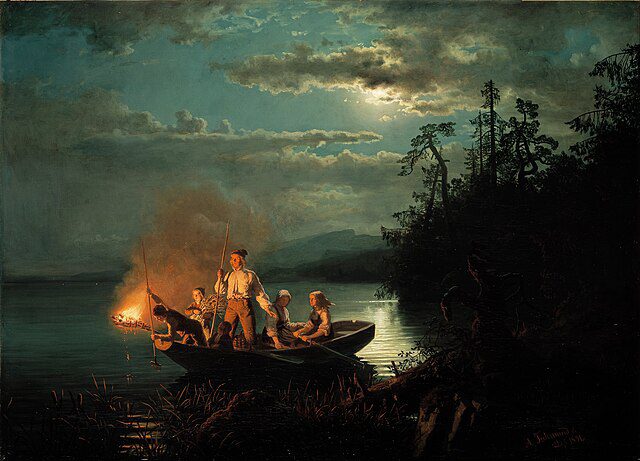
March 15
Dimitrije Avramović (1815–1855) — Serbian painter, writer, and archaeologist best known for religious frescoes, portraits, and documenting medieval Serbian monasteries.
Samu Börtsök (1881–1931) — Hungarian painter best known for landscapes, portraits, and Impressionist-influenced scenes of rural Hungary.
Gil Elvgren
Albert Henry Fullwood (1863–1930) — English-born Australian painter best known for landscapes, war art, and Impressionist views of the Australian countryside.
Georgiana McCrae
Thomas Restout (1655–1749) — French painter best known for religious and historical works created in the French Baroque academic tradition.
Jules Turcas (1846–1888) — French painter best known for Orientalist scenes and carefully observed landscapes inspired by North Africa.
Gerda Wegener (1886–1940) — Danish painter and illustrator best known for elegant Art Deco portraits, fashion illustrations, and sophisticated depictions of modern women.
Émile Vernet-Lecomte
Shibata Zeshin (1807–1891) — Japanese lacquer artist and painter best known for innovative lacquer techniques and refined works inspired by traditional Japanese art.
March 16
Merab Abramishvili (1957–2006) — Georgian painter best known for poetic medieval-inspired compositions blending religious symbolism, history, and rich decorative detail.
Ann Dunlop Alexander (1902–1997) — American painter best known for portraits, landscapes, and still lifes created in a refined representational style.
Alexey Bogolyubov (1824–1896) — Russian painter best known for luminous marine paintings, naval scenes, and landscapes that influenced later Russian artists.
Rosa Bonheur (1822–1899) — French painter best known for masterful animal paintings, especially The Horse Fair, one of the nineteenth century’s most celebrated works.
Jean-Antoine Gros (1771–1835) — French painter best known for dramatic Napoleonic battle scenes that bridged Neoclassicism and Romanticism.
Eugen Kampf
Juan Martínez Montañés (1568–1649) — Spanish sculptor best known for exquisitely carved polychrome religious sculptures of the Spanish Baroque.
Henry Ohl Jr.
Nína Tryggvadóttir
John Butler Yeats (1839–1922) — Irish painter best known for expressive portraits of writers, artists, and leading figures of the Irish Literary Revival.
José Ramón Zaragoza
March 17
François Girardon (1628–1715) — French sculptor best known for monumental Baroque sculptures and decorative works created for the Palace of Versailles.
Christian Griepenkerl (1839–1916) — Austrian painter best known for academic history paintings, allegorical murals, and teaching at the Academy of Fine Arts Vienna.
Herb Lubalin (1918–1981) — American graphic designer and typographer best known for expressive typography, iconic logos, and the typefaces ITC Avant Garde Gothic and Lubalin Graph.
Jean-Marc Nattier (1685–1766) — French Rococo painter best known for elegant portraits of the French royal family and aristocracy in classical costume.
Jean-Baptiste Oudry (1686–1755) — French Rococo painter best known for lifelike animal paintings, hunting scenes, and designs for the Beauvais tapestry manufactory.
Mikhail Vrubel (1856–1910) — Russian painter best known for Symbolist masterpieces such as The Demon Seated and richly imaginative decorative works.
March 18
Achille Beltrame
Hugo Charlemont (1850–1939) — Austrian painter best known for richly detailed landscapes, floral still lifes, and elegant views of parks and gardens.
Marie Duhem (1871–1918) — French painter best known for Impressionist landscapes, flower paintings, and intimate domestic scenes associated with the Wissant artists.
Adam Elsheimer (1578–1610) — German painter best known for small, meticulously detailed cabinet paintings and pioneering nocturnal landscapes illuminated by moonlight.
Clara Pauline Filleul (1822–1878) — French painter and photographer best known for portraits and for introducing early photography to New Zealand.
Adolf Fleischmann (1892–1968) — German painter best known for abstract geometric compositions influenced by Constructivism and Concrete Art.
Floris Jespers
Cornelis Ketel
Carl Nebel (1805–1855) — German painter and lithographer best known for detailed illustrations documenting nineteenth-century Mexico, including the Mexican–American War.
March 19
Josef Albers
Ottó Baditz (1849–1936) — Hungarian painter best known for sentimental genre scenes, portraits, and depictions of rural family life.
Arthur Merric Boyd (1862–1940) — Australian painter best known for Impressionist landscapes and for founding one of Australia’s most influential artistic families.
Józef Mehoffer (1869–1946) — Polish painter, decorative artist, and stained-glass designer best known for Symbolist works and magnificent church windows.
Dirck Hals
Karl Jakob Theodor Leybold
Charles R. Macauley
Józef Mehoffer
John Phillip (1817–1867) — Scottish painter best known for richly detailed Spanish genre scenes, earning the nickname “Spanish Philip.”
Mișu Popp (1827–1892) — Romanian painter best known for portraits, religious murals, and historical paintings that shaped nineteenth-century Romanian art.
Józef Rapacki (1871–1929) — Polish painter best known for atmospheric landscapes depicting forests, rivers, and the countryside of central Poland.
Albert Pinkham Ryder (1847–1917) — American painter best known for poetic, dreamlike landscapes and marine scenes with mystical, symbolic qualities.
Marie Tannæs (1854–1939) — Norwegian painter best known for portraits, interiors, and still lifes exhibited widely in Norway during the late nineteenth century.
Pieter-Jozef Verhaghen (1728–1811) — Flemish painter best known for monumental religious altarpieces and large decorative works in the late Baroque tradition.
Ferdinand von Wright (1822–1906) — Finnish-Swedish painter best known for meticulously detailed bird paintings, especially The Fighting Capercaillies.
Jan Zamoyski (1627–1665) — Polish painter and engraver best known for portraits and religious works produced during the seventeenth century.
March 20
Gyula Aggházy (1850–1919) — Hungarian painter best known for realistic genre scenes, rural life, and sensitive depictions of ordinary people.
Theodor Aman (1831–1891) — Romanian painter best known for historical scenes, portraits, and helping establish modern Romanian art education.
Mogens Ballin (1871–1914) — Danish painter, designer, and silversmith best known for Symbolist works and influential contributions to the Skønvirke movement.
Wilhelm Bendz (1804–1832) — Danish painter best known for intimate portraits and genre scenes from the Danish Golden Age.
George Caleb Bingham (1811–1879) — American painter best known for vivid scenes of frontier life and river travel along the Missouri and Mississippi Rivers.
Maria Gażycz (1860–1935) — Polish painter and nun best known for religious paintings created after entering the Benedictine Order.
Jean-Antoine Houdon (1741–1828) — French sculptor best known for lifelike marble and bronze portraits of figures including George Washington and Voltaire.
John Lavery (1856–1941) — Irish painter best known for elegant society portraits and Impressionist-influenced scenes of everyday life and war.
Maurice Marinot (1882–1960) — French painter and glass artist best known for pioneering innovative techniques in modern artistic glassmaking.
Joseph Paelinck (1781–1839) — Belgian painter best known for refined Neoclassical portraits and historical paintings commissioned by European royalty.
Edward Poynter (1836–1919) — English painter best known for grand classical and historical subjects and for serving as President of the Royal Academy.
Illarion Pryanishnikov
André Utter
March 21
Clarice Beckett (1887–1935) — Australian painter best known for atmospheric Tonalist landscapes capturing the quiet beauty of Melbourne’s suburbs, beaches, and misty evenings.
David Çıraciyan (1882–1953) — Armenian painter best known for portraits, landscapes, and scenes of everyday life created in the late Ottoman Empire and Turkey.
Daniel Charles Grose (1765–1848) — English-born Canadian painter best known for watercolor landscapes and topographical views of early Canada.
Hans Hofmann (1880–1966) — German-American painter best known for pioneering Abstract Expressionism and developing influential theories of color and spatial relationships.
Conrad Martens (1801–1878) — English-born Australian painter best known for luminous watercolors and landscapes documenting the Australian colonies.
Octavian Smigelschi (1866–1912) — Romanian painter and muralist best known for Symbolist religious art and innovative church decorations in Transylvania.
March 22
April Greiman
John Frederick Kensett (1816–1872) — American painter best known for serene Luminist landscapes featuring crystalline light, calm waters, and the New England coast.
Aleksey Kivshenko
Yayoi Kusama (1929– ) — Japanese contemporary artist best known for immersive Infinity Mirror Rooms, polka-dot motifs, and large-scale installations exploring perception.
Ernest Lawson (1873–1939) — Canadian-born American painter best known for expressive urban and landscape scenes as a member of The Eight.
Karl Madsen
Anton Raphael Mengs (1728–1779) — German painter best known for refined Neoclassical portraits and grand frescoes created for European royal courts.
Anthony van Dyck (1599–1641) — Flemish Baroque painter best known for elegant portraits of King Charles I and the English aristocracy, alongside outstanding religious works.
March 23
Mathieu Barathier (1784–1848) — French painter best known for portraits and historical subjects produced during the late Neoclassical period.
Alfred Basel (1876–1920) — Austrian painter best known for landscapes, military subjects, and scenes depicting life in the Alps.
Josef Čapek (1887–1945) — Czech painter, writer, and illustrator best known for Cubist-inspired art and for popularizing the word “robot” through his brother Karel’s play.
Francesco Clemente (1952 ) — Italian contemporary painter best known for expressive figurative works blending symbolism, spirituality, and diverse cultural influences.
Abidin Dino (1913–1993) — Turkish painter, illustrator, and filmmaker best known for expressive modernist drawings and socially engaged artworks.
Domenico Erdmann (1879–1940) — Norwegian painter, illustrator, and conservator best known for documenting and restoring historic Norwegian decorative painting.
Hippolyte Flandrin (1809–1864) — French painter best known for religious murals, portraits, and classically inspired figure paintings.
Juan Gris (1887–1927) — Spanish painter best known for developing Synthetic Cubism through precisely structured still lifes and portraits.
Petras Kalpokas (1880–1945) — Lithuanian painter best known for lyrical landscapes that helped establish modern Lithuanian painting.
Jannis Kounellis (1936–2017) — Greek-Italian artist best known as a leading figure of the Arte Povera movement, using everyday materials in powerful installations.
J. C. Leyendecker (1874–1951) — American illustrator best known for iconic Saturday Evening Post covers and the Arrow Collar Man advertising campaign.
John Madin (1924–1984) — English architect best known for major Brutalist buildings, including Birmingham Central Library.
Johan Nordhagen (1856–1956) — Norwegian painter, printmaker, and illustrator best known for finely crafted etchings of landscapes and historic architecture.
Teodor Talowski (1857–1910) — Polish architect and painter best known for imaginative eclectic buildings blending Gothic Revival, Art Nouveau, and historicist styles.
Charles Werner (1808–1856) — French painter and lithographer best known for architectural views and detailed topographical illustrations of European cities.
March 24
Pauline Auzou
Frank Weston Benson (1862–1951) — American painter best known for luminous Impressionist portraits, outdoor scenes, and masterful wildlife watercolors.
John Rogers Cox (1915–1990) — American painter best known for Regionalist landscapes and symbolic works, especially Gray and Gold.
Carl Dahl (1812–1865) — Norwegian painter best known for Romantic landscapes depicting Norway’s dramatic mountains, fjords, and waterfalls.
Orest Kiprensky (1782–1836) — Russian painter best known for elegant portraits, including his celebrated portrait of the poet Alexander Pushkin.
William Morris (1834–1896) — English designer, writer, and decorative artist best known for founding the Arts and Crafts movement and creating influential textile and wallpaper designs.
James Everett Stuart
Edward Weston (1886–1958) — American photographer best known for exquisitely detailed black-and-white photographs of landscapes, nudes, shells, and vegetables.
March 25
Eugène Alluaud (1866–1947) — French painter best known for Impressionist-inspired landscapes of the Limousin region and his influential work as a porcelain designer.
Aleksey Antropov (1716–1795) — Russian painter best known for vivid portraits of the Russian nobility and clergy during the eighteenth century.
Patrick Henry Bruce (1881–1936) — American painter best known for bold abstract compositions that blended Cubism with modernist color and geometric form.
Juan Carreño de Miranda (1614–1685) — Spanish Baroque painter best known for elegant portraits of King Charles II and members of the Spanish royal court.
Johannes Hubertus Leonardus de Haas (1832–1908) — Dutch painter best known for atmospheric landscapes and rural scenes painted during his long career in Belgium.
May Morris
Carlo Pellegrini
Bradbury Thompson (1911–1995) — American graphic designer and art director best known for groundbreaking typography, magazine design, and influential work in visual communication.
March 26
Carlo Felice Biscarra
Elliott Daingerfield (1859–1932) — American painter best known for poetic Tonalist landscapes and spiritually inspired scenes of the Blue Ridge Mountains.
Johannes Gehrts (1855–1921) — German painter and illustrator best known for historical, mythological, and literary scenes rendered in a richly detailed style.
Alexander Litovchenko
Jean-Michel Moreau (1741–1814) — French draftsman, illustrator, and engraver best known for elegant book illustrations and depictions of eighteenth-century French society.
Julius Schnorr von Carolsfeld (1794–1872) — German painter best known for Nazarene religious art and his influential illustrated Picture Bible.
Franz Steinfeld (1787–1868) — Austrian painter best known for expansive Romantic landscapes of the Alps, the Danube Valley, and the Austrian countryside.
March 27
Wladimir Burliuk (1886–1917) — Ukrainian painter best known as an early avant-garde artist whose work helped shape Russian Futurism.
Edward William Cooke (1811–1880) — English painter best known for detailed marine paintings, coastal landscapes, and studies of ships.
Wilhelm Gause (1853–1916) — Austrian painter best known for historical scenes, military subjects, and elegant portraits.
Albert Marquet (1875–1947) — French painter best known for luminous harbor scenes, cityscapes, and landscapes associated with Fauvism.
Jules Olitski (1922–2007) — American Color Field painter best known for large abstract canvases created with sprayed layers of vibrant color.
Kathleen Scott (1878–1947) — British sculptor best known for portrait busts, public monuments, and memorials, including works honoring Antarctic explorer Robert Falcon Scott.
Daniel Spoerri (1930–2024) — Swiss-born Romanian artist best known for his “snare pictures,” which transformed everyday objects into assemblage artworks.
Edward J. Steichen (1879–1973) — Luxembourg-born American photographer, painter, and curator best known for pioneering modern photography and directing The Family of Man exhibition.
Bogusław Szwacz (1909–2009) — Polish painter best known for modernist abstract and figurative works spanning much of the twentieth century.
Jan van Beers (1852–1927) — Belgian painter best known for highly detailed portraits and fashionable genre scenes in a polished Academic style.
Ludwig Mies van der Rohe (1886–1969) — German-American architect best known for pioneering Modernist architecture with minimalist buildings of steel and glass.
March 28
Cuno Amiet (1868–1961) — Swiss painter best known for vibrant Post-Impressionist and Expressionist landscapes, portraits, and boldly colored figure paintings.
Knud Baade (1808–1879) — Norwegian painter best known for dramatic moonlit landscapes and coastal scenes inspired by the fjords of Norway.
Georges Barrière (1886–1944) — French illustrator and poster artist best known for elegant Art Deco fashion illustrations and advertising designs.
Fra Bartolommeo (1472–1517) — Italian Renaissance painter best known for harmonious religious compositions that combined the influence of Leonardo da Vinci and Raphael.
Vojtěch Bartoněk (1859–1908) — Czech painter best known for historical scenes, portraits, and genre paintings reflecting Czech national life.
Viktor Barvitius (1834–1902) — Czech painter best known for romantic landscapes, architectural views, and scenes inspired by Italy and Bohemia.
Jean-Paul Laurens (1838–1921) — French painter best known for dramatic historical paintings depicting medieval and Renaissance events with academic precision.
Anthonie Waldorp (1803–1866) — Dutch painter best known for atmospheric cityscapes, river views, and marine paintings of nineteenth-century Holland.
March 29
Pierre Joseph Célestin François (1759–1851) — Belgian painter best known for refined flower still lifes and decorative works admired for their careful realism.
Raymond Hood (1881–1934) — American architect best known for designing iconic skyscrapers including the Chrysler Building, Rockefeller Center, and American Radiator Building.
François-Joseph Kinson (1770–1839) — Flemish painter best known for elegant portraits of European royalty and aristocrats during the Napoleonic era.
Guram Kutateladze (1941– ) — Georgian painter best known for expressive figurative works, portraits, and richly colored landscapes rooted in Georgian artistic traditions.
Jane Nasmyth (1788–1867) — Scottish painter best known for detailed landscape paintings that continued the artistic legacy of the Nasmyth family.
Paul Ranson
Franklin Rawson (1862–1944) — Argentine painter best known for Impressionist-inspired landscapes and portraits that helped shape modern Argentine painting.
March 30
Francisco Goya (1746–1828) — Spanish painter and printmaker best known for his royal portraits, The Third of May 1808, and the haunting Black Paintings.
Lado Gudiashvili (1896–1980) — Georgian painter best known for colorful modernist works inspired by Georgian folklore, history, and everyday life.
Julien Le Blant
Frank O’Meara (1853–1888) — Irish painter best known for atmospheric rural landscapes and quiet village scenes influenced by French naturalism.
Vincent van Gogh (1853–1890) — Dutch Post-Impressionist painter best known for expressive masterpieces including The Starry Night, Sunflowers, and Irises.
Christian Zacho (1843–1913) — Danish painter best known for realistic landscapes depicting the forests, fields, and coastlines of Denmark.
March 31
Aristide Croisy (1840–1899) — French sculptor best known for public monuments, allegorical figures, and finely modeled Academic sculptures.
James Henry Emerton
William Golden (1911–1959) — American graphic designer best known for creating the enduring CBS Eye logo and shaping modern corporate identity.
William Hart (1823–1894) — Scottish-born American painter best known for Hudson River School landscapes featuring peaceful forests, rivers, and pastoral scenery.
William Morris Hunt (1824–1879) — American painter best known for introducing the Barbizon style to the United States through landscapes and expressive portraits.
John La Farge (1835–1910) — American painter, muralist, and stained-glass artist best known for innovative opalescent stained glass and richly decorative murals.
Andries Cornelis Lens (1739–1822) — Flemish painter best known for Neoclassical historical, mythological, and allegorical paintings.
Jules Pascin (1885–1930) — Bulgarian-born painter and draftsman best known for expressive figure studies and intimate scenes associated with the School of Paris.
Christian Zacho (1843–1913) — Danish painter best known for realistic landscapes depicting the forests, fields, and coastlines of Denmark.
Kristian Zahrtmann (1843–1917) — Danish painter best known for vivid historical scenes, expressive portraits, and his influential role as an art teacher.
April 1
Edwin Austin Abbey (1852–1911) — American painter and illustrator best known for historical murals, Shakespearean subjects, and Victorian book illustrations.
Albert Anker (1831–1910) — Swiss painter best known for warm depictions of rural life, children, and everyday scenes in nineteenth-century Switzerland.
George Dance the Younger (1741–1825) — English architect and draughtsman best known for designing Newgate Prison and numerous landmark buildings in London.
Dan Flavin (1933–1996) — American minimalist artist best known for sculptures and installations made from commercially available fluorescent light fixtures.
Memos Makris (1913–1993) — Greek sculptor best known for monumental public sculptures and socially engaged modernist works.
William Mulready (1786–1863) — Irish genre painter best known for detailed scenes of everyday domestic life and childhood.
Payut Ngaokrachang (1929–1998) — Thai animator, filmmaker, and illustrator best known as a pioneer of Thai animated cinema.
Luigi Schiavonetti (1765–1810) — Italian engraver best known for finely executed prints after paintings by artists including William Blake.
Bertha von Tarnóczy (1882–1978) — Hungarian painter best known for portraits, landscapes, and still lifes created in an Impressionist-inspired style.
April 2
Carl Bengts (1876–1934) — Finnish painter best known for portraits, coastal landscapes, and scenes of life in the Swedish-speaking regions of Finland.
Ignace Brice (1795–1866) — Belgian painter best known for finely detailed portraits and elegant genre scenes from nineteenth-century Belgium.
Gösta Adrian-Nilsson (1884–1965) — Swedish painter best known for bold Cubist and Futurist-inspired compositions depicting sailors, athletes, and modern life.
Émilie Charmy (1878–1974) — French painter best known for expressive Fauvist and Post-Impressionist works featuring still lifes, landscapes, and female figures.
Max Ernst (1891–1976) — German painter, sculptor, and printmaker best known for pioneering Dada and Surrealism through inventive collage and dreamlike imagery.
William Holman Hunt (1827–1910) — English painter best known as a founder of the Pre-Raphaelite Brotherhood and for symbolic religious masterpieces such as The Light of the World.
Lluïsa Vidal (1876–1918) — Catalan painter best known for portraits, domestic scenes, and her pioneering role as a professional woman artist in Barcelona.
April 3
Sandra Boynton (1953– ) — American illustrator, author, and cartoonist best known for humorous children’s books featuring charming animal characters.
Knut Ekwall (1843–1912) — Swedish painter best known for sentimental genre scenes, family life, and historical subjects rendered with meticulous detail.
Bud Fisher (1885–1954) — American cartoonist best known for creating the pioneering newspaper comic strip Mutt and Jeff.
Fritz Neuhaus (1852–1922) — German painter best known for landscapes, genre scenes, and finely observed rural subjects of nineteenth-century Germany.
Jean-François Portaels
Frits Van den Berghe
Henry van de Velde (1863–1957) — Belgian architect, designer, and painter best known as a pioneer of Art Nouveau and modern industrial design.
Francesca Woodman (1958–1981) — American photographer best known for haunting black-and-white self-portraits exploring identity, space, and the human body.
Russel Wright (1904–1976) — American industrial designer best known for innovative modern tableware, furniture, and household products that transformed everyday design.
April 4
James Ashton (1859–1935) — English-born Australian painter best known for landscapes, portraits, and his influential role as an art teacher in Adelaide.
Joyce Ballantyne
Constance Marie Charpentier
Maurice de Vlaminck (1876–1958) — French painter best known for boldly colored Fauvist landscapes and expressive, energetic brushwork.
Fedor Flinzer (1832–1911) — German illustrator, painter, and author best known for children’s book illustrations and imaginative animal drawings.
Alfredo Roque Gameiro (1864–1935) — Portuguese painter and illustrator best known for masterful watercolor landscapes, historical scenes, and architectural views.
William Henry Jackson (1843–1942) — American photographer and painter best known for documenting the American West, including the Yellowstone region.
Louis-Anselme Longa (1820–1895) — French painter best known for landscapes, genre scenes, and murals depicting the history and traditions of southwestern France.
Pierre-Paul Prud’hon (1758–1823) — French painter and draftsman best known for graceful Neoclassical allegories, portraits, and mythological compositions.
Jean-Pierre Saint-Ours
P. C. Skovgaard (1817–1875) — Danish painter best known for poetic landscapes celebrating the forests, lakes, and countryside of Denmark.
April 5
Elene Akhvlediani (1901–1975) — Georgian painter best known for colorful cityscapes, theatrical designs, and evocative landscapes celebrating Georgian architecture.
Giuseppe Arcimboldo (1526–1593) — Italian painter best known for imaginative portraits composed entirely of fruits, vegetables, flowers, animals, and other natural objects.
Morley Baer (1916–1995) — American photographer best known for finely crafted black-and-white photographs of architecture and landscapes in the American West.
Herbert Bayer (1900–1985) — Austrian-born American graphic designer, photographer, and painter best known for his pioneering Bauhaus typography and modern design.
Thure de Thulstrup (1848–1930) — Swedish-born American illustrator best known for dramatic military illustrations and historical scenes published in leading magazines.
Jules Dupré (1811–1889) — French landscape painter best known for dramatic skies and expressive rural scenes associated with the Barbizon School.
Jean-Honoré Fragonard (1732–1806) — French Rococo painter best known for playful, romantic masterpieces including The Swing.
Andrew Geddes (1783–1844) — Scottish painter and engraver best known for refined portraits of prominent nineteenth-century British figures.
Ketty Gilsoul-Hoppe
Oldrich Majda
Ferdinand Hart Nibbrig (1866–1915) — Dutch painter best known for luminous Pointillist landscapes and colorful rural scenes inspired by the Gooi region.
Wilhelm von Wright (1810–1887) — Finnish-Swedish painter and natural history illustrator best known for exceptionally detailed paintings of birds and other wildlife.
April 6
Leopoldo Bersani (1848–1903) — Italian painter best known for genre scenes, portraits, and carefully observed depictions of everyday nineteenth-century life.
Pieter de Molijn
René Lalique (1860–1945) — French jeweler, glass designer, and decorative artist best known for exquisite Art Nouveau jewelry and innovative molded glass creations.
Scott LoBaido
Gustave Moreau (1826–1898) — French Symbolist painter best known for richly detailed mythological and biblical scenes filled with mystical imagery.
Raphael (1483–1520) — Italian High Renaissance painter and architect best known for The School of Athens, his Madonnas, and harmonious frescoes in the Vatican.
John William Waterhouse (1849–1917) — English painter best known for romantic Pre-Raphaelite-inspired works depicting literary, mythological, and classical subjects, including The Lady of Shalott.
Jan V. White
April 7
J. A. G. Acke (1859–1924) — Swedish painter best known for luminous Symbolist landscapes and atmospheric scenes inspired by nature and Nordic light.
Gerrit Dou (1613–1675) — Dutch Golden Age painter best known for meticulously detailed genre scenes and refined interior paintings with masterful lighting.
Gino Severini (1883–1966) — Italian painter best known for Futurist compositions celebrating movement and modern life before later embracing Classical themes.
Keraca Visulčeva (1916–2004) — Bulgarian painter best known for expressive landscapes, portraits, and colorful scenes inspired by Bulgarian life and nature.
Brett Whiteley (1939–1992) — Australian painter best known for bold, expressive works exploring landscapes, portraiture, and the Sydney Harbour in a distinctive modern style.
April 8
Frederic William Burton (1816–1900) — Irish painter best known for the romantic watercolor The Meeting on the Turret Stairs and his later role as Director of the National Gallery in London.
Charles Dankmeijer (1861–1923) — Dutch painter best known for atmospheric landscapes, coastal scenes, and tranquil views of the Dutch countryside.
Cornelis de Heem (1631–1695) — Dutch Golden Age painter best known for richly detailed still lifes featuring fruit, flowers, and luxurious table settings.
Alfred Cheney Johnston (1885–1971) — American photographer best known for glamorous portraits of the Ziegfeld Follies performers during the early twentieth century.
Arthur Streeton (1867–1943) — Australian painter best known for luminous Impressionist landscapes and his leadership in the Heidelberg School.
Allen Butler Talcott
Clarence H. White (1871–1925) — American photographer best known for Pictorialist photography and his influential teaching of a new generation of photographers.
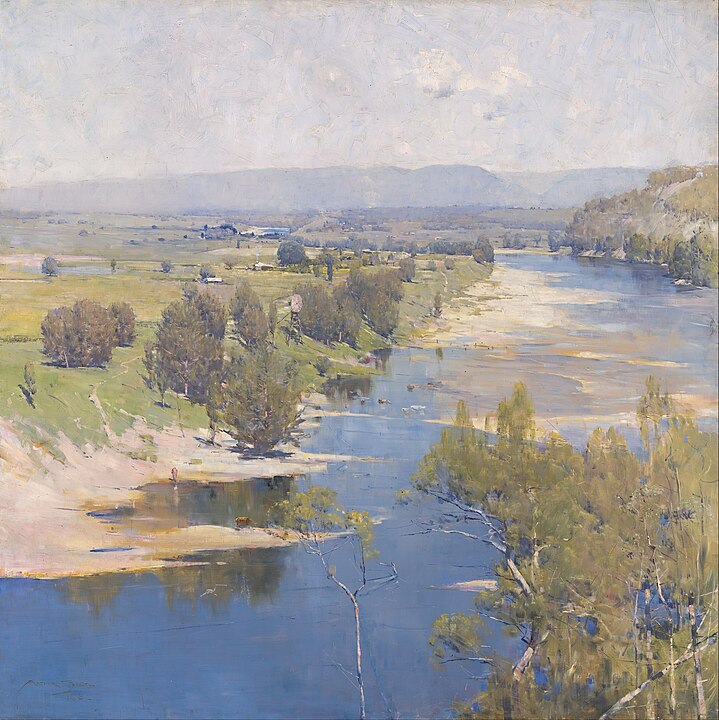
April 9
Fermín Arango (1872–1947) — Spanish painter best known for landscapes, genre scenes, and portraits reflecting traditional life in northern Spain.
Charles E. Burchfield (1893–1967) — American painter best known for visionary watercolor landscapes that captured the emotional and spiritual qualities of nature.
Albert Flamm (1823–1906) — German painter best known for luminous Italian landscapes, coastal views, and scenes inspired by his travels around Naples and Capri.
Philipp Franck (1860–1944) — German painter best known for Impressionist landscapes and his influential role in the Berlin Secession movement.
Eadweard Muybridge (1830–1904) — English photographer best known for pioneering motion photography and sequential images that transformed the study of movement.
Jan Michiel Ruyten (1813–1881) — Belgian painter best known for detailed architectural interiors, church scenes, and historic city views.
Victor Vasarely (1906–1997) — Hungarian-French artist best known for pioneering Op Art through striking geometric abstractions and optical illusions.
Julio Vila y Prades (1873–1930) — Spanish painter best known for portraits, genre scenes, and luminous Valencian landscapes influenced by Spanish Impressionism.
April 10
Charles Beil (1894–1976) — American sculptor best known for finely crafted portrait busts, medals, and architectural sculpture in bronze and stone.
Alfred Thompson Bricher (1837–1908) — American painter best known for luminous coastal landscapes and serene seascapes associated with American Luminism.
Emil Glöckner (1868–1949) — German painter best known for landscapes, city views, and Impressionist-inspired scenes of southern Germany.
Daniel Hisgen (1733–1812) — German-American painter best known for decorative fraktur-style religious paintings created for Lutheran communities in Pennsylvania.
Ben Nicholson (1894–1982) — English painter best known for abstract reliefs, still lifes, and geometric compositions that shaped twentieth-century British modernism.
Kenneth Noland (1924–2010) — American painter best known for Color Field paintings featuring bold targets, stripes, and chevrons.
Ferdinand Richardt (1819–1895) — Danish-American painter best known for detailed landscapes of Europe and the American West, including Yellowstone and Yosemite.
George William Russell (1867–1935) — Irish painter, writer, and mystic best known for Symbolist paintings and his influential role in the Irish Literary Revival under the pen name Æ.
Frans van Dorne (1789–1852) — Dutch painter best known for portraits, genre scenes, and finely executed lithographs produced during the early nineteenth century.
April 11
Heinrich Altherr (1878–1947) — Swiss painter best known for portraits, landscapes, and murals that blended realism with modern artistic influences.
Antoine Coypel (1661–1722) — French painter best known for grand history paintings, mythological scenes, and official portraits created for the French court.
Paul Henry (1876–1958) — Irish painter best known for luminous landscapes of western Ireland that captured the country’s rugged scenery and changing light.
Jean-Baptiste Isabey (1767–1855) — French painter and miniaturist best known for exquisite portrait miniatures of European royalty and prominent Napoleonic figures.
Daniel Garber (1880–1958) — American painter best known for Impressionist landscapes of Pennsylvania and portraits associated with the New Hope School.
Adélaïde Labille-Guiard (1749–1803) — French portrait painter best known for elegant depictions of aristocrats and for advancing opportunities for women artists.
Jamini Roy (1887–1972) — Indian painter best known for developing a distinctive modern style inspired by Bengali folk art and traditional village painting.
Bartholomeus Strobel (1591–about 1650) — Polish-born Baroque painter best known for religious works and the monumental Feast of Herod with the Beheading of Saint John the Baptist.
François Topino-Lebrun (1769–1801) — French Neoclassical painter best known for history paintings reflecting the ideals and turbulence of the French Revolution.
Gustav Vigeland (1869–1943) — Norwegian sculptor best known for creating the monumental sculpture park at Vigeland Park in Oslo.
Leon Wyczółkowski (1852–1936) — Polish painter and printmaker best known for expressive landscapes, portraits, and pastel studies associated with Young Poland.
April 12
Dina Aschehoug (1861–1956) — Norwegian painter best known for landscapes, floral still lifes, and portraits created in a naturalistic style.
Simone Cantarini (1612–1648) — Italian Baroque painter and etcher best known for graceful religious and mythological compositions influenced by Guido Reni.
Gustaf Cederström (1845–1933) — Swedish painter best known for military history paintings, especially The Funeral Procession of Charles XII.
Imogen Cunningham (1883–1976) — American photographer best known for pioneering modernist photographs of plants, portraits, and the human figure.
Henry Darger (1892–1973) — American self-taught artist and writer best known for his epic illustrated fantasy manuscript The Story of the Vivian Girls.
Antonio da Sangallo the Younger (1484–1546) — Italian Renaissance architect best known for designing fortifications, palaces, and work on St. Peter’s Basilica.
Edward Davies (1849–1879) — Welsh painter best known for landscapes and rural scenes inspired by the countryside of Wales.
Robert Delaunay (1885–1941) — French painter best known for vibrant abstract compositions and co-founding the Orphism movement with Sonia Delaunay.
Felix de Weldon (1907–2003) — Austrian-American sculptor best known for creating the Marine Corps War Memorial in Arlington, Virginia.
Johann Joachim Faber (1729–1804) — German painter best known for landscapes, architectural views, and decorative frescoes.
Louise Fili (1951– ) — American graphic designer best known for elegant typography, restaurant branding, and book cover design.
Tanino Liberatore (1953– ) — Italian illustrator and comic artist best known for creating the graphic novel character RanXerox.
Manuel Neri (1930–2021) — American sculptor best known for expressive life-sized plaster figures associated with the Bay Area Figurative movement.
Georg Oeder
William Pellicone (1916–2007) — American painter best known for Impressionist-inspired landscapes, seascapes, and scenes of New England.
Julius Podlipny
April 13
Ole Peter Hansen Balling (1823–1906) — Norwegian painter best known for military scenes, portraits, and dramatic depictions of the American Civil War and Scandinavian history.
Louis-Ernest Barrias (1841–1905) — French sculptor best known for elegant allegorical monuments and the celebrated marble sculpture Nature Unveiling Herself Before Science.
Poul Anker Bech (1942–2009) — Danish painter best known for surreal, dreamlike landscapes that combine ordinary settings with unsettling psychological imagery.
John T. Biggers (1924–2001) — American painter and muralist best known for powerful works celebrating African American history, culture, and community life.
Sorcha Boru (1900–1996) — Irish sculptor and medallist best known for public sculptures, portrait busts, and designs for Irish coins and medals.
Edward Bruce (1879–1943) — American painter and arts administrator best known for founding the Public Works of Art Project during the Great Depression.
Tupsy Clement (1871–1959) — Danish painter best known for portraits, interiors, and intimate scenes of everyday domestic life.
Oswald Bruce Cooper (1880–1940) — American type designer, calligrapher, and graphic artist best known for creating the enduring Cooper Black typeface.
James Ensor (1860–1949) — Belgian painter and printmaker best known for fantastical masked figures, skeletons, and pioneering Expressionist imagery.
Thomas Lawrence (1769–1830) — English portrait painter best known for elegant portraits of British nobility and European leaders during the Regency period.
Pierre Molinier (1900–1976) — French photographer and painter best known for provocative self-portraits exploring identity, fantasy, and surreal themes.
Valve Pormeister (1922–2002) — Estonian landscape architect best known for integrating modern architecture with natural landscapes and botanical garden design.
Nicolae Tonitza
Marek Żuławski (1908–1985) — Polish-born painter and writer best known for expressive figurative paintings created after settling in Britain.
April 14
Louisa Beresford (1831–1891) — Irish watercolor painter best known for delicate landscapes, floral subjects, and scenes inspired by the Irish countryside.
Victor Borisov-Musatov (1870–1905) — Russian painter best known for poetic Symbolist works depicting dreamlike estates, gardens, and elegantly dressed figures.
Juan de Echevarría (1875–1931) — Spanish painter best known for expressive portraits, landscapes, and still lifes influenced by Post-Impressionism.
Meijer de Haan (1852–1895) — Dutch painter best known for his association with Paul Gauguin and Symbolist paintings created in Brittany.
Simon Denis (1755–1813) — Flemish painter best known for luminous Italian landscapes that combined careful observation with classical composition.
Gabriel Jacques de Saint-Aubin (1724–1780) — French draftsman and engraver best known for lively drawings documenting everyday life in eighteenth-century Paris.
Firmin Didot (1764–1836) — French printer, publisher, and type designer best known for advancing the influential Didot family tradition in typography and book design.
Joseph Fassbender (1903–1974) — German painter and printmaker best known for abstract compositions and experimental graphic art after the Second World War.
Charles Mertens (1865–1919) — Belgian painter best known for landscapes, interiors, and atmospheric scenes associated with Belgian Impressionism.
Władysław Pochwalski (1860–1924) — Polish painter best known for accomplished portraits of prominent cultural, political, and aristocratic figures.
Tomasz Urbanowicz
Friedrich von Amerling (1803–1887) — Austrian portrait painter best known for refined likenesses of European nobility and leading figures of the Biedermeier period.
April 15
Leonardo da Vinci (1452–1519) — Italian Renaissance painter, inventor, and scientist best known for masterpieces including Mona Lisa and The Last Supper.
Emil Dill (1861–1938) — German painter and sculptor best known for landscapes, animal sculpture, and decorative works influenced by Art Nouveau.
Jan Anton Garemyn (1712–1799) — Flemish painter best known for religious altarpieces, portraits, and decorative paintings created in Bruges.
Arshile Gorky (about 1904–1948) — Armenian-American painter best known for bridging Surrealism and Abstract Expressionism with deeply personal, lyrical compositions.
Abbott Fuller Graves (1859–1936) — American painter best known for colorful flower gardens, greenhouse interiors, and Impressionist floral landscapes.
Katarina Ivanović (1811–1882) — Serbian painter best known for portraits, historical subjects, and pioneering achievements as one of Serbia’s first prominent women artists.
Elizabeth Catlett Mora (1915–2012) — American and Mexican sculptor and printmaker best known for powerful works celebrating African American and Mexican life, dignity, and social justice.
Barbara Nasmyth (1792–1870) — Scottish painter best known for landscapes and architectural views produced as part of the talented Nasmyth artistic family.
Tadeusz Pruszkowski (1888–1942) — Polish painter and teacher best known for portraits, historical subjects, and leading the influential Brotherhood of Saint Luke.
Jan van Huysum
Edward Arthur Walton (1860–1922) — Scottish painter best known for Impressionist landscapes and interiors as a leading member of the Glasgow Boys.
April 16
Albrecht Adam (1786–1862) — German painter best known for detailed military scenes, battle paintings, and depictions of horses during the Napoleonic Wars.
Eveline Marie Alexander (1882–1960) — American painter best known for portraits, floral still lifes, and Impressionist-inspired landscapes.
Adrien Bas (1610–1656) — Dutch Golden Age painter best known for portraits and genre scenes produced in seventeenth-century Haarlem.
Ford Madox Brown (1821–1893) — English painter best known for richly detailed historical and literary works, including Work and The Last of England.
Eugène Emmanuel Amaury Duval (1808–1885) — French Neoclassical painter best known for refined portraits and idealized religious and mythological compositions.
Wilhelm Facklam (1893–1972) — German painter best known for expressive landscapes, village scenes, and still lifes associated with twentieth-century German art.
Émile Friant (1863–1932) — French painter best known for realistic portraits and genre scenes distinguished by remarkable technical precision.
Élisabeth-Louise Vigée Le Brun (1755–1842) — French portrait painter best known for elegant portraits of European nobility, especially Queen Marie Antoinette.
Jean Seignemartin
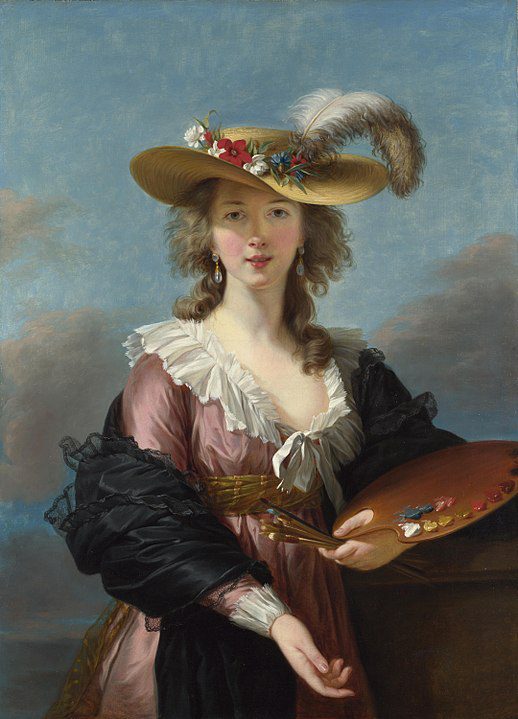
April 17
Axel Aabrink (1885–1965) — Danish painter best known for luminous landscapes, forests, and coastal scenes associated with the Funen Painters.
Karl Burman (1882–1965) — Estonian painter, architect, and designer best known for colorful landscapes and contributions to Estonia’s National Romantic movement.
A. J. Casson (1898–1992) — Canadian painter best known for vibrant landscapes of Ontario and as the youngest member of the Group of Seven.
Stefano della Bella (1610–1664) — Italian printmaker and draftsman best known for exquisitely detailed etchings of landscapes, battles, festivals, and everyday life.
Enric Galwey
Johannes Hau
Max Rabes
Charles van den Eycken
April 18
Firmin Baes (1874–1943) — Belgian painter best known for luminous portraits, interiors, and pastel works that blended Realism with Impressionist influences.
Cesare Biseo
Mathew Brady (about 1822–1896) — American photographer best known for documenting the American Civil War through pioneering photographic portraits and battlefield images.
Elias Brenner (1647–1717) — Swedish painter, miniaturist, and medallist best known for portrait miniatures and scholarly studies of Nordic antiquities.
Joan Eardley (1921–1963) — Scottish painter best known for expressive portraits of Glasgow children and dramatic landscapes of the northeast Scottish coast.
Bill Everett (1917–1973) — American comic book artist and writer best known for creating the Marvel superhero Namor the Sub-Mariner.
Janet Fish (1938– ) — American painter best known for vibrant still lifes featuring glassware, fruit, flowers, and richly observed reflections.
Walter Gropius (1883–1969) — German architect and designer best known for founding the Bauhaus school and shaping modern architecture.
Richard Hall (1860–1942) — American painter best known for Impressionist portraits and intimate depictions of women and children created in France.
Gertrude Käsebier (1852–1934) — American photographer best known for evocative Pictorialist portraits emphasizing motherhood, character, and artistic expression.
Don Martin (1931–2000) — American cartoonist best known for his wildly exaggerated illustrations and humorous characters in Mad magazine.
Michael Sandle (1936– ) — British sculptor best known for powerful figurative works exploring war, death, and the human cost of conflict.
Max Weber (1881–1961) — American painter best known for introducing Cubism to the United States and later creating expressive modernist works.
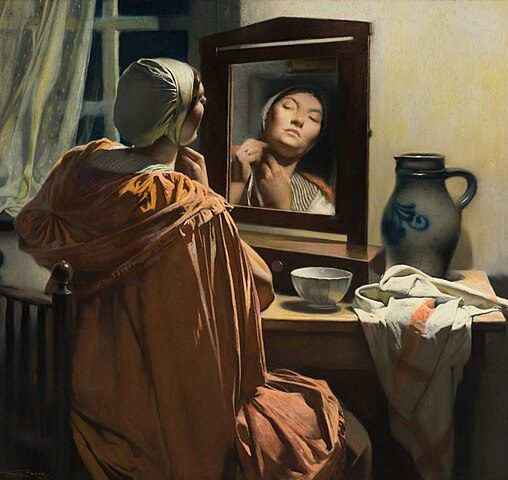
April 19
August Allebé (1838–1927) — Dutch painter best known for portraits, genre scenes, and his influential teaching at the Amsterdam Rijksakademie.
Charles Angrand (1854–1926) — French painter best known for Neo-Impressionist landscapes and figure studies created with Pointillist and Divisionist techniques.
Fernando Botero (1932–2023) — Colombian painter and sculptor best known for his distinctive oversized figures depicting people, animals, and everyday life with humor and monumentality.
Đorđe Krstić (1851–1907) — Serbian painter best known for realistic historical paintings, portraits, and landscapes that helped shape modern Serbian art.
Ketevan Magalashvili (1894–1973) — Georgian painter best known for expressive portraits and genre scenes that established her as one of Georgia’s leading twentieth-century artists.
Grigoriy Myasoyedov
April 20
Louis Artan (1837–1890) — Dutch-born Belgian painter best known for atmospheric marine paintings depicting the North Sea and the Belgian coast.
Daniel Chester French (1850–1931) — American sculptor best known for creating the seated Abraham Lincoln in the Lincoln Memorial and numerous public monuments.
Ludvig Sandöe Ipsen
Joan Miró (1893–1983) — Spanish painter, sculptor, and printmaker best known for imaginative Surrealist compositions filled with colorful abstract symbols.
Theodor Poeckh
Odilon Redon (1840–1916) — French painter, printmaker, and draftsman best known for dreamlike Symbolist works featuring fantastical figures, flowers, and mysterious visions.
Franz Xaver Winterhalter (1805–1873) — German painter best known for elegant portraits of European royalty and aristocracy, including Empress Eugénie and Queen Victoria.
April 21
Rolf Armstrong
Rose Maynard Barton (1856–1929) — Irish painter best known for atmospheric watercolor views of Dublin, London, and picturesque streets throughout Britain and Ireland.
Lodovico Carracci (1555–1619) — Italian painter best known for co-founding the Bolognese school and helping launch the Baroque style with his cousins Annibale and Agostino Carracci.
Francesco de Mura (1696–1782) — Italian painter best known for graceful Rococo frescoes, altarpieces, and mythological scenes created in Naples.
Jean Hélion (1904–1987) — French painter best known for pioneering abstract art before returning to richly observed figurative painting later in his career.
Antonie Sminck Pitloo (1790–1837) — Dutch painter best known for Italian landscapes and for founding the Posillipo School of landscape painting in Naples.
Dirk van Haaren
Petrus van Schendel (1806–1870) — Dutch painter best known for atmospheric candlelit and moonlit market scenes illuminated with dramatic light effects.
April 22
Henry Golden Dearth (1864–1918) — American painter best known for atmospheric Tonalist landscapes, rural scenes, and depictions of animals, especially sheep.
Max Dupain (1911–1992) — Australian photographer best known for modernist black-and-white images, including the iconic photograph Sunbaker.
Sidney Nolan (1917–1992) — Australian painter best known for his bold modernist interpretations of the outlaw Ned Kelly and the Australian landscape.
Ottilie Roederstein
April 23
Alfred Dehodencq (1822–1882) — French painter best known for vivid genre scenes, portraits, and colorful depictions of everyday life in Spain and Morocco.
Keeley Halswelle (1832–1891) — Scottish painter best known for landscapes, genre scenes, and historical subjects inspired by Britain and the Alps.
Robert Henry Lindsay (1867–1949) — Scottish painter best known for atmospheric landscapes, coastal scenes, and views of the Scottish Highlands.
Ivan Mrkvička (1856–1938) — Bulgarian painter of Czech birth best known for portraits, rural scenes, and helping establish modern Bulgarian art education.
J. M. W. Turner (1775–1851) — English painter best known for luminous landscapes and seascapes that transformed the depiction of light, atmosphere, and weather.
Antoine Vollon (1833–1900) — French painter best known for richly textured still lifes, landscapes, and masterful studies of everyday objects.
Charles Augustin Wauters
Fritz Wotruba (1907–1975) — Austrian sculptor best known for monumental abstract figures composed of powerful geometric forms.
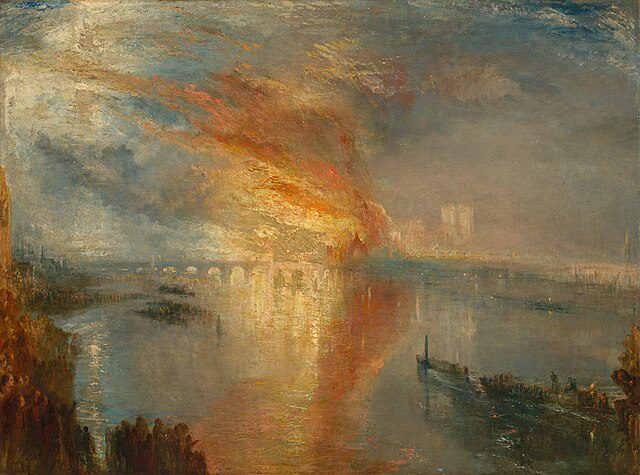
April 24
Jacques-Laurent Agasse (1767–1849) — Swiss painter best known for finely observed portraits of horses, livestock, and other animals painted with remarkable realism.
Fredrik Ahlstedt (1839–1901) — Finnish painter best known for tranquil landscapes, lakeside views, and scenes of the Finnish countryside.
R. M. Ballantyne (1825–1894) — Scottish writer and illustrator best known for illustrating his own adventure novels, including The Coral Island.
Gaston Bussière (1862–1929) — French Symbolist painter best known for richly colored mythological, literary, and medieval-inspired compositions.
Willem de Kooning (1904–1997) — Dutch-American painter best known as a leading Abstract Expressionist, especially for his celebrated Woman series.
Lou Dorfsman (1918–2008) — American graphic designer best known for shaping the visual identity of CBS through innovative corporate design and typography.
Nathaniel Hone (1718–1784) — Irish painter best known for portraits and as one of the founding members of the Royal Academy.
Lyubov Popova (1889–1924) — Russian avant-garde painter and designer best known for pioneering Cubo-Futurist and Constructivist art and textile designs.
Eyolf Soot (1859–1928) — Norwegian painter best known for realistic genre scenes, portraits, and landscapes depicting rural Norwegian life.
János Thorma
Eugène Van Maldeghem (1813–1880) — Belgian painter best known for historical scenes, portraits, and genre paintings in the Romantic tradition.
April 25
Karel Appel (1921–2006) — Dutch painter and sculptor best known for bold, expressive works as a founding member of the CoBrA movement.
Jan Autengruber (1887–1920) — Czech painter best known for colorful landscapes and city scenes influenced by Post-Impressionism and early Expressionism.
Gustave Boulanger (1824–1888) — French painter best known for meticulously detailed Classical and Orientalist scenes inspired by ancient Rome and the Near East.
Giuseppe Gaggini
Tomás Maldonado
Herbert Matter (1907–1984) — Swiss-born American photographer and graphic designer best known for innovative photomontage, modernist advertising, and exhibition design.
Cy Twombly (1928–2011) — American painter, sculptor, and photographer best known for monumental canvases featuring expressive scribbles, symbols, and calligraphic marks.
Olaf Willums (1886–1967) — Norwegian painter best known for expressive portraits, landscapes, and decorative works influenced by modern European art.
April 26
John James Audubon (1785–1851) — French-born American naturalist, painter, and ornithologist best known for The Birds of America, one of history’s greatest illustrated books.
William Barr (1867–1933) — Scottish painter best known for landscapes, coastal scenes, and atmospheric views of the Scottish countryside.
Aimée Julie Cheron (1648–1718) — French painter and engraver best known for portraits, miniature painting, and her achievements as one of France’s leading women artists.
Eugène Delacroix (1798–1863) — French Romantic painter best known for dramatic masterpieces such as Liberty Leading the People and The Death of Sardanapalus.
Akseli Gallen-Kallela (1865–1931) — Finnish painter best known for powerful interpretations of the Kalevala and iconic landscapes celebrating Finnish national identity.
Arvid Mauritz Lindström
Gian Paolo Lomazzo (1538–1592) — Italian painter and art theorist best known for influential writings on Renaissance painting after blindness ended his artistic career.
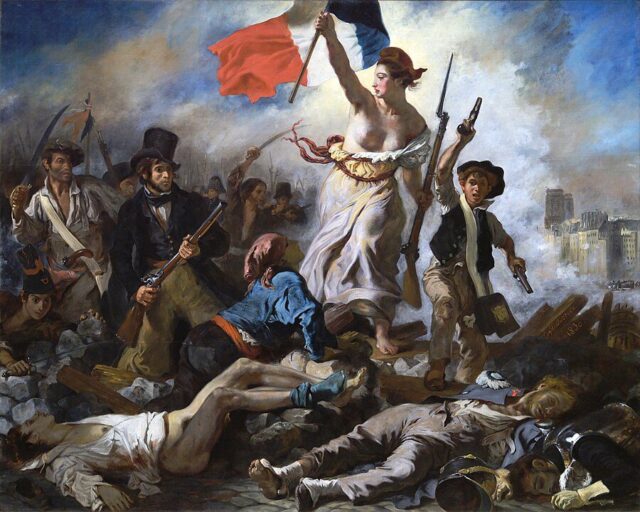
April 27
Jaroslav Benda (1882–1970) — Czech painter, illustrator, designer, and typographer best known for book design, graphic arts, and Art Nouveau-inspired decorative work.
Norman Bel Geddes (1893–1958) — American industrial designer best known for visionary streamlined designs, theatrical productions, and the influential Futurama exhibit.
Giuseppe Drugman (1879–1927) — Italian painter best known for portraits, genre scenes, and refined depictions of everyday life in northern Italy.
Theodor Kittelsen (1857–1914) — Norwegian painter and illustrator best known for enchanting images of trolls, folklore, and landscapes inspired by Norwegian legends.
Richard Moynan (1856–1906) — Irish painter best known for realistic genre scenes depicting ordinary people and social life in late nineteenth-century Ireland.
April 28
Émile Bernard (1868–1941) — French painter, printmaker, and writer best known for pioneering Cloisonnism and influencing the development of Symbolism and Post-Impressionism.
Yves Klein (1928–1962) — French painter best known for his bold monochrome works, especially International Klein Blue, and his groundbreaking performance art.
Charles Rosen (1878–1950) — American painter best known for Impressionist landscapes and city scenes associated with the Pennsylvania Impressionist movement.
Karl von Blaas (1815–1894) — Austrian painter best known for monumental history paintings, religious frescoes, and portraits created for churches and public buildings.
April 29
Frank Auerbach (1931–2024) — German-born British painter best known for thickly textured portraits and London cityscapes created with intensely worked surfaces.
Jean-Jacques Caffieri (1725–1792) — French sculptor best known for expressive portrait busts and decorative works created for the royal court and public monuments.
David Cox (1783–1859) — English painter best known for luminous watercolor landscapes that influenced later generations of British landscape artists.
Eduard Gerhardt (1813–1888) — German painter best known for detailed architectural interiors, church scenes, and carefully rendered city views.
Jonas Lie (1880–1940) — Norwegian-born American painter best known for Impressionist landscapes, harbor scenes, and dramatic depictions of industrial America.
Raja Ravi Varma (1848–1906) — Indian painter best known for combining European academic realism with scenes from Hindu mythology and Indian history.
April 30
Sears Gallagher
F. E. McWilliam (1909–1992) — Northern Irish sculptor best known for expressive modernist bronze sculptures and later works inspired by the violence of the Troubles.
Francesco Primaticcio (1504–1570) — Italian painter, sculptor, and architect best known for introducing Mannerism to the French court at the Palace of Fontainebleau.
Aloys Wach (1892–1940) — Austrian painter and graphic artist best known for expressive landscapes, portraits, and woodcuts associated with early twentieth-century Austrian art.
May 1
Hugo Alfvén (1872–1960) — Swedish composer, conductor, and painter best known artistically for his landscape paintings inspired by the Swedish countryside.
Cecilia Beaux (1855–1942) — American portrait painter best known for elegant, psychologically insightful portraits that rivaled the finest European Academic works.
Joseph Bergler (1753–1829) — Austrian painter and engraver best known for historical and religious works and for directing the Prague Academy of Fine Arts.
Eleanor Vere Boyle (1825–1916) — English illustrator and painter best known for beautifully detailed Victorian book illustrations, especially fairy tales.
Jules Breton (1827–1906) — French Realist painter best known for poetic depictions of rural peasants and harvest scenes in northern France.
Romaine Brooks (1874–1970) — American painter best known for restrained portraits and figure paintings rendered in a distinctive muted palette.
Thomas Campbell (1798–1848) — English painter best known for portraits of Native Americans created during George Catlin’s North American expedition.
Jacqueline Comerre-Paton (1859–1955) — French painter best known for portraits, floral still lifes, and genre scenes painted in the Academic tradition.
Phil Foglio (1956– ) — American cartoonist and illustrator best known for the long-running steampunk comic series Girl Genius.
Percy French (1854–1920) — Irish songwriter, entertainer, and painter best known for charming watercolor landscapes of Ireland.
George Inness (1825–1894) — American landscape painter best known for atmospheric Tonalist scenes expressing the spiritual qualities of nature.
Jean Jouvenet (1644–1717) — French Baroque painter best known for monumental religious compositions and decorative church paintings.
Sally Mann (1951– ) — American photographer best known for evocative black-and-white photographs exploring family, landscape, and memory.
Adelsteen Normann (1848–1918) — Norwegian painter best known for dramatic fjord landscapes and coastal scenes filled with brilliant northern light.
Dimitri Papadimos (1914–1995) — Greek photographer best known for documenting Greek architecture, landscapes, archaeology, and everyday life.
Frederick Sandys (1829–1904) — English painter and illustrator best known for Pre-Raphaelite portraits and meticulously detailed literary subjects.
Abraham Hulk Senior (1813–1897) — Dutch-born British painter best known for atmospheric marine paintings and expansive coastal landscapes.
Ralph Stackpole (1885–1973) — American sculptor and muralist best known for monumental Art Deco public sculptures and architectural decoration.
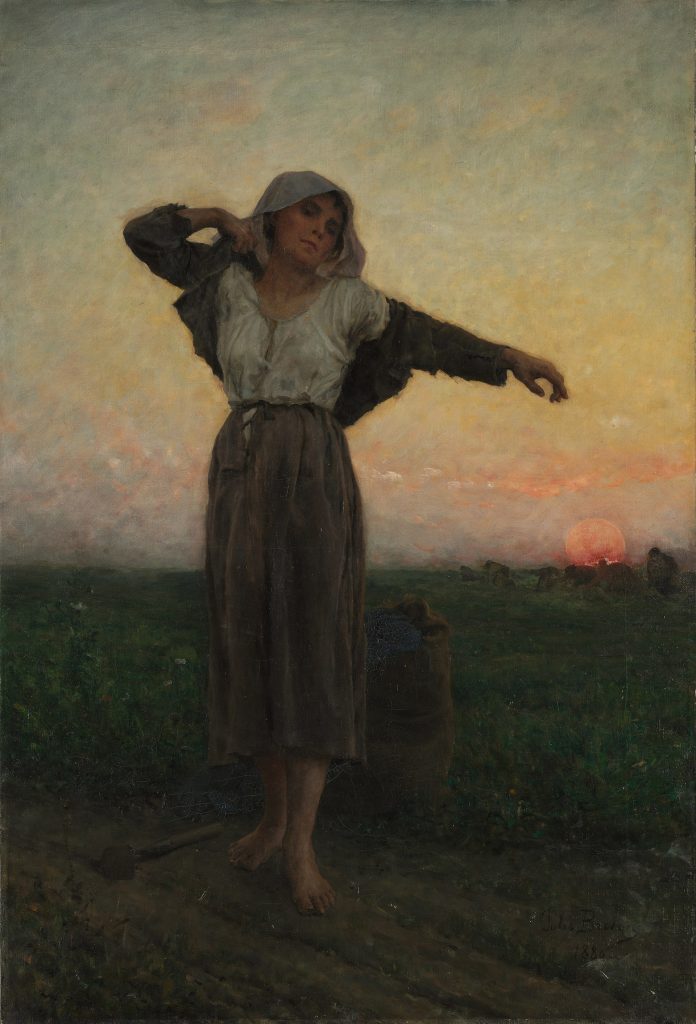
May 2
Augustus Leopold Egg (1816–1863) — English painter best known for Victorian narrative genre scenes, especially the moralizing trilogy Past and Present.
Charles Gleyre
Yoram Kaniuk (1930–2013) — Israeli painter and writer best known for expressive artworks and novels exploring war, memory, and modern Israeli identity.
Nikolaos Lytras (1883–1927) — Greek painter best known for introducing modernist ideas into Greek art through expressive portraits, landscapes, and genre scenes.
Giovanni Niccolò Servandoni (1695–1766) — Italian-born French painter, architect, and stage designer best known for spectacular theatrical scenery and the façade of Saint-Sulpice in Paris.
Marten Toonder (1912–2005) — Dutch comic artist and writer best known for creating the beloved comic strip characters Tom Poes and Olivier B. Bommel.
Oskar Zwintscher (1870–1916) — German painter best known for Symbolist portraits and decorative works blending Jugendstil elegance with psychological realism.
May 3
Fritz Baumann (1886–1942) — Swiss painter and printmaker best known for expressive landscapes, woodcuts, and colorful modernist interpretations of Alpine scenery.
Alexandre Benois (1870–1960) — Russian painter, stage designer, and art historian best known for founding the Mir Iskusstva movement and designing ballet productions.
Florian Cynk (1838–1912) — Polish painter best known for historical scenes, portraits, and illustrations inspired by Polish history and literature.
Alexandre de Riquer (1856–1920) — Catalan painter, illustrator, designer, and poet best known as a leading figure of Catalan Art Nouveau (Modernisme).
Thomas Bush Hardy (1842–1897) — British painter best known for detailed marine paintings depicting sailing ships, harbors, and coastal life.
Nikolay Koshelev
Matthäus Daniel Pöppelmann (1662–1736) — German architect best known for designing Dresden’s magnificent Zwinger Palace, a masterpiece of Baroque architecture.
May 4
Franz Adam (1815–1886) — German painter best known for dramatic battle scenes, military campaigns, and finely rendered horses.
Josep Arrau i Barba (1802–1872) — Spanish Catalan painter best known for portraits, landscapes, and historical subjects that helped shape nineteenth-century Catalan art.
Raymond Balze (1818–1909) — French painter and decorative artist best known for assisting Eugène Delacroix on major mural projects and church decorations.
Frederic Edwin Church (1826–1900) — American Hudson River School painter best known for sweeping landscapes such as The Heart of the Andes and Niagara.
Andrew Dasburg (1887–1979) — American painter best known for introducing Cubist ideas into modern American landscape painting.
Thomas Dewing (1851–1938) — American Tonalist painter best known for elegant, atmospheric paintings of women set in poetic interior and garden settings.
Didrik Frisch (1835–1867) — Norwegian painter best known for wildlife paintings, especially dramatic depictions of birds and Scandinavian animals.
Mikuláš Galanda
Émile Gallé (1846–1904) — French glass artist, furniture designer, and ceramicist best known as a leading figure of the Art Nouveau movement.
Keith Haring (1958–1990) — American artist best known for bold graffiti-inspired figures and public artworks promoting social awareness and accessibility.
Hendrik Maarten Krabbé
Wojciech Weiss (1875–1950) — Polish painter best known for Symbolist and Young Poland works, later creating expressive portraits and landscapes.
May 5
Halfdan Egedius (1877–1899) — Norwegian painter and illustrator best known for depicting rural life and illustrating the medieval epic Heimskringla.
Friedrich Geselschap (1835–1898) — German painter best known for monumental historical murals and allegorical decorations in public buildings.
Stan Goldberg (1932–2014) — American comic book artist best known for his long-running work on Archie comics and Marvel’s early color guides.
Floyd Gottfredson (1905–1986) — American cartoonist best known for drawing the Mickey Mouse newspaper comic strip for more than four decades.
Thomas Bush Hardy (1842–1897) — English marine painter best known for detailed coastal scenes, harbors, and sailing ships.
Viktor Hartmann (1834–1873) — Russian architect and artist best known for inspiring Modest Mussorgsky’s Pictures at an Exhibition.
Adam Hughes (1967– ) — American comic book artist best known for highly detailed cover illustrations featuring DC and Marvel superheroes.
Leo Lionni (1910–1999) — Dutch-born American author, illustrator, and graphic designer best known for classic children’s books including Frederick and Swimmy.
Niko Pirosmani (1862–1918) — Georgian self-taught painter best known for expressive folk-style paintings of animals, feasts, and everyday village life.
Petrus Van der Velden
David Ossipovitch Widhopff
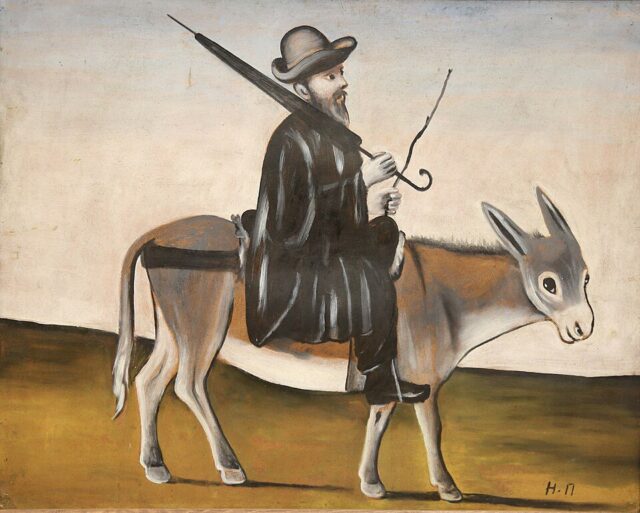
May 6
Nestor Basterretxea (1924–2014) — Spanish Basque sculptor, painter, and designer best known for abstract sculptures celebrating Basque history and culture.
Abel-Dominique Boyé (1864–1934) — French painter best known for historical, military, and genre scenes in the Academic tradition.
Gustav Adolf Closs (1864–1938) — German landscape painter best known for atmospheric views of the Black Forest, Swabia, and the Bavarian Alps.
Wyatt Eaton (1849–1896) — Canadian-born American painter best known for refined portraits of prominent writers, artists, and public figures.
Ernst Ludwig Kirchner (1880–1938) — German Expressionist painter and printmaker best known as a founding member of Die Brücke and for vividly colored urban scenes.
John Melhuish Strudwick (1849–1937) — English painter best known for meticulously detailed Pre-Raphaelite-inspired scenes drawn from medieval and literary themes.
May 7
Břetislav Bartoš (1893–1926) — Czech painter best known for expressive landscapes, rural scenes, and portraits inspired by the Moravian countryside.
Karl Girardet
Michael Hopkins (1935–2023) — English architect best known for high-tech buildings, including London’s Portcullis House and the restoration of the Royal Academy of Arts.
Thorvald Niss
Sigurd Wettenhovi-Aspa (1870–1946) — Finnish painter, sculptor, and writer best known for Symbolist artworks and his unconventional theories on Finnish cultural history.
May 8
Saul Bass (1920–1996) — American graphic designer and filmmaker best known for iconic film title sequences, corporate logos, and movie posters.
Matilda Browne (1869–1947) — American painter best known for Impressionist landscapes, floral still lifes, and pastoral scenes featuring sheep and cattle.
Giovanni Battista Gaulli (1639–1709) — Italian Baroque painter best known for the spectacular ceiling fresco The Triumph of the Name of Jesus in Rome’s Church of the Gesù.
Ludvig Karsten (1876–1926) — Norwegian painter best known for bold, expressive portraits, interiors, and Post-Impressionist use of color.
Miguel Ângelo Lupi (1826–1883) — Portuguese painter best known for historical paintings, portraits, and influential teaching at the Lisbon Academy of Fine Arts.
Archibald Robertson (1765–1835) — Scottish-born American painter best known for watercolor landscapes and early views of New York and other American cities.
Herbert William Weekes (1864–1904) — English sculptor best known for realistic animal sculptures and decorative architectural commissions.
Stanisław Witkiewicz (1851–1915) — Polish painter, architect, and writer best known for founding the Zakopane Style of architecture and depicting life in the Tatra Mountains.
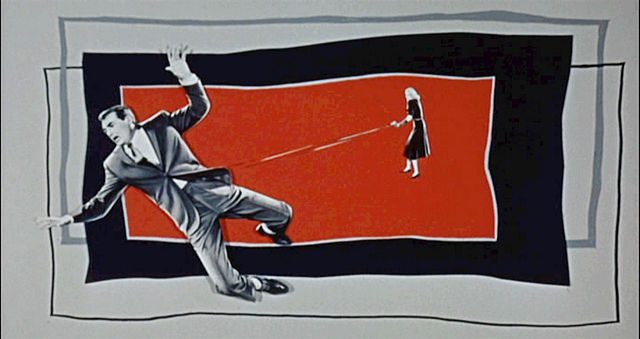
May 9
Hans Baluschek
McClelland Barclay
George Barker (1882–1965) — English painter best known for atmospheric landscapes, harbor scenes, and views of the English countryside.
David Gilmour Blythe (1815–1865) — American painter best known for satirical genre scenes depicting nineteenth-century urban life with humor and social commentary.
Gordon Bunshaft (1909–1990) — American architect best known for modernist landmarks including Lever House and influential corporate office buildings.
Guglielmo Caccia (1568–1625) — Italian painter best known for Counter-Reformation religious altarpieces and frescoes created in Piedmont.
Nicholas Chevalier (1828–1902) — Swiss-born Australian painter best known for dramatic landscapes of Australia and New Zealand.
James Collinson (1825–1881) — English painter best known for religious and literary works associated with the Pre-Raphaelite movement.
Anne Guéret (1825–1884) — French painter best known for portraits and genre scenes exhibited at the Paris Salon.
Kalle Løchen (1865–1893) — Norwegian painter best known for atmospheric landscapes and city scenes influenced by Naturalism.
Cesare Maccari (1840–1919) — Italian painter best known for grand historical frescoes, especially Cicero Denounces Catiline.
Josef Müller-Brockmann (1914–1996) — Swiss graphic designer best known for pioneering the International Typographic Style and grid-based design.
J. Doyle Penrose (1862–1932) — Irish painter best known for historical and military scenes inspired by Irish history.
Abraham van Diepenbeeck (1596–1675) — Flemish Baroque painter, draftsman, and designer best known for religious works and designs after Peter Paul Rubens.
Gianni Vella (1952– ) — Maltese painter best known for landscapes, seascapes, and scenes celebrating the architecture and heritage of Malta.
May 10
Edla Blommér (1870–1925) — Finnish painter best known for portraits, still lifes, and atmospheric interiors influenced by late nineteenth-century Nordic art.
Duilio Cambellotti (1876–1960) — Italian sculptor, illustrator, designer, and printmaker best known for Art Nouveau-inspired decorative arts and theatrical designs.
Anne Marguerite Hyde de Neuville (1771–1849) — French painter best known for portraits and genre scenes exhibited during the late eighteenth and early nineteenth centuries.
Robert Ford Gagen (1847–1926) — Canadian painter best known for landscapes of Ontario and the Canadian wilderness rendered in a naturalistic style.
Jean-Baptiste Goyet (1779–1854) — French painter best known for history paintings, portraits, and religious works in the Neoclassical tradition.
James McDougal Hart (1828–1901) — Scottish-born American painter best known for pastoral landscapes featuring cattle and the rural scenery of the Hudson River School.
Thorolf Holmboe (1866–1935) — Norwegian painter and illustrator best known for marine paintings, book illustrations, and decorative Art Nouveau designs.
David Johnson (1827–1908) — American painter best known for meticulously observed Hudson River School landscapes of New York and New England.
Mahmoud Mokhtar (1891–1934) — Egyptian sculptor best known for Egypt’s Awakening, a landmark monument of modern Egyptian art and national identity.
Konstantinos Parthenis (1878–1967) — Greek painter best known for Symbolist and Modernist works combining Byzantine traditions with European artistic influences.
Alex Schomburg (1905–1998) — Puerto Rican-born American comic book artist best known for dynamic Golden Age comic book covers, especially for Timely Comics.
May 11
Yaacov Agam
Salvador Dalí (1904–1989) — Spanish Surrealist painter best known for dreamlike imagery, including The Persistence of Memory, with its melting clocks.
Gladys Rockmore Davis (1901–1967) — American painter best known for portraits, still lifes, and modernist compositions influenced by her travels and New York art circles.
Jean-Léon Gérôme (1824–1904) — French Academic painter and sculptor best known for meticulously detailed historical, Orientalist, and classical scenes.
Walter Goodman (1838–1912) — English painter, illustrator, and writer best known for genre scenes, portraits, and his memoirs of Victorian artistic life.
Ernst Meyer
Paul Nash (1889–1946) — English painter best known for haunting war landscapes and Surrealist-inspired depictions of the British countryside.
Michael Ramirez
Zdzisław Suchodolski (1835–1908) — Polish painter best known for historical and military scenes, particularly depictions of cavalry and nineteenth-century battles.
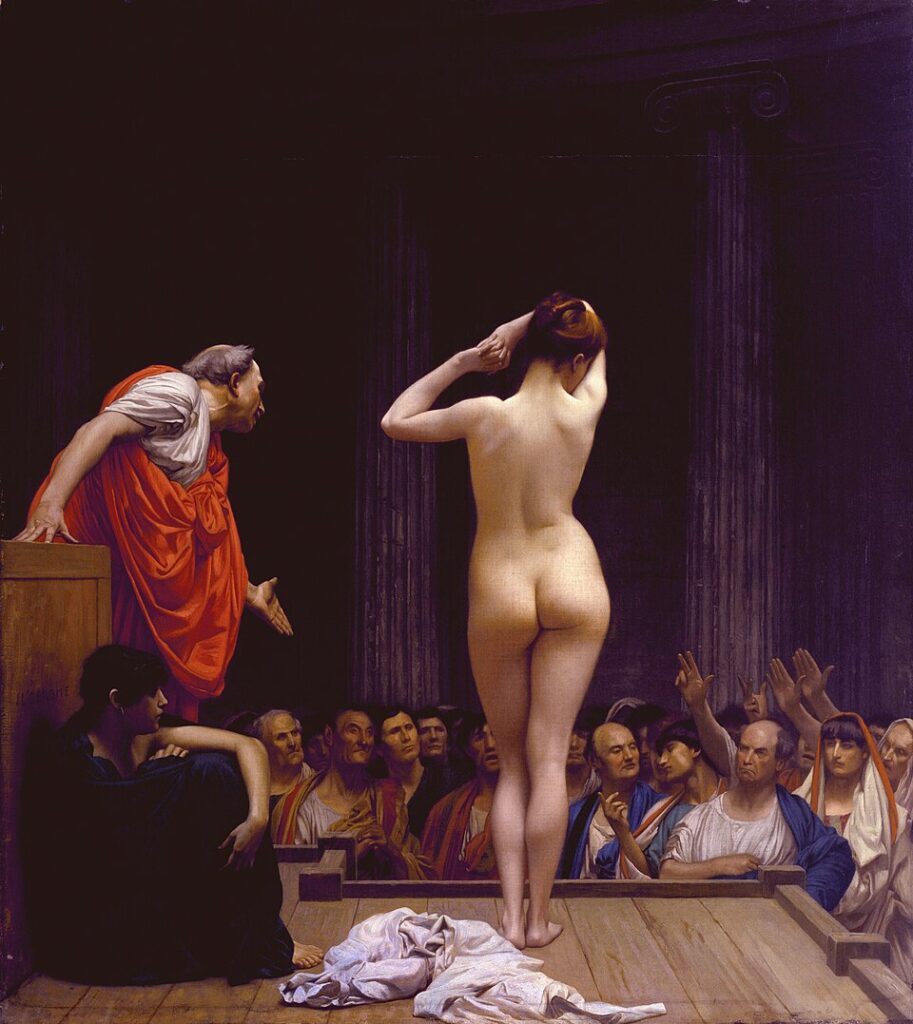
May 12
Joseph Beuys (1921–1986) — German artist best known for pioneering conceptual art, performance pieces, and installations that expanded the definition of art.
Frank Brangwyn (1867–1956) — Welsh-born British painter, printmaker, and muralist best known for monumental industrial, maritime, and architectural scenes.
Albert Engström (1869–1940) — Swedish artist, illustrator, and writer best known for humorous cartoons, caricatures, and depictions of rural Swedish life.
Dante Gabriel Rossetti (1828–1882) — English painter and poet best known as a founder of the Pre-Raphaelite Brotherhood and for richly symbolic portraits of women.
Frank Stella (1936–2024) — American painter and sculptor best known for minimalist abstract paintings and innovative shaped canvases.
Sultana Suruzhon (1892–1977) — Kazakh painter best known for portraits and genre scenes depicting the people and everyday life of Kazakhstan.
Horatio Walker (1858–1938) — Canadian painter best known for pastoral scenes of farmers, shepherds, and livestock inspired by rural Quebec.
May 13
Otl Aicher (1922–1991) — German graphic designer best known for creating the visual identity of the 1972 Munich Olympics and influential pictogram systems.
Teodor Axentowicz (1859–1938) — Polish painter best known for portraits, Hutsul genre scenes, and decorative works associated with the Young Poland movement.
Henri Bouchet-Doumenq (1808–1880) — French painter best known for marine paintings, harbor views, and coastal scenes of the Mediterranean.
Georges Braque (1882–1963) — French painter and sculptor best known for co-founding Cubism with Pablo Picasso and transforming modern art through geometric abstraction.
Eduard Kaempffer
May 14
Antonio Berni (1905–1981) — Argentine painter and printmaker best known for the social realist series featuring the fictional characters Juanito Laguna and Ramona Montiel.
Daniel Dumonstier (1574–1646) — French painter best known for exquisitely detailed portrait drawings of the French royal court in colored chalk.
Thomas Gainsborough (1727–1788) — English painter best known for elegant portraits and lyrical landscapes, including The Blue Boy and Mr. and Mrs. Andrews.
Domenico Induno (1815–1878) — Italian painter best known for genre scenes, historical subjects, and depictions of the Italian Risorgimento.
Henri Julien (1852–1908) — Canadian illustrator, painter, and political cartoonist best known for documenting Canadian life through newspaper illustrations and caricatures.
Bruno Liljefors
Vilhelm Melbye
Albert Robida
Thomas Wedgwood (1771–1805) — English photography pioneer best known for creating some of the earliest photographic images using light-sensitive chemicals, though they could not be permanently fixed.
Marco Zanuso (1916–2001) — Italian architect and industrial designer best known for influential Modernist furniture and consumer products created with Richard Sapper.
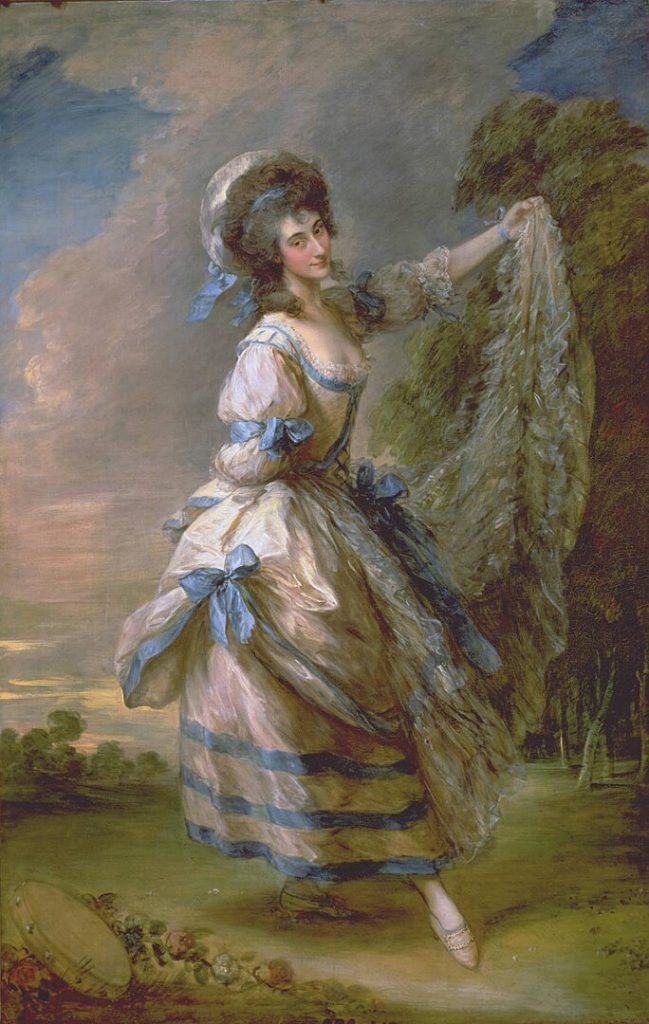
May 15
Richard Avedon (1923–2004) — American photographer best known for striking fashion photography and penetrating black-and-white portraits of cultural and political figures.
Knud Bergslien (1827–1908) — Norwegian painter best known for historical scenes, portraits, and national romantic depictions of Norway’s past.
Antoine Chintreuil (1814–1873) — French landscape painter best known for poetic rural scenes that anticipated the Impressionist interest in light and atmosphere.
Hendrick de Keyser (1565–1621) — Dutch sculptor and architect best known for shaping Amsterdam’s Renaissance architecture and designing important civic buildings and monuments.
Albert Dubout (1905–1976) — French illustrator and cartoonist best known for humorous drawings filled with lively crowds, eccentric characters, and comic situations.
Jasper Johns (1930– ) — American painter, sculptor, and printmaker best known for iconic images of flags, targets, and numbers that transformed modern art.
Erik Johan Löfgren (1854–1934) — Swedish painter best known for landscapes, coastal scenes, and naturalistic depictions of the Scandinavian countryside.
Ralph Steadman (1936– ) — British illustrator and cartoonist best known for his wildly expressive ink drawings and long collaboration with writer Hunter S. Thompson.
Viktor Vasnetsov (1848–1926) — Russian painter best known for monumental works inspired by Slavic folklore, fairy tales, and medieval history.
Leopold Graf von Kalckreuth
May 16
Peder Als (1725–1776) — Danish painter best known for refined portraits of the Danish nobility created in the late Rococo and early Neoclassical styles.
John Sell Cotman (1782–1842) — English painter and etcher best known for luminous watercolor landscapes and architectural views associated with the Norwich School.
Willem de Zwart (1862–1931) — Dutch painter best known for Impressionist cityscapes, street scenes, and landscapes that earned him the nickname “the Dutch Impressionist.”
Tamara de Lempicka (1898–1980) — Polish painter best known for glamorous Art Deco portraits distinguished by sleek forms, bold colors, and elegant sophistication.
John Opie (1761–1807) — English painter best known for expressive portraits and historical paintings that brought him prominence in Georgian Britain.
Laura Wheeler Waring (1887–1948) — American painter best known for elegant portraits of African American leaders and cultural figures during the Harlem Renaissance.
May 17
Antoine Berjon (1754–1843) — French painter best known for exquisitely detailed floral still lifes and decorative designs inspired by the Lyon silk industry.
A. J. Casson (1898–1992) — Canadian painter best known as the youngest member of the Group of Seven, celebrated for colorful village scenes and landscapes.
Mariette Leslie Cotton (1866–1947) — English painter best known for portraits, genre scenes, and elegant depictions of women and children.
Tomás García Sampedro
Karol D. Witkowski (1860–1910) — Polish-born American painter best known for nostalgic genre scenes depicting children and everyday family life.
May 18
Johann Peter Hasenclever
Gertrude Käsebier (1852–1934) — American photographer best known for artistic portraits, images of motherhood, and her leadership in the Pictorialist movement.
Carl Lorck (1828–1905) — German painter and printmaker best known for military scenes, battle paintings, and illustrations documenting nineteenth-century European armies.
Jan Veth (1864–1925) — Dutch painter, writer, and art critic best known for penetrating portraits of leading Dutch artists, writers, and public figures.
May 19
Sándor Bihari (1855–1906) — Hungarian painter best known for realistic genre scenes portraying rural life and Hungarian society with warmth and careful observation.
Fidelia Bridges (1834–1923) — American painter and illustrator best known for delicate watercolor studies of birds, flowers, and the natural world.
Erastus Salisbury Field
Jacob Jordaens (1593–1678) — Flemish Baroque painter best known for energetic biblical, mythological, and genre scenes filled with robust figures and rich color.
Alfred Laliberté (1878–1953) — Canadian sculptor best known for public monuments and sculptures celebrating Quebec folklore, history, and French-Canadian culture.
Claude Vignon (1593–1670) — French painter, printmaker, and illustrator best known for dramatic religious and historical works distinguished by rich color and expressive detail.
May 20
Pierre Abattucci (1871–1942) — French painter best known for landscapes, coastal views, and scenes of Corsica painted in a naturalistic style.
Emil Adam (1843–1924) — German painter best known for military subjects, equestrian scenes, and detailed portraits of horses.
Francis Cotes (1726–1770) — English painter best known for elegant pastel and oil portraits of Britain’s eighteenth-century aristocracy.
Henri-Edmond Cross (1856–1910) — French painter best known for luminous Neo-Impressionist landscapes created with vibrant Pointillist color.
Aleksandr Deyneka (1899–1969) — Soviet painter, muralist, and graphic artist best known for dynamic scenes of industry, athletics, and modern Soviet life.
Eduard Ole (1898–1995) — Estonian painter best known for modernist still lifes, landscapes, and figure compositions distinguished by bold color and simplified forms.
Andreas Schlüter (1664–1714) — German sculptor and architect best known for his Baroque designs in Berlin, including work on the Berlin Palace.
William Thornton (1759–1828) — British-born American architect best known for designing the original United States Capitol in Washington, D.C.
Wolfgang-Adam Töpffer
May 21
Prosper Barbot (1798–1877) — French painter and art collector best known for landscapes and his influential collection of Old Master paintings.
Gunnar Berg (1863–1893) — Norwegian painter best known for dramatic landscapes and seascapes of the Lofoten Islands.
David Davies (1829–1906) — Welsh painter best known for landscapes and rural scenes depicting the countryside of Wales.
Albrecht Dürer (1471–1528) — German Renaissance painter, printmaker, and theorist best known for masterful engravings, woodcuts, and remarkably detailed self-portraits.
Álvaro Alcalá Galiano y Vildósola (1873–1936) — Spanish painter best known for elegant portraits, genre scenes, and society figures in an academic style.
Adolf Heinrich Lier (1826–1882) — German landscape painter best known for atmospheric views of the Bavarian countryside and Alpine scenery.
Peter Alsing Nielsen (1861–1929) — Danish painter best known for landscapes, coastal scenes, and depictions of rural Denmark.
Henri Rousseau (1844–1910) — French Post-Impressionist painter best known for imaginative jungle scenes created in his distinctive self-taught style.
Edwin White
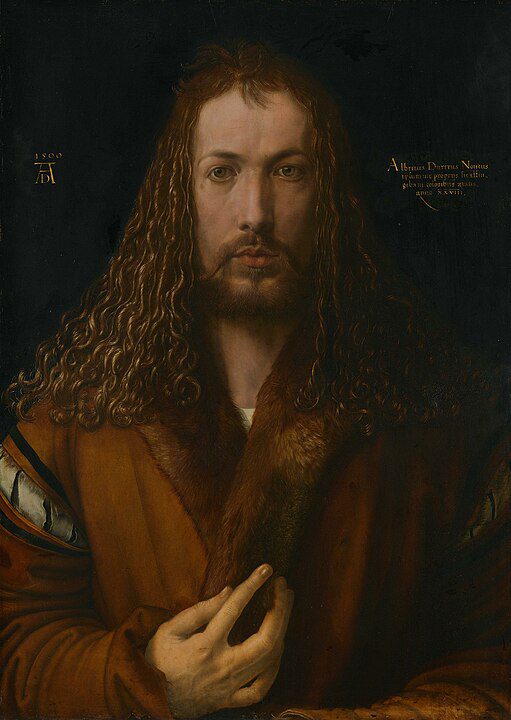
May 22
Mary Cassatt (1844–1926) — American Impressionist painter best known for intimate depictions of mothers, children, and domestic life.
Marisol Escobar (1930–2016) — Venezuelan-American sculptor best known for witty Pop Art-inspired sculptures combining painted wood and found objects.
Amalia Lindegren
Hamilton Macallum (1848–1943) — Canadian painter best known for landscapes and coastal scenes of Ontario and Georgian Bay.
William Moore Davis (1829–1920) — American landscape painter best known for tranquil scenes of New Jersey’s forests, rivers, and marshes.
Farquhar McGillivray Knowles (1859–1932) — Canadian painter best known for portraits, still lifes, and carefully composed interior scenes.
Irakli Parjiani (1950–1991) — Georgian painter best known for expressive, spiritually inspired works blending modernism with religious themes.
Jean Tinguely (1925–1991) — Swiss sculptor best known for whimsical kinetic sculptures and self-destructing mechanical artworks.
May 23
Carl Bloch (1834–1890) — Danish painter best known for moving religious paintings, historical scenes, and portraits, especially his celebrated biblical works.
Giacomo Grosso
Amaldus Nielsen (1838–1932) — Norwegian painter best known for luminous coastal landscapes and realistic marine scenes depicting southern Norway.
Joaquim Vayreda (1843–1894) — Spanish painter best known for tranquil Catalan landscapes and as a founder of the Olot School of landscape painting.
Jaroslav Věšín (1859–1915) — Czech painter best known for realistic military scenes and vivid depictions of rural life in Bulgaria.
Henry Wolf (1852–1916) — German-born American engraver best known for masterful wood engravings reproducing paintings by leading nineteenth-century artists.
May 24
Albert André (1869–1954) — French painter best known for intimate Post-Impressionist interiors, still lifes, and colorful landscapes inspired by Pierre-Auguste Renoir.
Joseph Backler (1813–1895) — Australian painter best known for portraits and landscapes, becoming one of colonial Australia’s earliest professional artists after arriving as a convict.
Johan Braakensiek
Adrian Frutiger (1928–2015) — Swiss typeface designer best known for creating the Univers and Frutiger typefaces, two of the most influential fonts of the twentieth century.
Maximilienne Guyon
Pieter Haaxman (1814–1891) — Dutch painter best known for portraits, historical subjects, and scenes from Dutch history executed in an Academic style.
Theodor Hagen
Dmitry Levitzky
Herb Lubalin (1918–1981) — American graphic designer and typographer best known for expressive typography, editorial design, and the iconic Avant Garde typeface.
Henrik Olrik
Pontormo (1494–1557) — Italian Mannerist painter best known for emotionally expressive religious works, especially The Deposition from the Cross in Florence.
Alexei Savrasov
Phoebe Anna Traquair (1852–1936) — Irish-born Scottish artist best known for Arts and Crafts murals, illuminated manuscripts, embroidery, and enamelwork.
Kyril Vassilev (1908–1987) — Bulgarian-born American painter best known for portraits of prominent political leaders, celebrities, and members of high society.
Olga Wagner (1883–1943) — Polish painter best known for portraits, still lifes, and decorative compositions influenced by early twentieth-century modernism.
May 25
Caroline Abraham (1831–1877) — English painter best known for finely executed portraits and genre scenes exhibited during the Victorian era.
Nobuyoshi Araki (1940– ) — Japanese photographer best known for prolific, deeply personal images exploring urban life, flowers, and human relationships.
Jean-Charles Cazin
Carlo Dolci (1616–1687) — Italian Baroque painter best known for exquisitely detailed devotional paintings and serene portraits of saints.
Jules-Alexandre Grün (1868–1938) — French painter and illustrator best known for lively Belle Époque society scenes, posters, and elegant portraits.
Konstantin Savitsky
Cornelis Springer (1817–1891) — Dutch painter best known for meticulously detailed cityscapes and architectural views of historic Dutch towns.
Barry Windsor-Smith (1949– ) — British comic book artist and illustrator best known for his influential work on Conan the Barbarian and richly detailed fantasy art.
David Wynne (1926–2014) — English sculptor best known for expressive bronze sculptures of people, horses, and wildlife displayed in prominent public spaces.
May 26
Philippe de Champaigne (1602–1674) — Flemish-born French painter best known for austere religious works and refined portraits, including those of Cardinal Richelieu.
Dorothea Lange (1895–1965) — American photographer best known for documenting the Great Depression, especially her iconic photograph Migrant Mother.
Léon Printemps
Eugeniu Voinescu
May 27
Marie Aarestrup (1829–1919) — Danish painter best known for finely observed portraits, floral still lifes, and interiors created in a realistic nineteenth-century style.
Lena Anderson (1939– ) — Swedish illustrator and children’s book artist best known for creating the beloved character Maja and her distinctive watercolor illustrations.
Zygmunt Andrychiewicz (1861–1943) — Polish painter best known for portraits, genre scenes, and landscapes painted in a polished academic style.
Ivan Kramskoi
Georges Rouault (1871–1958) — French painter and printmaker best known for deeply expressive religious subjects, clowns, and boldly outlined Expressionist-inspired works.
Zofia Szeptycka (1837–1904) — Polish painter best known for portraits, landscapes, and religious works created within the artistic circles of nineteenth-century Galicia.
Jean-François Van Dael (1764–1840) — Flemish painter best known for exquisitely detailed flower still lifes and fruit compositions admired throughout Europe.
May 28
George Ashlin (1837–1921) — Irish architect best known for designing Roman Catholic churches and Gothic Revival buildings throughout Ireland.
Franciscus Hermanus Bach (1865–1956) — Dutch painter best known for landscapes, city views, and atmospheric scenes of the Netherlands.
Frants Diderik Bøe (1820–1891) — Norwegian painter best known for landscapes and detailed depictions of fjords, forests, and rural scenery.
Louis Jean Desprez (1743–1804) — French architect, painter, and stage designer best known for dramatic architectural drawings and theatrical designs created in Sweden.
Martin Disteli
Jacob Gløersen (1852–1912) — Norwegian painter best known for luminous landscapes depicting rivers, forests, and the changing seasons.
Carl Larsson (1853–1919) — Swedish painter and illustrator best known for warm watercolor scenes of family life in the home at Sundborn.
William Miller (1796–1882) — Scottish engraver best known for finely detailed landscape engravings after works by J. M. W. Turner and other leading artists.
Wouter Johannes van Troostwijk (1782–1810) — Dutch landscape painter best known for atmospheric countryside scenes that helped inspire later Romantic landscape painting.
Franz von Bayros (1866–1924) — Austrian illustrator best known for highly decorative Art Nouveau book illustrations and refined erotic imagery.
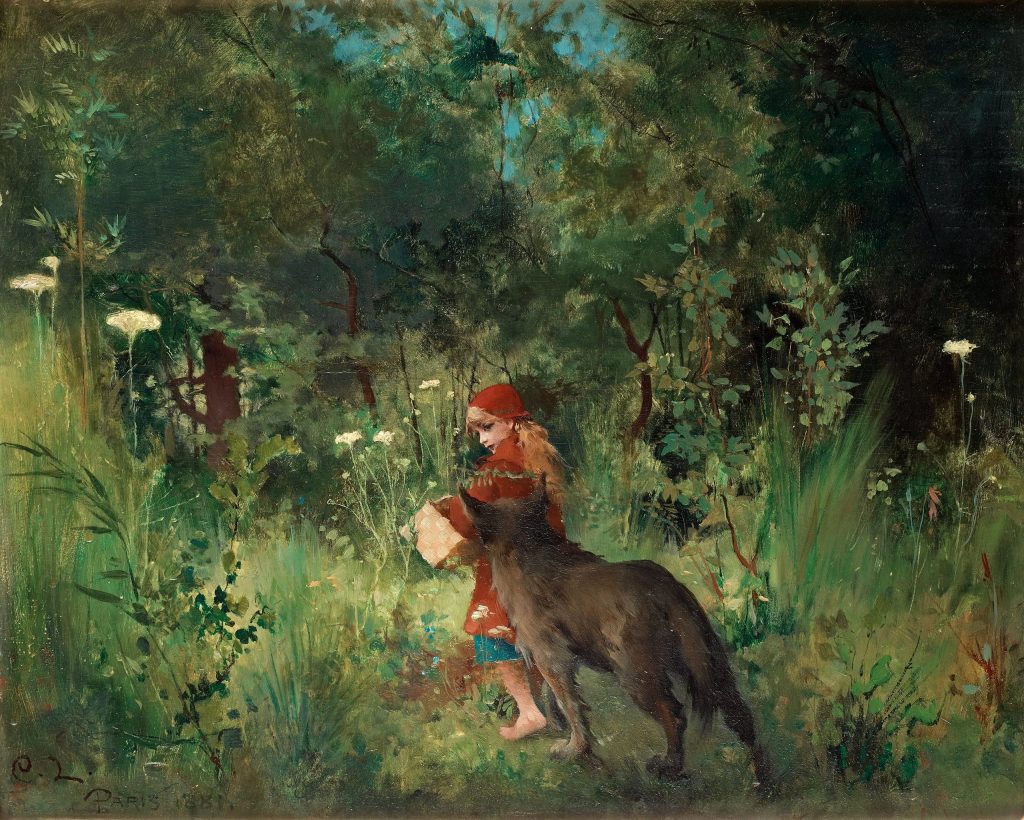
May 29
Alexandre Bloch
Lars Bo (1924–1999) — Danish artist and printmaker best known for imaginative surreal etchings featuring dreamlike architecture, fantasy, and whimsical figures.
Neville Henry Cayley (1886–1950) — Australian artist and ornithological illustrator best known for detailed paintings of Australian birds and wildlife.
Louise-Adéone Drölling (1797–1834) — French painter best known for finely executed portraits and genre scenes in the Academic tradition.
David Lance Goines
Michele Gordigiani
Northern Hetherington (1877–1942) — Canadian painter best known for landscapes, marine scenes, and views of the Canadian countryside.
Aleksandr Laktionov (1910–1972) — Soviet painter best known for meticulously detailed Socialist Realist works, especially Letter from the Front.
Joyce Tenneson (1945) — American photographer best known for ethereal black-and-white and color portraits exploring beauty, identity, and the human spirit.
Clark Voorhees (1871–1933) — American painter best known for Impressionist landscapes of New England, California, and the American Southwest.
May 30
George Aikman (1830–1905) — Scottish painter and engraver best known for landscapes, portraits, and literary illustrations inspired by Scottish history and scenery.
Fernando Amorsolo (1892–1972) — Filipino painter best known for luminous rural scenes, portraits, and sun-drenched depictions of everyday life in the Philippines.
Alexander Archipenko (1887–1964) — Ukrainian-American sculptor best known for pioneering Cubist sculpture through innovative abstract treatments of the human figure.
J. W. Beatty (1869–1941) — Canadian painter best known for colorful landscapes of northern Ontario and his role in promoting Canadian art.
Kevin Eastman (1962– ) — American comic book artist and writer best known for co-creating the Teenage Mutant Ninja Turtles.
John Gilroy (1898–1985) — English commercial artist best known for iconic advertising posters, especially his memorable campaigns for Guinness.
Pro Hart (1928–2006) — Australian painter best known for colorful outback landscapes and lively scenes celebrating rural Australian life.
Antonina Houbraken (1686–1736) — Dutch engraver and illustrator best known for finely executed portraits and book illustrations produced with the Houbraken family workshop.
Rick Mather (1937–2013) — Canadian-born British architect best known for elegant museum, university, and cultural building designs emphasizing natural light.
Mort Meskin (1916–1995) — American comic book artist best known for dynamic storytelling and influential work during the Golden Age of comics.
Robert Ryman (1930–2019) — American painter best known for minimalist white-on-white paintings exploring surface, light, and the physical qualities of paint.
Erik Spiekermann (1947– ) — German typographer and graphic designer best known for creating influential typefaces such as FF Meta and designing corporate identities.
Allen Tupper True (1881–1955) — American painter and muralist best known for monumental murals celebrating the history and landscapes of the American West.
Jules Wengel
May 31
Alessandro Allori (1535–1607) — Italian Mannerist painter best known for refined religious and allegorical works created for the Medici court in Florence.
Andrea Appiani (1754–1817) — Italian Neoclassical painter best known for elegant frescoes and official portraits of Napoleon Bonaparte.
Otto Henry Bacher (1856–1909) — American painter and etcher best known for Venetian scenes and his close friendship with James McNeill Whistler.
Jules Chéret (1836–1932) — French painter and lithographer best known for colorful Belle Époque advertising posters that transformed poster art.
Alphonse-Marie-Adolphe de Neuville (1835–1885) — French painter best known for dramatic military scenes depicting the Franco-Prussian War and earlier conflicts.
Andrew Grima (1921–2007) — Anglo-Italian jewelry designer best known for bold modernist jewelry inspired by natural forms and unusual gemstones.
John Jackson (1778–1831) — English portrait painter best known for distinguished likenesses of leading British statesmen, scholars, and artists.
Ellsworth Kelly (1923–2015) — American painter and sculptor best known for bold geometric abstractions emphasizing color, shape, and simplicity.
Michel Kikoïne (1892–1968) — Belarusian-born French painter best known for expressive landscapes, still lifes, and figure paintings associated with the School of Paris.
Bartolomeo Nazari (1693–1758) — Italian painter best known for elegant Rococo portraits of Venetian nobles and prominent European patrons.
Mikhail Nesterov
W. Heath Robinson
Henriëtte Ronner-Knip (1821–1909) — Dutch-Belgian painter best known for charming, highly detailed paintings of cats and domestic animals.
Gilbert Shelton (1940) — American cartoonist best known for creating the underground comic series The Fabulous Furry Freak Brothers.
Walter Sickert (1860–1942) — English painter best known for atmospheric urban scenes, music hall subjects, and influential contributions to modern British art.
Archibald Thorburn (1860–1935) — Scottish painter and illustrator best known for exquisitely detailed wildlife paintings, especially of birds and game animals.
June 1
William Shakespeare Burton (1824–1916) — English painter best known for detailed Victorian genre scenes, portraits, and historical subjects exhibited at the Royal Academy.
Augustus Earle (1793–1838) — English painter best known for travel paintings and drawings documenting Australia, New Zealand, South America, and other distant regions.
André Evard (1876–1972) — Swiss painter best known for Cubist, Constructivist, and geometric abstract works that evolved from his earlier Post-Impressionist style.
Heinrich Nauen (1880–1941) — German painter best known for vibrant Expressionist landscapes, floral still lifes, and religious compositions.
Władysław Ślewiński (1856–1918) — Polish painter best known for Post-Impressionist landscapes, still lifes, and portraits influenced by Paul Gauguin and the Pont-Aven School.
Gregor von Bochmann (1850–1930) — Baltic German painter best known for pastoral landscapes, rural scenes, and depictions of peasants and livestock in northern Europe.
June 2
Ruth Atkinson (1894–1980) — American painter best known for landscapes, portraits, and figure paintings created in a traditional realist style.
Rineke Dijkstra (1959– ) — Dutch photographer best known for striking portraits that capture adolescents, soldiers, and new mothers with remarkable honesty.
Betty Freeman (1921–2009) — American photographer best known for intimate portraits documenting leading twentieth-century composers, musicians, and artists.
Richard Long (1945– ) — English sculptor and land artist best known for creating temporary artworks from natural materials and documenting them through photographs and maps.
Heinz Sielmann (1917–2006) — German wildlife photographer and filmmaker best known for pioneering nature documentaries featuring birds and other animals.
Ivan Soshenko (1807–1876) — Ukrainian painter best known for portraits and genre scenes and for encouraging the young Taras Shevchenko’s artistic career.
Isaac van Ostade (1621–1649) — Dutch Golden Age painter best known for winter landscapes, village scenes, and lively depictions of everyday rural life.
June 3
George Ames Aldrich (1872–1941) — American painter best known for Impressionist landscapes, coastal scenes, and luminous depictions of New England.
Eugen Bracht (1842–1921) — German painter best known for atmospheric landscapes, including dramatic views of the Lüneburg Heath and the Middle East.
Eugene Dovilliers (1842–1903) — French-born American painter best known for portraits, genre scenes, and finely detailed still lifes.
Raoul Dufy (1877–1953) — French painter best known for colorful Fauvist and Post-Impressionist scenes of regattas, concerts, gardens, and the French Riviera.
Rachel Ruysch (1664–1750) — Dutch Golden Age painter best known for exquisitely detailed floral still lifes celebrated for their botanical accuracy and vibrant color.
Camille van Camp
June 4
Anton Altmann (1808–1871) — Austrian painter best known for romantic landscapes depicting the Austrian Alps, forests, and countryside with meticulous natural detail.
Harry Beck (1902–1974) — English draftsman and graphic designer best known for creating the iconic schematic map of the London Underground in 1933.
Natalia Goncharova (1881–1962) — Russian painter, printmaker, and stage designer best known for pioneering the Russian avant-garde through Neo-Primitivist and Rayonist works.
Louis Soutter
Theodoor Verhaegen (1701–1759) — Flemish sculptor best known for exuberant Baroque church sculptures, altarpieces, and carved choir stalls in the Southern Netherlands.
June 5
Otto Frölicher
Hendrik Manfried Haus (1900–1987) — Dutch painter best known for expressive landscapes, cityscapes, and still lifes that combined realism with modernist influences.
Claude-Jean-Baptiste Hoin (1750–1817) — French painter and engraver best known for portraits, genre scenes, and finely executed miniatures of the late eighteenth century.
André Lhote (1885–1962) — French painter, sculptor, and writer best known for blending Cubism with traditional figure painting and for his influential teaching.
Edmond Marie Petitjean (1844–1925) — French painter best known for luminous landscapes, river scenes, and coastal views inspired by the French countryside.
Rex Slinkard (1889–1918) — American painter best known for introducing Post-Impressionist and modernist ideas to California through his colorful landscapes and still lifes.
Jesús Rafael Soto (1923–2005) — Venezuelan sculptor and painter best known for kinetic and Op Art works that create the illusion of movement and shifting space.
June 6
Dagmar Berková (1929–2002) — Czech illustrator and painter best known for expressive children’s book illustrations and works reflecting her experiences during the Holocaust.
Alexander Kiselyov
Giambattista Pittoni (1687–1767) — Italian Rococo painter best known for elegant religious, mythological, and historical paintings created for churches and noble patrons.
Johan Thorn Prikker (1868–1932) — Dutch painter, designer, and stained-glass artist best known for Symbolist works and monumental decorative art in Germany.
John Trumbull (1756–1843) — American painter best known for iconic historical paintings of the American Revolution, including The Declaration of Independence.
Engelbert van Siclers (1601–1672) — Dutch Golden Age painter best known for portraits and refined genre scenes produced in seventeenth-century Amsterdam.
Diego Velázquez (1599–1660) — Spanish Baroque painter best known for masterpieces including Las Meninas and his brilliant portraits of the Spanish royal court.
June 7
Nils Elias Anckers (1821–1880) — Swedish painter best known for portraits, genre scenes, and depictions of everyday life in nineteenth-century Sweden.
Pietro Annigoni (1910–1988) — Italian painter best known for traditional realist portraits, including celebrated portraits of Queen Elizabeth II.
Paul Gauguin (1848–1903) — French Post-Impressionist painter best known for bold colors and symbolic works inspired by Tahiti and Brittany.
Red Grooms (1937– ) — American pop artist best known for lively, three-dimensional sculptural installations celebrating American urban life and popular culture.
Edwin Hayes (1819–1904) — Irish marine painter best known for atmospheric seascapes, coastal views, and scenes of ships along European shores.
Damien Hirst (1965– ) — English contemporary artist best known for provocative conceptual works, including preserved animals, spot paintings, and installations exploring life and death.
June 8
Alvar Cawén (1886–1935) — Finnish painter best known for expressive portraits, still lifes, and restrained modernist compositions influenced by Post-Impressionism and Cubism.
Lockwood de Forest (1850–1932) — American painter and designer best known for landscapes, decorative arts, and introducing Indian-inspired interior design to the United States.
Charles Joshua Chaplin
Thomas Faed (1826–1900) — Scottish painter best known for sentimental genre scenes portraying rural life and family relationships in Victorian Scotland.
Pio Joris (1843–1921) — Italian painter best known for elegant portraits, genre scenes, and depictions of everyday life in Rome.
John Everett Millais (1829–1896) — English painter and co-founder of the Pre-Raphaelite Brotherhood best known for Ophelia and other richly detailed Victorian masterpieces.
Richard Pousette-Dart
Frank Lloyd Wright (1867–1959) — American architect best known for pioneering Prairie School architecture and designing Fallingwater and the Guggenheim Museum.
June 9
Jørgen Aabye (1868–1959) — Danish painter best known for tranquil landscapes, coastal scenes, and interiors inspired by the island of Bornholm.
Michael Ancher (1849–1927) — Danish painter best known for powerful depictions of fishermen and everyday life in the Skagen artists’ colony.
Hendrik-Jozef Antonissen (1737–1794) — Flemish painter best known for pastoral landscapes, seascapes, and animal scenes influenced by seventeenth-century Dutch masters.
Floris Arntzenius (1864–1925) — Dutch painter best known for atmospheric city views of The Hague featuring rainy streets and elegant figures.
Michael Patrick Cronan (1951–2013) — American graphic designer best known for influential branding, environmental graphics, and product design rooted in modernist principles.
Robert Indermaur (1837–1905) — Swiss painter best known for portraits, genre scenes, and illustrations depicting everyday life in Switzerland.
Henry Arthur McArdle (1836–1908) — Irish-born American painter best known for monumental historical paintings of Texas, including The Battle of San Jacinto.
Susanna Paine
Pieter Jansz. Saenredam (1597–1665) — Dutch Golden Age painter best known for serene, precisely rendered interiors of churches and other architectural spaces.
Eugène Verboeckhoven (1798–1881) — Belgian painter best known for highly detailed landscapes featuring sheep, cattle, and other farm animals.
Floris Verster (1861–1927) — Dutch painter best known for richly colored flower still lifes and expressive landscapes influenced by Impressionism.
Ethel Walker (1861–1951) — Scottish painter best known for portraits, figure paintings, and decorative works associated with British Impressionism.
June 10
Michael Peter Ancher (1849–1927) — Danish painter best known for realistic depictions of fishermen, coastal life, and the Skagen artists’ colony.
James Archer (1823–1904) — Scottish painter best known for historical, literary, and medieval-inspired genre scenes.
Leandro Bassano (1557–1622) — Italian Renaissance painter best known for religious and pastoral scenes created in the workshop of his father, Jacopo Bassano.
Cornelis Cels (1778–1859) — Belgian painter best known for Neoclassical portraits, historical subjects, and religious compositions.
Gustave Courbet (1819–1877) — French Realist painter best known for unidealized scenes of everyday life, including The Stone Breakers and A Burial at Ornans.
André Derain (1880–1954) — French painter best known as a founder of Fauvism, celebrated for his boldly colored landscapes and portraits.
George Henry Harlow (1787–1819) — English portrait painter best known for portraits of prominent figures and ambitious historical paintings.
Willem Jacob Herreyns (1743–1827) — Flemish painter best known for religious altarpieces, portraits, and his leadership of the Antwerp Academy.
Elias Muukka (1881–1938) — Finnish painter best known for luminous landscapes depicting the forests, lakes, and countryside of Finland.
Violet Oakley (1874–1961) — American painter and muralist best known for monumental public murals inspired by history, justice, and civic ideals.
Theodor Philipsen (1840–1920) — Danish painter best known for Impressionist-inspired landscapes and pastoral scenes featuring cattle and rural life.
Maurice Sendak (1928–2012) — American author and illustrator best known for the beloved children’s book Where the Wild Things Are.
Agnes Slott-Møller (1862–1937) — Danish painter best known for Symbolist and historical works inspired by medieval legends and Scandinavian history.
June 11
James Ballantine (1808–1877) — Scottish artist, writer, and stained-glass designer best known for Gothic Revival church windows and writings on Scottish art.
Julia Margaret Cameron (1815–1879) — British photographer best known for pioneering expressive portrait photography featuring artists, writers, and historical subjects.
John Constable (1776–1837) — English landscape painter best known for luminous rural scenes, especially The Hay Wain and views of the Suffolk countryside.
Gladstone Eyre (1863–1933) — Australian painter best known for landscapes, portraits, and illustrations celebrating the Australian bush.
Muriel Fahrion
Joachim Martin Falbe (1839–1912) — Danish painter best known for portraits, genre scenes, and interiors executed in a refined Academic style.
Luciano Freire (1864–1934) — Portuguese painter and art conservator best known for portraits and his pioneering restoration of historic Portuguese artworks.
James Milo Griffith (1843–1897) — American sculptor best known for marble portrait busts, monuments, and allegorical sculptures.
William Stanley Haseltine (1835–1900) — American painter best known for meticulously detailed coastal landscapes of New England, Italy, and the Mediterranean.
Oda Krohg (1860–1935) — Norwegian painter best known for portraits and interiors associated with the Kristiania Bohemian movement.
Hedevig Lund (1871–1950) — Norwegian painter best known for landscapes, portraits, and decorative works inspired by Norwegian nature.
Daniel Pabst (1826–1910) — German-born American cabinetmaker and furniture designer best known for masterfully crafted Victorian furniture in the Renaissance Revival style.
Jerry Uelsmann (1934–2022) — American photographer best known for surreal photomontages created through masterful darkroom techniques long before digital editing.
Wouterus Verschuur
June 12
Eddie Adams (1933–2004) — American photojournalist best known for his Pulitzer Prize-winning photograph of a street execution during the Vietnam War.
Adolf Born (1930–2016) — Czech painter, illustrator, caricaturist, and animator best known for whimsical, imaginative works filled with humor and fantasy.
Albert-Ernest Carrier-Belleuse (1824–1887) — French sculptor best known for richly detailed decorative sculptures and for mentoring Auguste Rodin early in his career.
Andrew Henderson (1854–1930) — Scottish-born New Zealand architect best known for designing prominent public, commercial, and residential buildings in Auckland.
Alessandro Longhi (1733–1813) — Italian painter and printmaker best known for elegant portraits of Venetian nobility and engravings documenting eighteenth-century Venice.
Egon Schiele (1890–1918) — Austrian painter best known for intensely expressive portraits and figure studies that became landmarks of early Expressionism.
June 13
Jean Brusselmans (1884–1953) — Belgian painter best known for bold Post-Impressionist landscapes, still lifes, and simplified views of rural Belgium.
Leon Chwistek (1884–1944) — Polish painter, philosopher, and mathematician best known for avant-garde art and his contributions to Formism.
Langlois de Sézanne (1838–1920) — French painter best known for landscapes, rural scenes, and naturalistic views of the French countryside.
Dankvart Dreyer (1816–1852) — Norwegian painter best known for Romantic landscapes depicting the dramatic scenery of western Norway.
Christo Vladimirov Javacheff (Christo) (1935–2020) — Bulgarian-born environmental artist best known for monumental temporary installations created with his wife and collaborator Jeanne-Claude.
Carol Twombly (1959– ) — American type designer best known for creating influential digital typefaces including Trajan, Myriad, and Adobe Caslon.
Eduard von Gebhardt (1838–1925) — Baltic German painter best known for realistic religious paintings that brought biblical scenes into contemporary settings.
Magnus von Wright (1805–1868) — Finnish-Swedish painter and naturalist best known for scientifically accurate paintings of birds and Nordic wildlife.
June 14
Ettore DeGrazia
John Englehart
Adriana Johanna Haanen (1814–1895) — Dutch painter best known for finely detailed still lifes featuring flowers, fruit, and elegant arrangements in the Romantic tradition.
Victorine Nordenswan (1871–1956) — Swedish painter best known for portraits, landscapes, and genre scenes created during the late nineteenth and early twentieth centuries.
Piotr Tadeusz Potworowski (1898–1962) — Polish painter best known for lyrical modernist landscapes that combined expressive color with elements of abstraction.
Hugo von Habermann
June 15
Lillian Bassman (1917–2012) — American photographer best known for elegant black-and-white fashion photography featuring soft, atmospheric compositions.
Giovanni Domenico Ferretti (1692–1768) — Italian Rococo painter best known for frescoes, religious works, and mythological scenes created in Florence and Tuscany.
Charles de La Fosse (1636–1716) — French Baroque painter best known for richly colored mythological and religious paintings that helped introduce a more painterly style to France.
Gaspard Dughet (1615–1675) — French-born Italian painter best known for idealized classical landscapes inspired by the countryside around Rome.
Henri Pinta (1856–1944) — French painter best known for Academic history paintings, murals, and decorative works inspired by classical and religious themes.
Nicolas Poussin (1594–1665) — French painter best known for masterful classical compositions of biblical, historical, and mythological subjects that shaped European art.
Zygmunt Vogel (1764–1826) — Polish painter and draftsman best known for detailed watercolor views documenting the architecture and landscapes of Poland.
Andrzej Wróblewski (1927–1957) — Polish painter best known for powerful postwar figurative works, especially his haunting Executions series.
June 16
Giuseppe Bernardino Bison
Jim Dine (1935– ) — American painter, sculptor, and printmaker best known for expressive Pop Art-inspired works featuring hearts, bathrobes, and everyday objects.
Johan Fredrik Eckersberg (1822–1870) — Norwegian painter best known for dramatic landscapes and fjord scenes that helped shape nineteenth-century Norwegian national art.
Paja Jovanović (1859–1957) — Serbian painter best known for monumental historical compositions, portraits, and Orientalist scenes depicting the Balkans.
John Linnell (1792–1882) — English painter and engraver best known for pastoral landscapes, portraits, and his close friendship with the poet and artist William Blake.
John Russell (1858–1930) — Australian Impressionist painter best known for vibrant Mediterranean landscapes and his friendships with Vincent van Gogh and Claude Monet.
June 17
André Derain (1880–1954) — French painter, sculptor, and designer best known as a founder of Fauvism and for his boldly colored landscapes and portraits.
M. C. Escher (1898–1972) — Dutch graphic artist best known for mathematically inspired prints featuring impossible architecture, tessellations, and visual paradoxes.
Henry Holiday (1839–1927) — English painter, stained-glass designer, and illustrator best known for Pre-Raphaelite works and illustrations for The Hunting of the Snark.
Walter Osborne (1859–1903) — Irish painter best known for Impressionist-influenced scenes of everyday life, portraits, and landscapes in Dublin and rural Ireland.
Giovanni Paolo Panini (1691–1765) — Italian painter and architect best known for magnificent capricci, Roman cityscapes, and views of the ancient monuments of Rome.
June 18
Henry Allan (1865–1912) — Scottish painter best known for atmospheric landscapes, coastal scenes, and rural views influenced by the Glasgow School.
Peter Nicolai Arbo (1831–1892) — Norwegian painter best known for dramatic scenes from Norse mythology, especially The Wild Hunt of Odin.
Henry Hugh Armstead
Agnes Goodsir (1864–1939) — Australian painter best known for refined portraits created in Australia, Britain, and France.
Georges Lacombe
Eivind Nielsen (1864–1939) — Norwegian painter and illustrator best known for atmospheric landscapes, portraits, and illustrations of Norwegian folklore.
Jules Théophile Schuler (1821–1878) — French painter and illustrator best known for historical scenes and literary subjects inspired by the history of Alsace.
Julius van de Sande Bakhuyzen (1835–1925) — Dutch painter best known for tranquil landscapes, meadows, and pastoral scenes illuminated by changing light.
Samuel Edmund Waller (1850–1903) — English painter and illustrator best known for historical genre scenes depicting medieval and Tudor England.
Margaret Lindsay Williams (1888–1960) — Welsh painter best known for society portraits, including official portraits of members of the British royal family.
June 19
Alphonse Asselbergs (1839–1916) — Belgian landscape painter best known for peaceful forest scenes and detailed views of the Sonian Forest near Brussels.
Derek Boshier (1937–2024) — British painter, printmaker, and multimedia artist best known for Pop Art works exploring mass media, politics, and popular culture.
Victor Forssell (1846–1931) — Swedish painter best known for atmospheric landscapes, coastal views, and finely observed scenes of the Scandinavian countryside.
John Gibson (1790–1866) — Welsh sculptor best known for elegant Neoclassical marble statues created during his long career in Rome.
Cornelius Krieghoff (1815–1872) — Dutch-born Canadian painter best known for vivid winter landscapes and scenes of nineteenth-century life in Quebec.
June 20
Magdalena Abakanowicz (1930–2017) — Polish sculptor and fiber artist best known for monumental textile works and haunting groups of headless human figures.
John Wharlton Bunney (1828–1882) — English painter best known for meticulous architectural watercolors depicting cathedrals, churches, and historic buildings across Britain and Europe.
Georges Dufrénoy (1870–1943) — French painter best known for richly colored Post-Impressionist landscapes, still lifes, and views of Paris and the French countryside.
Kurt Schwitters (1887–1948) — German artist best known for pioneering Dada-inspired collage, assemblage, and his innovative Merz artworks.
June 21
Oscar Florianus Bluemner (1867–1938) — German-born American painter best known for vividly colored Modernist landscapes inspired by Expressionism and the American Scene.
Vincenzo Cabianca (1827–1902) — Italian painter best known for luminous landscapes and coastal scenes as a leading member of the Macchiaioli movement.
Giuseppe De Sanctis (1858–1924) — Italian painter best known for genre scenes, portraits, and landscapes painted in a refined late nineteenth-century academic style.
Théodore Frère (1814–1888) — French painter best known for Orientalist landscapes and detailed depictions of everyday life in Egypt and the Middle East.
Henry Ossawa Tanner (1859–1937) — American painter best known for deeply spiritual biblical scenes and luminous works such as The Banjo Lesson.
June 22
Auguste-Louis de Rossel de Cercy
Oskar Fischinger (1900–1967) — German-American abstract animator, filmmaker, and painter best known for pioneering experimental animated films synchronized to music.
Gwen John (1876–1939) — Welsh painter best known for quiet, intimate portraits and interior scenes distinguished by their subtle color and contemplative mood.
June 23
Agnes Dean Abbatt (1847–1917) — Canadian painter best known for watercolor landscapes, floral studies, and picturesque scenes of the Canadian countryside.
Frank Bolle (1924–2020) — American comic book artist and illustrator best known for his work on newspaper comic strips and Western, adventure, and humor comics.
Scott Burton (1939–1989) — American sculptor best known for creating functional public sculptures that blurred the line between art and furniture.
Louise Cox (1865–1945) — American painter best known for portraits, landscapes, and Impressionist-inspired scenes exhibited throughout the United States.
Frances Gabe (1915–2016) — American inventor and artist best known for designing the self-cleaning house and creating imaginative paintings and sculptures.
Henry Peters Gray (1819–1877) — American painter best known for idealized portraits and historical scenes influenced by the Italian Renaissance.
Cipe Pineles (1908–1991) — Austrian-born American graphic designer best known for pioneering editorial design for major American magazines.
Arnaldo Pomodoro (1926–2025) — Italian sculptor best known for monumental bronze spheres revealing intricate mechanical interiors through fractured outer surfaces.
Stuart Sutcliffe (1940–1962) — Scottish painter best known for his Abstract Expressionist-inspired artwork and as the original bassist of the Beatles.
June 24
Maurice Asselin (1882–1947) — French painter best known for luminous landscapes, still lifes, and intimate interior scenes painted in a Post-Impressionist style.
Ferdinand Bol
Jóhannes Geir Jónsson
Jørgen Sonne (1801–1890) — Danish painter best known for military scenes, animal paintings, and depictions of everyday life inspired by Danish history.
Jan Stanisławski (1860–1907) — Polish painter best known for small, atmospheric landscapes and for helping establish modern Polish landscape painting.
June 25
Eric Carle (1929–2021) — American author, illustrator, and designer best known for creating the beloved children’s book The Very Hungry Caterpillar.
John William Casilear (1811–1893) — American painter best known for serene Hudson River School landscapes depicting rivers, forests, and the northeastern United States.
Charles Boulanger de Boisfremont (1773–1838) — French painter best known for portraits, historical subjects, and official works produced during the Napoleonic era.
Antoni Gaudí (1852–1926) — Catalan architect best known for the Sagrada Família and his imaginative Art Nouveau-inspired buildings that transformed Barcelona’s skyline.
Larry Graber (1922–1976) — American wildlife artist best known for realistic paintings and illustrations of North American birds and other wildlife.
Robert Henri (1865–1929) — American painter and teacher best known as a leader of the Ashcan School and for his expressive portraits.
Tycho Jæger (1870–1949) — Danish painter best known for landscapes, portraits, and genre scenes reflecting early twentieth-century Scandinavian artistic traditions.
June 26
Jean-François Batut (1829–1902) — French painter best known for portraits, religious works, and finely executed historical scenes in the Academic tradition.
Branwell Brontë (1817–1848) — English painter and writer best known for his portraits and drawings, as well as his connection to the celebrated Brontë family.
Joseph Ducreux (1735–1802) — French painter best known for expressive self-portraits and portraits of European aristocracy, including Marie Antoinette.
Milton Glaser (1929–2020) — American graphic designer best known for creating the iconic I ♥ NY logo and the psychedelic Bob Dylan poster.
Arthur Tracy Lee
George Lois (1931–2022) — American art director and graphic designer best known for bold advertising campaigns and groundbreaking Esquire magazine covers.
George Morland (1763–1804) — English painter best known for lively rural scenes depicting farmers, animals, and everyday life in the English countryside.
Pablo Uranga (1861–1934) — Spanish Basque painter best known for historical paintings, portraits, and murals celebrating the culture and traditions of northern Spain.
June 27
James Hazel Adamson (1859–1938) — Scottish painter best known for portraits, landscapes, and genre scenes depicting rural life and the Scottish countryside.
Henri Beau (1863–1949) — Canadian painter best known for Impressionist-influenced landscapes, portraits, and winter scenes created in Canada and France.
Kate Carew (1869–1961) — American caricaturist and illustrator best known for witty portrait caricatures of prominent political and cultural figures.
Paul Colin (1892–1985) — French poster artist, illustrator, and stage designer best known for his iconic Art Deco posters and theatrical advertising.
Philip Guston (1913–1980) — Canadian-born American painter best known for evolving from Abstract Expressionism to bold, figurative paintings filled with symbolic imagery.
Konrad Kujau (1938–2000) — German painter and forger best known for creating the forged Hitler Diaries, one of history’s most infamous art and document frauds.
Vernon Watkins (1906–1967) — Welsh poet and painter best known for lyrical landscapes and artworks that reflected his deep interest in Welsh culture.
June 28
Sisto Badalocchio (1585–c.1647) — Italian Baroque painter and engraver best known for frescoes and religious works influenced by the Carracci family.
John Herbert Caddy (1801–1883) — English-born Canadian painter best known for landscapes, military scenes, and illustrations of early Canadian life.
David Young Cameron (1865–1945) — Scottish painter and etcher best known for atmospheric architectural views and finely crafted landscape prints.
Nicolas de Poilly the Younger (1676–1747) — French engraver best known for finely executed reproductive prints after paintings by leading Baroque artists.
Ronald Ossory Dunlop (1894–1973) — Irish painter best known for boldly colored Post-Impressionist landscapes and still lifes.
Pier Leone Ghezzi (1674–1755) — Italian painter and caricaturist best known for lively portrait caricatures of artists, musicians, and visitors to Rome.
Jean-Pierre Houël (1735–1813) — French painter, engraver, and draftsman best known for detailed views of Italy, Sicily, and Malta.
Otto Pilny (1866–1936) — Swiss painter best known for Orientalist scenes depicting North Africa and the Middle East.
Otto Piltz
Leon Pole (1871–1951) — British painter and illustrator best known for portraits, landscapes, and decorative works influenced by the Arts and Crafts movement.
Peter Paul Rubens (1577–1640) — Flemish Baroque painter best known for dynamic mythological, religious, and historical masterpieces filled with dramatic movement.
June 29
Piotr Abraszewski (1961– ) — Polish painter best known for expressive contemporary landscapes, cityscapes, and still lifes rendered with rich color and energetic brushwork.
François-Auguste Biard
Nicolás Factor (1892–1969) — Romanian painter best known for portraits, landscapes, and genre scenes reflecting the artistic traditions of twentieth-century Romania.
Richard Geiger (1870–1945) — German painter, illustrator, and graphic artist best known for Symbolist and Jugendstil works, including posters and decorative compositions.
Allan Houser (1914–1994) — Chiricahua Apache sculptor and painter best known for monumental modern sculptures celebrating Native American history, culture, and identity.
Don Rosa
June 30
Dionysios Kallivokas
Stanley Spencer (1891–1959) — English painter best known for deeply personal religious scenes and memorable depictions of everyday life in his hometown of Cookham.
Horace Vernet (1789–1863) — French painter best known for dramatic military, historical, and Orientalist scenes, including vivid portrayals of Napoleon’s campaigns.
Heinz Warneke (1895–1983) — German-born American sculptor best known for expressive animal sculptures, portraits, and public monuments carved in stone and cast in bronze.
July 1
Ilya Bolotowsky (1907–1981) — Russian-born American painter best known for geometric abstract compositions inspired by the principles of De Stijl.
Jacques Barcat (1943– ) — French painter best known for luminous still lifes and floral compositions rendered with remarkable realism and vibrant color.
Felix Maria Diogg (1762–1834) — Swiss painter best known for refined portraits of prominent Swiss political, cultural, and religious figures.
Willard Metcalf
James Peel (1811–1906) — English painter best known for portraits and carefully observed genre scenes exhibited during the Victorian period.
Alice Barber Stephens (1858–1932) — American illustrator and painter best known for magazine illustrations portraying women, family life, and everyday American society.
July 2
Duane Bryers
Rinaldo Cuneo (1877–1939) — American painter best known for atmospheric California landscapes, coastal scenes, and murals celebrating the American West.
Tristram Ellis (1844–1922) — English painter and illustrator best known for architectural drawings, travel illustrations, and detailed depictions of the Middle East.
Karl Gerstner (1930–2017) — Swiss graphic designer, typographer, and painter best known for pioneering systematic design methods and influential corporate identity work.
André Kertész (1894–1985) — Hungarian-born photographer best known for poetic black-and-white photographs that helped shape modern documentary and street photography.
Eduardo Zamacois y Zabala (1841–1871) — Spanish painter best known for finely detailed genre scenes, historical subjects, and Orientalist paintings created during his Paris career.
July 3
John Singleton Copley (1738–1815) — American-born British painter best known for masterful colonial portraits and history paintings, including Watson and the Shark.
Alfredo Keil (1850–1907) — Portuguese painter and composer best known for Romantic landscapes and for composing A Portuguesa, Portugal’s national anthem.
William Strutt (1825–1915) — English-born Australian painter best known for dramatic historical scenes, pioneering colonial subjects, and depictions of the Australian bush.
July 4
Carolus-Duran (Charles Auguste Émile Durand) (1837–1917) — French painter best known for elegant society portraits and his influential teaching, including mentoring John Singer Sargent.
Louis-Robert Carrier-Belleuse (1848–1913) — French sculptor best known for decorative sculptures and architectural ornament in the Beaux-Arts tradition.
Giambettino Cignaroli (1706–1770) — Italian Rococo painter best known for graceful religious and mythological paintings created in Verona.
Haukur Halldórsson
Max Fleischer (1883–1972) — American animator and inventor best known for creating Betty Boop, Popeye cartoons, and the rotoscope animation process.
Joseph Pennell (1857–1926) — American printmaker, illustrator, and writer best known for expressive etchings and lithographs of cities, industry, and architecture.
Verner Thomé (1878–1953) — Finnish painter best known for luminous landscapes and bold color harmonies associated with Neo-Impressionism and Expressionism.
July 5
Louis-Léopold Boilly (1761–1845) — French painter and draftsman best known for lively genre scenes, portraits, and detailed depictions of everyday life in Revolutionary and Napoleonic France.
Paris Bordone (1500–1571) — Italian Renaissance painter best known for richly colored religious works, portraits, and The Fisherman Presenting the Ring to the Doge.
Jean Cocteau (1889–1963) — French artist, writer, filmmaker, and designer best known for his imaginative drawings, avant-garde films, and contributions to twentieth-century modernism.
Paul Gabriël (1828–1903) — Dutch landscape painter best known for atmospheric river scenes and tranquil views associated with the Hague School.
Ventura Álvarez Sala
July 6
George W. Bush (1946– ) — American painter and former President of the United States best known for his portraits of military veterans and world leaders created after leaving public office.
Adèle d’Affry (1836–1879) — Swiss sculptor, painter, and illustrator best known for monumental sculptures created under the pseudonym Marcello.
Roopa Dudley
John Flaxman
Frida Kahlo (1907–1954) — Mexican painter best known for deeply personal self-portraits exploring identity, pain, and Mexican culture.
Maria Martin
Vincenzo Petrocelli
Frans Balthazar Solvyns (1760–1824) — Flemish painter, draftsman, and printmaker best known for documenting the people, occupations, and customs of India through detailed etchings.
Jean-Joseph Taillasson (1745–1809) — French Neoclassical painter best known for historical and mythological subjects inspired by classical antiquity.
July 7
Maria a’Becket (1839–1899) — Australian painter best known for delicate floral still lifes and botanical watercolors inspired by the native plants of Australia.
Claudine Bouzonnet-Stella (1636–1697) — French engraver best known for finely executed prints after the drawings of her uncle, Jacques Stella.
Marc Chagall (1887–1985) — Russian-French painter best known for dreamlike compositions filled with floating figures, vivid colors, and Jewish folklore.
Marguerite Émilie Chalgrin (1760–1832) — French painter best known for portrait miniatures and works exhibited during the late eighteenth and early nineteenth centuries.
Frederick Challener (1869–1959) — American painter and muralist best known for large-scale public murals and decorative works for civic buildings.
Steven Heller (1950– ) — American graphic designer, author, and design historian best known for his influential books and writing on graphic design and typography.
Karl Emanuel Jansson (1846–1874) — Finnish painter best known for realistic portraits and genre scenes depicting rural life in Finland.
Félicien Rops (1833–1898) — Belgian printmaker, illustrator, and painter best known for provocative Symbolist works exploring decadence, eroticism, and satire.
Katerina Wilczynski (1894–1978) — Polish-born British artist best known for portraits, figure studies, and illustrations produced after settling in England.
July 8
J. Ottis Adams (1851–1927) — American Impressionist painter best known for luminous landscapes of Indiana and as a leading member of the Hoosier Group.
Artemisia Gentileschi (1593–1653) — Italian Baroque painter best known for powerful biblical heroines, including Judith Slaying Holofernes.
Herman Hartwich
Käthe Kollwitz (1867–1945) — German artist best known for emotionally powerful prints and sculptures depicting poverty, war, and human suffering.
Christiaen van Couwenbergh
Johann Jakob Zeiller (1708–1783) — Austrian painter best known for Baroque frescoes and religious paintings created for churches and monasteries throughout Central Europe.
July 9
Paolo Anesi (1697–1773) — Italian painter best known for idealized landscapes, capriccios, and views of the Roman countryside.
Robert Frederick Blum (1857–1903) — American painter and illustrator best known for Japanese-inspired works, murals, and colorful genre scenes.
Leon Dabo (1864–1960) — American Tonalist painter best known for atmospheric landscapes emphasizing mood, light, and expansive horizons.
David Hockney (1937– ) — English painter, draftsman, and printmaker best known for vibrant portraits, California swimming pools, and innovative digital artwork.
Thomas Musgrave Joy (1812–1866) — English portrait painter best known for portraits of prominent Victorian figures and members of Parliament.
August Kraus
Emilio Longoni (1859–1932) — Italian painter best known for Divisionist landscapes, social realist scenes, and Alpine mountain views.
Cirilo Volkmar Machado (1748–1823) — Portuguese painter, sculptor, architect, and art historian best known for religious works and influential writings on Portuguese art.
Ludwig Passini (1832–1903) — Austrian painter best known for richly detailed watercolor and genre scenes of everyday life in Venice.
Henryk Rodakowski (1823–1894) — Polish painter best known for masterfully realistic portraits and historical subjects in the academic tradition.
Jakob Smits (1855–1928) — Dutch-born Belgian painter best known for expressive depictions of rural Campine life and peasant families.
Louise Ward
July 10
Will H. Bradley (1868–1962) — American graphic designer, illustrator, and printer best known for pioneering Art Nouveau poster designs and innovative book decoration.
Jack Coggins (1911–2004) — English-born American illustrator best known for detailed paintings of military history, aviation, wildlife, and science fiction.
Albert Dagnaux (1861–1933) — French painter best known for atmospheric landscapes, village scenes, and depictions of everyday rural life around Paris.
Giorgio de Chirico (1888–1978) — Italian painter best known for founding Metaphysical Art through haunting cityscapes filled with classical architecture and mysterious symbolism.
Sanford Robinson Gifford (1823–1880) — American painter best known for luminous Hudson River School landscapes emphasizing tranquil light and atmospheric effects.
Edmund Gouldsmith (1862–1909) — English painter best known for Orientalist scenes, portraits, and carefully detailed genre paintings inspired by North Africa.
Ulrika Pasch (1735–1796) — Swedish painter best known for refined portraits of royalty, nobility, and leading figures of eighteenth-century Sweden.
Camille Pissarro (1830–1903) — French-Danish painter best known for Impressionist and Neo-Impressionist landscapes portraying rural life and the changing effects of natural light.
July 11
Roger de La Fresnaye
William John Hennessy (1839–1917) — Irish-born American painter best known for pastoral landscapes, rural genre scenes, and illustrations inspired by country life.
James Abbott McNeill Whistler (1834–1903) — American-born painter and printmaker best known for Arrangement in Grey and Black No. 1 (Whistler’s Mother) and his influential Aesthetic Movement works.
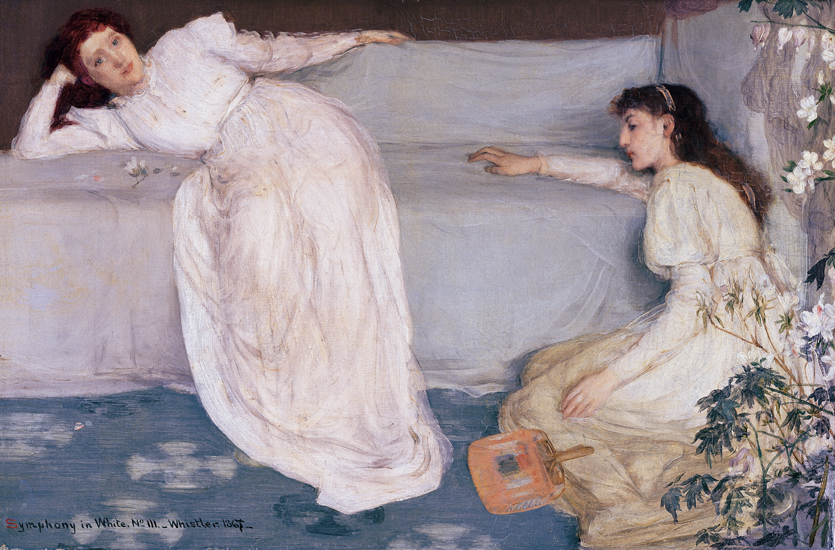
July 12
Eugène Boudin
Birger Carlstedt (1907–1975) — Finnish painter, designer, and architect best known for introducing Modernism and abstract art to Finland.
James Humbert Craig (1878–1944) — Irish landscape painter best known for atmospheric views of County Donegal and the rugged Irish coastline.
Mina Karadžić (1828–1894) — Serbian painter and writer best known for portraits, travel writings, and promoting Serbian culture alongside her father, Vuk Karadžić.
Amedeo Modigliani (1884–1920) — Italian painter and sculptor best known for elegant portraits and nudes featuring elongated faces and graceful necks.
Andrew Wyeth (1917–2009) — American realist painter best known for Christina’s World and evocative rural scenes of Pennsylvania and Maine.
July 13
Tappan Adney (1868–1950) — American-born Canadian illustrator, writer, and ethnographer best known for documenting Indigenous canoe building and illustrating North American frontier life.
Mordecai Ardon (1896–1992) — Israeli painter best known for richly symbolic abstract compositions blending Jewish history, mysticism, and modernist influences.
Thomas Rowlandson
Sebastian Stoskopff (1597–1657) — German painter best known for meticulously detailed still lifes featuring glassware, books, game, and luxurious objects.
William James Webbe (1830–1904) — English painter best known for idyllic rural landscapes and highly detailed animal paintings, especially of sheep and cattle.
July 14
Stéphanie de Virieu (1785–1873) — French painter, sculptor, and lithographer best known for portraits, equestrian subjects, and finely observed animal studies.
Pieter Faes (1750–1814) — Flemish painter best known for decorative still lifes featuring flowers, fruit, and luxurious arrangements in the late eighteenth century.
Edgard Farasyn
Louwrens Hanedoes (1822–1905) — Dutch painter best known for romantic landscapes with dramatic skies, forests, and peaceful rural scenery.
Ferdinand Hartmann
Louise Heger
Gustav Klimt (1862–1918) — Austrian painter best known for richly decorative Symbolist works, including The Kiss, distinguished by gold leaf and intricate patterns.
Bernt Lund (1812–1885) — Norwegian painter best known for portraits, landscapes, and genre scenes depicting everyday Norwegian life.
Francis Allyn Olmsted
Alejo Vera (1834–1923) — Spanish painter best known for large historical, religious, and Orientalist paintings created in a polished academic style.
Edward Matthew Ward (1816–1879) — English painter best known for historical scenes and murals depicting important events and figures from British history.
Juliette Wytsman
July 15
Benno Adam (1812–1892) — German painter best known for finely detailed animal paintings, especially hunting dogs, horses, and scenes of the Bavarian countryside.
Henry Farny
Alexander Roslin (1718–1793) — Swedish painter best known for elegant Rococo portraits of European aristocrats, royalty, and prominent cultural figures.
Rembrandt van Rijn (1606–1669) — Dutch Golden Age painter and printmaker best known for masterpieces including The Night Watch and his deeply expressive self-portraits.
July 16
Wright Barker (1864–1941) — English painter best known for sporting scenes, hunting subjects, and carefully observed paintings of horses and dogs.
Adrien Dauzats (1804–1868) — French painter and lithographer best known for architectural views and landscapes documenting the Middle East, North Africa, and Europe.
Andrea del Sarto (1486–1530) — Italian High Renaissance painter best known for harmonious religious frescoes and altarpieces admired for their refined composition and color.
Joshua Reynolds (1723–1792) — English portrait painter best known for founding the Royal Academy and portraying many of Britain’s leading eighteenth-century figures.
Charles Sheeler (1883–1965) — American painter and photographer best known for Precisionist depictions of industrial architecture and modern American landscapes.
Theo von Brockhusen (1882–1919) — German painter best known for expressive landscapes associated with German Expressionism and the Berlin Secession.
July 17
Berenice Abbott (1898–1991) — American photographer best known for documenting New York City through striking black-and-white photographs and for preserving Eugène Atget’s legacy.
Jean-Baptiste-Camille Corot (1796–1875) — French painter best known for poetic landscapes and atmospheric light that helped bridge Neoclassicism and Impressionism.
Lyonel Feininger
Edward Atkinson Hornel (1864–1933) — Scottish painter best known for richly colored rural scenes, especially children in flowering landscapes inspired by Scotland and Japan.
Paul Johnston
Henry Alexander Ogden
George Bernard O’Neill (1828–1917) — English painter best known for sentimental Victorian genre scenes portraying family life with meticulous detail and warm storytelling.
Giuseppe Orioli
July 18
Giacomo Albé (1854–1924) — Italian painter best known for landscapes, genre scenes, and portraits created in a refined late nineteenth-century naturalistic style.
Giacomo Balla
Thorvald Erichsen (1868–1939) — Danish painter best known for vibrant Post-Impressionist landscapes that helped shape modern Danish painting.
Helmuth Liesegang
Hyacinthe Rigaud (1659–1743) — French Baroque painter best known for magnificent royal portraits, especially his iconic portrait of Louis XIV.
Victor Tortez (1892–1980) — French painter best known for colorful landscapes, still lifes, and scenes of everyday life influenced by Post-Impressionism.
Franciszek Żmurko (1859–1910) — Polish painter best known for idealized female portraits, mythological subjects, and richly colored Academic compositions.
July 19
Josephine Adreon (1909–1993) — American painter and sculptor best known for portraits, figure studies, and expressive works inspired by her travels and cultural interests.
Edgar Degas (1834–1917) — French Impressionist painter and sculptor best known for graceful depictions of ballet dancers, horse races, and modern Parisian life.
Thomas Doughty (1793–1856) — American painter best known for Romantic landscapes that helped establish the Hudson River School tradition in the United States.
Jean Nicolle (1612–1656) — French engraver and illustrator best known for detailed prints documenting architecture, ceremonies, and daily life in seventeenth-century France.
July 20
Julius Victor Berger (1850–1902) — Austrian painter best known for elegant historical scenes, portraits, and decorative works created in the Academic tradition.
James Renwick Brevoort (1832–1918) — American painter best known for luminous marine paintings, coastal landscapes, and scenes of the northeastern United States.
Judy Chicago (1939) — American artist best known for feminist installations, especially The Dinner Party, and for pioneering collaborative art projects.
Max Liebermann
Louisa Anne Meredith (1812–1895) — English-born Australian artist, illustrator, and writer best known for botanical illustrations and vivid depictions of Tasmania’s natural history.
László Moholy-Nagy (1895–1946) — Hungarian painter, photographer, and designer best known for Bauhaus experimentation with abstraction, photography, typography, and industrial materials.
Ilya Ostroukhov
Winslow Wilson (1887–1979) — American painter best known for expressive landscapes, still lifes, and colorful scenes inspired by New England and the American Southwest.
July 21
Ulla Adlerfelt (1852–1930) — Swedish painter best known for portraits, landscapes, and genre scenes depicting Scandinavian life with refined naturalism.
Lovis Corinth (1858–1925) — German painter and printmaker best known for expressive portraits, landscapes, and history paintings bridging Impressionism and Expressionism.
Albert Edelfelt (1854–1905) — Finnish painter best known for realistic historical paintings, luminous portraits, and scenes of everyday life in Finland.
Oskar Moll
Emil Orlik
Carlos Schwabe
Louis Tauzin (1842–1915) — French painter best known for military scenes, equestrian subjects, and landscapes inspired by the French countryside.
July 22
Alexander Calder (1898–1976) — American sculptor best known for inventing the mobile and creating monumental abstract stabiles displayed around the world.
Paul Gustav Fischer (1860–1934) — Danish painter best known for lively street scenes, harbor views, and elegant depictions of everyday life in Copenhagen.
Edward Hopper (1882–1967) — American painter best known for evocative scenes of urban and rural isolation, including the iconic Nighthawks.
James Campbell Noble (1846–1913) — Scottish painter best known for atmospheric Highland landscapes, coastal scenes, and tranquil views of the Scottish countryside.
July 23
Georg Achen (1860–1912) — Danish painter and designer best known for portraits, decorative art, and stained-glass designs created in the Art Nouveau style.
Francesco Granacci (1469–1543) — Italian Renaissance painter best known for religious altarpieces and frescoes produced in Florence, where he trained alongside Michelangelo.
Philipp Otto Runge (1777–1810) — German Romantic painter best known for symbolic paintings, visionary color theory, and landscapes expressing spiritual ideas.
July 24
Raimundo de Madrazo y Garreta (1841–1920) — Spanish painter best known for elegant society portraits and refined genre scenes depicting fashionable European life.
Alphonse Mucha (1860–1939) — Czech painter and graphic artist best known for defining the Art Nouveau style through graceful posters, decorative panels, and illustrations.
Frances “Fanny” Palmer (1812–1876) — English-born American lithographer and painter best known for creating detailed Currier & Ives prints of American landscapes and everyday life.
Édouard Toudouze (1848–1907) — French painter and illustrator best known for historical scenes, literary subjects, and decorative murals in the Academic tradition.
Eugene de Blaas
July 25
William Beetham (1809–1888) — English-born New Zealand portrait painter best known for depicting early colonial leaders and prominent settlers.
Peter Blake (1932) — English pop artist best known for co-creating the iconic album cover for Sgt. Pepper’s Lonely Hearts Club Band.
Merry-Joseph Blondel
Ludwig Dettmann (1865–1944) — German painter best known for portraits, landscapes, and genre scenes associated with German Impressionism.
Thomas Eakins (1844–1916) — American painter best known for realistic portraits and masterworks such as The Gross Clinic, celebrating science and everyday life.
José Garnelo
Maxfield Parrish (1870–1966) — American painter and illustrator best known for luminous fantasy scenes, idealized landscapes, and his distinctive brilliant blue palette.
James Thornhill (1675–1734) — English painter best known for grand Baroque ceiling murals, including those in the Painted Hall at Greenwich Hospital.
July 26
Jankel Adler (1895–1949) — Polish-born Jewish painter and printmaker best known for expressive modernist works blending Cubism, Expressionism, and Jewish themes.
Constantino Brumidi
George Catlin (1796–1872) — American painter best known for documenting Native American peoples, cultures, and landscapes throughout the American West.
George Grosz (1893–1959) — German painter, illustrator, and caricaturist best known for biting satirical depictions of Weimar Germany and its political corruption.
Abigail May Alcott Nieriker (1840–1879) — American painter best known for delicate floral still lifes and landscapes created after studying art in Europe.
Octave Tassaert (1800–1874) — French painter best known for sentimental genre scenes, literary subjects, and expressive depictions of poverty and everyday life.
Henryk Weyssenhoff (1859–1922) — Polish painter best known for atmospheric landscapes, hunting scenes, and depictions of rural life across the eastern borderlands.
Ignacio Zuloaga (1870–1945) — Spanish painter best known for dramatic portraits and powerful scenes celebrating the traditions and character of Spain.
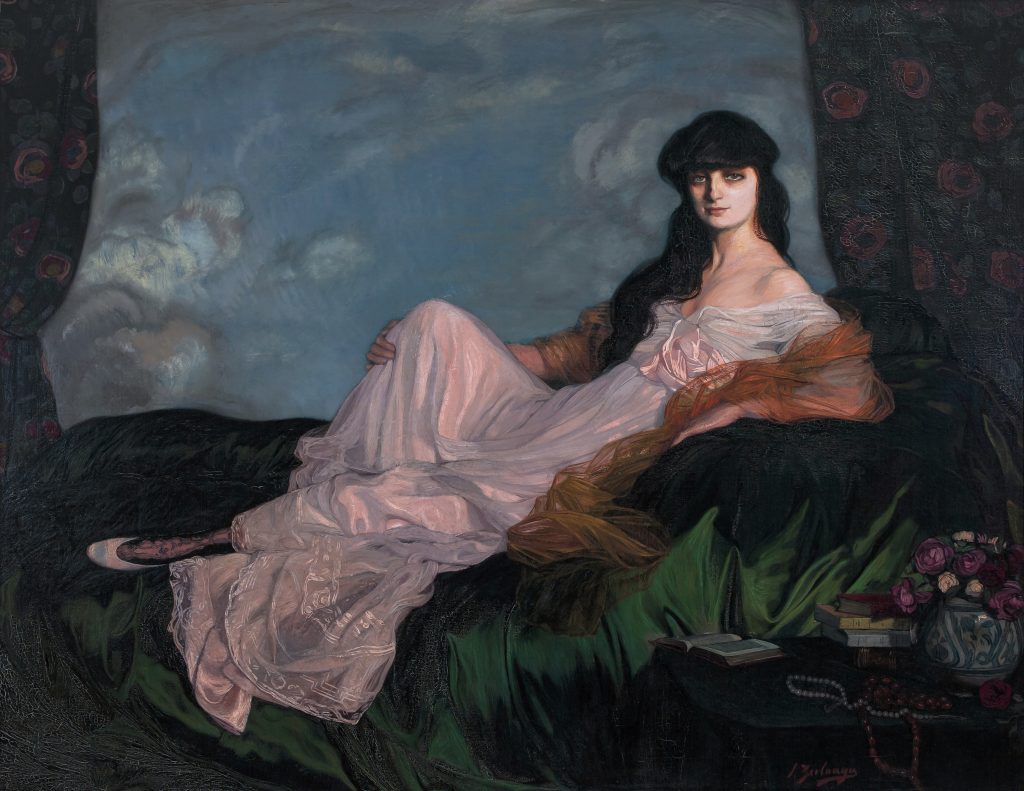
July 27
Foo Swee Chin (1964) — Singaporean comic artist best known for her dark, emotionally charged graphic novels.
William Eggleston (1939) — American photographer best known for pioneering artistic color photography through striking images of everyday life in the American South.
Harrison Fisher (1875–1934) — American illustrator best known for elegant magazine cover art featuring the fashionable “Harrison Fisher Girl.”
Mel Hunter (1927–2004) — American illustrator best known for scientifically accurate space art and imaginative illustrations of future technology.
Đura Jakšić (1832–1878) — Serbian painter and poet best known for Romantic historical paintings, portraits, and emotionally powerful literary works.
Joseph Anton Koch (1768–1839) — Austrian painter best known for idealized heroic landscapes that became defining works of German Romanticism.
Étienne Martin
Robert Rankin (1948– ) — American wildlife artist best known for realistic paintings of North American birds, mammals, and natural landscapes.
Dash Snow (1981–2009) — American artist and photographer best known for raw mixed-media works exploring New York’s underground culture.
Hans Tichy (1861–1925) — Austrian painter best known for portraits, genre scenes, and decorative murals associated with the Vienna art world.
Gerardina Jacoba van de Sande Bakhuyzen (1826–1895) — Dutch painter best known for detailed flower still lifes and botanical subjects rendered with exceptional precision.
July 28
Augustus Nicholas Burke (1838–1891) — Irish painter best known for atmospheric landscapes, coastal scenes, and rural views inspired by western Ireland and the Hague School.
Marian Czapla (1946–2016) — Polish painter best known for expressive figurative compositions and richly colored works inspired by biblical and humanistic themes.
Giuseppe Pellizza da Volpedo
Marcel Duchamp (1887–1968) — French artist best known for pioneering Conceptual Art through groundbreaking readymades such as Fountain and Bicycle Wheel.
Rachael Robinson Elmer
Joaquín Torres García (1874–1949) — Uruguayan painter, sculptor, and theorist best known for developing Constructive Universalism and influential geometric abstract art.
Alexander Ivanov
Judith Leyster (1609–1660) — Dutch Golden Age painter best known for lively genre scenes, portraits, and still lifes distinguished by their warmth and spontaneity.
Anna Munthe-Norstedt
Charles Pellegrini
Beatrix Potter (1866–1943) — English author, illustrator, and naturalist best known for creating The Tale of Peter Rabbit and other beloved illustrated children’s books.
Anna Stainer-Knittel (1841–1915) — Austrian painter best known for portraits and floral paintings, as well as inspiring the heroine of the novel Die Geier-Wally.
July 29
Ivan Aivazovsky (1817–1900) — Russian painter best known for dramatic seascapes, stormy oceans, and luminous marine paintings such as The Ninth Wave.
Annie Gardner Barr (1870–1913) — Canadian painter best known for landscapes, floral still lifes, and Impressionist-inspired scenes exhibited in Canada and Europe.
Andreas Bloch (1860–1917) — Norwegian painter and illustrator best known for historical scenes, military subjects, and illustrations of Norwegian folklore and literature.
Eastman Johnson (1824–1906) — American painter best known for genre scenes of everyday life and portraits that earned him the title The American Rembrandt.
Jenny Holzer (1950– ) — American conceptual artist best known for text-based installations, LED displays, and public artworks exploring language, politics, and power.
Francesco Mochi (1580–1654) — Italian sculptor best known for dynamic Baroque marble sculptures, including the equestrian statues of Alessandro and Ranuccio Farnese.
Hiram Powers (1805–1873) — American sculptor best known for the Neoclassical marble statue The Greek Slave, one of the nineteenth century’s most celebrated sculptures.
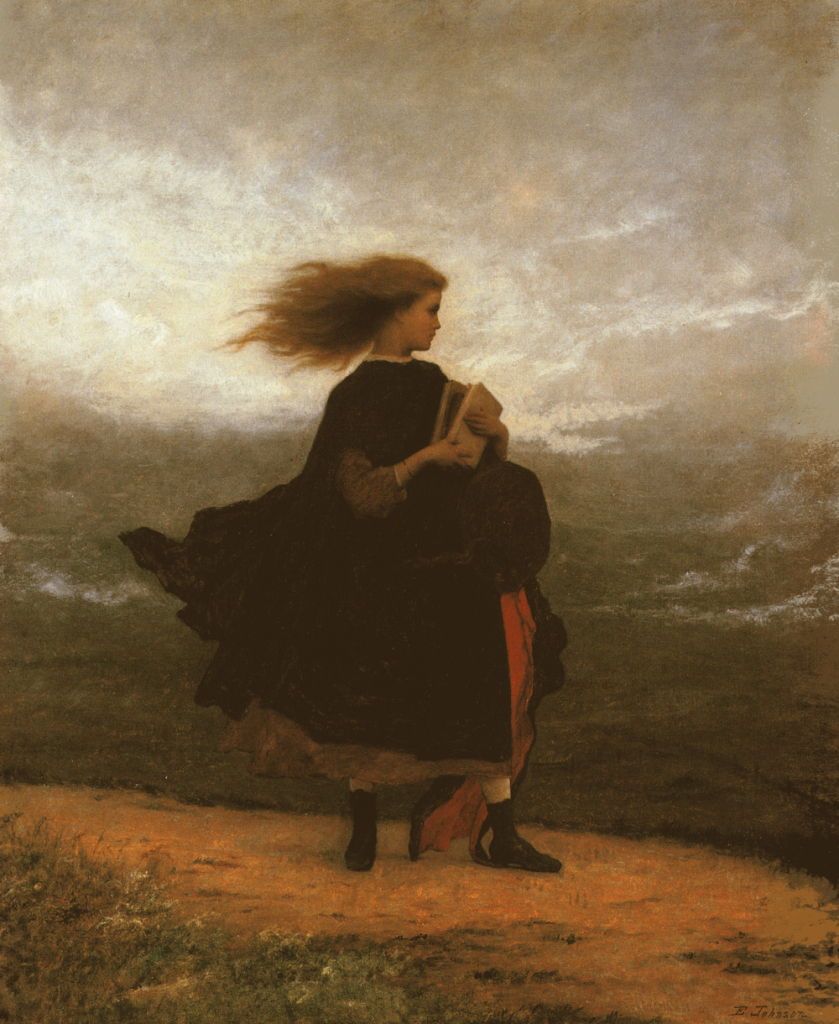
July 30
Lucy Bacon (1857–1932) — American painter best known for Impressionist landscapes and garden scenes influenced by her studies with Claude Monet in France.
Henry Moore (1898–1986) — English sculptor best known for monumental abstract bronze sculptures of reclining figures and mother-and-child themes.
Giorgio Vasari (1511–1574) — Italian painter, architect, and writer best known for Lives of the Most Excellent Painters, Sculptors, and Architects and his Mannerist frescoes.
Eliseu Visconti (1866–1944) — Brazilian painter and designer best known for introducing Impressionist and Art Nouveau influences into Brazilian art.
Adolphe Willette
Jean-Baptiste Achille Zo (1826–1901) — French painter best known for Orientalist scenes, historical subjects, and detailed depictions of North Africa.
July 31
Maurice Boitel (1919–2007) — French painter best known for colorful landscapes, seascapes, still lifes, and luminous scenes inspired by nature and travel.
Jean Dubuffet (1901–1985) — French painter and sculptor best known for founding the concept of Art Brut and creating boldly textured, unconventional works.
Erich Heckel (1883–1970) — German painter and printmaker best known as a founding member of Die Brücke and for his expressive Expressionist woodcuts and paintings.
Eugène Lepoittevin (1806–1870) — French painter best known for lively coastal scenes, beach life, marine subjects, and humorous genre paintings.
Jean-Baptiste Olive (1848–1936) — French painter best known for luminous Mediterranean harbor scenes and detailed marine landscapes, especially around Marseille.
Júlíana Sveinsdóttir
Jacques Villon (1875–1963) — French painter and printmaker best known for Cubist and abstract works that combined geometric structure with vibrant color.
Frederic Warde
Adolphe Willette (1857–1926) — French painter, illustrator, and caricaturist best known for posters, cabaret art, and designs associated with Montmartre and Le Chat Noir.
August 1
Derek Birdsall (1934–2024) — British graphic designer best known for elegant book, magazine, and corporate designs characterized by restrained modernist typography.
Richard Dadd (1817–1886) — English painter best known for the fantastical masterpiece The Fairy Feller’s Master-Stroke and other highly detailed fairy paintings.
Henry d’Estienne (1872–1949) — Belgian painter best known for portraits, Orientalist scenes, and luminous depictions of North Africa and the Middle East.
Gego (1912–1994) — German-born Venezuelan sculptor and installation artist best known for delicate abstract wire sculptures exploring space and structure.
Isobel Lilian Gloag (1865–1917) — Scottish painter and illustrator best known for Symbolist and Pre-Raphaelite-inspired works featuring literary and historical subjects.
James Henry Govier (1858–1927) — English painter best known for landscapes and rural scenes depicting the countryside of Cornwall and Devon.
Frans Hens
Sebastiano Ricci (1659–1734) — Italian painter best known for brilliant Rococo frescoes and mythological paintings that influenced eighteenth-century European art.
Gerda Taro (1910–1937) — German photojournalist best known for powerful photographs of the Spanish Civil War and as a pioneer of modern war photography.
Vhrsti (1979) — Serbian illustrator, graphic designer, and comic artist best known for bold contemporary illustration, digital art, and comic book work.
Richard Wilson (1714–1782) — Welsh painter best known for classical landscapes that helped establish the British landscape painting tradition.
August 2
Josef Maria Auchentaller (1865–1949) — Austrian painter, graphic artist, and designer best known for elegant Art Nouveau posters and decorative works.
Frédéric Auguste Bartholdi (1834–1904) — French sculptor best known for designing the Statue of Liberty and other monumental public monuments.
Albert Bloch (1882–1961) — American painter best known for Expressionist works and as the only American associated with Der Blaue Reiter.
Wah Chang (1917–2003) — Chinese-born American sculptor best known for monumental public sculptures blending Eastern and Western artistic traditions.
Arthur Dove (1880–1946) — American painter best known as an early pioneer of abstract art inspired by nature and music.
Ida Gerhardi (1862–1927) — German painter best known for Impressionist and Post-Impressionist portraits, interiors, and scenes of Parisian life.
Holling C. Holling (1900–1973) — American author and illustrator best known for richly illustrated children’s books celebrating American history and nature.
Pierre Charles L’Enfant (1754–1825) — French-born American architect and engineer best known for designing the original plan of Washington, D.C.
Vali Myers (1930–2003) — Australian artist best known for expressive ink drawings inspired by mythology, animals, and her bohemian lifestyle.
Alfonso A. Ossorio (1916–1990) — Filipino-American painter best known for Abstract Expressionist and assemblage works rich in color and texture.
John Radecki (1865–1955) — Australian photographer best known for refined portrait photography of prominent public figures.
John French Sloan (1871–1951) — American painter best known for Ashcan School scenes depicting everyday urban life in New York City.
Håkon Stenstadvold (1912–1977) — Norwegian painter best known for portraits, landscapes, and public murals created in a realistic style.
Gustave Van de Woestijne
Samuel Dirksz van Hoogstraten (1627–1678) — Dutch Golden Age painter, writer, and printmaker best known for illusionistic perspective works and genre paintings.
August 3
Marlene Dumas (1953– ) — South African-born Dutch painter best known for emotionally charged figurative paintings exploring identity, mortality, and human psychology.
Eustache-Hyacinthe Langlois (1777–1837) — French painter, draftsman, and engraver best known for documenting the medieval monuments and Gothic architecture of Normandy.
Marie Henri Mackenzie
August Natterer (1868–1933) — German artist best known for intricate visionary drawings and paintings created while institutionalized, later celebrated as important examples of outsider art.
Maria Wiik (1853–1928) — Finnish painter best known for sensitive portraits, interior scenes, and quietly expressive works influenced by French Realism and Impressionism.
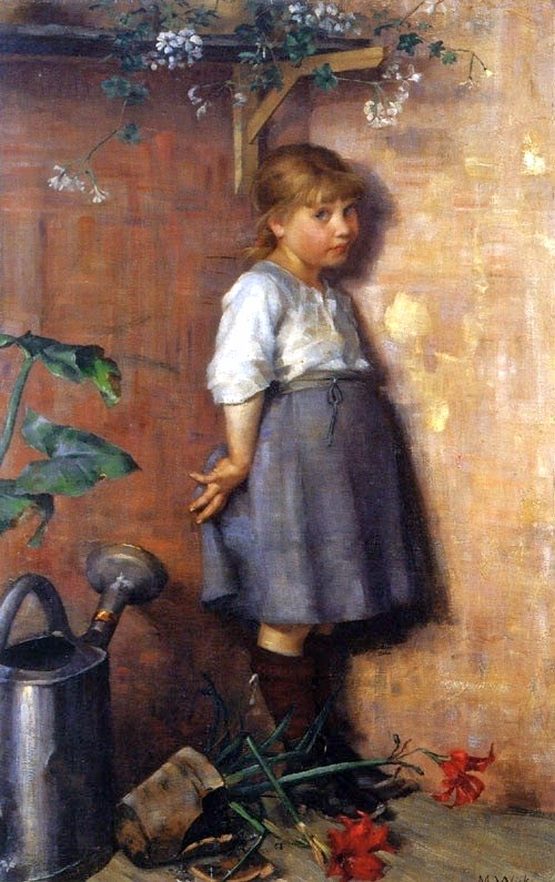
August 4
Henry Mark Anthony (1817–1886) — English painter best known for richly detailed woodland landscapes and tranquil rural scenes influenced by the Romantic tradition.
Vladimir Borovikovsky (1757–1825) — Russian portrait painter best known for elegant, sentimental portraits of the Russian nobility during the late eighteenth century.
Nicolas-Jacques Conté (1755–1805) — French inventor, painter, and engineer best known for inventing the modern Conté crayon and advancing technical drawing.
Jens Vilhelm Dahlerup (1836–1907) — Danish architect best known for the Ny Carlsberg Glyptotek and his contributions to Copenhagen’s historic architecture.
Andreas Edvard Disen (1845–1923) — Norwegian painter best known for atmospheric mountain landscapes and winter scenes inspired by Norway’s rugged countryside.
Eugenio Gignous
Laura Knight (1877–1970) — English painter best known for portraits, circus performers, ballet scenes, and becoming the first woman elected to full membership in the Royal Academy since the eighteenth century.
Constantin Lecca (1807–1887) — Romanian painter and muralist best known for religious frescoes, portraits, and historical paintings that helped shape modern Romanian art.
Paul McCarthy (1945– ) — American artist best known for provocative performance art, sculptures, and installations exploring popular culture and consumerism.
Stephan Sinding (1846–1922) — Danish sculptor best known for dramatic Naturalist and Symbolist public monuments, including Barbarian Woman Carrying Off Her Son.
Hedda Sterne (1910–2011) — Romanian-born American painter best known for her Abstract Expressionist and Surrealist-inspired paintings and drawings.
John Henry Twachtman (1853–1902) — American painter best known for lyrical Impressionist landscapes, especially his intimate views of Connecticut and New England.
August 5
Anne Acheson (1882–1962) — Irish sculptor best known for portrait busts, war memorials, and animal sculptures created in Britain and Ireland.
Vilhelm Bissen (1836–1913) — Danish sculptor best known for public monuments, portrait busts, and decorative sculptures in the Neoclassical tradition.
Clelia Bompiani
Joseph de La Nézière (1873–1944) — French painter and illustrator best known for travel posters, colonial subjects, and illustrations inspired by North Africa and Asia.
Naum Gabo (1890–1977) — Russian Constructivist sculptor best known for pioneering abstract sculptures using transparent materials and geometric forms.
Henri-Jean Guillaume Martin
Ilya Repin (1844–1930) — Russian realist painter best known for powerful historical scenes and Barge Haulers on the Volga.
Bernhard Studer
Shin Takamatsu (1948–2024) — Japanese architect best known for bold, futuristic buildings featuring geometric forms and high-tech design.
Tom Thomson (1877–1917) — Canadian painter best known for expressive wilderness landscapes that helped inspire the Group of Seven.
George Tooker (1920–2011) — American painter best known for haunting Magic Realist scenes exploring modern isolation and urban life.
Louis Wain (1860–1939) — English artist best known for whimsical illustrations of cats with expressive personalities and imaginative designs.
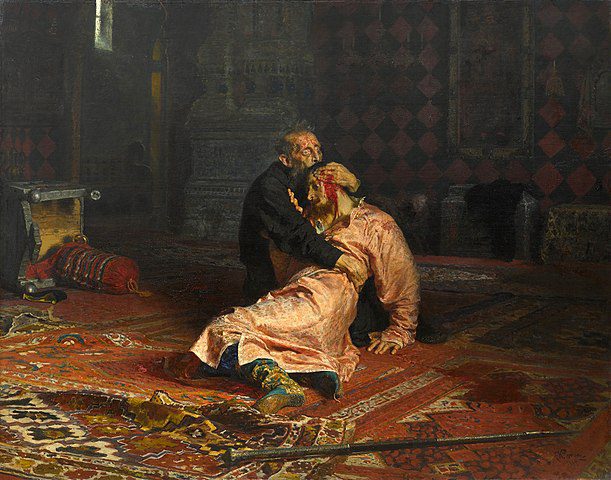
August 6
Joseph Fay (1812–1875) — American painter best known for detailed depictions of horses, livestock, and rural agricultural life in the nineteenth century.
Armand Rassenfosse (1862–1934) — Belgian painter, printmaker, and illustrator best known for Symbolist and Art Nouveau works featuring elegant female figures.
John Robertson Reid (1851–1926) — Scottish painter best known for rural genre scenes and landscapes portraying everyday life in Britain.
Apollinary Vasnetsov
Ludwig von Zanth (1796–1857) — German architect and painter best known for designing the Wilhelma palace complex in Stuttgart in the Moorish Revival style.
Andy Warhol (1928–1987) — American pop artist best known for iconic images of Campbell’s Soup Cans, Marilyn Monroe, and consumer culture.
August 7
Ilmari Aalto (1891–1934) — Finnish painter best known for expressive landscapes and still lifes associated with early twentieth-century Finnish Modernism.
Charles Hermans
Leslie Hunter (1877–1931) — Scottish painter best known as one of the Scottish Colourists, celebrated for vibrant still lifes and sunlit landscapes.
Hugo Kauffmann
Dora Meeson (1869–1955) — Australian-born painter and illustrator best known for patriotic artworks, including the iconic First World War poster Australia’s Awakening.
Johann Nepomuk della Croce (1736–1819) — Italian-born German painter best known for portraits, religious works, and decorative paintings created in Bavaria.
Georg Anton Rasmussen (1842–1914) — Norwegian painter best known for dramatic mountain landscapes, fjords, and Alpine scenes painted in a highly detailed style.
August 8
Robert Brownjohn (1925–1970) — American graphic designer best known for innovative typography and the iconic title sequences for the James Bond films From Russia with Love and Goldfinger.
George James Coates (1869–1930) — Australian painter best known for portraits, military subjects, and official paintings of Australian forces during the First World War.
Jean Leon Gerome Ferris (1863–1930) — American painter best known for The Pageant of a Nation, a celebrated series depicting scenes from American history.
Hermann Fuechsel (1833–1911) — German-born American painter best known for detailed landscapes of New York’s Hudson Valley and the northeastern United States.
Godfrey Kneller (1646–1723) — German-born English painter best known as Britain’s leading Baroque portraitist, painting monarchs, nobles, and prominent intellectuals.
Luis Menéndez Pidal
Károly Reich (1922–1988) — Hungarian illustrator and graphic artist best known for beautifully illustrated children’s books and classic literary editions.
Théodule Ribot (1823–1891) — French painter best known for dramatic Realist genre scenes and still lifes inspired by the chiaroscuro of Spanish Baroque masters.
Louis Valtat
Friedrich Georg Weitsch (1758–1828) — German painter best known for portraits, historical subjects, and landscapes created during the late Enlightenment and early Romantic period.
August 9
Alvan Fisher (1792–1863) — American painter best known for early landscapes and pastoral scenes that helped establish landscape painting in the United States.
Blamire Young (1862–1935) — English-born Australian painter best known for Impressionist landscapes and colorful depictions of the Australian countryside.
August 10
Peder Aadnes (1739–1792) — Norwegian painter best known for richly decorated church interiors, murals, and Rococo ornamental painting throughout eastern Norway.
Ramon Martí Alsina (1826–1894) — Catalan painter best known for introducing Realism to Spain through expansive landscapes, portraits, and historical scenes.
František Bílkovský (1881–1941) — Czech painter and illustrator best known for landscapes, portraits, and graphic works inspired by rural Bohemia.
Adolfo Guiard (1860–1916) — Spanish Basque painter best known for Impressionist-influenced scenes of everyday life, landscapes, and portraits from the Basque Country.
Philippe-Auguste Hennequin (1763–1833) — French painter best known for Neoclassical history paintings inspired by the ideals and events of the French Revolution.
Constantin Kousnetzoff (1863–1936) — Russian-born French painter best known for luminous landscapes and still lifes influenced by Impressionism and Post-Impressionism.
Mikael Toppelius (1734–1821) — Finnish painter best known for decorating churches with altarpieces and religious murals across Finland during the eighteenth century.
August 11
Reid Blackburn (1952–1980) — American photographer best known for documenting the 1980 eruption of Mount St. Helens, where he was killed while covering the disaster.
Giuseppe Bossi
Robert Genin
Martin Johnson Heade (1819–1904) — American painter best known for luminous marsh landscapes, tropical hummingbirds, and exquisite still lifes of flowers.
August 12
Giuseppe Baldrighi (1722–1803) — Italian painter best known for refined Rococo portraits and decorative works created for the Bourbon court in Parma.
Antonio Balestra (1666–1740) — Italian painter best known for graceful Baroque religious and mythological paintings that influenced artists throughout northern Italy.
Albert Bettannier
Vito D’Ancona (1825–1884) — Italian painter best known for portraits, Orientalist subjects, and works associated with the Florentine Macchiaioli movement.
Lambertus Johannes Hansen (1807–1874) — Dutch painter best known for portraits, genre scenes, and historical subjects executed in a refined academic style.
Hermania Neergaard
John O’Connor (1830–1889) — Irish painter best known for atmospheric landscapes and rural scenes depicting the Irish countryside and western Britain.
August 13
Lucien Biva
Robert Wilhelm Ekman (1808–1873) — Finnish painter best known for historical subjects, biblical scenes, and vivid depictions of Finnish folklore and everyday life.
James Gillray (1756–1815) — British caricaturist and printmaker best known for satirical engravings mocking politicians, royalty, and public figures during the Georgian era.
Christian Krohg (1852–1925) — Norwegian painter, writer, and journalist best known for Realist scenes portraying working people and social issues in Scandinavia.
George Luks (1867–1933) — American painter best known as a leader of the Ashcan School and for energetic portrayals of urban life in New York City.
Asta Nørregaard (1853–1933) — Norwegian painter best known for sensitive portraits, interior scenes, and depictions of children painted in a naturalistic style.
Victor Prouvé (1858–1943) — French painter, sculptor, designer, and decorator best known as a leading figure of the Nancy School of Art Nouveau.
Willem Witsen (1860–1923) — Dutch painter, etcher, and photographer best known for atmospheric cityscapes of Amsterdam and quiet Dutch landscapes.
August 14
Adolph Tidemand (1814–1876) — Norwegian painter best known for detailed genre scenes celebrating rural life, folk traditions, and national identity in nineteenth-century Norway.
Carle Vernet (1758–1836) — French painter and lithographer best known for lively depictions of horses, hunting scenes, military subjects, and equestrian life.
Pieter Coecke van Aelst (1502–1550) — Flemish painter, designer, and tapestry artist best known for Renaissance altarpieces, tapestry cartoons, and architectural publications.
Claude-Joseph Vernet (1714–1789) — French painter best known for dramatic seascapes, harbor views, and the celebrated series Ports of France.
Adolf von Becker (1831–1909) — Finnish painter best known for Realist genre scenes, portraits, and introducing French artistic influences to Finnish painting.
August 15
Adam Emory Albright (1862–1957) — American painter best known for realistic portraits of children and rural genre scenes rendered with remarkable technical precision.
Richard Deacon (1949– ) — British sculptor best known for innovative abstract sculptures exploring form, space, and materials, earning the Turner Prize in 1987.
Hans Feibusch (1898–1998) — German-born British painter and muralist best known for large-scale church murals and stained-glass designs created after fleeing National Socialist Germany.
Bartolomeo Giuliano
Kolë Idromeno (1860–1939) — Albanian painter, architect, photographer, and designer best known as a pioneer of modern Albanian visual art.
Ivan Meštrović (1883–1962) — Croatian sculptor and architect best known for monumental public sculptures blending classical traditions with powerful national themes.
Alexander Mrevlishvili
Lucius Richard O’Brien (1832–1899) — Canadian painter best known for dramatic landscapes and marine scenes, including iconic views of Canada’s eastern coastline.
Paul Rand (1914–1996) — American graphic designer best known for creating enduring corporate logos for IBM, ABC, UPS, and many other major companies.
L. A. Ring (1854–1933) — Danish painter best known for atmospheric rural landscapes and introspective interiors reflecting everyday life in Denmark.
Alexander Runciman (1736–1785) — Scottish painter best known for historical and literary subjects, particularly his murals inspired by Ossian and classical mythology.
Émile van Marcke
Francesco Zuccarelli (1702–1788) — Italian painter best known for idyllic Rococo pastoral landscapes that became highly popular throughout eighteenth-century Europe.
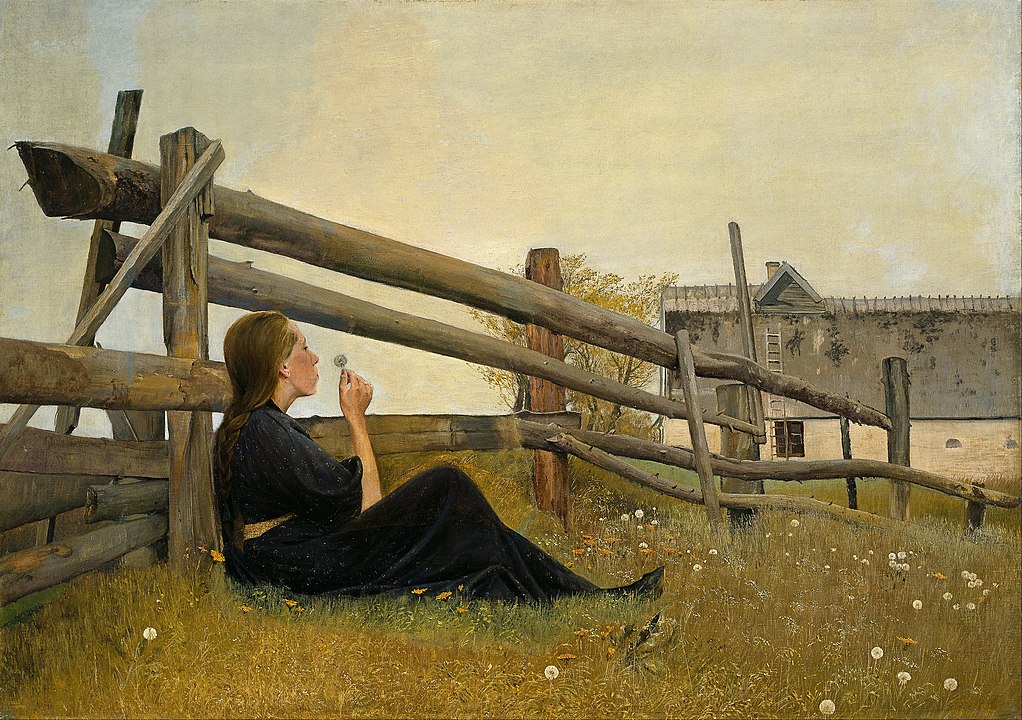
August 16
Franz Alt (1821–1914) — Austrian painter best known for finely detailed watercolor landscapes, architectural views, and scenes of Vienna and the Austro-Hungarian Empire.
Jane Atché (1872–1937) — French painter, illustrator, and poster artist best known for elegant Art Nouveau posters and decorative designs.
Evelyne Axell (1935–1972) — Belgian painter best known for bold Pop Art works exploring femininity, color, and contemporary culture.
Ivan Bilibin (1876–1942) — Russian illustrator and stage designer best known for richly ornamented illustrations of Russian fairy tales and folklore.
Agostino Carracci (1557–1602) — Italian painter, engraver, and printmaker best known for helping found the Bolognese School alongside his brother Annibale and cousin Ludovico Carracci.
Sölvi Helgason
Charles Roscoe Savage
Carl Frederik von Breda (1759–1818) — Swedish portrait painter best known for elegant likenesses of prominent figures in Sweden and Britain.
Karl Witkowski (1860–1910) — Polish-born American painter best known for nostalgic genre scenes depicting children and everyday family life.
August 17
Eduard Bitterlich (1833–1872) — Austrian sculptor best known for monumental public sculptures and architectural decoration created for Vienna’s Ringstrasse projects.
Ivan Bogdanov (1855–1932) — Russian painter best known for realistic genre scenes portraying peasant life and everyday rural experiences in Imperial Russia.
Edward Clarke Cabot (1818–1901) — American architect, painter, and designer best known for watercolor landscapes and his contributions to nineteenth-century architecture.
Wilhelm Peters (1855–1908) — German painter best known for landscapes, coastal scenes, and genre paintings inspired by northern Germany and the Netherlands.
Harald Slott-Møller (1864–1937) — Danish painter best known for Symbolist portraits, landscapes, and decorative works associated with the Danish art revival.
Thomas Stothard (1755–1834) — English painter and illustrator best known for graceful book illustrations, literary subjects, and decorative historical compositions.
John Varley (1778–1842) — English watercolor painter best known for poetic landscapes that helped establish watercolor as a major artistic medium in Britain.
Bessie Potter Vonnoh
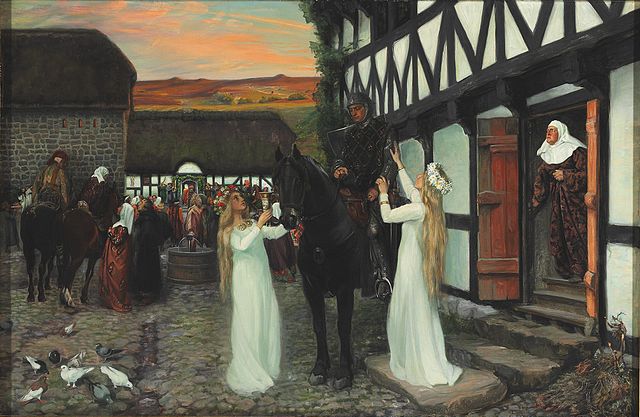
August 18
Anna Ancher (1859–1935) — Danish painter best known for luminous interiors and scenes of everyday life, becoming a leading member of the Skagen Painters.
René Auberjonois (1872–1957) — Swiss painter best known for expressive modernist portraits, landscapes, and theater-inspired works created in a distinctive Post-Impressionist style.
Martha Berkeley (1813–1899) — English painter best known for delicate watercolor landscapes, floral subjects, and illustrations exhibited during the Victorian era.
Roger Black
Pierre-Nicolas Brisset (1833–1910) — French painter best known for historical, religious, and genre scenes executed in a polished academic style.
Seymour Chwast (1931– ) — American graphic designer and illustrator best known as a founder of Push Pin Studios and for influential expressive poster and publication designs.
Thomas Maitland Cleland (1880–1964) — American graphic designer, illustrator, and typographer best known for elegant book, magazine, and advertising designs in the early twentieth century.
Winckworth Allan Gay (1821–1911) — English painter best known for architectural interiors, decorative murals, and richly detailed historical room scenes.
Henri Le Secq
William Mossman (1819–1898) — Scottish sculptor and painter best known for portrait busts, public monuments, and architectural sculpture throughout Scotland.
Iso Rae (1860–1940) — Australian painter best known for Impressionist landscapes and poignant depictions of soldiers during the First World War.
Christian Wilhelm von Faber du Faur (1780–1857) — German painter and military officer best known for detailed battle scenes and illustrations of the Napoleonic Wars.
August 19
Gustave Caillebotte (1848–1894) — French painter best known for Impressionist scenes of modern Paris, including Paris Street; Rainy Day, distinguished by striking perspective.
Josef Danhauser (1805–1845) — Austrian painter best known for Biedermeier genre scenes depicting middle-class life with humor, realism, and careful observation.
Louis Nicolas Philippe Auguste de Forbin (1777–1841) — French painter best known for romantic landscapes, historical subjects, and his influential leadership of the Louvre Museum.
Robert Graham (1938–2008) — Mexican-born American sculptor best known for monumental bronze public sculptures celebrating athletes, performers, and historical figures.
Gerbrand van den Eeckhout (1621–1674) — Dutch Golden Age painter best known for biblical scenes, portraits, and genre paintings created under the influence of Rembrandt.
Lascăr Vorel (1879–1918) — Romanian painter best known for expressive modernist works influenced by Expressionism, depicting portraits, interiors, and urban life.
Gerbrand van den Eeckhout
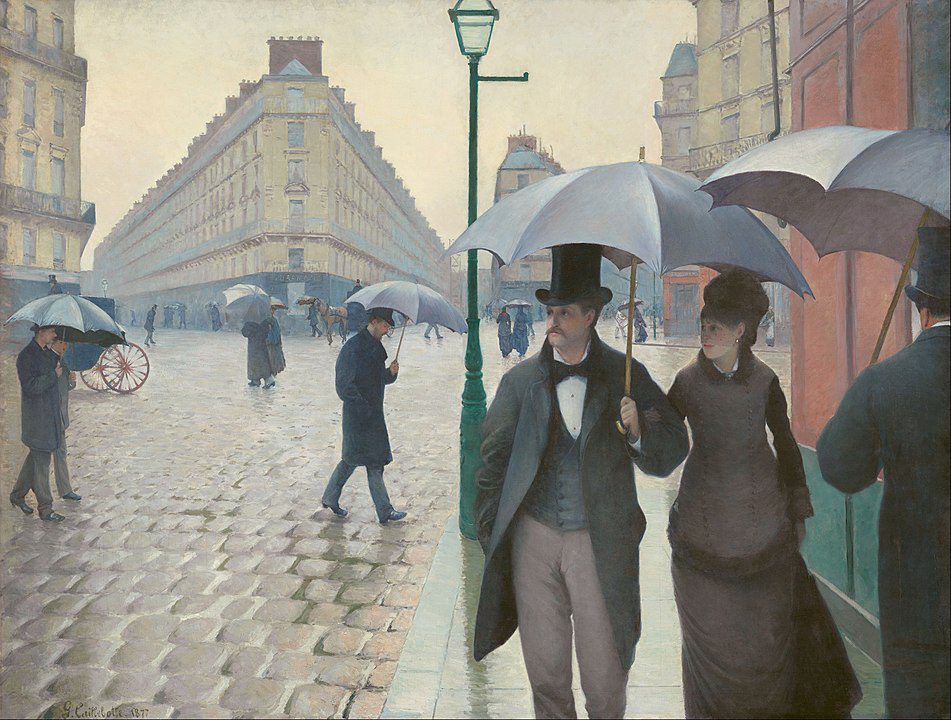
August 20
Augusto Ballerini (1857–1902) — Italian painter best known for historical scenes, Orientalist subjects, and detailed depictions of military life.
Jean-Pierre Cortot (1787–1843) — French sculptor best known for Neoclassical monuments, public sculptures, and architectural decoration.
Narcisse Virgilio Díaz de la Peña (1807–1876) — French Barbizon School painter best known for richly colored forest landscapes and romantic figure scenes.
Frank DuMond (1865–1951) — American painter and teacher best known for Impressionist landscapes and decades of influential instruction at the Art Students League.
David Kakabadze (1889–1952) — Georgian painter best known for modernist landscapes, experimental abstraction, and innovative stage designs.
Albert Kappis
Alan Lee (1947) — English illustrator best known for his atmospheric fantasy artwork for The Lord of the Rings and The Hobbit.
Berndt Lindholm (1841–1914) — Finnish painter best known for dramatic Nordic forests, rocky coastlines, and atmospheric landscapes.
Sydney Long (1871–1955) — Australian painter best known for Symbolist landscapes blending Australian scenery with mythological figures.
Emma Meyer
Bernardo López Piquer (1801–1874) — Spanish painter best known for portraits, historical subjects, and religious works in the academic tradition.
Eliel Saarinen (1873–1950) — Finnish-American architect and designer best known for Helsinki Central Station and his influential contributions to modern architecture.
H. R. Van Dongen (1888–1968) — Dutch-born American illustrator best known for magazine illustrations, advertising art, and portrait paintings.
August 21
Otto Bache (1839–1927) — Danish painter best known for military scenes, equestrian subjects, and portraits celebrating important moments in Danish history.
Aubrey Beardsley (1872–1898) — English illustrator best known for striking black-and-white Art Nouveau drawings, especially for Salomé and Le Morte d’Arthur.
François-Antoine Bossuet (1798–1889) — Belgian painter best known for detailed architectural views, cityscapes, and landscapes across Europe.
Narcisse-Virgile Díaz de la Peña (1807–1876) — French Barbizon School painter best known for richly colored forest landscapes and Romantic figure compositions.
Eugène de Malbos (1811–1858) — French painter and lithographer best known for picturesque landscapes and architectural views of southern France and Spain.
Asher Brown Durand (1796–1886) — American Hudson River School painter best known for serene woodland landscapes and the influential painting Kindred Spirits.
Jean-Baptiste Greuze (1725–1805) — French painter best known for sentimental genre scenes and expressive portraits that became hallmarks of eighteenth-century French art.
Eduard Clemens Fechner (1799–1861) — German painter best known for architectural views, landscapes, and finely detailed depictions of historic buildings.
Friedrich Miess (1854–1935) — German painter best known for portraits, genre scenes, and carefully rendered landscapes in the Academic tradition.
James Paterson (1854–1932) — Scottish painter best known for atmospheric landscapes as a leading member of the Glasgow Boys.
Christian Schad (1894–1982) — German painter best known for sharply realistic New Objectivity portraits and pioneering photographic Schadographs.
Hippolyte Victor Valentin Sebron (1801–1879) — French painter best known for dramatic architectural interiors, church scenes, and panoramic city views.
Rik Wouters
August 22
Pierre Abadie (1812–1897) — French architect and restorer best known for designing the Basilica of the Sacré-Cœur in Paris and restoring major medieval monuments.
Josef Abel (1764–1818) — Austrian painter best known for Neoclassical history paintings, portraits, and mythological subjects inspired by classical antiquity.
Carl Baagøe (1829–1901) — Danish painter best known for detailed marine paintings depicting sailing ships, harbors, and dramatic coastal scenes.
Domenico Bologna (1718–1781) — Italian painter best known for religious works and frescoes created for churches in southern Italy during the late Baroque period.
Odoardo Borrani
Henri Cartier-Bresson (1908–2004) — French photographer best known for pioneering street photography and capturing the decisive moment through candid black-and-white images.
Jacques Lipchitz (1891–1973) — Lithuanian-born French sculptor best known for pioneering Cubist sculpture before developing a more expressive monumental style.
Miles Tinker
Archibald Willard (1836–1918) — American painter best known for The Spirit of ’76, one of the most iconic patriotic paintings in American art.
August 23
Alexander Milne Calder (1846–1923) — Scottish-born American sculptor best known for creating the monumental sculptures decorating Philadelphia City Hall, including the statue of William Penn.
Hannah Frank (1908–2008) — Scottish artist and sculptor best known for elegant black-and-white drawings and delicate sculptures inspired by mythology and literature.
George Gillis Haanen (1807–1879) — Dutch painter best known for atmospheric winter landscapes, genre scenes, and finely detailed depictions of everyday life.
Fritz Melbye
Jan Hendrik Scheltema (1861–1941) — Dutch-born Australian painter best known for pastoral landscapes and realistic depictions of cattle, sheep, and rural Australian life.
Gustaaf Wappers
August 24
Walter James Baber (1850–1930) — English painter best known for portraits, historical scenes, and decorative works exhibited at the Royal Academy.
Alex Colville (1920–2013) — Canadian painter best known for meticulously detailed realist paintings depicting quiet, psychologically charged scenes of everyday life.
Lavinia Fontana (1552–1614) — Italian painter best known for elegant portraits and large religious works, becoming one of the first professional female artists of the Renaissance.
Henry Voordecker
August 25
Kate Bunce
Jacob Maris (1837–1899) — Dutch painter best known for atmospheric landscapes, windmills, canals, and city views that helped define the Hague School.
Giovanni Battista Salvi da Sassoferrato (1609–1685) — Italian painter best known for serene devotional images of the Virgin Mary executed in a refined classical style.
George Stubbs (1724–1806) — English painter best known for anatomically precise paintings of horses, including Whistlejacket, alongside portraits of animals and their owners.
Dorothea Tanning (1910–2012) — American painter, sculptor, and writer best known for imaginative Surrealist works exploring dreams, transformation, and the subconscious.
Charles-Amédée-Philippe van Loo (1719–1795) — French painter best known for portraits, allegorical works, and decorative paintings created in the Rococo tradition.
Cornelis Vreedenburgh
Wacław Wąsowicz (1891–1942) — Polish painter and printmaker best known for colorful Expressionist-inspired landscapes, portraits, and still lifes associated with early modern Polish art.
August 26
Chris Achilléos
Earle K. Bergey
Édouard Joseph Dantan (1848–1897) — French painter best known for realistic portraits, studio scenes, and genre paintings depicting artists at work.
Nicaise de Keyser (1813–1887) — Belgian painter best known for grand historical paintings, portraits, and monumental works that helped shape nineteenth-century Belgian art.
Léon Frédéric
Martha Darley Mutrie (1824–1885) — English painter best known for richly detailed still lifes of flowers and fruit exhibited during the Victorian era.
Rufino Tamayo (1899–1991) — Mexican painter and printmaker best known for blending modernist styles with Mexican themes in boldly colored, expressive compositions.
August 27
Abram Arkhipov
Jozef Geirnaert (1790–1859) — Belgian painter best known for refined portraits of prominent citizens and historical figures executed in the Neoclassical style.
Isidoro Grünhut
William Piguenit (1836–1914) — Australian painter best known for dramatic landscapes depicting the wilderness of Tasmania and the Australian mainland.
Man Ray (1890–1976) — American visual artist and photographer best known for pioneering Surrealist and Dada works, including his innovative camera-less rayographs.
August 28
Edward Burne-Jones (1833–1898) — English painter and designer best known for dreamlike Pre-Raphaelite works inspired by medieval legends, including The Golden Stairs.
Alfred Clint (1807–1883) — English painter best known for marine paintings, coastal scenes, and detailed depictions of ships along the British coastline.
Ralph Wormeley Curtis (1854–1922) — American painter best known for Venetian cityscapes, landscapes, and genre scenes influenced by European Impressionism.
Norman Garstin (1847–1926) — Irish painter best known for Impressionist landscapes, coastal scenes, and views of Cornwall associated with the Newlyn School.
Morris Graves (1910–2001) — American painter best known for mystical Modernist works featuring birds, animals, and nature inspired by East Asian philosophy.
Natela Iankoshvili (1918–2007) — Georgian painter best known for boldly colored Expressionist portraits, landscapes, and still lifes that challenged Soviet artistic conventions.
Xavier Leprince (1799–1826) — French painter best known for lively genre scenes and landscapes portraying everyday rural life in Normandy.
Thomas Seddon
Constant Troyon (1810–1865) — French painter best known for Barbizon School landscapes featuring cattle and other farm animals in natural settings.
Rudolf von Alt (1812–1905) — Austrian painter best known for exquisitely detailed watercolor cityscapes, architectural views, and landscapes across the Habsburg Empire.
Rufus Fairchild Zogbaum
August 29
William Adam (1689–1748) — Scottish architect and designer best known for grand country houses, castles, and public buildings that shaped eighteenth-century Scottish architecture.
Michael Bierut (1957) — American graphic designer best known for influential branding, typography, and identity systems created as a partner at Pentagram.
Nikolaos Dragoumis
Gladys Kelley Fitch
Louis Hayet (1864–1940) — French painter best known for Neo-Impressionist and Divisionist landscapes distinguished by vibrant color and luminous brushwork.
Jean-Auguste-Dominique Ingres (1780–1867) — French Neoclassical painter best known for masterful portraits and works including The Grand Odalisque and Napoleon on His Imperial Throne.
John Leech (1817–1864) — English caricaturist and illustrator best known for his Punch magazine cartoons and illustrations for A Christmas Carol.
Cándido López (1840–1902) — Argentine painter best known for panoramic scenes of the Paraguayan War, which he painted after losing his right arm in combat.
Jack B. Yeats (1871–1957) — Irish painter best known for expressive modernist scenes of Irish life, landscapes, and sporting events rendered with bold color.
August 30
Ramón Acín (1888–1936) — Spanish sculptor, painter, and printmaker best known for modernist public sculptures and his contributions to avant-garde art in Aragón.
Nikolai Astrup (1880–1928) — Norwegian painter and printmaker best known for luminous landscapes inspired by western Norway and its folklore, gardens, and midsummer nights.
Robert Crumb (1943) — American cartoonist and illustrator best known for pioneering underground comix with satirical, highly detailed black-and-white drawings.
Jacques-Louis David (1748–1825) — French Neoclassical painter best known for monumental history paintings, including The Oath of the Horatii and The Death of Marat.
Evelyn De Morgan (1855–1919) — English painter best known for richly symbolic works featuring mythological, allegorical, and spiritual themes in the Pre-Raphaelite tradition.
Leonor Fini
David Kakabadze
Johan Philip Korn (1728–1776) — Swedish painter best known for portraits of clergy, nobility, and prominent citizens during the Rococo period.
Isaac Levitan (1860–1900) — Russian painter best known for deeply poetic landscapes that captured the quiet beauty and changing moods of the Russian countryside.
Edoardo Matania (1847–1929) — Italian painter and illustrator best known for dramatic historical and military illustrations published in leading European magazines.
Giovanni Domenico Tiepolo (1727–1804) — Italian painter and printmaker best known for lively frescoes, genre scenes, and imaginative drawings influenced by his father, Giambattista Tiepolo.
Henri Van Assche (1774–1841) — Belgian painter best known for romanticized landscapes, waterfalls, and forest scenes inspired by the scenery of the Low Countries.
August 31
Roger Dean (1944– ) — English artist and designer best known for fantastical album cover paintings, especially for the rock bands Yes and Asia.
John Faed (1819–1902) — Scottish painter best known for sentimental genre scenes portraying rural life and everyday people with warmth and careful detail.
Gaetano Gandolfi (1734–1802) — Italian painter best known for dynamic religious, mythological, and historical works created during the late Baroque and Neoclassical periods.
George Luks
Gaetano Previati (1852–1920) — Italian painter best known for Symbolist and Divisionist works distinguished by luminous color and spiritual themes.
Carl Rasmussen (1841–1893) — Danish painter best known for atmospheric architectural views, cityscapes, and landscapes inspired by Italy and Denmark.
Helen Levitt (1913–2009) — American photographer best known for candid street photographs capturing everyday life in New York City with extraordinary humanity.
September 1
Egid Quirin Asam
Jack Edward Barber (1910–1988) — American painter best known for Western landscapes, wildlife, and scenes celebrating the American Southwest.
Eugène Boch (1855–1941) — Belgian painter best known for Neo-Impressionist landscapes and as a close friend and portrait subject of Vincent van Gogh.
John Scarlett Davis (1804–1845) — English painter best known for portraits, architectural interiors, and watercolor views of country houses.
Adolph de Meyer
Tarsila do Amaral (1886–1973) — Brazilian painter best known for pioneering Brazilian Modernism through vibrant works such as Abaporu.
Allen Jones (1937– ) — English painter, sculptor, and printmaker best known for provocative Pop Art exploring fashion, advertising, and the human figure.
Yasuo Kuniyoshi (1889–1953) — Japanese-born American painter best known for imaginative modernist figure paintings, still lifes, and circus-inspired subjects.
Johan Thomas Lundbye (1818–1848) — Danish painter best known for Romantic landscapes celebrating the natural beauty and rural life of Denmark.
Ludwig Merwart (1863–1913) — Czech painter best known for historical subjects, portraits, and genre scenes painted in the Academic tradition.
Charles Edward Perugini
Taddeo Zuccari (1529–1566) — Italian Mannerist painter best known for frescoes decorating Roman palaces and churches alongside his brother Federico Zuccari.
September 2
Romare Bearden (1911–1988) — American painter, collagist, and printmaker best known for vibrant collages depicting African American life, music, and history.
Noël Hallé (1711–1781) — French painter best known for Rococo religious, mythological, and allegorical paintings created for churches and royal commissions.
Karl Stauffer-Bern
September 3
Astri Aasen (1875–1935) — Norwegian painter best known for portraits, landscapes, and scenes of rural life painted with gentle naturalism.
E. Irving Couse (1866–1936) — American painter best known for sympathetic portrayals of Native American life as a founding member of the Taos Society of Artists.
Elin Danielson-Gambogi (1861–1919) — Finnish painter best known for Realist portraits and intimate scenes of everyday life, making her one of Finland’s leading nineteenth-century artists.
Konrad Grob
Paul Kane (1810–1871) — Irish-born Canadian painter best known for documenting Indigenous peoples and landscapes of western North America during his extensive travels.
Alberto Pasini
Louis Sullivan (1856–1924) — American architect best known as a pioneer of the modern skyscraper and for the principle that “form follows function.”
Joseph Wright (1734–1797) — English painter best known for dramatic candlelit scenes celebrating science, industry, and the spirit of the Enlightenment.
September 4
Jaroslav Augusta (1872–1970) — Czech painter best known for atmospheric landscapes, mountain scenes, and views of the Bohemian countryside painted in a naturalistic style.
Carroll Thayer Berry
Anna Maria Ehrenstrahl (1666–1729) — Swedish painter best known for portraits and floral still lifes created in the Baroque tradition as the daughter of David Klöcker Ehrenstrahl.
Samuel Phillips Jackson (1830–1904) — English painter best known for landscapes, rural genre scenes, and finely observed depictions of the British countryside.
Archibald Kay (1860–1940) — Scottish painter best known for landscapes, coastal scenes, and views of the Scottish Highlands rendered with atmospheric realism.
Eugene Lanceray
Albert Joseph Moore (1841–1893) — English painter best known for idealized classical figures and decorative compositions emphasizing beauty, color, and harmonious design.
Eilif Peterssen (1852–1928) — Norwegian painter best known for portraits, landscapes, and historical paintings that helped shape modern Norwegian art.
Oskar Schlemmer (1888–1943) — German painter, sculptor, and designer best known for his Bauhaus work, especially the innovative Triadic Ballet.
Kenzo Tange (1913–2005) — Japanese architect best known for combining traditional Japanese design with modernism in landmark buildings and urban plans.
September 5
William James Aylward (1875–1956) — American painter and illustrator best known for dramatic maritime scenes and illustrations for adventure stories and classic novels.
Caspar David Friedrich (1774–1840) — German Romantic painter best known for contemplative landscapes that use nature to express spirituality, solitude, and the sublime.
Maurice Quentin de La Tour (1704–1788) — French Rococo painter best known for masterful pastel portraits of European aristocrats, intellectuals, and Enlightenment figures.
Vincent Stoltenberg Lerche (1837–1892) — Norwegian painter best known for richly detailed architectural interiors, historical scenes, and depictions of Renaissance buildings.
Muggur (Guðmundur Pétursson Thorsteinsson) (1891–1924) — Icelandic painter and illustrator best known for landscapes, portraits, caricatures, and illustrations inspired by Icelandic life and folklore.
Jacopo Vignali (1592–1664) — Italian Baroque painter best known for graceful religious paintings, frescoes, and altarpieces created for churches in Florence.
September 6
Louis Apol (1850–1936) — Dutch painter best known for atmospheric winter landscapes featuring snowy forests, frozen canals, and tranquil rural scenery.
Ann Brockman (1899–1943) — American painter and printmaker best known for Regionalist-inspired landscapes, murals, and scenes of everyday American life.
Bertha M. Goudy
Horatio Greenough (1805–1852) — American sculptor best known for pioneering Neoclassical public monuments, including his monumental statue of George Washington.
John Atkinson Grimshaw (1836–1893) — English painter best known for haunting moonlit city streets, dock scenes, and luminous nocturnes of Victorian Britain.
Jan Monchablon (1854–1904) — French painter best known for realistic landscapes depicting the countryside of Lorraine with meticulous natural detail.
Sebastiano Serlio (1475–1554) — Italian architect and architectural writer best known for influential Renaissance treatises that shaped European architecture for centuries.
George Taylor (1872–1948) — English painter best known for landscapes, coastal scenes, and atmospheric watercolors inspired by the British countryside.
September 7
William Butterfield (1814–1900) — English architect best known for Victorian Gothic Revival churches, especially All Saints, Margaret Street, with its striking polychrome brickwork.
Alexandre Falguière (1831–1900) — French sculptor and painter best known for dynamic public monuments, mythological sculptures, and portrait busts in the Academic tradition.
Matthäus Günther (1705–1788) — German painter best known for luminous Rococo frescoes decorating churches and monasteries throughout southern Germany.
Jacob Lawrence (1917–2000) — American painter best known for The Migration Series, vividly portraying the Great Migration through bold, narrative compositions.
Adolf Maennchen (1860–1920) — German sculptor best known for portrait busts, architectural sculpture, and public monuments created in a Naturalist style.
Grandma Moses (1860–1961) — American folk painter best known for nostalgic rural scenes that made her one of the most celebrated self-taught artists of the twentieth century.
Georges Washington
J. F. Willumsen (1863–1958) — Danish painter, sculptor, ceramist, and architect best known for bold Symbolist and Expressionist works exploring color, form, and human emotion.
September 8
Camille-Léopold Cabaillot-Lassalle (1839–1902) — French painter best known for detailed genre scenes, portraits, and landscapes depicting everyday rural life in France.
David Carson (1955– ) — American graphic designer and art director best known for groundbreaking experimental typography that transformed magazine and graphic design.
Jean-Jacques Champin
Antoine de Favray (1706–1798) — French painter best known for portraits and richly detailed scenes of life in Malta and the Ottoman Empire.
Jacques Fath (1912–1954) — French fashion designer and illustrator best known for elegant haute couture that helped define postwar Parisian style.
Ozias Humphrey (1742–1810) — English painter best known for refined portrait miniatures and later full-length portraits of prominent British patrons.
Henrik Lund (1879–1935) — Norwegian painter best known for portraits, figure paintings, and decorative works depicting Norwegian cultural life.
Mimi Parent (1924–2005) — Canadian-born Surrealist artist best known for provocative assemblages, paintings, and mixed-media works exploring dreams and identity.
September 9
Brassaï (1899–1984) — Hungarian-born French photographer best known for atmospheric black-and-white photographs of Paris, especially its streets, cafés, and nightlife.
Francisco Iturrino (1864–1924) — Spanish painter best known for vibrant Fauvist-inspired landscapes, gardens, and scenes of Andalusia painted with bold color.
Alexander Nasmyth (1758–1840) — Scottish painter best known for landscapes, panoramic views of Edinburgh, and influential work as an architectural and landscape artist.
James Smetham (1821–1889) — English painter best known for poetic landscapes and religious subjects inspired by Romanticism and deeply personal spirituality.
September 10
Pavel Brullov
Knud Bull (1811–1889) — Norwegian-born American painter best known for dramatic landscapes, marine scenes, and views of the American frontier.
Marguerite Delorme (1876–1946) — French painter best known for elegant portraits, floral still lifes, and intimate scenes of women and children.
Friedrich Gauermann (1807–1862) — Austrian painter best known for realistic Alpine landscapes and lively depictions of animals in mountain settings.
Lorenzo Homar (1913–2004) — Puerto Rican printmaker, painter, and designer best known for advancing modern Puerto Rican graphic arts through masterful prints and posters.
Helen Augusta Hamburger (1909–1997) — American painter best known for portraits, still lifes, and expressive landscapes inspired by New England.
Rudolf Jettmar (1869–1939) — Austrian painter and printmaker best known for Symbolist and mythological compositions rich in fantasy and allegory.
Elsa Schiaparelli (1890–1973) — Italian fashion designer best known for Surrealist-inspired haute couture created in collaboration with leading modern artists.
Walter Elmer Schofield (1867–1944) — American Impressionist painter best known for powerful winter landscapes and scenes of Pennsylvania and New England.
Marianne von Werefkin (1860–1938) — Russian-born Expressionist painter best known for vividly colored landscapes and her influential role in the Munich avant-garde.
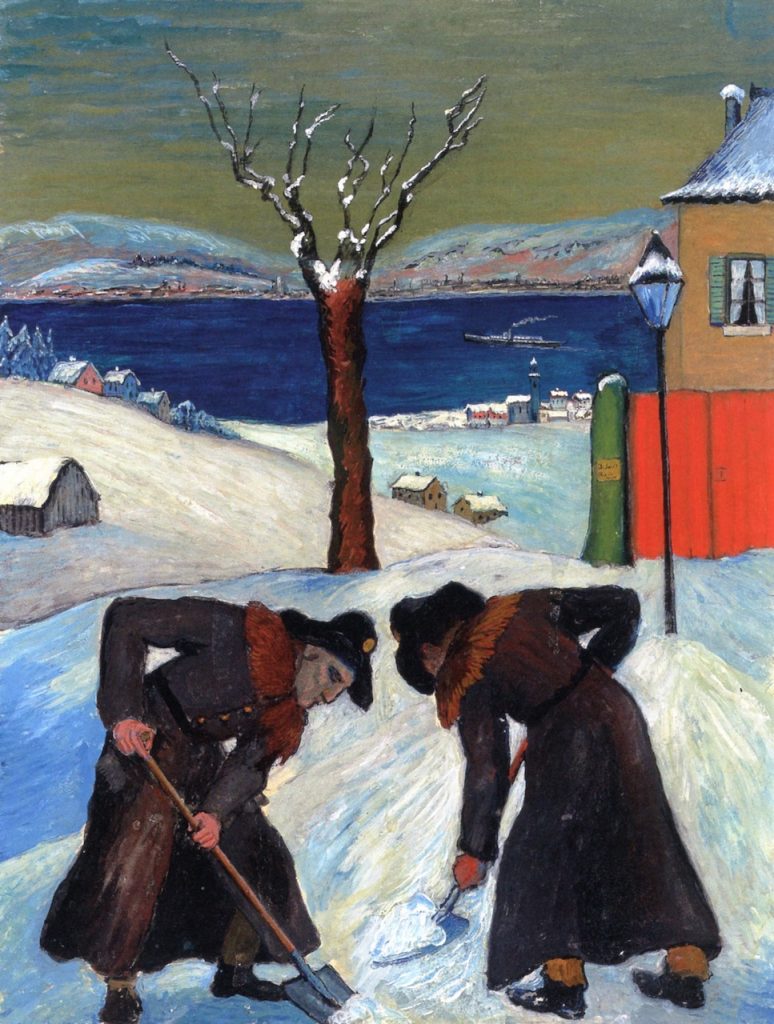
September 11
Nicolai Abildgaard (1743–1809) — Danish painter best known for Neoclassical historical, mythological, and literary works that influenced the Golden Age of Danish art.
Hiacynt Alchimowicz (1841–1897) — Polish painter best known for historical scenes, genre paintings, and depictions of life in Lithuania and Poland.
Thomas Hill (1829–1908) — English-born American landscape painter best known for majestic views of Yosemite Valley and the Sierra Nevada.
Daphne Odjig (1919–2016) — Canadian Indigenous painter best known for vibrant Woodlands-style works celebrating First Nations history, spirituality, and culture.
Hippolyte Petitjean (1854–1929) — French Post-Impressionist painter best known for Pointillist landscapes and figure compositions influenced by Georges Seurat.
Quirijn Maurits Rudolph Ver Huell
September 12
George Hendrik Breitner
Carl Eytel
Anselm Feuerbach (1829–1880) — German painter best known for idealized Classical subjects and monumental historical compositions inspired by the Italian Renaissance.
Fernand Khnopff (1858–1921) — Belgian Symbolist painter best known for enigmatic portraits and dreamlike compositions filled with mystery and psychological depth.
Chip Kidd (1964 ) — American graphic designer best known for innovative book cover designs, especially his influential work for Alfred A. Knopf.
Claude Lefèbvre (1632–1675) — French painter best known for elegant portraits of the French aristocracy during the reign of Louis XIV.
Ben Shahn (1898–1969) — Lithuanian-born American painter, printmaker, and photographer best known for Social Realist works addressing labor, justice, and everyday life.
Jacobus van Looy (1855–1930) — Dutch painter and writer best known for Impressionist portraits, landscapes, and city scenes rich in color and atmosphere.
Ida Wedel-Jarlsberg (1855–1931) — Norwegian painter best known for portraits, interiors, and landscapes created in a refined Naturalist style.
September 13
Anne Geddes (1956) — Australian photographer best known for imaginative portraits of babies and young children staged in elaborate costumes and natural settings.
Robert Indiana (1928–2018) — American painter, sculptor, and printmaker best known for the iconic LOVE image, a defining work of Pop Art.
Francisco Lameyer (1825–1877) — Spanish painter best known for Orientalist scenes, landscapes, and travel-inspired works influenced by his journeys through North Africa.
Joel-Peter Witkin (1939) — American photographer best known for provocative black-and-white photographs exploring mortality, religion, and the human body through meticulously staged compositions.
September 14
Jiří Anderle (1936– ) — Czech painter, printmaker, and illustrator best known for expressive figurative works exploring history, identity, and the human condition.
Giulio Carmignani (1813–1890) — Italian painter best known for Romantic landscapes and historical scenes inspired by the countryside of Tuscany.
Henry d’Arles (Henri Beaulac) (1870–1931) — Canadian painter best known for Impressionist landscapes of Quebec and the Charlevoix region.
Axel Ender (1853–1920) — Norwegian painter best known for portraits and genre scenes associated with the Düsseldorf school.
Charles Dana Gibson (1867–1944) — American illustrator best known for creating the iconic Gibson Girl, a defining image of the late Victorian and Edwardian eras.
Peter Lely (1618–1680) — Dutch-born English painter best known for elegant portraits of the English court during the reign of Charles II.
Laura Leroux-Revault
Giovanni Piancastelli
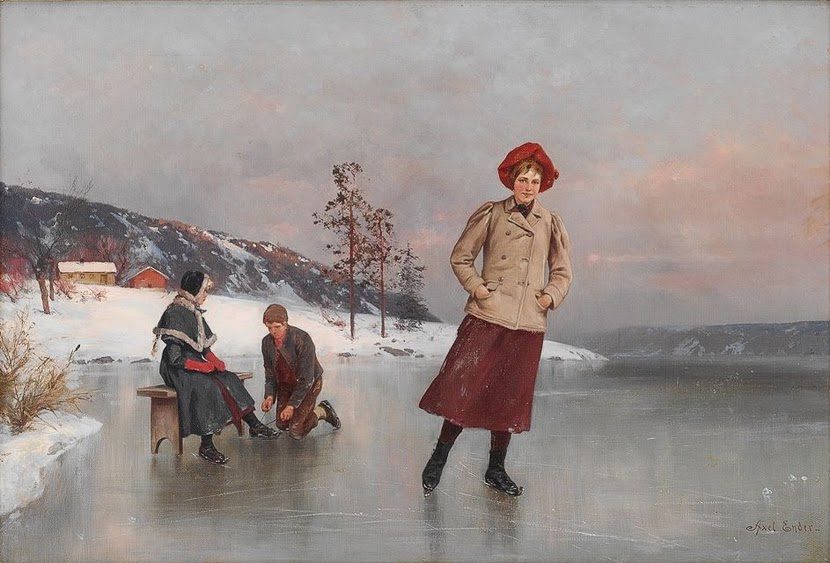
September 15
Antoine-Louis Barye (1795–1875) — French sculptor best known for dynamic bronze animal sculptures that helped establish the Animalier movement.
Silpa Bhirasri (1892–1962) — Italian-born Thai sculptor best known for founding modern Thai art education and creating many of Thailand’s important public monuments.
Liudas Vilimas (1910–1999) — Lithuanian painter best known for expressive landscapes, still lifes, and colorful modernist compositions.
September 16
Else Alfelt (1910–1974) — Danish painter best known for abstract compositions inspired by mountains, spiritual themes, and her association with the CoBrA movement.
Jean Arp (1886–1966) — Franco-German sculptor, painter, and poet best known as a founder of Dada and for his flowing abstract biomorphic sculptures.
Domenico Corvi (1721–1803) — Italian painter best known for grand religious frescoes, altarpieces, and mythological works created in late Baroque Rome.
Paul Fischer (1860–1934) — Danish painter best known for lively street scenes, harbor views, and elegant depictions of everyday life in Copenhagen.
Elisa Nadzieja (1913–2006) — Polish painter best known for expressive landscapes, still lifes, and portraits created in a colorful Post-Impressionist style.
Marcin Zaleski (1796–1877) — Polish painter best known for meticulously detailed architectural views of Warsaw and historic interiors throughout Poland.
September 17
Elizabeth Enright (1909–1968) — American writer and illustrator best known for illustrating her own children’s books, including the Melendy family series.
Margaret Girvin Gillin (1900–1974) — American painter best known for portraits, landscapes, and scenes inspired by Latin America and the Caribbean.
Frederick Goodall (1822–1904) — English painter best known for Orientalist scenes and sentimental depictions of rural life in Egypt.
Robert Graysmith (1942– ) — American cartoonist and author best known for editorial cartoons and illustrated books about the Zodiac Killer.
M. F. Husain (1915–2011) — Indian painter best known for boldly colored modernist works inspired by Indian culture, mythology, and history.
Rafael Israelyan (1908–1973) — Armenian architect best known for designing monuments, public buildings, and memorials that blended traditional Armenian forms with modern architecture.
Jeff MacNelly (1947–2000) — American editorial cartoonist and comic strip creator best known for Shoe and his Pulitzer Prize-winning political cartoons.
John Hamilton Mortimer (1740–1779) — English painter and printmaker best known for dramatic historical, literary, and bandit subjects.
Samuel Prout (1783–1852) — English watercolor painter best known for picturesque architectural views of European streets, churches, and ruins.
Patrick Syme (1774–1845) — Scottish painter and botanical illustrator best known for Werner’s Nomenclature of Colours and natural history illustrations.
Franciszek Tepa (1828–1889) — Polish painter best known for Orientalist scenes, portraits, and travel-inspired works from the Middle East.
September 18
Giorgio Matteo Aicardi
Armando (Herman Dirk van Dodeweerd) (1929–2018) — Dutch painter, sculptor, writer, and violinist best known for powerful works exploring memory, war, and the human landscape.
Cassius Marcellus Coolidge (1844–1934) — American painter and illustrator best known for the iconic Dogs Playing Poker series of humorous paintings.
Washington Bogart Cooper (1802–1888) — American painter best known for portraits of prominent Tennessee citizens and early nineteenth-century Southern figures.
José de Rivera (1904–1991) — American sculptor best known for elegant abstract stainless-steel sculptures featuring flowing curves and balanced geometric forms.
Mark di Suvero (1933) — American sculptor best known for monumental steel sculptures that combine industrial materials with bold, dynamic compositions.
Robert Harris (1849–1919) — Welsh-born Canadian painter best known for portraits, historical paintings, and The Fathers of Confederation, a landmark in Canadian art.
Anton Mauve (1838–1888) — Dutch painter best known for Hague School landscapes featuring shepherds, sheep, and quiet rural scenes painted in subdued tones.
Ernst Erwin Oehme
Jan Verkade
September 19
Giorgio Matteo Aicardi (1891–1984) — Italian painter best known for luminous Ligurian landscapes, coastal scenes, and colorful views of villages along the Italian Riviera.
Paul Biva
Marie Cazin
William Dyce (1806–1864) — Scottish painter best known for religious works, historical subjects, and influential Victorian murals, including the frescoes at the Palace of Westminster.
Émile Eisman-Semenowsky
Ernst Oppler
Augustin Pajou (1730–1809) — French Neoclassical sculptor best known for elegant portrait busts, mythological figures, and monumental public commissions.
Arthur Rackham (1867–1939) — English illustrator best known for richly imaginative fairy-tale and fantasy illustrations, including Peter Pan in Kensington Gardens.
January Suchodolski (1797–1875) — Polish painter best known for dramatic military and historical scenes depicting battles, cavalry, and the November Uprising.
Edward Charles Volkert
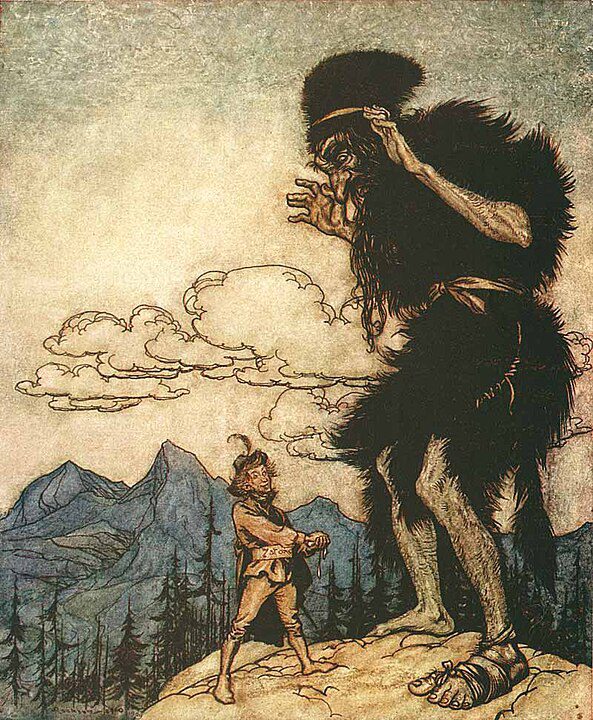
September 20
Théodore Chassériau (1819–1856) — French Romantic painter best known for richly colored historical, religious, and Orientalist works that bridged Neoclassicism and Romanticism.
Dale Chihuly (1941– ) — American glass artist best known for monumental blown-glass installations featuring vibrant colors and organic forms.
David Uhl
Beatrice Warde
Bjørn Wiinblad (1918–2006) — Danish artist, designer, and illustrator best known for whimsical ceramics, posters, textiles, and decorative designs.
Albert Zimmermann (1808–1888) — Austrian landscape painter best known for dramatic Alpine scenes and idealized mountain landscapes in the Romantic tradition.
September 21
Brian Coape-Arnold (1936–2022) — English painter best known for luminous landscapes, still lifes, and portraits inspired by the countryside of southern England.
Joseph-Marius Avy
Maurice Chabas
Lodovico Cigoli (1559–1613) — Italian painter and architect best known for bridging the Renaissance and Baroque through expressive religious paintings and innovative naturalism.
Julio González (1876–1942) — Spanish sculptor and painter best known for pioneering modern welded iron sculpture and collaborating with Pablo Picasso.
Sophia Hawthorne
Edmund Blair Leighton (1852–1922) — English painter best known for romantic historical scenes depicting chivalry, courtship, and medieval life in meticulous detail.
Pavel Tchelitchew (1898–1957) — Russian-born painter best known for Surrealist-inspired portraits and visionary compositions exploring transformation and human anatomy.
Eduardo Úrculo
Benjamin Zobel (1762–1830) — German painter best known for highly realistic still lifes created using the églomisé technique of reverse painting on glass.
September 22
Paul Baum
Mikalojus Konstantinas Čiurlionis (1875–1911) — Lithuanian painter and composer best known for visionary Symbolist paintings inspired by music, mythology, and nature.
Jules Coutan (1848–1939) — French sculptor best known for monumental public sculptures and architectural decorations in the Beaux-Arts tradition.
Władysław Czachórski (1850–1911) — Polish Academic painter best known for exquisitely detailed portraits and elegant interior scenes featuring fashionable women.
Joseph Duplessis (1725–1802) — French portrait painter best known for distinguished likenesses of Enlightenment figures, including Benjamin Franklin.
Charles Keeping (1924–1988) — English illustrator best known for expressive illustrations of classic literature and children’s books, including the works of Charles Dickens.
Charles Leickert (1816–1907) — Belgian-born Dutch painter best known for finely detailed winter landscapes, canals, and river scenes of the Netherlands.
Helmer Osslund (1866–1938) — Swedish painter best known for boldly colored northern landscapes inspired by the wilderness of Lapland.
Alma Thomas (1891–1978) — American painter best known for vibrant abstract paintings of color and light inspired by nature and space exploration.
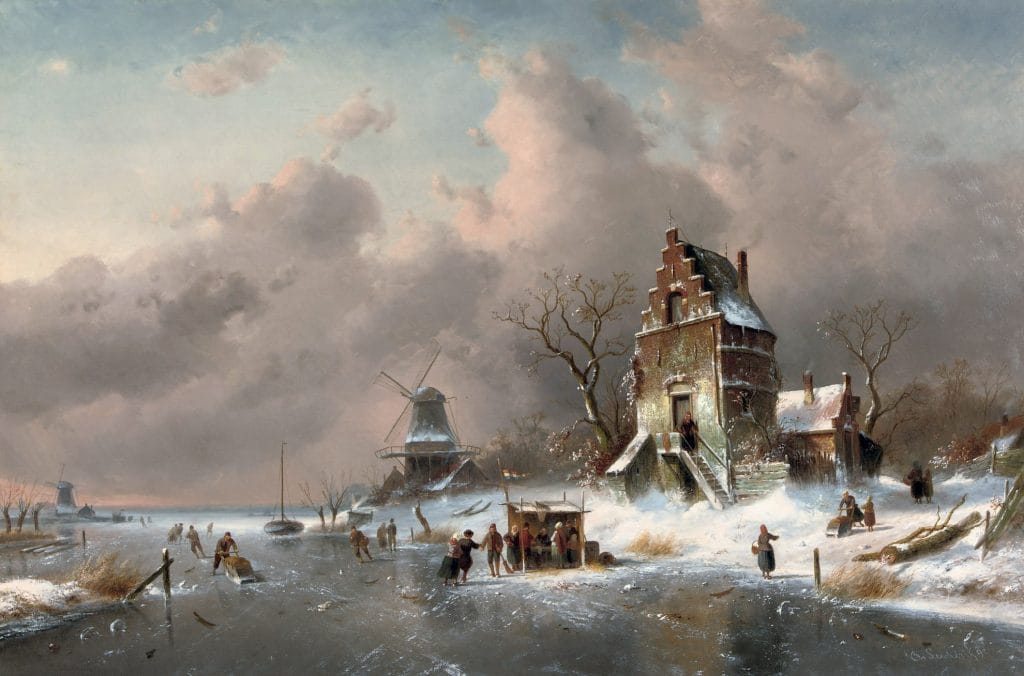
September 23
C. Yarnall Abbott (1870–1938) — American painter best known for Impressionist landscapes, coastal scenes, and views of Pennsylvania and New England.
Giuseppe Bazzani (1690–1769) — Italian Rococo painter best known for dramatic religious, mythological, and historical paintings created in Mantua.
Paul Delvaux (1897–1994) — Belgian Surrealist painter best known for dreamlike scenes featuring classical architecture, mysterious women, and skeletal figures.
Pekka Halonen (1865–1933) — Finnish painter best known for serene winter landscapes and scenes celebrating rural Finnish life.
František Kupka (1871–1957) — Czech painter best known as a pioneer of abstract art through dynamic compositions of color and movement.
William Robinson Leigh
Louise Nevelson (1899–1988) — American sculptor best known for monumental monochromatic assemblages constructed from found wooden objects.
Matthew Pratt (1734–1805) — American painter best known for colonial portraits and The American School, an important early American genre painting.
Tony Smith (1912–1980) — American sculptor best known for monumental geometric Minimalist sculptures in painted steel.
Suzanne Valadon (1865–1938) — French painter best known for bold portraits, nudes, and still lifes after beginning her career as an artists’ model.
September 24
Antoine-Louis Barye (1795–1875) — French sculptor best known for powerful bronze animal sculptures that established him as the leading Animalier artist of the nineteenth century.
George Price Boyce (1826–1897) — English painter best known for detailed watercolor landscapes and architectural scenes associated with the Pre-Raphaelite movement.
Gia Bugadze
Florence Carlyle (1864–1923) — Canadian painter best known for Impressionist-inspired portraits and genre scenes featuring women in graceful domestic settings.
Edouard Hamman
Horace Walpole (1717–1797) — English writer, architectural designer, and art patron best known for creating Strawberry Hill House, a landmark of the Gothic Revival, and for pioneering Gothic fiction.
September 25
Francesco Borromini (1599–1667) — Italian Baroque architect best known for innovative churches, including San Carlo alle Quattro Fontane, with bold geometric designs.
Robert Brackman (1898–1980) — Russian-born American painter and teacher best known for expressive portraits, figure paintings, and influential art instruction.
Emmanuel de Critz (1608–1665) — English painter of Flemish descent best known for portraiture at the Stuart court during the seventeenth century.
Watson Heston
Nikolaos Himonas (1866–1929) — Greek painter best known for portraits, landscapes, and Symbolist-inspired works influenced by his studies in Munich.
Jeanne Itasse-Broquet
Mark Rothko (1903–1970) — Latvian-born American painter best known for monumental Color Field paintings featuring luminous rectangles of floating color.
Emma Sandys
Hendrik Scheffer (1798–1862) — Dutch-born French painter best known for Romantic historical subjects, portraits, and literary-inspired scenes.
September 26
Thomas Sidney Cooper (1803–1902) — English painter best known for realistic pastoral scenes featuring cattle, sheep, and other farm animals in the countryside.
Arthur Bowen Davies (1862–1928) — American painter best known for poetic Symbolist compositions and for helping organize the groundbreaking 1913 Armory Show.
Lewis Hine (1874–1940) — American photographer best known for documenting child labor, immigration, and working conditions to promote social reform.
Théodore Géricault (1791–1824) — French Romantic painter best known for The Raft of the Medusa, one of the defining masterpieces of nineteenth-century art.
Thomas Jones (1742–1803) — Welsh landscape painter best known for remarkably modern oil sketches painted in Naples and the Italian countryside.
William Henry Knight (1823–1863) — English painter best known for detailed rural landscapes and pastoral scenes depicting the English countryside.
Louis Majorelle (1859–1926) — French decorator, furniture designer, and artist best known for elegant Art Nouveau furniture featuring flowing natural forms.
Thomas Nast (1840–1902) — German-born American cartoonist best known for influential political cartoons and for popularizing the modern image of Santa Claus.
September 27
Boris Anrep (1883–1969) — Russian-born British artist best known for monumental mosaic floors created for London’s National Gallery and other prominent public buildings.
T. C. Cannon (1946–1978) — Kiowa and Caddo painter, printmaker, and poet best known for vibrant works blending Native American traditions with contemporary art.
Charles Jay Connick (1875–1945) — American stained-glass artist best known for designing luminous windows for churches, universities, and public buildings across North America.
George Cruikshank (1792–1878) — British caricaturist and illustrator best known for satirical prints and memorable illustrations for Charles Dickens’s Oliver Twist.
Heinrich Dohm (1843–1898) — German painter best known for genre scenes, portraits, and illustrations depicting nineteenth-century domestic and social life.
Karel Dujardin
Alan Fletcher (1931–2006) — British graphic designer best known as a co-founder of Pentagram and for influential logo, branding, and typography projects.
Arie Johannes Lamme (1812–1900) — Dutch painter best known for genre scenes, portraits, and historical subjects created in the Academic tradition.
September 28
Erik Bodom (1829–1873) — Finnish painter best known for Romantic landscapes, forest scenes, and tranquil views of the Finnish countryside.
Alexandre Cabanel (1823–1889) — French Academic painter best known for idealized mythological and historical works, especially The Birth of Venus.
Al Capp (1909–1979) — American cartoonist best known for creating the influential comic strip Li’l Abner, one of the most popular newspaper comics of the twentieth century.
Arthur Kampf
September 29
Andreas Achenbach (1815–1910) — German painter best known for dramatic seascapes and landscapes that made him one of the leading artists of the Düsseldorf School.
Charles Avery Aiken (1872–1936) — American painter best known for Impressionist landscapes, coastal scenes, and depictions of New England’s countryside.
Peter Michal Bohúň (1822–1879) — Slovak painter best known for portraits, historical paintings, and works celebrating Slovak culture during the National Revival.
François Boucher (1703–1770) — French Rococo painter best known for graceful mythological scenes, pastoral subjects, and decorative works created for the royal court.
Rupert Bunny (1864–1947) — Australian painter best known for elegant portraits, Symbolist compositions, and fashionable Parisian scenes painted in a luminous style.
Caravaggio (Michelangelo Merisi da Caravaggio) (1571–1610) — Italian Baroque painter best known for dramatic lighting and intensely realistic religious scenes that transformed European art.
Antoine Coysevox (1640–1720) — French sculptor best known for monumental statues, portrait busts, and decorative sculptures created for the Palace of Versailles.
William Henry Napier (1787–1870) — Scottish painter best known for landscapes, marine subjects, and views inspired by the scenery of Scotland.
Michiel Sweerts (1618–1664) — Flemish painter best known for intimate genre scenes, portraits, and studies of artists working in seventeenth-century Rome.
Jacopo Robusti Tintoretto (1518–1594) — Italian Renaissance painter best known for dynamic religious compositions, bold perspective, and masterpieces created for Venice.
Eugène Lawrence Vail
September 30
Magdalene Bärens (1745–1789) — German painter best known for finely detailed still lifes of flowers and fruit, admired for their precision and naturalism.
Decimus Burton
Camilla d’Errico (1973 ) — Canadian artist, illustrator, and comic creator best known for blending manga-inspired characters with Pop Surrealist painting.
Joaquim Espalter (1809–1880) — Spanish painter best known for history paintings, religious works, and portraits associated with the Romantic movement in Catalonia.
Lucien Lévy-Dhurmer
October 1
Nicolaes Berchem (1620–1683) — Dutch Golden Age painter best known for idyllic Italianate landscapes populated with shepherds, travelers, and livestock.
Walter Deverell (1827–1854) — English painter best known for Pre-Raphaelite works inspired by literature, especially Shakespeare, and for discovering Elizabeth Siddal.
El Greco (Doménikos Theotokópoulos) (1541–1614) — Greek-born Spanish painter best known for dramatically elongated figures and expressive religious masterpieces such as The Burial of the Count of Orgaz.
Katsushika Hokusai (1760–1849) — Japanese ukiyo-e artist best known for The Great Wave off Kanagawa and the influential series Thirty-six Views of Mount Fuji.
Léon Germain Pelouse
Patty Prather Thum (1853–1926) — American painter best known for floral still lifes, decorative china painting, and watercolor studies of flowers.
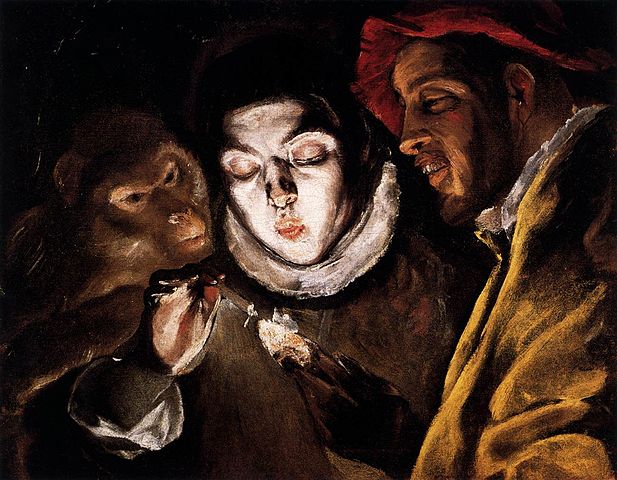
October 2
Annie Leibovitz (1949– ) — American photographer best known for iconic celebrity portraits and influential editorial photography for Rolling Stone and Vanity Fair.
Françoise-Jeanne Ridderbosch (1754–1837) — Flemish painter best known for finely detailed flower still lifes and fruit compositions in the late Baroque tradition.
Hans Smidth (1839–1907) — Danish painter best known for realistic depictions of rural life, landscapes, and fishermen along the Danish coast.
October 3
Pierre Bonnard (1867–1947) — French painter best known for luminous Post-Impressionist interiors, landscapes, and intimate domestic scenes filled with rich color.
Henri Evenepoel
A. Y. Jackson (1882–1974) — Canadian painter best known as a founding member of the Group of Seven, celebrated for expressive landscapes of the Canadian wilderness.
Kyriak Kostandi (1852–1921) — Ukrainian painter best known for Impressionist-influenced landscapes and quietly observed scenes of everyday life around Odesa.
Karin Larsson
Henry Lerolle (1848–1929) — French painter best known for refined Realist and Symbolist works, portraits, and musical gatherings featuring leading cultural figures.
Clara Southern (1860–1940) — Australian painter best known for Impressionist landscapes depicting rural Victoria, especially misty river scenes and eucalyptus forests.
October 4
Pietro Consagra (1920–2005) — Italian sculptor best known for abstract, flattened sculptures that became landmarks of postwar Italian modernism.
Lucas Cranach the Younger (1515–1586) — German Renaissance painter best known for continuing his father’s workshop and producing portraits, religious works, and mythological scenes.
Ester Ellqvist (1880–1918) — Swedish painter best known for portraits, landscapes, and as one of the early professionally trained women artists in Sweden.
Arthur Fitger (1840–1909) — German painter, writer, and poet best known for historical and allegorical paintings in the Academic tradition.
Daniel Huntington (1816–1906) — American painter best known for portraits, historical subjects, and serving as president of the National Academy of Design.
György Kepes (1906–2001) — Hungarian-born American artist, designer, and educator best known for integrating art, science, and visual perception.
Jean-François Millet (1814–1875) — French Barbizon School painter best known for dignified depictions of peasants, including The Gleaners and The Angelus.
Giovanni Battista Piranesi (1720–1778) — Italian printmaker, architect, and archaeologist best known for dramatic etchings of Rome and his imaginative Imaginary Prisons series.
Frederic Remington (1861–1909) — American painter, illustrator, and sculptor best known for vivid depictions of the American West, cowboys, cavalry, and Native Americans.
Francesco Solimena (1657–1747) — Italian Baroque painter best known for grand religious, mythological, and allegorical frescoes and altarpieces.
Rudolf Swoboda (1859–1914) — Austrian painter best known for portraits and ethnographic studies created during his travels in India.
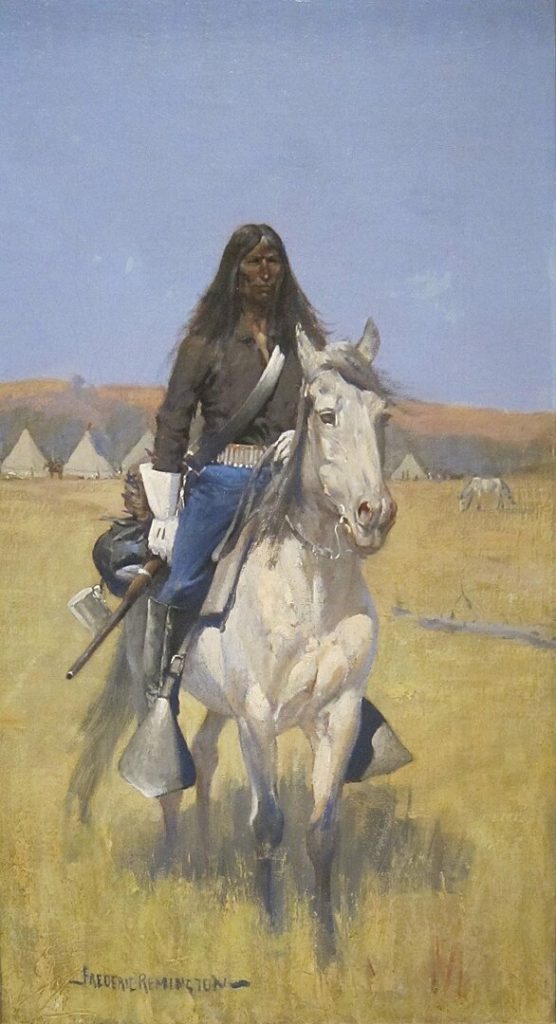
October 5
Max Ackermann (1887–1975) — German painter best known for pioneering abstract art in Germany through vibrant geometric and lyrical compositions.
Thomas Pollock Anshutz (1851–1912) — American painter and teacher best known for The Ironworkers’ Noontime and for mentoring generations of American artists.
Louis Betts
Édouard Detaille (1848–1912) — French Academic painter best known for meticulously detailed military scenes depicting the French army and nineteenth-century warfare.
Francesco Guardi (1712–1793) — Italian painter best known for luminous Venetian cityscapes, or vedute, capturing the beauty of eighteenth-century Venice.
Maya Lin (1959– ) — American architect and sculptor best known for designing the Vietnam Veterans Memorial in Washington, D.C.
Carl Moon
Ellen Thesleff (1869–1954) — Finnish painter best known for expressive Symbolist and modernist works featuring landscapes, portraits, and luminous color.
Friedrich Bernhard Westphal (1829–1885) — German painter best known for detailed landscapes and architectural views of northern Germany.
Verner Moore White (1877–1961) — American painter best known for Impressionist landscapes, coastal scenes, and views of the American West.
October 6
Carl Gabriel Adelsköld (1830–1907) — Swedish architect best known for designing railway stations, public buildings, and infrastructure during Sweden’s nineteenth-century railway expansion.
Louis Joseph Bahin (1813–1903) — French painter best known for portraits, historical subjects, and genre scenes exhibited at the Paris Salon.
Paula Scher (1948) — American graphic designer best known for influential identity systems, typography, and branding work that transformed contemporary graphic design.
Frank M. Sutcliffe (1853–1941) — English photographer best known for evocative photographs documenting everyday life, fishing communities, and landscapes around Whitby.
Serhiy Svetoslavsky (1857–1931) — Ukrainian painter best known for atmospheric landscapes, city views, and scenes of rural life across Ukraine.
Adolf von Hildebrand (1847–1921) — German sculptor best known for monumental public sculptures and his influential writings on the principles of artistic form.
October 7
John White Alexander (1856–1915) — American painter best known for elegant portraits of society figures and decorative Symbolist compositions with refined tonal harmonies.
Nicola Biondi (1866–1929) — Italian painter best known for colorful genre scenes, portraits, and lively depictions of everyday Neapolitan life.
Rosalba Carriera (1673–1757) — Italian Rococo painter best known for exquisite pastel portraits that helped establish pastel as a respected artistic medium.
Marcel Dyf (1899–1985) — French painter best known for Impressionist-inspired landscapes, floral still lifes, and scenes of the French countryside.
Jean-Paul Riopelle (1923–2002) — Canadian painter and sculptor best known for expressive abstract paintings created with richly textured palette-knife techniques.
J. W. Tristram (1882–1953) — English painter and illustrator best known for watercolors of architectural subjects, landscapes, and historic buildings in Britain and Europe.
Gustav Wentzel (1859–1927) — Norwegian painter best known for realistic interior scenes and carefully observed depictions of everyday domestic life.
October 8
Ivar Arosenius (1878–1909) — Swedish painter and illustrator best known for whimsical fairy-tale scenes, self-portraits, and children’s book illustrations.
Lucienne de Saint-Mart (1866–1943) — French painter best known for portraits, floral still lifes, and refined decorative compositions.
Hans Heysen (1877–1968) — German-born Australian painter best known for monumental landscapes featuring eucalyptus trees and the Australian bush.
Kitty Kielland (1843–1914) — Norwegian painter best known for naturalistic landscapes, especially the moorlands of Jæren.
Ozias Leduc (1864–1955) — Canadian painter best known for Symbolist religious murals, church decorations, and luminous still lifes.
Gother Victor Fyers Mann (1863–1948) — English painter best known for portraits, genre scenes, and sporting subjects.
Petre Otskheli (1907–1937) — Georgian stage designer and graphic artist best known for innovative avant-garde theater designs.
Faith Ringgold (1930–2024) — American artist best known for narrative story quilts exploring African American history, identity, and culture.
Max Slevogt (1868–1932) — German painter and illustrator best known as a leading German Impressionist for portraits, landscapes, and historical scenes.
John Calvin Stevens
Cornelis Troost (1696–1750) — Dutch painter and actor best known for lively genre scenes, theatrical subjects, and group portraits.
October 9
Thomas Baker (1809–1864) — English landscape painter best known for atmospheric woodland scenes and pastoral views inspired by the countryside around Leamington Spa.
Louis-Simon Boizot (1743–1809) — French sculptor and designer best known for elegant Neoclassical models created for the Sèvres porcelain manufactory.
Frank Duveneck (1848–1919) — American painter best known for bold portraits, figure paintings, and his influential role as a teacher of American artists.
Jean-Baptiste Regnault (1754–1829) — French Neoclassical painter best known for grand historical and mythological works exhibited during the late eighteenth century.
Nicholas Roerich (1874–1947) — Russian painter, writer, and explorer best known for mystical Himalayan landscapes and scenes inspired by history and spirituality.
Peter Saville (1955– ) — English graphic designer best known for iconic album covers for Factory Records, including those of Joy Division and New Order.
Simeon Solomon (1840–1905) — English painter best known for Pre-Raphaelite works exploring biblical, literary, and classical themes with rich symbolism.
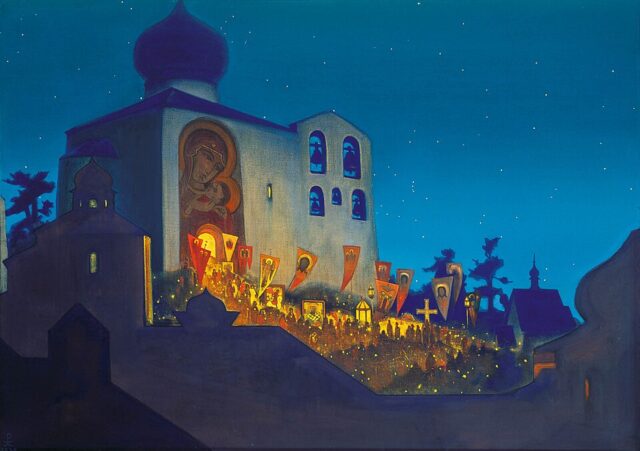
October 10
Lambert-Sigisbert Adam (1700–1759) — French sculptor best known for dynamic Baroque fountains, mythological figures, and monumental garden sculptures.
Stanisław Czerski (1882–1969) — Polish painter best known for landscapes, portraits, and scenes of rural life rendered in a traditional realist style.
Juan de Barroeta (1835–1906) — Spanish painter best known for portraits, historical scenes, and genre paintings associated with the Basque Country.
Nicolas de Largillière (1656–1746) — French Baroque painter best known for elegant portraits of the French aristocracy and wealthy bourgeoisie.
Alberto Giacometti (1901–1966) — Swiss sculptor and painter best known for elongated bronze figures that became icons of modern art.
Daidō Moriyama (1938– ) — Japanese photographer best known for gritty black-and-white street photography exploring postwar urban life in Japan.
François-Édouard Picot (1786–1868) — French Neoclassical painter best known for historical, mythological, and religious works produced for the Paris Salon.
Nicolae Vermont
Antoine Watteau (1684–1721) — French Rococo painter best known for graceful fêtes galantes depicting elegant outdoor gatherings and poetic romance.
October 11
Thomas Alison (1813–1870) — Scottish painter best known for landscapes and genre scenes depicting rural life and the scenery of Scotland.
George Ault (1891–1948) — American painter best known for haunting Precisionist and Realist landscapes portraying quiet streets, factories, and small-town America.
Reynolds Beal (1866–1951) — American painter best known for colorful Impressionist harbor scenes, marine subjects, and lively depictions of coastal life.
James Barry (1741–1806) — Irish painter best known for ambitious history paintings, especially the monumental mural cycle The Progress of Human Culture.
Fred S. Cozzens (1846–1928) — American illustrator and painter best known for marine subjects, yachting scenes, and illustrations for popular nineteenth-century magazines.
Barend Cornelis Koekkoek (1803–1862) — Dutch painter best known for majestic Romantic forest landscapes that earned him recognition as one of the Netherlands’ greatest landscape artists.
Johan Erik Lindh (1873–1896) — Finnish painter best known for atmospheric landscapes and Symbolist-inspired works produced during his brief but promising career.
October 12
Louis Marie de Schryver (1862–1942) — French painter best known for elegant Belle Époque street scenes, fashionable women, and refined Parisian genre paintings.
Edwin Wilkins Field (1800–1871) — English painter best known for idyllic rural landscapes and pastoral scenes depicting the English countryside.
Al Held (1928–2005) — American painter best known for large-scale abstract paintings featuring bold geometric forms and vibrant color.
Guido Molinari (1933–2004) — Canadian painter best known for hard-edge abstract paintings composed of rhythmic vertical bands of vivid color.
Oscar Wergeland (1844–1910) — Norwegian painter best known for historical paintings, especially The Constitutional Assembly at Eidsvoll in 1814, depicting Norway’s founding assembly.
October 13
Martin Aagaard (1863–1913) — Danish painter best known for atmospheric landscapes, coastal scenes, and naturalistic views of the Danish countryside.
Mariotto Albertinelli (1474–1515) — Italian Renaissance painter best known for religious altarpieces created in Florence, including works produced in collaboration with Fra Bartolomeo.
Antonio Berni
Mosè Bianchi
François-Alfred Delobbe (1835–1920) — French painter best known for charming Breton genre scenes, portraits, and depictions of everyday rural life.
Johann Dominicus Fiorillo (1748–1821) — German painter and art historian best known for his influential histories of European art and his landscape paintings.
Allan Ramsay (1713–1784) — Scottish portrait painter best known for elegant portraits of the British aristocracy, including official likenesses of King George III.
Pierre Adolphe Valette
October 14
Alesso Baldovinetti (1425–1499) — Italian Renaissance painter best known for meticulously detailed religious works, portraits, and innovative experiments with landscape and color.
Rezső Bálint (1885–1945) — Hungarian painter best known for expressive Post-Impressionist and Fauvist-inspired landscapes, still lifes, and urban scenes.
Heinrich Breling (1849–1914) — German painter best known for military subjects, equestrian portraits, and official paintings for the Prussian and Imperial German courts.
Benjamin West Clinedinst (1859–1931) — American painter and illustrator best known for historical scenes, portraits, and murals created in a traditional academic style.
Gabriel Guay (1848–1923) — Canadian painter best known for landscapes of Quebec and rural scenes reflecting the French-Canadian countryside.
Adolphe Monticelli
October 15
Ralph Albert Blakelock (1847–1919) — American painter best known for poetic landscapes, moonlit forest scenes, and expressive Tonalist compositions.
Yan’ Dargent (Jean Édouard Dargent) (1824–1899) — French painter and illustrator best known for Breton folklore, religious scenes, and dramatic book illustrations.
Vittore Grubicy de Dragon
Gabriel Guay (1848–1923) — Canadian painter best known for landscapes and rural scenes depicting the countryside of Quebec.
Jóhannes Sveinsson Kjarval
Giovanni Migliara (1785–1837) — Italian painter best known for meticulously detailed architectural interiors and city views in the Romantic tradition.
Christian Mølsted
Morton Livingston Schamberg (1881–1918) — American painter and photographer best known as an early modernist whose works anticipated Precisionism and Dada.
Thamine Tadama-Groeneveld
James Tissot (1836–1902) — French painter best known for elegant Victorian society scenes and his richly illustrated series on the life of Christ.
John Vanderlyn (1775–1852) — American Neoclassical painter best known for historical subjects, portraits, and Ariadne Asleep on the Island of Naxos.
Nicolaas van der Waay (1855–1936) — Dutch painter and illustrator best known for genre scenes, portraits, and decorative murals reflecting everyday Dutch life.
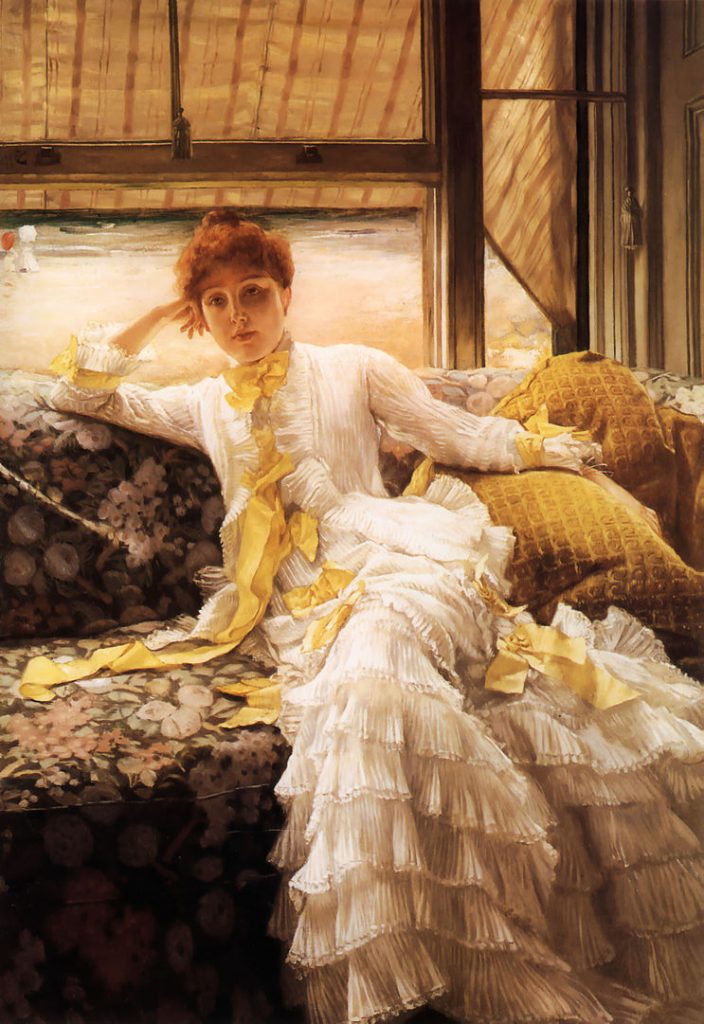
October 16
Joseph Ignaz Appiani (1706–1785) — German fresco painter best known for elegant Rococo ceiling paintings and decorative schemes for churches and palaces.
Rembrandt Bugatti (1884–1916) — Italian sculptor best known for expressive bronze sculptures of wild animals inspired by observations at European zoos.
Daniel Chodowiecki (1726–1801) — Polish-born German painter and printmaker best known for finely detailed etchings illustrating everyday eighteenth-century life.
Frank Cadogan Cowper (1877–1958) — English painter best known for richly detailed historical and literary works in the late Pre-Raphaelite tradition.
Ray Johnson (1927–1995) — American artist best known for pioneering mail art and innovative collage works that anticipated Conceptual art.
Pierre Paul Puget (1620–1694) — French sculptor, painter, and architect best known for dramatic Baroque sculptures such as Milo of Croton.
Paul Strand (1890–1976) — American photographer and filmmaker best known for pioneering modernist photography through sharply focused images and social documentary work.
October 17
Cristofano Allori (1577–1621) — Italian painter best known for refined late Mannerist religious works, especially Judith with the Head of Holofernes.
Stefan Bakałowicz (1857–1947) — Polish painter best known for richly detailed scenes of ancient Rome and elegant classical interiors.
Bartolommeo Bandinelli (1493–1560) — Italian sculptor and painter best known for monumental Mannerist sculptures, including Hercules and Cacus in Florence.
Adolphe-Félix Cals (1810–1880) — French painter best known for landscapes, still lifes, and genre scenes associated with the Barbizon School and early Impressionism.
Canaletto (Giovanni Antonio Canal) (1697–1768) — Italian painter best known for luminous Venetian cityscapes and meticulously detailed architectural views.
Bruce Crane
Alexander Gardner (1821–1882) — Scottish-born American photographer best known for documenting the American Civil War and photographing Abraham Lincoln.
Jeremiah Gurney (1812–1895) — American photographer best known for pioneering portrait photography and operating one of New York City’s leading photographic studios.
Childe Hassam (1859–1935) — American Impressionist painter best known for vibrant city scenes, coastal landscapes, and his celebrated Flag series.
Roderic O’Conor (1860–1940) — Irish painter best known for bold Post-Impressionist landscapes and expressive use of color inspired by Brittany.
Jean-Marie Valentin
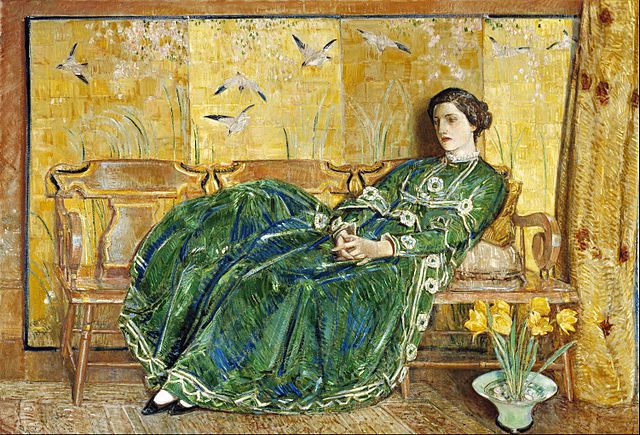
October 18
Hans Bendel (1907–1975) — German-born American painter and illustrator best known for landscapes, portraits, and scenes celebrating rural American life.
James Brooks (1906–1992) — American painter best known as a leading Abstract Expressionist whose gestural canvases emphasized color, movement, and texture.
Canaletto (Giovanni Antonio Canal) (1697–1768) — Italian painter best known for luminous Venetian cityscapes and meticulously detailed architectural views.
Luca Giordano (1634–1705) — Italian Baroque painter best known for his remarkably rapid execution and grand frescoes decorating churches and palaces across Europe.
Thomas Phillips (1770–1845) — English portrait painter best known for distinguished likenesses of leading writers, scientists, and statesmen of the Romantic era.
October 19
Pierre Alechinsky (1927) — Belgian painter and printmaker best known for expressive abstract works as a leading member of the CoBrA movement.
Umberto Boccioni (1882–1916) — Italian painter and sculptor best known as a leading Futurist artist, especially for Unique Forms of Continuity in Space.
Emil Carlsen (1848–1932) — Danish-born American painter best known for luminous still lifes and atmospheric landscapes inspired by Tonalism and Impressionism.
José Charlet (1896–1962) — Mexican painter, sculptor, architect, and engraver best known for monumental public art and works inspired by Mexican history and culture.
Charles Cordier (1827–1905) — French sculptor best known for ethnographic portrait busts celebrating the diversity of peoples from around the world.
Amélie Legrand de Saint-Aubin (1798–1871) — French illustrator and draftswoman best known for detailed sketches documenting everyday life and fashion in nineteenth-century Paris.
Jacqueline Marval
Peter Max (1937) — German-born American artist best known for colorful Pop Art images featuring cosmic themes, celebrities, and patriotic subjects.
Hjalmar Munsterhjelm (1840–1905) — Finnish painter best known for realistic forest landscapes and tranquil rural scenes depicting the Finnish countryside.
Mieczysław Szczuka (1898–1927) — Polish painter, graphic designer, and Constructivist artist best known for avant-garde typography, photomontages, and book designs.
Serhii Vasylkivsky (1854–1917) — Ukrainian painter best known for lyrical landscapes and Cossack themes celebrating the history and scenery of Ukraine.
Theodoros Vryzakis
October 20
Aelbert Cuyp (1620–1691) — Dutch Golden Age painter best known for luminous pastoral landscapes, river scenes, and tranquil views with cattle.
Andrea della Robbia (1435–1525) — Italian Renaissance sculptor best known for colorful glazed terracotta reliefs of religious subjects and devotional figures.
Ludwig Fahrenkrog (1867–1952) — German painter, illustrator, and designer best known for Symbolist works inspired by Germanic mythology and folklore.
Charles Wynne Nicholls (1831–1903) — English painter best known for portraits, genre scenes, and literary subjects in the Victorian tradition.
Frits Thaulow (1847–1906) — Norwegian painter best known for luminous landscapes and flowing river scenes rendered in an Impressionist style.
October 21
Jan Altink (1885–1971) — Dutch painter and printmaker best known as a member of the De Ploeg group, creating expressive landscapes and colorful village scenes.
Mark Antokolsky (1843–1902) — Russian sculptor best known for realistic historical sculptures, including acclaimed monuments to Ivan the Terrible and Peter the Great.
Wyke Bayliss
Domenichino (1581–1641) — Italian Baroque painter best known for classical religious frescoes and masterpieces such as The Last Communion of Saint Jerome.
John Hayter (1800–1895) — English painter best known for portraits, genre scenes, and instructional books that taught drawing and perspective to aspiring artists.
Katsushika Hokusai (1760–1849) — Japanese ukiyo-e artist best known for The Great Wave off Kanagawa and the influential print series Thirty-six Views of Mount Fuji.
Luis López Piquer (1802–1865) — Spanish painter best known for portraits, religious works, and historical paintings in the academic tradition.
Horace Wolcott Robbins (1842–1904) — American painter best known for landscapes of New England and Europe, combining detailed realism with luminous atmospheric effects.
October 22
Harry Callahan (1912–1999) — American photographer best known for innovative black-and-white photographs of urban scenes, nature, and intimate portraits of his wife, Eleanor.
Robert Capa (1913–1954) — Hungarian-American photojournalist best known for his powerful frontline photographs of the Spanish Civil War and the Second World War.
Auguste Clésinger (1814–1883) — French sculptor and painter best known for the controversial marble sculpture Woman Bitten by a Snake.
Peter Driben
August Gaul
Mary McEvoy (1861–1899) — Irish painter best known for Impressionist-influenced portraits, interiors, and scenes of domestic life created in France and Ireland.
Robert Rauschenberg (1925–2008) — American painter and mixed-media artist best known for his groundbreaking Combines, which merged painting with everyday objects.
Walter Withers (1854–1914) — English-born Australian painter best known for Impressionist landscapes and as a leading member of the Heidelberg School.
N. C. Wyeth (1882–1945) — American illustrator and painter best known for his classic book illustrations, including Treasure Island and Robin Hood.
October 23
Jean-Louis Forain (1852–1931) — French painter, illustrator, and printmaker best known for satirical depictions of Parisian society, the theater, and the courtroom.
Maggi Hambling (1945– ) — English painter and sculptor best known for expressive portraits, dramatic seascapes, and major public sculptures across Britain.
Lawren Harris (1885–1970) — Canadian painter best known as a founding member of the Group of Seven and for his striking northern landscapes.
Fletcher Ransom
Adalbert Stifter (1805–1868) — Austrian landscape painter and writer best known for his literary works, while also creating carefully observed landscapes and nature studies.
James Ward (1769–1859) — English painter and engraver best known for dramatic animal paintings, rural landscapes, and powerful depictions of horses and livestock.
October 24
Gunnar Berndtson (1854–1895) — Finnish painter best known for elegant portraits and genre scenes combining academic realism with refined French influences.
Jørgen Boberg (1940–2009) — Danish painter best known for meticulously rendered surrealist works exploring illusion, symbolism, and psychological themes.
Louis Braquaval (1854–1919) — French painter best known for luminous landscapes and coastal scenes associated with the Impressionist movement.
Charles Conder (1868–1909) — English-born Australian painter best known for Impressionist landscapes and decorative works created in Australia and France.
Eugène Fromentin (1820–1876) — French painter and writer best known for evocative Orientalist scenes inspired by his travels in North Africa.
Jan Lievens
David Roberts (1796–1864) — Scottish painter best known for detailed architectural views and monumental landscapes of Egypt, the Holy Land, and Europe.
Henryk Siemiradzki (1843–1902) — Polish painter best known for grand Academic scenes of ancient Greece and Rome filled with dramatic historical detail.
Konstantin Yuon (1875–1958) — Russian painter best known for colorful landscapes, snowy village scenes, and views celebrating historic Russian architecture.
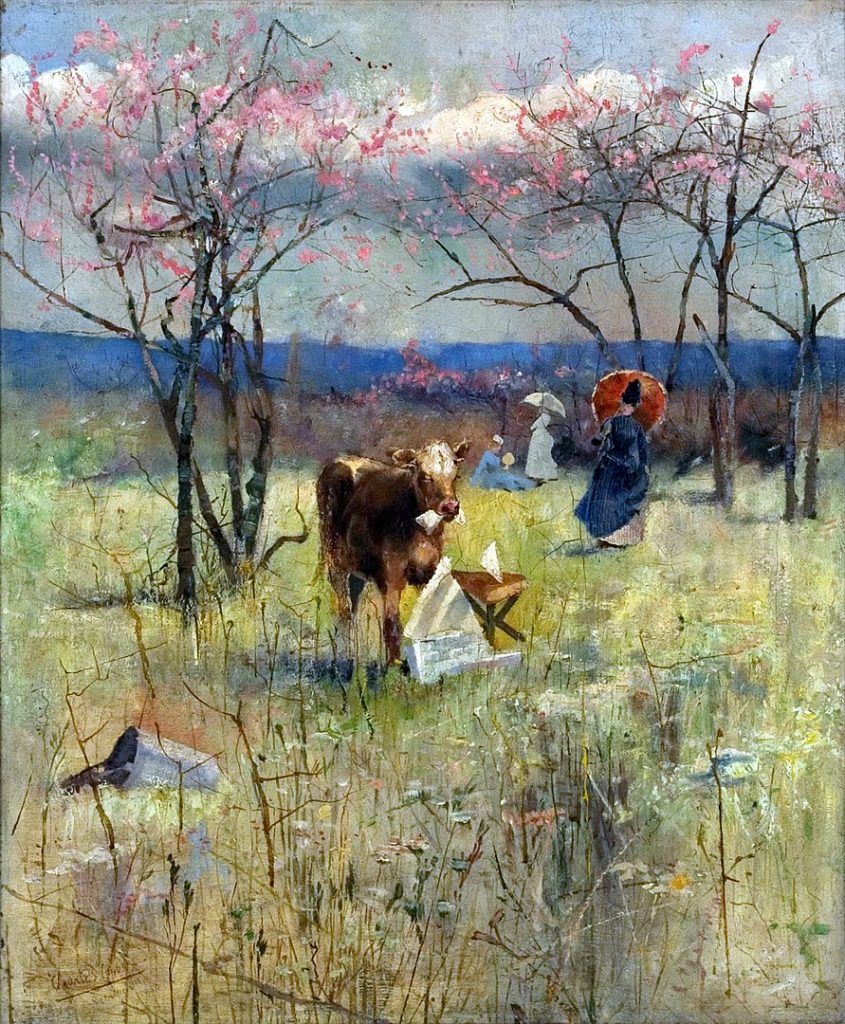
October 25
Josep Berga i Boix (1837–1914) — Catalan painter best known for landscapes, religious works, and helping establish the Olot School of landscape painting.
Richard Parkes Bonington (1802–1828) — English Romantic painter best known for luminous coastal landscapes, watercolor views, and scenes of France and Italy.
Ludwig von Gleichen-Rußwurm (1836–1901) — German painter best known as one of Germany’s earliest Impressionists, celebrated for atmospheric rural landscapes.
Ismail Gulgee (1926–2007) — Pakistani painter best known for expressive abstract calligraphic works blending Islamic traditions with modern art.
Peter Jacob Horemans (1700–1776) — Flemish painter best known for finely detailed genre scenes, portraits, and courtly interiors in eighteenth-century Germany.
Walter Leistikow
Pablo Picasso (1881–1973) — Spanish painter and sculptor best known for co-founding Cubism and creating masterpieces including Les Demoiselles d’Avignon and Guernica.
Avto Varazi (1926–1977) — Georgian painter best known for expressive modernist works combining abstraction with influences from Georgian artistic traditions.
Raymond Woog
October 26
Albert Jacob Frans Gregorius (1774–1853) — Belgian painter best known for refined portraits of aristocrats and prominent citizens created in the Neoclassical tradition.
Cornelis Lieste
Friedrich Paul Nerly (1842–1919) — German painter best known for luminous Venetian cityscapes, architectural views, and atmospheric landscapes inspired by Italy.
Vasily Vereshchagin (1842–1904) — Russian painter best known for powerful battle scenes and realistic depictions of war, Central Asia, and the Balkans.
October 27
Kenyon Cox (1856–1919) — American painter, muralist, and art critic best known for Classical murals and influential writings defending academic art.
Lee Krasner (1908–1984) — American painter best known for pioneering Abstract Expressionist works and her innovative, emotionally charged abstract compositions.
Roy Lichtenstein (1923–1997) — American painter best known for Pop Art paintings inspired by comic books, featuring bold outlines and Ben-Day dots.
William Macleod (1850–1925) — Scottish painter best known for landscapes, coastal scenes, and atmospheric depictions of the Scottish countryside.
Mary Moser (1744–1819) — English painter best known for elegant floral paintings and for being one of the two female founding members of the Royal Academy.
Walt Kuhn (1877–1949) — American painter best known for expressive portraits of circus performers and for helping organize the landmark 1913 Armory Show.
October 28
Francis Bacon (1909–1992) — Irish-born British painter best known for haunting, emotionally charged figurative works exploring the human condition.
Thomas Millie Dow (1848–1919) — Scottish painter best known for atmospheric landscapes and decorative compositions associated with the Glasgow Boys.
Frank Feller
L. Birge Harrison (1854–1929) — American Tonalist painter best known for luminous winter landscapes and his influential teaching of landscape painting.
William Hodges (1744–1797) — English painter best known for dramatic landscapes documenting Captain James Cook’s voyages and his travels in India.
Klavdy Lebedev
Homer Dodge Martin (1836–1897) — American painter best known for poetic Tonalist landscapes emphasizing mood, light, and the quiet beauty of nature.
William Simpson (1823–1899) — Scottish artist and war correspondent best known for detailed lithographs documenting the Crimean War and other nineteenth-century conflicts.
Bartholomeus van Hove (1790–1880) — Dutch painter best known for architectural interiors, church scenes, and sunlit city views of nineteenth-century Holland.
October 29
Niki de Saint Phalle (1930–2002) — French American sculptor, painter, and filmmaker best known for her colorful Nanas sculptures and monumental public art installations.
Georg Desmarées (1697–1776) — Swedish-born German painter best known for elegant Baroque portraits of Bavarian nobility and members of European courts.
Henrietta Maria Gulliver (1846–1945) — English painter best known for still lifes, floral subjects, and carefully observed genre paintings exhibited during the Victorian era.
Bob Ross (1942–1995) — American painter and television host best known for teaching landscape painting on The Joy of Painting with his calm, encouraging style.
Andrei Ryabushkin (1861–1904) — Russian painter best known for richly detailed historical scenes depicting everyday life in seventeenth-century Russia.
Georgy Konstantinovich Totibadze (1967– ) — Georgian painter best known for expressive contemporary figurative works, landscapes, and still lifes distinguished by bold color.
October 30
Prosper Baccuet (1797–1854) — French painter and lithographer best known for landscapes, military subjects, and travel views of North Africa and the Middle East.
Emil Bærentzen (1799–1868) — Danish painter and lithographer best known for portraits and for helping popularize lithography during the Danish Golden Age.
Antoine Bourdelle (1861–1929) — French sculptor best known for monumental expressive sculptures and as a leading student and assistant of Auguste Rodin.
Christen Dalsgaard (1824–1907) — Danish painter best known for intimate genre scenes depicting rural life during the Danish Golden Age.
Sawrey Gilpin (1733–1807) — English painter best known for spirited paintings of horses, sporting subjects, and animal portraits.
George Frederick Harris (1856–1924) — English painter best known for landscapes, coastal scenes, and illustrations inspired by the British countryside.
Albert Sisley (1839–1899) — British-born French Impressionist painter best known for luminous landscapes capturing rivers, villages, and changing atmospheric effects.
Emmi Walther (1875–1936) — German sculptor best known for portrait busts, animal sculptures, and expressive works created in bronze and stone.
October 31
Philip James de Loutherbourg (1740–1812) — French-born British painter best known for dramatic landscapes, theatrical scenery, and innovative stage effects in eighteenth-century London.
Meindert Hobbema (1638–1709) — Dutch Golden Age painter best known for tranquil woodland landscapes, winding roads, and watermills rendered with remarkable naturalism.
Marie Laurencin (1883–1956) — French painter and printmaker best known for graceful portraits of women painted in soft pastel colors with a distinctive modern style.
Helmut Newton (1920–2004) — German-born Australian photographer best known for bold, stylish fashion photography and provocative black-and-white portraits.
Johannes Vermeer (1632–1675) — Dutch Golden Age painter best known for luminous domestic interiors, including Girl with a Pearl Earring and The Milkmaid.
November 1
Stephen Antonakos (1926–2013) — Greek-born American sculptor best known for minimalist neon light installations and geometric abstract compositions.
Jules Bastien-Lepage (1848–1884) — French painter best known for Naturalist depictions of rural life and sympathetic portraits of French peasants.
Paul-Émile Borduas (1905–1960) — Canadian painter best known for pioneering Abstract Expressionism in Canada and leading the Automatistes movement.
Margaret Taylor-Burroughs (1915–2010) — American artist, writer, and educator best known for co-founding the DuSable Museum of African American History.
Antonio Canova (1757–1822) — Italian Neoclassical sculptor best known for graceful marble masterpieces inspired by classical mythology and antiquity.
William Merritt Chase (1849–1916) — American Impressionist painter best known for elegant portraits, landscapes, still lifes, and influential art instruction.
Pietro da Cortona (1596–1669) — Italian Baroque painter and architect best known for monumental ceiling frescoes and grand decorative schemes.
Darío de Regoyos (1857–1913) — Spanish painter best known for Impressionist and Post-Impressionist landscapes filled with vibrant light and color.
Louis Dewis (1872–1946) — Belgian painter best known for luminous Impressionist landscapes and quiet scenes of France and Belgium.
Hannah Höch (1889–1978) — German artist best known for pioneering Dada photomontage and exploring themes of gender and modern society.
Werner Holmberg (1830–1860) — Finnish landscape painter best known for poetic forest scenes and views of the Finnish countryside.
George Kenner (1888–1971) — American painter best known for portraits, murals, and illustrations inspired by Native American subjects.
L. S. Lowry (1887–1976) — English painter best known for distinctive industrial scenes populated by his famous “matchstick” figures.
William Mathias (1929–1992) — Welsh composer best known for orchestral, choral, and chamber music, including works for royal occasions.
Johan Rohde (1856–1935) — Danish painter and designer best known for helping shape modern Danish decorative arts and furniture design.
Yuko Shimizu (1966– ) — Japanese illustrator best known for bold contemporary illustrations blending traditional Japanese influences with modern graphic design.
Ernst Stöhr (1860–1917) — Austrian painter, writer, and graphic artist best known for Symbolist works associated with the Vienna Secession.
Carla van de Puttelaar (1967– ) — Dutch photographer best known for luminous fine art portraits emphasizing skin, light, and classical beauty.
Carlos Páez Vilaró (1923–2014) — Uruguayan painter, sculptor, and muralist best known for colorful Afro-Uruguayan themes and creating Casapueblo.
Olga Wisinger-Florian (1844–1926) — Austrian painter best known for Impressionist-inspired floral still lifes and vibrant garden landscapes.
Bill Woodrow (1948– ) — British sculptor best known for inventive sculptures transforming everyday manufactured objects into thought-provoking artworks.
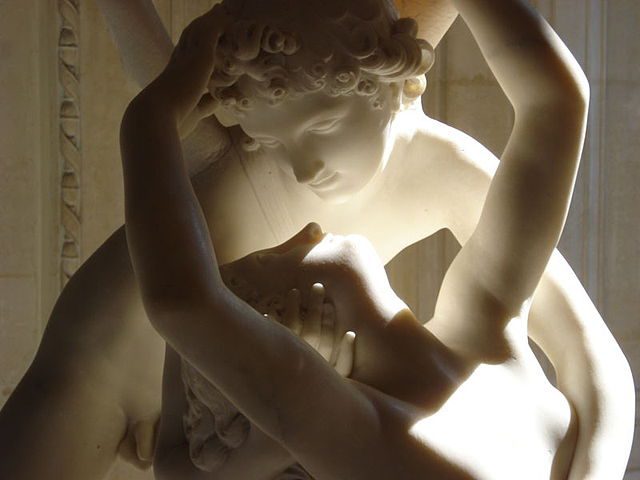
November 2
Marilla Adams (1861–1948) — Canadian painter best known for portraits, floral still lifes, and genre scenes inspired by everyday life in Ontario.
Émile Bayard (1837–1891) — French illustrator best known for memorable book illustrations, including editions of Les Misérables and Uncle Tom’s Cabin.
Jean Siméon Chardin (1699–1779) — French painter best known for masterful still lifes and quiet domestic scenes celebrated for their realism and subtle beauty.
Debbie Millman (1961– ) — American graphic designer, author, and educator best known for her influential work in branding and for hosting the Design Matters podcast.
Richard Serra (1938–2024) — American sculptor best known for monumental steel sculptures that transform viewers’ experience of space and movement.
November 3
Johann Adam Ackermann (1780–1853) — German painter best known for Romantic landscapes, winter scenes, and panoramic views of the Rhine and surrounding countryside.
Alfredo Andersen (1860–1935) — Norwegian-born Brazilian painter best known for landscapes, portraits, and founding an influential art school in Curitiba.
Annibale Carracci (1560–1609) — Italian Baroque painter best known for revitalizing Italian painting through monumental frescoes, especially those in the Palazzo Farnese.
Benvenuto Cellini (1500–1571) — Italian sculptor, goldsmith, and writer best known for the bronze Perseus with the Head of Medusa and his celebrated autobiography.
Thomas Ender (1793–1875) — Austrian painter best known for finely detailed landscapes, travel scenes, and scientific expedition illustrations from Europe and South America.
Walker Evans (1903–1975) — American photographer best known for documenting everyday life during the Great Depression with clear, influential documentary photographs.
Constantin Hansen (1804–1880) — Danish painter best known for history paintings, portraits, and works associated with the Danish Golden Age.
November 4
Peder Balke (1804–1887) — Norwegian painter best known for dramatic Romantic landscapes of the Arctic and Norway’s rugged coastline rendered with bold, expressive brushwork.
Charles Despiau (1874–1946) — French sculptor best known for serene, classically inspired portrait busts and monumental figurative sculptures.
Luigi Gregori
Robert Mapplethorpe (1946–1989) — American photographer best known for striking black-and-white portraits, floral studies, and carefully composed fine art photography.
Guido Reni (1575–1642) — Italian Baroque painter best known for graceful religious and mythological works distinguished by idealized beauty and refined composition.
Eduardo Rosales (1836–1873) — Spanish painter best known for historical paintings, especially The Testament of Isabella the Catholic, a masterpiece of nineteenth-century Spanish art.
Gerrit van Honthorst (1592–1656) — Dutch Golden Age painter best known for dramatic candlelit scenes and lively genre paintings influenced by Caravaggio.
November 5
Washington Allston (1779–1843) — American painter best known for poetic Romantic landscapes, literary subjects, and history paintings that influenced generations of American artists.
Joseph Apoux (1846–1910) — French illustrator and printmaker best known for macabre Symbolist imagery, especially his striking skull-themed engravings.
Richard Cosway (1742–1821) — English painter best known for elegant portrait miniatures of aristocrats created during the Georgian period.
Joseph DeCamp (1858–1923) — American painter best known for Impressionist portraits, figure paintings, and landscapes associated with the Boston School.
Raymond Duchamp-Villon (1876–1918) — French sculptor best known for Cubist-inspired works, especially The Horse, a landmark of modern sculpture.
Edward Robert Hughes (1851–1914) — English painter best known for luminous Pre-Raphaelite and Symbolist works featuring dreamlike mythological and fairy subjects.
Philips Koninck (1619–1688) — Dutch Golden Age painter best known for sweeping panoramic landscapes that captured the vast countryside of the Netherlands.
Pietro Longhi (1701–1785) — Italian painter best known for intimate genre scenes depicting everyday life and fashionable society in eighteenth-century Venice.
Jan Zrzavý (1890–1977) — Czech painter best known for poetic Symbolist landscapes and visionary compositions inspired by medieval and modern art.
November 6
Leonardo Alenza (1807–1845) — Spanish painter and printmaker best known for Romantic genre scenes, satirical works, and expressive depictions of everyday Madrid life.
Karel Benedík (1848–1927) — Czech painter best known for landscapes, rural scenes, and naturalistic views of the Bohemian countryside.
Dennis Miller Bunker (1861–1890) — American painter best known for Impressionist portraits and landscapes created during his influential but remarkably brief career.
Jefferson David Chalfant (1856–1931) — American painter best known for meticulously realistic still lifes and trompe-l’œil paintings of books, papers, and everyday objects.
Cesare Laurenti (1854–1936) — Italian painter and sculptor best known for Symbolist works, decorative murals, and elegant portraits influenced by Art Nouveau.
Alois Senefelder (1771–1834) — German actor, playwright, and inventor best known for developing lithography, a revolutionary printing process that transformed art and publishing.
November 7
Józef Chełmoński (1849–1914) — Polish painter best known for dramatic rural landscapes, lively peasant scenes, and powerful depictions of horses and wildlife.
Francisco de Zurbarán (1598–1664) — Spanish Baroque painter best known for powerful religious works distinguished by dramatic lighting and profound spiritual intensity.
Hermann Kauffmann
Jan Matulka (1890–1972) — Czech-born American painter best known for expressive modernist works and his influential teaching at the Art Students League of New York.
Paul Peel (1860–1892) — Canadian painter best known for academic figure paintings and After the Bath, one of Canada’s most celebrated nineteenth-century works.
Lili Árkayné Sztehló (1897–1978) — Hungarian painter best known for landscapes, floral still lifes, and decorative works associated with twentieth-century Hungarian art.
Oluf Wold-Torne (1867–1919) — Norwegian painter best known for colorful landscapes, decorative murals, and important contributions to Norwegian design and interior decoration.
Eugeen Yoors (1879–1975) — Belgian painter and designer best known for decorative murals, stained glass, mosaics, and monumental public artworks.
Johann Eleazar Zeissig (1737–1806) — German painter best known as Schenau for graceful Rococo genre scenes, portraits, and sentimental family subjects.
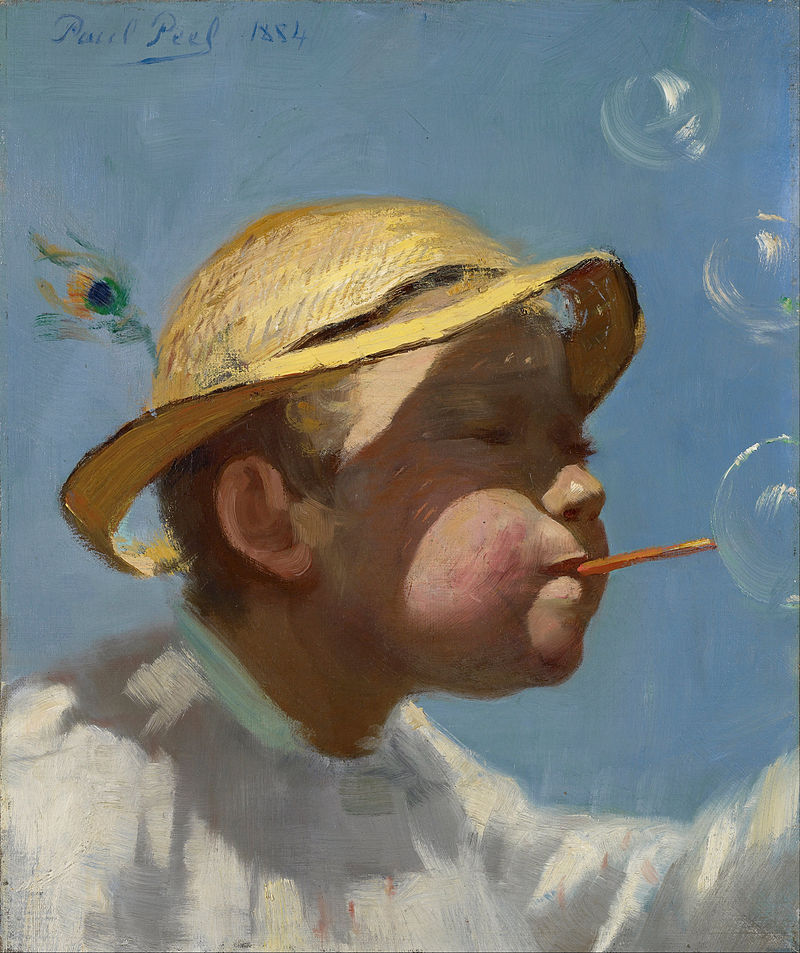
November 8
Luigi Bazzani
Charles Demuth (1883–1935) — American Modernist painter best known for Precisionist compositions and the iconic painting I Saw the Figure 5 in Gold.
Eero Järnefelt (1863–1937) — Finnish painter best known for realistic landscapes, portraits, and depictions of rural Finnish life.
Hermann Zapf (1918–2015) — German typeface designer, calligrapher, and book designer best known for creating the typefaces Palatino and Optima.
November 9
Carl Wilhelm Bøckmann Barth (1847–1919) — Norwegian painter best known for atmospheric landscapes of forests, rivers, and mountains inspired by the natural scenery of Norway.
Robert Frank (1924–2019) — Swiss-born American photographer best known for The Americans, a groundbreaking photographic study of postwar American life.
Gigo Gabashvili (1862–1936) — Georgian painter best known for realistic portraits, Orientalist scenes, and depictions of everyday life in the Caucasus and Central Asia.
Ena Rottenberg
Ladislav Sutnar (1897–1976) — Czech graphic designer best known for pioneering modern information design, typography, and clear visual communication systems.
Wilhelm von Gegerfelt (1844–1920) — Swedish painter best known for luminous landscapes, coastal scenes, and sunlit views painted in a naturalistic style.
November 10
Jacob Epstein (1880–1959) — American-born British sculptor best known for bold modernist public monuments, portrait busts, and expressive figurative sculpture.
William Hogarth (1697–1764) — English painter and printmaker best known for satirical narrative series such as A Rake’s Progress and Marriage A-la-Mode.
Louis le Brocquy (1916–2012) — Irish painter best known for haunting portrait heads and expressive figurative works inspired by Irish history and literature.
El Lissitzky (1890–1941) — Russian artist, architect, and designer best known for Constructivist compositions, innovative typography, and influential graphic design.
November 11
Cornelis Christiaan Dommersen (1842–1928) — Dutch painter best known for atmospheric marine scenes, harbor views, and Dutch canal landscapes.
Roberto Matta (1911–2002) — Chilean painter best known for Surrealist abstract compositions exploring the subconscious through imaginative, otherworldly forms.
Paul Signac (1863–1935) — French Neo-Impressionist painter best known for pioneering Pointillism alongside Georges Seurat and creating luminous coastal landscapes.
Frans Snyders (1579–1657) — Flemish Baroque painter best known for dynamic still lifes, hunting scenes, and vivid paintings of animals.
Édouard Vuillard (1868–1940) — French painter best known for intimate domestic interiors and decorative compositions associated with the Nabis movement.
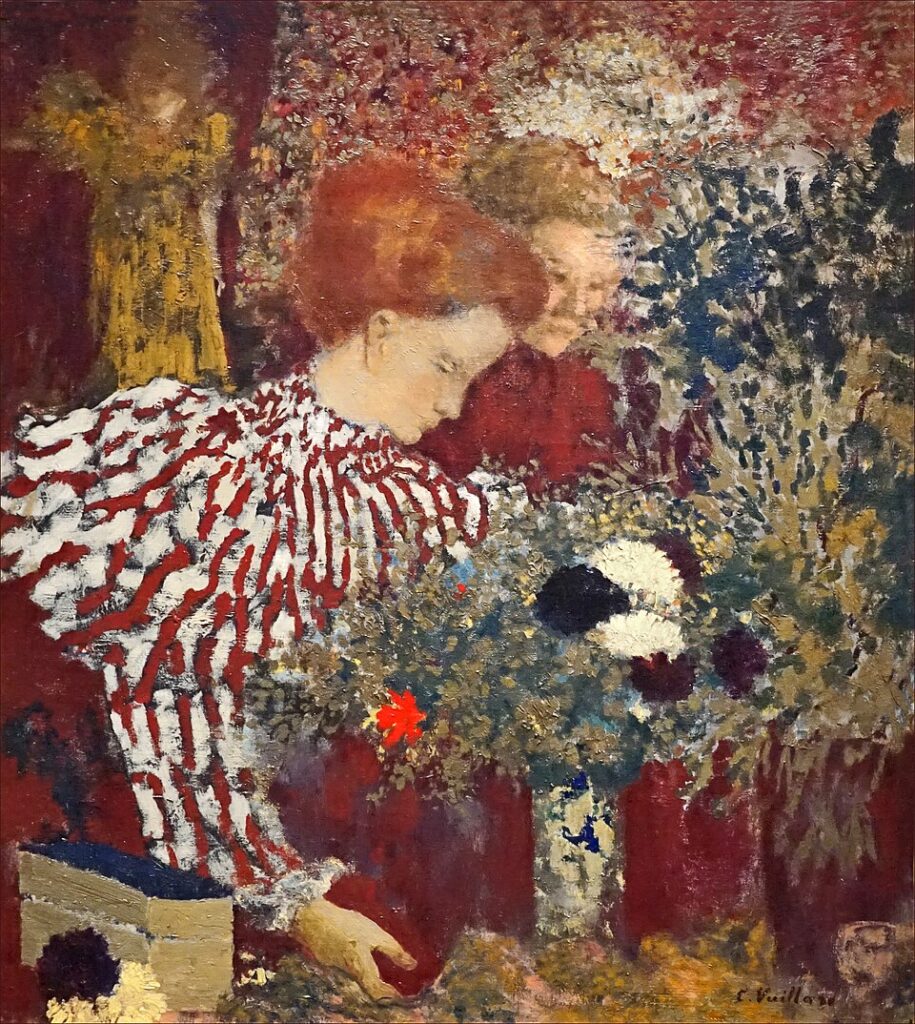
November 12
Amandus Heinrich Adamson (1855–1929) — Estonian sculptor and painter best known for expressive monuments, maritime sculptures, and coastal landscapes.
Émile Baes (1879–1954) — Belgian painter best known for elegant portraits of women, interiors, and refined society scenes.
Brynjulf Bergslien (1830–1898) — Norwegian sculptor best known for public monuments celebrating national heroes, including King Charles John and Henrik Wergeland.
Catherine Duchemin (1630–1698) — French painter best known for floral still lifes and as one of the first women admitted to the Royal Academy of Painting and Sculpture.
Auguste Rodin (1840–1917) — French sculptor best known for expressive masterpieces including The Thinker, The Kiss, and The Gates of Hell.
November 13
Edmond Aman-Jean (1858–1936) — French Symbolist painter best known for ethereal portraits of women and softly colored decorative compositions.
Baldassare Calamai (1827–1881) — Italian sculptor best known for Neoclassical marble statues, funerary monuments, and public commissions in Florence.
Albano Lugli (1905–1984) — Italian painter best known for expressive landscapes, still lifes, and portraits inspired by the Emilia-Romagna countryside.
Anne Nasmyth (1788–1867) — Scottish painter best known for landscapes and garden scenes influenced by the work of her father, Alexander Nasmyth.
Bertel Thorvaldsen (1770–1844) — Danish Neoclassical sculptor best known for monumental marble statues inspired by Greek and Roman mythology.
Camille Wauters
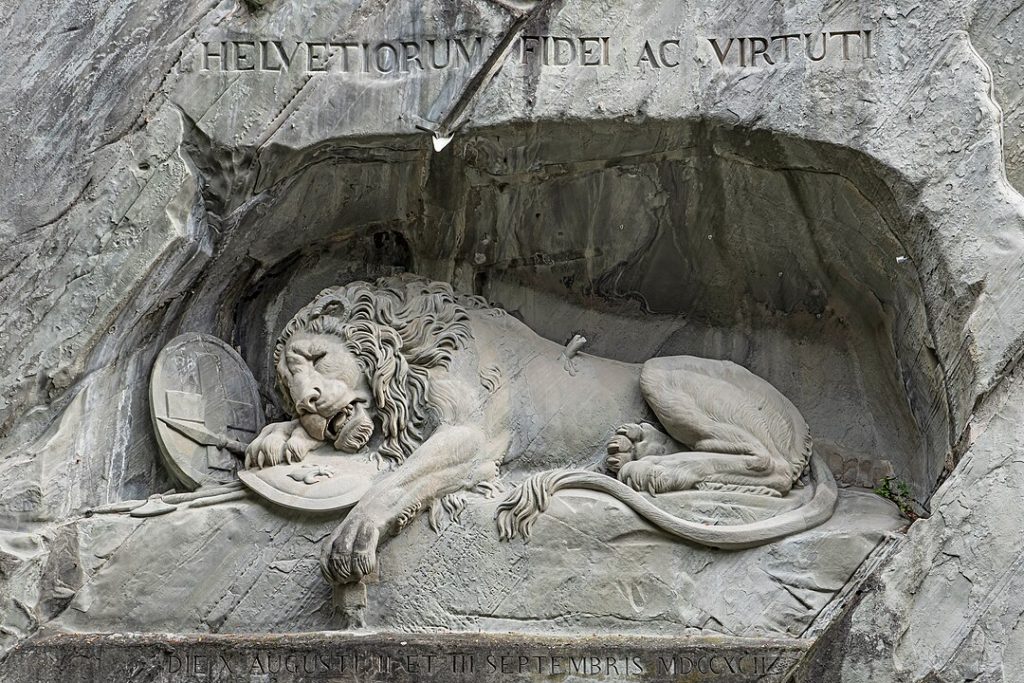
November 14
Johann Ludwig Aberli (1723–1786) — Swiss painter and printmaker best known for finely detailed Alpine landscapes and hand-colored etchings.
Lorenzo Aguirre (1884–1942) — Spanish painter best known for portraits, landscapes, and regional scenes from Valencia in a Post-Impressionist style.
John Steuart Curry (1897–1946) — American Regionalist painter best known for dramatic murals and rural Midwestern scenes depicting Kansas farm life.
Sonia Delaunay (1885–1979) — Ukrainian-born French artist and designer best known for pioneering Orphism through vibrant abstract paintings and textiles.
Lucien-Victor Guirand de Scévola
William Didier-Pouget
James Hardy Jnr. (1832–1889) — British painter best known for sentimental genre scenes, portraits, and depictions of children and everyday Victorian life.
Claude Monet (1840–1926) — French Impressionist painter best known for capturing changing light in landscapes, especially his Water Lilies series.
William Trost Richards (1833–1905) — American landscape and marine painter best known for meticulously detailed coastal scenes and seascapes.
Constantin Daniel Stahi (1884–1920) — Romanian sculptor best known for portrait busts, public monuments, and works influenced by academic realism.
November 15
Red Jordan Arobateau
Tina Blau (1845–1916) — Austrian painter best known for luminous landscapes and park scenes that helped establish Austrian Impressionism.
Luigi Deleidi (1774–1825) — Italian painter and architect best known for frescoes, decorative interiors, and Neoclassical architectural designs in northern Italy.
Balthasar Denner (1685–1749) — German painter best known for extraordinarily detailed portraits that captured every wrinkle and texture with remarkable precision.
Friedrich Kallmorgen
Peter Rutledge Koch
Georgia O’Keeffe (1887–1986) — American painter best known for bold flower paintings, Southwestern landscapes, and pioneering contributions to American Modernism.
Wayne Thiebaud (1920–2021) — American painter best known for colorful paintings of cakes, pies, candy, and everyday objects rendered with rich texture and light.
November 16
Jan Bauch (1898–1995) — Czech painter and sculptor best known for expressive modernist works, monumental compositions, and stained-glass designs.
Jean Chardin (1699–1779) — French painter best known for quietly observed still lifes and intimate domestic scenes that rank among the masterpieces of eighteenth-century art.
Francis Danby (1793–1861) — Irish painter best known for dramatic Romantic landscapes and imaginative historical scenes filled with atmospheric light.
Wilhelm Hauschild
Hermann Ottomar Herzog (1832–1932) — German-born American painter best known for majestic landscapes of the American West, Rocky Mountains, and Yosemite.
Louise Jopling (1843–1933) — English painter best known for elegant portraits, fashionable society subjects, and her advocacy for women artists.
François-Joseph Navez (1787–1869) — Belgian Neoclassical painter best known for refined portraits and historical paintings influenced by Jacques-Louis David.
November 17
Arman (Armand Fernandez)
Albert Bertelsen (1921–2019) — Danish painter best known for expressive landscapes, horses, and scenes of rural Denmark rendered with bold, textured brushwork.
Bronzino (1503–1572) — Italian Mannerist painter best known for elegant court portraits and refined religious works created for the Medici family in Florence.
Andrea Casali (1705–1784) — Italian painter best known for Rococo religious paintings, mythological scenes, and decorative works created in Italy and England.
Pharaon de Winter
Charles Lock Eastlake (1793–1865) — English painter best known for historical and biblical subjects and for serving as the first director of London’s National Gallery.
Eduard Gurk (1801–1841) — Austrian painter best known for precise architectural views of Vienna and detailed watercolors of historic buildings and monuments.
Adelaide Ironside
Edmond-Édouard Lapeyre (1835–1893) — French painter best known for Academic portraits, historical scenes, and decorative works exhibited at the Paris Salon.
Pierre Mignard (1612–1695) — French Baroque painter best known for royal portraits and grand decorative commissions for the court of Louis XIV.
Isamu Noguchi (1904–1988) — Japanese American sculptor and designer best known for abstract sculptures, landscape architecture, and the iconic Akari light sculptures.
Jack Vettriano (1951–2025) — Scottish painter best known for stylish figurative paintings, especially The Singing Butler, one of Britain’s best-selling art prints.
Eugene von Guerard (1811–1901) — Austrian-born Australian painter best known for meticulously detailed landscapes documenting Australia’s wilderness during the nineteenth century.
November 18
Mikoláš Aleš (1852–1913) — Czech painter, illustrator, and muralist best known for patriotic historical scenes and illustrations inspired by Czech folklore.
Luca Cambiaso (1527–1585) — Italian Renaissance painter best known for dynamic religious frescoes and his bold, simplified drawing style.
Louis Daguerre (1787–1851) — French artist, photographer, and inventor best known for developing the daguerreotype, the first widely successful photographic process.
Gaspar de Crayer (1584–1669) — Flemish Baroque painter best known for grand religious altarpieces, portraits, and historical compositions.
Stanhope Forbes (1857–1947) — English painter best known for Newlyn School scenes depicting everyday life in the Cornish fishing community.
Anton Graff
Pehr Hilleström (1732–1816) — Swedish painter best known for detailed genre scenes portraying domestic life and eighteenth-century Swedish interiors.
William Keith (1838–1911) — Scottish-born American painter best known for majestic California landscapes inspired by the Sierra Nevada.
Jean Paul Lemieux (1904–1990) — Canadian painter best known for haunting, minimalist scenes of solitary figures set in vast northern landscapes.
James Nairn (1859–1904) — Scottish painter best known for Impressionist landscapes and his influential role in the development of New Zealand art.
May Vale (1862–1945) — English-born Australian painter and art educator best known for landscapes, floral subjects, and promoting Australian art education.
Edvard Weie (1879–1943) — Danish painter best known for expressive color, still lifes, and landscapes influenced by Post-Impressionism.
David Wilkie (1785–1841) — Scottish painter best known for finely observed genre scenes and later historical and royal portraits.
November 19
Louise Dahl-Wolfe (1895–1989) — American photographer best known for elegant fashion photography that transformed magazine imagery through natural light and outdoor settings.
Félix-Henri Giacomotti (1828–1909) — French painter best known for Academic historical, mythological, and religious works, as well as decorative murals.
Eustache Le Sueur (1617–1655) — French Baroque painter best known for serene religious paintings and the celebrated Life of Saint Bruno cycle.
Erasmus Quellinus the Younger (1607–1678) — Flemish Baroque painter and designer best known for grand altarpieces, mythological scenes, and decorative commissions influenced by Peter Paul Rubens.
November 20
John Partridge (1790–1872) — English painter best known for elegant portraits of British royalty, aristocrats, and prominent Victorian public figures.
Bartolomeo Pinelli (1781–1835) — Italian painter, illustrator, and engraver best known for lively depictions of Roman street life, costumes, and folklore.
Paulus Potter (1625–1654) — Dutch Golden Age painter best known for remarkably realistic paintings of cattle and other animals, especially The Young Bull.
Nikolai Zagorsky
November 21
Jens Birkholm (1869–1915) — Danish painter best known for compassionate depictions of working-class life, rural laborers, and social Realist scenes.
Gustaf Wilhelm Finnberg (1784–1833) — Swedish painter best known for portraits, history paintings, and decorative works created during the Neoclassical period.
George Hardy (1822–1909) — English painter best known for historical and genre scenes, particularly richly detailed depictions of seventeenth-century life.
René Magritte (1898–1967) — Belgian Surrealist painter best known for thought-provoking images that transformed ordinary objects into mysterious visual paradoxes.
Columbano Bordalo Pinheiro (1857–1929) — Portuguese painter best known for masterful portraits and psychologically penetrating depictions of leading cultural figures.
Kazimierz Stabrowski (1869–1929) — Polish painter best known for Symbolist compositions, mystical subjects, and helping found the Warsaw School of Fine Arts.
Edmund Wodick (1816–1886) — Danish painter best known for portraits, genre scenes, and carefully observed depictions of everyday Danish life.
November 22
Andres Alcantara (1937–2007) — Filipino painter best known for expressive modernist works, portraits, and landscapes inspired by Philippine life and culture.
Eugène Chigot (1860–1923) — French painter best known for Impressionist landscapes, coastal scenes, and luminous views of northern France.
Edward Mason Eggleston
Manuel García Hispaleto
Ignaz Günther (1725–1775) — German sculptor best known for expressive Rococo wooden sculptures created for churches throughout Bavaria.
Marie Adrien Lavieille (1848–1920) — French painter and illustrator best known for decorative works, floral subjects, and illustrations produced in the late nineteenth century.
Else Raydt
Christian Rohlfs (1849–1938) — German painter and printmaker best known for his powerful Expressionist landscapes, floral paintings, and religious subjects.
Ludvig August Smith (1820–1906) — Danish painter best known for portraits, genre scenes, and carefully observed depictions of everyday Danish life.
November 23
Erté (1892–1990) — Russian-born French artist and designer best known for elegant Art Deco fashion illustrations, costume designs, and theatrical sets.
Konstantin Korovin (1861–1939) — Russian painter best known for vibrant Impressionist landscapes, city scenes, and theatrical set designs filled with luminous color.
José Clemente Orozco (1883–1949) — Mexican muralist best known for powerful frescoes exploring revolution, social justice, and the human condition with dramatic intensity.
Vilhelm Pacht (1843–1912) — Danish painter best known for atmospheric landscapes, woodland scenes, and naturalistic views of the Danish countryside.
November 24
John Bacon
Russell Ball (1916–1989) — American painter and illustrator best known for Western scenes, landscapes, and historical subjects of the American Southwest.
François Barraud (1899–1934) — Swiss painter best known for meticulously realistic portraits, still lifes, and interior scenes.
Marie Bashkirtseff (1858–1884) — Ukrainian-born painter and diarist best known for her Realist portraits, genre scenes, and influential published journal.
Henri de Toulouse-Lautrec (1864–1901) — French Post-Impressionist painter and printmaker best known for vivid posters and scenes of Parisian nightlife.
Cyprián Majerník (1909–1945) — Slovak painter best known for expressive figurative works reflecting social injustice and the turmoil of the Second World War.
Louis Mathieu Verdilhan (1875–1928) — French painter best known for expressive landscapes, harbor scenes, and views of Marseille in a Post-Impressionist style.
November 25
Sofia Ahlbom (1803–1868) — Swedish engraver, draftsman, and lithographer best known for portraits, illustrations, and finely executed prints.
Maurice Denis (1870–1943) — French painter and writer best known as a founder of the Nabis movement and for his decorative Symbolist works.
Rosalyn Drexler (1926– ) — American artist, novelist, and playwright best known for Pop Art paintings inspired by mass media and popular culture.
Heywood Hardy (1842–1933) — English painter best known for sporting scenes, equestrian subjects, and lively depictions of fox hunting.
November 26
George Segal (1924–2000) — American sculptor best known for life-sized plaster figures depicting ordinary people in everyday settings.
William Sidney Mount (1807–1868) — American genre painter best known for lively scenes of rural life on Long Island.
Edward Savage
Kara Walker (1969– ) — American contemporary artist best known for large-scale black silhouette installations exploring race, history, and identity.
November 27
Edda Heiðrún Backman
William Bliss Baker (1859–1886) — American landscape painter best known for highly detailed natural scenes in the tradition of the Hudson River School.
José de Creeft (1884–1982) — Spanish-American sculptor best known for pioneering direct stone carving and creating Alice in Wonderland in New York’s Central Park.
Frank Dicksee (1853–1928) — English painter best known for romantic historical scenes, literary subjects, and elegant portraits.
Tsuguharu Foujita (1886–1968) — Japanese-French painter best known for combining Japanese techniques with the School of Paris style in distinctive portraits and figure paintings.
William Orpen (1878–1931) — Irish painter best known for masterful portraits and poignant depictions of the First World War.
November 28
Giuseppe Bezzuoli
William Blake (1757–1827) — English poet, painter, and printmaker best known for visionary illustrations, illuminated books, and imaginative religious imagery.
C. C. A. Christensen
Nicolae Gropeanu (1863–1930) — Romanian painter best known for portraits, genre scenes, and landscapes inspired by rural life.
Morris Louis (1912–1962) — American abstract painter best known for his Color Field paintings created with innovative stain techniques.
Daria Vassilyanska (1922–1988) — Bulgarian painter best known for expressive landscapes, still lifes, and scenes of Bulgarian life.
Wilhelm Wetlesen (1871–1925) — Norwegian painter best known for landscapes, marine scenes, and views of the Norwegian countryside.
November 29
Alexander Brullov (1798–1877) — Russian architect and painter best known for Neoclassical buildings, portraits, and watercolor interiors.
Francis Dodd (1874–1949) — English portrait painter and printmaker best known for sensitive portraits and etchings, including many of First World War servicemen.
John Griffiths (1801–1870) — English architect, painter, and illustrator best known for documenting the decorative art and architecture of the Alhambra.
Eugène Lavieille (1820–1889) — French landscape painter associated with the Barbizon School, best known for poetic woodland and countryside scenes.
Józef Pankiewicz (1866–1940) — Polish painter best known for introducing Impressionism and Post-Impressionism to Polish art.
James Rosenquist (1933–2017) — American painter best known for monumental Pop Art works inspired by advertising and popular culture.
Harald Sohlberg (1869–1935) — Norwegian painter best known for atmospheric landscapes, especially the iconic Winter Night in the Mountains.
November 30
John Woodhouse Audubon (1812–1862) — American naturalist, painter, and author best known for wildlife illustrations and for continuing the work of his father, John James Audubon.
Morris Fuller Benton (1872–1948) — American typeface designer best known for creating influential typefaces, including Franklin Gothic and Century Schoolbook.
Adolphe William Bouguereau (1825–1905) — French Academic painter best known for idealized mythological subjects, religious scenes, and highly finished portraits.
Eugène Dauphin (1857–1930) — French painter best known for luminous coastal landscapes and marine scenes of Normandy and Brittany.
Julius Exner (1825–1910) — Danish painter best known for genre scenes depicting everyday life and traditional customs.
Henri-Gabriel Ibels
Andrea Palladio (1508–1580) — Italian Renaissance architect best known for classical villas and churches that profoundly influenced Western architecture.
Clyfford Still (1904–1980) — American painter best known as a pioneer of Abstract Expressionism and for his monumental color-field paintings.
Adriaen van de Velde (1636–1672) — Dutch Golden Age painter best known for idyllic pastoral landscapes, beach scenes, and finely painted animals.
Salomon Verveer (1813–1876) — Dutch painter best known for cityscapes, street scenes, and views of historic Dutch towns.
December 1
Henri Dabadie (1867–1949) — French painter best known for landscapes, village scenes, and views of the French countryside.
Étienne Maurice Falconet (1716–1791) — French sculptor best known for The Bronze Horseman in Saint Petersburg and graceful Rococo sculptures.
Karl Schmidt-Rottluff (1884–1976) — German painter and printmaker best known as a founding member of the Expressionist group Die Brücke.
Dimitri Shevardnadze (1885–1937) — Georgian painter, graphic artist, and museum founder best known for promoting modern Georgian art and preserving the nation’s artistic heritage.
Robert Spencer (1879–1931) — American painter associated with the Ashcan School, best known for urban scenes and industrial landscapes.
Marie Tussaud (1761–1850) — French wax sculptor best known for founding Madame Tussauds and creating lifelike wax portraits of famous figures.
December 2
Aurelio Arteta (1879–1940) — Spanish painter best known for expressive scenes of Basque life, labor, and social realism.
Évariste Carpentier
Otto Dix (1891–1969) — German painter and printmaker best known for unflinching depictions of war and Weimar-era society.
Jean-François Hue (1751–1823) — French painter best known for maritime scenes, landscapes, and views of French ports.
Joseph Denis Odevaere (1775–1830) — Belgian Neoclassical painter best known for historical, mythological, and religious subjects.
Pierre Puget (1620–1694) — French sculptor, painter, and architect best known for dynamic Baroque sculptures and monumental architectural projects.
Georges Seurat (1859–1891) — French painter best known for pioneering Pointillism and creating A Sunday Afternoon on the Island of La Grande Jatte.
Emanuel Vigeland (1875–1948) — Norwegian sculptor and stained glass artist best known for the monumental frescoes of his own mausoleum, the Tomba Emmanuelle.
December 3
Hippolyte Boulenger (1837–1874) — Belgian landscape painter associated with the School of Tervuren, best known for naturalistic forest and countryside scenes.
Paule Gobillard (1867–1946) — French painter best known for Impressionist portraits, interiors, and scenes of domestic life.
Constantin Guys (1802–1892) — French painter, illustrator, and war correspondent best known for vivid depictions of modern Parisian life and the Crimean War.
Frederic Leighton (1830–1896) — British painter and sculptor best known for idealized classical and historical subjects in the Academic tradition.
Kindred McLeary (1901–1949) — American painter, printmaker, and educator best known for expressive landscapes, still lifes, and modernist compositions.
Max Meldrum (1875–1955) — Australian painter and teacher best known for developing the Tonalism movement, also known as the Meldrum Method.
Gilbert Stuart (1755–1828) — American portrait painter best known for his iconic portraits of George Washington and other early American leaders.
Herman Jacob van der Voort in de Betouw
December 4
Nadir Afonso
Morton Allport (1830–1878) — Australian painter and amateur naturalist best known for landscapes and watercolor views of Tasmania.
Georg Burmester (1864–1936) — German painter best known for Impressionist landscapes, coastal scenes, and views of northern Germany.
Germain David-Nillet (1861–1932) — French painter best known for luminous landscapes of Brittany and the French countryside.
Richard Roland Holst
Wassily Kandinsky (1866–1944) — Russian painter and theorist best known as a pioneer of abstract art and for his influential writings on modern painting.
Frank P. Mahony (1862–1916) — Australian painter and illustrator best known for pastoral scenes, horse subjects, and illustrations of rural life.
James Peter Quinn (1869–1951) — Australian portrait painter best known for society portraits and official likenesses of prominent public figures.
Casimiro Sainz (1853–1898) — Spanish landscape painter best known for naturalistic views of the countryside around Cantabria and Castile.
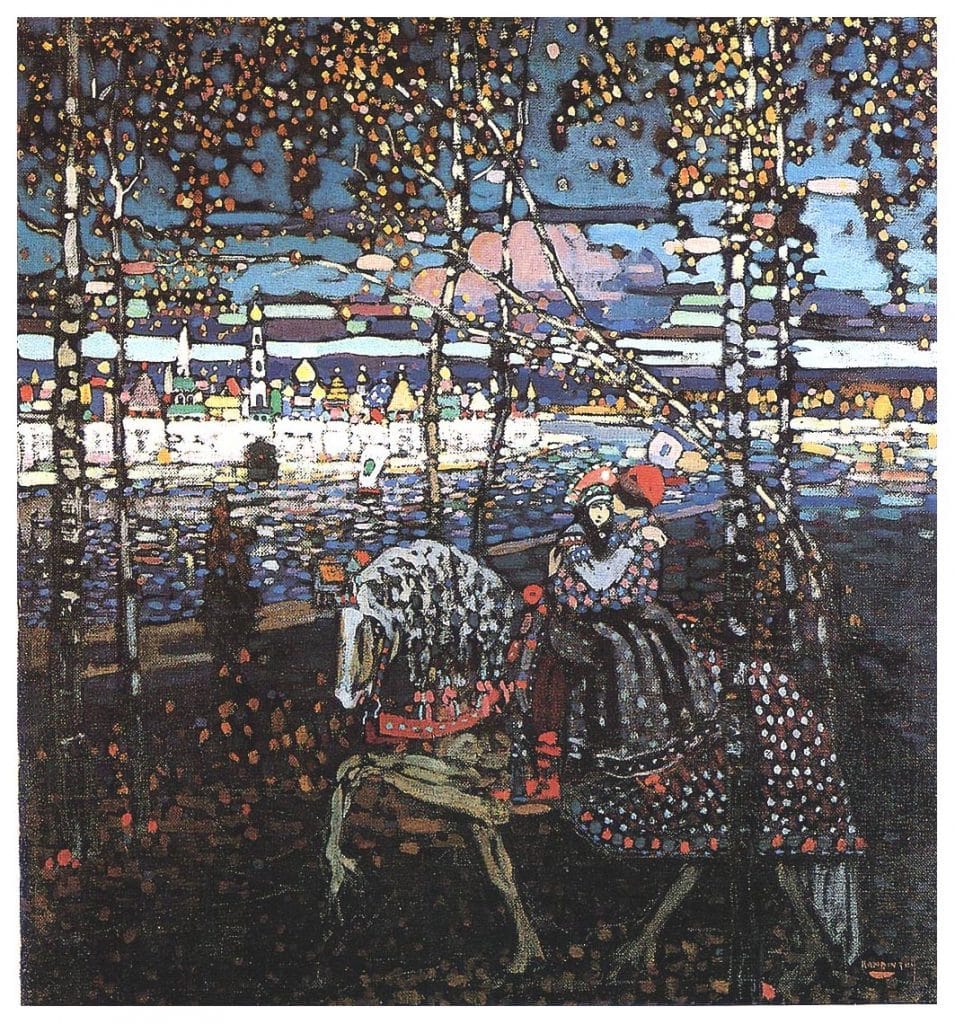
December 5
David Bromberg (1950– ) — American painter best known for photorealistic still lifes and meticulously rendered contemporary realist works.
William James Hinchey (1869–1941) — American painter best known for Impressionist landscapes, coastal scenes, and views of New England.
Ricciardo Meacci (1856–1938) — Italian painter best known for richly detailed historical and Renaissance-inspired genre scenes.
Pierre-Philippe Thomire (1751–1843) — French sculptor and ornamental bronzesmith best known for exquisite gilt-bronze furnishings created for the Napoleonic era.
December 6
Ottilia Adelborg (1855–1936) — Swedish artist, illustrator, and author best known for her beloved children’s books and decorative illustrations.
Carlo Bossoli
Louis-Nicolas Cabat (1812–1893) — French landscape painter associated with the Barbizon School, best known for poetic woodland and countryside scenes.
Nicholas Joseph Crowley (1819–1857) — Irish painter best known for genre scenes depicting everyday Irish life and rural subjects.
Pierre-Henri de Valenciennes
Alexandra Frosterus-Såltin (1837–1916) — Finnish painter best known for religious altarpieces, portraits, and illustrations.
Nikolaus Geiger (1849–1897) — German sculptor and painter best known for monumental public sculptures and decorative architectural works.
Eliot Porter (1901–1990) — American photographer best known for pioneering color nature photography and documenting birds and wilderness landscapes.
Frédéric Bazille (1841–1870) — French Impressionist painter best known for luminous figure paintings and outdoor scenes created before his early death in the Franco-Prussian War.
December 7
Giuseppe Amisani (1881–1941) — Italian painter best known for elegant portraits, luminous landscapes, and scenes inspired by his travels.
Gian Lorenzo Bernini (1598–1680) — Italian sculptor, architect, and painter best known for masterpieces that defined the Baroque style, including Ecstasy of Saint Teresa.
Stuart Davis (1892–1964) — American Modernist painter best known for bold, colorful compositions inspired by jazz, advertising, and everyday American life.
Hobbe Smith
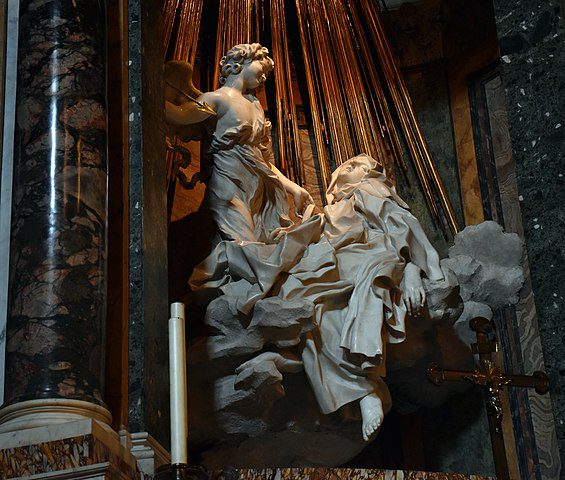
December 8
John Brett
Camille Claudel (1864–1943) — French sculptor best known for expressive bronze and marble works exploring emotion and the human figure.
Lucian Freud (1922–2011) — British painter best known for intensely observed portraits and nudes with richly textured brushwork.
Albert Gleizes (1881–1953) — French painter, writer, and theorist best known as a pioneering founder of Cubism.
Wilfredo Lam (1902–1982) — Cuban painter best known for blending Surrealism, Cubism, and Afro-Cuban symbolism in powerful modernist works.
Claudi Lorenzale (1814–1889) — Spanish painter best known for medieval-inspired historical paintings and his role in the Catalan Nazarene movement.
Aristide Maillol (1861–1944) — French sculptor best known for serene monumental female figures in bronze and stone.
Adolph Menzel (1815–1905) — German painter and illustrator best known for realistic historical scenes and depictions of nineteenth-century Prussian life.
Diego Rivera (1886–1957) — Mexican painter best known for monumental murals celebrating Mexican history, culture, and working people.
December 9
Gerard Bilders (1838–1865) — Dutch landscape painter associated with the Hague School, best known for atmospheric woodland scenes and pastoral landscapes.
Roy DeCarava (1919–2009) — American photographer and painter best known for lyrical black-and-white photographs documenting everyday African American life.
Ernest de Chamaillard
Marianne Ehrenström (1817–1856) — Swedish painter best known for portraits and genre scenes, and among the early professional women artists in Sweden.
Victor Hammer
Waleria Tarnowska (1782–1849) — Polish painter and collector best known for portrait miniatures and her distinguished collection of European art.
December 10
Nathan Altman
William Berczy (1744–1813) — German-born Canadian painter, architect, and pioneer best known for portraits and helping found the city of Markham, Ontario.
Jean-Baptiste de Champaigne (1631–1681) — French painter best known for religious works and portraits in the classical tradition of his uncle, Philippe de Champaigne.
Aasta Hansteen (1824–1908) — Norwegian painter, writer, and women’s rights advocate best known for portraits and landscapes.
Greta Kempton (1901–1991) — Austrian-born American portrait painter best known for her official White House portrait of First Lady Jacqueline Kennedy.
Alfred Ronner (1852–1901) — Dutch painter best known for charming domestic scenes featuring cats and other household animals.
Ker-Xavier Roussel
Zinaida Serebriakova (1884–1967) — Ukrainian-born painter of the Russian Empire best known for graceful portraits, self-portraits, and scenes of rural life.
Beda Stjernschantz (1867–1910) — Finnish Symbolist painter best known for poetic, dreamlike compositions inspired by mythology and literature.
Adriaen van Ostade (1610–1685) — Dutch Golden Age painter and printmaker best known for lively tavern scenes and depictions of peasant life.
December 11
Rodolfo Amoedo (1857–1941) — Brazilian painter best known for historical paintings, portraits, and academic works inspired by Brazilian history.
Giuseppe Bertini (1825–1898) — Italian painter and stained glass designer celebrated for historical subjects and monumental decorative commissions.
John Francis Murphy (1853–1921) — American landscape painter associated with Tonalism, best known for poetic rural scenes and subtle atmospheric effects.
Mark Tobey (1890–1976) — American painter best known for his abstract white writing style, which influenced later Abstract Expressionist artists.
Alfred Zoff (1852–1927) — Austrian landscape painter celebrated for atmospheric rural scenes and Impressionist-influenced views of the countryside.
December 12
William Beechey (1753–1839) — English portrait painter celebrated for portraits of the British royal family, military leaders, and aristocracy.
Karl Briullov (1799–1852) — Russian painter best known for The Last Day of Pompeii and his masterful portraits.
Fanny Churberg (1845–1892) — Finnish painter celebrated for dramatic landscapes that helped shape the development of Finnish national art.
Mauritz de Haas (1832–1895) — Dutch-born American marine painter best known for coastal landscapes and scenes of the American shoreline.
Helen Frankenthaler (1928–2011) — American abstract painter best known for developing the soak-stain technique and influencing Color Field painting.
Edvard Munch (1863–1944) — Norwegian painter and printmaker best known for The Scream and emotionally powerful Symbolist works.
Koloman Sokol (1902–2003) — Slovak painter, printmaker, and illustrator best known for expressive woodcuts and graphic works depicting social themes.
December 13
Emily Carr (1871–1945) — Canadian painter and writer best known for expressive landscapes of British Columbia’s forests and Indigenous villages.
Gerolamo Induno (1825–1890) — Italian painter best known for military scenes, historical subjects, and episodes from the Italian Risorgimento.
Nikolay Kasatkin
Joseph Noel Paton (1821–1901) — Scottish painter and illustrator celebrated for richly detailed fairy paintings inspired by literature and folklore.
Romà Ribera (1848–1935) — Spanish painter best known for elegant genre scenes depicting fashionable society in Spain and France.
Johann Gottfried Steffan
Stanisław Szukalski (1893–1987) — Polish sculptor and painter best known for monumental works inspired by Slavic history, mythology, and symbolism.
Antoni Tàpies (1923–2012) — Spanish painter, sculptor, and printmaker associated with Art Informel, best known for textured abstract works using unconventional materials.
December 14
Pierre Puvis de Chavannes (1824–1898) — French painter best known for monumental mural cycles and Symbolist-inspired allegorical compositions.
François-Hubert Drouais (1727–1775) — French portrait painter celebrated for elegant portraits of the French royal family and aristocracy.
Edward McKnight Kauffer (1890–1954) — American-born graphic designer and poster artist best known for his innovative travel posters and commercial designs created in Britain.
Nikolai Dmitriyevich Kuznetsov (1850–1929) — Ukrainian-born Russian painter best known for realistic portraits and genre scenes depicting rural life.
December 15
Henoch Barczyński (1896–1941) — Polish painter and graphic artist best known for expressive portraits, landscapes, and Jewish cultural subjects.
Friedensreich Hundertwasser (1928–2000) — Austrian artist and architect best known for colorful organic designs, imaginative paintings, and distinctive buildings that rejected straight lines.
John Kelso Hunter (1802–1871) — Scottish painter and author best known for portraits and scenes of everyday life in nineteenth-century Scotland.
George Romney (1734–1802) — English portrait painter celebrated for elegant portraits of Britain’s aristocracy, especially his many depictions of Emma Hamilton.
Robert Slimbach
David Teniers the Younger (1610–1690) — Flemish Baroque painter best known for lively scenes of peasant life, taverns, and village festivities.
Eugeniusz Zak (1884–1926) — Polish painter associated with the School of Paris, best known for poetic figurative compositions and idyllic pastoral scenes.
December 16
Betzy Akersloot-Berg (1850–1922) — Norwegian-born Dutch painter best known for atmospheric seascapes and coastal landscapes of the Netherlands and Norway.
José Aparicio (1770–1838) — Spanish Neoclassical painter celebrated for historical, religious, and mythological subjects.
Antonio de La Gándara (1861–1917) — French painter and pastel artist best known for elegant portraits of Parisian high society during the Belle Époque.
Francesco Gonin
Elioth Gruner
Adèle Kindt (1804–1884) — Belgian painter best known for portraits, genre scenes, and still lifes.
Hans Jakob Oeri
Remedios Varo (1908–1963) — Spanish-born Mexican painter best known for imaginative Surrealist works inspired by mysticism, science, and dreams.
Bertha Wegmann (1847–1926) — Danish portrait painter celebrated for realistic portraits and one of Denmark’s leading women artists.
Jules Worms
December 17
Joanna Mary Boyce
Paul Cadmus (1904–1999) — American painter best known for satirical tempera paintings depicting everyday life with meticulous realism.
François Marius Granet (1775–1849) — French painter best known for atmospheric church interiors and views of historic monasteries.
Paul César Helleu (1859–1927) — French painter and printmaker best known for elegant portraits of fashionable women and his masterful drypoint engravings.
Thomas Woolner
December 18
Joaquín Bárbara y Balza (1867–1931) — Spanish painter best known for portraits, genre scenes, and richly detailed depictions of everyday Spanish life.
Allan Edson (1846–1888) — Canadian landscape painter celebrated for atmospheric scenes of forests, rivers, and the wilderness of Quebec.
Paul Klee (1879–1940) — Swiss-born German artist best known for imaginative paintings that blended Expressionism, Cubism, and Surrealism.
Edward Willis Redfield (1869–1965) — American Impressionist painter celebrated for bold winter landscapes and rural scenes of Pennsylvania.
Givi Toidze (1932–2018) — Georgian painter best known for expressive portraits, landscapes, and scenes of everyday life.
Willem van de Velde the Younger (1633–1707) — Dutch Golden Age painter celebrated for masterful marine paintings depicting warships, merchant vessels, and calm coastal waters.
December 19
Antonio Gisbert (1834–1901) — Spanish history painter best known for dramatic scenes from Spanish history, especially The Execution of Torrijos and His Companions.
Fitz Henry Lane
Nathan Oliveira (1928–2010) — American painter, printmaker, and sculptor best known for expressive figurative paintings and drawings.
Jack Stauffacher
Pierre-Auguste Vafflard
Hans von Hayek (1869–1940) — Austrian painter and illustrator celebrated for landscapes, animal subjects, and Impressionist scenes of rural life.
Dora Wahlroos (1870–1947) — Finnish painter celebrated for portraits, landscapes, and Symbolist works inspired by nature and mythology.
December 20
Kazimierz Alchimowicz (1840–1916) — Polish painter best known for historical scenes, patriotic subjects, and depictions of Lithuanian and Polish folklore.
Louis Émile Benassit (1833–1902) — French painter celebrated for landscapes, pastoral scenes, and mountain views, especially of the French Alps.
Nikolay Bogdanov-Belsky (1868–1945) — Russian painter best known for realistic scenes of rural life and portraits of peasant children.
Clodion (Claude Michel) (1738–1814) — French sculptor celebrated for graceful Rococo terracotta and marble figures inspired by mythology and classical antiquity.
Pieter de Hooch (1629–1684) — Dutch Golden Age painter best known for sunlit domestic interiors and masterful use of perspective.
Antoon Derkinderen (1859–1925) — Dutch painter, decorative artist, and stained glass designer associated with Symbolism and monumental public art.
Svend Wiig Hansen (1922–1997) — Danish painter and sculptor best known for expressive figurative works exploring the human condition.
Ivana Kobilca (1861–1926) — Slovenian painter celebrated for realistic portraits, genre scenes, and still lifes, and one of Slovenia’s most important artists.
Beverly Pepper (1922–2020) — American sculptor best known for monumental abstract steel and stone sculptures installed in public spaces worldwide.
Otto Sinding (1842–1909) — Norwegian painter celebrated for dramatic coastal landscapes, marine scenes, and depictions of fishermen.
W. Eugene Smith (1918–1978) — American photojournalist celebrated for powerful documentary photo essays and influential war and humanitarian photography.
Jan Toorop (1858–1928) — Dutch painter associated with Symbolism and Art Nouveau, renowned for his distinctive decorative style and expressive imagery.
Alexander Zick (1845–1907) — German painter and illustrator best known for historical, mythological, and literary subjects.
December 21
Jean René Bazaine (1904–2001) — French painter, stained glass artist, and writer associated with lyrical abstraction and renowned for vibrant nonfigurative compositions.
József Borsos (1821–1883) — Hungarian painter and photographer best known for elegant portraits and finely detailed genre scenes of nineteenth-century life.
Thomas Couture (1815–1879) — French history painter best known for The Romans of the Decadence and for teaching many influential nineteenth-century artists.
Masaccio (1401–1428) — Italian Renaissance painter celebrated for introducing realistic perspective and lifelike figures that transformed Western painting.
Zofia Szymanowska-Lenartowicz (1825–1870) — Polish painter and illustrator best known for portraits, religious subjects, and drawings inspired by Polish history and folklore.
Anne Vallayer-Coster
Jean Joseph Vaudechamp
Maria Vos (1824–1906) — Dutch painter celebrated for finely detailed still lifes featuring flowers, fruit, and everyday household objects.
December 22
Jean-Michel Basquiat (1960–1988) — American artist best known for expressive Neo-Expressionist paintings that grew out of New York City’s graffiti scene.
Paul Belci
Max Bill (1908–1994) — Swiss artist, architect, designer, and typographer associated with Concrete Art and renowned for his influential modernist designs.
John Crome (1768–1821) — English landscape painter and founder of the Norwich School, celebrated for naturalistic scenes of the Norfolk countryside.
Charles Deas
Gustaf Fjæstad (1868–1948) — Swedish painter and designer best known for luminous winter landscapes and decorative Arts and Crafts designs.
Luigi Loir (1845–1916) — French painter and illustrator celebrated for atmospheric street scenes of Paris and views of everyday urban life.
Giacomo Manzù (1908–1991) — Italian sculptor best known for religious subjects, bronze reliefs, and the monumental Death of Cardinal Lercaro and Gate of Death at St. Peter’s Basilica.
December 23
Andres Alver (1869–1935) — Estonian architect and engineer best known for designing public buildings and helping shape early twentieth-century Estonian architecture.
George Barnard (1814–1902) — English painter celebrated for sentimental genre scenes depicting rural life, family, and everyday Victorian subjects.
Pierre Brissaud (1885–1964) — French painter, illustrator, and printmaker best known for elegant fashion illustrations and colorful scenes of Parisian life.
Giovanni Battista Crespi (1573–1632) — Italian painter of the Lombard Baroque, celebrated for dramatic religious works and expressive frescoes.
Robert Swain Gifford
Nancy Graves (1939–1995) — American sculptor, painter, and printmaker best known for innovative sculptures inspired by animals, maps, and natural history.
Édouard-Auguste Imer
Andrew MacCormac (1820–1887) — Irish painter celebrated for portraits, historical subjects, and scenes of Irish life.
John Marin (1870–1953) — American Modernist painter and printmaker best known for expressive watercolors of New York City and the Maine coast.
Michelangelo Morlaiter
Manuel Rivera-Ortiz (1968– ) — Puerto Rican documentary photographer best known for portraying marginalized communities and humanitarian issues around the world.
Alexander Rodchenko (1891–1956) — Russian artist, photographer, and designer who was a leading figure of Constructivism and modern graphic design.
Charles Sellier
Nelson Shanks (1937–2015) — American portrait painter best known for portraits of prominent public figures, including presidents, royalty, and business leaders.
Martin Archer Shee (1769–1850) — Irish portrait painter who served as President of the Royal Academy and painted many leading British statesmen and nobles.
Otto Soglow (1900–1975) — American cartoonist best known for creating the long-running comic strip The Little King.
December 24
Joaquín Agrasot (1836–1919) — Spanish painter associated with Realism, celebrated for genre scenes, portraits, and luminous depictions of everyday life in Spain.
Marie-Elmina Anger (1849–1943) — Canadian painter known for portraits, religious subjects, and still lifes, and among the early professionally trained women artists of Quebec.
Carl Balsgaard (1812–1893) — Danish landscape painter celebrated for naturalistic views of the Danish countryside and coastal scenery.
Jonathan Borofsky (1942– ) — American sculptor and installation artist best known for large-scale public sculptures exploring humanity, movement, and the individual within society.
Leonaert Bramer (1596–1674) — Dutch Golden Age painter and draftsman celebrated for dramatic biblical, mythological, and historical scenes illuminated by striking light effects.
Joseph Cornell (1903–1972) — American artist and filmmaker renowned for poetic shadow boxes and assemblages created from found objects and nostalgic imagery.
Joseph Fowles (1810–1878) — English-born Australian artist, architect, and lithographer best known for documenting the early architecture and streets of Sydney.
Anton Gogiashvili (1878–1907) — Georgian painter celebrated for portraits, genre scenes, and depictions of everyday life in Georgia.
Johnny Gruelle (1880–1938) — American illustrator, cartoonist, and author best known as the creator of Raggedy Ann and Raggedy Andy.
On Kawara (1932–2014) — Japanese conceptual artist celebrated for works exploring time, existence, and the passage of daily life, especially his Today date paintings.
Wilhelm Marstrand (1810–1873) — Danish painter celebrated for lively genre scenes, portraits, and historical paintings that helped define the Golden Age of Danish art.
Max Miedinger (1910–1980) — Swiss typeface designer best known for creating Helvetica, one of the world’s most influential and widely used typefaces.
Ad Reinhardt (1913–1967) — American abstract painter associated with Abstract Expressionism, best known for his nearly black minimalist paintings and influential writings on art.
Axel Revold (1887–1962) — Norwegian painter associated with early Modernism, celebrated for monumental murals, landscapes, and figurative compositions.
Feodor Stepanovich Rojankovsky (1891–1970) — Russian-born American illustrator celebrated for richly detailed children’s books and award-winning wildlife illustrations.
Sigrid Schauman (1877–1979) — Finnish painter and influential art critic celebrated for expressive landscapes and vibrant color harmonies.
Pierre Soulages (1919–2022) — French abstract painter and printmaker renowned for his luminous black paintings, which he described as Outrenoir (“beyond black”).
December 25
Anders Askevold (1834–1900) — Norwegian landscape painter associated with the Düsseldorf School, celebrated for romantic fjord landscapes, pastoral scenes, and depictions of cattle in western Norway.
Hans von Bartels (1856–1913) — German painter and printmaker celebrated for realistic marine paintings, coastal scenes, and watercolor depictions of life on the sea.
Abraham Bloemaert (1566–1651) — Dutch painter, draftsman, and printmaker whose religious, mythological, and pastoral works helped bridge Dutch Mannerism and the Baroque.
Louise Bourgeois (1911–2010) — French-American sculptor, painter, and printmaker renowned for deeply personal works exploring memory, family, sexuality, and the subconscious, especially her monumental spider sculptures.
Albín Brunovský
Noël Coypel (1628–1707) — French Baroque painter and draftsman celebrated for religious, mythological, and historical subjects, and a leading member of the Coypel family of artists.
Samuel Drummond (1765–1844) — British portrait and marine painter best known for portraits of naval officers and historical scenes connected with the Royal Navy.
Eliza Pratt Greatorex (1819–1897) — Irish-born American painter and illustrator celebrated for detailed landscapes and architectural views, especially of New York City and European landmarks.
Thorvald Hellesen (1888–1937) — Norwegian painter associated with Cubism, known for bold geometric compositions and modernist still lifes.
Paul Manship (1885–1966) — American sculptor associated with the Art Deco movement, celebrated for elegant mythological figures and public monuments, including Prometheus at Rockefeller Center.
Raphael Soyer (1899–1987) — Russian-born American painter associated with Social Realism, celebrated for sensitive portraits and scenes of everyday urban life in New York City.
December 26
Arcabas (Jean-Marie Pirot) (1926–2018) — French painter, sculptor, and engraver best known for monumental contemporary sacred art, especially his paintings, murals, and stained glass inspired by Biblical themes.
Maria Bell (1755–1825) — English amateur painter and sculptor known for portraits, figure subjects, copies after Sir Joshua Reynolds and Peter Paul Rubens, and exhibitions at the Royal Academy.
Raymond Besse (1899–1969) — French painter celebrated for colorful landscapes, village scenes, and views of the French countryside, particularly in Auvergne and Provence.
Bernard Walter Evans (1843–1912) — British landscape painter and watercolorist best known for rural scenery, coastal views, and pastoral landscapes of Britain.
George Romney (1734–1802) — English portrait painter celebrated for elegant portraits of Britain’s aristocracy and society figures, including numerous depictions of Emma Hamilton.
Maurice Utrillo (1883–1955) — French painter of the School of Paris best known for atmospheric cityscapes of Montmartre and other Paris streets, especially those from his celebrated White Period.
December 27
Francesco Bosso
Jean-Joseph Dassy (1791–1865) — French history and portrait painter and lithographer best known for historical scenes and portraits, including works commissioned for the Palace of Versailles.
Thomas Fearnley (1802–1842) — Norwegian Romantic landscape painter celebrated for dramatic mountain, glacier, and fjord landscapes inspired by his travels throughout Europe.
Louis Héctor Leroux (1829–1900) — French Academic history painter associated with the Néo-Grec movement, best known for meticulously researched scenes of ancient Rome, especially depictions of Vestal Virgins.
W. Lister Lister (1859–1943) — Australian landscape painter and watercolourist celebrated for luminous landscapes, seascapes, and bush scenery of New South Wales.
Vicente March (1850–1920) — Spanish painter best known for brightly colored genre scenes, Orientalist subjects, and lively depictions of everyday life.
Percyval Tudor-Hart (1873–1954) — Canadian painter, sculptor, teacher, and art restorer best known for portraits, figure paintings, and his contributions to art education in Canada.
Friedrich von Bömches (1916–2010) — Romanian-born German painter, draftsman, and printmaker celebrated for expressive portraits, landscapes, historical subjects, and powerful works inspired by his experiences during the Second World War.
December 28
Pál Böhm (1839–1905) — Hungarian painter best known for genre scenes depicting Hungarian life, as well as portraits and historical subjects.
Edith Corbet (1846–1920) — British painter associated with the Birmingham School, celebrated for portraits, landscapes, and scenes of rural life.
Tytus Czyżewski (1880–1945) — Polish painter, poet, and art critic associated with the Formist movement, known for expressive modernist paintings influenced by Cubism and Futurism.
Thomas Hovenden (1840–1895) — Irish-born American painter celebrated for realistic genre scenes, historical subjects, and compassionate depictions of everyday life.
Rainer Maria Latzke (born 1950) — German painter and muralist renowned for trompe-l’œil murals and architectural illusionistic painting used in interiors around the world.
Stan Lee (1922–2018) — American comic-book writer, editor, publisher, and occasional artist best known for co-creating many Marvel superheroes, including Spider-Man, the Fantastic Four, the X-Men, Iron Man, Thor, the Hulk, and the Avengers.
Félix Vallotton (1865–1925) — Swiss-born French painter and printmaker associated with Les Nabis, celebrated for innovative woodcuts, psychologically charged interior scenes, portraits, landscapes, and still lifes.

December 29
Louis Abel-Truchet (1857–1918) — French Impressionist painter, illustrator, and printmaker best known for lively scenes of Montmartre, Parisian cafés, theaters, and Belle Époque life.
Jan Frans Eliaerts (1761–1848) — Flemish painter best known for finely detailed flower still lifes that continued the rich botanical painting tradition of the Southern Netherlands.
Elizabeth Adela Forbes (1859–1912) — Canadian-born painter associated with the Newlyn School, celebrated for sensitive depictions of children, rural life, and coastal Cornwall.
Valdemar Irminger (1850–1938) — Danish painter best known for portraits, genre scenes, and landscapes inspired by Denmark and Iceland.
Seweryn Obst (1847–1917) — Polish painter, illustrator, and ethnographer known for documenting the traditional costumes, customs, and folk culture of the Hutsul people.
Jean-Baptiste Pater (1695–1736) — French Rococo painter celebrated for elegant fêtes galantes, military scenes, and pastoral subjects influenced by Antoine Watteau.
Frank Reaugh (1860–1945) — American painter and pastelist best known for luminous landscapes of Texas, especially scenes of the open plains and longhorn cattle.
David Alfaro Siqueiros (1896–1974) — Mexican muralist and painter celebrated for monumental public murals, bold social themes, and his role as one of the leading figures of Mexican muralism.
Albert Tucker (1914–1999) — Australian painter and member of the Angry Penguins movement, known for expressive, often unsettling works exploring war, modern life, and the human condition.
Witold Wojtkiewicz (1879–1909) — Polish Symbolist painter and illustrator best known for poetic, melancholic scenes featuring children, clowns, and figures from fantasy and folklore.
December 30
Jan Frans Eliaerts (1761–1848) — Flemish painter best known for finely detailed flower still lifes that continued the rich botanical painting tradition of the Southern Netherlands.
Haughton Forrest (1826–1925) — Australian landscape painter celebrated for depictions of the Australian bush, coastal scenery, and rural life in New South Wales.
Louis-Jean-François Lagrenée (1724–1805) — French history painter associated with the Rococo and Neoclassical periods, known for mythological, allegorical, and religious subjects.
December 31
Billy Apple (1935–2021) — New Zealand artist associated with Pop Art and Conceptual Art, renowned for transforming his own identity into an artwork and for innovative text-based, installation, and neon works.
Hans am Ende (1864–1918) — German painter associated with the Worpswede artists’ colony, known for atmospheric landscapes of northern Germany.
Ola Hermundsen Berge (1877–1954) — Norwegian painter and illustrator best known for landscapes, rural scenes, and traditional Norwegian life.
Giovanni Boldini (1842–1931) — Italian portrait painter celebrated for elegant, energetic depictions of Belle Époque society and fashionable European elites.
Jules Dalou (1838–1902) — French sculptor associated with Realism, celebrated for public monuments, portrait sculpture, and expressive depictions of the human figure.
Ellen Favorin (1849–1898) — Finnish painter best known for portraits, genre scenes, and still lifes, and among the early generation of professionally trained women artists in Finland.
Pyotr Nikolayevich Gruzinsky (1837–1892) — Russian painter best known for historical subjects, genre scenes, and depictions of everyday life in the Russian Empire.
Samuel Jackson (1794–1869) — English watercolourist and oil painter known as the father of the Bristol School, celebrated for landscapes and topographical views of Bristol and the Avon Gorge.
Henri Matisse (1869–1954) — French painter, sculptor, printmaker, and draftsman who helped lead Fauvism, renowned for bold color, simplified forms, and works such as The Dance.
Bartolomé Esteban Murillo (1617–1682) — Spanish Baroque painter renowned for religious subjects, genre scenes, and tender depictions of children and the Virgin Mary.
Max Pechstein (1881–1955) — German Expressionist painter and printmaker associated with Die Brücke, known for vivid colors and dynamic compositions.
Theodoros Stamos
Włodzimierz Tetmajer (1861–1923) — Polish painter, graphic artist, and writer associated with the Young Poland movement, celebrated for rural life, folk traditions, and the people of Bronowice.
Hans Eduard von Berlepsch-Valendas (1849–1921) — German-Swiss painter and illustrator known for Alpine landscapes, architectural subjects, and scenes of mountain life.