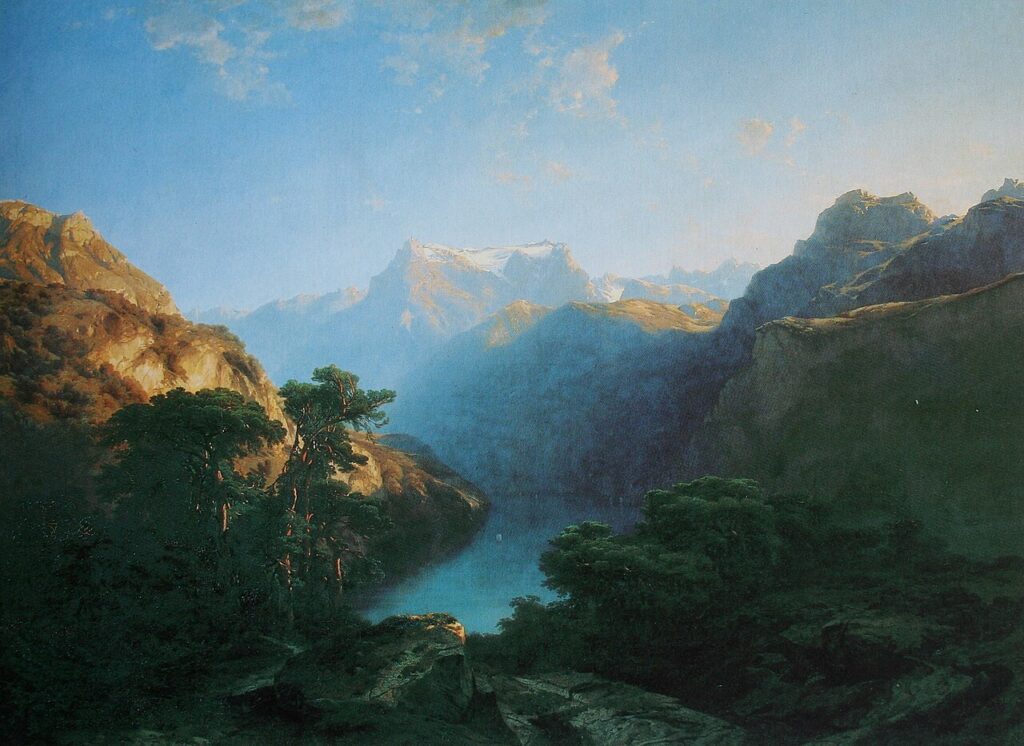
The biography of Alexandre Calame begins in the dramatic landscapes of early nineteenth-century Switzerland, where towering mountains and icy rivers shaped both his imagination and his career. Born on May 28, 1810, in Vevey, Switzerland, Calame would become one of Europe’s most respected landscape painters during the Romantic era. His paintings captured the raw force of nature with remarkable detail, turning Alpine scenery into emotional theater. Even today, his canvases still feel alive with crashing waterfalls, dark forests, and clouds rolling across snowy peaks.
Calame worked during a period when European audiences were hungry for grand images of untouched nature. Wealthy collectors in France, Germany, and Switzerland admired paintings that combined realism with emotional depth. Alexandre Calame understood how to satisfy both tastes, blending careful observation with dramatic atmosphere. By the 1840s, his name had become closely associated with Swiss national pride and the growing fascination with mountain tourism.
Why Alexandre Calame Still Matters in European Landscape Painting
Many historians consider Calame one of the defining landscape painters of nineteenth-century Switzerland because he elevated local scenery into internationally respected art. His paintings presented the Alps as symbols of strength, endurance, and spiritual beauty during a time of political and cultural change across Europe. Museums and collectors admired his ability to make rocky cliffs and stormy skies feel deeply human. The biography of Alexandre Calame also reveals how his work helped shape Europe’s visual understanding of Switzerland itself.
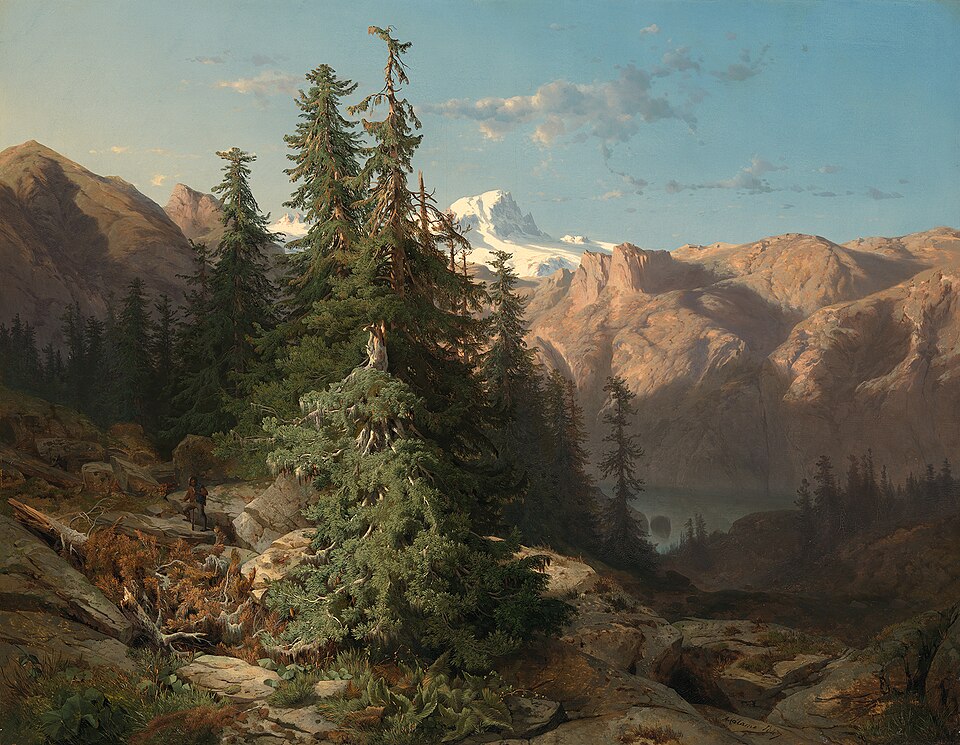
Unlike many Romantic painters who focused mainly on fantasy or mythology, Calame remained grounded in direct observation of nature. He traveled repeatedly into mountain regions with sketchbooks and pencils, carefully studying weather patterns, trees, rivers, and light. Responsible historical speculation suggests that his deep attachment to natural scenery may have provided emotional stability during periods of financial and personal struggle. That connection between hardship and artistic focus became one of the defining features of his career and legacy.
Early Life, Family Background, and Education
Alexandre Calame entered the world during uncertain economic times for his family. His father was involved in commerce, but financial difficulties damaged the household’s stability while Calame was still young. The family moved to Geneva after business troubles worsened, forcing young Alexandre to mature quickly. Instead of enjoying the comfortable upbringing often associated with artists, he experienced pressure to help support those around him from an early age.
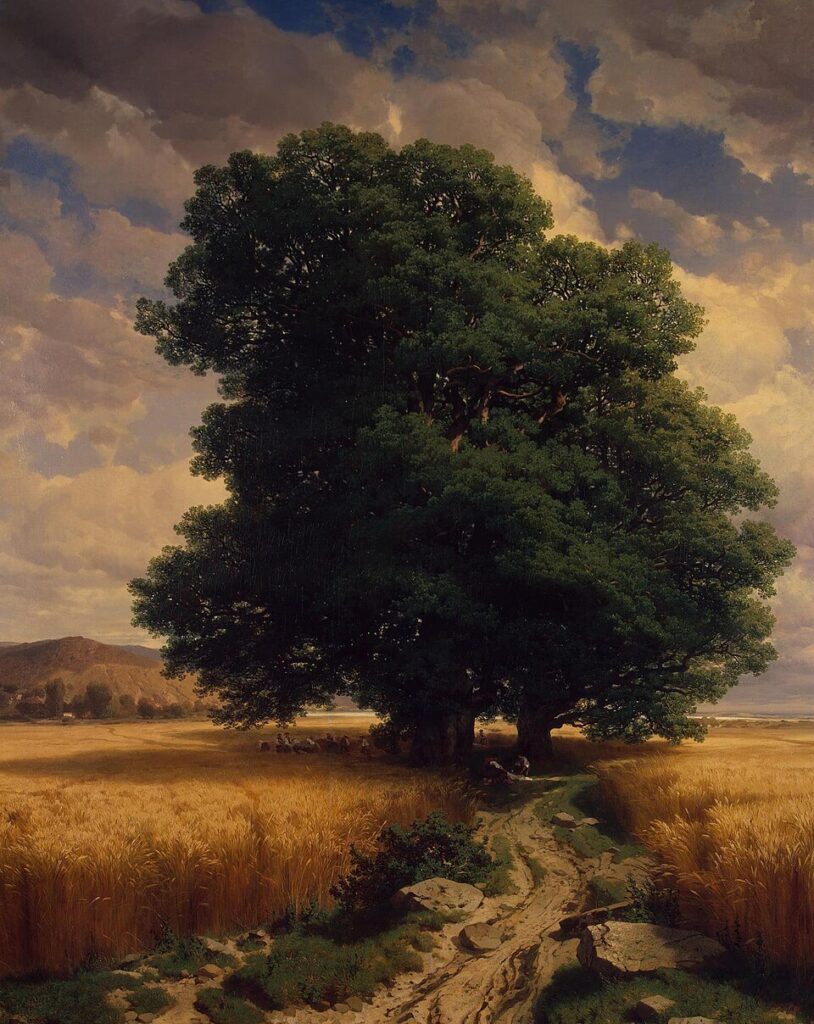
As a child, Calame reportedly struggled with delicate health and physical weakness, though records about the severity of these problems remain limited. Some scholars believe these challenges encouraged him to spend more time drawing and observing nature quietly rather than participating in rough physical activity. Historical accounts describe him as serious, disciplined, and unusually focused for his age. Those traits later became central to his reputation as a hardworking professional painter who rarely wasted time or energy.
Childhood Hardships and the Beginnings of Artistic Talent
In the late 1820s, Calame began working in banking and commercial offices to help earn money for his family. Even while employed in practical jobs, he continued sketching landscapes whenever possible. Around 1829, he became a student of the respected Geneva landscape painter François Diday. That mentorship proved life-changing because Diday introduced him to professional artistic methods and encouraged serious study of Alpine scenery.
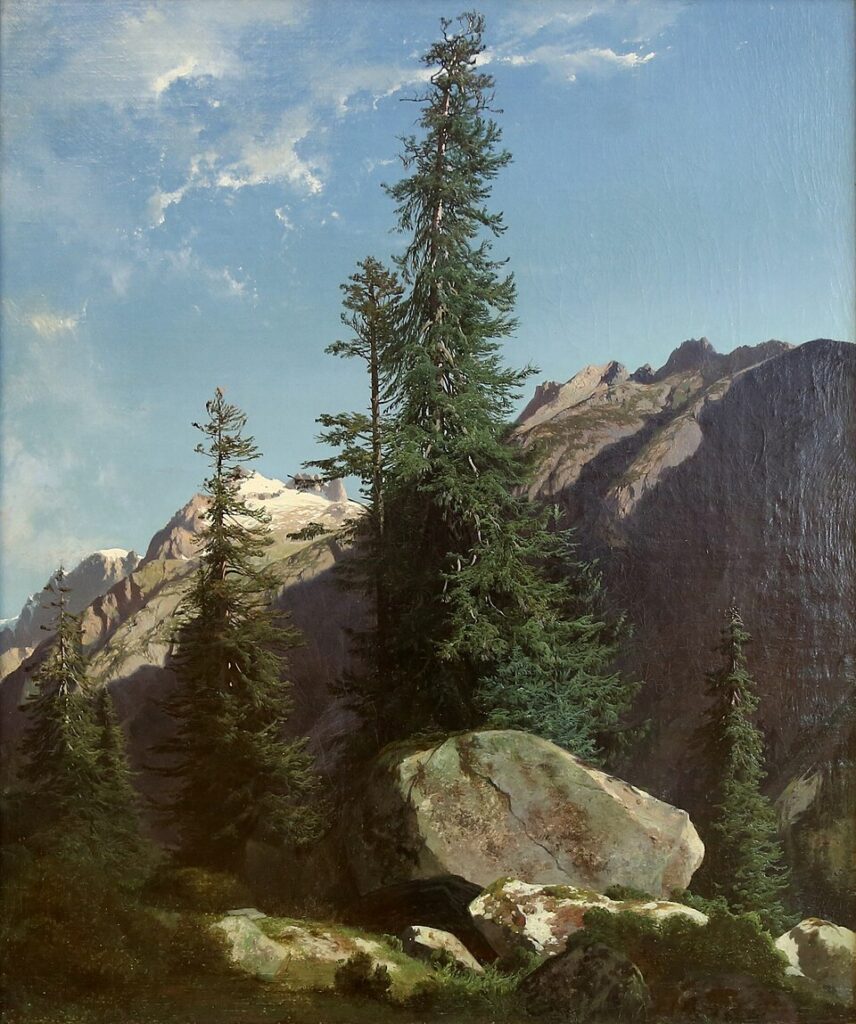
François Diday recognized Calame’s unusual dedication almost immediately and pushed him toward ambitious landscape compositions. Under Diday’s guidance, Calame learned technical drawing, composition, and the careful observation of natural light. The two men often traveled into mountainous regions to sketch directly from life, building a teacher-student relationship rooted in discipline and shared admiration for Swiss landscapes. By the early 1830s, Calame had developed enough skill to begin attracting attention from local collectors and critics who sensed extraordinary talent in the young painter.
Artistic Breakthrough and Rise to Fame
Alexandre Calame’s rise to fame accelerated during the 1830s as Romantic landscape painting became increasingly fashionable throughout Europe. Wealthy collectors wanted dramatic scenes that reflected emotional intensity and admiration for untamed nature. Calame’s paintings offered exactly that combination, balancing technical precision with storms, forests, and towering mountain passes. His growing reputation allowed him to transition from struggling student to financially successful artist within a relatively short period.
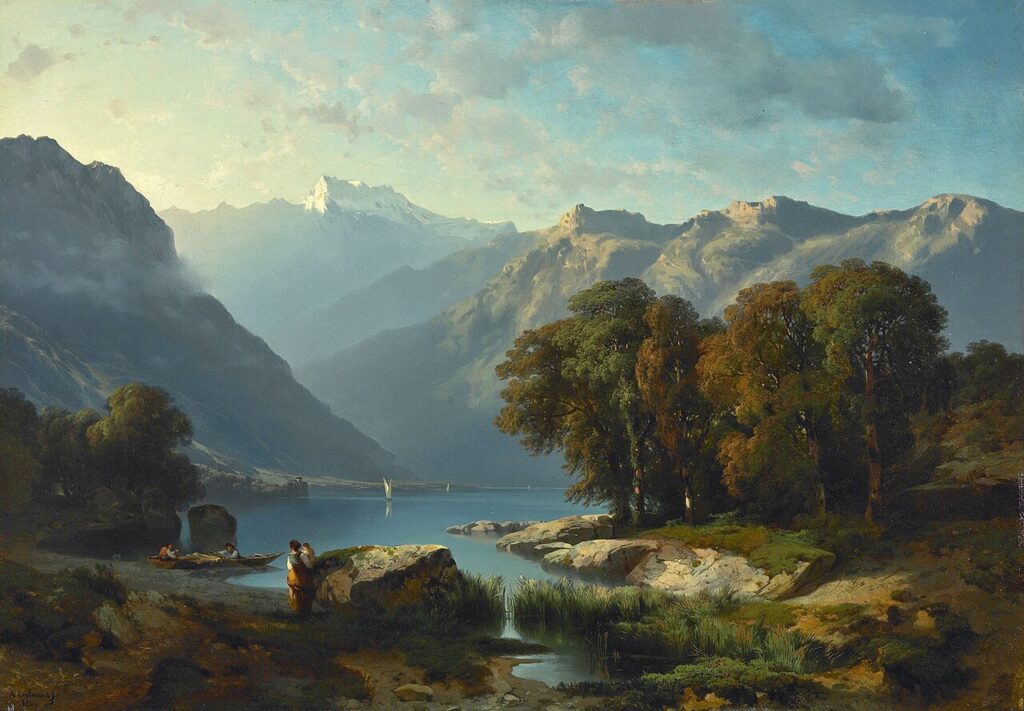
One of the most important moments in the biography of Alexandre Calame came when his paintings began appearing in major exhibitions beyond Switzerland. His works attracted attention at the Paris Salon, where critics admired his command of atmosphere and natural detail. French audiences especially appreciated the theatrical energy of his Alpine scenes, which differed from softer pastoral traditions popular in earlier decades. By the 1840s, collectors across Europe competed to purchase his paintings and engravings.
The Paintings That Established Calame Across Europe
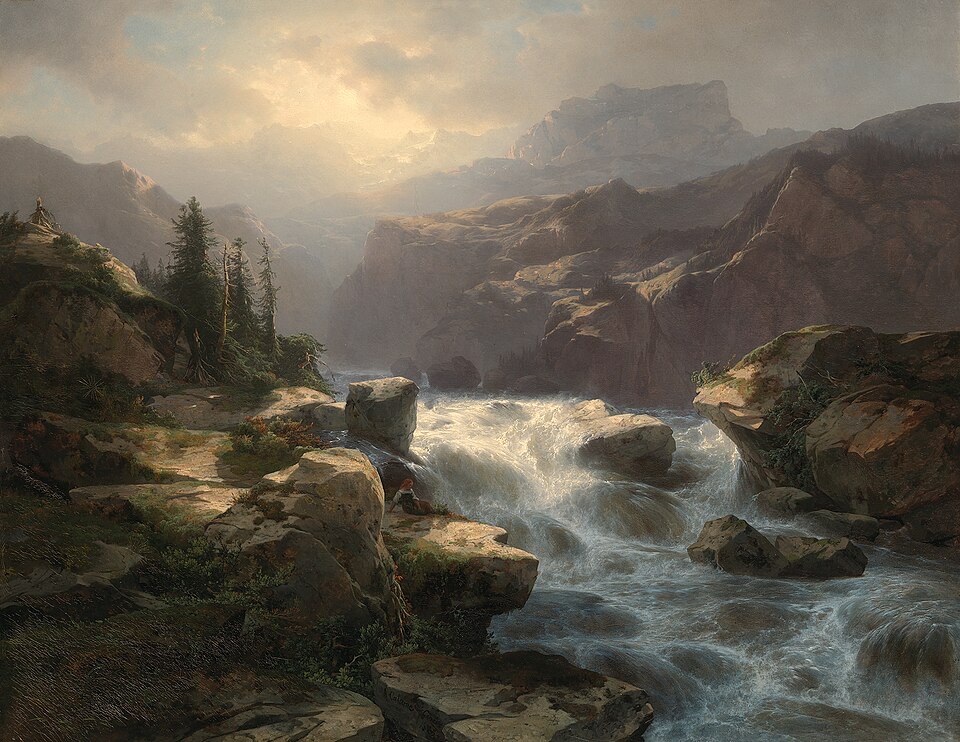
Among Calame’s most celebrated works was The Thunderstorm at Handeck, painted during the height of his fame. The painting displayed crashing water, jagged rocks, and violent weather with astonishing realism and emotional force. Critics praised the canvas because it seemed to place viewers directly inside the storm rather than merely showing them a scenic landscape. Such paintings transformed Calame into one of the most commercially successful Swiss artists of his generation.
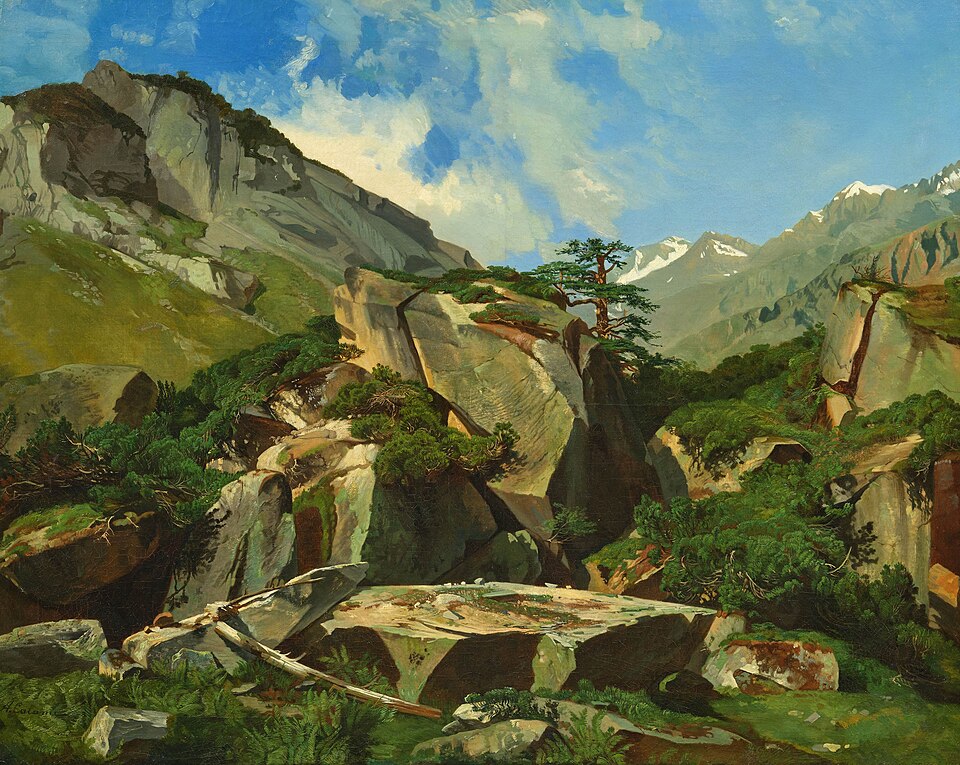
Calame also benefited from relationships with publishers and printmakers who reproduced his images for wider audiences. Engravings based on his paintings circulated throughout France and Germany, spreading his reputation far beyond elite art circles. Responsible historical speculation suggests that Calame understood the commercial importance of reproduction earlier than many of his contemporaries. This awareness helped him build both financial security and international recognition during the middle decades of the nineteenth century.
Alexandre Calame’s Signature Style and Artistic Techniques
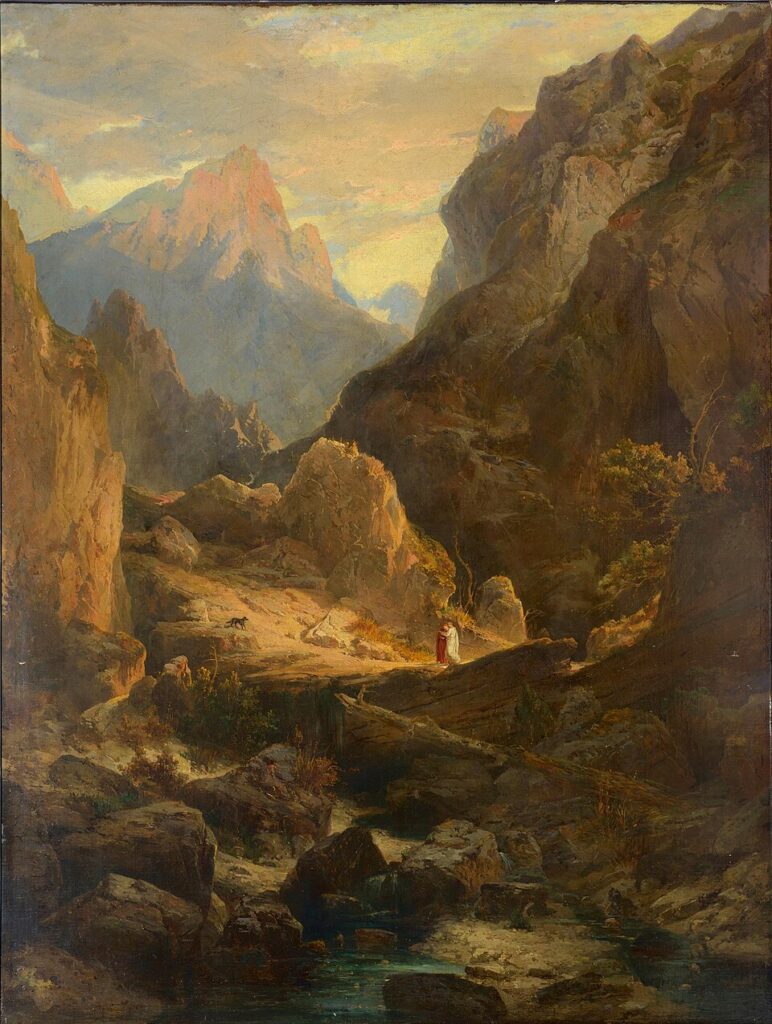
The biography of Alexandre Calame cannot be fully understood without examining the techniques that made his paintings instantly recognizable. His landscapes combined exact observation with emotional intensity, creating scenes that felt both real and larger than life. He often painted dramatic weather conditions such as storms, mist, or heavy clouds moving across mountain peaks. These natural effects gave his works a sense of movement and tension rarely matched by his rivals.
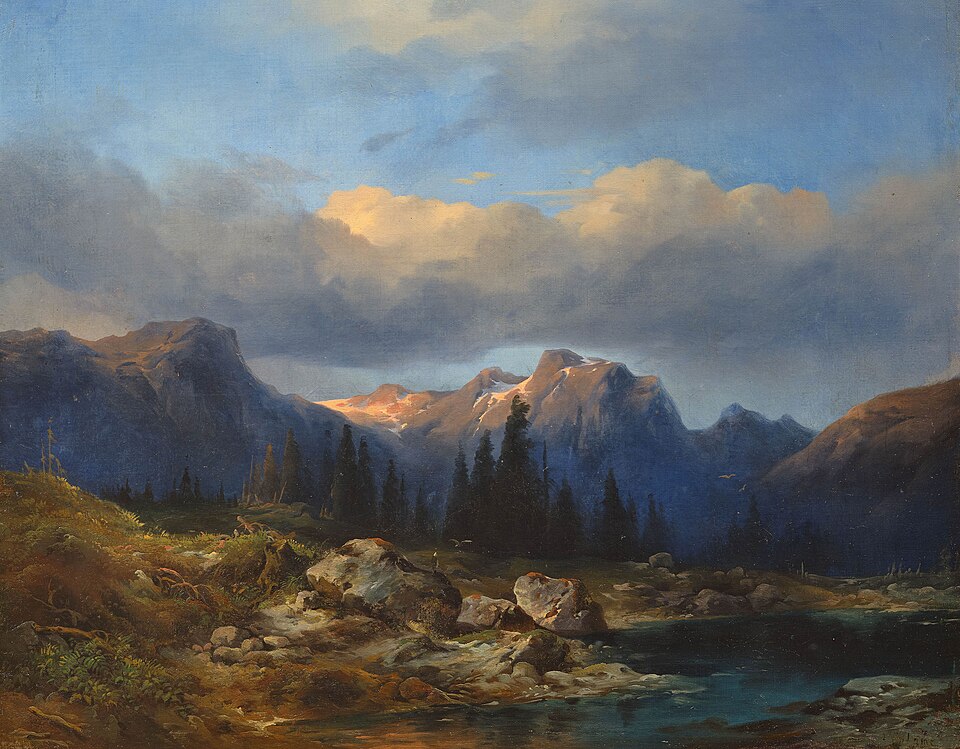
Calame frequently traveled into remote Alpine regions carrying sketchbooks and drawing materials. He believed direct contact with nature was essential for truthful landscape painting, an idea shared by many Romantic artists. After completing sketches outdoors, he returned to his Geneva studio to create larger finished works filled with detail and dramatic lighting. This balance between outdoor observation and studio refinement became central to his artistic process.
How Calame Captured the Power of the Alps
One reason Calame’s paintings impressed viewers so strongly was his mastery of light and texture. He carefully studied how sunlight struck rocks, trees, rivers, and snow at different times of day. In many works, dark storm clouds contrast sharply against glowing patches of sky, creating emotional intensity without losing realism. His forests appear damp and cold, while his waterfalls seem loud enough to hear through the canvas itself.
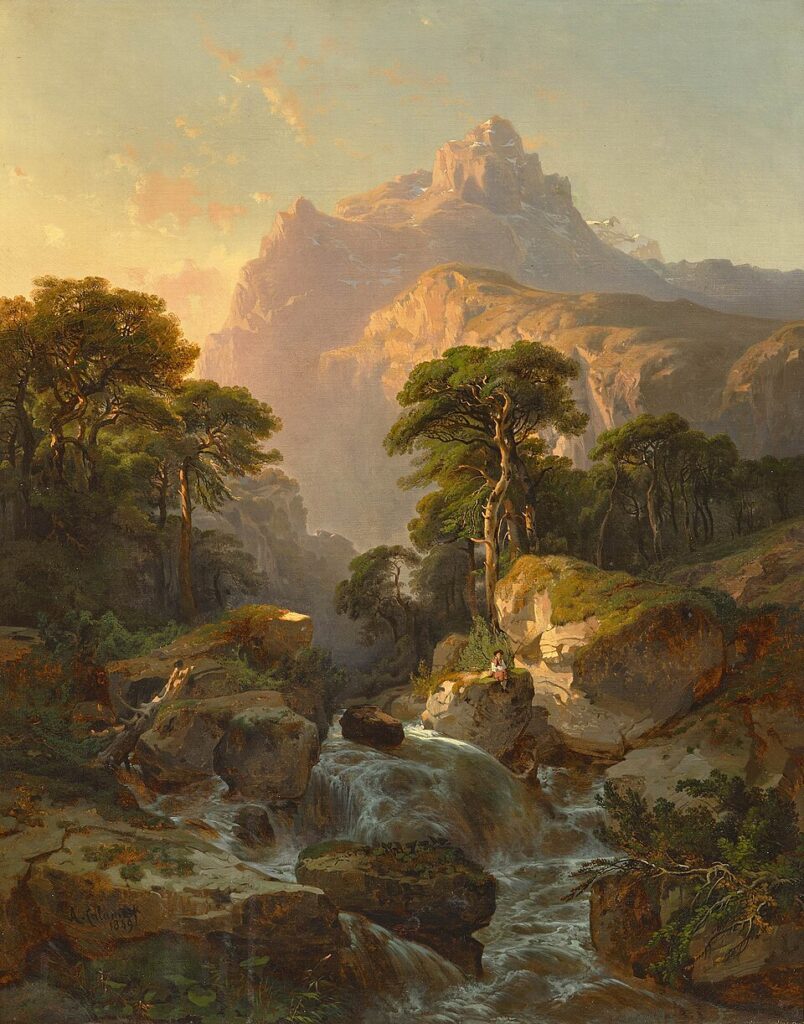
Art historians have also noted the influence of Dutch landscape traditions on Calame’s work, especially in his attention to atmosphere and natural detail. At the same time, his dramatic compositions reflected the emotional spirit of Romanticism sweeping Europe during the nineteenth century. Calame understood that audiences wanted landscapes that stirred the imagination rather than simply documenting geography. Through this combination of realism and emotional grandeur, he helped define the visual identity of the Swiss Alps for generations of viewers.
Travels, Professional Relationships, and International Influence
Travel played a major role in Alexandre Calame’s artistic growth and professional success. Throughout the 1830s and 1840s, he journeyed repeatedly through Switzerland studying mountain valleys, lakes, forests, and glaciers. He also traveled in parts of Germany and France, where he encountered collectors and fellow artists interested in landscape painting. These trips expanded both his artistic vision and his network of professional supporters.
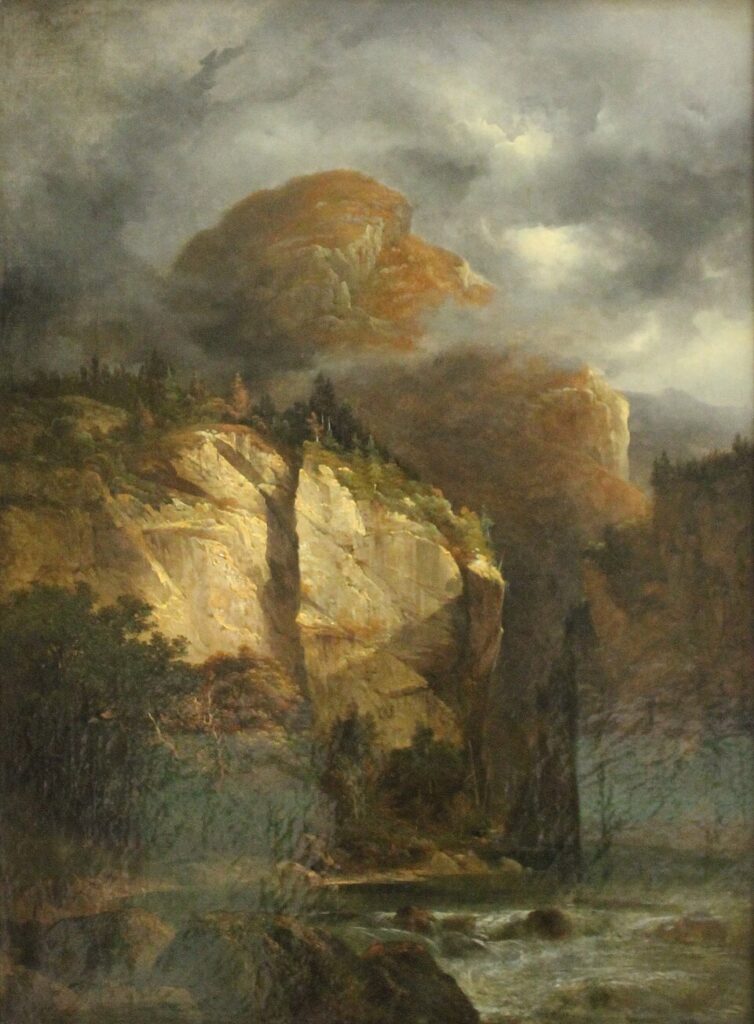
Calame maintained strong ties with Geneva’s artistic community even after achieving international recognition. He became an influential figure for younger Swiss painters who admired his discipline and technical skill. Several students adopted elements of his dramatic style, especially his treatment of weather and mountain scenery. His studio gradually developed into an important center for landscape painting in Switzerland during the mid-nineteenth century.
The Journeys and Connections That Expanded His Reputation
Some historians have compared Calame’s influence to that of the Hudson River School painters in the United States because both movements celebrated national landscapes with emotional grandeur. Although there is no confirmed direct collaboration between Calame and American artists, similarities in style and spirit are difficult to ignore. Both traditions emphasized wilderness, dramatic light, and the moral power of nature. Responsible historical speculation suggests that international print circulation may have encouraged artistic parallels between European and American landscape traditions during this period.
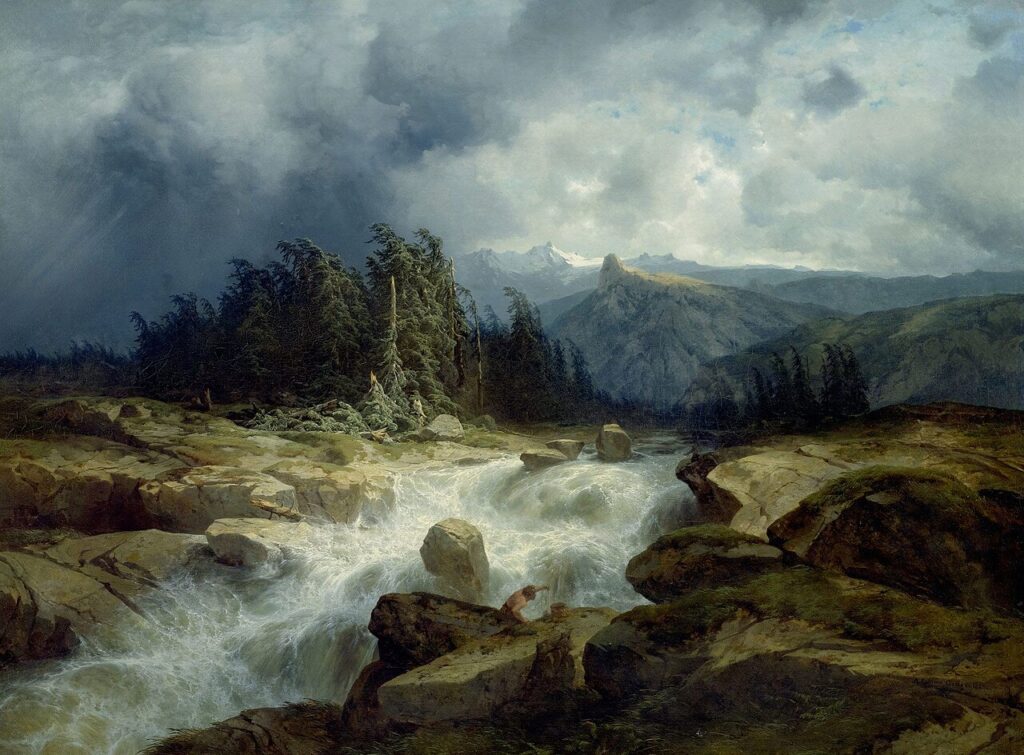
Calame’s relationships with publishers and engravers further strengthened his international reputation. Reproductions of his paintings appeared in books, portfolios, and private collections throughout Europe. This widespread distribution introduced his Alpine imagery to audiences who might never travel to Switzerland themselves. By the 1850s, Alexandre Calame had become not only a successful painter but also an international symbol of Romantic landscape art.
Personal Life, Later Years, and Declining Health
Despite his public success, Alexandre Calame appears to have lived a relatively private and disciplined personal life. Historical records contain limited details about romantic relationships or family matters, and scholars remain cautious about unsupported claims regarding marriage or children. Most surviving accounts focus instead on his intense work habits and devotion to painting. Friends and colleagues often described him as serious, hardworking, and deeply attached to the landscapes that inspired him.
During the 1850s, Calame faced growing physical exhaustion caused by constant travel, commissions, and professional expectations. Landscape painting required demanding journeys into rough terrain, often under difficult weather conditions. At the same time, European artistic tastes slowly began shifting toward newer movements that emphasized different styles and subjects. Although Calame remained respected, the changing art world created pressure for artists associated strongly with Romantic traditions.
The Private Struggles Behind the Celebrated Artist
Some scholars believe Calame’s relentless dedication to work may have contributed to declining health during his later years. Responsible historical speculation suggests that the emotional intensity visible in many late paintings reflected not only artistic ambition but also physical and mental fatigue. His mountain scenes from this period sometimes appear darker and more turbulent than earlier works. Whether intentional or unconscious, this tonal shift gives modern viewers insight into the burdens carried by the aging painter.
Alexandre Calame died on March 17, 1864, in Menton, France, at the age of fifty-three. News of his death spread quickly through Swiss artistic circles, where he was already regarded as a national cultural figure. Collectors, students, and fellow painters mourned the loss of a man who had transformed Alpine landscape painting into international art. Even after his passing, reproductions of his work continued circulating widely across Europe, preserving his reputation for future generations.
Alexandre Calame’s Lasting Legacy in Art History
The legacy of Alexandre Calame remains deeply connected to the visual identity of Switzerland itself. His paintings helped define how nineteenth-century Europeans imagined the Alps, turning mountain landscapes into symbols of beauty, strength, and national character. Museums throughout Switzerland still preserve and display his works as important examples of Romantic landscape painting. Art historians continue studying his techniques, travels, and influence on later generations of artists.
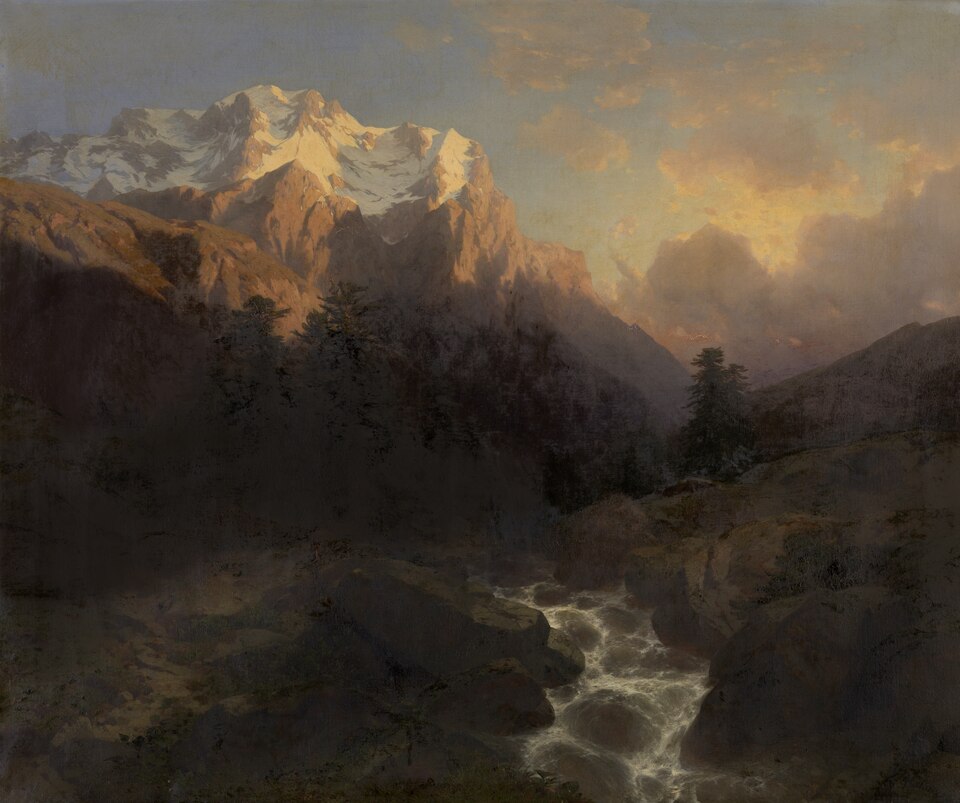
Calame’s paintings also remain valuable within the international art market because collectors admire both their technical precision and emotional atmosphere. Major auction sales over the years have demonstrated lasting demand for his landscapes, especially large Alpine compositions from the 1840s and 1850s. His work appeals not only to specialists in Swiss art but also to broader audiences fascinated by Romanticism and nineteenth-century nature painting. Few Swiss artists of his era achieved comparable international recognition.
Why Museums and Collectors Continue to Value His Work
Modern viewers often respond strongly to Calame’s art because it captures nature with honesty rather than sentimentality. His mountains feel dangerous as well as beautiful, and his storms carry real emotional weight. In a modern world filled with industrial growth and crowded cities, his paintings continue to remind audiences of the power and mystery of the natural world. That timeless emotional quality explains why his work still resonates more than 160 years after his death.
The biography of Alexandre Calame ultimately tells the story of a determined artist who transformed personal hardship into artistic greatness. From financial struggles in his youth to international fame during the height of Romanticism, his life reflected discipline, ambition, and devotion to nature. His paintings shaped Europe’s understanding of the Swiss Alps and influenced generations of landscape artists who followed him. Today, Alexandre Calame remains one of the most important painters in Swiss history and one of the great masters of nineteenth-century landscape art.
Key Takeaways
- Alexandre Calame was born on May 28, 1810, in Switzerland and became one of Europe’s leading Romantic landscape painters.
- His mentor François Diday played a major role in shaping his artistic development and Alpine focus.
- Calame achieved international fame during the 1840s through exhibitions, collectors, and printed reproductions of his paintings.
- His dramatic depictions of storms, forests, and mountains helped define Europe’s image of the Swiss Alps.
- Alexandre Calame died on March 17, 1864, in Menton, France, but his influence on landscape painting remains strong today.