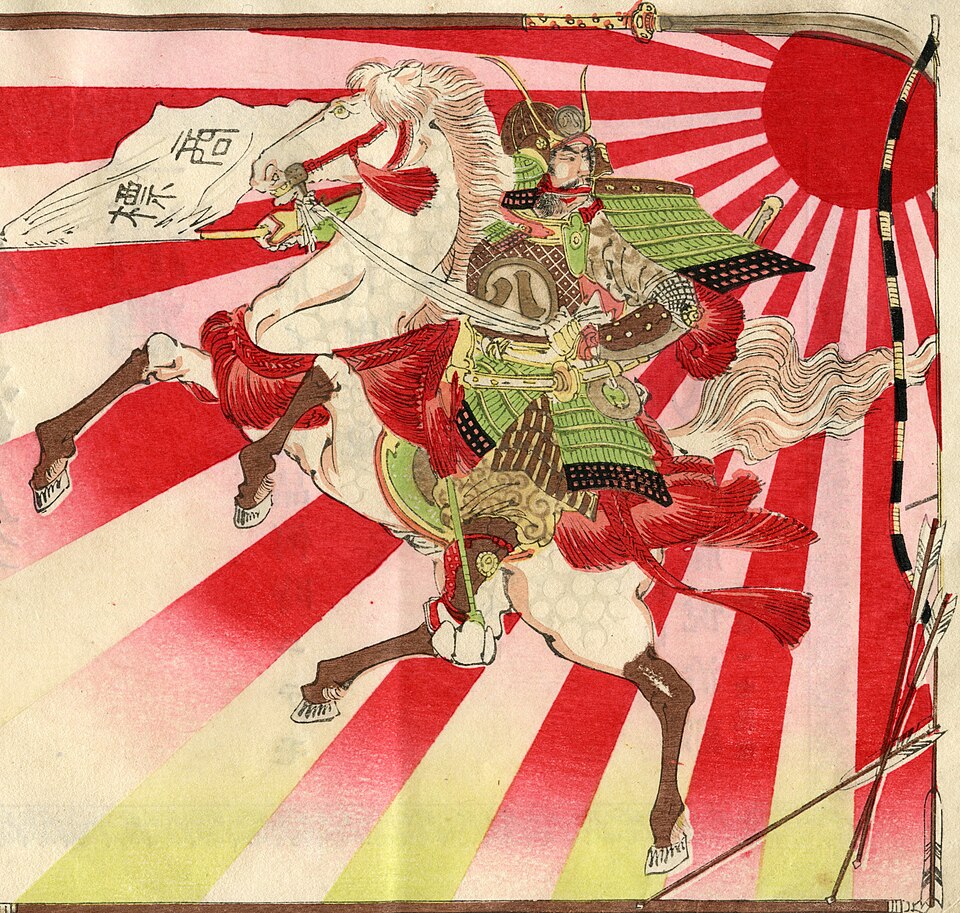
The story of European modern art begins with an unexpected turning point that arrived quietly from across the sea. In the mid-19th century, Japanese woodblock prints entered European markets and stirred a deep fascination among artists. These prints, rich in color and bold in design, introduced a visual language that felt both unfamiliar and refreshing. Painters who had long followed strict academic traditions suddenly found themselves inspired by something freer and more expressive.
This cultural wave became known as Japonisme, a term introduced in 1872 by French critic Philippe Burty. It described the widespread influence of Japanese art on European culture, especially in painting and design. The movement gained momentum after Japan ended its long period of isolation in 1853–1854, following the arrival of Commodore Matthew Perry. Trade opened, and with it came a flood of Japanese objects that captivated European audiences.
Artists were among the first to recognize the potential of these prints. They admired the simplicity of form, the bold outlines, and the unusual perspectives that seemed to defy Western rules. These qualities offered a new path forward at a time when many felt that traditional European art had become too rigid. The prints did not just decorate studios; they reshaped how artists thought about composition and storytelling.
How Japan’s Opening to the West Sparked an Artistic Revolution
The timing of this cultural exchange was crucial to its impact. By the 1860s and 1870s, many European artists were already questioning established methods taught in academies. Japanese prints provided a practical example of how art could break those rules and still feel complete and powerful. Their influence encouraged painters to experiment with asymmetry, cropped scenes, and bold color choices.
Paris quickly became the center of this new fascination. Collectors gathered prints, exhibitions displayed them, and artists studied them closely. The Exposition Universelle of 1867 played a major role in introducing Japanese art to a wider audience. From that point on, Japonisme was no longer a curiosity but a driving force in modern artistic development.
Understanding Japanese Woodblock Prints (Ukiyo-e)
Japanese woodblock prints, known as ukiyo-e, were far more than decorative objects. The term ukiyo-e translates to “pictures of the floating world,” referring to scenes of everyday life, entertainment, and fleeting beauty. These prints were widely produced in Japan during the Edo period, roughly between 1603 and 1868. They were affordable, making art accessible to a broad audience rather than just the elite.
The creation of a woodblock print was a collaborative effort involving several skilled individuals. An artist would design the image, a carver would cut it into wooden blocks, and a printer would apply ink and press the image onto paper. This teamwork allowed for detailed and consistent reproductions. The process also encouraged bold, clean lines and strong contrasts, which later fascinated European painters.
Techniques, Themes, and Key Artists of Ukiyo-e
Among the most influential artists was Katsushika Hokusai, born in 1760 and died in 1849, whose famous series included dramatic landscapes and powerful natural scenes. Utagawa Hiroshige, born in 1797 and died in 1858, created poetic images of travel and seasonal change. Kitagawa Utamaro, active in the late 18th century until his death around 1806, focused on elegant portraits of women. Each artist contributed to the diversity and richness of ukiyo-e.
Common themes included bustling city life, kabuki actors, courtesans, and serene landscapes. These subjects reflected both the excitement and tranquility of daily existence. The prints often captured moments that felt immediate and alive, such as a sudden rainstorm or a quiet evening scene. This focus on everyday life resonated strongly with European artists seeking authenticity.
The stylistic features of ukiyo-e were equally important. Flat areas of color replaced the shading and depth typical of Western painting. Bold outlines defined forms clearly, while asymmetrical compositions created a sense of movement. These elements would later become central to European modernism, influencing generations of artists.
Early European Encounters with Japanese Prints
The first encounters between European artists and Japanese prints were often accidental but quickly became intentional. In some cases, prints were used as packaging material for exported goods, a detail frequently mentioned in art history. While this claim appears in multiple sources, it remains a subject of responsible historical speculation due to limited direct documentation. Regardless of how they arrived, the prints captured attention almost immediately.
By the 1860s, collectors in France and Britain began actively seeking out Japanese prints. Art dealers recognized their appeal and started importing them in larger quantities. Paris, already a cultural hub, became the center of this growing interest. Artists visited shops and exhibitions, studying the prints closely and incorporating their ideas into their own work.
From Curiosity to Obsession Among Artists and Collectors
Philippe Burty played a key role in shaping this movement by formally naming it Japonisme in 1872. His writings helped legitimize the influence of Japanese art within European circles. At the same time, world fairs such as the Exposition Universelle of 1867 showcased Japanese objects to large audiences. These events made Japanese aesthetics widely accessible.
Artists were not just casual observers; they became dedicated collectors. Studios filled with prints, ceramics, and textiles from Japan. These objects served as both inspiration and study material. The more artists engaged with them, the more deeply their influence took root.
This period marked a shift from curiosity to genuine admiration. Japanese art was no longer seen as exotic decoration but as a serious artistic tradition. It offered solutions to problems European artists had been struggling with, especially in composition and perspective. As a result, its influence spread rapidly across different artistic movements.
Influence on Impressionist Artists
The Impressionist movement, which emerged in the 1860s and 1870s, found a natural ally in Japanese woodblock prints. Artists like Claude Monet, born in 1840 and died in 1926, were deeply influenced by their visual qualities. Monet collected Japanese prints extensively and even designed his garden in Giverny with Japanese aesthetics in mind. His paintings began to reflect similar compositional ideas, such as flattened space and vibrant color.
Edgar Degas, born in 1834 and died in 1917, also drew inspiration from Japanese prints. His works often feature unusual angles and cropped compositions that echo ukiyo-e design. Instead of centered subjects, Degas placed figures off to the side or partially out of frame. This approach created a sense of immediacy and movement.
How Japanese Aesthetics Reshaped Impressionist Vision
Mary Cassatt, born in 1844 and died in 1926, provides one of the clearest examples of direct influence. After seeing a major exhibition of Japanese prints in Paris in 1890, she began creating her own prints inspired by ukiyo-e techniques. Her work adopted flat color areas and strong outlines, particularly in her depictions of women and children. This marked a significant shift in her artistic style.
Several key elements defined the Impressionists’ adaptation of Japanese aesthetics:
- Cropped and asymmetrical compositions
- Emphasis on everyday scenes
- Flattened perspective with minimal depth
- Use of bold, unblended color
These changes helped redefine what painting could be. Instead of striving for photographic realism, artists focused on capturing moments and impressions. Japanese prints provided both inspiration and validation for this new direction.
Post-Impressionism and Bold Experimentation
As the Impressionist movement evolved, a new generation of artists pushed these ideas even further. Post-Impressionists sought deeper emotional and symbolic expression in their work. Japanese woodblock prints continued to play a crucial role in this development. Their influence extended beyond technique into the realm of artistic philosophy.
Vincent van Gogh, born in 1853 and died in 1890, was one of the most passionate admirers of Japanese art. He collected prints and studied them carefully, even copying works by Hiroshige. In letters to his brother Theo, written between 1888 and 1890, he described Japanese art as pure and honest. These ideas shaped his approach to color and composition.
Van Gogh, Gauguin, and the Deepening Influence of Japonisme
Paul Gauguin, born in 1848 and died in 1903, also embraced the influence of Japanese prints. His work featured flat color areas and simplified forms that echoed ukiyo-e aesthetics. Gauguin moved away from realistic representation toward symbolic imagery. This shift marked a turning point in modern art.
The influence of Japanese prints during this period can be seen in several ways:
- Increased use of bold, non-naturalistic color
- Simplified shapes and forms
- Greater emphasis on emotional expression
- Movement toward abstraction
Rather than simply copying Japanese styles, these artists transformed them. They used the prints as a foundation for new ideas, blending Eastern and Western traditions. This process helped lay the groundwork for modern art as we know it today.
Key Stylistic Elements Adopted by European Modernists
One of the most lasting contributions of Japanese woodblock prints was their impact on artistic style. European artists adopted several key elements that challenged traditional methods. These changes were not minor adjustments but fundamental shifts in how art was created and understood. They influenced everything from composition to color theory.
Asymmetry became a defining feature of modern art. Instead of balanced, centered compositions, artists embraced irregular arrangements. This approach created a sense of movement and spontaneity. It also allowed for more dynamic storytelling within a single image.
Composition, Color, and Perspective Reimagined
Another major influence was the use of flat color planes. Japanese prints avoided shading and depth, focusing instead on bold, uniform areas of color. European artists adopted this technique, moving away from realistic modeling. This change gave paintings a more decorative and expressive quality.
Key stylistic elements included:
- Cropping that mimicked photographic snapshots
- Strong outlines defining shapes
- Decorative patterns integrated into compositions
- Minimal use of traditional perspective
These innovations played a crucial role in the development of movements like Art Nouveau and Symbolism. They also contributed to the broader shift toward abstraction. By breaking away from realism, artists opened the door to new possibilities.
Lasting Legacy of Japonisme in Modern Art
The influence of Japanese woodblock prints did not end with the 19th century. It continued to shape modern art well into the 20th century and beyond. Artists such as Henri Matisse, born in 1869 and died in 1954, drew inspiration from Japanese aesthetics. His use of color and pattern reflects a clear connection to ukiyo-e traditions.
This legacy extends beyond painting into areas like graphic design and illustration. The clean lines and bold compositions of Japanese prints have influenced everything from posters to digital art. Even today, their impact can be seen in contemporary visual culture. The principles introduced by ukiyo-e remain relevant and widely used.
From Early Modernism to Contemporary Visual Culture
Japonisme also represents a broader story of cultural exchange. It shows how ideas can travel across borders and transform entire artistic traditions. This exchange was not one-sided but part of a larger dialogue between East and West. It continues to serve as a model for global artistic collaboration.
The enduring influence of Japanese prints can be summarized as follows:
- Inspiration for modernist movements
- Impact on design and visual communication
- Continued relevance in contemporary art
- Example of successful cultural exchange
In many ways, Japonisme helped redefine Western art. It encouraged artists to look beyond their own traditions and embrace new perspectives. That spirit of openness remains essential in the art world today.
Key Takeaways
- Japanese woodblock prints played a central role in shaping European modern art
- The opening of Japan in 1853–1854 enabled this cultural exchange
- Impressionist and Post-Impressionist artists adopted key stylistic elements
- Techniques like flat color and asymmetry transformed artistic practices
- Japonisme remains influential in modern and contemporary visual culture
FAQs
- What does Japonisme mean?
- Who were the key Japanese artists influencing Europe?
- How did Japanese prints change Impressionist art?
- Why were woodblock prints important to modernism?
- Does Japonisme still influence art today?


