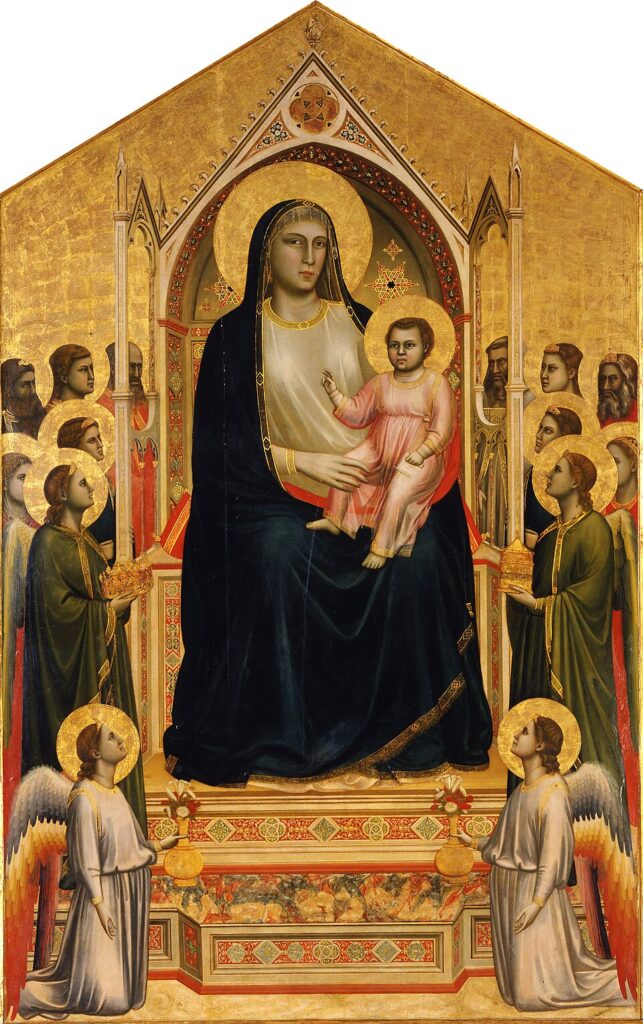
The story of the Italian Renaissance often begins with Florence, brilliant painters, and the rediscovery of ancient Rome. Yet another world stood quietly behind that cultural explosion, glowing with gold mosaics and sacred icons. Byzantine art carried centuries of artistic knowledge from Constantinople into Italy long before Renaissance masters became famous. Without that eastern influence, the visual language of Renaissance painting would have developed very differently.
Byzantine art emerged from the Eastern Roman Empire after Emperor Constantine I founded Constantinople in AD 330. The city became a powerful center of Christianity, trade, and artistic production for nearly a thousand years. Italian merchants, pilgrims, and church officials regularly traveled between Italy and Byzantium during the Middle Ages. Through those exchanges, Italian artists absorbed eastern techniques that shaped religious painting across the peninsula.
The Unexpected Bridge Between East and West
The influence of Byzantine art on the Italian Renaissance appeared most clearly in religious imagery. Gold backgrounds, solemn saints, and carefully balanced compositions filled churches from Venice to Florence. Before artists pursued realism, Italian painters worked within Byzantine traditions that emphasized holiness over earthly detail. These sacred images created an atmosphere of mystery that deeply appealed to medieval worshippers.
As political tensions grew between Eastern and Western Christianity, artistic exchange still continued. The Fourth Crusade in 1204 damaged Constantinople terribly, yet Byzantine treasures poured into Venice afterward. Historians speculate that some Italian artists may have trained directly under Byzantine craftsmen, though surviving records remain incomplete. What is certain is that Byzantine visual culture gave Italy the foundation from which Renaissance innovation later emerged.
The Origins and Core Features of Byzantine Art
Byzantine art developed after the Roman Empire split into eastern and western halves during the late fourth century. Constantinople became the heart of the Eastern Roman Empire, preserving classical learning while shaping a new Christian artistic tradition. Emperor Justinian I, born in AD 482 and ruling from AD 527 until 565, strongly supported monumental church construction and sacred decoration. His reign produced some of the most famous Byzantine works, including the mosaics of Ravenna and the great church of Hagia Sophia.
The Eastern Orthodox Church shaped nearly every aspect of Byzantine visual culture. Artists focused less on realism and more on spiritual truth, believing sacred images should guide believers toward prayer and contemplation. Figures appeared flat, elongated, and calm because emotional restraint symbolized divine order. Rich gold backgrounds reflected candlelight inside churches, creating a shimmering effect that made worshippers feel surrounded by heaven itself.
From the Roman Empire to a Distinct Sacred Style
Icons became central to Byzantine religious life between the sixth and fifteenth centuries. These painted images of Christ, the Virgin Mary, and saints were treated with deep reverence by believers throughout the empire. During the period known as Iconoclasm, from AD 726 to 843, some emperors ordered the destruction of sacred images because they feared idolatry. After Iconoclasm ended in AD 843, icon painting returned stronger than before and developed highly formal artistic rules.
Byzantine mosaics also transformed church interiors into radiant spiritual spaces. Tiny colored stones called tesserae reflected sunlight and oil lamps with extraordinary brilliance. Ravenna in Italy preserved some of the finest examples after the Byzantine Empire controlled the city during the sixth century. Responsible historical speculation suggests that Italian visitors to Ravenna may have carried visual memories of those mosaics back to Florence and Venice, influencing later generations of painters.
Byzantine Art’s Arrival in Italy Through Trade and Religion
Trade played a major role in bringing Byzantine art into Italy during the Middle Ages. Venice maintained especially strong commercial ties with Constantinople from the ninth century onward. Venetian merchants transported silk, spices, manuscripts, and religious objects across the Mediterranean Sea. Alongside those goods came artistic ideas that slowly blended with Italian traditions.
The Basilica of San Marco in Venice demonstrated Byzantine influence more clearly than any other Italian church. Construction began in AD 1063, and its domes, mosaics, and decorative richness closely resembled churches in Constantinople. Venetian leaders proudly displayed eastern artistic styles because they connected Venice to wealth and imperial prestige. Visitors entering San Marco encountered glowing golden ceilings that felt dramatically different from the heavier Romanesque churches of western Europe.
Venice as the Gateway of Byzantine Influence
Religious exchange strengthened these artistic connections between East and West. Priests, bishops, and pilgrims traveled regularly between Italian cities and Byzantine territories despite theological disagreements between the Roman Catholic and Eastern Orthodox Churches. Imported Byzantine icons filled Italian chapels because worshippers believed they possessed spiritual authority and miraculous power. Some churches even claimed certain icons were painted by Saint Luke himself, though historians cannot verify those traditions.
Byzantine craftsmen also worked directly in Italy during different periods. Mosaic artists from the East likely contributed to church decoration projects in Venice, Sicily, and Ravenna during the eleventh and twelfth centuries. Wealthy patrons preferred Byzantine styles because they projected sacred dignity and ancient authority. By the time the Renaissance began during the fourteenth century, Italian painters had already spent generations studying Byzantine artistic methods.
Cimabue, Giotto, and the Transition Toward Renaissance Naturalism
Cimabue, born around 1240 and dying in 1302, stood at the border between Byzantine tradition and Renaissance innovation. He trained within the established conventions of Byzantine painting, using gold backgrounds and solemn religious figures in his work. His famous painting, the Santa Trinita Maestà, still carried the spiritual grandeur associated with eastern icon painting. Yet Cimabue also experimented with softer drapery and more natural facial expressions than earlier artists had attempted.
Giotto di Bondone, born around 1267 and dying in 1337, became Cimabue’s most celebrated student. According to later accounts written by Giorgio Vasari in the sixteenth century, Cimabue discovered Giotto drawing sheep while working as a shepherd boy. Historians debate whether that story is entirely accurate, but their teacher-student relationship is widely accepted. Giotto transformed Italian painting by introducing emotional realism, physical weight, and believable human interaction into sacred scenes.
The Artists Who Blended Byzantine Tradition with Human Realism
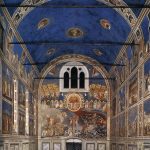
Giotto never fully rejected Byzantine art despite his innovations. His figures retained the dignity and spiritual focus inherited from earlier eastern traditions. In works like the Arena Chapel frescoes completed around AD 1305 in Padua, biblical characters displayed sorrow, joy, and fear with unprecedented realism. The emotional immediacy of those paintings marked a major turning point in Western art history.
Cimabue and Giotto influenced generations of later Renaissance artists. Masaccio, born in 1401 and dying in 1428, expanded Giotto’s interest in realism and perspective during the early fifteenth century. Michelangelo, born in 1475 and dying in 1564, admired Giotto’s achievements centuries later. Through this artistic chain, Byzantine influence continued shaping Renaissance painting even after Italian artists moved toward greater naturalism and anatomical precision.
The Role of Byzantine Mosaics and Religious Imagery
Byzantine mosaics created some of the most breathtaking interiors in medieval Europe. Artists arranged tiny pieces of colored glass and stone with remarkable care to produce glowing sacred scenes. Gold tesserae reflected flickering candlelight across church walls and ceilings, giving interiors a heavenly radiance. Worshippers entering those spaces often felt overwhelmed by beauty, silence, and spiritual mystery.
Ravenna preserved exceptional examples of Byzantine mosaics after becoming part of the Byzantine Empire during the sixth century. The churches of San Vitale and Sant’Apollinare Nuovo still display imperial portraits, saints, and biblical scenes in dazzling detail. Sicily also absorbed Byzantine artistic traditions, especially after Norman rulers employed eastern craftsmen during the eleventh and twelfth centuries. Monreale Cathedral near Palermo blended Byzantine mosaics with western architectural forms in spectacular fashion.
Sacred Imagery That Continued to Inspire Italian Artists
Italian Renaissance painters borrowed heavily from Byzantine religious imagery even while developing new techniques. Halos remained common symbols of holiness throughout Renaissance painting. Artists also continued using traditional compositions of the Virgin Mary holding the Christ Child, a format deeply rooted in Byzantine icon painting. These familiar sacred arrangements helped worshippers connect emotionally with religious stories.
Church leaders and wealthy patrons encouraged continuity between Byzantine traditions and Renaissance innovation. Religious commissions demanded imagery that balanced beauty with spiritual authority. Responsible historical speculation suggests some patrons resisted excessive realism because they feared sacred figures might appear too ordinary. As a result, Byzantine spirituality survived within Renaissance art long after naturalistic techniques became fashionable across Italy.
Venice and the Lasting Byzantine Legacy in Renaissance Art
Venice preserved Byzantine influence more strongly than Florence during the Renaissance period. The city’s trade routes connected it continuously with eastern Mediterranean cultures throughout the fifteenth and sixteenth centuries. Venetian artists favored glowing colors, rich decoration, and atmospheric lighting rather than strict geometric precision. This artistic preference reflected centuries of exposure to Byzantine visual traditions.
Giovanni Bellini, born around 1430 and dying in 1516, became one of Venice’s most important painters. His religious works combined Renaissance realism with luminous color and meditative calm. Bellini’s workshop trained many younger artists, including Titian, born around 1488 and dying in 1576. Through these artistic relationships, Byzantine-inspired colorism continued influencing Venetian painting for generations.
Why Venetian Renaissance Art Looked Different from Florence
Florentine artists often emphasized anatomy, perspective, and classical balance during the Renaissance. Venetian painters pursued emotional atmosphere through color, texture, and glowing light. Those differences partly reflected the cultural backgrounds of the two cities. Florence looked toward ancient Rome, while Venice maintained stronger commercial and artistic ties with the eastern Mediterranean world.
The political identity of Venice also reinforced Byzantine influence. Venetian leaders promoted the city as a powerful bridge between East and West. Public buildings, churches, and ceremonies displayed eastern-inspired luxury to impress foreign visitors and strengthen civic pride. Even during the height of the High Renaissance, Byzantine artistic echoes still shimmered beneath Venetian painting like gold beneath old mosaic glass.
The Enduring Legacy of Byzantine Art in Western Culture
The influence of Byzantine art on the Italian Renaissance extended far beyond medieval Italy. Byzantine traditions helped preserve sacred imagery, artistic craftsmanship, and classical knowledge during centuries of political upheaval. Without those contributions, Renaissance artists might never have developed the visual confidence needed to revolutionize Western art. The Renaissance did not appear suddenly from darkness but emerged through centuries of cultural inheritance.
Modern historians increasingly recognize the importance of Byzantine civilization in shaping European culture. Earlier scholars sometimes dismissed Byzantine art as rigid or outdated compared to Renaissance naturalism. Today many experts view Byzantine aesthetics as sophisticated spiritual expressions with their own artistic logic and emotional power. Museums and restoration projects across Europe now highlight Byzantine works with renewed respect.
Why Byzantine Influence Still Matters Today
Important Byzantine monuments still survive despite war, conquest, and natural disasters. Hagia Sophia in Istanbul continues astonishing visitors with its immense dome and shimmering mosaics nearly fifteen hundred years after its construction began in AD 532. Ravenna’s churches preserve extraordinary mosaic cycles that reveal the brilliance of Byzantine craftsmanship. Venetian churches also remain living reminders of centuries of artistic exchange between eastern and western Christianity.
The legacy of Byzantine art remains visible in modern religious painting, church decoration, and cultural memory. Orthodox icon painters still follow artistic traditions developed over a thousand years ago in Byzantium. Renaissance masterpieces become easier to understand when viewers recognize their eastern roots and inherited symbolism. The story of the Italian Renaissance is therefore not simply a tale of rebirth, but a story of cultural continuity stretching from Constantinople to Florence and beyond.
Key Takeaways
- Byzantine art provided the spiritual and visual foundation for many early Renaissance artistic traditions.
- Venice served as the main gateway through which Byzantine artistic ideas entered Italy.
- Cimabue and Giotto blended Byzantine sacred imagery with growing Renaissance realism.
- Byzantine mosaics influenced Renaissance uses of light, color, and religious symbolism.
- Modern historians increasingly recognize Byzantium’s major role in shaping Western art history.
FAQs
- What defined Byzantine art most clearly?
- Why did Venice absorb stronger Byzantine influence than Florence?
- How did Giotto change Byzantine artistic traditions?
- What role did mosaics play in Byzantine churches?
- Why is Byzantine influence important to Renaissance history?