The history of Thracian art opens a window into one of the oldest and most mysterious civilizations of ancient Europe. The Thracians lived across the Balkans for centuries before the rise of Rome, occupying lands that now include Bulgaria, Romania, northern Greece, and European Turkey. Ancient Greek historian Herodotus, born around 484 BC and deceased around 425 BC, described the Thracians as the second-largest people in the known world after the Indians. Their society produced remarkable treasures, colorful tomb paintings, and intricate gold objects that still astonish archaeologists today.
Many early civilizations vanished without leaving a visual record, yet the Thracians filled their world with art tied to warfare, religion, and royal authority. Their craftsmen shaped gold into flowing ceremonial cups, horse ornaments, helmets, and jewelry that reflected wealth and power. Thracian rulers often used art to strengthen loyalty among tribal groups and aristocratic families. Although the Greeks and Romans recorded some details about Thracian customs, much of their artistic history remained hidden underground until modern excavations began in the nineteenth century.
Who Were the Thracians?
The Thracians were not a single unified kingdom for most of their history, but a network of tribes connected by language, beliefs, and military traditions. Tribal leaders formed alliances through marriage, trade, and warfare, and these relationships influenced artistic production across the region. During the fifth century BC, the Odrysian Kingdom emerged as one of the strongest Thracian states under King Teres I, who died around 445 BC. His successors expanded royal patronage of artists and metalworkers, encouraging the growth of elite craftsmanship.
The history of Thracian art matters because it reveals how a powerful civilization expressed identity without creating a large surviving written tradition. Their visual culture became the voice of their society, preserving stories through symbols, tombs, and sacred objects instead of books. Archaeologists working in Bulgaria during the twentieth century uncovered tombs packed with painted walls, ceremonial armor, and silver vessels that transformed scholarly understanding of ancient Balkan life. Even today, historians continue debating the full origins and beliefs of the Thracians, proving that this civilization still holds many secrets beneath the soil of southeastern Europe.
Origins and Early Development of Thracian Art
The earliest foundations of Thracian artistic culture emerged during the Bronze Age between roughly 3000 BC and 1200 BC. Archaeological discoveries show that communities in the Balkans already possessed advanced metalworking skills long before recognizable Thracian tribes appeared in written records. Bronze weapons, decorated pottery, and ritual axes discovered in Bulgaria and Romania demonstrate a society that valued symbolic craftsmanship. These early traditions laid the groundwork for the later artistic achievements associated with Thracian nobles and warrior elites.
Trade routes crossing the Balkans played a major role in shaping the early history of Thracian art. Merchants traveling between the Black Sea, the Aegean coast, and the Danube River introduced new techniques and materials into Thracian lands. Decorative patterns found on pottery reveal similarities with both Scythian and Mycenaean designs, suggesting cultural exchange during the late Bronze Age. Historians believe some Thracian tribes also adopted artistic methods from neighboring Illyrian and Anatolian peoples through migration and commerce.
Bronze Age Foundations and Tribal Influences
As tribal systems became more organized during the early Iron Age after 1200 BC, Thracian leaders increasingly used art to display social rank and military success. Gold jewelry, horse gear, and ceremonial weapons often appeared in elite burials, showing that powerful families passed prestige through generations. Some historians cautiously speculate that certain decorative symbols represented tribal identities, though evidence remains incomplete due to limited written records. Responsible historical speculation suggests these symbols may have worked much like medieval heraldry centuries later.
Craftsmanship was likely taught through family workshops where fathers trained sons and relatives in metalworking and carving techniques. Skilled artisans occupied respected positions because they produced objects used in diplomacy, marriage ceremonies, and religious rituals. By the sixth century BC, Thracian artists had developed a recognizable style marked by flowing animal imagery, geometric decoration, and strong martial themes. The early history of Thracian art therefore reflects both practical survival and a deep cultural desire to honor ancestry, warfare, and sacred tradition.
Religion, Mythology, and Sacred Symbolism in Thracian Art
Religion shaped nearly every aspect of Thracian life, and artistic expression became one of the clearest ways their beliefs survived through history. Temples, sacred groves, tombs, and ritual vessels reflected a spiritual world filled with gods connected to nature, fertility, horses, warfare, and the afterlife. The Thracians believed the soul continued after death, encouraging elaborate burial customs for kings and aristocrats. Gold masks, decorated armor, and ceremonial drinking cups were often placed beside the dead to prepare them for the next world.
One of the most famous symbols in the history of Thracian art is the Thracian Horseman, a heroic rider commonly shown hunting or approaching sacred animals. Stone carvings of this figure appeared across Thrace during both the Hellenistic and Roman periods. Historians believe the horseman represented a divine protector linked to kingship, courage, and renewal. The horse itself carried spiritual importance because Thracian warriors relied heavily on cavalry and considered horses symbols of nobility and strength.
Gods, Rituals, and Funerary Imagery
Ancient writers connected Thrace with legendary religious figures including Orpheus, the mythical musician said to descend into the underworld. While direct evidence linking Orpheus to historical Thracian worship remains limited, many scholars argue that Dionysian rituals and ecstatic ceremonies likely influenced local spiritual traditions. Responsible historical speculation suggests music and ritual drinking may have played central roles in elite religious gatherings. Painted tomb scenes showing banquets and processions support the idea that feasting held sacred meaning beyond simple celebration.
Funerary art reveals the emotional depth of Thracian spiritual beliefs. Tomb murals often depicted married couples sharing farewell banquets, servants carrying gifts, and horsemen traveling toward eternity. Aristocratic marriages strengthened tribal alliances, and royal women sometimes appeared prominently in burial art alongside husbands and sons. Through these images, the history of Thracian art preserved ideas about loyalty, ancestry, and honor that remained central to Thracian society for centuries.
The Golden Age of Thracian Metalwork and Royal Treasures
The greatest achievements in the history of Thracian art appeared during the Classical and Hellenistic periods between the fifth and third centuries BC. During this era, Thracian rulers accumulated enormous wealth through trade, warfare, and alliances with Greek city-states along the Black Sea coast. Goldsmiths working for royal courts produced dazzling treasures using advanced methods such as repoussé, engraving, granulation, and filigree. Their creations rivaled the finest luxury objects made in Greece or Persia during the same centuries.
The Panagyurishte Treasure, discovered in Bulgaria in 1949, remains one of the most famous examples of Thracian craftsmanship. This ceremonial gold set dates to the late fourth or early third century BC and includes rhytons shaped like animal heads and mythological figures. Historians believe wealthy aristocrats used these vessels during sacred feasts and diplomatic gatherings. The treasure demonstrates how Thracian artists blended local traditions with Greek artistic influence while maintaining a distinctive visual identity.
Goldsmiths, Royal Patronage, and Master Craftsmanship
Royal patronage played a decisive role in encouraging artistic innovation among the Thracians. Kings employed master craftsmen to create jewelry, armor, horse equipment, and ceremonial gifts that reinforced political alliances. The Odrysian rulers maintained close ties with Greek colonies, and these relationships encouraged collaboration between Thracian and Greek artisans. Some workshops may even have included craftsmen from different ethnic backgrounds working together under royal supervision.
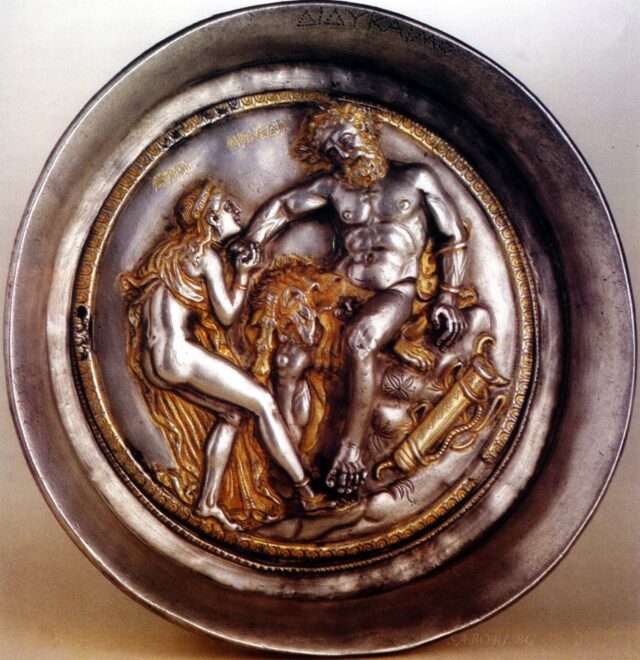
The Rogozen Treasure, discovered in 1985, further transformed understanding of Thracian elite culture. This collection included more than 160 silver vessels decorated with gods, warriors, and hunting scenes dating from the fifth and fourth centuries BC. Archaeologists believe such treasures reflected both wealth and political legitimacy because noble families displayed them during major ceremonies. The glowing surfaces of polished gold and silver likely created a dramatic spectacle during torchlit feasts, turning artistic objects into symbols of authority and sacred power.
Thracian Tombs and Monumental Artistic Achievements
Thracian tombs remain among the most important surviving monuments connected to ancient Balkan civilization. Many of these burial complexes were built beneath large earthen mounds known as tumuli, which dominated the landscape like silent guardians of royal memory. Archaeologists uncovered richly decorated chambers containing murals, chariots, armor, jewelry, and sacrificed horses. These discoveries revealed how strongly the Thracians connected art with death, honor, and eternal remembrance.
The Kazanlak Tomb, dating to the late fourth century BC, stands as one of the finest surviving examples of Thracian wall painting. Discovered in Bulgaria in 1944, the tomb contains vivid murals showing banquets, horses, servants, and aristocratic couples. The paintings use graceful movement and warm colors that still appear remarkably alive after more than two thousand years. Historians believe the central male and female figures likely represented a noble husband and wife joined together in the afterlife.
Murals, Architecture, and Burial Traditions
Thracian architects designed tombs with remarkable engineering skill despite limited technology. Stone corridors led into circular burial chambers where painted plaster walls surrounded the deceased like a sacred theater. Decorative scenes often showed military triumphs, horse races, and ceremonial feasts that celebrated the achievements of elite families. These artistic choices reinforced social order by presenting rulers as heroic protectors worthy of eternal honor.
Some historians cautiously speculate that the placement of tombs across valleys and hills carried astronomical or spiritual meaning. Although evidence remains incomplete, several burial sites appear aligned with natural landmarks and solar patterns. Responsible historical speculation suggests the Thracians may have viewed the landscape itself as sacred, blending architecture with the rhythms of nature. The history of Thracian art therefore extended beyond portable objects into monumental spaces shaped by memory, ritual, and political authority.
Greek, Persian, and Roman Influences on Thracian Art
Thrace occupied a strategic position between Europe and Asia, making it a crossroads of competing empires and cultural traditions. Greek merchants established colonies along the Black Sea coast beginning in the seventh century BC, bringing pottery styles, sculptural techniques, and luxury goods into Thracian territory. Thracian nobles eagerly adopted some foreign artistic ideas while preserving local customs and symbols. This balance between outside influence and native tradition gave Thracian art its distinctive character.
Persian expansion into the Balkans under King Darius I, born around 550 BC and deceased in 486 BC, also shaped artistic development during the early fifth century BC. Persian decorative motifs such as winged animals, floral designs, and elaborate ceremonial vessels appeared in some Thracian treasures after these contacts. Historians believe elite Thracians admired Persian royal culture because it emphasized power, wealth, and military prestige. Trade and diplomacy therefore became important channels for artistic exchange across ancient southeastern Europe.
Cultural Exchange Across Ancient Empires
Roman conquest gradually transformed the history of Thracian art after Thrace officially became a Roman province in AD 46. Roman roads, cities, and military settlements introduced new architectural forms and artistic standards into the region. Local craftsmen adapted by blending Roman realism with traditional Thracian symbols, especially in funerary sculpture and religious carvings. The Thracian Horseman continued appearing in art even under Roman rule, showing the survival of native spiritual traditions.
Cultural blending also occurred through marriage alliances and military service. Thracian soldiers served throughout the Roman Empire, carrying elements of their homeland into distant provinces. Some historians believe returning veterans introduced Roman fashions back into Thrace, influencing local jewelry and sculpture styles. Despite centuries of foreign domination, many artistic traditions rooted in tribal identity survived long enough to leave a lasting mark on Balkan cultural history.
Rediscovery, Archaeology, and the Modern Legacy of Thracian Art
For centuries, much of Thracian civilization remained buried beneath fields, hills, and forests across the Balkans. Interest in the history of Thracian art expanded dramatically during the nineteenth century as archaeologists and historians began systematic excavations in Bulgaria and neighboring regions. Early discoveries often came from accidental finds by farmers uncovering gold objects while plowing land. These unexpected treasures sparked international fascination with a civilization long overshadowed by Greece and Rome.
Modern archaeology transformed understanding of the Thracians during the twentieth century. Bulgarian archaeologists such as Georgi Kitov, born in 1943 and deceased in 2008, uncovered major tomb complexes and treasures that reshaped historical scholarship. Museums carefully preserved murals, silver vessels, and ceremonial armor that revealed the sophistication of Thracian craftsmanship. Conservation experts also developed methods to protect fragile painted tombs from moisture and environmental damage.
How Archaeology Revived a Forgotten Civilization
Today, Thracian art continues influencing modern Balkan identity and historical tourism. Museums in Sofia, Plovdiv, and Kazanlak attract visitors eager to experience the vivid colors and golden treasures of ancient Thrace. Scholars still debate many questions involving religion, language, and tribal organization because surviving written evidence remains limited. Responsible historical speculation remains necessary in some areas, but archaeological discoveries continue filling gaps in the historical record every decade.
The enduring appeal of Thracian art lies in its mixture of mystery, beauty, and resilience. Gold vessels shimmer with traces of royal ambition, while painted tombs preserve moments of grief and celebration frozen across centuries. The Thracians disappeared as a distinct people during the late Roman era, yet their artistic legacy survived beneath the earth until rediscovered by modern generations. Anyone interested in ancient Europe can still learn valuable lessons from the courage, craftsmanship, and spiritual imagination preserved in the history of Thracian art.
Key Takeaways
- The Thracians were an ancient Indo-European people who lived across the Balkans and produced remarkable artistic achievements.
- Thracian art reflected religion, warfare, royal authority, and beliefs about the afterlife.
- Gold and silver treasures such as the Panagyurishte Treasure revealed advanced craftsmanship during the Classical period.
- Tomb paintings and monumental burial sites provided vital evidence about Thracian culture and aristocratic life.
- Modern archaeology in Bulgaria and neighboring regions revived global interest in Thracian civilization.
FAQs
- Who were the Thracians?
The Thracians were ancient tribes who lived across southeastern Europe and developed a rich warrior culture. - What is the most famous example of Thracian art?
The Panagyurishte Treasure is one of the most celebrated surviving collections of Thracian gold craftsmanship. - Why were Thracian tombs important?
Thracian tombs preserved murals, jewelry, weapons, and burial customs that revealed details about elite society. - Did Greek culture influence Thracian art?
Yes, Greek colonies and trade strongly influenced Thracian metalwork, pottery, and decorative styles. - When did the Thracians disappear?
The Thracians gradually merged into the Roman world after Thrace became a Roman province in AD 46.