The art of the Paleolithic era offers a breathtaking glimpse into the lives, beliefs, and creativity of our earliest ancestors. From intricate cave paintings and portable figurines to hand stencils and geometric engravings, these masterpieces showcase the ingenuity and symbolic thought of prehistoric humans. This comprehensive list of the 100 most fascinating examples of Paleolithic art takes you on a journey across continents, exploring iconic sites like Lascaux, Chauvet, and Altamira, as well as lesser-known gems such as Bhimbetka Rock Shelters and Cosquer Cave. Dive into this rich tapestry of prehistoric expression and discover the profound connection between early humans and their world through the enduring power of art.
1. Lascaux Cave Paintings (France, c. 15,000 BC)
The Lascaux cave system is renowned for its intricate and colorful paintings of animals, including horses, deer, and bulls. These depictions showcase the remarkable artistry and spiritual life of early humans. The paintings were created using natural pigments and demonstrate an advanced understanding of perspective and motion. Discovered in 1940, they remain one of the most celebrated examples of prehistoric art.
2. Venus of Willendorf (Austria, c. 28,000–25,000 BC)
This small, limestone figurine is a stunning example of Paleolithic sculpture, emphasizing fertility and abundance. With exaggerated features like large breasts and wide hips, the Venus of Willendorf likely symbolized health and reproduction. Its craftsmanship shows early humans’ ability to shape stone into meaningful forms. It remains one of the most iconic symbols of the prehistoric world.
3. Altamira Cave Paintings (Spain, c. 14,000 BC)
The Altamira caves hold some of the oldest known depictions of bison, deer, and other animals, painted in vivid reds, blacks, and browns. These paintings include the famed polychrome ceiling, which uses natural rock contours to create a three-dimensional effect. The art demonstrates advanced techniques and a deep understanding of animal anatomy and motion. Today, Altamira is celebrated as a masterpiece of early human creativity.
4. Chauvet Cave Paintings (France, c. 32,000 BC)
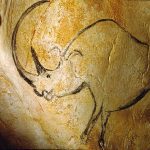
Chauvet Cave is renowned for its diverse and stunning Paleolithic art, which includes depictions of panthers, rhinoceroses, bears, horses, and other animals. The artworks showcase advanced techniques like shading, overlapping figures, and dynamic poses that convey movement. The Panther Panel, Bear Panel, and Rhinoceroses stand out as iconic examples of artistic ingenuity, while handprints and abstract symbols add a mysterious, spiritual dimension. Discovered in 1994, Chauvet remains one of the most significant and comprehensive representations of Upper Paleolithic art.
5. Venus of Hohle Fels (Germany, c. 35,000 BC)
This small figurine carved from mammoth ivory is one of the oldest known examples of portable art. The Venus of Hohle Fels has exaggerated features emphasizing fertility, such as large breasts and hips, but lacks a distinct head. Its discovery near musical instruments suggests a cultural connection between art, music, and spirituality. This artifact underscores early humans’ symbolic focus on reproduction and survival.
6. El Castillo Cave Art (Spain, c. 40,800 BC)
El Castillo Cave contains one of Europe’s oldest known examples of Paleolithic art, including hand stencils and abstract ladder-like shapes. The stencils, created by blowing pigment over hands, evoke a deeply personal connection to early humans. The ladder symbol suggests early attempts at abstract representation. El Castillo bridges the gap between symbolic and figurative art.
7. Venus of Brassempouy (France, c. 23,000 BC)
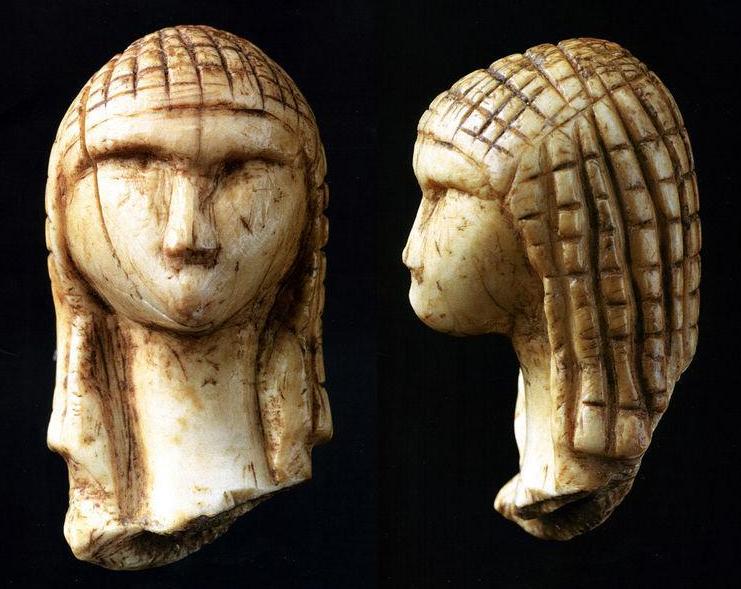
The Venus of Brassempouy is one of the earliest known depictions of a human face, carved from ivory. Unlike other Venus figurines, this one features a simplified but strikingly modern human head with braided hair. Its abstraction indicates a symbolic, rather than realistic, approach to portraying humanity. The figurine reveals early humans’ ability to conceptualize and represent human identity in art.
8. Cosquer Cave Art (France, c. 27,000 BC)
Cosquer Cave contains a unique combination of marine life depictions, terrestrial animals, hand stencils, and abstract patterns. The marine art, including seals and fish, highlights the importance of coastal ecosystems to early humans. The hand stencils, often missing fingers, add a deeply personal and enigmatic aspect to the cave’s art. Discovered underwater, Cosquer is a rare example of prehistoric art tied to a submerged environment.
9. Pech Merle Cave (France, c. 25,000 BC)
Pech Merle is famed for its “Spotted Horse” mural, which features two horses painted alongside a background of red and black dots. The horses’ bodies align with natural rock formations, showing early humans’ skill in incorporating geological features into their art. The cave also includes human hand stencils and abstract patterns. This mix of figurative and abstract art suggests complex symbolic meanings.
10. Venus of Dolní Věstonice (Czech Republic, c. 29,000–25,000 BC)
This Venus figurine, made of fired clay, is the oldest known ceramic artifact in the world. The figure’s exaggerated features suggest a focus on fertility and survival, consistent with other Venus sculptures. It was discovered alongside a kiln, showing early experimentation with ceramic technology. The find sheds light on symbolic and ritualistic practices in Paleolithic societies.
11. The Swimming Reindeer (France, c. 13,000 BC)
This carved piece of mammoth ivory features two reindeer swimming in tandem. The level of detail in their antlers and movement suggests a keen observation of nature. The carving is not only an artistic achievement but also a glimpse into the daily life and environment of Ice Age people. It remains one of the most famous examples of Paleolithic portable art.
12. Venus of Laussel (France, c. 25,000 BC)
This limestone bas-relief depicts a woman holding a crescent-shaped object, possibly a lunar symbol. The figure is painted with red ochre, emphasizing its symbolic importance. The Venus of Laussel stands out for being a rare example of a Venus sculpture attached to a wall rather than portable. Its connection to lunar cycles hints at an early understanding of time and fertility.
13. Vogelherd Cave Carvings (Germany, c. 35,000 BC)
Vogelherd Cave produced a wealth of figurative carvings, including a mammoth, lion, and horse. These small figurines, carved from mammoth ivory, showcase remarkable craftsmanship and creativity. They are among the earliest known examples of figurative art. The discovery highlights the symbolic and aesthetic interests of early modern humans.
14. Cueva de las Manos (Argentina, c. 9,000 BC)
This rock shelter features thousands of hand stencils, primarily in red, black, and white pigments. The patterns include both individual and group impressions, creating a sense of community identity. The cave also contains animal and hunting depictions, tying art to subsistence activities. It is one of the most iconic examples of prehistoric South American art.
15. Font-de-Gaume Cave (France, c. 17,000 BC)
Font-de-Gaume is famous for its polychrome paintings of bison, reindeer, and other animals. The cave’s artists skillfully used the natural contours of the rock to give their paintings depth and motion. The use of color layering adds a striking sense of realism. This site is one of the few caves still open to the public, preserving its legacy.
16. Bhimbetka Rock Art (India, c. 30,000 BC)
The Bhimbetka Rock Shelters feature a rich variety of art, including depictions of animals, human figures, and dynamic hunting scenes. The Zoo Rock Panel, with its vibrant representations of elephants and tigers, stands out as a significant feature. The use of red and white pigments shows advanced pigment preparation techniques. Bhimbetka remains a UNESCO World Heritage site and a testament to early Indian creativity.
17. Les Trois Frères “The Sorcerer” (France, c. 13,000 BC)
This iconic engraving depicts a figure combining human and animal traits, interpreted as a shaman or deity. The “Sorcerer” has antlers, a human torso, and an expressive stance that suggests dance or ritual. The art highlights the spiritual beliefs of Paleolithic societies. Found in Les Trois Frères cave, it exemplifies the integration of symbolism and creativity.
18. Serra da Capivara Art (Brazil, c. 12,000 BC)
Serra da Capivara contains thousands of vibrant red and yellow rock paintings depicting humans, animals, and dynamic hunting scenes. The detailed compositions suggest early storytelling traditions tied to survival and rituals. The art emphasizes the cultural and social life of South American Paleolithic communities. Serra da Capivara is among the richest archaeological sites in the Americas.
19. Murujuga Petroglyphs (Australia, c. 30,000 BC)
These engravings, found in the Burrup Peninsula, include depictions of animals, humans, and abstract patterns. Murujuga’s petroglyphs showcase the longevity and depth of Indigenous Australian art traditions. Some carvings represent extinct species, providing valuable information about the environment at the time. This site demonstrates the global reach of Paleolithic creativity.
20. Foz Côa Valley Engravings (Portugal, c. 20,000 BC)
This outdoor site contains thousands of engravings of animals such as horses, ibex, and aurochs etched into rocky cliffs. These open-air petroglyphs provide a rare example of Paleolithic art in the natural environment. Their realistic depictions suggest both spiritual and practical ties to hunting. The site is a UNESCO World Heritage location, preserving this extraordinary cultural record.
21. Leang Sakapao Cave (Indonesia, c. 45,000 BC)
This cave features some of the oldest figurative art in the world, depicting a wild pig in vibrant red ochre. The level of detail, including realistic anatomical features, highlights the sophistication of early human artists in Southeast Asia. Found alongside hand stencils, the pig offers a rare glimpse into hunting culture. The discovery reshaped our understanding of early art.
22. Rouffignac Animal Engravings (France, c. 13,000 BC)
Rouffignac Cave contains over 250 engravings and paintings of mammoths, bison, and bears. The use of black manganese for painting and fine lines for engraving reflects technical skill. The depictions suggest a cultural and symbolic emphasis on large game animals. Rouffignac provides a comprehensive view of Upper Paleolithic animal-focused art.
23. Daraki-Chattan Cupules (India, c. 100,000 BC)
These ancient rock depressions are among the oldest known examples of symbolic art, predating more recognizable figurative depictions. The cupules were created by repeatedly striking rock surfaces with tools, possibly as part of ritual activities. Their abstract nature suggests early symbolic thought. Daraki-Chattan offers insights into the cognitive development of our ancestors.
24. Wonderwerk Cave Red Ochre (South Africa, c. 40,000 BC)
Ground red ochre found at Wonderwerk Cave was likely used for symbolic purposes, possibly including body painting or early art. While no figurative art remains, the use of pigments demonstrates an early understanding of color and symbolism. These findings bridge the gap between abstract decoration and later representational art. Wonderwerk highlights the beginnings of artistic traditions in human history.
25. Baume Latrone Figures (France, c. 20,000 BC)
This cave contains engravings of deer and horses carved into limestone. The fine details and fluid lines indicate an exceptional understanding of animal anatomy and movement. The secluded location suggests that these images held ritualistic importance. Baume Latrone highlights the intimate connection between Paleolithic people and their environment.
26. Shulgan-Tash Cave Art (Russia, c. 17,000 BC)
Shulgan-Tash, also known as Kapova Cave, features vibrant red ochre paintings of mammoths, fish, and geometric designs. The diversity of subjects highlights the spiritual and symbolic life of Siberian hunter-gatherers. The cave’s remote location suggests ceremonial use, adding a sacred dimension to the art. Shulgan-Tash is a treasure trove of Eurasian Paleolithic creativity.
27. Monte Alegre Painted Rock (Brazil, c. 11,000 BC)
Monte Alegre contains red-painted figures of animals, humans, and abstract symbols on sandstone walls. The art reflects the cultural life of early communities in the Amazon basin. Its preservation offers valuable insight into South America’s early artistic traditions. Monte Alegre challenges the Eurocentric focus of prehistoric art studies.
28. Ain Sakhri Lovers Figurine (Israel, c. 11,000 BC)
This small figurine carved from limestone represents two intertwined human figures. It is one of the earliest known depictions of human intimacy and may symbolize fertility or union. The abstraction of the figures reflects a symbolic approach to representation. This artifact highlights the emotional and spiritual dimensions of early art.
29. Apollo 11 Stones (Namibia, c. 25,000 BC)
These engraved stone fragments feature depictions of animals, blending naturalism and abstraction. Found in a rock shelter, they represent some of the earliest known art in Africa. The use of ochre and charcoal pigments demonstrates the technological and artistic skills of early humans. Apollo 11 Stones highlight the deep roots of artistic expression on the African continent.
30. Toca do Baixão da Pedra Furada (Brazil, c. 12,000 BC)
This site includes vibrant red rock paintings of animals and humans, often shown in hunting scenes. The dynamic poses suggest storytelling and community activities. The art reflects early cultural practices in South America. Toca do Baixão highlights the diversity of Paleolithic art traditions worldwide.
31. Matobo Hills Rock Art (Zimbabwe, c. 13,000 BC)
This African site contains depictions of animals, hunting scenes, and abstract shapes painted in red and white pigments. The art provides a glimpse into the spiritual and daily lives of early humans in southern Africa. The images’ style suggests continuity with later traditions in the region. Matobo Hills underscores the global reach of prehistoric art.
32. Ciemna Cave Engravings (Poland, c. 15,000 BC)
This site contains engravings of animals and abstract symbols on cave walls. The depictions are simple but reflect an understanding of animal anatomy and movement. Ciemna Cave provides a rare look at Central European Paleolithic art. It is an important site for tracing human artistic expression across Europe.
33. Tadrart Acacus Rock Art (Libya, c. 12,000 BC)
This North African site features intricate depictions of giraffes, elephants, and other animals in a now-arid region. The art highlights a once-thriving ecosystem and early human interaction with it. The paintings are vibrant, with detailed compositions that reflect a connection to the environment. Tadrart Acacus provides an important cultural record of Paleolithic North Africa.
34. Teruel Cave Paintings (Spain, c. 12,000 BC)
This site contains intricate paintings of deer, goats, and abstract symbols in red and black pigments. The dynamic compositions suggest a storytelling element, possibly related to hunting rituals. The art reflects a deep connection between humans and their environment. Teruel Cave rounds out the remarkable achievements of Paleolithic art.
35. Tibble Cave Carvings (Sweden, c. 10,000 BC)
This site contains simple carvings of reindeer and elk, reflecting the hunting-based lifestyle of northern European communities. The art demonstrates the adaptability of Paleolithic traditions to different climates and landscapes. The engravings are among the earliest known examples of Scandinavian prehistoric art. Tibble highlights the spread of art across diverse environments.
36. Wonderwerk Cave Incised Stones (South Africa, c. 300,000 BC)
This site contains crosshatched engravings on stone, representing some of the earliest symbolic art by humans. These patterns may have been used in ritualistic or symbolic communication. Wonderwerk Cave is a milestone in tracing the cognitive development of early hominins. It bridges the gap between abstract art and representational forms.
37. Lake Victoria Ochre Markings (Kenya, c. 40,000 BC)
This site features early ochre markings associated with symbolic practices, including body decoration and potential art. The findings suggest cultural significance tied to community identity and rituals. The markings represent an early step in the development of artistic traditions. Lake Victoria highlights Africa’s contribution to the global origins of art.
38. Sulawesi Babirusa Panel (Indonesia, c. 40,000 BC)
This cave art features babirusas (wild pigs) painted in vibrant red ochre. The dynamic compositions suggest symbolic or spiritual significance tied to hunting. These early depictions highlight Southeast Asia’s role in Paleolithic art traditions. Sulawesi showcases the global diversity of prehistoric creativity.
39. Tibesti Mountain Petroglyphs (Chad, c. 12,000 BC)
This site features engravings of giraffes, camels, and human figures on rocky outcrops. The petroglyphs highlight early human adaptation to changing environments in the Sahara. The art reflects symbolic and practical connections to the region’s fauna. Tibesti is a critical record of African prehistoric art.
40. El Mirón Red Lady Burial (Spain, c. 18,700 BC)
This burial site includes ochre-stained artifacts and symbolic engravings near the grave. The “Red Lady” was buried with ceremonial objects, suggesting a strong link between ritual and art. The presence of art alongside the burial sheds light on spiritual beliefs in Upper Paleolithic communities. This find underscores the role of symbolic expression in marking significant life events.
41. Toca do Sitio do Meio (Brazil, c. 12,000 BC)
This site contains rock paintings of humans, animals, and abstract shapes, emphasizing dynamic scenes of daily life and rituals. The art showcases advanced pigment use and suggests storytelling traditions among early South American communities. The vibrant imagery bridges spiritual and practical aspects of ancient life. Toca do Sitio do Meio is a vital cultural site for understanding early human expression.
42. Alta Fjord Petroglyphs (Norway, c. 4,000 BC)
These open-air carvings depict reindeer, boats, and hunting scenes etched into rocky cliffs near the Arctic Circle. The petroglyphs represent a transition between Paleolithic and Mesolithic cultures. The location emphasizes humans’ adaptation to a harsh, seasonal environment. Alta Fjord is a UNESCO World Heritage site and an exceptional example of prehistoric Arctic art.
43. Peştera cu Oase Ochre Use (Romania, c. 35,000 BC)
This site contains red ochre deposits that were likely used for symbolic body decoration or early art. The ochre evidence reflects advanced cultural practices among the first modern humans in Europe. Peştera cu Oase provides insight into the symbolic world of Upper Paleolithic people. The site bridges art and ritualistic behavior.
44. Niaux Cave Black Paintings (France, c. 13,000 BC)
Niaux Cave features black charcoal depictions of bison, ibex, and horses, executed with remarkable precision. These images are arranged in “galleries” deep within the cave, suggesting ceremonial purposes. The use of black pigments creates a dramatic and striking effect. Niaux remains one of the most significant sites for understanding Paleolithic artistic techniques.
45. Fumane Cave (Italy, c. 35,000 BC)
Fumane Cave is notable for its early use of red ochre in figurative art, including animal depictions. The pigments were meticulously prepared, showcasing advanced knowledge of materials. The art provides insight into the early artistic traditions of modern humans in Europe. Fumane represents some of the oldest symbolic art in Italy.
46. Enkapune Ya Muto Beads (Kenya, c. 40,000 BC)
These ostrich eggshell beads are among the oldest known examples of personal adornment in Africa. The beads demonstrate early human creativity in crafting decorative objects. They reflect symbolic behavior and social communication through ornamentation. This discovery highlights the origins of artistic expression in Africa.
47. La Madeleine Bison Relief (France, c. 15,000 BC)
This carved reindeer antler features a detailed bison in relief. The intricate design captures the musculature and fur texture of the animal. The portable sculpture demonstrates the adaptability of Paleolithic artists to different materials. La Madeleine is a masterpiece of Ice Age art.
48. Toca da Tira Peia (Brazil, c. 12,000 BC)
This site contains red-painted scenes of animals, hunting, and abstract motifs, reflecting complex social activities. The use of pigments suggests early experimentation with long-lasting materials. The vivid artwork portrays a vibrant community connected to its natural surroundings. Toca da Tira Peia is a key location for South American Paleolithic art.
49. Altai Mountains Petroglyphs (Russia, c. 20,000 BC)
The Altai Mountains feature engravings of animals such as deer, ibex, and mammoths on rocky surfaces. These petroglyphs reveal the hunting practices and spiritual beliefs of Siberian communities. The art reflects a blend of abstraction and naturalism. The site connects the Eurasian steppe to Paleolithic art traditions.
50. Les Combarelles Cave (France, c. 13,000 BC)
Les Combarelles contains engravings of animals and human figures, some with strikingly detailed anatomy. The engravings were carefully etched into the limestone walls, often overlapping in dynamic compositions. The inclusion of abstract symbols suggests a complex symbolic language. This site is a testament to the artistry of Upper Paleolithic humans.
51. Maltravieso Cave Hand Stencils (Spain, c. 65,000 BC)
Maltravieso Cave features some of the oldest hand stencils in the world, created by blowing red pigment over hands pressed against the wall. The dating suggests that Neanderthals might have been the artists. The simplicity of the handprints evokes a powerful connection to early human expression. Maltravieso provides a unique glimpse into the symbolic world of prehistoric inhabitants.
52. Abri Castanet Carvings (France, c. 35,000 BC)
This rock shelter contains intricate carvings of animals and abstract symbols on limestone slabs. The carvings are among the earliest known examples of representational art in Europe. The use of the shelter as both an artistic and living space highlights the integration of creativity into daily life. Abri Castanet underscores the early origins of symbolic thought.
53. Llonin Cave Animal Engravings (Spain, c. 14,000 BC)
Llonin Cave features engravings of horses, deer, and goats, alongside abstract symbols. The fine lines and realistic poses suggest careful observation of animals in their natural environment. The engravings also include enigmatic patterns that may hold symbolic significance. Llonin adds to the diversity of Paleolithic art in northern Spain.
54. Abri Blanchard Lunar Calendar (France, c. 32,000 BC)
This carved bone fragment from Abri Blanchard is believed to represent a lunar calendar. The intricate notches and patterns indicate early efforts to track time. The artifact reflects the intersection of art, science, and ritual in Paleolithic societies. Abri Blanchard highlights the sophistication of early symbolic systems.
55. Cueva de la Pasiega (Spain, c. 64,000 BC)
This cave contains abstract symbols, including ladder-like shapes, created with red ochre. The dating places the art within the Neanderthal period, challenging previous assumptions about their cognitive abilities. The symbols may represent early attempts at communication or ritualistic practices. Cueva de la Pasiega offers new insights into the origins of symbolic art.
56. Vela Spila (Croatia, c. 15,000 BC)
This site features painted fragments of deer, goats, and abstract designs on portable stones. The portable nature of the art suggests it had a practical or ceremonial purpose. Vela Spila reveals the creativity and adaptability of Paleolithic communities in the Balkans. The site adds to the growing evidence of mobile art traditions.
57. La Marche Engravings (France, c. 14,000 BC)
La Marche cave is notable for its engravings of human faces and profiles, a rare focus in Paleolithic art. The engravings demonstrate an advanced understanding of human anatomy and expression. The inclusion of abstract symbols alongside the portraits suggests a broader symbolic purpose. La Marche provides a rare glimpse into human self-representation.
58. Raqefet Cave (Israel, c. 13,000 BC)
This site contains carved and painted symbols associated with burial rituals. The presence of flowers and pigments in graves indicates an early connection between art and spirituality. The artwork reflects the emotional and ritualistic aspects of Paleolithic communities. Raqefet Cave bridges the gap between practical and ceremonial art.
59. Satsurblia Cave (Georgia, c. 15,000 BC)
Satsurblia Cave features engravings and ochre markings on the walls, depicting animals and abstract designs. The art reflects the cultural life of early humans in the Caucasus region. The presence of ochre tools suggests intentional preparation of pigments. Satsurblia adds to the understanding of symbolic art in Eurasia.
60. Rivières Cave Abstract Symbols (France, c. 20,000 BC)
This site features abstract engravings of zigzags, dots, and lines carved into the walls. The geometric designs suggest early symbolic communication or artistic experimentation. The minimalism of the engravings contrasts with the realism of other Paleolithic art. Rivières highlights the diversity of artistic styles in the Upper Paleolithic.
61. Teyjat Cave (France, c. 12,000 BC)
Teyjat Cave contains intricate engravings of horses, deer, and other animals, created with remarkable detail. The artists used fine lines to convey realistic anatomy and movement. The cave also features abstract patterns, hinting at symbolic meanings. Teyjat demonstrates the technical skill and creativity of Paleolithic engravers.
62. Blombos Cave Ochre Patterns (South Africa, c. 73,000 BC)
Blombos Cave is home to some of the oldest known abstract patterns etched into red ochre. These crosshatched designs reflect advanced symbolic thinking by early Homo sapiens. The findings suggest early human experimentation with artistic expression. Blombos highlights the African origins of symbolic art.
63. Creswell Crags Engravings (UK, c. 13,000 BC)
Creswell Crags features engravings of animals, including ibex and birds, on the walls of a limestone gorge. The engravings are some of the oldest examples of prehistoric art in the United Kingdom. The art showcases the reach of Paleolithic creativity into northern Europe. Creswell Crags is a unique example of Ice Age art.
64. Lauscaux’s Shaft Scene (France, c. 15,000 BC)
Deep within Lascaux Cave, the Shaft Scene depicts a dynamic hunting tableau featuring a wounded bison and a bird-headed human figure. The dramatic imagery stands apart from the cave’s other animal-focused paintings. This scene may represent a myth or spiritual narrative. It remains one of the most mysterious examples of Paleolithic art.
65. Terlena Cave Paintings (Indonesia, c. 40,000 BC)
Terlena Cave in Sulawesi contains hand stencils and depictions of wild animals, including anoa (a dwarf buffalo). The vibrant red and orange pigments reflect an early mastery of color. The art demonstrates Southeast Asia’s contribution to global Paleolithic creativity. Terlena highlights the diversity of ancient artistic traditions.
66. Siega Verde Petroglyphs (Spain, c. 20,000 BC)
This open-air site contains engravings of horses, bison, and deer carved into rock surfaces. The engravings are closely related to the art of nearby Foz Côa in Portugal. The depictions blend naturalism with abstraction, showing artistic consistency across regions. Siega Verde is a UNESCO World Heritage site for its archaeological significance.
67. Parpalló Cave Plaques (Spain, c. 22,000 BC)
Parpalló Cave is renowned for its collection of portable plaques engraved with animal figures and abstract motifs. The portable art pieces reflect a mobile lifestyle and ritualistic use. The designs show both stylistic variety and symbolic depth. Parpalló offers insight into Paleolithic artistic practices in Iberia.
68. Shulgan-Tash (Kapova) Cave Abstract Motifs (Russia, c. 17,000 BC)
In addition to animal depictions, Shulgan-Tash Cave includes geometric designs and hand stencils. These abstract motifs hint at early symbolic systems used by Siberian hunter-gatherers. The cave’s remoteness suggests ceremonial use. Shulgan-Tash expands our understanding of Paleolithic art beyond representational imagery.
69. La Ferrassie Burial Art (France, c. 35,000 BC)
La Ferrassie includes burial sites with carved stones and ochre use, linking art with funerary practices. The engravings may symbolize life cycles or spiritual beliefs. The site reflects the emotional and ritual dimensions of early human art. La Ferrassie provides critical evidence of symbolic behavior.
70. Abri du Poisson (France, c. 25,000 BC)
This site features a famous bas-relief carving of a salmon, one of the earliest known representations of a fish in art. The detail in the carving suggests a keen observation of nature and its symbolic importance. The artwork was created on limestone and displays exceptional craftsmanship. Abri du Poisson highlights the intimate connection between survival and artistic expression.
71. La Pileta Cave (Spain, c. 20,000 BC)
La Pileta Cave features paintings of horses, fish, and symbolic shapes in black and red pigments. The cave is notable for its deep interior location, suggesting ceremonial significance. The art showcases an early fascination with both natural and abstract forms. La Pileta provides a glimpse into the spiritual life of Upper Paleolithic communities.
72. Gorham’s Cave (Gibraltar, c. 39,000 BC)
This site contains geometric engravings thought to have been created by Neanderthals. The crosshatched designs demonstrate a level of cognitive sophistication not previously attributed to Neanderthals. Gorham’s Cave highlights the role of symbolic art in Neanderthal culture. It challenges long-standing assumptions about human uniqueness in artistic expression.
73. Vezere Valley Engravings (France, c. 12,000 BC)
The Vezere Valley is home to numerous sites with engraved depictions of animals like reindeer and horses. These engravings reflect advanced skills in observing and capturing movement. The valley is a UNESCO World Heritage site for its wealth of prehistoric art. It offers a comprehensive view of Paleolithic creativity.
74. Abri Cellier Engravings (France, c. 30,000 BC)
This rock shelter contains engraved patterns and symbolic designs on limestone slabs. The carvings are some of the earliest known examples of abstract art in Europe. They suggest a rich symbolic life among early modern humans. Abri Cellier emphasizes the cognitive complexity of Paleolithic artists.
75. La Vache Cave Portable Art (France, c. 15,000 BC)
La Vache is notable for its engraved bone and antler tools featuring animal motifs. The portability of the art reflects its functional and symbolic purposes. The engravings depict animals with great accuracy and detail. La Vache is a key site for understanding portable art traditions.
76. Grotte de Cussac (France, c. 25,000 BC)
This cave features engravings of large animals and human figures alongside burials. The combination of art and burial practices suggests a ritualistic function. The engravings are finely detailed and situated deep within the cave. Cussac highlights the integration of art into spiritual practices.
77. Kebara Cave Ochre Use (Israel, c. 50,000 BC)
This site contains evidence of ochre use in symbolic contexts, possibly for body painting or ritual purposes. The ochre deposits suggest early experimentation with color and symbolism. Kebara reflects the cognitive advancements of both Neanderthals and modern humans. It adds to the growing evidence of symbolic behavior in the Middle East.
78. Grotte de la Baume Latrone (France, c. 20,000 BC)
This site contains finely engraved deer and horses carved into limestone walls. The carvings exhibit an exceptional understanding of anatomy and movement, emphasizing precision and artistry. The secluded location of the engravings suggests their ritual or symbolic importance. Baume Latrone provides valuable insight into the intimate relationship between Paleolithic humans and their environment.
79. Toca da Onça Rock Art (Brazil, c. 10,000 BC)
This site features colorful paintings of jaguars, deer, and abstract geometric motifs. The use of vibrant red and white pigments reflects advanced pigment preparation. The art highlights the spiritual and ecological significance of animals in early South American cultures. Toca da Onça adds to the diversity of global Paleolithic art.
80. Megaloceros Antler Sculpture (France, c. 12,000 BC)
This intricate carving of a giant deer’s antlers showcases remarkable craftsmanship. The sculpture reflects both artistic skill and an intimate knowledge of the animal’s anatomy. The antler carving may have served a ritualistic or symbolic purpose. It remains a masterpiece of Paleolithic portable art.
81. Pestera Coliboaia Cave (Romania, c. 30,000 BC)
This cave contains charcoal drawings of animals such as bison, horses, and rhinoceroses. The depictions are some of the oldest in Central Europe. The remote location suggests a ceremonial or spiritual function for the art. Pestera Coliboaia adds to the diversity of Paleolithic art traditions.
82. Abri Lartet Carvings (France, c. 20,000 BC)
This site contains carvings of animals on stone and bone fragments. The portable nature of the art reflects its practical and symbolic roles. The engravings highlight the attention to detail and artistic skill of Upper Paleolithic communities. Abri Lartet is an important site for understanding Ice Age creativity.
83. Yana Rhinoceros Carving (Russia, c. 25,000 BC)
This carved mammoth tusk features a detailed rhinoceros, reflecting Siberian hunters’ connection to their environment. The level of detail suggests both artistic talent and cultural importance of the depicted animal. The sculpture is one of the oldest known artworks from Siberia. Yana highlights the spread of art across vast regions.
84. Geißenklösterle Figurines (Germany, c. 35,000 BC)
This site produced ivory figurines of animals and abstract shapes, showcasing the artistic sophistication of early humans. The carvings are among the oldest examples of portable art in Europe. The figures reflect both symbolic and decorative purposes. Geißenklösterle highlights the richness of Upper Paleolithic art.
85. Las Chimeneas Cave (Spain, c. 14,000 BC)
Las Chimeneas contains engravings of deer and ibex, etched with remarkable precision. The engravings are located deep within the cave, suggesting a ritualistic purpose. The art reflects the close relationship between humans and their natural environment. Las Chimeneas is an exceptional site for understanding symbolic behavior.
86. Kebara Burial Symbols (Israel, c. 50,000 BC)
Ochre-stained burial sites in Kebara Cave feature symbolic use of pigments alongside grave goods. The integration of art and ritual highlights cognitive advancements in early human culture. The findings challenge traditional views of Neanderthals’ symbolic capacity. Kebara underscores the shared symbolic practices of ancient humans.
87. Tassili n’Ajjer Engravings (Algeria, c. 10,000 BC)
This site contains rock engravings of giraffes, elephants, and human figures in now-arid regions of the Sahara. The detailed depictions reflect the ecological richness of the area during the Paleolithic. The art suggests deep cultural ties to nature and early social practices. Tassili n’Ajjer is one of the most extensive collections of prehistoric art in North Africa.
88. Arcy-sur-Cure Engravings (France, c. 30,000 BC)
Arcy-sur-Cure contains animal engravings and abstract patterns created by Neanderthals and early modern humans. The engravings demonstrate continuity between species in symbolic expression. The site highlights the overlap in artistic traditions during the Middle to Upper Paleolithic transition. Arcy-sur-Cure adds depth to the study of symbolic evolution.
89. Mount Grenfell Rock Art (Australia, c. 20,000 BC)
Mount Grenfell features rock paintings of kangaroos, emus, and abstract patterns. The use of vivid red and yellow pigments reflects an advanced understanding of color and symbolism. The art emphasizes the connection between Indigenous Australians and their environment. Mount Grenfell highlights the global scope of Paleolithic art.
90. Hohle Fels Bird Figurine (Germany, c. 35,000 BC)
This ivory carving of a bird is one of the oldest examples of portable art in Europe. The figurine captures the bird’s delicate features with remarkable detail. It may have held symbolic or spiritual significance. Hohle Fels continues to offer remarkable insights into Ice Age creativity.
91. La Ferrassie Rock Engravings (France, c. 40,000 BC)
La Ferrassie contains intricate engravings of geometric shapes, hand stencils, and abstract patterns. The site is notable for its association with Neanderthal burials, suggesting symbolic connections. These carvings are among the oldest known examples of symbolic expression in Europe. La Ferrassie highlights the shared artistic traditions of early humans and Neanderthals.
92. Wadi Sura “Cave of Swimmers” (Egypt, c. 10,000 BC)
Wadi Sura features painted depictions of human figures swimming, along with animals and abstract symbols. The art is located in the now-arid Sahara Desert, reflecting a once-lush environment. The swimming figures are unique and hint at cultural or ceremonial activities. This site demonstrates the adaptability of art to changing landscapes.
93. Abri Pataud Rock Shelter (France, c. 22,000 BC)
Abri Pataud is famous for its detailed engravings of reindeer and ibex on limestone slabs. The site also contains evidence of sophisticated hunting techniques, tying art to survival. The portable nature of the engravings suggests their use in storytelling or rituals. Abri Pataud highlights the intricate connections between art, culture, and daily life in the Upper Paleolithic.
94. El Pindal Cave (Spain, c. 18,000 BC)
El Pindal Cave contains depictions of fish, deer, and a famous elephant painted in red and yellow pigments. The fish is particularly notable, suggesting the importance of aquatic life to coastal communities. The art is positioned near difficult-to-reach areas, indicating ceremonial use. El Pindal is an example of symbolic and practical creativity.
95. Loltún Cave (Mexico, c. 9,000 BC)
This site features engravings and paintings of handprints, animals, and abstract shapes. The art demonstrates the early use of symbolism in Mesoamerica. The diverse subjects reflect both spiritual and practical elements of early life. Loltún Cave expands the geographic reach of Paleolithic art.
96. Erongo Mountains Petroglyphs (Namibia, c. 10,000 BC)
The Erongo Mountains contain carvings of animals and abstract symbols on rocky outcrops. The engravings are deeply connected to the cultural practices of early African communities. The use of natural features enhances the art’s impact. This site provides a significant link between African and global Paleolithic traditions.
97. Toca da Janela da Barra do Antonião (Brazil, c. 12,000 BC)
This site features elaborate red-painted scenes of animals and humans, emphasizing hunting activities. The vivid pigments and complex compositions suggest storytelling traditions. The art reflects the cultural richness of early South American societies. Toca da Janela is a vital piece of the Paleolithic artistic puzzle.
98. Vogelherd Lion Figurine (Germany, c. 35,000 BC)
This small carving of a lion from Vogelherd Cave demonstrates intricate craftsmanship and attention to detail. The figurine likely held symbolic or spiritual significance. It is one of the earliest known examples of animal representation in portable art. Vogelherd underscores the depth of early artistic expression.
99. Koonalda Cave Finger Flutings (Australia, c. 22,000 BC)
Koonalda Cave contains patterns made by fingers dragged through soft limestone walls. The repetitive designs suggest ritualistic or symbolic purposes. The flutings reflect the creativity and abstract thinking of Indigenous Australian communities. Koonalda is a unique example of tactile Paleolithic art.
100. Chauvet-Pont-d’Arc “Horse Panel” (France, c. 32,000 BC)
This specific panel in Chauvet Cave features a stunning depiction of galloping horses arranged in dynamic poses. The use of shading and overlapping figures creates a sense of motion and depth rarely seen in Paleolithic art. The panel also includes depictions of rhinoceroses and lions, emphasizing the diversity of Chauvet’s artistic subjects. This masterpiece exemplifies the extraordinary skill and observation of early humans.