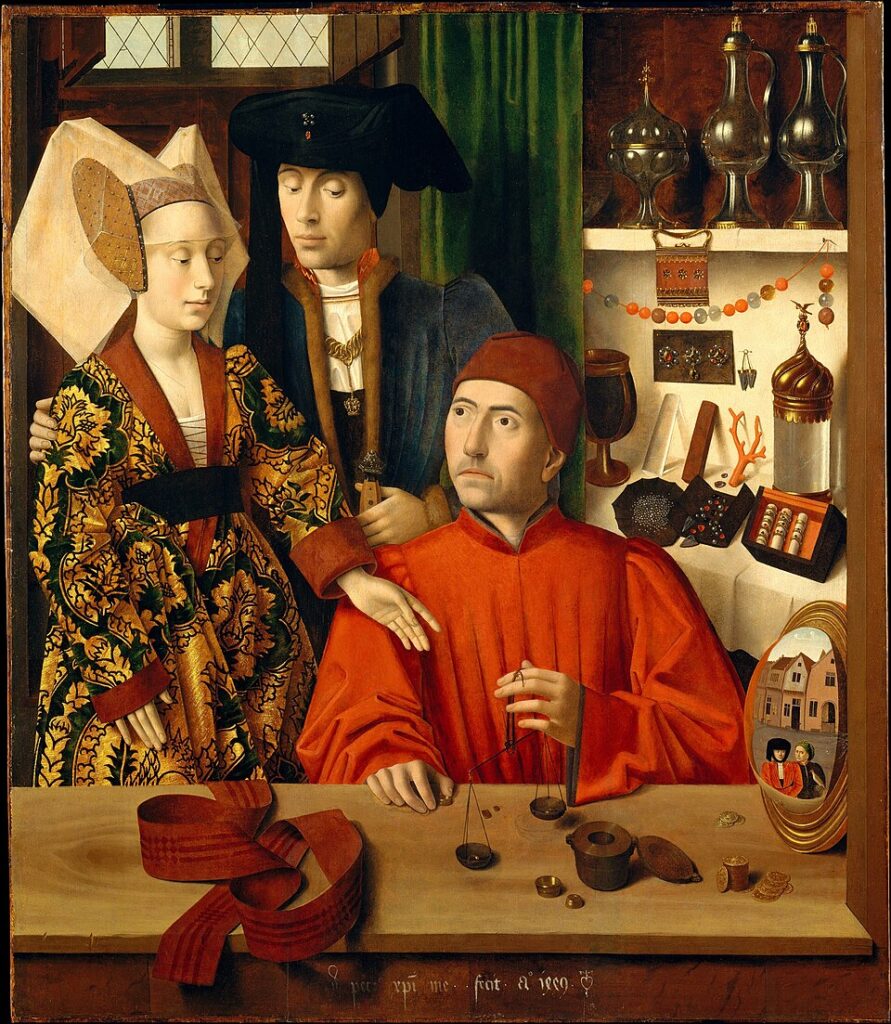
Gold has always carried a quiet kind of authority. Long before banks, markets, or digital ledgers, people placed their trust in a metal that did not rust, tarnish, or fade. It held its shine across generations, outlasting kingdoms and empires. From the earliest ornaments hammered by hand to the refined masterpieces of royal courts, goldsmithing has remained one of the most enduring and respected crafts in human history. It is both art and discipline, requiring patience, precision, and a deep understanding of material that few other trades demand.
Goldsmithing is not simply about shaping metal into decorative forms. It is about transforming raw substance into objects that carry meaning—symbols of power, faith, identity, and legacy. Across thousands of years, goldsmiths have served kings, priests, and ordinary people alike, creating items that mark life’s most important moments. Their work sits at the intersection of beauty and permanence, combining technical mastery with artistic vision. To study goldsmithing is to trace the story of civilization itself, told through objects that have survived where words and structures have not.
Origins and Early History of Goldsmithing
Goldsmithing began in a time when tools were simple and knowledge was passed by observation rather than written instruction. Archaeological discoveries show that humans were working gold as early as the 4th millennium BC. In regions such as Mesopotamia and the Balkans, early craftsmen shaped naturally occurring gold into beads, rings, and small decorative items. Unlike iron, gold could be worked without complex smelting, making it one of the first metals used by human hands. Its softness allowed it to be hammered into thin sheets, while its rarity made it immediately valuable.
Ancient Egypt brought goldsmithing to a level of sophistication that still commands respect today. Gold was not just a material; it was a symbol of divine presence. Egyptians believed it represented the flesh of the gods, especially the sun god Ra. This belief gave gold a sacred role in burial practices and religious ceremonies. The most striking example is the Mask of Tutankhamun, created around 1323 BC. Made of solid gold and inlaid with lapis lazuli and other stones, it stands approximately 54 centimeters tall and is housed in the Egyptian Museum in Cairo. The precision of its craftsmanship shows that Egyptian goldsmiths had already mastered advanced techniques such as inlay and fine surface detailing.
In the Indus Valley, around 2500 BC, goldsmiths were producing jewelry that reveals a high level of organization and skill. Excavations at sites like Mohenjo-daro have uncovered gold beads and ornaments that appear uniform in size and design. This suggests that specialized workshops existed, with artisans working under structured systems. Meanwhile, in Mesopotamia, goldsmiths created elaborate ceremonial objects, including headdresses and vessels, often combining gold with other materials like shell and stone to produce striking contrasts.
Gold quickly became tied to authority and permanence across cultures. It was used in crowns, religious icons, and ceremonial tools. Because it did not corrode, it came to symbolize eternity and unchanging power. Goldsmiths, therefore, were not ordinary craftsmen. They were trusted individuals who handled valuable materials and produced objects for the highest levels of society. Their work required not only skill but also reliability, as even small errors could result in significant loss.
Tools, Materials, and Core Techniques
The tools of a goldsmith have remained remarkably consistent over time. At the heart of the craft are simple instruments: hammers for shaping, anvils for support, chisels for cutting, and crucibles for melting. Heat is applied through furnaces or torches, allowing the metal to soften or liquefy. Despite the simplicity of these tools, their use requires careful control. A single misplaced strike or excess heat can damage a piece beyond repair.
Gold itself presents both opportunity and challenge. Pure gold is soft and highly malleable, which makes it easy to shape but less practical for everyday use. To improve strength, goldsmiths mix it with other metals such as copper or silver. This process, known as alloying, also affects color. Copper can give gold a reddish hue, while silver can lighten its tone. These variations allow goldsmiths to create a wider range of visual effects without losing the essential qualities of gold.
Several techniques define the craft and have been passed down across generations:
- Lost-wax casting involves creating a wax model, encasing it in clay, and then melting the wax to form a mold for molten gold
- Filigree uses fine wires twisted into intricate patterns, often resembling lace
- Granulation adds texture by fusing tiny gold spheres onto a surface
- Repoussé shapes designs by hammering from the reverse side
- Engraving cuts detailed patterns directly into the metal
Each of these techniques demands patience and a steady hand. They cannot be rushed. Goldsmiths often spend years perfecting a single method before moving on to more complex work. Training traditionally took place through apprenticeships, where young learners would spend several years under the guidance of a master. This system ensured that knowledge was preserved and passed on with consistency.
Modern technology has introduced new tools, including laser cutters and computer-aided design systems. These allow for precise measurements and repeatable results. However, they do not replace the need for human judgment. The behavior of metal under heat and pressure cannot be fully predicted by machines. Experience remains the most valuable asset a goldsmith can possess.
Goldsmithing Through the Ages
During the Middle Ages, goldsmithing became highly structured in Europe through the formation of guilds. These organizations controlled training, quality standards, and trade practices. A typical apprentice would begin training in his early teens, living and working under a master goldsmith. After several years, he could become a journeyman and eventually a master, provided he produced a work that met strict requirements. This system preserved high standards and ensured continuity of skill.
Goldsmiths in this period worked closely with the Church and monarchy. They created chalices, reliquaries, crowns, and other ceremonial objects. Gold’s association with divine light made it especially suitable for religious use. Many surviving pieces from this era display remarkable attention to detail, combining artistic design with symbolic meaning. Even today, these works are studied for their technical excellence.
The Renaissance marked a turning point in how goldsmiths were perceived. They were no longer seen only as craftsmen but as artists. Workshops in cities like Florence became centers of innovation, blending classical ideas with new techniques. One of the most notable figures of this period was Benvenuto Cellini, born in 1500 in Florence. Trained as a goldsmith, he later gained fame as a sculptor and writer. His career reflects the growing recognition of goldsmithing as a form of fine art.
Cellini’s Saliera, completed in 1543, remains one of the most celebrated works of goldsmithing. Made of gold, enamel, and set on an ebony base, it stands approximately 26 centimeters high and is housed in the Kunsthistorisches Museum in Vienna. The piece represents land and sea through allegorical figures, combining functionality with sculptural beauty. It demonstrates how goldsmithing had evolved into a sophisticated art form capable of expressing complex ideas.
As Europe entered the Baroque and Rococo periods, goldsmithing styles became more elaborate and decorative. Objects featured flowing lines, intricate patterns, and dynamic forms. Goldsmiths produced not only jewelry but also luxury tableware and decorative items. However, many of these objects were later melted down, especially during times of economic hardship or political change. This has limited the number of surviving pieces from these periods.
The Industrial Revolution brought significant change. Mechanization allowed for faster production and lower costs, making gold items more accessible. At the same time, it created a divide between mass-produced goods and handcrafted work. While machines could replicate designs, they lacked the subtle variations that define true craftsmanship. This tension between efficiency and artistry continues to influence goldsmithing today.
Goldsmithing as Art and Modern Practice
Modern goldsmithing exists in a world that values both tradition and innovation. While the core techniques remain rooted in history, new tools and methods have expanded what is possible. Computer-aided design allows goldsmiths to plan intricate pieces with precision, while advanced equipment enables cleaner cuts and more consistent results. Yet the essence of the craft remains unchanged. It still depends on the skill and judgment of the individual artisan.
Custom jewelry has become one of the most important areas of modern goldsmithing. People seek pieces that reflect personal meaning rather than mass-produced designs. This has led to a renewed appreciation for handcrafted work. A goldsmith must now combine technical ability with an understanding of personal expression, working closely with clients to create something unique.
Several factors explain why handcrafted goldsmithing continues to hold value:
- Each piece is unique and reflects the skill of its maker
- Careful construction often results in greater durability
- Traditional methods preserve historical knowledge
- Custom designs allow for personal meaning and symbolism
- Skilled craftsmanship adds long-term value beyond raw material
Ethical sourcing has also become more important in recent years. Goldsmiths are increasingly aware of where their materials come from, often choosing recycled gold or responsibly mined sources. This reflects a broader understanding that craftsmanship carries responsibility, not just to the client but to the wider world.
Despite rapid technological change, goldsmithing remains a craft that cannot be fully automated. It requires patience, attention, and a willingness to learn through practice. The appeal lies in its permanence. A well-made gold object can last for centuries, carrying its story forward long after its maker is gone. In a time when many things are temporary, goldsmithing offers something solid and enduring.
The art of goldsmithing continues to attract those who value skill, tradition, and tangible results. It stands as a reminder that true craftsmanship is built over time, shaped by experience, and measured not by speed but by quality. Like the metal it works with, the craft itself endures—steady, reliable, and quietly powerful.
Key Takeaways
- Goldsmithing is one of the oldest human crafts, dating back to at least 4000 BC
- Ancient civilizations used gold for both decorative and religious purposes
- Core techniques like casting and engraving remain in use today
- The Renaissance elevated goldsmiths to the status of artists
- Modern goldsmithing blends traditional skill with new technology
FAQs
- What makes gold ideal for goldsmithing?
Gold is soft, malleable, and resistant to corrosion, making it easy to shape and long-lasting - How long does it take to become a skilled goldsmith?
Traditional apprenticeships often lasted several years, and mastery can take decades - Are traditional techniques still used today?
Yes, many goldsmiths continue to use methods that are thousands of years old - What is the most famous gold artifact?
The Mask of Tutankhamun is one of the most well-known examples - Is handcrafted gold jewelry more valuable?
It often holds greater value due to its uniqueness and craftsmanship