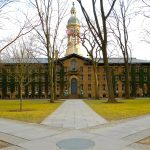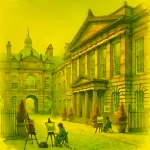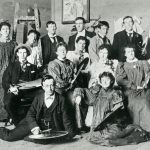
Hereford College of Arts stands as one of the more unusual creative institutions in England because of its combination of rural atmosphere, historic roots, and contemporary artistic ambition. Located in the cathedral city of Hereford in western England, the school developed from Victorian educational reforms that encouraged formal artistic training during the 19th century. While many larger art schools became absorbed into giant universities during the late 20th century, Hereford College of Arts retained a more intimate and specialized identity. The college eventually became known for encouraging individual experimentation alongside traditional craftsmanship and studio practice.
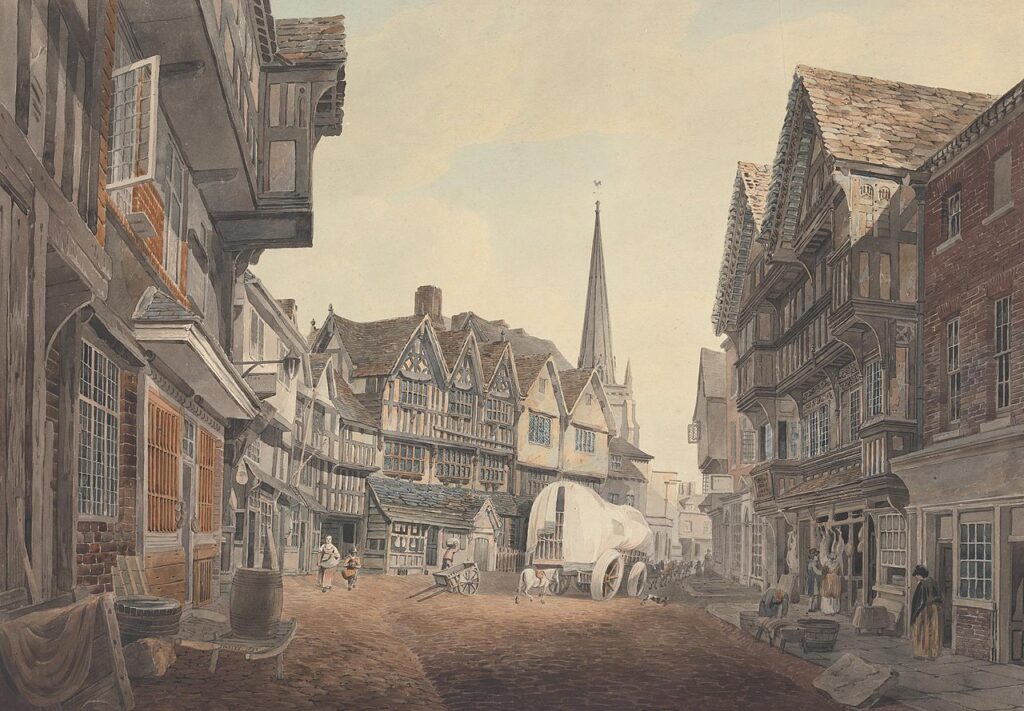
The atmosphere surrounding Hereford College of Arts differs sharply from the urban intensity associated with famous London institutions such as the Royal College of Art or Central Saint Martins. Hereford itself has roots stretching back to the Anglo-Saxon era and contains medieval streets, old stone buildings, and views of the surrounding Herefordshire countryside. Students arriving in the city often encounter a slower pace of life shaped by farming traditions, riverside landscapes, and historic architecture. This setting gave the school a distinct visual identity that frequently influenced the work created by students and faculty members.
The origins of the institution can be traced to the Hereford School of Art, established during the Victorian era when Britain increasingly emphasized technical education and industrial design. During the middle decades of the 19th century, government-supported design schools emerged across Britain in response to fears that British manufacturing had fallen behind continental Europe in matters of craftsmanship and decoration. Historical records indicate that art instruction in Hereford expanded significantly during the 1850s and 1860s, though some details from the earliest years remain incomplete. Responsible historical speculation suggests that local civic leaders likely viewed artistic education as both a cultural improvement and an economic investment for the region.
Over the decades, the institution expanded beyond drawing and decorative arts into broader creative disciplines including illustration, photography, graphic design, music, and digital media. By the late 20th century, the school increasingly reflected the changing demands of the modern creative economy while still preserving workshop-based traditions. Students often described the school as highly personal compared to larger universities where lecture halls could contain hundreds of people. That smaller scale eventually became one of the defining characteristics of Hereford College of Arts.
The Origins of Hereford College of Arts
The roots of Hereford College of Arts developed during a period when Britain was reshaping its educational system in response to industrialization and international competition. During the 1830s and 1840s, concerns emerged that British manufacturing lacked the artistic sophistication found in French and German products. The British government responded by encouraging the creation of regional schools of design where students could study drawing, ornament, and craftsmanship. Hereford became part of this broader educational movement during the Victorian era, eventually establishing a formal art school presence by the middle of the 19th century.
The original Hereford School of Art focused heavily on practical artistic instruction connected to industry and craftsmanship. Students learned technical drawing, decorative design, painting, and various craft skills that could support local businesses and manufacturers. Historical educational models from the Victorian period often emphasized discipline, observation, and careful draftsmanship rather than personal expression alone. By the late 1800s, the institution had begun developing a recognizable identity within the region’s cultural life.
From Victorian Art School to Modern Institution
Throughout the early 20th century, the school gradually adapted to changing artistic movements and educational expectations. The rise of modernism, photography, and commercial illustration transformed the nature of art education across Britain between 1900 and 1950. During both World War I and World War II, many British educational institutions faced financial pressures, staffing shortages, and interrupted enrollment patterns. Responsible historical speculation suggests that Hereford’s smaller size may actually have helped it survive periods that proved difficult for larger bureaucratic institutions.
The decades after 1945 brought major changes to British higher education, including wider public access to universities and art colleges. By the 1960s and 1970s, British art schools increasingly embraced experimentation, conceptual thinking, and interdisciplinary work. Hereford’s institution evolved alongside those trends while preserving a reputation for practical studio instruction and craftsmanship. Eventually the school adopted the modern name Hereford College of Arts, reflecting its broader academic ambitions and expanded curriculum.
Campus facilities also expanded over time as student populations and artistic disciplines grew. New studios, galleries, performance spaces, and digital media facilities were introduced during the late 20th and early 21st centuries. The institution increasingly promoted itself as a specialist arts college rather than a general university with a small creative department attached to it. That distinction remained important because many students preferred a concentrated artistic environment rather than a massive campus dominated by unrelated academic programs.
The City of Hereford and Its Influence on the School
The city of Hereford has long shaped the atmosphere and identity of Hereford College of Arts in ways that differ from schools located in London, Manchester, or Birmingham. Hereford Cathedral, parts of which date back to the 11th century, dominates the city skyline and contributes to the area’s historic atmosphere. Narrow streets, stone buildings, old churches, and riverside pathways create an environment that often feels visually connected to earlier centuries. Students arriving from major cities frequently describe the city as quiet, contemplative, and unusually picturesque.
The surrounding county of Herefordshire also influenced the visual culture of the college. Rolling farmland, mist-covered fields, old market towns, and wooded hills created subject matter that appealed to painters, photographers, and illustrators. The nearby River Wye became particularly associated with artistic inspiration because of its scenic landscapes and long cultural history. Many students reportedly used the countryside itself as a form of creative refuge from the distractions and pressures of larger urban centers.
Creativity in a Rural Cathedral City
The rural setting also contributed to the college’s distinctive social atmosphere. Smaller arts schools often encourage closer relationships between students and faculty because class sizes remain relatively intimate. Tutors frequently had more direct involvement with student projects than would be possible at giant metropolitan universities. Graduates sometimes described the environment as unusually collaborative and supportive compared to highly competitive urban institutions.
Traditional crafts also maintained stronger visibility within Herefordshire than in some modern cities dominated entirely by digital industries. Pottery, textiles, woodworking, printmaking, and handmade design retained cultural value within the region well into the 21st century. This environment helped reinforce the college’s emphasis on balancing digital innovation with physical making and workshop practice. The result was a school culture that often celebrated craftsmanship alongside experimentation.
The Welsh borderlands also added cultural texture to the area surrounding the college. Herefordshire historically existed near important trade and cultural routes between England and Wales, producing a blend of regional influences over centuries. Responsible historical speculation suggests that this borderland atmosphere may have contributed to the school’s slightly independent and unconventional character. Rather than imitating London trends directly, the institution often appeared more willing to cultivate its own artistic identity.
Academic Programs and Artistic Disciplines
Hereford College of Arts gradually expanded from a traditional art school into a broader creative institution offering programs across multiple disciplines. Fine art remained central to the institution, with students studying painting, sculpture, printmaking, and conceptual practice. Over time the college also added courses in illustration, graphic design, photography, music, and digital media. These additions reflected wider changes in the British creative economy during the late 20th and early 21st centuries.
Workshop culture remained important even as digital technologies became more dominant within the arts. Students frequently combined physical materials with photography, animation, video, and graphic software. The college developed a reputation for encouraging hands-on experimentation rather than relying exclusively on theoretical instruction. This practical approach appealed to students who wanted intensive studio experience and portfolio development before entering professional creative careers.
Courses in Art, Design, and Contemporary Media
Graphic and media design programs became increasingly important during the digital age as employers demanded skills connected to branding, advertising, publishing, and online communication. Illustration courses also attracted students interested in publishing, editorial art, comics, and visual storytelling. Photography programs expanded beyond darkroom techniques into digital editing and multimedia production. Music and performance studies further broadened the institution’s artistic identity during the modern era.
Interdisciplinary collaboration became a defining feature of many contemporary art schools, including Hereford College of Arts. Photography students sometimes collaborated with musicians on promotional materials or video projects. Graphic design students worked alongside illustrators and filmmakers during exhibitions and public showcases. These collaborations reflected the increasingly interconnected nature of modern creative industries where artists often work across multiple media forms.
Student exhibitions played a major role in the academic culture of the college. Degree shows allowed graduating students to present portfolios to the public, potential employers, and visiting professionals from the arts sector. These exhibitions frequently transformed studios and gallery spaces into energetic displays filled with installations, paintings, projections, and printed works. For many students, the final exhibition represented a major transition between education and professional creative life.
Important Figures, Alumni, and Creative Connections
Like many smaller specialist institutions, Hereford College of Arts often emphasized mentorship and personal artistic development over celebrity culture. Faculty members frequently maintained active professional practices while teaching students in studio environments. Visiting artists, designers, and musicians sometimes delivered lectures, workshops, or critiques that exposed students to wider creative networks. These interactions became important opportunities for students preparing to enter professional artistic careers.
Documenting famous alumni from smaller art colleges can sometimes prove challenging because graduates often work across independent creative industries rather than becoming internationally famous celebrities. Nevertheless, graduates from Hereford College of Arts entered careers in graphic design, illustration, photography, music, publishing, and contemporary art. Some alumni established freelance practices while others worked for agencies, galleries, publishers, or media companies. The school’s relatively intimate scale often helped students form lasting creative friendships and professional partnerships.
Artists, Educators, and Professional Partnerships
Relationships between tutors and students frequently became an important part of the educational experience. Unlike massive universities where students might rarely interact personally with instructors, Hereford College of Arts often promoted close studio dialogue and individual critique sessions. These relationships sometimes continued after graduation through collaborations, recommendations, or exhibition opportunities. Responsible historical speculation suggests that this mentoring tradition helped strengthen the institution’s reputation despite its comparatively small size.
The college also developed partnerships with regional galleries, festivals, and arts organizations across western England and Wales. Student work occasionally appeared in public exhibitions connected to local cultural events and creative networks. Such partnerships provided practical experience while strengthening the institution’s role within regional cultural life. Smaller arts colleges often depend heavily on these community relationships because they lack the enormous financial resources of larger universities.
Independent creative culture became another defining aspect of the institution’s identity. Many graduates pursued freelance careers rather than traditional corporate employment, reflecting broader trends within contemporary creative industries. The school encouraged adaptability, experimentation, and entrepreneurial thinking as artistic careers became increasingly flexible during the digital era. This emphasis on independence appealed to students interested in building personal creative identities rather than simply entering standardized office careers.
Campus Buildings, Studios, and Student Life
The physical environment of Hereford College of Arts contributed strongly to its atmosphere and reputation. Unlike giant modern campuses filled with identical buildings, the college developed through a mixture of older architecture and newer creative facilities. Studios, workshops, and gallery spaces often reflected the layered historical development of the institution itself. This combination created an atmosphere that many students found visually inspiring and emotionally distinctive.
Art schools frequently depend on the energy of shared creative spaces, and Hereford College of Arts followed that tradition closely. Painting studios, photography rooms, printmaking workshops, and digital editing suites became places where students spent long hours experimenting and discussing ideas. Informal conversations often proved just as influential as formal classroom instruction. Many graduates later recalled the atmosphere of communal artistic exploration as one of the defining experiences of their education.
Historic Spaces and Creative Atmosphere
Student life at the college revolved heavily around exhibitions, performances, critiques, and collaborative projects. Creative students often developed social circles that blurred the boundaries between work and leisure because artistic practice occupied such a central role in daily life. Late-night studio sessions before exhibitions became common experiences within many departments. The resulting atmosphere sometimes resembled a creative workshop community more than a conventional university campus.
The surrounding city of Hereford also shaped student experiences outside formal academic settings. Cafes, riverside areas, pubs, and historic streets provided spaces for conversation, sketching, photography, and performance. The slower pace of the city encouraged observation and reflection rather than constant distraction. Some students found the rural environment calming while others appreciated the contrast between ancient surroundings and contemporary creative experimentation.
Independent artistic experimentation remained highly valued throughout the institution. Students were often encouraged to pursue unusual personal projects and develop distinct visual identities rather than merely following trends. This atmosphere sometimes produced highly individualistic work that reflected the intimate scale of the college. The emphasis on originality helped distinguish Hereford College of Arts from institutions more heavily focused on standardized commercial outcomes.
Hereford College of Arts in Contemporary British Culture
British arts education entered a period of major uncertainty during the early 21st century as tuition costs rose and universities increasingly emphasized market-oriented priorities. Smaller specialist institutions such as Hereford College of Arts faced pressure to compete with larger universities possessing bigger budgets and international marketing campaigns. Nevertheless, many students continued seeking specialized creative environments rather than generalized academic campuses. Hereford’s independent identity became both a challenge and an advantage during this period.
Digital technology transformed artistic practice across nearly every discipline by the 2000s and 2010s. Photography shifted dramatically from film to digital editing while graphic design became increasingly connected to online media and branding systems. The college adapted by expanding digital facilities and contemporary media instruction while still preserving workshop traditions. This balance between tradition and innovation became one of the institution’s defining themes.
Adapting to Modern Creative Industries
Public exhibitions and outreach programs helped strengthen the institution’s cultural presence beyond the campus itself. Galleries, performances, and collaborative events allowed the college to engage with wider audiences throughout Herefordshire and neighboring regions. Students frequently participated in exhibitions connected to local festivals and cultural initiatives. These events reinforced the college’s role as an active contributor to regional cultural life rather than an isolated academic institution.
Craftsmanship also remained an important cultural value at a time when mass production and digital automation increasingly dominated modern economies. Many educators argued that traditional making skills still possessed artistic and economic importance even within highly technological societies. Hereford College of Arts continued emphasizing tactile studio work alongside digital media education. This combination appealed to students interested in preserving physical artistic processes within a rapidly changing world.
The institution’s survival into the modern era reflected the continuing importance of regional arts education in Britain. Smaller creative colleges often foster unusually strong communities because students and faculty interact more closely than at giant universities. Responsible historical speculation suggests that this sense of artistic intimacy may become increasingly valuable in an era dominated by remote communication and large-scale digital systems. Hereford College of Arts therefore represented not only an educational institution but also a particular philosophy of creative community.
The Continuing Legacy of Hereford College of Arts
The long history of Hereford College of Arts reflects broader changes in British society, education, and artistic culture from the Victorian era into the digital age. Beginning as a regional art school connected to industrial design reform, the institution gradually evolved into a modern specialist college focused on contemporary creative disciplines. Throughout that transformation, the school retained a reputation for personal artistic development and workshop-based learning. This continuity helped preserve a distinct institutional identity despite changing cultural and economic pressures.
The college’s location within historic Hereford also contributed significantly to its enduring character. Medieval streets, riverside scenery, cathedral architecture, and rural landscapes continued shaping the experiences of generations of students. Unlike institutions defined entirely by urban modernity, Hereford College of Arts maintained a close relationship with regional history and landscape. That connection often gave student work a quieter and more reflective atmosphere.
A Small Institution with a Distinctive Identity
Smaller arts colleges frequently occupy unusual positions within national cultural systems because they lack the fame and financial scale of giant universities while still producing meaningful creative work. Hereford College of Arts demonstrated how regional institutions could maintain relevance through specialization, mentorship, and community engagement. Graduates carried the influence of the school into fields ranging from illustration and photography to music and design. Many also retained emotional connections to the institution long after completing their studies.
As the creative industries continue evolving during the 21st century, Hereford College of Arts remains part of an ongoing debate about the future of arts education itself. Questions surrounding craftsmanship, digital technology, independent creativity, and artistic identity continue shaping educational institutions across Britain. The college’s survival suggests that many students still value smaller artistic communities rooted in direct experience and physical making. In a world increasingly dominated by speed and mass communication, the quieter atmosphere of Hereford College of Arts may remain one of its greatest strengths.
Key Takeaways
- Hereford College of Arts developed from Victorian-era educational reforms during the 19th century.
- The rural setting of Hereford strongly shaped the school’s atmosphere and artistic identity.
- The institution combined traditional craftsmanship with modern digital creative disciplines.
- Smaller class sizes encouraged mentorship, collaboration, and close artistic communities.
- The college adapted to contemporary creative industries while preserving workshop culture.
FAQs
- When was Hereford College of Arts founded?
The institution traces its origins to Victorian-era art education reforms during the 19th century. - What subjects are taught at Hereford College of Arts?
Programs have included fine art, illustration, graphic design, photography, music, and digital media. - Why is Hereford College of Arts considered unusual?
Its combination of rural atmosphere, historic setting, and specialist arts education gives it a distinctive identity. - How does the location influence student work?
The landscapes, medieval architecture, and slower pace of Hereford often influence artistic themes and visual styles. - Does the college still emphasize traditional craftsmanship?
Yes, the institution continued supporting workshop practice and hands-on making alongside digital technology.