Painting fast can sound like a shortcut. For many great artists, it was the opposite. Speed demanded preparation, confidence, sharp observation, and a willingness to leave some things unresolved.
From Frans Hals and J.M.W. Turner to Monet, Sargent, and de Kooning, fast painters found ways to capture effects that might disappear under too much correction. Their work suggests that speed isn’t mainly about moving your hand faster. It’s about deciding faster what matters.
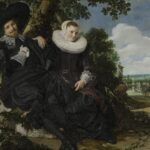
1. Frans Hals Let the Brushstroke Stay Visible
Frans Hals became famous for portraits that feel unusually alive. Instead of polishing every transition until the brushwork disappeared, he often left energetic strokes visible in clothing, hair, highlights, and facial details.
That looseness wasn’t carelessness. Hals could make a flick of paint describe a collar, a curl, or the shine of fabric without laboriously explaining the entire surface. The viewer’s eye finishes what the painter begins.
When a few marks already describe something convincingly, resist the urge to keep painting simply because there is still visible brushwork.
2. Turner Used Speed to Chase Effects
J.M.W. Turner was fascinated by conditions that don’t stay put: storms, smoke, fire, mist, waves, sunlight, and changing weather. His paintings increasingly emphasized atmosphere and sensation rather than crisp description.
That made rapid observation useful. If your subject is changing by the minute, you can’t treat every detail as equally important. You have to decide what creates the experience—the direction of light, the dominant color, the movement, the contrast—and catch that first.
When working from something temporary, identify the two or three qualities that will disappear fastest and paint those before worrying about secondary detail.
3. Monet Had a Practical Reason to Hurry
Claude Monet’s Impressionism wasn’t simply a stylistic preference for loose brushwork. Painting outdoors confronted him with a basic problem: sunlight changes.
Monet sometimes worked on several canvases of the same subject under different conditions, famously doing so with subjects such as haystacks and Rouen Cathedral. Rather than forcing one canvas to absorb an entire day’s changing light, he could switch paintings as conditions changed.
If the conditions you’re observing have changed significantly, consider changing your study instead of forcing new information into an image based on an earlier moment.
4. Sargent’s Effortless Marks Were Usually Prepared
John Singer Sargent’s brushwork can look almost ridiculously easy. A highlight lands in exactly the right place. A sleeve appears with a few broad strokes. A face seems to emerge without visible struggle.
But the apparent spontaneity can hide considerable decision-making. Sargent was known for revising passages, scraping or wiping them back, and repainting when necessary. The famous bravura stroke often worked because the structure underneath it had already been solved.
The lesson isn’t to imitate Sargent by waving a large brush around.
Before trying to make a bold, fast mark, make sure you understand the shape, value, direction, and edge you’re trying to create.
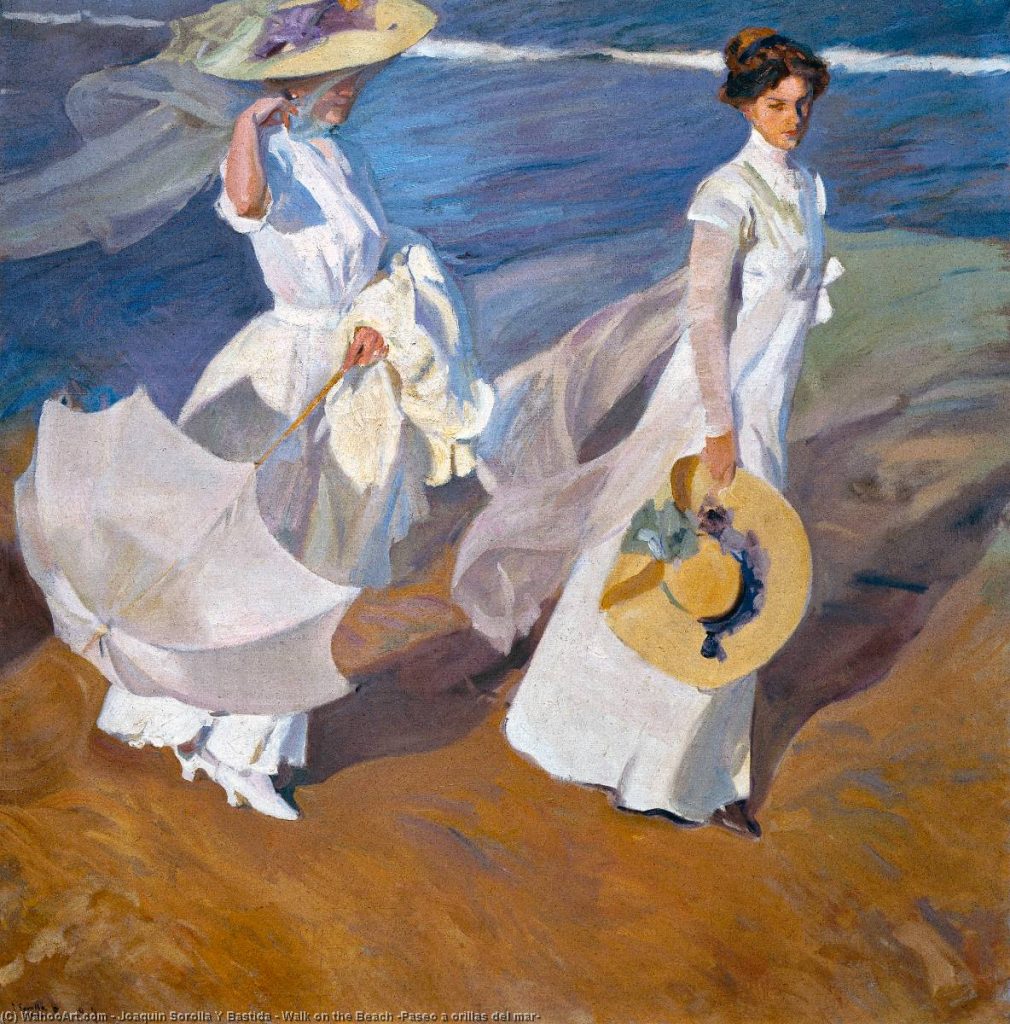
5. Sorolla Painted as if Light Had a Deadline
Joaquín Sorolla built many of his paintings around brilliant outdoor light: beaches, gardens, white clothing, reflective water, and sunlit skin. These subjects gave him spectacular visual material, but they also created a timing problem.
Outdoor light moves. Shadows shift, reflections change, and figures rarely remain perfectly still. Sorolla’s broad, confident brushwork helped him record the larger relationships before the scene transformed.
This is one reason fast painting can feel more convincing than meticulous painting. It may preserve the hierarchy of the original experience rather than giving every object equal attention.
When painting a complicated scene, establish the biggest light and dark relationships first so changing details can’t distract you from the effect that attracted you.
6. Van Gogh’s Speed Was Supported by Repetition
Vincent van Gogh could work with extraordinary intensity, particularly during his years in Arles and Saint-Rémy. His paintings often contain direct, rhythmic strokes that follow the forms of fields, trees, clouds, faces, and hills.
But speed didn’t mean starting from zero each morning. Van Gogh drew extensively, studied other artists, repeated subjects, experimented with color, and sometimes made painted versions of earlier drawings or compositions. Rapid execution sat on top of accumulated practice.
That’s an important distinction: working quickly and learning quickly are not the same thing.
If you want to become faster, repeat the same kind of problem often enough that basic decisions about composition, color, and handling stop consuming all your attention.
7. Matisse Removed Things Instead of Adding Them
Henri Matisse’s paintings can appear remarkably simple: a few strong shapes, compressed space, economical drawing, large areas of color. But simplicity was often the result of revision rather than the absence of it.
Photographs documenting the evolution of some Matisse paintings show compositions being altered and simplified as he worked. The final image can look spontaneous precisely because earlier complications were removed.
This reverses a common assumption about speed. Faster-looking work doesn’t necessarily come from doing less thinking. Sometimes it comes from thinking hard enough to know what can disappear.
When a painting feels stuck, don’t automatically add another element; test whether removing, flattening, or simplifying something makes the main idea clearer.
8. De Kooning Didn’t Treat a Painting as Precious
Willem de Kooning’s paintings are full of actions that feel immediate: scraping, smearing, dragging, repainting, wiping, and aggressive brushwork. Yet many of his paintings went through extended periods of change.
This creates an interesting contradiction. A painting can contain fast gestures without having been made quickly overall.
De Kooning’s example suggests that speed is useful locally. You can make a decisive passage, destroy it, reconsider the composition, and then make another decisive passage. Spontaneity and revision don’t have to be enemies.
Give yourself permission to make a passage quickly without assuming that every fast decision has to survive into the finished work.
9. Speed Works Best When You Know What You’re Sacrificing
The strongest fast painters didn’t simply paint everything badly at higher velocity. They sacrificed selectively.
Hals could sacrifice polish while preserving character. Monet could sacrifice detail while preserving light. Sorolla could simplify forms while preserving brilliance. Sargent could abbreviate a costume while keeping the essential structure convincing.
That’s the real secret behind painting fast: something has to be left out. The important decision is what.
A slow painter has time to describe almost everything. A fast painter has to create a hierarchy—and hierarchy can make an image stronger.
Before starting a fast painting, decide what you are willing to lose—detail, finish, exact edges, local color—so you can spend your limited time protecting what actually makes the image work.
Speed Is Really About Editing
The interesting thing about painters who worked fast is that their speed rarely came from simple impatience. It came from selection.
They learned which information mattered, which marks could do several jobs at once, and which parts of an image could remain incomplete without weakening the whole.
You don’t necessarily need to paint faster. But learning to decide faster what deserves your attention might change the way you paint.