Visit the Great Halls of the Art World
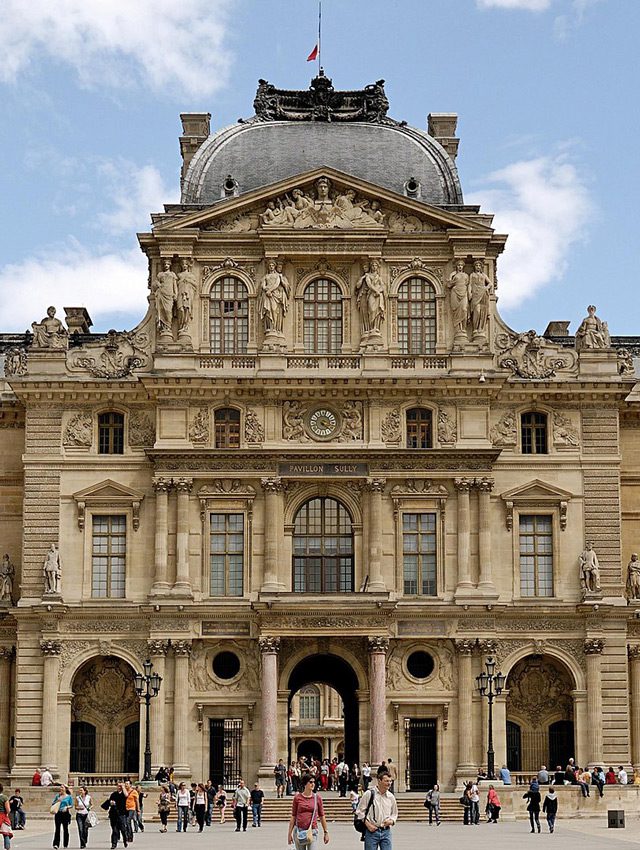
There’s a difference between scrolling past a picture of the Mona Lisa on your phone and standing in front of it in the Louvre, where Leonardo da Vinci’s brushstrokes seem to hum with quiet precision. The Louvre itself dates back to 1793 as a public museum, though its roots as a royal palace reach into the 12th century. The Prado Museum in Madrid, established in 1819, holds treasures like Velázquez’s “Las Meninas” (1656) and Goya’s “The Third of May 1808” (1814), both essential works for anyone seeking a deeper understanding of European art. The Metropolitan Museum of Art in New York, founded in 1870, boasts more than two million works — from Egyptian tomb relics to 20th-century American painting — making it one of the richest single-site experiences in the art world.
While these great halls are celebrated for their scale, their power lies in their ability to gather centuries into one building. Each corridor becomes a timeline, each room a chapter of human expression. Even in our age of high-definition reproductions, nothing replaces the light, texture, and size of the originals. Standing in a gallery before Rembrandt’s 1642 masterpiece “The Night Watch” in Amsterdam’s Rijksmuseum gives you a sense of physical presence that no image file can recreate.
Explore Small-Town Treasures
Far from the capitals of art tourism, countless small towns safeguard their own masterpieces. The Isabella Stewart Gardner Museum in Boston, built in 1903 to resemble a 15th-century Venetian palace, houses rare works from Titian, Vermeer, and Raphael in a setting that feels more like a personal home than a gallery. In the hill towns of Italy, you can wander into a modest parish church and find a fresco by Giotto or a carved altar by Donatello. The Glynn Vivian Art Gallery in Swansea, Wales, first opened in 1911, offers a carefully curated collection of local and international art, proving that world-class works are not limited to capital cities.
These intimate venues often allow you to get closer to the art than the large institutions can. Without the crowds, there’s more time to absorb the subtlety of a brushstroke or the delicacy of a marble chisel mark. It’s also a way to support local heritage — many small museums operate on tight budgets, relying on visitors to help preserve the treasures entrusted to them. Discovering one of these places can be as thrilling as finding a rare book in an old library.
Return to Favorites Over Time
Art doesn’t stand still, and neither do we. Returning to the same painting, sculpture, or building at different stages of life changes what we see. When you view Michelangelo’s “David” in Florence’s Galleria dell’Accademia as a young adult, you might marvel at its perfect anatomy, carved in marble between 1501 and 1504. See it again after decades of life experience, and perhaps the courage and resolve in David’s expression will speak louder than the technical skill.
Seasonal or lighting changes also transform works, especially architectural pieces and outdoor sculptures. The Parthenon’s columns in Athens, built between 447 and 432 BC, gleam differently in the harsh midday sun than they do in the golden hour before sunset. This shifting interplay of environment and art adds another layer of connection, reminding us that works are not static — they live within the rhythms of the world.
Top 5 Must-Visit Museums
- Louvre Museum — Paris, France: Mona Lisa by Leonardo da Vinci (1503–1506)
- Prado Museum — Madrid, Spain: Las Meninas by Diego Velázquez (1656)
- Metropolitan Museum of Art — New York, USA: The Death of Socrates by Jacques-Louis David (1787)
- Rijksmuseum — Amsterdam, Netherlands: The Night Watch by Rembrandt (1642)
- Uffizi Gallery — Florence, Italy: The Birth of Venus by Sandro Botticelli (c. 1485)
Learn the Language of Art — Styles, Eras & Mediums
Understand the Movements That Shaped Civilization
Art history is the record of humanity’s highest aspirations and deepest struggles. The Classical period of ancient Greece, from about 500 to 323 BC, gave us harmony, proportion, and enduring forms like the Parthenon. The Renaissance, beginning in 14th-century Italy, revived Classical ideals while celebrating human potential — Leonardo da Vinci’s “The Last Supper” (1495–1498) and Raphael’s “School of Athens” (1509–1511) are cornerstones of this era. Baroque art, from the late 16th to early 18th century, brought dramatic contrast and emotion, as in Caravaggio’s “The Calling of Saint Matthew” (1599–1600).
Romanticism emerged in the late 18th century, focusing on emotion, nature, and the sublime — see J.M.W. Turner’s “The Fighting Temeraire” (1838). By the late 19th century, Impressionism redefined painting with rapid brushwork and an emphasis on light, best seen in Claude Monet’s “Impression, Sunrise” (1872). Modernism, from the late 19th century into the 20th, challenged tradition altogether — Pablo Picasso’s “Les Demoiselles d’Avignon” (1907) fractured perspective in a way no one had before.
Recognize the Power of Mediums
The medium chosen by an artist shapes both the creative process and the final experience for the viewer. Oil paint, developed in its modern form in the early 15th century, allows for deep color and subtle blending — think of Jan van Eyck’s “The Arnolfini Portrait” (1434). Fresco painting, used extensively in Renaissance Italy, involves applying pigment to wet plaster, creating works that become part of the wall itself, as in Michelangelo’s Sistine Chapel ceiling (1508–1512).
Sculpture offers its own vocabulary — marble conveys purity and permanence, as in Antonio Canova’s “Psyche Revived by Cupid’s Kiss” (1787–1793). Bronze allows for durability and fine detail, exemplified in Auguste Rodin’s “The Thinker” (cast first in 1904). Even watercolor, often underestimated, captures fleeting atmospheres with unmatched delicacy, as in Winslow Homer’s marine studies of the late 19th century.
Decode Symbolism and Artistic Intent
Many works are best understood by decoding their visual language. In religious art, a lamb often represents Christ’s sacrifice, while a lily can symbolize purity, especially in depictions of the Virgin Mary. During the Renaissance, artists like Sandro Botticelli filled their paintings with mythological references tied to humanist ideals — “Primavera” (c. 1482) is layered with allegories of love, fertility, and virtue.
Political and national identity also shape artistic symbolism. Eugène Delacroix’s “Liberty Leading the People” (1830) uses a female figure as an allegory of liberty, carrying the tricolor flag of France. In the 19th century, Russian painters of the Peredvizhniki movement embedded social commentary in landscapes and portraits, making the viewer consider the condition of their homeland.
Experience Art Beyond the Canvas
Attend Live Art Demonstrations and Workshops
Observing an artist at work bridges the gap between the finished masterpiece and the human effort that created it. Watching a potter shape clay on a wheel or a painter layer pigment over an underdrawing gives insight into centuries-old techniques. Many historical workshops, such as those in Renaissance Florence, functioned as both training grounds and production studios — Michelangelo, for example, trained in the workshop of Domenico Ghirlandaio before beginning his own commissions.
Today, open studios and public demonstrations allow the same kind of learning. Glassblowing exhibitions in Murano, Italy, reveal techniques perfected since the island became a glassmaking center in the 13th century. Seeing the heat, the tools, and the dexterity needed to control molten glass makes the artistry far more vivid than a display case ever could.
Immerse Yourself in Architecture and Sculpture
Some of the world’s greatest artworks are buildings. St. Peter’s Basilica in Vatican City, largely completed between 1506 and 1626, combines the work of Bramante, Michelangelo, and Bernini into a single monumental statement of faith and craftsmanship. The Gothic spires of Chartres Cathedral in France, begun in 1194 and completed in 1250, rise above the town as a testament to both engineering skill and spiritual devotion.
Sculptural works in public spaces also offer daily encounters with art. The Trevi Fountain in Rome, completed in 1762, blends architecture and sculpture into a theatrical composition. In Florence’s Piazza della Signoria, outdoor statues such as Benvenuto Cellini’s “Perseus with the Head of Medusa” (1545–1554) invite viewers to study their forms from every angle in natural light.
Engage with Performance Art and Cultural Festivals
Art takes many forms beyond what hangs on a wall. The Bayreuth Festival in Germany, founded in 1876 by composer Richard Wagner, showcases the integration of music, staging, and visual design into a unified artistic experience. Traditional Japanese Noh theatre, with roots in the 14th century, combines masks, costumes, and choreography into performances that are both visual and dramatic art.
Festivals often create temporary but unforgettable works. During Venice’s Carnival, elaborate masks and costumes transform the city itself into a moving gallery, a tradition dating back to at least the 13th century. These living forms of art underscore that culture is not only preserved in museums — it thrives in streets, plazas, and concert halls.
5 Unique Art Experiences Worth Traveling For
- Murano Glassblowing — Venice, Italy
- Bayreuth Festival — Bayreuth, Germany
- Florence Biennale — Florence, Italy
- Venice Carnival — Venice, Italy
- Gion Matsuri Festival — Kyoto, Japan
Build a Personal Relationship with Art
Keep a Sketchbook or Visual Journal
Recording what you see with your own hand strengthens both observation and memory. Great masters often sketched constantly — Leonardo da Vinci’s notebooks, filled from the 1480s until his death in 1519, reveal both his artistic studies and scientific investigations. Even a simple pencil sketch of a sculpture or building forces you to notice details you might otherwise overlook.
In modern times, keeping a visual journal can be as informal or elaborate as you like. Watercolor notes from a museum visit, thumbnail sketches of architectural features, or quick pen drawings of people in a café all serve to train your eye. Over time, these personal records become a chronicle of your own journey as an art appreciator.
Invest in Original Artworks
Owning original art, even from emerging local artists, creates a deeper personal connection than any print or reproduction. In the past, patrons like the Medici family in 15th-century Florence shaped entire artistic movements through their commissions. Today, buying from living artists not only supports their livelihood but also keeps artistic traditions alive in your own community.
Original works also carry a presence that reproductions lack. The texture of brushstrokes, the slight imperfections, and the weight of the materials are all part of the experience. Whether it’s an oil painting, a hand-thrown ceramic vase, or a bronze casting, these objects have a life that mass-produced décor can’t match.
Pass the Passion to the Next Generation
Sharing art with children builds cultural continuity. Introducing them to paintings, sculptures, and architecture from a young age lays a foundation for lifelong appreciation. Visits to museums, even if brief, plant seeds that grow with time — just as an early encounter with Michelangelo’s “Pietà” or Monet’s water lilies can leave a lasting imprint.
Hands-on activities also matter. Encouraging drawing, model building, or photography helps children engage actively with art rather than just observing. Passing down books, prints, or even small original works ensures that the legacy of artistic heritage continues within the family.
Key Takeaways
- Great art is best experienced in person, whether in grand museums or local galleries.
- Understanding art history’s major movements adds depth to your appreciation.
- Artistic mediums each have unique qualities that shape a work’s impact.
- Cultural experiences like festivals and live demonstrations bring art to life.
- Building a personal relationship with art ensures its preservation for future generations.
FAQs
Q: What is the best museum for first-time art lovers?
A: The Louvre in Paris offers a vast introduction to world art, from ancient artifacts to Renaissance masterpieces.
Q: How can I learn to recognize different art movements?
A: Study works from each period in museums, noting common themes, techniques, and historical context.
Q: Are small-town museums worth visiting?
A: Yes, they often contain rare works and provide a more intimate viewing experience without heavy crowds.
Q: Is owning original art expensive?
A: Not always — many emerging artists sell affordable works, especially through local markets and fairs.
Q: Why revisit artworks I’ve already seen?
A: Life experience changes perception, revealing new details and emotional connections with each visit.