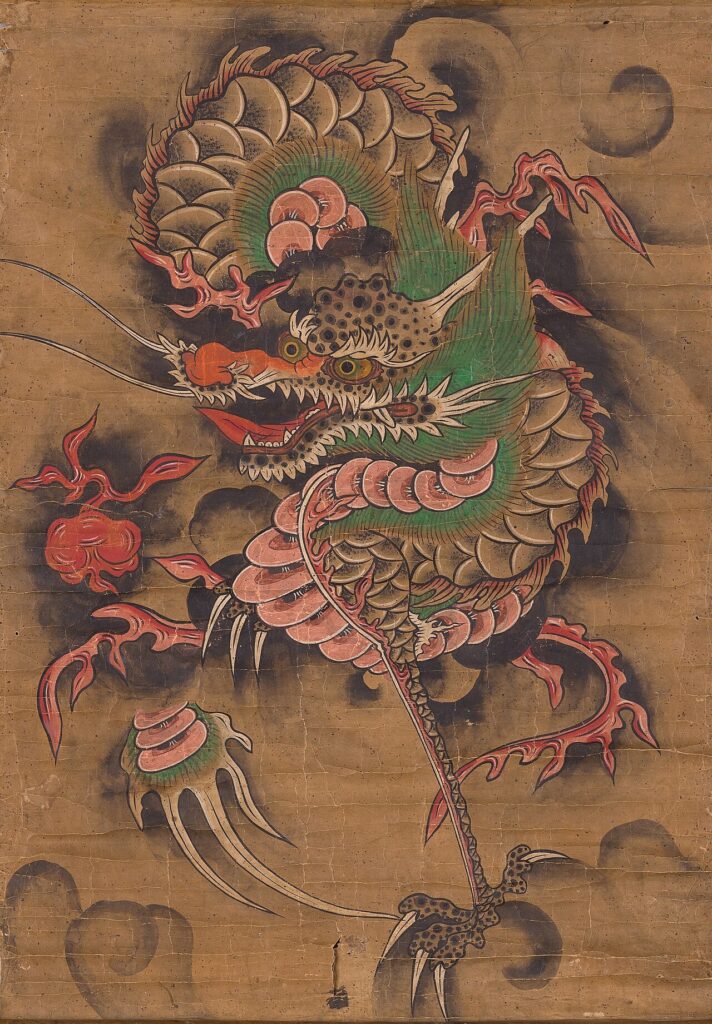
Dragons have appeared in art for thousands of years, but they have never meant just one thing. Depending on the culture, a dragon can symbolize wisdom or destruction, divine authority or untamed nature, protection or greed. Artists have continually reinvented them to express the fears, hopes, and values of their own time.
Looking closely at how dragons have been depicted reveals more than fantasy. It shows how artists use familiar symbols to communicate powerful ideas. Here are nine creative lessons hidden inside the history of dragons in art.
1. Every Culture Invented a Different Dragon
The first surprise is that there is no universal dragon. Chinese dragons are long, flowing, and usually wingless, associated with rain, rivers, prosperity, and imperial power. European dragons are often heavy-bodied, winged, fire-breathing creatures linked with danger, chaos, and heroic conquest. Mesoamerican feathered serpents like Quetzalcoatl combine bird and snake rather than resembling either tradition.
These differences remind us that artists never create symbols in isolation. They reshape familiar creatures to reflect local beliefs, landscapes, and stories. A dragon tells you almost as much about the people who imagined it as it does about the creature itself.
Before borrowing a famous symbol, ask what it means in its original culture and whether your own interpretation adds something thoughtful instead of simply repeating a familiar image.
2. Dragons Are Built from Real Animals
Most dragons are not entirely imaginary. Their bodies borrow features from snakes, crocodiles, lions, birds of prey, deer, fish, bats, and countless other animals. Chinese dragons often combine nine different creatures, while medieval European artists pieced dragons together from the wildlife they knew—or had only heard described by travelers.
This patchwork approach makes dragons feel strangely believable. Viewers recognize individual parts even while accepting the impossible whole.
When designing fictional creatures, study real anatomy first. The more convincing the individual parts are, the easier it becomes for people to believe the impossible combination.
3. The Dragon Reflects Human Fears
European medieval paintings often place dragons beneath saints or heroes. The dragon rarely represents a literal animal. Instead, it symbolizes temptation, evil, disease, pride, or chaos that must be overcome. The creature becomes a visual shortcut for internal struggles rather than external enemies.
Because the dragon represents an abstract idea, artists could make it larger, stranger, or more terrifying without worrying about realism. Its appearance reflected emotional truth more than biological accuracy.
Instead of illustrating an emotion directly, create a visual symbol that allows viewers to experience that feeling through metaphor.
4. Eastern Dragons Move Like Water
In East Asian painting, dragons often appear surrounded by clouds, mist, waterfalls, or waves. Their long, flexible bodies curve through space like flowing rivers, emphasizing continuous movement rather than brute force.
The composition matters as much as the dragon itself. Empty space, swirling clouds, and rhythmic brushwork create the impression that the dragon is emerging from nature rather than standing apart from it.
Think about how your subject moves through the composition. Sometimes the surrounding space communicates motion more effectively than adding extra detail to the subject itself.
5. Scale Creates Wonder
Artists frequently exaggerate the size of dragons to create awe. A tiny knight facing an enormous dragon instantly establishes danger without explanation. Likewise, miniature dragons perched on a shoulder suggest companionship rather than overwhelming power.
Scale is a storytelling device before it is a measurement. By changing proportions, artists instantly reshape the emotional relationship between characters.
Before adding dramatic effects, consider whether simply changing the size relationship between objects would tell the story more clearly.
6. Dragons Guard What Matters Most
Dragons often protect treasures, sacred places, magical knowledge, or forbidden entrances. The treasure may be gold, but it can also represent wisdom, transformation, or spiritual growth. In many stories, reaching the reward requires confronting the dragon first.
Artists repeatedly use this pattern because it mirrors human experience: valuable things usually demand effort, courage, or sacrifice.
When planning an image, think about what your central obstacle protects. The challenge becomes more meaningful when viewers understand why it exists.
7. Color Changes the Story
Dragon colors are rarely arbitrary. Chinese imperial dragons often appear in gold, symbolizing authority and prosperity. European dragons are frequently rendered in dark greens, blacks, or reds to emphasize danger, violence, or fire. Modern fantasy artists expand this vocabulary even further, using color to signal personality, magical abilities, or moral alignment.
Because dragons have no fixed appearance, color becomes one of the fastest ways to shape interpretation before viewers notice finer details.
Choose colors for their symbolic effect as well as their visual appeal. A palette should reinforce the story, not simply decorate it.
8. Artists Keep Reinventing Dragons
From medieval manuscripts and Japanese scrolls to Art Nouveau illustration, modern animation, video games, and digital concept art, dragons constantly evolve. Each generation adapts them to new technologies and audiences while preserving recognizable features.
This continuous reinvention explains why dragons remain culturally relevant. They are flexible symbols rather than fixed designs, allowing artists to explore contemporary concerns through ancient imagery.
Study traditional examples before trying to modernize them. Innovation tends to be strongest when it grows from genuine understanding rather than novelty alone.
9. The Best Dragons Reveal Humanity
Perhaps the greatest secret is that dragons are rarely about dragons. They reveal how humans think about nature, power, fear, wisdom, greed, protection, and imagination. Every era designs the dragon it needs.
Even the most spectacular dragon succeeds because it expresses something recognizably human. Whether terrifying or benevolent, realistic or abstract, the creature becomes memorable when it reflects our own hopes and contradictions.
The next time you create a fantastical subject, spend as much time deciding what it symbolizes as you do designing its appearance. Meaning gives imagination its lasting power.
Conclusion
Dragons have survived in art because they are endlessly adaptable. They can embody empires, storms, monsters, guardians, teachers, or mysteries without losing their identity. Across continents and centuries, artists have reshaped the dragon to express ideas too large or complex for ordinary images alone.
The enduring lesson is that great symbolic art isn’t memorable because it’s fantastical—it endures because every visual choice serves a deeper idea. The strongest dragons don’t just look impressive; they give viewers something meaningful to discover beneath the scales.