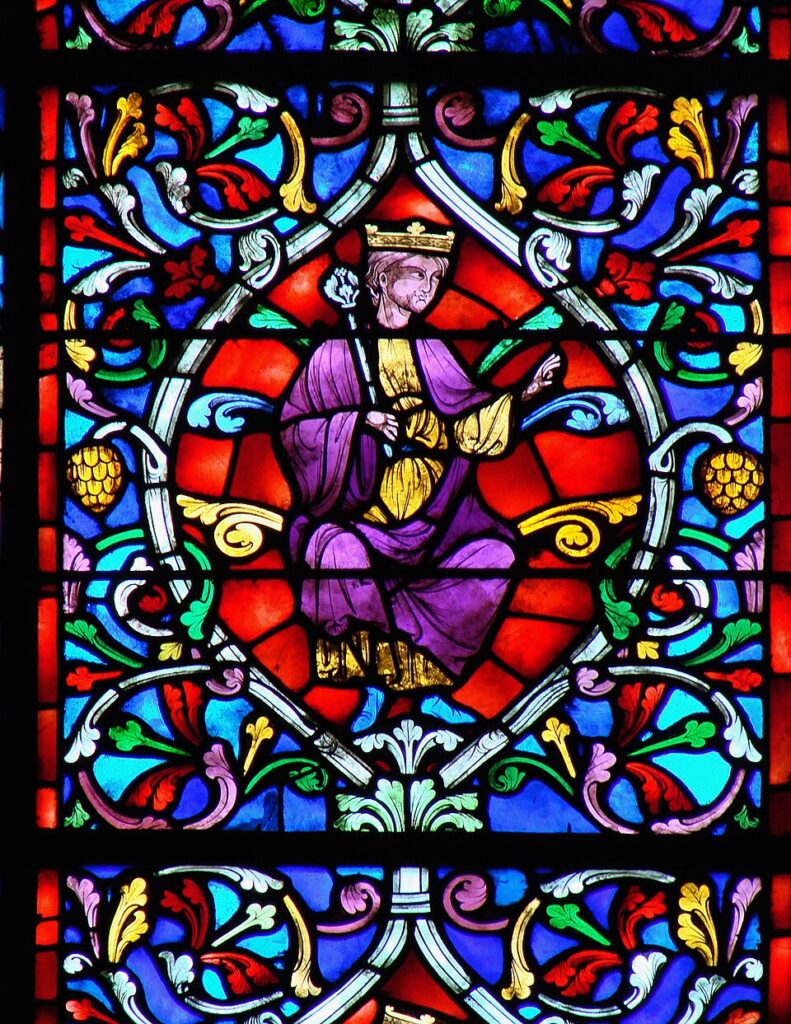
Stained glass windows are more than just colorful decorations. For centuries, they have shaped the way Europeans experienced faith, light, and space. From early Christian basilicas to Gothic cathedrals and modern chapels, stained glass has evolved alongside architecture, theology, and technology. This article traces the journey of stained glass from its humble beginnings in the East to its modern rebirth in the hands of 20th-century masters.
The use of colored glass to tell sacred stories dates back nearly two thousand years. While the earliest stained glass was simple in form, it already aimed to transform buildings into spaces of spiritual wonder. Over the centuries, artisans developed new techniques, embraced shifting styles, and responded to religious upheavals. Through war, reformation, and revival, stained glass remained a resilient and expressive art form.
Throughout European history, stained glass has served as both narrative and ornament, both theology and technique. Some of the continent’s greatest artists—many of them unknown by name—have left their legacy in fragile panels of colored light. And behind every window lies a story of innovation, destruction, and rediscovery.
This article walks through seven key periods in the evolution of stained glass, spotlighting major techniques, figures, and milestones. Along the way, you’ll meet artists, monks, and modernists who helped shape one of Europe’s most dazzling art forms.
Early Christian and Byzantine Roots: The Birth of Liturgical Light
In the early centuries of Christianity, the concept of stained glass had not yet matured, but its foundations were already being laid in the churches of the Eastern Roman Empire. Glass was valued for its ability to refract and color light, though its primary artistic use at the time was in mosaic work. In Byzantium, artists created shimmering wall mosaics made of gold-backed glass tesserae, which reflected flickering oil lamp light in sacred spaces. These mosaics helped define a symbolic aesthetic that would influence stained glass in the West for centuries to come.
By the 5th and 6th centuries AD, glass artisans in places like Constantinople began experimenting with small pieces of colored glass. These early windows were not fully leaded stained glass in the modern sense, but they combined light, color, and form to guide religious devotion. Hagia Sophia, constructed under the rule of Emperor Justinian I and opened in 537 AD, featured arched window designs that enhanced the mystical atmosphere of the domed interior. Light filtering through colored glass suggested divine presence—a theme that would endure in Gothic cathedrals a millennium later.
Techniques from the East: Glass Tesserae and Mosaic Influence
Much of the artistic vision behind Hagia Sophia came from Isidore of Miletus, a brilliant engineer and architect born around AD 470. He, along with Anthemius of Tralles, designed the building to channel natural light in profound ways. The use of glass in upper windows helped soften the weight of the massive structure, blending the structural with the spiritual. Though not technically stained glass, these early uses of colored window glass foreshadowed the visual theology of later European churches.
Byzantine influences spread westward through trade and conquest, especially after the fall of Constantinople in 1453. Eastern glassmaking techniques, especially in coloring and casting, would later be adapted by Western artisans. The symbolic use of gold, deep blues, and ruby reds rooted in early Christian thought would echo across centuries. Though the true art of stained glass as we know it had not yet developed, the groundwork—both technical and spiritual—was firmly established in these early centuries.
Romanesque Period: Thick Walls, Small Windows, Early Experimentation
As Europe entered the Romanesque period around AD 1000, its churches began to adopt more permanent forms and heavier architectural structures. With thick stone walls and relatively small windows, Romanesque churches left little room for expansive stained glass. Still, artists began incorporating colored glass into small lancet windows, often in rudimentary designs. These early windows used thick lead cames to hold together panels of colored glass that hinted at biblical scenes or symbolic forms like the cross, fish, or lamb.
The Church of Saint Philibert in Tournus, France—constructed in the late 11th century—is one of the earliest surviving examples featuring this style of window. Glass from this period was richly colored but lacked fine detail, as artisans did not yet paint on glass. Instead, they arranged pieces of colored glass in bold outlines, relying on shapes and hues to convey meaning. Designs were often geometric or used simplified figures, framed within heavy stone tracery.
Abbey Churches and the Rise of Colored Icon Panels
This period also saw the first use of narrative icon panels in glass, often placed above altars or in small chapels. These served both decorative and didactic purposes. Though the scenes were simple, they helped teach Christian stories to an illiterate population. The increasing use of stained glass in abbeys signaled the growing belief in light as a divine medium, influenced in part by theological writings and mystical traditions.
One of the most influential voices in this theological shift was Abbot Suger of Saint-Denis, who lived from 1081 to 1151. Suger championed the use of light-filled spaces as a way to draw the soul closer to God. Though Saint-Denis would later become an icon of Gothic architecture, Suger’s early renovations already included vibrant glasswork meant to “illuminate men’s minds.” His ideas helped pave the way for the explosion of stained glass in the Gothic period, where both the technology and the theology would align more fully.
Gothic Explosion: Art and Architecture Intertwined
The Gothic era, beginning around 1140 and lasting into the 16th century, marked the golden age of stained glass in Europe. Architects and artists collaborated to create soaring cathedrals filled with massive stained glass windows, transforming interiors into kaleidoscopes of color and narrative. The development of ribbed vaults and flying buttresses allowed walls to be opened up for these large windows. Glass designs became increasingly intricate, with windows portraying full biblical cycles, saintly lives, and royal patronage.
The cathedral at Chartres in France, reconstructed between 1194 and 1250, stands as the supreme example of Gothic stained glass. Its windows, with their deep sapphire blues and ruby reds, bathe the interior in a glowing atmosphere meant to evoke heaven itself. Each pane tells a detailed story, using figures, scrollwork, and iconography to convey complex theology. These windows were not merely decorations—they were sermons in glass. Hundreds of artisans, likely organized into guilds, contributed to these monumental efforts.
Chartres and Beyond: Master Glaziers of the 12th–13th Centuries
While many medieval glaziers remain anonymous, some names have survived. A glazier referred to as “Jean le Verrier” (John the Glazier) has been tentatively linked to windows in northern France, though firm documentation is limited. The majority of stained glass artisans worked in teams, under clerical and noble supervision, often without leaving behind a signature. These craftsmen had to master not just art, but engineering: cutting fragile glass, choosing lead shapes, and fitting complex windows into enormous stone frames.
The Gothic style spread across Europe, with variations in Germany, England, and Italy. English cathedrals such as Canterbury and York incorporated Gothic windows by the late 13th century. In Germany, Strasbourg Cathedral (begun in 1176) showcased bold color schemes and distinctive figure styles. By the 14th century, some glaziers were experimenting with silver stain and painted detail, leading to greater realism and complexity. Yet throughout the Gothic age, stained glass remained firmly rooted in sacred narrative and luminous awe.
Renaissance and Humanism: Realism Enters the Window
The Renaissance period, from the 15th to the early 17th century, brought seismic changes to the art world—and stained glass was no exception. While the medium remained largely religious, it absorbed the humanist and naturalist ideals of the age. Figures became more anatomically correct, expressions more emotional, and backgrounds more detailed. Glassmakers developed new painting techniques that allowed for shading, depth, and subtle facial features.
One of the major innovations was the use of silver stain, introduced in the late 14th century but widely adopted during the Renaissance. This allowed artists to create yellow and gold tones by applying silver nitrate to the surface before firing. Combined with enamel paints, silver stain enabled much more complex and realistic imagery. It also meant that stained glass could compete with frescoes and oil paintings in depicting dramatic scenes.
Painted Glass and the Influence of Flemish Techniques
Flemish artists were especially influential during this period. Dirk Vellert, born in 1480 in Amsterdam, became one of the best-known stained glass painters of the early 16th century. Vellert was unusual for his time in that he signed many of his works, marking him as both artist and craftsman. His windows, including those preserved in Belgium and northern France, reveal a sophisticated use of line and wash to portray clothing folds, skin tones, and perspective.
These new techniques allowed stained glass to depict scenes with far more emotional and narrative complexity. Renaissance glass often included classical columns, landscape backgrounds, and more individualized human figures. Though still rooted in Christian themes, these windows now bore the imprint of classical knowledge and personal expression. The result was a style that looked both upward toward heaven and outward toward the natural world.
Reformation and Iconoclasm: Destruction and Decline
The Protestant Reformation, beginning in 1517 with Martin Luther’s theses, profoundly affected stained glass throughout Europe. Many reformers viewed stained glass and other church art as distractions or even as idolatrous. As Protestant beliefs took hold in countries like England, Germany, and the Netherlands, widespread iconoclasm followed. Beautiful medieval and Renaissance windows were shattered, melted down, or bricked over in waves of religious purging.
In England, the reign of Henry VIII and the subsequent Dissolution of the Monasteries from 1536 to 1541 led to the destruction of thousands of windows. Even parish churches were stripped of decorative glass, their once vibrant interiors left blank and cold. In Germany, Calvinist and Lutheran authorities often ordered the removal of windows depicting saints, the Virgin Mary, or elaborate biblical scenes. The glass that did survive often did so by chance—hidden away or protected by loyal locals.
Shattered Faith: Protestant Movements and Glass Breaking
This period marked a sharp decline in stained glass production. With fewer patrons and less religious tolerance for imagery, many glassmakers abandoned the trade. Those with means or royal protection turned to secular commissions or relocated to Catholic regions like Flanders or Italy. The tight-knit guild systems of the Middle Ages dissolved, and the collaborative artistry of stained glass became fragmented.
Yet even amid destruction, some windows survived. In more remote English churches, fragments of Gothic and Renaissance glass were reassembled into patchwork windows during later restorations. A few noble families preserved chapel windows on private estates. These remnants stood as quiet testaments to a once-great art form that had, for a time, fallen under suspicion and ruin.
19th-Century Revival: Medieval Nostalgia and the Arts & Crafts Movement
In the 19th century, a new wave of interest in medieval art and craftsmanship gave rise to the Gothic Revival movement. Architects and artists across Britain and Europe sought to restore old churches and rediscover the “authentic” styles of the Middle Ages. Stained glass, long neglected, became central to these efforts. Inspired by spiritual and aesthetic ideals, a new generation of designers and craftsmen returned to traditional methods and religious themes.
Leading the charge was Augustus Welby Northmore Pugin (1812–1852), a devout Catholic architect who believed that Gothic architecture was the only true expression of Christian values. Pugin’s work on churches such as St. Giles’ Catholic Church in Cheadle helped spark a stained glass renaissance in England. He argued that glass should be honest, handcrafted, and devotional—not mass-produced or overly ornate. His influence shaped the training and output of several prominent studios.
Gothic Revival: Pugin, Morris, and the Return of Medieval Ideals
Perhaps the most iconic figures of this revival were William Morris (1834–1896) and Edward Burne-Jones (1833–1898). Through their company Morris & Co., they produced stained glass windows for churches across Britain and Europe. Burne-Jones designed the figures, while Morris oversaw materials and fabrication. Their style emphasized graceful lines, rich but restrained color, and medieval storytelling, all executed using historical techniques like mouth-blown glass and hand-cut leads.
This movement aligned closely with the broader Arts & Crafts philosophy, which rejected industrial mass production in favor of skilled, honest labor. The revival also had spiritual goals: to renew the beauty and truth of Christian art in an age of secularism. Churches built or restored during this time often featured entire stained glass cycles, with attention to architectural harmony and theological depth. For many Victorians, these windows represented a spiritual restoration as much as a visual one.
Modern Innovations: Abstract Light, War Memorials, and Technology
The 20th century brought new challenges—and new inspiration—for stained glass. After two world wars devastated Europe and its churches, stained glass experienced a surprising resurgence. This time, it would blend modern art with ancient themes. Glass artists embraced abstraction, surrealism, and new materials, creating windows that spoke to both grief and hope. Often commissioned as memorials, postwar windows became places of reflection and renewal.
One of the most influential modern stained glass artists was Marc Chagall, born in 1887 in Belarus and later naturalized as French. Chagall’s windows combine biblical imagery with dreamlike color and floating figures. His commissions include works for Reims Cathedral (1959–1974), Metz Cathedral (1960s), and the United Nations headquarters in New York. He worked with master glassmakers like Charles Marq, translating his gouache sketches into glowing, intricate windows.
Post-War Resurgence: Chagall, Léger, and the Spiritual Abstract
Another modernist, Fernand Léger (1881–1955), contributed to stained glass through his bold cubist designs. Léger’s windows for the Église du Sacré-Cœur in Audincourt (1950s) show how modern geometry could still convey spiritual resonance. These windows reflected not only artistic innovation but also the trauma and rebuilding of postwar Europe. Churches turned to art to remember the dead and inspire the living, and stained glass was central to that purpose.
Modern techniques like dalle de verre—using thick slabs of colored glass set in concrete or resin—allowed for more durable, monumental installations. Studios began incorporating epoxy resins, laminated glass, and eventually digital design tools. Despite these changes, the heart of stained glass remained the same: to transform light into meaning. In the hands of 20th-century masters, stained glass became not just decoration, but modern liturgy in light.
Key Takeaways
- Stained glass evolved from Byzantine mosaics to Gothic masterpieces and modern abstractions.
- Key figures include Isidore of Miletus, Abbot Suger, Dirk Vellert, Pugin, Morris, Chagall, and Léger.
- Major innovations include silver stain, enamel painting, and dalle de verre.
- Religious and political upheavals, especially the Reformation, shaped its development and destruction.
- Modern revivals fused old techniques with contemporary styles for memorial and spiritual purposes.
FAQs
- What is the oldest known stained glass technique in Europe?
Early Christian and Byzantine mosaic techniques using colored glass tesserae were precursors to window glass. - How did Gothic architecture impact stained glass?
Gothic innovations like flying buttresses allowed walls to support large, narrative stained glass windows. - Who was Dirk Vellert?
A Flemish stained glass artist (1480–1547), Vellert was known for his signed works and detailed glass painting. - What caused widespread destruction of stained glass in the 16th century?
The Protestant Reformation led to iconoclasm, especially in England and parts of Germany. - Is stained glass still made today?
Yes, modern artists continue to create stained glass using both traditional and digital techniques.