Long before written language or metallurgy, humans found ways to express identity, meaning, and beauty through permanent body markings. Tattooing, as primitive as it may seem, is among the oldest known forms of artistic and symbolic expression. It reaches back into the mists of prehistory, predating even the great cave paintings of Lascaux and Altamira. The human drive to mark skin with patterns and symbols runs deep, and it’s as much about art as it is about survival, status, or belief.
Many modern people view tattoos as a form of rebellion or fashion, but prehistoric tattoos held far more profound meaning. These early designs were not chosen lightly; each dot, line, or shape had a purpose—spiritual, medicinal, or social. The very act of tattooing, involving pain and permanence, suggests an intention deeper than decoration. These ancient markings offer us a window into early human consciousness and creativity.
Archaeological discoveries over the last century have confirmed that prehistoric tattoos weren’t rare anomalies. They were widespread and culturally significant across many early human societies. In many cases, the skin is the only surviving canvas of Ice Age-era art, preserved on mummified remains. As scientists decode these ancient inks, a clearer picture of prehistoric life—its values, beliefs, and visual culture—emerges.
Studying prehistoric tattoos bridges two of humanity’s oldest fascinations: art and the body. These marks weren’t just random scrawls; they followed patterns, had rules, and in some cultures, conveyed messages that only insiders could read. For the early human, tattoos may have served as both badge and biography, turning the body itself into a living artwork.
Why Tattoos Matter in Prehistoric Study
Tattoos are unique in archaeology because they survive only under rare circumstances. When they do, they offer an unparalleled glimpse into personal identity in prehistoric times. Unlike tools or dwellings, which may reflect communal needs, a tattoo is intimate—chosen or bestowed with deep meaning. It’s as close as we can get to understanding what individuals thought about themselves and their place in the world.
Tattooing also reveals complex cultural systems. Designs weren’t applied at random; they followed specific traditions and often required trained practitioners. The presence of inked skin suggests a structured society with shared aesthetics and roles. In some cultures, tattooing could signify a rite of passage, a role in healing, or an affiliation with spirits or ancestors.
These markings also help us trace the spread and development of human culture. Similar patterns across different continents hint at shared understandings, or at least parallel evolution of ideas. From the Arctic to the tropics, humans felt compelled to mark their skin in ways that had significance far beyond mere beauty.
Moreover, tattoos offer insight into prehistoric health practices. Some markings line up with known acupuncture points or joint pain areas, indicating that tattoos may have had therapeutic roles. By examining these ancient inks, we see how early man understood the body, pain, and healing—long before the first physician’s scroll was written.
Tattoos vs. Cave Art: Similar Visual Languages
Many of the same symbolic elements found in cave art are mirrored in prehistoric tattoo designs. Lines, spirals, dots, and zoomorphic figures appear on walls and human skin alike. This suggests a shared visual language used both in public ritual spaces and private, bodily expressions. It’s a reminder that prehistoric humans didn’t separate art from life—they lived within it.
Just as cave art was often created in places of ceremony, tattooing likely occurred during special rites. Some experts believe both served similar spiritual or cultural functions—perhaps to communicate with deities or memorialize ancestors. Tattooing may have even been part of the same ritual cycle that included music, fire, and storytelling.
The techniques behind cave art and tattooing also show parallels. Both required rudimentary tools and natural pigments, and both depended on skilled hands to apply the designs. Whether working with a chunk of ochre on a limestone wall or a sharpened bone on human flesh, prehistoric artists were adept with their materials.
Importantly, these designs weren’t chaotic or purely aesthetic. They were chosen with intent, repeated over generations, and encoded with meaning. Just as cave walls display repeated motifs like animals, hands, and symbolic marks, so too did human skin carry these designs. In this way, the body became the mobile version of sacred art.
Otzi the Iceman: Europe’s Earliest Inked Man
Otzi the Iceman stands as the oldest known case of preserved tattoos on a human body. Discovered in 1991 in the Ötztal Alps between Austria and Italy, his frozen body dates to approximately 3300 BC. At the time of his death, he was around 45 years old and carried not only tools and clothing but a set of tattoos that shocked the archaeological world. These marks were not simply adornment—they represented a fusion of artistry, medicine, and perhaps spirituality.
Otzi’s body contains a total of 61 individual tattoos. They are not elaborate images but groups of dark parallel lines and crosses, primarily found on his lower spine, behind his right knee, and around his ankles. Their repetitive, geometric structure suggests a deliberate, symbolic purpose. What’s most compelling is their alignment with traditional acupuncture points—implying a form of ancient pain therapy.
Carbon dating and microscopic analysis of Otzi’s tattoos have confirmed that they were created using fire-charred soot or ash. The tattooing method involved cutting the skin and then rubbing charcoal into the wound. This form of puncture tattooing, known as hand-poking, was effective and surprisingly advanced for the time. It also indicates the presence of someone skilled enough to perform such procedures repeatedly without fatal infections.
Otzi’s tattoos provide direct evidence that humans in the Neolithic period had developed a cultural system around tattooing. He wasn’t a tribal oddity; he was likely a member of a society where tattooing served practical and ceremonial roles. Through Otzi, we see how deeply rooted the human instinct is to mark and personalize the body—not for fashion, but for function and meaning.
Analysis of Otzi’s Tattoo Locations
The placement of Otzi’s tattoos is telling. They are predominantly found on joints and along the spine—areas commonly associated with pain in older adults. This strongly supports the idea that the tattoos had medicinal or therapeutic intent. It may even represent the earliest known form of acupuncture.
Researchers have identified that several tattoos are near meridian points used in Traditional Chinese Medicine, though Otzi predates those records by thousands of years. Whether by coincidence or shared intuition, prehistoric man understood that marking these areas had some benefit—physical, spiritual, or both.
The lower back tattoos are of particular interest. Located near the lumbar vertebrae, they suggest that Otzi may have suffered from chronic back pain—a condition confirmed through X-rays of his preserved skeleton. This bolsters the theory that his tattoos were applied with healing in mind, not simply decorative.
Yet these tattoos may have carried symbolic weight as well. In many cultures, the spine is seen as the conduit for life energy or spiritual force. By tattooing this area, Otzi—or his tattooist—may have been invoking protection, strength, or endurance. The dual function of healing and symbolism reflects the layered purpose behind prehistoric tattoos.
Tools and Techniques Used on Otzi
Otzi’s tattoos were made using a surprisingly precise method. Researchers believe the technique involved using a thin bone or stone implement to pierce the skin, followed by application of carbon-based pigments. This was not a haphazard process; it required planning, sanitation, and considerable pain tolerance.
The pigment used was mostly charred wood ash or soot, ground into a fine powder and possibly mixed with plant oils or water. The fact that Otzi’s tattoos have remained visible for over 5,000 years is a testament to the durability of these natural substances. There was real artistry in the choice and preparation of materials.
The hand-poked method left small, even incisions in the skin that were then rubbed with the pigment. Over time, as the wound healed, the pigment became trapped beneath the outer layers of skin, forming a permanent mark. This was not an improvised or reckless act but a practiced craft.
There’s also evidence that the procedure was repeated over time. Some of Otzi’s tattoos show signs of being retouched or applied in layers. This might indicate a ritualistic aspect, where the act of tattooing was as important as the final design. Pain, endurance, and symbolism were likely all tied into the experience.
Tattooed Areas on Otzi’s Body (with interpretations):
- Lower Spine: Possibly for back pain relief or spiritual protection.
- Behind the Right Knee: May indicate knee pain or joint issues.
- Ankles and Calves: Suggest circulation issues or strain from walking.
- Left Wrist and Torso: Potentially symbolic of manual labor or endurance.
Tattoo Tools of the Ancients: Art Born of Innovation
Prehistoric tattooing tools reflect both ingenuity and adaptation. Long before the invention of metal, early humans crafted implements from the natural world—bone, stone, wood, and thorn. These tools were primitive only in material; in function, they were sophisticated enough to create symmetrical, enduring designs. What’s more, they varied across regions, showing both innovation and cultural uniqueness.
In Europe, sharpened bone needles and obsidian blades have been linked to tattooing practices. The sharpness of obsidian rivals modern surgical tools, making it an excellent choice for skin incisions. Soot or ground charcoal was the preferred pigment, often mixed with animal fat or plant sap to help it bind. These combinations produced long-lasting inks and effective application methods.
Elsewhere, in the Arctic and Pacific regions, tools were adapted to local materials. Inuit peoples used sinew and needles made from walrus ivory, while Polynesians developed tattoo combs—wooden sticks tipped with sharp bone or shark teeth. These were dipped in ink and hammered into the skin using a mallet, producing deeply embedded designs with remarkable precision.
Despite geographic isolation, many ancient cultures independently arrived at similar tool structures. The presence of ink reservoirs, multi-needle points, and ergonomic grips suggests that tattooing was treated with the seriousness of a trade or spiritual calling. It wasn’t simply about inflicting marks; it was about precision, hygiene, and meaning.
Common Prehistoric Tattoo Instruments
Most prehistoric tattoo tools were simple but functional. Bone needles were among the most common, often found in burial sites alongside pigment containers. These fine, pointed implements could puncture the skin delicately and were capable of forming intricate dot or line patterns.
Obsidian, a volcanic glass, was used in many early societies for its razor-sharp edge. Blades made from obsidian allowed for shallow skin incisions, which were then rubbed with pigment. While more painful than modern tattooing methods, this technique was effective and had minimal long-term scarring if done properly.
In some areas, tattooing was performed using thorns or cactus spines. These were dipped in pigment and either poked manually or dragged along the skin. Though less precise, this technique still left recognizable and intentional markings, especially on larger surfaces like the arms, chest, or thighs.
Pigment containers—small bowls or scooped stones—often accompanied these tools. Archaeologists have found evidence of charred residues in such containers, reinforcing the theory that they held inks used in body marking. Together, these tools form a clear picture: tattooing was a practiced, respected art, even in the Paleolithic world.
Artistic Intent Behind Crude Tools
Though the tools were basic, the designs they produced show intentionality and aesthetic awareness. Repeated patterns, symmetrical layouts, and consistent spacing reveal that prehistoric tattooists were more than just crude technicians—they were artists in their own right. The skin was their canvas, and their limited tools didn’t stop them from creating meaningful visual expressions.
Some tattoos from ancient remains exhibit line work that’s surprisingly consistent. This required not just a steady hand but an understanding of bodily curvature and tension. Tattooists would have needed to anticipate how the skin would heal and stretch, adjusting their technique accordingly.
The persistence of certain design motifs—dots, crosses, straight lines—suggests symbolic language. These weren’t random decorations; they meant something to those who wore them. Whether representing clan identity, spiritual protection, or personal achievement, each mark had a message.
The limitations of early tools may have even inspired creative solutions. In some cases, tools were designed to leave textured patterns or layered lines. Just as cave artists made use of the rock surface’s contours, tattooists adapted to the body’s shape, letting art and anatomy intertwine.
Tattoo Tools by Region:
- Europe: Bone needles, soot pigment, stone blades.
- Arctic (Inuit): Sinew thread, ivory needles, lampblack ink.
- Polynesia: Tattoo combs with bone or shark teeth, wooden mallets.
- Africa: Thorn poking tools, plant-based pigments.
Symbolism and Meaning: More Than Decoration
Prehistoric tattoos weren’t made for vanity. They held layers of symbolic meaning rooted in early man’s understanding of the world, the body, and the divine. Each tattoo served as a visual language—one that identified the wearer’s social role, personal journey, or spiritual beliefs. Like heraldry on skin, these markings communicated far more than modern tattoos often do.
Archaeological studies show that these tattoos frequently appeared on parts of the body connected with strength or function—arms, legs, back, and chest. Some researchers believe these placements weren’t random. For example, designs on the limbs might have signified the wearer’s hunting skill or strength, while marks on the torso could have indicated familial or tribal affiliation. Such markings could speak louder than words in societies that depended on mutual recognition and trust.
In spiritual terms, tattoos might have acted as talismans. Many tribal societies, both ancient and more recent, believed that tattoos protected against evil spirits or brought good fortune. The fact that certain patterns appear consistently—such as crosses or spirals—suggests that they had recognized, perhaps even sacred, meaning. It’s not difficult to imagine that a man heading into battle or a woman preparing for childbirth would carry these symbols as a form of metaphysical armor.
Another area of symbolism was healing. As seen with Otzi the Iceman, some tattoo locations align with pressure points or areas of chronic pain. This suggests that prehistoric societies may have fused medicine with symbolism, believing that marking the afflicted area could draw out illness or align bodily energies. Tattooing in this sense becomes not just a medical intervention but a sacred act—combining body, spirit, and the unseen.
Tattoo as Tribal Identifier
Tattooing likely played a major role in distinguishing tribes, clans, or even family lineages. In societies without written records or centralized governance, the body became a kind of passport. A tattoo could instantly identify someone’s home territory, social class, or marital status. It would also help confirm alliances or enmities between groups at a glance.
The repetition of certain motifs across regions suggests the existence of clan-specific or region-specific designs. A man from one valley may have worn a different wrist or chest tattoo than someone from a neighboring group, even if the overall styles looked similar. These design codes would have helped prehistoric peoples navigate the complexities of social life.
Children or adolescents may have received tattoos as a mark of belonging during important life transitions. In this way, a person’s ink evolved with age, reflecting the stages of their life. This progression wasn’t merely biological—it was social and spiritual, and every new mark added to their identity.
Even punishment or exile may have been marked with tattoos. In some tribal cultures, criminals or outcasts bore distinctive marks to warn others of their deeds. This practice would have deep roots if it existed in prehistoric times. It supports the idea that tattooing was deeply integrated into the fabric of early justice and order.
Spiritual and Medicinal Symbols
The intertwining of medicine and mysticism in prehistoric tattoos speaks to a worldview where the body and spirit were not separate. People believed that pain could release energy or that symbols on the skin could ward off disease. In many ways, tattoos functioned as both prescription and prayer—meant to heal the body and protect the soul.
Anthropological comparisons with later tribal cultures help reinforce this idea. Among the Ainu of Japan and certain Siberian groups, tattooing was directly connected with female fertility and male strength. It’s reasonable to believe that similar spiritual beliefs existed in the prehistoric age, passed down through oral traditions.
Tattooing near joints, the spine, or the abdomen also aligns with early theories of bodily energy centers, what some call “chakras” today—though in prehistoric terms, these would have had different names and understandings. The act of marking these areas with pigment may have been thought to unblock energy flows or please ancestral spirits.
Some tattoos were possibly meant to guide the soul after death. Like the burial goods placed in graves, tattoos might have served as spiritual tools, useful in the afterlife. They would show the dead’s virtues, rites completed, or roles fulfilled. The permanence of the tattoo made it the perfect spiritual passport into whatever world lay beyond.
Global Echoes: Tattoo Traditions Across Continents
Tattooing as an art form did not emerge in one place and spread—it developed independently across the world. From ancient Egypt to the Arctic tundra, humans in vastly different environments and eras chose to mark their bodies with ink. This points to a universal human inclination: to give visible form to invisible beliefs and social structures.
One of the oldest examples outside Europe comes from Siberia, where the 2,500-year-old Pazyryk mummies were discovered in the Altai Mountains. These bodies—frozen in permafrost—bear complex tattoos of animals, mythical creatures, and symbolic designs. The artwork is detailed and decorative, far beyond basic geometric patterns. These tattoos likely denoted elite status or spiritual power.
Meanwhile, in Egypt, tattooing dates back at least to 2000 BC. Mummified remains of women from that period show intricate patterns on the abdomen and thighs, likely related to fertility rituals or childbirth protection. The pigment used was a dark blue-black, made from soot or indigo, and the designs show repetition and precision, suggesting an experienced tattooist class.
In Polynesia, tattooing evolved into one of the most sophisticated art forms of any indigenous culture. By 1000 AD, Polynesian societies had developed unique tools and symbolic systems. Tattoos covered entire bodies, telling the story of a person’s ancestry, achievements, and social rank. Though outside the prehistoric timeline, these practices show a continuum from ancient instinct to refined cultural expression.
The global presence of tattooing in early societies highlights that this was not a passing trend or local fad. It was a fundamental form of communication, identity, and spirituality. The similarities across these distant lands—spirals, dots, animal symbols—reflect shared truths about the human experience and the desire to make it visible.
Siberia, Polynesia, and the Americas
In Siberia, tattooing was not limited to practical or medicinal purposes. The Pazyryk chief, found in a burial mound dated to around 500 BC, had tattoos of deer and griffin-like creatures along his limbs and back. These may have represented protective spirits or tribal totems. The level of detail in these tattoos implies both technical skill and symbolic depth.
Polynesia, though much later in the historical timeline, demonstrates the height of tribal tattoo culture. In Samoa and Tonga, tattooing rituals were sacred. They were done by specialists called tufuga, who held high status in society. These tattoos, called tatau, were done using combs dipped in ink and tapped into the skin—a painful, weeks-long process that required immense endurance and ceremony.
In North America, certain Native American tribes also used tattooing, particularly among the Inuit and Iroquois. For the Inuit, tattoos were both decorative and functional—applied to help women through childbirth or to signal readiness for marriage. Designs included stripes, triangles, and abstract animal forms, often done with bone or needle and soot.
In South America, tribes such as the Amazonian Kayapo were known for body painting and scarification, but early forms of tattooing are also believed to have existed. Though the jungle climate is not favorable for preservation, rock art and oral traditions point to a history of body modification that included permanent marking.
Recurring Designs in Isolated Cultures
Despite geographic and cultural isolation, similar tattoo patterns have appeared across the ancient world. The use of dot clusters, spiral motifs, straight lines, and animal representations are common from Europe to Africa to Oceania. This recurring visual vocabulary suggests something deeply human at work—perhaps a shared subconscious or survival-driven artistic instinct.
Straight-line patterns often encircled limbs or followed the spine. Spirals, which can represent eternity or the life cycle, appeared on shoulders or thighs. Dots arranged in grids or rows were common on joints and limbs. These patterns likely held personal or group significance, functioning much like insignia or seals.
Animal forms also recur. From Siberia’s tattooed deer to Polynesia’s shark motifs, the use of powerful animal images in skin art reflects a connection with the natural world. These were not just decorations—they were spiritual symbols, totems, and perhaps even personal guardians.
The consistency of these designs underscores the universality of tattooing as art. While modern tattoo styles are often diverse and idiosyncratic, prehistoric tattoos had communal, repeatable patterns. This suggests they were not only symbolic but also institutional—passed down and preserved as part of a broader cultural framework.
Tattooing and Gender Roles: Who Got Inked?
Tattooing in prehistoric times was not exclusive to men. Both men and women received tattoos, though the purposes and placements often varied. While some ink marked warriors and hunters, other designs were connected to fertility, motherhood, or social responsibilities held by women. These differences help paint a more complete picture of prehistoric gender roles and expectations within tribal societies.
Evidence from ancient mummies—including female remains in Egypt and Siberia—shows that women were frequently tattooed. The tattoos on female mummies often appear around the abdomen, thighs, and chest—areas connected with fertility and childbirth. In many early societies, women were believed to hold mystical powers tied to life-giving processes. Tattoos may have symbolized these powers or served as charms for safe delivery and protection of children.
Among men, tattoos more often appear on limbs and backs—possibly as records of hunting success, battle readiness, or social rank. The location and complexity of these tattoos could have acted like badges of honor or service. Warriors and elders may have received more elaborate or visible tattoos, signifying experience or achievements over time.
Tattooing could also reflect marital status or sexual maturity. Adolescent girls might receive tattoos to mark the onset of womanhood, while young men were inked upon completing rites of passage or their first successful hunt. This ceremonial use of tattoos reinforced cultural values and helped define one’s identity from a young age.
Tattoo Use Among Prehistoric Men
Tattooing for prehistoric men likely served multiple purposes—identity, status, protection, and power. Many of the tattoos discovered on male remains align with parts of the body used in physical labor or combat, such as the shoulders, arms, and legs. These placements were strategic: easily seen by others, but also significant to the man’s function in society.
The tattooing process itself may have been part of male initiation ceremonies. Young men entering adulthood could have received tattoos to prove their pain tolerance and maturity. In warrior cultures, scars and ink were visible markers of courage and endurance—qualities necessary for leadership or tribal respect.
Among Siberian Pazyryk mummies, high-status men bore elaborate tattoos of mythical beasts and hunting scenes. These designs were not mere vanity but probably linked to personal accomplishments and roles within the tribe. A tattooed animal might have represented a spirit guide or a successful conquest in the hunt.
Some experts theorize that tattoos helped distinguish male roles in complex tribal societies—warrior, shaman, chieftain, or elder. By wearing these designs openly, men communicated their rank or achievements without saying a word. In pre-literate societies, such nonverbal cues were vital for maintaining order and hierarchy.
Tattoos and Prehistoric Women
In contrast, tattoos on prehistoric women often carried spiritual or maternal significance. The remains of women from Deir el-Medina in Egypt, dating to around 1300 BC, show dotted patterns on the lower abdomen and breasts. Scholars believe these marks were connected to fertility rites or protective spells to ensure healthy pregnancies.
Other tattooed female mummies, like the Scythian remains found in the Altai Mountains, also had tattoos that may have represented feminine power or healing ability. Women often held the role of healer, midwife, or spiritual guide in tribal life. Tattoos would have been a visible sign of this authority.
In Inuit culture—which offers a window into older traditions—facial tattoos on women were linked to maturity and marriage eligibility. While this practice is more recent than the prehistoric period, it likely echoes older customs where tattoos functioned as social signals during a woman’s life cycle.
Women’s tattoos also likely carried protective symbolism. Just as a male warrior bore marks to shield him in battle, a woman’s tattoos may have been thought to protect her and her unborn child during labor. These tattoos were placed over the womb or hips, forming a kind of spiritual armor.
Artistic Lineage: From Prehistoric Ink to Tribal Styles
The influence of prehistoric tattoos can be seen in the tribal tattoo traditions that developed thousands of years later. While tools and methods evolved, many design elements and symbolic purposes remained constant. From the geometric tattoos of the Picts in ancient Britain to the intricate Polynesian tatau, the artistic lineage of tattooing reflects humanity’s enduring need to mark life’s meaning onto the body.
Early geometric forms—lines, dots, and repeating shapes—persisted through millennia. In tribal Europe, Celts and Picts reportedly bore blue woad-based tattoos, especially in war. Though detailed physical evidence is scarce, Roman writings by Julius Caesar and others suggest tattooing was common among these groups. These tribal marks served to intimidate enemies and rally warriors in battle.
Polynesian tattooing, which flourished between 1000 and 1800 AD, reflects many of the same instincts seen in prehistoric tattooing. Large body tattoos in Samoa and Tonga used symmetrical designs to denote lineage, achievements, and social standing. Many of the motifs—such as zigzags, spirals, and abstract animals—are closely related to symbols found on prehistoric figurines and mummified remains.
In Africa, tribal tattooing has also retained ancient motifs and purposes. Facial and body tattoos among the Berber and Tuareg peoples, for example, convey tribal identity, religious protection, and social maturity. These practices likely evolved from much older traditions, possibly dating back to Neolithic cultures in North Africa.
The consistency of these artistic themes suggests that tattooing is not just a cultural curiosity but a visual language rooted deep in the human spirit. Even today, tribal-inspired tattoos echo the very same designs that prehistoric people carved into their flesh—testifying to an artistic tradition that spans the entirety of human history.
Early Geometric Forms and Modern Influence
Modern tattooing owes much to early geometric forms. Dotwork, linework, and blackwork styles seen in today’s tattoo studios are direct descendants of prehistoric design. While many of these styles are now considered aesthetic choices, their origins were symbolic and functional.
For example, concentric circles—often seen on stone carvings from the Neolithic period—appear in tattoo patterns on ancient mummies. These were likely used to represent cycles, unity, or spiritual wholeness. Today, similar designs are used for purely artistic reasons, but their roots stretch back thousands of years.
Straight-line bands around arms or legs, commonly seen in tribal or minimalist tattoos today, were also present in prehistoric examples. These may have marked societal roles or rites of passage. Now, they carry personal meanings or stylistic preferences, but the connection remains.
Tattoo artists today who specialize in “tribal” or “primitive” styles often draw from these early examples. While modern interpretations may lack the original context, they maintain the spirit of simplicity, balance, and symbolism that prehistoric tattooists valued.
Enduring Symbolic Themes
Many of the symbolic themes seen in ancient tattoos endure today: strength, protection, endurance, fertility, and identity. These themes transcend culture and time, appearing again and again in the symbols that humans choose to wear permanently on their skin.
Animals have remained constant motifs. From prehistoric deer and birds to modern lions, eagles, and wolves, tattoos often reflect qualities admired in nature. These figures have been used across centuries to convey courage, speed, insight, or spiritual guardianship.
Other persistent themes include the journey—both physical and spiritual. Arrows, spirals, and pathways appear in tattoos from ancient times to now. Whether marking a literal migration or a metaphorical transformation, these designs express the concept of movement and growth.
Finally, the theme of resilience—both physical and emotional—is timeless. Tattoos were often earned through pain and endurance in prehistoric times, and today they still represent personal strength. Though the methods have changed, the meaning remains constant: to tattoo the skin is to tell a story.
Tattooing in Prehistoric Rituals and Rites
Tattooing was not just a form of art in prehistoric societies—it was a rite. The application of ink was often part of rituals tied to major life transitions, such as coming of age, entering adulthood, or joining a warrior caste. These rituals added meaning to the tattoos themselves, with the act of being tattooed often symbolizing pain endured for growth, wisdom, or spiritual transformation.
Many anthropologists believe that prehistoric tattooing was likely performed by spiritual figures—shamans, tribal elders, or medicine men. The tattooist was not just a technician but a guide, marking the body in ways that aligned with tribal myths, ancestral expectations, and moral codes. The tools themselves were likely consecrated, and the space where the tattooing took place may have held ritual significance.
Pain was not avoided—it was embraced. Much like scarification or tooth filing, tattooing required endurance, and that endurance itself was part of the rite. To be tattooed was to be reborn, especially when the tattoo marked an individual’s transition from youth to adulthood. This pain reinforced the seriousness of the moment and made the event unforgettable for the initiate and the community alike.
The tattoos applied during these rites were not random decorations but intentional symbols tied to the tribe’s oral history. They might reflect the totem animal of a clan, the ancestral spirit of a family, or a sign of divine favor. The ritual might include chanting, fasting, or fire—turning the tattoo ceremony into a full sensory experience, one designed to unify the body, mind, and soul in a single transformative event.
Ritual Tattooing and Initiation Ceremonies
Initiation ceremonies in prehistoric times often marked critical transitions in life, such as puberty, manhood, or readiness for marriage. Tattooing was a permanent record of having passed through such a threshold. In this context, the tattoo was both certificate and sacrament.
These ceremonies likely began with instruction—stories told by elders, songs of ancestors, or rituals invoking spirits. Then came the test: a long session of tattooing using bone needles or thorn tools. The pain was part of the lesson. It taught discipline, courage, and resilience.
In tribal societies where social bonds were everything, such tattoos served as proof that a person had completed their passage and was ready to contribute fully. For boys, this might have meant joining a hunting group or standing guard for the tribe. For girls, it might have signaled readiness for family life or healing roles.
These rituals also reinforced communal memory. Every time someone saw a tribal mark, they remembered the shared stories and the laws it represented. The tattoo, in this way, kept the group’s moral and social order alive—inked not on scrolls or walls, but on the human body itself.
The Role of Pain and Permanence in Ritual
Pain is a powerful teacher, and prehistoric societies knew it. The very act of enduring the pain of tattooing likely gave the mark its psychological weight. A tattoo earned through struggle meant more than a symbol drawn with ease. It was a reminder of what was overcome to receive it.
Unlike body paint or clothing, tattoos could not be removed. That permanence was key to their power. It meant the commitment could not be revoked, the transition could not be undone. The wearer was changed, forever bound to the meaning of the ink.
Some cultures believed the tattoo served as a lifelong companion—one that traveled with the spirit into the afterlife. The pain of receiving it, therefore, was not suffering but sacrifice. It was the price for protection, guidance, or entry into a spiritual realm.
By uniting pain, blood, ink, and ritual, prehistoric tattooing became a full-bodied experience of transformation. It reinforced not only individual identity but the values of the group, passed down from generation to generation in the language of symbols and scars.
Archaeological Evidence: Piecing Together Tattoo History
The archaeological record of tattooing is fragmentary by nature. Human skin does not typically survive the passage of time. But under rare conditions—frozen tombs, desert burials, or mummified remains—tattoos endure. These remnants, alongside ancient tools and figurative art, allow researchers to reconstruct the role of tattooing in prehistoric life.
The most direct evidence comes from tattooed mummies. Otzi the Iceman is the oldest, dating to around 3300 BC, but he is not alone. The Pazyryk mummies of Siberia, dating from the 5th century BC, also show detailed tattoos. In Egypt, tattoos on mummies of the 11th Dynasty (around 2000 BC) have been documented, mainly on women, indicating widespread and enduring practices.
Even in places where no skin survives, indirect evidence abounds. Tattooing tools—such as bone needles stained with pigment—have been discovered in archaeological layers dating back tens of thousands of years. A 2019 study identified a 5,200-year-old tattooing kit in Tonga, made from bird bone and dyed with charcoal pigment.
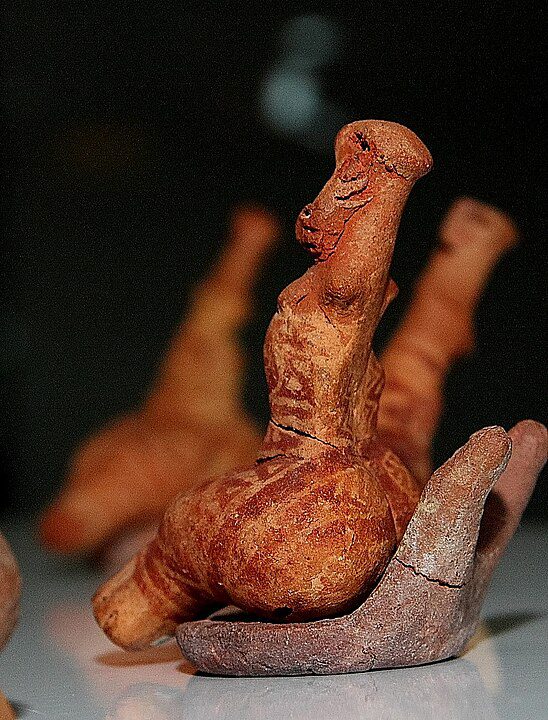
Cave paintings and carved figurines also offer clues. The famous “Venus” figurines, dated as early as 24,000 BC, show patterned marks on the body that may represent tattoos or body paint. These figurines offer indirect but compelling evidence that prehistoric people were decorating their bodies as well as their surroundings.
Skin Remains and Forensic Discoveries
Mummified remains, though rare, provide the clearest window into prehistoric tattooing. Otzi’s tattoos were discovered through infrared imaging and then confirmed by microscopy. His 61 tattoos remain among the best-preserved, revealing not only the designs but also the pigmentation method.
In the Altai Mountains, the Pazyryk mummies were found with remarkably intact tattoos depicting stylized animals, including elk and griffins. These tattoos provide clues about mythology, social status, and artistry in early steppe cultures. Their preservation is thanks to burial in ice-packed tombs that prevented decomposition.
In Egypt, tattooed mummies have been found as early as the Middle Kingdom period. In 2018, researchers discovered tattoos on a male and female mummy from Deir el-Medina dating to around 1300 BC. The tattoos—crosses, lotus flowers, and abstract shapes—were visible through skin analysis and X-ray technology.
Forensic techniques, including UV scanning and pigment testing, are increasingly helping archaeologists discover tattoos that the naked eye might miss. As more discoveries are made and technology advances, the prehistoric tattoo record will continue to grow, offering deeper insight into one of humanity’s oldest art forms.
Indirect Clues from Rock Art and Figurines
While skin doesn’t often survive, symbolic evidence from rock art and figurines fills the gaps. Some Paleolithic cave art—like that at Les Combarelles in France—shows humans with lines and dots that may represent tattoos. Though the interpretations are debated, the patterns match those found on mummified bodies.
The Venus figurines, particularly those from sites like Willendorf and Dolní Věstonice, show etched lines and dots around the hips, thighs, and breasts. Scholars believe these marks were not just artistic flourishes but may indicate early forms of body modification, including tattoos or scarification.
In addition, some Neolithic rock carvings from Scandinavia depict human figures with distinctive markings, possibly tattoos or tribal body paint. These images show that the idea of adorning the human form was widespread, even if we lack direct skin evidence.
Together, these fragments—tools, figurines, and forensic discoveries—form a coherent picture. Prehistoric tattooing was neither accidental nor isolated. It was a structured, symbolic, and skilled practice that reflected the cultural, medical, and spiritual lives of early man.
Modern Takeaways from Prehistoric Tattoos
The resurgence of interest in tribal and minimalist tattoos today is more than a fashion trend—it’s a rediscovery. Modern people are, in many ways, reconnecting with a practice that spans the full arc of human history. Understanding prehistoric tattoos helps ground today’s body art in an ancient, sacred tradition.
Modern tattoo artists are increasingly drawing inspiration from prehistoric patterns. Dotwork, blackwork, and geometric bands—all common styles today—echo the same forms seen on Otzi and the Pazyryk mummies. These styles emphasize simplicity and permanence, a return to the core of what tattoos were always meant to be.
There is also renewed interest in ancient tools and techniques. Some modern practitioners are experimenting with hand-poking methods and natural pigments to replicate prehistoric practices. While safer and cleaner today, the experience still mimics the intimacy and endurance of ancient tattooing.
For many wearers, prehistoric-style tattoos offer more than aesthetics. They symbolize resilience, heritage, or a spiritual connection to the past. Whether used to mark recovery from hardship or to honor ancestry, these tattoos carry forward the meaning that ancient people first inscribed in ink and pain thousands of years ago.
What Today’s Artists Can Learn
Tattoo artists today can learn a great deal from prehistoric practice: respect for the medium, symbolism over fashion, and attention to placement. Every mark mattered in prehistoric times, and modern tattoos that follow this tradition tend to be more meaningful and timeless.
Artists can also embrace the idea of the tattoo as a rite of passage. Whether for a birthday, recovery milestone, or religious purpose, the tattooing process becomes more than skin-deep. It returns to its roots as a transformative event, not a commercial transaction.
Studying prehistoric designs also challenges artists to work within limits—limited tools, colors, and shapes—yet still produce striking results. This constraint drives creativity and connects today’s work with the oldest artistic traditions.
Finally, tattooists can serve as historians, educating clients on the roots of the designs they choose. When an artist explains that a spiral has symbolized eternal life since the Stone Age, the tattoo takes on new weight. It becomes not just a mark—but a message.
Reconnecting with Ancestral Art Forms
There is a growing movement to revive ancient tattooing practices among indigenous groups and cultural heritage projects. In places like the Philippines, North America, and New Zealand, tattooing is being reclaimed as a cultural right. These efforts reconnect communities with ancestral knowledge long suppressed or forgotten.
Prehistoric tattooing, though far older, fits into this narrative. By understanding how early humans used ink to mark identity and belief, modern people can reclaim a sense of continuity and rootedness. It reminds us that the desire to express who we are—through symbols, pain, and ritual—is timeless.
Even for non-indigenous individuals, choosing a design inspired by prehistoric motifs can be an act of respect. When done with knowledge and intention, it honors the artistry and beliefs of those who came before.
In the end, tattooing is about more than appearance. It’s about connection—between past and present, body and soul, individual and tribe. The prehistoric tattoo was never silent. It spoke loudly then, and it still speaks now.
Key Takeaways
- Prehistoric tattoos were artistic, symbolic, and deeply meaningful.
- The oldest known tattoos date back over 5,000 years to Otzi the Iceman.
- Tattooing tools made from bone, stone, and soot were highly effective and widely used.
- Both men and women received tattoos for reasons including status, fertility, and spiritual protection.
- Many modern tattoo styles echo ancient designs and themes.
FAQs
- Who was the earliest known person to have tattoos?
Otzi the Iceman, discovered in the Alps, lived around 3300 BC and had 61 tattoos. - Were prehistoric tattoos decorative or symbolic?
They were primarily symbolic—used for healing, identity, ritual, and spiritual purposes. - What tools did ancient people use for tattooing?
Bone needles, obsidian blades, thorn picks, and soot-based pigments. - Did women have tattoos in prehistoric times?
Yes. Tattoos on female mummies suggest purposes related to fertility, protection, and spiritual roles. - How do we know about prehistoric tattooing?
Through preserved mummies, ancient tools, figurines, and cave art showing human markings.