France is often described through its cities, but the deeper artistic story unfolds at the level of its departments. Each one brings together towns, landscapes, architecture, and cultural institutions into a distinct experience. Some are dense with museums and artist connections. Others are quieter, defined more by atmosphere and the way they have inspired artists over time.
This ranking looks at all 101 French departments—not as administrative units, but as places where art can be experienced in a meaningful way. The goal is not to reward popularity or tourism, but to identify where art, history, and visual character come together most effectively.
The List
101 – Mayotte (26/50 D Tier)
A remote overseas department with a unique lagoon environment but very limited artistic infrastructure. Mamoudzou, Dzaoudzi, Bandrélé, the Lagoon of Mayotte, and Mont Choungui offer visual interest, but the art experience is minimal.
Why it’s here: Distinctive setting, but very low museum presence and limited art-historical weight.
100 – Lozère (26/50 D Tier)
A sparsely populated department where landscape dominates over artistic presence. Mende, Florac, Marvejols, the Cévennes National Park, and the Causse Méjean create a rugged and memorable environment.
Why it’s here: Strong natural identity, but very limited artistic infrastructure.
99 – Haute-Saône (27/50 D Tier)
A quiet rural department with scattered cultural points but little cohesion. Vesoul, Gray, Luxeuil-les-Bains, the Musée Baron Martin, and the Plateau des Mille Étangs provide modest cultural depth.
Why it’s here: A few cultural sites, but not enough density or influence.
98 – Meuse (27/50 D Tier)
A department shaped more by historical memory than artistic development. Verdun, Bar-le-Duc, Commercy, the Mémorial de Verdun, and the Voie Sacrée define its identity.
Why it’s here: Historically important, but not centered on art.
97 – Creuse (27/50 D Tier)
A deeply rural department with a stronger craft tradition than fine art presence. Aubusson, Guéret, La Souterraine, the Cité Internationale de la Tapisserie, and the Plateau de Millevaches provide a focused but narrow identity.
Why it’s here: Notable for tapestry, but limited broader artistic reach.
96 – Territoire de Belfort (27/50 D Tier)
A very small department with limited but focused cultural offerings. Belfort, Delle, the Lion of Belfort, the Musée d’Art Moderne de Belfort, and the Vosges foothills provide some cultural interest.
Why it’s here: Small scale limits overall impact.
95 – Ardennes (28/50 C Tier)
A forested department with strong natural character and modest cultural presence. Charleville-Mézières, Sedan, Givet, the Musée Arthur Rimbaud, and the Ardennes Forest offer atmosphere more than artistic density.
Why it’s here: Distinct environment, but limited art influence.
94 – Gers (28/50 C Tier)
A rural department defined by landscape and regional culture rather than major art institutions. Auch, Lectoure, Condom, the Musée des Jacobins, and the Armagnac region create a cohesive but quiet experience.
Why it’s here: Pleasant and consistent, but not strongly tied to art history.
93 – Indre (28/50 C Tier)
A quiet department with scattered artistic elements and limited cohesion. Châteauroux, Issoudun, Argenton-sur-Creuse, the Musée Bertrand, and the Brenne Regional Park provide modest cultural interest.
Why it’s here: Lacks concentration of major artistic sites.
92 – Nièvre (28/50 C Tier)
A calm department with modest cultural infrastructure and a few highlights. Nevers, Clamecy, La Charité-sur-Loire, the Musée de la Faïence, and the Canal du Nivernais provide a balanced but understated experience.
Why it’s here: Some cultural presence, but limited overall impact.
91 – Haute-Marne (29/50 C Tier)
A quiet department with modest artistic infrastructure and limited national influence. Langres, Chaumont, Joinville, the Musée d’Art et d’Histoire de Chaumont, and the Plateau de Langres provide character without strong artistic concentration.
Why it’s here: Limited depth across categories.
90 – Orne (29/50 C Tier)
A traditional rural department where art is present but understated. Alençon, Mortagne-au-Perche, Bellême, the Parc naturel régional du Perche, and the Musée des Beaux-Arts et de la Dentelle offer charm more than scale.
Why it’s here: Limited major works and fewer strong artist connections.
89 – Aube (30/50 C Tier)
A department with a few notable cultural sites but no dominant artistic identity. Troyes, Bar-sur-Aube, Nogent-sur-Seine, the Musée d’Art Moderne de Troyes, and the Forêt d’Orient provide variety without strong cohesion.
Why it’s here: Some highlights, but not enough concentration.
88 – Corrèze (30/50 C Tier)
A green and quietly attractive department with modest cultural offerings. Tulle, Brive-la-Gaillarde, Collonges-la-Rouge, the Musée Labenche, and the Plateau de Millevaches provide charm without strong artistic weight.
Why it’s here: Pleasant and balanced, but not strongly defined by art.
87 – Haute-Loire (30/50 C Tier)
A rugged department with a distinctive identity shaped by landscape and heritage. Le Puy-en-Velay, Brioude, Yssingeaux, the Cathédrale Notre-Dame du Puy, and the Gorges de l’Allier offer visual appeal with limited artistic concentration.
Why it’s here: Unique setting, but limited art history connections.
86 – Cantal (30/50 C Tier)
A mountainous department where landscape dominates over artistic presence. Aurillac, Saint-Flour, Salers, the Parc des Volcans d’Auvergne, and the Plomb du Cantal provide strong scenery without major art anchors.
Why it’s here: Strong environment, but limited art presence.
85 – Ariège (30/50 C Tier)
A remote department with a strong natural identity and scattered cultural sites. Foix, Saint-Girons, Pamiers, the Grotte de Niaux, and the Pyrénées Ariégeoises Park offer depth beyond traditional art institutions.
Why it’s here: Interesting sites, but not enough art density.
84 – Lot (31/50 C Tier)
A visually appealing department with historic towns and strong atmosphere. Cahors, Rocamadour, Figeac, the Musée Champollion, and the Lot Valley create a memorable setting.
Why it’s here: Strong visual appeal, but limited art-historical influence.
83 – Vosges (31/50 C Tier)
A department defined by natural landscape and a modest cultural presence. Épinal, Gérardmer, Remiremont, the Musée de l’Image, and the Massif des Vosges provide interest without forming a strong artistic network.
Why it’s here: Some identity, but limited depth.
82 – Jura (31/50 C Tier)
A visually distinctive department with strong natural character and quiet cultural appeal. Lons-le-Saunier, Arbois, Dole, the Maison de Pasteur, and the Reculées du Jura create a cohesive environment.
Why it’s here: Strong atmosphere, but limited broader artistic influence.
81 – Deux-Sèvres (31/50 C Tier)
A calm department with modest cultural infrastructure and a few historic anchors. Niort, Parthenay, Bressuire, the Donjon de Niort, and the Château de Saint-Mesmin provide more defined historical texture.
Why it’s here: Limited reach, but clearer identity through specific sites.
80 – Eure (32/50 C Tier)
A department with historic towns and notable artistic connections along the Seine. Évreux, Vernon, Les Andelys, the Château Gaillard, and the Musée des Impressionnismes Giverny create a stronger artistic narrative.
Why it’s here: Gains importance through direct Impressionist connections.
79 – Aisne (32/50 C Tier)
A historically layered department with scattered artistic presence and strong architectural heritage. Laon, Soissons, Château-Thierry, the Cathédrale Notre-Dame de Laon, and the Abbaye de Saint-Jean-des-Vignes provide depth.
Why it’s here: More historical than art-driven.
78 – Allier (32/50 C Tier)
A department with a few notable cultural anchors but limited cohesion. Moulins, Vichy, Montluçon, the Centre National du Costume de Scène, and the Musée Anne-de-Beaujeu offer variety without strong concentration.
Why it’s here: A handful of highlights, but not enough consistency.
77 – Vendée (32/50 C Tier)
A department shaped by coastline and regional identity, with modest artistic infrastructure. Les Sables-d’Olonne, La Roche-sur-Yon, Fontenay-le-Comte, the Abbaye de Maillezais, and the Historial de la Vendée define the area.
Why it’s here: Visually appealing, but not strongly tied to art history.
76 – Sarthe (33/50 C Tier)
A traditional department with a few strong cultural anchors and historical depth. Le Mans, La Flèche, Sablé-sur-Sarthe, the Musée de Tessé, and the Abbaye de l’Épau provide a more refined and cohesive experience.
Why it’s here: Improved balance of history and cultural presence.
75 – Saône-et-Loire (33/50 C Tier)
A department with a mix of historic sites and regional identity, offering moderate artistic interest. Mâcon, Cluny, Autun, the Abbaye de Cluny, and the Musée Nicéphore Niépce strengthen its artistic relevance.
Why it’s here: Gains weight through photography history and heritage.
74 – Cher (33/50 C Tier)
A department with a mix of historical sites and artistic connections. Bourges, Vierzon, Saint-Amand-Montrond, the Cathédrale Saint-Étienne de Bourges, and the Maison de George Sand add literary and artistic depth.
Why it’s here: Stronger cultural identity through artist-linked sites.
73 – Loir-et-Cher (33/50 C Tier)
A visually cohesive department shaped by Loire Valley architecture. Blois, Chambord, Cheverny, the Château de Chambord, and the Château de Cheverny create a memorable and structured environment.
Why it’s here: Strong visually, but more architectural than art-driven.
72 – Tarn (33/50 C Tier)
A department with a strong regional identity and a few standout cultural anchors. Albi, Castres, Gaillac, the Musée Toulouse-Lautrec, and the Cathédrale Sainte-Cécile d’Albi provide depth.
Why it’s here: One major highlight, but not enough breadth.
71 – Indre-et-Loire (34/50 C Tier)
A historically rich department with a strong architectural identity centered on major châteaux. Tours, Amboise, Chinon, the Château d’Amboise, and the Château de Villandry create a refined but heritage-focused experience.
Why it’s here: Visually strong, but more architectural than art-driven.
70 – Dordogne (34/50 C Tier)
A highly recognizable department with historic towns and strong visual cohesion. Sarlat-la-Canéda, Beynac-et-Cazenac, La Roque-Gageac, the Château de Beynac, and the Grotte de Lascaux IV create a memorable setting.
Why it’s here: Exceptional atmosphere, but limited art-historical influence.
69 – Yonne (34/50 C Tier)
A department shaped by religious architecture and historic towns. Auxerre, Sens, Avallon, the Basilique de Vézelay, and the Cathédrale Saint-Étienne d’Auxerre provide a cohesive and grounded experience.
Why it’s here: Strong architecture, but limited broader artistic impact.
68 – Lot-et-Garonne (34/50 C Tier)
A calm department with a network of historic towns and modest cultural offerings. Agen, Villeneuve-sur-Lot, Nérac, the Musée des Beaux-Arts d’Agen, and the Château de Nérac create a balanced but understated experience.
Why it’s here: Pleasant and consistent, but not especially distinctive.
67 – Vienne (34/50 C Tier)
A department with a mix of historical depth and moderate cultural infrastructure. Poitiers, Châtellerault, Montmorillon, the Musée Sainte-Croix, and the Église Notre-Dame-la-Grande provide a solid but not concentrated artistic presence.
Why it’s here: Good foundation, but lacking standout impact.
66 – Tarn-et-Garonne (35/50 B Tier)
A small department with a modest but coherent identity built around historic towns. Montauban, Moissac, Castelsarrasin, the Musée Ingres Bourdelle, and the Abbaye de Moissac provide cultural depth.
Why it’s here: Strong individual sites lift it slightly above surrounding regions.
65 – Landes (35/50 B Tier)
A department defined by coastline and forest landscapes, with a quieter cultural presence. Mont-de-Marsan, Dax, Biscarrosse, the Musée Despiau-Wlérick, and the Écomusée de Marquèze create a more grounded and region-specific identity.
Why it’s here: Strong landscape character supported by authentic regional culture.
64 – Guyane (35/50 B Tier)
A highly distinctive overseas department with a unique cultural and environmental identity. Cayenne, Saint-Laurent-du-Maroni, Kourou, the Centre Spatial Guyanais, and the Musée des Cultures Guyanaises provide a different kind of cultural experience.
Why it’s here: Strong distinctiveness, but limited traditional art infrastructure.
63 – Haute-Vienne (35/50 B Tier)
A department with a stronger artistic identity centered on Limoges and its craft traditions. Limoges, Saint-Junien, Bellac, the Musée des Beaux-Arts de Limoges, and the Musée National Adrien Dubouché create a cohesive experience.
Why it’s here: Strong craft tradition and better museum presence.
62 – Maine-et-Loire (35/50 B Tier)
A department combining historical depth with a balanced cultural offering. Angers, Saumur, Cholet, the Musée des Beaux-Arts d’Angers, and the Château d’Angers provide a well-rounded experience.
Why it’s here: Consistent across categories, without a dominant strength.
61 – Oise (36/50 B Tier)
A department with strong artistic connections and historic settings just north of Paris. Beauvais, Compiègne, Senlis, the Cathédrale Saint-Pierre de Beauvais, and the Forêt de Compiègne create a visually rich environment.
Why it’s here: Good artistic associations, but less independent identity.
60 – Somme (36/50 B Tier)
A department shaped by landscape and history, with a modest but clearer artistic presence. Amiens, Abbeville, Péronne, the Cathédrale Notre-Dame d’Amiens, and the Maison de Jules Verne provide a stronger cultural narrative.
Why it’s here: Gains depth through literary and architectural significance.
59 – Marne (36/50 B Tier)
A department with strong historic cities and notable cultural institutions. Reims, Épernay, Châlons-en-Champagne, the Cathédrale Notre-Dame de Reims, and the Musée des Beaux-Arts de Reims create a structured experience.
Why it’s here: Strong highlights, but less cohesive overall identity.
58 – Manche (36/50 B Tier)
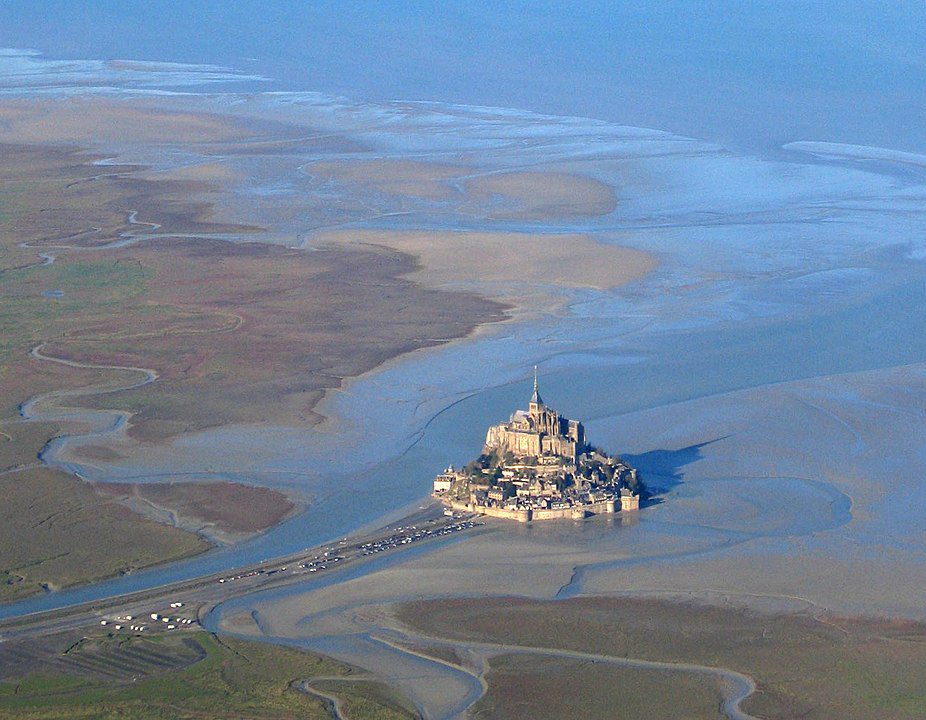
A department with a dramatic coastal identity and scattered cultural sites. Cherbourg-en-Cotentin, Saint-Lô, Granville, the Mont-Saint-Michel, and the Musée Christian Dior provide visual and cultural interest.
Why it’s here: Strong atmosphere with iconic sites, but limited concentration of art institutions.
57 – Eure-et-Loir (36/50 B Tier)
A department with a mix of historic towns and notable artistic heritage. Chartres, Dreux, Nogent-le-Rotrou, the Cathédrale Notre-Dame de Chartres, and the Maison Picassiette add a unique artistic dimension.
Why it’s here: Strong architecture with a distinctive outsider-art element.
56 – Calvados (36/50 B Tier)
A department with a rich historical and coastal identity tied to Normandy. Caen, Bayeux, Honfleur, the Musée des Beaux-Arts de Caen, and the Tapisserie de Bayeux provide depth and variety.
Why it’s here: Strong individual sites, but slightly dispersed.
55 – Doubs (36/50 B Tier)
A department with a distinct regional identity and steady cultural presence. Besançon, Montbéliard, Pontarlier, the Musée des Beaux-Arts et d’Archéologie de Besançon, and the Citadelle de Besançon create a cohesive experience.
Why it’s here: Consistent, but not strongly defining.
54 – Meurthe-et-Moselle (36/50 B Tier)
A department anchored by a strong cultural center in Nancy. Nancy, Lunéville, Toul, the Musée des Beaux-Arts de Nancy, and the Place Stanislas provide a refined artistic experience.
Why it’s here: Strong core, but less reach across the department.
53 – Moselle (36/50 B Tier)
A department blending historical and contemporary culture. Metz, Thionville, Forbach, the Centre Pompidou-Metz, and the Cathédrale Saint-Étienne de Metz create a varied cultural landscape.
Why it’s here: Good mix of modern and historic strength.
52 – Guadeloupe (37/50 B Tier)
A visually striking overseas department with a strong cultural identity rooted in place. Basse-Terre, Pointe-à-Pitre, Saint-Claude, the Mémorial ACTe, and the Parc national de la Guadeloupe create a more grounded cultural and historical experience.
Why it’s here: Strong identity enhanced by meaningful cultural institutions.
51 – Charente (37/50 B Tier)
A department with a quiet but consistent cultural presence centered on historic towns. Angoulême, Cognac, Confolens, the Musée d’Angoulême, and the Festival International de la Bande Dessinée provide a distinctive identity.
Why it’s here: Notable for comics and heritage, but limited broader artistic reach.
50 – Charente-Maritime (37/50 B Tier)
A coastal department with a mix of historic towns and maritime atmosphere. La Rochelle, Rochefort, Saintes, the Musée Maritime de La Rochelle, and the Abbaye aux Dames de Saintes create a balanced experience.
Why it’s here: Attractive and varied, but not strongly tied to major art movements.
49 – Mayenne (37/50 B Tier)
A calm department with modest cultural infrastructure and a few historic highlights. Laval, Mayenne, Château-Gontier, the Musée d’Art Naïf et d’Arts Singuliers, and the Château de Laval provide quiet interest.
Why it’s here: Some distinct elements, but limited overall impact.
48 – Loiret (37/50 B Tier)
A department with a mix of historic towns and moderate cultural offerings. Orléans, Montargis, Gien, the Musée des Beaux-Arts d’Orléans, and the Cathédrale Sainte-Croix d’Orléans create a structured but understated experience.
Why it’s here: Solid foundation, but not especially distinctive.
47 – Ain (37/50 B Tier)
A department with varied landscapes and a modest cultural presence. Bourg-en-Bresse, Oyonnax, Belley, the Monastère Royal de Brou, and the Parc naturel régional du Haut-Jura provide a mix of heritage and nature.
Why it’s here: Balanced, but lacking a strong artistic identity.
46 – Aveyron (37/50 B Tier)
A visually striking department with historic towns and a strong sense of place. Rodez, Millau, Conques, the Musée Soulages, and the Viaduc de Millau create a memorable environment.
Why it’s here: Strong highlights, but not enough density across the department.
45 – Ardèche (37/50 B Tier)
A department defined by dramatic landscapes and a modest cultural footprint. Privas, Annonay, Aubenas, the Gorges de l’Ardèche, and the Grotte Chauvet 2 provide visual and historical interest.
Why it’s here: Strong natural identity, but limited art infrastructure.
44 – Aude (37/50 B Tier)
A department with a strong historic identity centered on medieval sites. Carcassonne, Narbonne, Limoux, the Cité de Carcassonne, and the Abbaye de Fontfroide create a distinctive environment.
Why it’s here: Visually powerful, but more historical than art-focused.
43 – Corse-du-Sud (37/50 B Tier)
A department with dramatic coastal landscapes and a unique cultural identity. Ajaccio, Bonifacio, Propriano, the Musée Fesch, and the Falaises de Bonifacio create a memorable setting.
Why it’s here: Strong atmosphere, but limited depth in art institutions.
42 – Haute-Corse (37/50 B Tier)
A department defined by rugged landscapes and a quieter cultural presence. Bastia, Corte, Calvi, the Musée de la Corse, and the Désert des Agriates offer a distinct regional experience.
Why it’s here: Unique identity, but less artistic concentration.
41 – Hautes-Alpes (38/50 B Tier)
A high-altitude department defined by alpine landscapes and historic fortifications. Gap, Briançon, Embrun, the Fortifications de Vauban à Briançon, and the Cathédrale Notre-Dame-et-Saint-Arnoux de Gap create a more anchored cultural presence.
Why it’s here: Dramatic setting supported by real historical structures.
40 – Seine-et-Marne (38/50 B Tier)
A large department east of Paris with several major historic and artistic sites. Fontainebleau, Meaux, Provins, the Château de Fontainebleau, and the Forêt de Fontainebleau provide strong connections to artists and history.
Why it’s here: Important artistic associations, but uneven across the department.
39 – Essonne (38/50 B Tier)
A suburban department with scattered cultural sites and moderate artistic presence. Évry-Courcouronnes, Étampes, Palaiseau, the Château de Courances, and the Domaine de Chamarande offer a mix of heritage and landscape.
Why it’s here: Some interesting sites, but limited overall impact.
38 – Val-d’Oise (38/50 B Tier)
A department with notable artistic connections and historic villages near Paris. Cergy, Pontoise, Auvers-sur-Oise, the Musée Daubigny, and the Église Notre-Dame d’Auvers-sur-Oise create a strong link to Impressionism.
Why it’s here: Important artist connections, though not deeply developed across the region.
37 – Seine-Saint-Denis (38/50 B Tier)
A dense urban department with significant historical landmarks and a growing cultural identity. Saint-Denis, Montreuil, Aubervilliers, the Basilique Cathédrale de Saint-Denis, and the Musée d’Art et d’Histoire Paul Éluard provide cultural depth.
Why it’s here: Strong historical anchor and emerging cultural scene, though still uneven overall.
36 – Val-de-Marne (38/50 B Tier)
A department with a mix of suburban culture and notable art institutions. Créteil, Vitry-sur-Seine, Nogent-sur-Marne, the MAC VAL, and the Musée de Nogent-sur-Marne create a modest but growing artistic scene.
Why it’s here: Contemporary strength, but limited historical depth.
35 – Hauts-de-Seine (38/50 B Tier)
A department west of Paris with strong institutional presence and modern cultural sites. Nanterre, Boulogne-Billancourt, Neuilly-sur-Seine, the Fondation Louis Vuitton, and the Musée Albert-Kahn provide high-quality cultural experiences.
Why it’s here: Strong institutions, but less cohesive regional identity.
34 – Pas-de-Calais (39/50 B Tier)
A department with a mix of coastal identity and growing cultural significance. Arras, Calais, Boulogne-sur-Mer, the Louvre-Lens, and the Caps et Marais d’Opale create a varied and improving artistic landscape.
Why it’s here: Strong institutional anchor and improving cultural profile.
33 – Savoie (39/50 B Tier)
A department defined by alpine scenery and historic towns with a modest artistic presence. Chambéry, Albertville, Aix-les-Bains, the Musée des Beaux-Arts de Chambéry, and the Massif des Bauges provide a refined environment.
Why it’s here: Cohesive identity, but not a major art destination.
32 – Haute-Savoie (39/50 B Tier)
A department with one of the most recognizable mountain landscapes in France and a refined cultural layer. Annecy, Chamonix, Thonon-les-Bains, the Château d’Annecy, and the Musée Alpin de Chamonix strengthen its artistic dimension.
Why it’s here: Iconic scenery supported by stronger cultural anchors.
31 – Pyrénées-Atlantiques (40/50 A Tier)
A department blending coastal and mountain identity with a strong regional culture. Biarritz, Bayonne, Pau, the Musée Basque et de l’Histoire de Bayonne, and the Rocher de la Vierge create a distinctive and memorable environment.
Why it’s here: Strong identity and atmosphere, though less tied to major art movements.
30 – Hautes-Pyrénées (40/50 A Tier)
A department defined by dramatic mountain landscapes and a quieter cultural presence. Tarbes, Lourdes, Bagnères-de-Bigorre, the Pic du Midi de Bigorre, and the Parc national des Pyrénées create a powerful setting.
Why it’s here: Exceptional natural identity, but limited artistic infrastructure.
29 – Isère (40/50 A Tier)
A department combining urban culture with alpine surroundings and strong institutions. Grenoble, Vienne, Bourgoin-Jallieu, the Musée de Grenoble, and the Musée gallo-romain de Saint-Romain-en-Gal provide depth.
Why it’s here: Good balance of institutions and landscape.
28 – Gironde (41/50 A Tier)
A department centered on Bordeaux with a strong cultural and architectural identity. Bordeaux, Arcachon, Libourne, the Musée des Beaux-Arts de Bordeaux, and the Bassin d’Arcachon create a rich and varied experience.
Why it’s here: Strong urban core with broad cultural appeal.
27 – Haute-Garonne (41/50 A Tier)
A department anchored by Toulouse with a growing cultural presence and strong institutions. Toulouse, Saint-Gaudens, Muret, the Musée des Augustins, and the Canal du Midi create a well-rounded environment.
Why it’s here: Strong central city, but less cohesive beyond it.
26 – Côte-d’Or (41/50 A Tier)
A department with a refined cultural identity rooted in Burgundy’s historic centers. Dijon, Beaune, Semur-en-Auxois, the Musée des Beaux-Arts de Dijon, and the Palais des Ducs de Bourgogne create an elegant experience.
Why it’s here: Cohesive and historic, though not dominant nationally.
25 – Côtes-d’Armor (41/50 A Tier)
A department with a strong coastal identity and distinctive atmosphere. Saint-Brieuc, Dinan, Lannion, the Cap Fréhel, and the Abbaye de Beauport create a memorable setting.
Why it’s here: Strong visual identity, but limited major art institutions.
24 – Ille-et-Vilaine (41/50 A Tier)
A department with a balanced mix of historic cities and cultural offerings. Rennes, Saint-Malo, Fougères, the Musée des Beaux-Arts de Rennes, and the Remparts de Saint-Malo create a well-rounded experience.
Why it’s here: Strong variety, though not concentrated in one area.
23 – Morbihan (41/50 A Tier)
A department with a strong coastal identity and distinctive prehistoric sites. Vannes, Lorient, Auray, the Alignements de Carnac, and the Golfe du Morbihan create a unique environment.
Why it’s here: Distinctive and memorable, but less tied to art history.
22 – Martinique (41/50 A Tier)
An overseas department with a cohesive tropical identity and layered history. Fort-de-France, Saint-Pierre, Le Carbet, the Musée de la Pagerie, and Mont Pelée create a vivid and memorable setting.
Why it’s here: Strong atmosphere and identity, with limited traditional art infrastructure.
21 – La Réunion (42/50 A Tier)
A highly distinctive overseas department with one of the most dramatic landscapes in France. Saint-Denis, Saint-Pierre, Cilaos, the Piton de la Fournaise, and the Cirque de Mafate create a powerful and unforgettable environment.
Why it’s here: Exceptional memorability and landscape identity, with limited traditional art infrastructure.
20 – Nord (42/50 A Tier)
A densely populated department with one of the strongest museum clusters outside Paris. Lille, Roubaix, Tourcoing, the Palais des Beaux-Arts de Lille, and La Piscine – Musée d’Art et d’Industrie André Diligent provide major cultural depth.
Why it’s here: Exceptional institutions, but less cohesive visual identity.
19 – Loire (42/50 A Tier)
A department with a strong urban cultural presence anchored by Saint-Étienne. Saint-Étienne, Roanne, Montbrison, the Musée d’Art Moderne et Contemporain de Saint-Étienne, and the Cité du Design create a structured artistic environment.
Why it’s here: Strong institutions, but less visual cohesion across the department.
18 – Yvelines (43/50 A Tier)
A department west of Paris with one dominant artistic landmark and several supporting sites. Versailles, Saint-Germain-en-Laye, Rambouillet, the Château de Versailles, and the Musée d’Archéologie Nationale define its identity.
Why it’s here: Exceptional flagship site, but less depth across the department.
17 – Gard (43/50 A Tier)
A department with a strong identity rooted in Roman heritage and southern architecture. Nîmes, Uzès, Alès, the Pont du Gard, and the Musée de la Romanité create a visually cohesive and historically rich environment.
Why it’s here: Strong architectural identity and historical depth.
16 – Var (43/50 A Tier)
A department defined by Mediterranean light and long-standing artistic appeal. Toulon, Hyères, Saint-Tropez, the Musée de l’Annonciade, and the Presqu’île de Giens create a highly recognizable setting.
Why it’s here: Strong atmosphere and artistic associations.
15 – Alpes-de-Haute-Provence (43/50 A Tier)
A department with a quiet but powerful visual identity shaped by landscape and light. Digne-les-Bains, Manosque, Forcalquier, the Plateau de Valensole, and the Citadelle de Sisteron create a cohesive environment.
Why it’s here: Strong visual identity, but limited institutional depth.
14 – Puy-de-Dôme (43/50 A Tier)
A department defined by volcanic landscapes and a strong sense of place. Clermont-Ferrand, Riom, Issoire, the Chaîne des Puys, and the Musée d’Art Roger-Quilliot provide a distinctive experience.
Why it’s here: Unique environment with moderate cultural support.
13 – Loire-Atlantique (44/50 S Tier)
A department combining coastal identity with a strong urban cultural center. Nantes, Saint-Nazaire, Guérande, the Musée d’Arts de Nantes, and the Les Machines de l’Île create a dynamic artistic landscape.
Why it’s here: Strong contemporary culture and growing influence.
12 – Hérault (44/50 S Tier)
A department with a strong artistic identity centered on Montpellier and its surroundings. Montpellier, Sète, Béziers, the Musée Fabre, and the Étang de Thau create a varied and culturally rich environment.
Why it’s here: Strong institutions and artistic identity.
11 – Drôme (44/50 S Tier)
A department with a strong visual identity and a balance of historic towns and artistic atmosphere. Valence, Montélimar, Nyons, the Château de Grignan, and the Cathédrale Saint-Apollinaire de Valence create a distinctive and grounded setting.
Why it’s here: Unique landmarks and cohesive identity lift it into the top tier.
10 – Bas-Rhin (45/50 S Tier)
A department anchored by Strasbourg, offering one of the most compact and efficient art experiences in France. Strasbourg, Sélestat, Saverne, the Musée des Beaux-Arts de Strasbourg, and the Cathédrale Notre-Dame de Strasbourg provide strong institutional depth.
Why it’s here: High-density cultural experience with strong institutions.
9 – Haut-Rhin (45/50 S Tier)
A department with one of the most cohesive and recognizable visual identities in France. Colmar, Mulhouse, Kaysersberg, the Musée Unterlinden, and the Cité de l’Automobile create a memorable and structured environment.
Why it’s here: Exceptional cohesion and strong museum presence.
8 – Finistère (46/50 S Tier)
A department defined by dramatic coastline and shifting Atlantic light that has long inspired artists. Brest, Quimper, Concarneau, the Pointe du Raz, and the Musée des Beaux-Arts de Quimper create an immersive environment.
Why it’s here: Exceptional atmosphere and artistic inspiration.
7 – Pyrénées-Orientales (46/50 S Tier)
A department where light, color, and artistic history converge. Perpignan, Collioure, Céret, the Musée d’Art Moderne de Céret, and the Côte Vermeille create a vivid and historically significant setting.
Why it’s here: Strong artistic connections and distinctive environment.
6 – Vaucluse (47/50 S Tier)
A department with a highly recognizable landscape and deep artistic associations. Avignon, Orange, Carpentras, the Palais des Papes, and the Mont Ventoux create a cohesive and influential environment.
Why it’s here: Strong visual identity and long-standing artistic influence.
5 – Seine-Maritime (47/50 S Tier)
One of the most important artistic landscapes in France, central to Impressionism. Rouen, Étretat, Le Havre, the Cathédrale Notre-Dame de Rouen, and the Falaises d’Étretat define its identity.
Why it’s here: Foundational role in art history and landscape painting.
4 – Rhône (48/50 S Tier)
A department anchored by Lyon, offering one of the most complete art experiences outside Paris. Lyon, Villeurbanne, Oullins, the Musée des Beaux-Arts de Lyon, and the Musée d’Art Contemporain de Lyon provide exceptional density.
Why it’s here: Unmatched institutional strength outside the capital.
3 – Alpes-Maritimes (49/50 S Tier)
A department where Mediterranean light and artistic history combine at the highest level. Nice, Antibes, Cagnes-sur-Mer, the Musée Matisse, and the Musée Picasso d’Antibes create a dense and influential artistic landscape.
Why it’s here: Exceptional balance of artists, museums, and environment.
2 – Bouches-du-Rhône (49/50 S Tier)
A department deeply connected to major artistic figures and movements. Marseille, Aix-en-Provence, Arles, the Musée Granet, and the Fondation Vincent van Gogh Arles create a region where art and place are closely linked.
Why it’s here: One of the strongest combinations of art history and environment.
1 – Paris (50/50 S Tier)
The most important artistic center in France and one of the most significant in the world. Paris, Montmartre, Montparnasse, the Louvre, and the Musée d’Orsay create an unmatched concentration of art and history.
Why it’s here: The highest concentration of artistic influence, institutions, and legacy.
How the Ranking Works
Each department is scored out of 50 points across five categories:
- Museums & Major Works – The strength and quality of collections, including access to important artworks
- Lives of Artists – Direct connections to artists who lived, worked, or were shaped by the area
- Unique Light & Atmosphere – The visual character of the place, including landscape, architecture, and overall mood
- Art Density (Experience per Visit) – How much you can realistically see and experience within a short visit
- Life for Today’s Artists – The presence of a living artistic culture, including studios, galleries, and creative activity
Because this is a department-level ranking, large cities do not automatically dominate. A department with one major landmark may rank lower than one with a more balanced and immersive experience.
Understanding the Tiers
The tier system is a simple way to group departments by overall strength:
- S Tier – Essential art regions in France. These combine major works, strong artist connections, and a highly memorable visual identity.
- A Tier – Strong and rewarding destinations with clear artistic value, even if they fall short of the very top tier.
- B Tier – Solid departments with worthwhile sites and experiences, but less depth or consistency.
- C Tier – More limited in scope. These may have a few highlights, but lack concentration or influence.
- D Tier – Minimal artistic infrastructure. These are defined more by geography or history than by art.
Even lower-ranked departments can still be worth visiting. The ranking reflects artistic strength and concentration—not whether a place is enjoyable or beautiful on its own terms.