Denmark has produced a long and remarkably consistent tradition of painting shaped by discipline, observation, and respect for craft. From early court painters and portraitists to Golden Age masters and modern innovators, Danish artists have often favored clarity and seriousness over spectacle. The Danish Golden Age of the early 19th century established lasting standards in landscape, portraiture, interiors, and everyday subject matter that continued to influence later generations. Even as Impressionism, Symbolism, and modern movements entered Danish art, painters often absorbed these ideas without abandoning structure and restraint. This alphabetical list follows a traditional reference format while expanding each entry into a concise, balanced portrait of the artist and their place within Danish painting.
A
Axel Aabrink (1887–1965)
Axel Aabrink worked primarily as a portrait and figure painter during the early 20th century. His style reflects solid academic training with a restrained approach to realism. Aabrink’s work fits comfortably within Denmark’s traditional figurative painting of his time.
Jørgen Aabye (1868–1959)
Jørgen Aabye painted landscapes and genre scenes rooted in everyday Danish life. His work favors calm observation over dramatic effect or stylistic experimentation. He represents a steady continuation of late 19th-century realism.
Carl Frederik Aagaard (1833–1895)
Carl Frederik Aagaard was known for detailed forest interiors and wooded landscapes. His paintings combine Romantic atmosphere with careful study of nature. Aagaard’s work helped define the poetic side of Danish landscape painting.
Nikolaj Abraham Abildgaard (1744–1809)
Nikolaj Abraham Abildgaard was a central figure in Danish Neoclassicism and a major influence on art education. His paintings often addressed moral, historical, and mythological themes with seriousness and intellectual weight. As a teacher and reformer, he shaped the foundation of Danish Golden Age art.
Georg Achen (1860–1912)
Georg Achen worked mainly as a portrait painter. His paintings emphasize psychological presence and quiet dignity rather than surface display. Achen’s work reflects the refined realism of late 19th-century Danish portraiture.
Else Alfelt (1910–1974)
Else Alfelt was an abstract painter associated with Danish modernism. Her work draws inspiration from nature but avoids direct representation. She is remembered for lyrical compositions built through color and rhythm.
Peder Als (1725–1776)
Peder Als was a prominent portrait painter of the 18th century. His work reflects Rococo elegance combined with confident draftsmanship. He played an important role in shaping early professional painting in Denmark.
Peter Alsing Nielsen (1907–1985)
Peter Alsing Nielsen painted landscapes and figurative subjects throughout the 20th century. His work remained grounded in observation rather than abstraction. He represents continuity within Danish representational painting.
Catherine Engelhart Amyot (1845–1926)
Catherine Engelhart Amyot worked primarily as a portrait painter. Her paintings emphasize likeness, composure, and careful technique. She belongs to the tradition of academically trained 19th-century Danish artists.
Anna Ancher (1859–1935)
Anna Ancher is best known for luminous interior scenes and depictions of everyday life in Skagen. Her paintings focus on light, color, and quiet domestic moments rather than grand narratives. She is widely regarded as one of Denmark’s most original and important painters.
Michael Ancher (1849–1927)
Michael Ancher was a leading member of the Skagen painters. He is especially known for powerful depictions of fishermen and coastal life. His work combines realism with a sense of dignity and strength.
Morten Andersen (born 1976)
Morten Andersen is a contemporary Danish painter working primarily with figuration. His work often explores memory, identity, and psychological space. Andersen represents a modern continuation of narrative painting in Denmark.
B
Carl Baagøe (1829–1902)
Carl Baagøe was a marine painter known for coastal scenes and ships at sea. His work emphasizes atmosphere, weather, and calm movement rather than drama. He occupies a solid place within 19th-century Danish maritime painting.
Otto Bache (1839–1927)
Otto Bache painted historical scenes, genre subjects, and portraits with narrative clarity. His work reflects strong academic training and a concern for national history. He later served as director of the Royal Danish Academy of Fine Arts.
Carl Balsgaard (1812–1893)
Carl Balsgaard specialized in animal painting and rural subjects. His work shows careful observation and technical discipline. He represents the practical realism of mid-19th-century Danish art.
Emil Bærentzen (1799–1868)
Emil Bærentzen was a well-known portrait painter and lithographer. His portraits capture social confidence and polished likeness. He played a role in shaping visual culture during the Danish Golden Age.
Mogens Ballin (1871–1914)
Mogens Ballin worked across painting and decorative arts with Symbolist influence. His work often blends spiritual themes with ornamental design. He is associated with the broader Arts and Crafts movement in Denmark.
Magdalene Bärens (1737–1808)
Magdalene Bärens painted still lifes and floral compositions. Her work emphasizes balance, surface detail, and decorative harmony. She represents the refined craftsmanship of late 18th-century painting.
Poul Anker Bech (1942–2009)
Poul Anker Bech is known for symbolic landscapes filled with architecture and empty spaces. His paintings often convey isolation and quiet unease. He stands as an important figure in late 20th-century Danish figurative art.
Wilhelm Bendz (1804–1832)
Wilhelm Bendz was a key painter of the Danish Golden Age despite his short life. His interior scenes and portraits show remarkable psychological insight. Bendz’s work remains influential for its intimacy and realism.
Albert Bertelsen (1921–2019)
Albert Bertelsen painted expressive landscapes and city scenes. His work favors bold color and painterly brushwork. He maintained a personal and energetic approach throughout a long career.
Ejler Bille (1910–2004)
Ejler Bille was a founding member of the CoBrA movement. His abstract work emphasizes spontaneity, color, and primitive form. He played a major role in Danish postwar modernism.
Jens Birkholm (1869–1915)
Jens Birkholm focused on scenes of working-class life and labor. His paintings are direct and socially observant. He brought a quiet realism to depictions of everyday hardship.
Wilhelm Bissen (1836–1913)
Wilhelm Bissen worked mainly in portraiture and genre painting. His style reflects academic realism and careful composition. He remained firmly within 19th-century traditions.
Carl Heinrich Bloch (1834–1890)
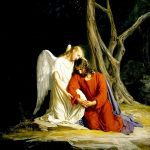
Carl Heinrich Bloch is best known for dramatic religious paintings. His work combines academic technique with emotional clarity. Bloch’s paintings became widely known beyond Denmark.
Lars Bo (1924–1999)
Lars Bo created surreal and often unsettling figurative works. His imagery blends fantasy with sharp observation. He remains one of Denmark’s most distinctive graphic artists.
Jørgen Boberg (1940–2009)
Jørgen Boberg painted psychologically intense interiors and figures. His work often explores isolation and vulnerability. He is recognized for his emotionally charged realism.
Peter Brandes (born 1944)
Peter Brandes works across painting, stained glass, and religious art. His work emphasizes symbolism and spiritual themes. He has contributed significantly to church art in Denmark.
Hans Andersen Brendekilde (1857–1942)
Hans Andersen Brendekilde painted rural life with emotional realism. His work often highlights hardship and social conditions. He combined naturalism with narrative depth.
Victor Brockdorff (1911–1992)
Victor Brockdorff painted landscapes and urban scenes with a subdued palette. His work emphasizes mood and atmosphere. He maintained a quiet modern sensibility.
Laura Brun-Pedersen (1883–1961)
Laura Brun-Pedersen focused on portraiture and figure studies. Her work reflects careful observation and compositional balance. She worked within early 20th-century Danish realism.
Johan Jacob Bruun (1715–1789)
Johan Jacob Bruun was a landscape painter working in the Rococo tradition. His scenes often depict idealized pastoral views. He also influenced decorative landscape design.
Eva Louise Buus (born 1979)
Eva Louise Buus is a contemporary Danish painter working with figurative and symbolic themes. Her work blends realism with abstraction. She represents a younger generation of Danish painters.
C
Emil Carlsen (1853–1932)
Emil Carlsen was a Danish-born painter who later worked extensively in the United States. He became especially known for still lifes and tonal landscapes marked by balance and restraint. His work is admired for its quiet harmony and refined composition.
Andreas Riis Carstensen (1844–1906)
Andreas Riis Carstensen worked primarily as a genre and landscape painter. His paintings often depict everyday scenes with narrative clarity. He represents the solid academic realism of late 19th-century Danish art.
Ebba Carstensen (1885–1967)
Ebba Carstensen painted portraits and interior scenes. Her work reflects careful observation and a calm, restrained style. She worked within early modern Danish realism without strong stylistic experimentation.
Johannes Carstensen (1924–2010)
Johannes Carstensen worked with abstract and symbolic forms. His paintings emphasize structure, rhythm, and surface. He belongs to the postwar generation of Danish modernists.
C.C.A. Christensen (1831–1912)
C.C.A. Christensen is best known for large historical narrative paintings. His work played an important role in shaping Danish national identity through visual storytelling. He combined academic technique with dramatic composition.
Godfred Christensen (1845–1928)
Godfred Christensen painted genre scenes and portraits. His work reflects careful craftsmanship and conservative realism. He remained closely aligned with traditional Danish painting practices.
Poul Simon Christiansen (1855–1933)
Poul Simon Christiansen worked with religious and decorative subjects. His paintings emphasize clarity, symbolism, and balanced composition. He contributed to church decoration and religious art in Denmark.
Franciska Clausen (1899–1986)
Franciska Clausen was an important Danish modernist associated with international abstraction. Her work was influenced by Cubism, Purism, and Constructivism. She is recognized for her disciplined use of geometry and color.
Gad Frederik Clement (1867–1933)
Gad Frederik Clement painted urban scenes and interiors with subdued tones. His work favors atmosphere and quiet observation. He bridges late realism and early modern sensibilities.
Janus la Cour (1837–1909)
Janus la Cour specialized in austere landscape painting. His work emphasizes structure, horizon, and tonal restraint. He stands as one of Denmark’s most disciplined landscape painters.
D
Carl Dahl (1812–1865)
Carl Dahl worked primarily as a landscape painter during the 19th century. His work reflects Romantic influence, with an emphasis on mood and natural drama. He contributed to the broader Scandinavian landscape tradition of his time.
Christen Dalsgaard (1824–1907)
Christen Dalsgaard painted rural life, folklore, and genre scenes drawn from Danish traditions. His work combines realism with narrative detail and cultural interest. He played a role in preserving visual records of everyday Danish life.
Sven Dalsgaard (1914–1999)
Sven Dalsgaard worked across painting, sculpture, and experimental art. His visual language often embraced abstraction and unconventional materials. He represents a more radical strain of Danish postwar art.
Inger Lut Debois (1931–2015)
Inger Lut Debois painted expressive landscapes and figures. Her work often emphasizes emotion over strict representation. She belonged to the modern figurative tradition in Danish art.
Heinrich Dohm (1875–1940)
Heinrich Dohm worked mainly in portraiture and genre painting. His style reflects careful academic training and realism. He remained aligned with traditional approaches to painting.
Anton Dorph (1831–1914)
Anton Dorph painted religious and historical scenes with academic precision. His work emphasizes narrative clarity and moral seriousness. He was active in church decoration and large-scale compositions.
Bertha Dorph (1875–1960)
Bertha Dorph focused on portraiture and interior scenes. Her work shows sensitivity to character and atmosphere. She worked within early 20th-century Danish realism.
Dankvart Dreyer (1816–1852)
Dankvart Dreyer was an early Danish landscape painter of strong individuality. His work emphasized raw nature and emotional intensity rather than idealization. Though underappreciated in his lifetime, he is now regarded as an important precursor to later landscape painting.
E
Christoffer Wilhelm Eckersberg (1783–1853)
Christoffer Wilhelm Eckersberg is widely regarded as the father of Danish Golden Age painting. His work is defined by precise draftsmanship, careful observation, and a disciplined approach to perspective and light. As a teacher and reformer, he established standards that shaped Danish art throughout the 19th century.
Heinrich Eddelien (1802–1852)
Heinrich Eddelien worked primarily as a landscape painter influenced by Romanticism. His paintings balance structured composition with atmospheric effects. He contributed to the early development of Danish landscape painting.
Eiler Rasmussen Eilersen (1827–1912)
Eiler Rasmussen Eilersen painted portraits and genre scenes rooted in everyday life. His work reflects strong academic training and attention to character. He remained aligned with traditional realism throughout his career.
Ib Eisner (1925–2003)
Ib Eisner was a modernist painter associated with postwar abstraction. His work emphasizes texture, color, and expressive surface. He played a role in the broader Danish shift toward non-figurative art.
Harald Rudyard Engman (1903–1968)
Harald Rudyard Engman painted landscapes and urban scenes with a subdued palette. His work favors atmosphere and mood over detailed narration. He worked within a quiet modern realist tradition.
Julius Exner (1825–1910)
Julius Exner specialized in genre scenes depicting everyday Danish life. His paintings emphasize clarity, warmth, and careful observation. He remains a representative figure of mid-19th-century realism.
F
Paul Gustave Fischer (1860–1934)
Paul Gustave Fischer is best known for atmospheric city scenes of Copenhagen and other urban settings. His paintings capture light, weather, and everyday movement with confidence. He became one of Denmark’s most recognizable painters of modern city life.
Elna Fonnesbech-Sandberg (1892–1994)
Elna Fonnesbech-Sandberg worked with landscapes and figurative subjects throughout the 20th century. Her work combines modern sensibility with restrained composition. She maintained a consistent and disciplined approach across a long career.
Johanna Marie Fosie (1726–1764)
Johanna Marie Fosie was an 18th-century portrait painter trained in the late Baroque tradition. Her work emphasizes elegance, likeness, and formal balance. She belongs among the early professional painters in Denmark.
Wilhelm Freddie (1909–1995)
Wilhelm Freddie was a leading Danish Surrealist known for provocative imagery. His work challenged social conventions and artistic boundaries. He remains a controversial but influential figure in Danish modern art.
Didrik Frisch (1836–1867)
Didrik Frisch painted landscapes and genre scenes during the mid-19th century. His work reflects Romantic influence combined with academic structure. His career was short but technically accomplished.
Cladius Detlev Fritzsch (1765–1841)
Cladius Detlev Fritzsch worked primarily in portraiture and decorative painting. His style reflects late 18th-century academic traditions. He contributed to court and aristocratic visual culture.
Lorenz Frølich (1820–1908)
Lorenz Frølich was known for narrative painting and illustration inspired by mythology and folklore. His work combines clear storytelling with refined draftsmanship. He influenced both fine art and book illustration.
Georg Mathias Fuchs (1719–1797)
Georg Mathias Fuchs worked mainly as a portrait painter during the 18th century. His paintings reflect Rococo elegance and careful composition. He contributed to Denmark’s early portrait tradition.
G
Paul Gadegaard (1920–1996)
Paul Gadegaard worked across painting, design, and architecture within Danish modernism. His work emphasizes geometry, color fields, and integration with built environments. He is especially noted for uniting art and public space.
Johan Vilhelm Gertner (1818–1871)
Johan Vilhelm Gertner painted historical and political subjects during the 19th century. His work reflects national themes rendered with academic discipline. He is known for documenting key moments in Danish history.
Ib Geertsen (1919–2009)
Ib Geertsen was a leading figure in Danish concrete art. His paintings focus on pure form, color, and structural balance. He played a major role in advancing geometric abstraction in Denmark.
Emily Gernild (born 1985)
Emily Gernild is a contemporary figurative painter. Her work often explores psychological states through simplified forms and muted color. She represents a younger generation of Danish painters working with introspective themes.
Albert Gottschalk (1866–1906)
Albert Gottschalk painted emotionally charged scenes of rural and working-class life. His work combines realism with strong social awareness. Though underappreciated in his lifetime, he is now seen as an important realist painter.
Vilhelm Groth (1842–1899)
Vilhelm Groth worked primarily as a landscape and genre painter. His style reflects solid academic realism and natural observation. He represents the steady mainstream of 19th-century Danish painting.
H
Erik Hagens (born 1940)
Erik Hagens is known for narrative-driven paintings rooted in folklore, history, and moral themes. His work often references older visual traditions while addressing modern subjects. He stands out for maintaining storytelling as a central purpose in contemporary painting.
Hans Jørgen Hammer (1815–1882)
Hans Jørgen Hammer worked primarily as a landscape painter. His paintings reflect Romantic influence and careful compositional balance. He contributed to the development of Danish landscape art in the 19th century.
Svend Hammershøi (1873–1948)
Svend Hammershøi worked across painting and ceramics, often favoring restrained forms and muted tones. His visual language is quiet and decorative rather than expressive. He is sometimes discussed alongside his brother Vilhelm, though his career followed a different path.
Vilhelm Hammershøi (1864–1916)
Vilhelm Hammershøi is celebrated for his spare interiors, subdued figures, and limited color palette. His paintings create a strong sense of stillness, silence, and introspection. He is widely regarded as one of Denmark’s most internationally significant artists.
Constantin Hansen (1804–1880)
Constantin Hansen painted historical, mythological, and allegorical scenes. His work played a key role in shaping Danish national identity during the Golden Age. He combined classical composition with Romantic ideals.
Hans Hansen (1769–1828)
Hans Hansen worked primarily as a portrait painter in the late 18th and early 19th centuries. His work reflects academic training and formal balance. He contributed to Denmark’s early professional portrait tradition.
Heinrich Hansen (1821–1890)
Heinrich Hansen specialized in architectural painting. His works document interiors and buildings with exceptional precision. He is valued for his accurate visual records of Danish architecture.
Peter Hansen (1868–1928)
Peter Hansen was a central figure among the Funen Painters. His work emphasizes color, movement, and scenes of everyday rural life. He helped shift Danish painting toward a more expressive modern realism.
Otto Haslund (1842–1917)
Otto Haslund painted landscapes and genre scenes rooted in observation. His style remained conservative and grounded in realism. He represents continuity within late 19th-century Danish painting.
Arne Haugen Sørensen (born 1932)
Arne Haugen Sørensen is known for expressive religious and moral themes. His paintings often confront suffering, doubt, and faith with stark imagery. He remains an important figure in modern Danish religious art.
Sven Havsteen-Mikkelsen (1912–1999)
Sven Havsteen-Mikkelsen worked primarily with religious and symbolic subjects. His style emphasizes clarity, tradition, and narrative meaning. He contributed significantly to church decoration in Denmark.
Henry Heerup (1907–1993)
Henry Heerup created playful yet symbolic works rooted in folk tradition. His art combines childlike simplicity with modernist ideas. He remains one of Denmark’s most popular modern artists.
Malene Heerup (born 1964)
Malene Heerup works with contemporary figurative painting. Her work emphasizes atmosphere, color, and form. She continues the artistic tradition associated with her family.
Ole Heerup (1934–2016)
Ole Heerup painted landscapes and abstract compositions. His work reflects a quiet, personal modernism. He maintained a consistent visual language throughout his career.
Ella Heide (1871–1956)
Ella Heide painted portraits and interior scenes. Her work shows refined observation and balanced composition. She worked within early 20th-century Danish realism.
Einar Hein (1875–1931)
Einar Hein worked primarily as a landscape painter. His paintings emphasize natural observation and calm composition. He remained aligned with traditional realism.
Hanne Hellesen (1801–1844)
Hanne Hellesen was a portrait painter known for psychological sensitivity. Her work shows strong academic discipline and restraint. She stands as an important female painter of the Danish Golden Age.
Erik Henningsen (1855–1930)
Erik Henningsen painted socially conscious genre scenes and urban life. His work often depicts poverty and hardship with empathy. He played a role in social realism in Denmark.
Frants Henningsen (1850–1908)
Frants Henningsen worked primarily as a landscape painter. His work emphasizes atmosphere and rural scenery. He remained committed to naturalistic representation.
Marie Henriques (1866–1944)
Marie Henriques painted portraits and scenes of Jewish cultural life. Her work emphasizes dignity, clarity, and observation. She contributed to both Danish art and cultural documentation.
Sally Henriques (1815–1886)
Sally Henriques worked as a portrait painter during the 19th century. Her work reflects careful technique and composure. She belonged to Denmark’s academic portrait tradition.
Carsten Henrichsen (1824–1897)
Carsten Henrichsen painted genre scenes and landscapes. His work is grounded in careful observation and realism. He represents mid-19th-century Danish painting traditions.
Søren Hjorth Nielsen (1901–1983)
Søren Hjorth Nielsen worked with abstract and symbolic imagery. His paintings emphasize form, rhythm, and mood. He contributed to the development of modern Danish abstraction.
Niels Peter Holbech (1804–1889)
Niels Peter Holbech painted landscapes and architectural views. His work reflects Romantic influence and attention to structure. He contributed to early Danish landscape painting.
Johannes Holbek (1872–1903)
Johannes Holbek worked primarily as a landscape painter. His career was short but showed promise. His work remains rooted in late 19th-century realism.
Christian Holm (1804–1846)
Christian Holm painted genre scenes and portraits during the Golden Age period. His work reflects early academic realism. He contributed to Denmark’s developing art scene of the time.
Heinrich Gustav Ferdinand Holm (1803–1861)
Heinrich Gustav Ferdinand Holm specialized in architectural views of Copenhagen. His paintings are valued for historical accuracy and detail. He documented the city during a period of change.
Paul Høm (1905–1994)
Paul Høm worked with abstract and symbolic painting. His work emphasizes structure and restrained expression. He contributed to postwar Danish modernism.
Christian Horneman (1765–1844)
Christian Horneman was primarily known as a portrait painter. His work reflects late Enlightenment ideals and formal balance. He contributed to Denmark’s early professional art scene.
Johannes Holt-Iversen (born 1989)
Johannes Holt-Iversen is a contemporary Danish painter working with figuration. His work often explores identity and perception. He represents the youngest generation on this list.
Sophie Holten (1858–1930)
Sophie Holten painted portraits and interior scenes. Her work shows careful draftsmanship and compositional calm. She worked within academic traditions.
Suzette Holten (1863–1937)
Suzette Holten worked as a painter and ceramist. Her work combines decorative design with fine art. She contributed to applied arts as well as painting.
Oluf Høst (1884–1966)
Oluf Høst is best known for landscapes inspired by the island of Bornholm. His work emphasizes strong color, structure, and simplified form. He is regarded as one of Bornholm’s most important painters.
Bizzie Høyer (1888–1971)
Bizzie Høyer painted expressive figurative works during the early modern period. Her style shows emotional intensity and bold form. She worked outside strict academic norms.
Cornelius Høyer (1741–1804)
Cornelius Høyer was an 18th-century portrait painter. His work reflects Rococo elegance and refined technique. He contributed to Denmark’s early portrait tradition.
Knud Hvidberg (1927–1986)
Knud Hvidberg painted landscapes and abstract compositions. His work balances observation with expression. He belonged to the modern Danish landscape tradition.
Ejnar Hansen (1884–1965)
Ejnar Hansen worked mainly as a portrait painter, largely in the United States. His work reflects strong academic training. He helped connect Danish art with American institutions.
I
Peter Ilsted (1861–1933)
Peter Ilsted was a Danish painter associated with the quiet interior tradition of the late 19th and early 20th centuries. His paintings often depict domestic rooms and solitary figures, rendered with careful geometry, muted tones, and controlled light. Closely aligned in spirit with Vilhelm Hammershøi, his work exemplifies restraint, stillness, and disciplined observation.
Valdemar Irminger (1850–1938)
Valdemar Irminger worked primarily as a portrait painter within the academic tradition of his time. His portraits emphasize likeness, composure, and a dignified presentation of the sitter rather than dramatic expression. He represents the stable continuity of professional portrait painting in late 19th-century Denmark.
Victor Isbrand (1897–1989)
Victor Isbrand painted landscapes and urban scenes across much of the 20th century. His work favors subdued color, balanced composition, and an understated approach to atmosphere. He remained committed to representational painting during a period of increasing abstraction.
J
Antonio Jacobsen (1850–1921)
Antonio Jacobsen was a Danish marine painter who spent much of his career working in the United States. He specialized in detailed depictions of ships, harbors, and maritime traffic, rendered with technical precision and calm clarity. His work remains an important visual record of late 19th-century seafaring and naval history.
Egill Jacobsen (1910–1998)
Egill Jacobsen was a modernist painter associated with postwar abstraction in Denmark. His work is marked by bold color, simplified forms, and symbolic imagery inspired by masks and primitive art. He played a significant role in shaping Danish modern painting after the Second World War.
Georg Jacobsen (1887–1976)
Georg Jacobsen worked as both a painter and an influential art theorist. His figurative paintings emphasize structure, proportion, and classical discipline over emotional expression. He is remembered as a rigorous intellectual force within Danish art education.
Robert Jacobsen (1912–1993)
Robert Jacobsen is best known as a sculptor but also produced graphic and painted works. His visual language favors abstraction, balance, and spatial clarity rather than narrative content. He became one of Denmark’s most internationally recognized modern artists.
Ville Jais-Nielsen (1885–1949)
Ville Jais-Nielsen worked across painting, ceramics, and decorative arts during the early modern period. His style blends folk elements with simplified modern forms and strong color. He contributed to the broader renewal of Danish applied and fine arts in the early 20th century.
Axel P. Jensen (1885–1972)
Axel P. Jensen painted landscapes and figurative scenes rooted in observation. His work reflects early 20th-century realism with modest modern influence. He maintained a steady and unassuming artistic career.
Christian Albrecht Jensen (1792–1870)
Christian Albrecht Jensen was one of the leading portrait painters of the Danish Golden Age. His portraits combine refined technique with psychological insight and restrained elegance. He helped define the standard for professional portraiture in 19th-century Denmark.
Johan Laurentz Jensen (1800–1856)
Johan Laurentz Jensen specialized in floral still lifes of exceptional precision. His paintings emphasize clarity, structure, and botanical accuracy. He is regarded as one of Denmark’s finest still-life painters.
Karl Jensen (1851–1933)
Karl Jensen worked primarily as a portrait painter within the academic tradition. His work emphasizes careful likeness and formal balance rather than stylistic innovation. He represents continuity within conservative Danish portrait painting.
Elisabeth Jerichau-Baumann (1819–1881)
Elisabeth Jerichau-Baumann painted historical, mythological, and genre scenes with strong dramatic presence. Her work reflects international ambition and technical confidence, shaped by extensive travel and study abroad. She stands as one of the most prominent Danish painters of the 19th century.
Harald Jerichau (1851–1878)
Harald Jerichau painted figure studies and genre scenes during a short career. His work shows promise in both observation and composition. His early death cut short what might have been a significant artistic path.
August Jerndorff (1846–1906)
August Jerndorff worked with historical, religious, and decorative painting. His style reflects strong academic training and compositional control. He contributed to large-scale public and ecclesiastical projects.
Carl Ludwig Jessen (1833–1917)
Carl Ludwig Jessen painted rural life and landscapes in northern Jutland. His work emphasizes realism, local character, and everyday labor. He is often described as a regional chronicler of Danish life.
Svend Johansen (1890–1970)
Svend Johansen worked with both figurative and abstract forms during the modern period. His paintings explore structure, color, and spatial tension. He participated in the broader shift toward abstraction in Danish art.
Asger Jorn (1914–1973)
Asger Jorn was a founding figure of the CoBrA movement and a major force in postwar European art. His painting rejected academic restraint in favor of raw expression, bold color, and spontaneous form. Jorn’s influence extended beyond painting into theory and cultural criticism.
Jens Juel (1745–1802)
Jens Juel was one of Denmark’s greatest portrait painters of the late 18th century. His work combines elegance, sensitivity, and psychological depth with refined technique. He played a crucial role in establishing a native Danish portrait tradition.
K
Ludvig Kabell (1853–1902)
Ludvig Kabell worked primarily as a landscape painter during the late 19th century. His paintings emphasize natural scenery rendered with careful observation and balanced composition. He represents a steady continuation of Danish landscape realism rather than stylistic innovation.
F.C. Kiærskou (1805–1891)
F.C. Kiærskou painted landscapes grounded in academic discipline and natural study. His work favors clarity, structure, and faithful depiction of terrain. He belongs to the conservative wing of 19th-century Danish landscape painting.
Anton Eduard Kieldrup (1826–1869)
Anton Eduard Kieldrup specialized in landscape painting influenced by Romantic ideals. His works often emphasize atmosphere, light, and expansive scenery. He contributed to the poetic tradition within Danish landscape art.
Peter Nielsen Klitz (1874–1955)
Peter Nielsen Klitz worked as both a painter and illustrator. His paintings often carry narrative elements and a clear sense of storytelling. He occupied a modest but consistent position in early 20th-century Danish art.
Helvig Kinch (1872–1956)
Helvig Kinch painted portraits and genre scenes with careful attention to character and mood. Her work reflects solid academic training and restrained composition. She remained aligned with representational traditions throughout her career.
Per Kirkeby (1938–2018)
Per Kirkeby was one of Denmark’s most influential contemporary painters and thinkers. His abstract works are informed by geology, nature, and complex layering of form and material. He achieved wide international recognition and helped define late 20th-century Danish art.
Kirsten Kjær (1893–1985)
Kirsten Kjær painted expressive portraits and figurative scenes marked by emotional intensity. Her work often departs from strict realism in favor of psychological presence. She stands as an independent and unconventional figure in Danish modern painting.
Anna Klindt Sørensen (1899–1985)
Anna Klindt Sørensen worked with expressive figuration and religious themes. Her paintings are bold in color and form, often confronting spiritual struggle directly. She played a distinctive role in Danish expressionism.
Jesper Knudsen (born 1964)
Jesper Knudsen is a contemporary Danish painter working primarily with abstraction. His work explores surface, space, and visual tension through layered compositions. He represents ongoing experimental approaches in Danish painting.
Christen Købke (1810–1848)
Christen Købke was a central figure of the Danish Golden Age. His paintings are admired for clarity of light, precise observation, and quiet harmony. He helped establish a distinctly Danish approach to realism.
Elise Konstantin-Hansen (1858–1946)
Elise Konstantin-Hansen painted portraits and interior scenes with refined draftsmanship. Her work emphasizes balance, restraint, and psychological sensitivity. She was respected within academic circles of her time.
John Kørner (born 1967)
John Kørner is a contemporary figurative painter known for narrative-driven compositions. His work often blends everyday scenes with symbolic or unsettling elements. He is a prominent voice in current Danish painting.
Hendrick Krock (1671–1738)
Hendrick Krock was a Baroque painter active in Denmark during the early 18th century. His large-scale historical and allegorical works introduced continental styles to Danish art. He played an important role in early court painting.
Christian Krogh (1852–1925)
Christian Krogh was a leading realist painter concerned with social issues and everyday life. His work depicts poverty, labor, and human struggle with honesty and compassion. He remains one of the most morally serious painters in Scandinavian art.
Pietro Krohn (1840–1905)
Pietro Krohn worked across painting, design, and illustration. His work often intersects with decorative and applied arts. He contributed to the broader artistic culture beyond easel painting alone.
Marie Krøyer (1867–1940)
Marie Krøyer painted interiors and landscapes with sensitivity to light and space. Her work reflects refined observation and compositional intelligence. She is increasingly recognized for her artistic merit beyond her biography.
Peder Severin Krøyer (1851–1909)
Peder Severin Krøyer was one of the leading figures of the Skagen painters. His works capture outdoor light, social life, and atmosphere with remarkable technical skill. He helped define a lasting visual image of turn-of-the-century Denmark.
Albert Küchler (1803–1886)
Albert Küchler painted historical and genre scenes during the 19th century. His work reflects academic precision and narrative clarity. He remained firmly within traditional painting practices.
Michael Kvium (born 1955)
Michael Kvium is known for confrontational figurative painting. His work often depicts grotesque or unsettling human forms to expose weakness and decay. He stands as one of Denmark’s most provocative contemporary artists.
Vilhelm Kyhn (1819–1903)
Vilhelm Kyhn was a landscape painter and influential teacher. His work emphasizes Danish terrain rendered with clarity and national feeling. He played a significant role in shaping landscape painting in Denmark.
L
Alhed Larsen (1872–1927)
Alhed Larsen worked primarily as a landscape painter during the early modern period. Her paintings emphasize atmosphere, simplified forms, and subtle color relationships rather than detailed realism. She contributed to the quieter, more contemplative side of Danish modern landscape painting.
Emanuel Larsen (1823–1859)
Emanuel Larsen specialized in marine and coastal scenes. His work reflects careful observation of ships, harbors, and sea conditions. He belongs to the 19th-century Danish tradition of maritime painting.
Johannes Larsen (1867–1961)
Johannes Larsen was a central member of the Funen Painters. His work celebrates nature, birds, and everyday rural life with strong color and movement. He helped guide Danish painting toward a freer and more expressive realism.
Freddie A. Lerche (born 1937)
Freddie A. Lerche works with expressive figurative painting. His compositions often emphasize movement, tension, and emotional presence. He represents a postwar continuation of expressive figuration in Denmark.
Harald Leth (1899–1986)
Harald Leth painted landscapes and genre scenes grounded in observation. His work maintains a restrained realism with modest modern influence. He represents continuity rather than experimentation within 20th-century Danish painting.
Georg Emil Libert (1820–1908)
Georg Emil Libert was a landscape painter influenced by Romanticism. His works emphasize atmosphere, terrain, and dramatic light. He contributed to the emotional tradition of Danish landscape art.
Christian August Lorentzen (1746–1828)
Christian August Lorentzen painted historical, political, and genre scenes during the late 18th and early 19th centuries. His work reflects Enlightenment ideals and academic discipline. He played a role in documenting key moments of Danish history through painting.
Christine Løvmand (1803–1872)
Christine Løvmand painted portraits and domestic interior scenes. Her work emphasizes careful likeness, balance, and composure. She belonged to the academic tradition of early 19th-century Danish painting.
Jens Lund (1871–1924)
Jens Lund painted landscapes and city scenes during the early modern period. His work reflects growing modern influence while remaining representational. He contributed to the gradual transition toward modern Danish painting.
J.L. Lund (1777–1867)
J.L. Lund was a major figure in Danish Neoclassicism and a respected teacher. His paintings emphasize classical ideals, structure, and moral seriousness. He helped shape academic standards in Danish art.
Johan Thomas Lundbye (1818–1848)
Johan Thomas Lundbye was a key landscape painter of the Danish Golden Age. His work reflects national Romanticism and deep emotional attachment to Danish nature. Despite his short life, he left a lasting influence on landscape painting.
Anders Christian Lunde (1809–1886)
Anders Christian Lunde worked primarily as a landscape and genre painter. His work emphasizes natural observation and rural settings. He remained aligned with traditional realist approaches.
Marie Luplau (1848–1925)
Marie Luplau painted portraits and historical subjects during the late 19th century. Her work reflects strong academic training and narrative clarity. She is increasingly recognized for her professional seriousness and artistic ambition.
Anne Marie Lütken (1916–2001)
Anne Marie Lütken worked with abstract and symbolic painting. Her compositions emphasize structure, rhythm, and visual balance. She contributed to Danish postwar modernism.
Julie Lütken (1788–1816)
Julie Lütken painted portraits and miniatures during the early 19th century. Her work reflects refined technique and sensitivity to likeness. Her career was brief but carefully executed.
M
Niels Macholm (1915–1997)
Niels Macholm worked primarily as a landscape painter during the mid-20th century. His paintings emphasize calm observation, balanced composition, and restrained color. He remained committed to representational landscape painting at a time of increasing abstraction.
Ernst Mahler (1797–1861)
Ernst Mahler worked as a painter during the early 19th century within academic traditions. His work reflects careful draftsmanship and compositional order. He belongs to the generation shaped by late Neoclassicism and early Romanticism.
Lise Malinovsky (born 1957)
Lise Malinovsky is a contemporary painter known for expressive figurative work. Her paintings often explore emotional states through strong color and simplified forms. She is a prominent figure in modern Danish expressionism.
Sonja Ferlov Mancoba (1911–1984)
Sonja Ferlov Mancoba worked with symbolic and abstract forms influenced by Surrealism. Her art emphasizes organic shapes, mythic references, and spiritual ideas. She occupies an important place in Danish and international modernism.
Wilhelm Marstrand (1810–1873)
Wilhelm Marstrand was one of the most important painters of the Danish Golden Age. His work ranges from lively genre scenes to historical and literary subjects. He helped define narrative painting in 19th-century Denmark.
Anton Melbye (1818–1875)
Anton Melbye specialized in dramatic marine painting. His works depict storms, ships, and open seas with strong movement and atmosphere. He is considered one of Denmark’s finest maritime painters.
Fritz Melbye (1826–1869)
Fritz Melbye worked as a landscape and marine painter with international experience. His paintings often depict exotic locations and expansive scenery. He brought a broader geographic perspective to Danish art.
Vilhelm Melbye (1824–1882)
Vilhelm Melbye painted landscapes and marine scenes rooted in observation. His work emphasizes clarity, light, and compositional balance. He represents the steady core of 19th-century Danish landscape painting.
Albert Mertz (1920–1990)
Albert Mertz was a modernist painter associated with abstraction and experimental practice. His work often explores structure, repetition, and visual systems. He contributed to the development of Danish postwar abstraction.
Ernst Meyer (1797–1861)
Ernst Meyer worked as a landscape painter during the early 19th century. His work reflects Romantic influence combined with academic structure. He contributed to the development of Danish landscape traditions.
Jens Peter Møller (1783–1854)
Jens Peter Møller painted landscapes and coastal scenes. His work emphasizes clarity of form and careful observation of nature. He belongs to the early generation of Danish landscape painters.
Mogens Møller (1934–2021)
Mogens Møller worked with abstract and geometric painting. His art emphasizes structure, order, and conceptual clarity. He played a role in the development of Danish concrete art.
Valdemar Schønheyder Møller (1864–1905)
Valdemar Schønheyder Møller painted landscapes influenced by Symbolism. His work emphasizes mood, atmosphere, and poetic suggestion. He represents a more introspective direction within Danish landscape painting.
David Monies (1812–1894)
David Monies worked primarily as a portrait painter. His portraits emphasize likeness, dignity, and careful execution. He served as a court painter and occupied a respected professional position.
Christian Mølsted (1862–1930)
Christian Mølsted was a marine painter specializing in naval history. His paintings depict ships, battles, and maritime life with narrative clarity. His work remains important for its historical documentation.
Peder Mørk Mønsted (1859–1941)
Peder Mørk Mønsted was an internationally successful landscape painter. His work is characterized by detailed realism and idealized natural scenes. He achieved wide popularity beyond Denmark.
Richard Mortensen (1910–1993)
Richard Mortensen was a key figure in Danish abstract painting. His work emphasizes color relationships, geometry, and expressive structure. He played a central role in introducing modern abstraction to Denmark.
Adam August Müller (1811–1844)
Adam August Müller painted historical and allegorical subjects during the Golden Age. His work reflects academic training and narrative ambition. His career was cut short by early death.
Emilie Mundt (1842–1922)
Emilie Mundt painted portraits and genre scenes during the late 19th century. Her work emphasizes careful observation and compositional balance. She worked within academic traditions while maintaining professional independence.
N
Elisabeth Neckelmann (1884–1956)
Elisabeth Neckelmann worked primarily as a painter of portraits and interior scenes during the early 20th century. Her work emphasizes calm observation, balanced composition, and a restrained palette. She belongs to the tradition of academically grounded Danish realism.
Hermania Neergaard (1799–1875)
Hermania Neergaard painted portraits and genre scenes during the 19th century. Her work reflects careful draftsmanship and a composed approach to subject matter. She represents the professional female painters working within academic traditions of her time.
Rasmus Nellemann (1923–2004)
Rasmus Nellemann worked with abstract and symbolic painting in the postwar period. His compositions emphasize form, rhythm, and surface rather than representation. He contributed to the modern development of Danish abstract art.
Arthur Nielsen (1883–1946)
Arthur Nielsen painted landscapes and figurative scenes rooted in observation. His work reflects early 20th-century realism with modest modern influence. He maintained a steady representational practice throughout his career.
Ejnar Nielsen (1872–1956)
Ejnar Nielsen is known for psychologically intense portraits and figure paintings. His work often conveys melancholy, introspection, and emotional gravity. He stands as one of Denmark’s most distinctive Symbolist painters.
Jais Nielsen (1885–1961)
Jais Nielsen worked across painting, ceramics, and stage design. His style blends modernist abstraction with decorative clarity. He played a significant role in early Danish modernism.
Valdemar Nielsen (1894–1970)
Valdemar Nielsen painted landscapes and figurative scenes during the 20th century. His work emphasizes mood, balance, and restrained color. He remained aligned with representational painting traditions.
Thorvald Niss (1842–1905)
Thorvald Niss was associated with the Skagen painters and modern landscape painting. His work emphasizes light, color, and direct observation of nature. He contributed to the shift toward freer, more expressive landscape painting.
Emil Normann (1798–1881)
Emil Normann worked primarily as a portrait painter during the 19th century. His paintings emphasize likeness, clarity, and formal balance. He contributed to Denmark’s academic portrait tradition.
Ernestine Nyrop (1888–1975)
Ernestine Nyrop painted portraits and interior scenes in the early 20th century. Her work reflects careful observation and compositional restraint. She worked within established realist traditions.
O
Henrik Olrik (1830–1890)
Henrik Olrik worked primarily as a portrait painter during the late 19th century. His portraits emphasize likeness, dignity, and careful academic execution. He belonged to the established tradition of professional Danish portrait painting.
John Olsen (born 1938)
John Olsen is a contemporary Danish painter known for expressive landscapes and figurative scenes. His work often combines strong color with energetic brushwork and personal symbolism. He represents a modern continuation of expressive painting rooted in observation.
Erik Ortvad (1917–2008)
Erik Ortvad was a modernist painter associated with Danish Surrealism. His work often incorporates humor, symbolism, and unexpected visual juxtapositions. He played a role in expanding experimental approaches in Danish art.
Ovartaci (1894–1985)
Ovartaci was a self-taught artist whose work exists outside academic traditions. His paintings often depict visionary, fantastical, and deeply personal imagery. He is regarded as one of Denmark’s most important outsider artists.
P
Vilhelm Pacht (1843–1912)
Vilhelm Pacht worked primarily as a landscape painter during the late 19th century. His work emphasizes natural scenery rendered with careful observation and balanced composition. He belonged to the mainstream tradition of Danish landscape realism.
Erik Pauelsen (1749–1790)
Erik Pauelsen painted portraits and genre scenes during the late 18th century. His work reflects Rococo influence combined with emerging Neoclassical restraint. He contributed to the development of professional painting in Denmark before the Golden Age.
Julius Paulsen (1860–1940)
Julius Paulsen worked with landscape, figure painting, and printmaking. His work shows strong draftsmanship and a personal, sometimes introspective tone. He held an influential position within Danish art education.
Carl-Henning Pedersen (1913–2007)
Carl-Henning Pedersen was a central figure in the CoBrA movement. His work features vivid color, mythic imagery, and spontaneous form. He became one of Denmark’s most internationally recognized modern painters.
Sophie Pedersen (1885–1950)
Sophie Pedersen worked as a painter during the early 20th century. Her work reflects careful observation and restrained composition. She remained aligned with representational traditions.
Vilhelm Pedersen (1820–1859)
Vilhelm Pedersen was a painter and illustrator closely associated with Hans Christian Andersen. His work emphasizes narrative clarity and imaginative detail. He played an important role in Danish illustration history.
Anna Petersen (1845–1910)
Anna Petersen painted religious subjects and interior scenes. Her work reflects spiritual seriousness and careful composition. She contributed to church art and devotional painting.
Edvard Petersen (1841–1911)
Edvard Petersen painted genre scenes and historical subjects. His work emphasizes narrative clarity and everyday realism. He was active within the academic traditions of his time.
Leif Sylvester Petersen (born 1940)
Leif Sylvester Petersen works with expressive figurative painting. His art often combines humor, symbolism, and social commentary. He maintains a strong personal visual language.
Vilhelm Petersen (1812–1880)
Vilhelm Petersen worked primarily as a portrait painter. His work reflects academic discipline and formal balance. He contributed to 19th-century Danish portrait traditions.
Fritz Petzholdt (1805–1838)
Fritz Petzholdt painted landscapes during the early Golden Age period. His work shows Romantic influence and careful structure. His career was brief but promising.
Theodor Philipsen (1840–1920)
Theodor Philipsen was a key figure in Danish Impressionism. His paintings focus on light, movement, and everyday rural subjects. He helped introduce modern painting approaches to Denmark.
Lars Physant (born 1957)
Lars Physant is a contemporary painter working with figurative and abstract elements. His work explores material, surface, and visual tension. He represents experimental directions in recent Danish art.
Camille Pissarro (1830–1903)
Camille Pissarro was an internationally significant Impressionist who was born in the Danish West Indies. His work focuses on light, atmosphere, and everyday life rendered with modern technique. He remains one of the central figures of Impressionism.
Gudrun Poulsen (1918–1999)
Gudrun Poulsen painted landscapes and figurative scenes during the mid-20th century. Her work emphasizes calm observation and balanced composition. She remained committed to representational painting.
Bolette Puggaard (1798–1847)
Bolette Puggaard painted portraits and genre scenes during the early 19th century. Her work reflects careful draftsmanship and academic training. She was part of Denmark’s early professional art scene.
R
Pia Ranslet (born 1956)
Pia Ranslet is a contemporary Danish painter working primarily with figurative imagery. Her paintings often explore identity, vulnerability, and psychological presence through restrained composition and muted color. She represents a thoughtful, inward-looking strand of modern Danish figuration.
Tal R (born 1967)
Tal R is one of Denmark’s most internationally visible contemporary painters. His work combines bold color, simplified forms, and references to everyday life, often filtered through humor and personal symbolism. He is known for embracing imperfection and intuition as central artistic values.
Erik Raadal (1905–1941)
Erik Raadal worked as a painter and printmaker during the interwar period. His imagery often carries symbolic and socially critical undertones, expressed through stylized figuration. Despite his short life, he left a distinct mark on Danish modern art.
Johannes Rach (1720–1783)
Johannes Rach was a painter and architectural draughtsman active in the 18th century. His work is valued for detailed city views and topographical accuracy. He provides important visual documentation of Danish urban life in his era.
Carl Rasmussen (1841–1893)
Carl Rasmussen painted landscapes and genre scenes grounded in natural observation. His work emphasizes calm scenery and balanced composition rather than dramatic effect. He represents the stable realism of late 19th-century Danish painting.
Louise Ravn-Hansen (1849–1909)
Louise Ravn-Hansen worked primarily as a portrait painter. Her portraits emphasize composure, likeness, and quiet dignity. She belonged to the academically trained generation of female painters in the late 19th century.
Jytte Rex (born 1942)
Jytte Rex is a multidisciplinary artist working with painting, film, and performance. Her visual work often explores myth, history, and female identity through symbolic imagery. She occupies a distinctive place in Danish contemporary art for her intellectual range.
L.A. Ring (1854–1933)
L.A. Ring was a major Danish painter associated with Symbolism and social realism. His work depicts rural life, interiors, and landscapes infused with psychological depth and existential reflection. He is widely regarded as one of Denmark’s most serious and original painters.
Elof Risebye (1892–1961)
Elof Risebye worked as a painter and illustrator during the early 20th century. His visual language often blends decorative design with figurative clarity. He contributed to both fine art and graphic traditions in Denmark.
Jørgen Roed (1808–1888)
Jørgen Roed was a portrait painter of the Danish Golden Age. His work emphasizes refined technique, clarity, and psychological presence. He played a central role in shaping professional portrait standards of the period.
Johan Rohde (1856–1935)
Johan Rohde worked across painting, design, and applied arts. His style reflects Symbolist influence and a strong interest in decorative unity. He contributed significantly to the renewal of Danish art and design around 1900.
Martinus Rørbye (1803–1848)
Martinus Rørbye was a Golden Age painter known for genre scenes, landscapes, and travel imagery. His work combines precise observation with a strong sense of place. He expanded Danish painting through depictions of life beyond national borders.
Vilhelm Rosenstand (1838–1915)
Vilhelm Rosenstand specialized in historical painting and large narrative compositions. His work reflects academic discipline and dramatic clarity. He contributed to public and monumental art projects in Denmark.
Godtfred Rump (1816–1880)
Godtfred Rump worked primarily as a landscape painter. His paintings emphasize natural scenery rendered with balance and restraint. He represents the quieter realist tradition of 19th-century Danish landscape art.
S
August Schiøtt (1823–1895)
August Schiøtt worked primarily as a landscape painter during the 19th century. His paintings emphasize natural scenery rendered with careful observation and balanced composition. He belongs to the mainstream tradition of Danish landscape realism.
Alfred Schmidt (1858–1938)
Alfred Schmidt painted landscapes and genre scenes during the late 19th and early 20th centuries. His work reflects solid academic training combined with a growing sensitivity to atmosphere. He represents the gradual transition from strict realism toward modern sensibilities.
Ludvig Abelin Schou (1838–1867)
Ludvig Abelin Schou was a landscape painter associated with the Danish Golden Age tradition. His work emphasizes mood, natural light, and poetic interpretation of scenery. Despite his short life, he is remembered for the quiet intensity of his landscapes.
Peter Alfred Schou (1844–1914)
Peter Alfred Schou worked primarily as a landscape painter. His paintings reflect careful observation of terrain and atmospheric conditions. He remained aligned with traditional realist approaches throughout his career.
Ole Schwalbe (1929–1990)
Ole Schwalbe worked with abstract and expressive painting in the postwar period. His work emphasizes gesture, surface, and emotional resonance rather than representation. He contributed to experimental tendencies in Danish modern art.
Carl Christian Seydewitz (1777–1857)
Carl Christian Seydewitz painted portraits and genre scenes during the early 19th century. His work reflects academic discipline and formal balance. He belonged to the generation bridging late Neoclassicism and early realism.
Herman Siegumfeldt (1833–1912)
Herman Siegumfeldt worked primarily as a landscape painter. His paintings emphasize calm natural settings and careful composition. He represents the conservative core of 19th-century Danish landscape art.
Alfred Simonsen (1906–1935)
Alfred Simonsen worked with modernist painting during the early 20th century. His work explores simplified forms and expressive color. His early death curtailed a developing modern career.
Niels Simonsen (1807–1885)
Niels Simonsen was known for military, historical, and genre painting. His work combines narrative clarity with strong draftsmanship. He documented both Danish and international subjects with realism and precision.
Joakim Skovgaard (1856–1933)
Joakim Skovgaard was a painter and monumental artist closely associated with church decoration. His work emphasizes religious narrative, symbolism, and large-scale composition. He played a major role in Danish sacred art.
Niels Skovgaard (1858–1938)
Niels Skovgaard worked with painting, sculpture, and decorative arts. His style blends symbolism with a strong interest in Nordic themes. He contributed to the renewal of Danish monumental and decorative art.
P.C. Skovgaard (1817–1875)
P.C. Skovgaard was one of the most important landscape painters of the Danish Golden Age. His work emphasizes national scenery rendered with clarity, structure, and emotional restraint. He helped define a distinctly Danish vision of nature.
Agnes Slott-Møller (1862–1937)
Agnes Slott-Møller painted historical and mythological subjects inspired by medieval art. Her work emphasizes flat pattern, symbolism, and narrative seriousness. She played a central role in Danish Symbolism.
Harald Slott-Møller (1864–1937)
Harald Slott-Møller worked with historical and decorative painting. His style reflects Symbolist influence and strong compositional order. He contributed to large-scale public and interior art projects.
Frederik Sødring (1809–1862)
Frederik Sødring worked primarily as a portrait painter. His work emphasizes likeness, dignity, and careful academic execution. He belonged to the professional portrait tradition of the Golden Age period.
Jens Søndergaard (1895–1957)
Jens Søndergaard was a modern landscape painter known for dramatic depictions of the Danish coast. His work emphasizes movement, weather, and emotional intensity. He represents one of the strongest expressions of modern Danish landscape painting.
Jørgen Sonne (1801–1890)
Jørgen Sonne painted genre scenes, military subjects, and rural life. His work combines narrative clarity with careful observation. He contributed to both historical documentation and everyday realism.
Carl Frederik Sørensen (1818–1879)
Carl Frederik Sørensen specialized in marine painting. His works depict ships and sea conditions with technical accuracy and controlled drama. He contributed to Denmark’s strong maritime painting tradition.
Ole Sporring (born 1941)
Ole Sporring is a contemporary painter working with symbolic and imaginative imagery. His work often blends fantasy with psychological themes. He occupies a personal and idiosyncratic position in modern Danish art.
Niels Larsen Stevns (1864–1941)
Niels Larsen Stevns worked primarily as a landscape painter. His paintings emphasize rural scenery and atmospheric calm. He remained committed to representational landscape traditions.
Christine Swane (1876–1960)
Christine Swane painted landscapes and interior scenes during the early modern period. Her work reflects careful observation and compositional balance. She worked within restrained realist traditions.
Sigurd Swane (1879–1973)
Sigurd Swane was a painter and influential art critic. His landscapes and interiors emphasize color harmony and quiet structure. He played a significant role in shaping modern Danish art discourse.
Anna Syberg (1870–1914)
Anna Syberg is best known for still lifes, particularly floral subjects. Her work emphasizes clarity, light, and refined composition. She contributed to the quieter, domestic side of Danish modern painting.
Ernst Syberg (1906–1981)
Ernst Syberg worked with landscape and figurative painting. His work emphasizes mood and structural balance. He continued the artistic legacy associated with the Funen circle.
Fritz Syberg (1862–1939)
Fritz Syberg was a central member of the Funen Painters. His work depicts family life, nature, and everyday scenes with warmth and sincerity. He helped shape a human-centered approach to modern Danish painting.
T
Carl Thomsen (1847–1912)
Carl Thomsen painted genre scenes and landscapes during the late 19th century. His work emphasizes everyday subjects rendered with calm observation and narrative clarity. He worked firmly within the realist traditions of his time.
Reinhold Timm (?–1639)
Reinhold Timm was an early painter active in Denmark during the 17th century. Little is known about his life, but his work reflects Northern European traditions of the period. He represents an early stage in the development of professional painting in Denmark.
Peter Tom-Petersen (1861–1926)
Peter Tom-Petersen worked primarily as a landscape painter. His paintings emphasize natural scenery and atmospheric conditions rather than dramatic effect. He remained committed to representational landscape painting throughout his career.
Holger Topp-Pedersen (1868–1938)
Holger Topp-Pedersen painted landscapes and coastal scenes. His work reflects careful observation of nature and balanced composition. He belonged to the steady realist tradition of early 20th-century Danish art.
Kurt Trampedach (1943–2013)
Kurt Trampedach was known for expressive figurative painting and drawing. His work often confronts psychological tension and raw emotion. He became a cult figure in late 20th-century Danish art.
Eleonora Tscherning (1817–1890)
Eleonora Tscherning painted portraits and genre scenes during the 19th century. Her work emphasizes dignity, likeness, and academic refinement. She belonged to the professional class of Danish painters of her era.
Laurits Tuxen (1853–1927)
Laurits Tuxen was an internationally successful portrait painter. His work includes depictions of European royalty and major historical events. He stands as one of Denmark’s most prominent painters on the international stage.
Nicoline Tuxen (1853–1927)
Nicoline Tuxen worked as a painter during the late 19th and early 20th centuries. Her work reflects academic training and careful execution. She pursued her career alongside, but independently from, her husband Laurits Tuxen.
V
Herman Vedel (1875–1948)
Herman Vedel painted landscapes and genre scenes during the early 20th century. His work emphasizes calm composition and natural observation. He remained aligned with traditional representational painting.
W
Olga Wagner (1873–1963)
Olga Wagner painted portraits and figure studies during the late 19th and early 20th centuries. Her work emphasizes psychological presence and compositional balance. She worked within academic realist traditions.
Bertha Wegmann (1847–1926)
Bertha Wegmann was a respected portrait painter with international training. Her work combines strong likeness with refined technique and subtle expression. She played an important role in professionalizing portrait painting in Denmark.
Edvard Weie (1879–1943)
Edvard Weie worked with landscape and figurative painting influenced by modern color theory. His work emphasizes strong color relationships and simplified forms. He contributed to the development of Danish modernism.
Friedrich Bernhard Westphal (1803–1844)
Friedrich Bernhard Westphal painted landscapes during the early 19th century. His work reflects Romantic influence and careful structure. His career was brief but aligned with early Golden Age traditions.
Johannes Wilhjelm (1868–1938)
Johannes Wilhjelm was known for decorative and monumental painting. His work often blends symbolism with architectural structure. He contributed to public art and large-scale interior decoration.
Jens Ferdinand Willumsen (1863–1958)
Jens Ferdinand Willumsen was a major figure in Danish modern art. His work spans Symbolism, Expressionism, and experimental figuration. He exerted lasting influence through both art and theory.
Svend Wiig Hansen (1922–1997)
Svend Wiig Hansen was known for powerful figurative painting and sculpture. His work confronts existential themes with raw intensity. He stands as one of Denmark’s most emotionally forceful modern artists.
Bjørn Wiinblad (1918–2006)
Bjørn Wiinblad worked across painting, illustration, and design. His style is decorative, whimsical, and instantly recognizable. He became widely popular both in Denmark and internationally.
Abraham Wuchters (1608–1682)
Abraham Wuchters was a Baroque portrait painter active in Denmark. His work depicts members of the Danish court with formal clarity and restraint. He contributed to the early development of Danish court portraiture.
Z
Christian Zacho (1843–1913)
Christian Zacho painted landscapes and genre scenes during the late 19th century. His work emphasizes natural observation and balanced composition. He worked within the mainstream realist tradition.
Kristian Zahrtmann (1843–1917)
Kristian Zahrtmann was a painter, teacher, and influential figure in Danish art education. His work often challenged academic norms through bold color and unconventional subject matter. He played a central role in shaping modern Danish painting.
Johann Georg Ziesenis (1716–1777)
Johann Georg Ziesenis was an 18th-century portrait painter active in Denmark. His work reflects Rococo elegance and careful likeness. He contributed to the professionalization of portrait painting in the period.