The Adelaide Botanic Garden was officially founded in 1855, but its origins trace back several years earlier when civic leaders in South Australia recognized the need for a public green space that combined beauty, education, and science. George William Francis, a British botanist and pharmacist, was appointed as the garden’s first superintendent in 1855. He brought with him not only horticultural expertise but also a vision for creating a scientific institution modeled after London’s Kew Gardens. Francis oversaw the development of the initial layout on a 51-hectare site just northeast of Adelaide’s city center.
The chosen location was a tract of damp, marshy land that had once been part of the natural floodplain of the River Torrens. While not ideal for agriculture, it offered fertile soil and a reliable water supply—perfect for a botanical garden. Francis designed the garden to serve both public enjoyment and scientific research. By 1857, construction was well underway, and the garden was officially opened to the public in 1859. Early plantings included both European imports and local species, though the focus was largely ornamental and modeled after English landscapes.
Expansion Through the 19th Century
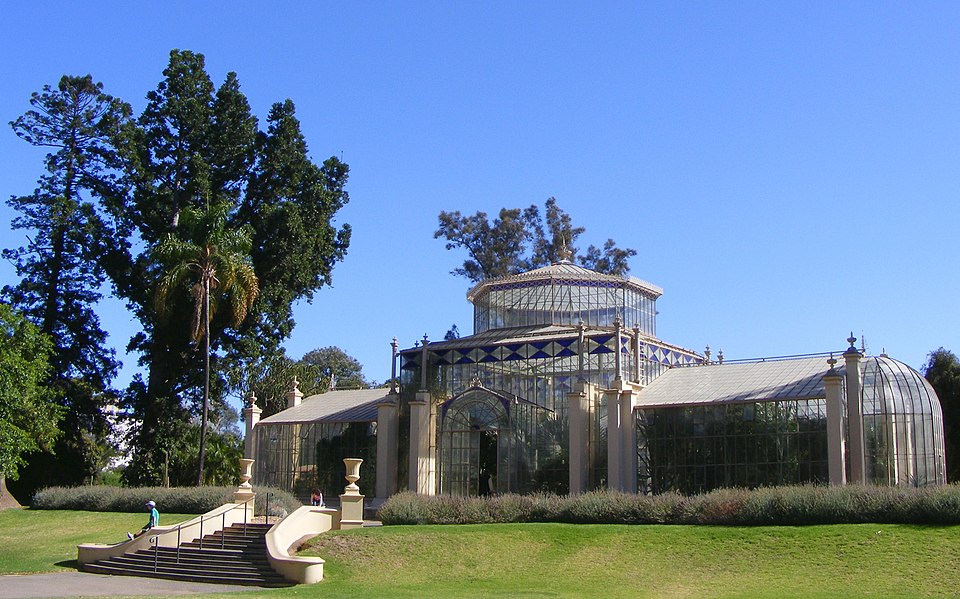
During the late 19th century, the Adelaide Botanic Garden expanded rapidly, both in size and scope. One of the most significant developments was the construction of the Palm House, a striking Victorian glasshouse imported from Bremen, Germany. Designed by Gustav Runge and fabricated by the German firm F. X. Berninger, the Palm House was erected between 1877 and 1878. It is one of the oldest and last surviving German-built glasshouses of its kind in the world. The structure became a centerpiece for the display of exotic plants, particularly species from arid regions like Madagascar.
The 19th century also saw an influx of plant species from around the globe. Botanical exchanges were made with institutions like the Royal Botanic Gardens at Kew, the Calcutta Botanic Garden, and various colonial outposts. While no exact record confirms a direct institutional partnership with Kew in the 1800s, there was a widespread practice of plant and seed exchanges among British colonies during this time. Under the directorship of Dr. Richard Schomburgk, who succeeded Francis in 1865, the garden’s focus shifted toward economic botany—examining the commercial uses of plants for agriculture, medicine, and industry.
20th Century Evolution and Heritage Protection
In the 20th century, especially after World War II, the garden’s direction began to shift in line with evolving scientific and cultural attitudes. There was a growing appreciation for Australian native plants, and parts of the garden were redesigned to highlight indigenous flora, particularly during the 1960s and 70s. This period marked a broader movement in Australia towards conservation and sustainability, reflected in the garden’s new focus on arid-zone plants and ecological education.
By the 1980s, efforts to preserve the historic character of the Adelaide Botanic Garden gained momentum. Key structures like the Palm House and the Museum of Economic Botany underwent restoration, ensuring their survival into the next century. In 2009, the garden was formally added to Australia’s National Heritage List, recognizing its cultural, historical, and scientific significance. This designation helped protect the site from urban development and ensured continued government support for its conservation.
Key Historical Milestones (1855–2000)
- 1855: George William Francis appointed first director
- 1859: Garden opened to the public
- 1878: Palm House completed, showcasing exotic flora
- 1881: Santos Museum of Economic Botany opened
- 1988: Bicentennial Conservatory constructed for Australia’s bicentennial
- 2009: Listed on the National Heritage Register
Architectural and Botanical Highlights
Palm House – Iconic Victorian Glasshouse
The Palm House is perhaps the most visually iconic structure in the Adelaide Botanic Garden. Built between 1877 and 1878, it was designed by Gustav Runge and constructed in Bremen, Germany before being shipped in parts to Adelaide. It is made from curved glass panes and slender wrought iron ribs, characteristic of 19th-century German design. Uniquely, the structure features a sharply pitched roof and faceted glass panels, making it one of the last surviving examples of pre-fabricated German glasshouses still in use worldwide.
Originally built to house tropical palms, the Palm House has undergone several restorations, the most significant of which occurred in 1995. Today, it displays arid-zone plant species from Madagascar, including aloes, euphorbias, and other succulents that are rarely seen outside their native habitats. The interior is curated to simulate the dry, warm conditions these plants need, offering visitors a glimpse into an entirely different biome. Its architectural significance, combined with the rarity of its plant displays, makes it a destination within the garden.
Bicentennial Conservatory – Modern Marvel
The Bicentennial Conservatory, constructed in 1988, marked a bold step into the modern era for the Adelaide Botanic Garden. Designed by South Australian architect Guy Maron, the structure was built to commemorate the bicentenary of European settlement in Australia. At 100 meters long, 47 meters wide, and 27 meters high, it was the largest single-span conservatory in the Southern Hemisphere at the time of its construction. Its futuristic steel and glass design contrasts sharply with the Victorian-era Palm House, showcasing the evolution of horticultural architecture.
Inside, the conservatory is home to a collection of tropical rainforest species, many of which are endangered or rare in the wild. The environment is carefully climate-controlled to simulate the humidity and temperature of rainforest ecosystems. Plants come from northern Australia, Papua New Guinea, and parts of Southeast Asia. The space is multi-level, allowing for elevated walkways that immerse visitors in the canopy layers of a rainforest. Educational signage throughout the conservatory highlights the threats facing these ecosystems and the role of botanic gardens in plant conservation.
Santos Museum of Economic Botany
The Santos Museum of Economic Botany, opened in 1881, is a rare surviving example of a 19th-century museum dedicated to the commercial and practical uses of plants. Named after its founding director, Dr. Richard Schomburgk, the museum was designed to showcase the value of plants in industries such as medicine, textiles, agriculture, and construction. Housed in a classical-style building with high ceilings and iron-framed display cases, it remains largely unchanged since its inauguration.
The museum’s exhibits include thousands of botanical specimens, wax models, dried plant parts, and ethnobotanical objects. Among the more unusual displays are models of cocoa pods, opium poppies, cotton plants, and resins. The museum provides insights into how colonial Australia envisioned agriculture and commerce through the lens of botany. It was restored and reopened in 2009 with support from Santos Ltd., and today functions as a hybrid between a historical museum and an educational space on sustainability and plant science.
Horticultural Collections and Landscapes
Australian Native Plant Collections
A significant part of the Adelaide Botanic Garden’s mission is to showcase the richness and diversity of Australia’s native flora. Over the past several decades, native plantings have expanded to include a wide range of species adapted to South Australia’s arid and semi-arid environments. The Mallee Garden features low-growing eucalypts and drought-tolerant shrubs typical of inland Australia. These plantings help illustrate how native flora survive with minimal water and high temperatures.
The garden’s Kakadu Wetland zone replicates tropical northern environments, while the Eucalypt Lawn celebrates the extraordinary variety of gum trees found across the continent. These areas not only educate the public about native ecosystems but also serve a research purpose, helping scientists test how different species adapt to changing climates. Interpretive signs guide visitors through the collections, explaining each plant’s ecological role and cultural importance to Indigenous Australians.
Global Species and Historical Imports
From its inception, the Adelaide Botanic Garden has maintained a broad international scope, reflecting the global botanical exchanges common in the 19th century. Some of the garden’s oldest specimens include Ficus macrophylla (Moreton Bay fig) and Araucaria heterophylla (Norfolk Island pine), planted in the late 1800s. These towering trees have grown into massive living landmarks, shading parts of the garden’s central avenues.
Other notable collections include a wide variety of Mediterranean herbs, African succulents, Asian camellias, and tropical orchids housed in glasshouses. The historical layering of these plants—some introduced over a century ago—tells the story of Australia’s horticultural ties to Europe, Asia, and the Americas. Many of these species were brought to test their commercial potential in colonial agriculture, from tea to spices and rubber plants.
Waterways and Garden Layout
The design of the Adelaide Botanic Garden is deeply influenced by the formal landscape traditions of 19th-century England, with wide avenues, symmetrical beds, and water features. The garden’s lily pond and interconnected creeks draw water from the nearby River Torrens and underground aquifers, forming a tranquil central feature that attracts water birds and supports aquatic plants. The layout encourages slow exploration, with paths winding through themed garden rooms.
One of the most significant ecological additions is the First Creek Wetland, a modern installation that captures and filters stormwater before it enters the River Torrens. Opened in 2013, the wetland not only serves a practical environmental function but also offers a serene landscape of native reeds and grasses. This fusion of heritage design and modern ecological engineering demonstrates the garden’s commitment to blending beauty with sustainability.
Top 5 Plant Zones to Explore
- Palm House – Rare Madagascan flora
- Mallee Garden – Drought-tolerant native plants
- Rose Garden – Hybrid and heritage roses in formal beds
- Wetland Garden – Functioning stormwater cleansing system
- International Garden – Mediterranean and temperate species
Visiting the Garden Today
Hours, Access, and Admission
The Adelaide Botanic Garden is open every day of the year, except for Christmas Day and Good Friday. Opening hours vary slightly by season, typically from 7:15 a.m. to 5:30 p.m. in winter and up to 7:00 p.m. in summer. Admission is free, making it one of the best-value attractions in South Australia. The main entrance is located on North Terrace, directly adjacent to cultural landmarks like the Art Gallery of South Australia and the South Australian Museum.
The garden is easily accessible by public transport, with nearby bus and tram stops. Paid parking is available at the Goodman Building and along Hackney Road. Wheelchair access is provided on most main paths, and mobility maps are available online. Guided walking tours can be arranged through the visitor information center, or visitors can enjoy a self-guided experience using the garden’s interactive mobile map and signage.
Events, Education, and Community Engagement
The Adelaide Botanic Garden plays an important role in public education, offering a variety of programs for students, teachers, and lifelong learners. Schools regularly book curriculum-aligned field trips that focus on plant biology, ecology, and sustainability. For the general public, workshops on gardening, plant identification, and conservation run throughout the year, hosted by horticultural staff and guest experts.
Special events include seasonal garden tours, twilight concerts, open-air film screenings, and plant sales. The garden is also a sought-after venue for weddings and photography sessions, thanks to its lush backdrops and heritage buildings. These community engagements help ensure the garden remains relevant and well-loved by both locals and tourists.
Nearby Attractions and Integration with the City
Located at the eastern end of Adelaide’s North Terrace cultural boulevard, the Botanic Garden is part of a larger urban green corridor that includes Botanic Park, the Adelaide Zoo, and Bonython Park. Visitors can easily spend a day exploring this area without needing a car. Walking and cycling paths connect the garden to the East End’s cafes, Rundle Street shops, and nearby academic institutions.
The integration of the garden into the city’s daily life is part of what makes it special. Office workers use it for lunch breaks, families visit on weekends, and tourists wander in from the nearby museums. Seasonal floral displays and new installations ensure that the garden always offers something new to discover.
Colonial Garden Models vs Indigenous Landscapes
In the early decades of the Adelaide Botanic Garden, most design choices reflected British ideals of order, ornamentation, and symmetry. These aesthetic preferences shaped everything from the radial paths to the use of European trees and shrubs. Much of the plant selection aimed to recreate familiar scenes from England’s countryside, providing colonial settlers with a visual and emotional link to their homeland. While some Australian species were included, they were often relegated to novelty rather than celebrated as primary features.
It wasn’t until the mid-20th century that a conscious effort emerged to incorporate and respect Australia’s unique botanical identity. Scientists, horticulturists, and Indigenous advocates began promoting the ecological, cultural, and aesthetic value of native flora. Today, the garden’s newer sections embrace this shift. Interpretive signs in the Mallee Garden and Eucalypt Lawn now explain the significance of these plants in traditional Aboriginal knowledge systems, as well as their role in modern sustainable landscaping. This shift represents not just a horticultural adjustment, but a philosophical one—valuing the land on its own terms, rather than through imported ideals.
Best Times to Visit and Seasonal Changes
The Adelaide Botanic Garden offers something different in every season, making it a worthwhile visit year-round. Spring (September to November) is arguably the most colorful time, with roses, iris beds, and flowering natives all in full bloom. This is also when the Jacaranda trees along North Terrace paint the city in shades of purple. Visitors in spring can expect mild temperatures and longer days, ideal for exploring on foot.
Summer (December to February) brings out the tropical appeal of the Bicentennial Conservatory and shaded areas like the Economic Botany Museum. Early morning and late afternoon are best to avoid heat. Autumn (March to May) sees stunning foliage changes in the deciduous collections, especially near the International Garden and main avenues. Winter (June to August) is quieter, but still beautiful—camellias bloom, the palm species stand lush, and glasshouses provide sheltered warmth. Planning a visit based on seasonal highlights ensures an experience that aligns with personal interests, whether that’s photography, learning, or leisure.
Key Takeaways
- Adelaide Botanic Garden was founded in 1855 and opened to the public in 1859, guided by botanist George William Francis.
- The Palm House (1878) and Bicentennial Conservatory (1988) represent two distinct eras of glasshouse architecture and botanical display.
- Dr. Richard Schomburgk emphasized economic botany and scientific research in the late 1800s.
- Native Australian plants now play a central role in the garden’s conservation and educational missions.
- Admission is free year-round, and the garden connects seamlessly to Adelaide’s cultural and urban environment.
FAQs
What is the best time of year to visit Adelaide Botanic Garden?
Spring and autumn are ideal for color and comfort, but each season offers unique plant displays and events.
Is the Palm House original and still in use?
Yes. Built in 1878, it has been restored and now houses rare Madagascan arid plants.
Are there guided tours or educational programs?
Yes. Daily self-guided tours are available, and schools or groups can book educational sessions with staff.
Is the garden wheelchair accessible?
Most paths are accessible, and maps are available to assist with navigation.
Can you bring food or picnic in the garden?
Yes. Visitors are welcome to bring food, and shaded picnic spots are available throughout the garden.