Love Story: Man Ray and Lee Miller
Man Ray and Lee Miller’s relationship is a tale of love, creativity, and collaboration. Their passionate connection not only fueled their personal lives but also had a significant impact on the world…
Our growing archive of info about art, design, and culture.
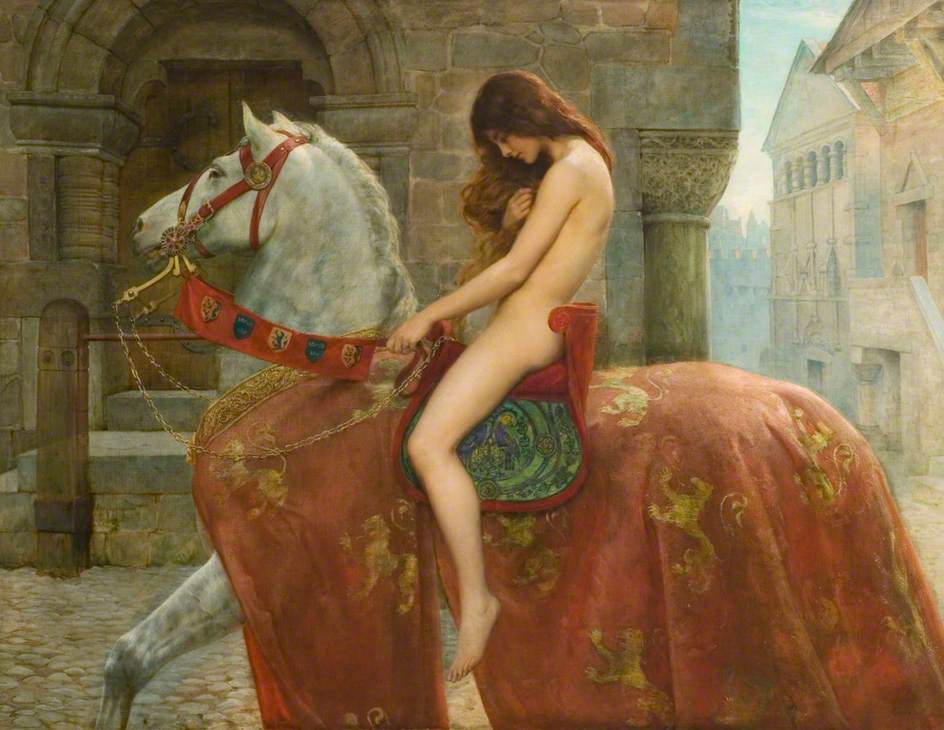
Lady Godiva is an 1898 painting by English artist John Collier, who worked in the style of the Pre-Raphaelite Brotherhood. The portrayal of Lady Godiva and her well-known ride through Coventry, England,…
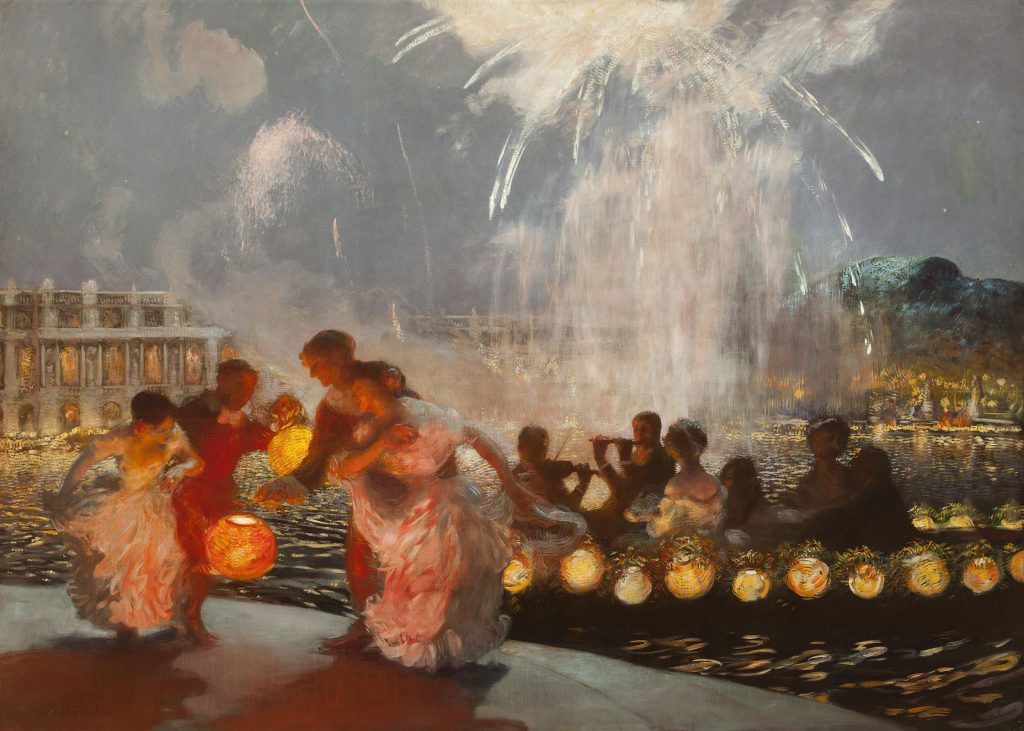
Gaston La Touche (1854-1913) was a French artist known for his contributions to the Symbolist and Post-Impressionist movements in the late 19th and early 20th centuries. He was primarily a painter but…
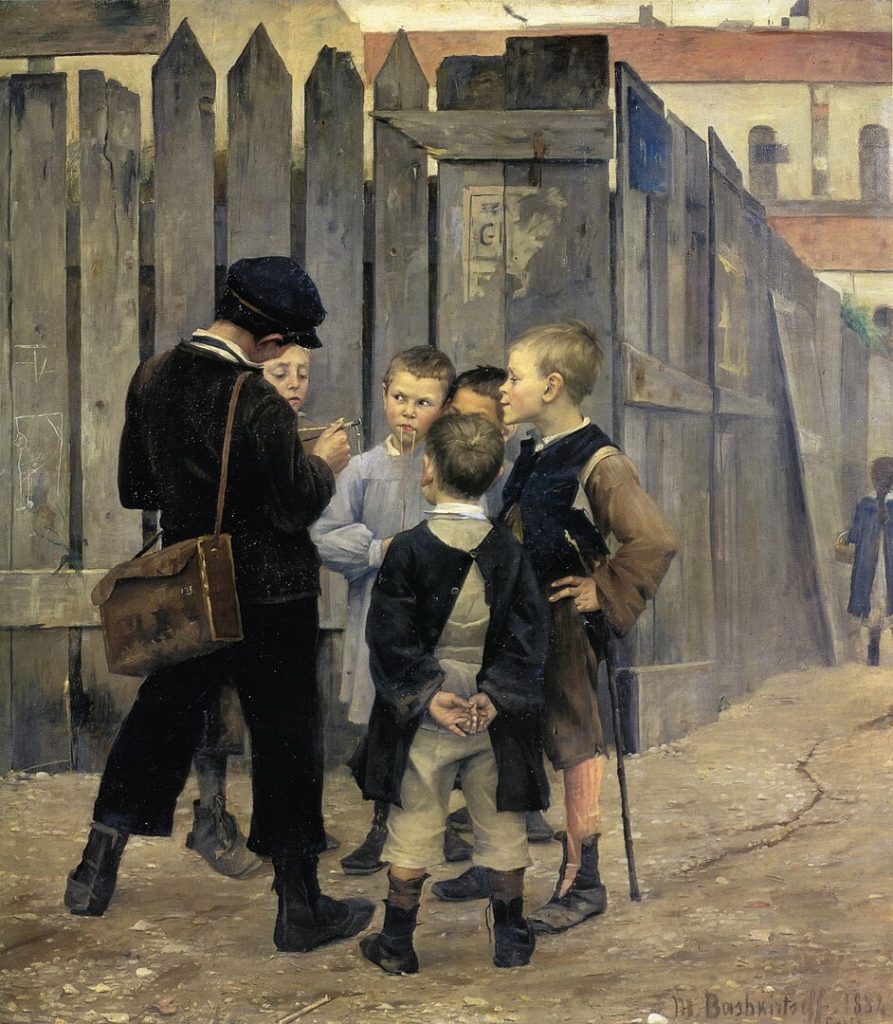
Marie Bashkirtseff (Maria Konstantinovna Bashkirtseva) was a Ukrainian-born artist, diarist, and sculptor who lived from 1858 to 1884. She was born on November 11, 1858, in Gavrontsi, a village in present-day Ukraine,…
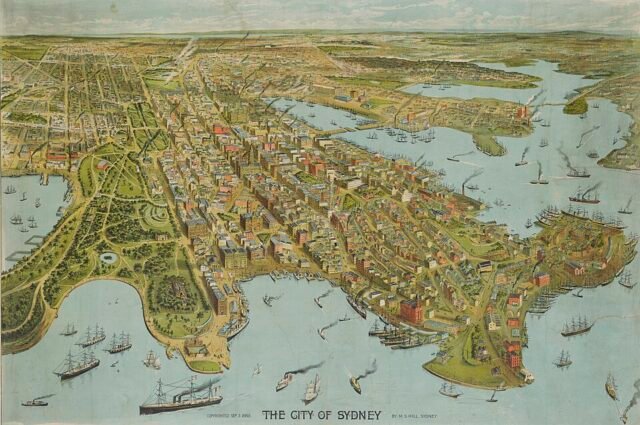
The first art ever made in what we now call Sydney wasn’t painted with oils or exhibited in white-walled galleries. It was carved into sandstone platforms, painted on rock shelters, and inscribed…
The facade is bordered on the north and south by two towers and includes three main door ways, each of which lead to a different part of the building. The southern door…
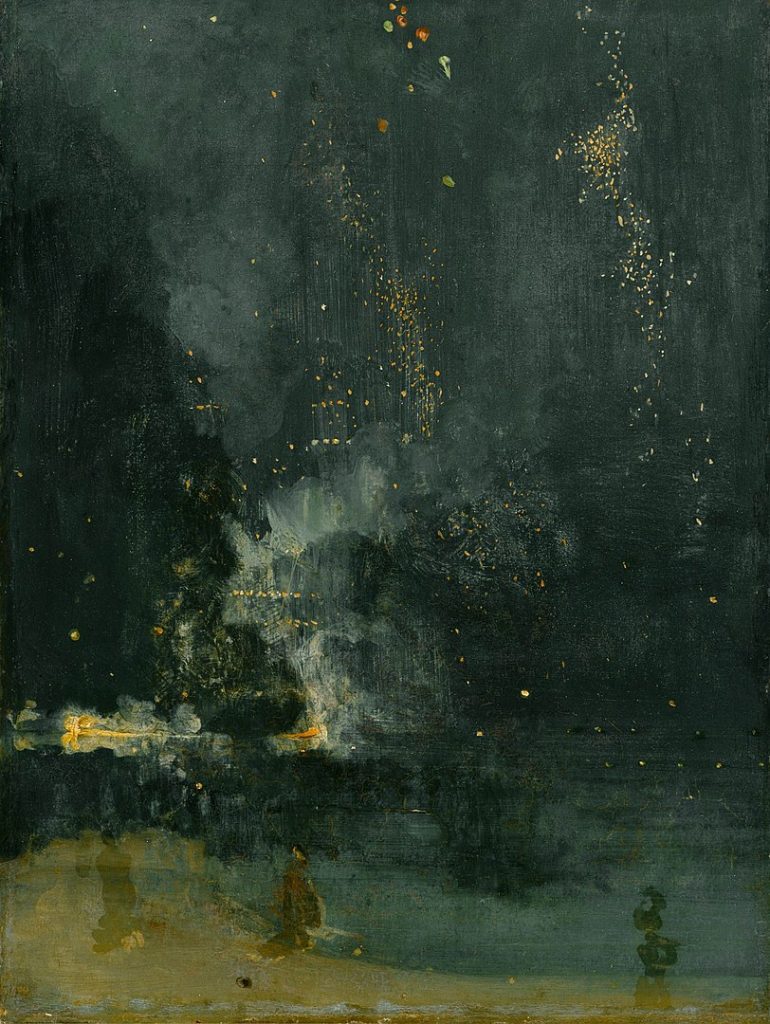
Tonalism was a revolutionary art movement that emerged in the United States during the late 19th century, bringing a new, atmospheric approach to landscape painting. Unlike the bright, energetic brushstrokes of Impressionism,…
The Day of the Dead (Spanish: Día de Muertos) is a Mexican holiday celebrated throughout Mexico, in particular the Central and South regions, and by people of Mexican heritage elsewhere. The multi-day holiday involves family and friends…
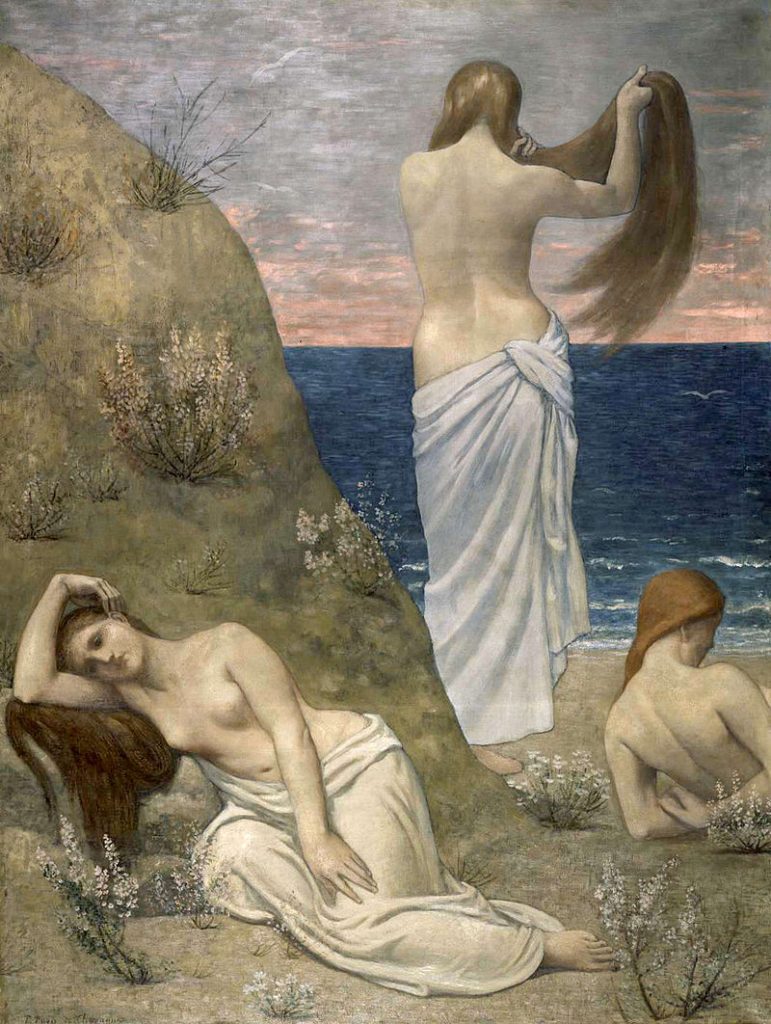
Pierre Puvis de Chavannes (1824-1898), was a French painter known for his significant contributions to the Symbolist and mural painting movements of the 19th century. Puvis de Chavannes was not only a…
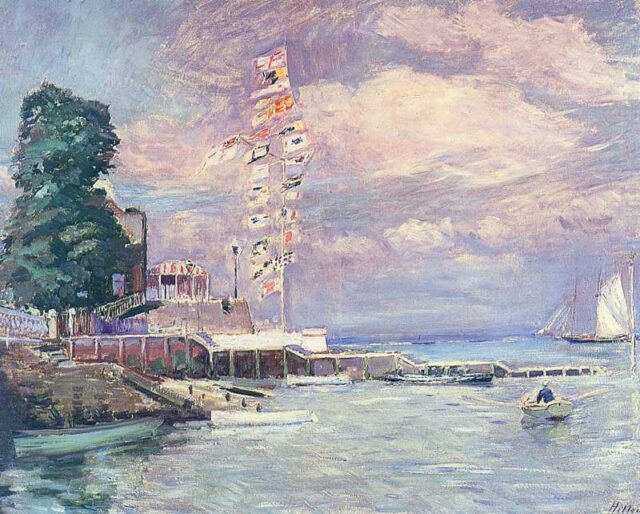
Paul César Helleu (1859–1927) was a French painter and engraver best known for his elegant and stylish portraits, particularly those of high society figures and members of European aristocracy. He was born…
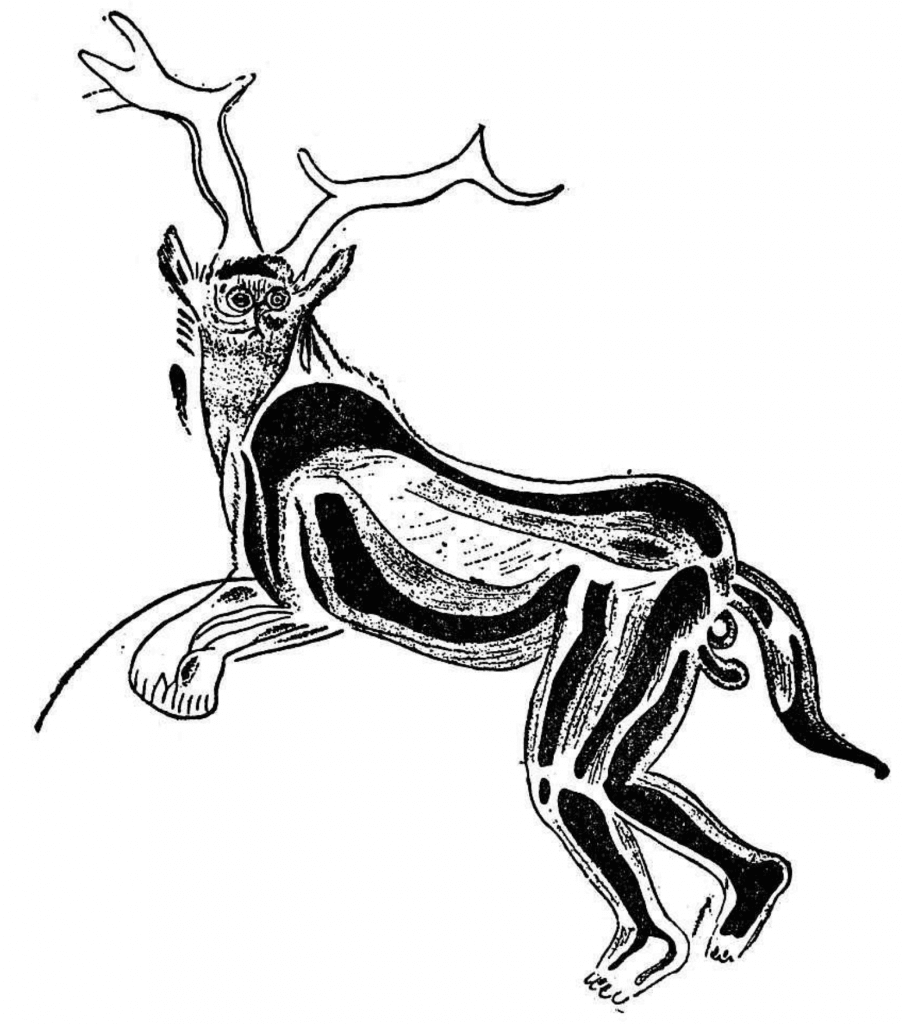
Deep within the heart of the French Pyrenees lies a cave that has captivated archaeologists and historians for over a century. The Trois-Frères Cave, named after the three brothers who first explored…
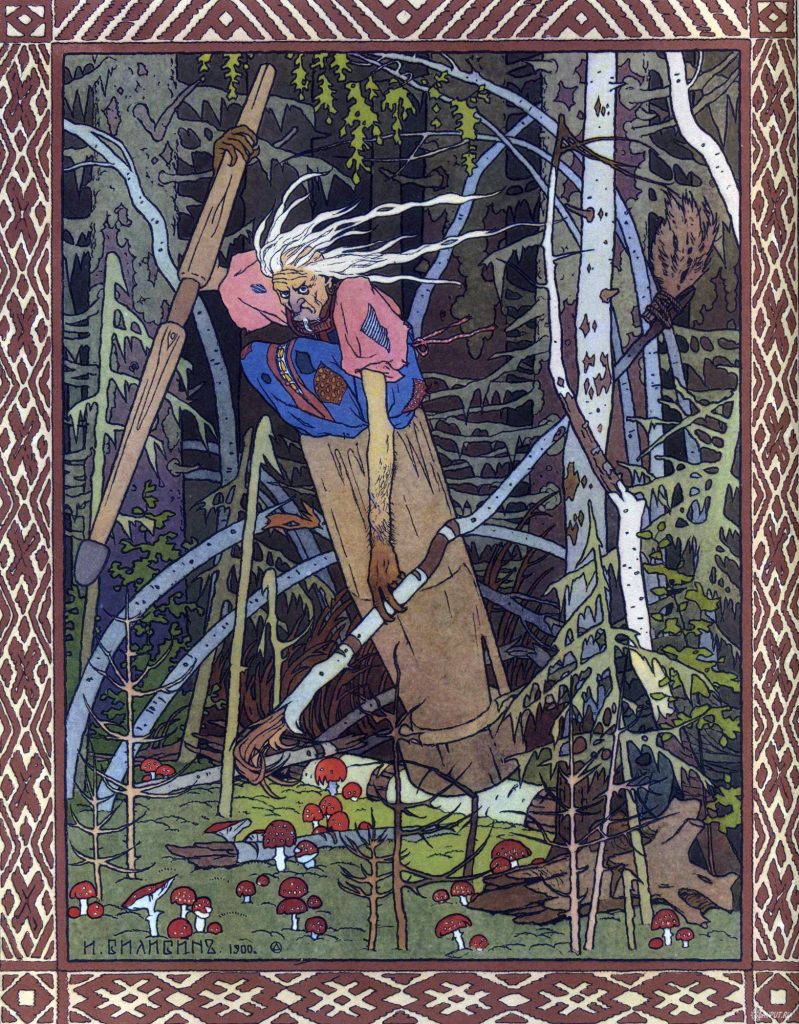
Baba Yaga is one of the oldest and most enduring figures in Slavic folklore, feared and revered in equal measure. Across Poland, Russia, Ukraine, Belarus, Czechia, Slovakia, and the Balkans, children have…