Art has a quiet but powerful way of calling people across oceans, continents, and cultures. A person might stand in their living room looking at a printed image, yet still feel compelled to travel thousands of miles just to see the original. This pull is not just about curiosity, but something deeper that connects memory, identity, and human experience. That is why art travel continues to grow even in a digital age where images are available everywhere.
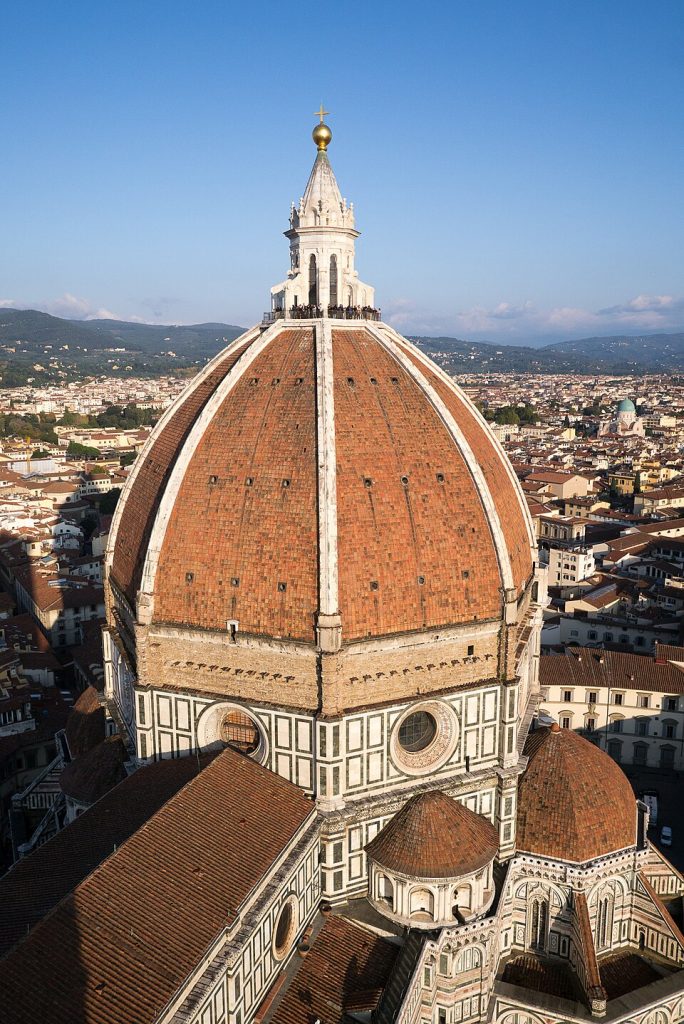
Traveling for art goes far beyond typical tourism focused on food or scenery. It includes visits to museums, historic buildings, artist studios, and entire cities shaped by creative heritage. Places like Paris, Florence, and New York have become cultural landmarks because of their artistic wealth. Visitors are not just sightseeing, but engaging with history and creativity in a personal way. This form of travel blends education, emotion, and exploration into one meaningful experience.
Why Art Inspires Travel Beyond Tourism
People often travel for art because it offers something that cannot be replicated through screens or books. Standing in front of a centuries-old painting or sculpture creates a sense of presence that feels almost sacred. There is also a sense of connection to the artist, who may have lived hundreds of years ago. That connection makes art travel feel personal and timeless at once.
Another key reason is the desire for authenticity in a world filled with reproductions. Many travelers seek original works to understand their true scale, texture, and detail. They want to experience the same object that others have admired for generations. This pursuit of authenticity gives art travel a sense of purpose that goes beyond casual sightseeing.
The Emotional Connection: Experiencing Art in Person
Seeing art in person can create an emotional reaction that is difficult to explain. The size of a painting, the depth of its colors, and even the way light falls on it can stir powerful feelings. Many visitors report a sense of awe when encountering famous works for the first time. This emotional response often becomes a lasting memory tied to a specific place and moment.
Digital images can show what a piece looks like, but they cannot capture its full presence. The physical environment, including lighting and surrounding architecture, shapes the experience. A sculpture might appear entirely different when viewed from multiple angles in a gallery. These subtle details make the in-person experience far richer than any reproduction.
Why Seeing Art in Real Life Changes Everything
There is also a psychological aspect to viewing art in its original setting. People often feel a sense of reverence when standing in historic spaces filled with masterpieces. This atmosphere encourages reflection and deeper thinking. It transforms a simple viewing into a meaningful encounter.
In some cases, travelers describe a near-spiritual connection with certain works. This is especially true for religious or symbolic art created centuries ago. Responsible speculation suggests that this reaction may stem from a shared human understanding of beauty and meaning. Whether scientific or emotional, the effect is strong enough to motivate people to travel great distances.
Historical Significance: Walking Through Time
Art serves as a window into the past, preserving stories from different eras. Paintings, sculptures, and buildings often reflect the beliefs and events of their time. By traveling to see them, visitors can better understand history in a vivid and direct way. It is one thing to read about the past, but another to stand where it unfolded.
Location plays a major role in how art is understood. A fresco in a church or a statue in a public square carries meaning tied to its surroundings. Removing it from that setting can change its interpretation. That is why many travelers seek out original locations rather than replicas or relocated works.
How Art Connects Travelers to the Past
Leonardo da Vinci, born April 15, 1452, and died May 2, 1519, represents the intellectual spirit of the Renaissance. His work reflects a time when art, science, and philosophy were deeply connected. Michelangelo, born March 6, 1475, and died February 18, 1564, brought emotional intensity and technical mastery to sculpture and painting. Their overlapping careers in Italy created both collaboration and rivalry, shaping the direction of Western art.
Travelers often visit places associated with these figures to better understand their lives. Seeing their work in context reveals details that are not obvious in books. For example, the scale of Michelangelo’s sculptures becomes far more impressive in person. This direct experience helps visitors feel connected to historical figures in a tangible way.
Cultural Identity and Global Perspectives
Art reflects the identity of the culture that creates it. Every region has its own styles, materials, and traditions shaped by history and environment. Travelers often seek out these differences to broaden their understanding of the world. This makes art travel both educational and enriching.
Different cultures express similar ideas in unique ways. Themes like family, faith, and nature appear across many artistic traditions. However, the methods and symbols used can vary greatly. This diversity highlights both shared humanity and distinct cultural identities.
Discovering Cultures Through Their Artistic Expression
Museums and galleries often present art from multiple regions, allowing visitors to compare styles. This comparison can deepen appreciation for cultural differences. It also encourages respect for traditions that may be unfamiliar. Art becomes a bridge between cultures rather than a barrier.
Responsible speculation suggests that art travel may also strengthen cultural understanding by fostering empathy. When people see how others express their values, they may become more open-minded. This exchange of ideas has been happening for centuries through trade, travel, and artistic collaboration. Today, it continues to shape global perspectives.
The Influence of Famous Artists and Movements
Famous artists often inspire people to travel in search of their work and legacy. These individuals are not just creators but cultural icons whose lives tell compelling stories. Their struggles, successes, and relationships add depth to their art. This personal connection draws visitors to places associated with them.
Art movements also play a major role in shaping travel patterns. The Renaissance, Impressionism, and Modernism each have distinct locations tied to their development. Travelers often follow these movements to understand how ideas evolved over time. This creates a journey that is both geographic and intellectual.
Traveling in the Footsteps of Artistic Legends
Vincent van Gogh was born March 30, 1853, and died July 29, 1890, leaving behind a powerful legacy despite his struggles. His relationship with his brother Theo van Gogh, born May 1, 1857, was central to his life and career. Theo supported Vincent financially and emotionally until his death on January 25, 1891. Their correspondence provides insight into Vincent’s artistic vision and personal challenges.
Pablo Picasso, born October 25, 1881, and died April 8, 1973, helped shape modern art through his role in developing Cubism. His collaborations with artists like Georges Braque transformed traditional perspectives in painting. Travelers often visit cities like Paris and Barcelona to trace his career. These journeys allow people to see how his environment influenced his work.
Social and Status Factors in Art Travel
Art travel has long been associated with social status and education. In the 17th and 18th centuries, wealthy Europeans participated in the Grand Tour. This journey included visits to major cultural centers and was seen as an essential part of personal development. It combined learning with leisure in a way that elevated social standing.
Today, art travel still carries elements of prestige. Visiting famous museums or attending major exhibitions can signal cultural awareness. Social media has amplified this effect by allowing people to share their experiences widely. This visibility can influence others to follow similar paths.
How Art Travel Shapes Identity and Prestige
Art travel also plays a role in shaping personal identity. People often use these experiences to define their interests and values. Visiting cultural landmarks can create a sense of belonging to a broader intellectual community. This can be especially meaningful in a rapidly changing world.
There is also a practical side to art travel in terms of networking and education. Museums and galleries often host events that bring people together. These gatherings can lead to new ideas and collaborations. In this way, art travel continues to serve both social and intellectual purposes.
The Role of Architecture and Iconic Art Destinations
Architecture itself can be a major reason for travel. Buildings designed with artistic intention often become landmarks in their own right. Museums, cathedrals, and cultural centers attract visitors even before they see the art inside. The structure becomes part of the overall experience.
These spaces are carefully designed to enhance the display of art. Lighting, layout, and materials all influence how works are perceived. A well-designed building can make art more engaging and accessible. This connection between space and content is a key aspect of art travel.
When Buildings Become Art Themselves
Iconic destinations often combine architecture and art into a single attraction. Cities invest in cultural institutions to boost tourism and identity. This creates a cycle where art draws visitors, and visitors support further development. Over time, entire regions can become known for their artistic heritage.
Responsible speculation suggests that architecture may play an even larger role in future art travel. As cities compete for attention, unique designs can set them apart. This trend reflects a growing appreciation for the built environment as a form of art. It ensures that art travel will continue to evolve.
Conclusion: Why Art Travel Continues to Thrive
Art travel remains popular because it offers something deeply human and lasting. It connects people to history, culture, and emotion in a direct way. Even as technology advances, the desire to see art in person does not fade. Instead, it grows stronger as people seek authentic experiences.
The Lasting Power of Art to Inspire Movement
The reasons for traveling for art are varied but interconnected. Emotional impact, historical insight, cultural understanding, and social influence all play a role. Together, they create a powerful motivation that goes beyond simple tourism. Art becomes a reason to move, explore, and connect.
In the future, art travel will likely continue to adapt to new trends and technologies. However, the core experience will remain the same. People will always want to stand before great works and feel their presence. That timeless desire ensures that art travel will endure.
Key Takeaways
- Art travel offers emotional, historical, and cultural experiences that cannot be replicated digitally
- Famous artists like Leonardo da Vinci and Vincent van Gogh continue to inspire global travel
- Cultural identity is deeply tied to artistic expression across regions
- Social status and personal identity are often shaped by art-related journeys
- Architecture and iconic destinations play a major role in attracting art travelers
FAQs
- Why do people travel specifically for art instead of viewing it online
- Which countries are most popular for art travel
- How does seeing art in person differ from digital viewing
- What role do famous artists play in influencing travel decisions
- Is art travel considered a form of cultural education