Félix Ziem was born on February 26, 1821, in the historic town of Beaune, France, located in the Burgundy region. His father was of Croatian origin and worked as a tailor, while his mother was French. The family lived a modest but comfortable life, and young Félix showed signs of artistic talent from an early age. Though not from a traditionally artistic household, Ziem’s early fascination with drawing became evident during his school years.
His formal education began in Beaune, where he received basic instruction in mathematics, literature, and design. At first, his interests leaned toward architecture rather than painting. He moved to Dijon to study at the École des Beaux-Arts and later relocated to Marseille, where he studied architecture more seriously. It was here, in this Mediterranean city, that he began to sketch harbor scenes and bustling cityscapes, gradually shifting his attention from structure to color and atmosphere.
Discovering Art in Youth
Ziem’s early architectural training heavily influenced his later compositions, which often featured carefully balanced buildings and structured perspectives. However, he became more captivated by light, water, and movement than by bricks and mortar. In the early 1840s, he took a formative journey through southern France and into Italy, where he encountered the glowing light of the Mediterranean—a light that would define much of his painting career.
By 1841, Ziem had abandoned architecture entirely to devote himself to painting. His artistic calling became crystal clear during his first trip to Venice that same year, when the shimmering canals and luminous skies of the city overwhelmed him. What began as a sketching tour soon evolved into a lifelong commitment to capturing the magic of light and reflection. With little formal instruction in painting, Ziem was largely self-taught, honing his craft through constant observation and experimentation.
Venice and the Making of a Painter
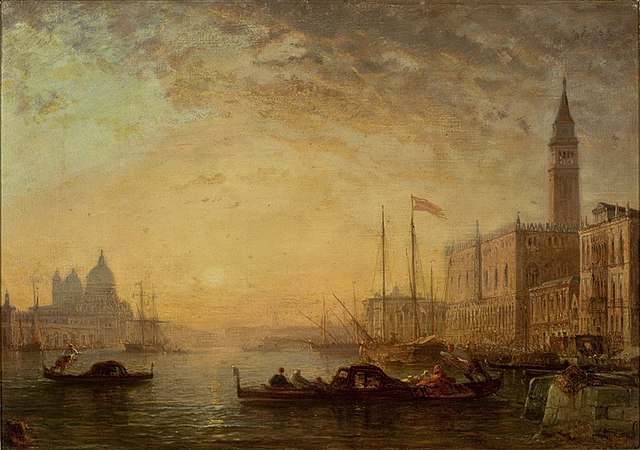
Venice was a turning point in Ziem’s artistic life, and his first visit there in 1841 changed everything. The city’s romantic atmosphere, historic architecture, and unique relationship with water captivated his imagination. He found in Venice a muse that would inspire hundreds of canvases over the decades. The serenity of the canals, the play of golden sunlight on the water, and the fluttering silhouettes of gondoliers became central themes of his work.
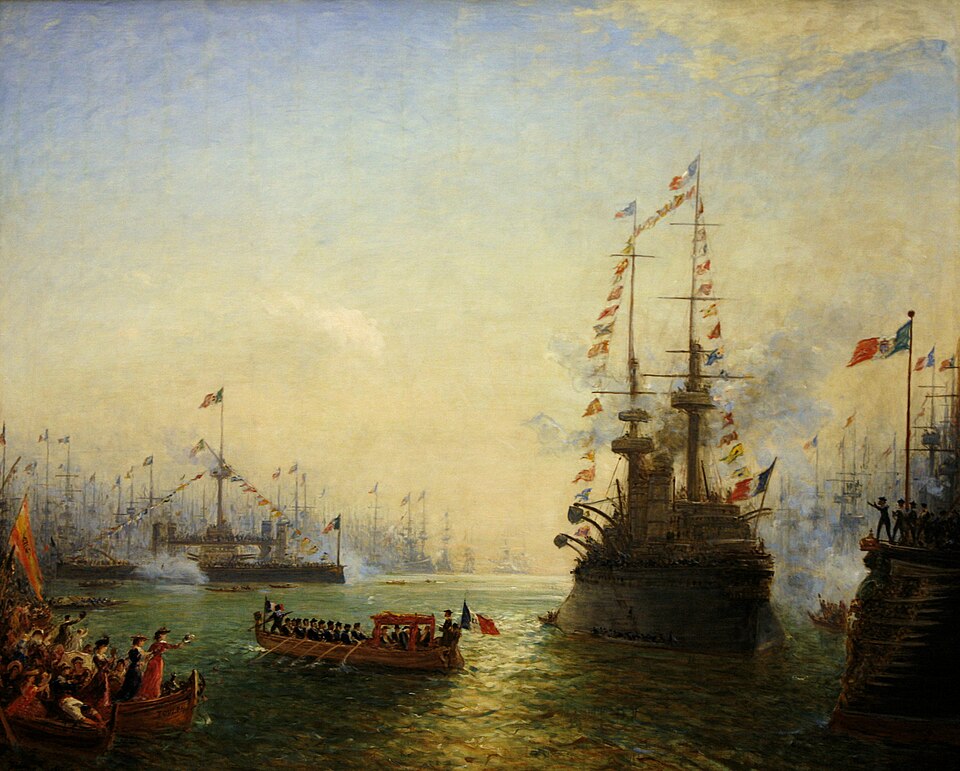
He returned to Venice many times, often spending months at a time sketching the changing light and weather. Few 19th-century artists captured Venice with as much sensitivity and vitality as Ziem. While others portrayed its grandeur, Ziem focused on mood, reflection, and ephemeral beauty. These Venetian scenes would become his most iconic works, and they firmly established his reputation across Europe.
Venice as Muse
Ziem’s Venetian paintings were marked by their vibrant use of color and fluid brushwork. He developed a style that leaned toward Romanticism, but with a focus on realism and the accurate depiction of atmospheric effects. Golden sunsets, misty mornings, and moonlit waters filled his canvases, always with a dreamlike touch that made them instantly recognizable.
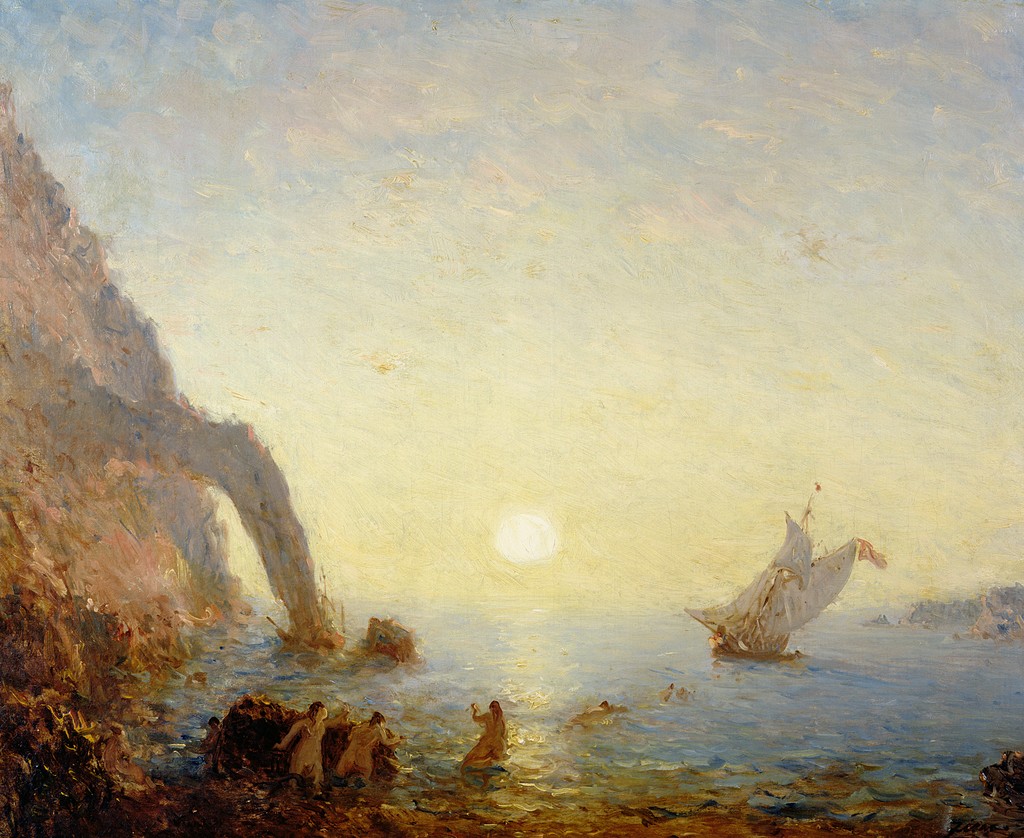
The city was not just a subject—it was a constant companion in his imagination. Even when Ziem painted elsewhere, elements of Venice seemed to creep into his work. He frequently painted from memory, aided by dozens of sketchbooks he filled during his travels. His Venice became a symbol of beauty, reflection, and emotional depth, more than a literal place—it was a vision, a poetic interpretation of light on water.
Travels and Orientalist Influence
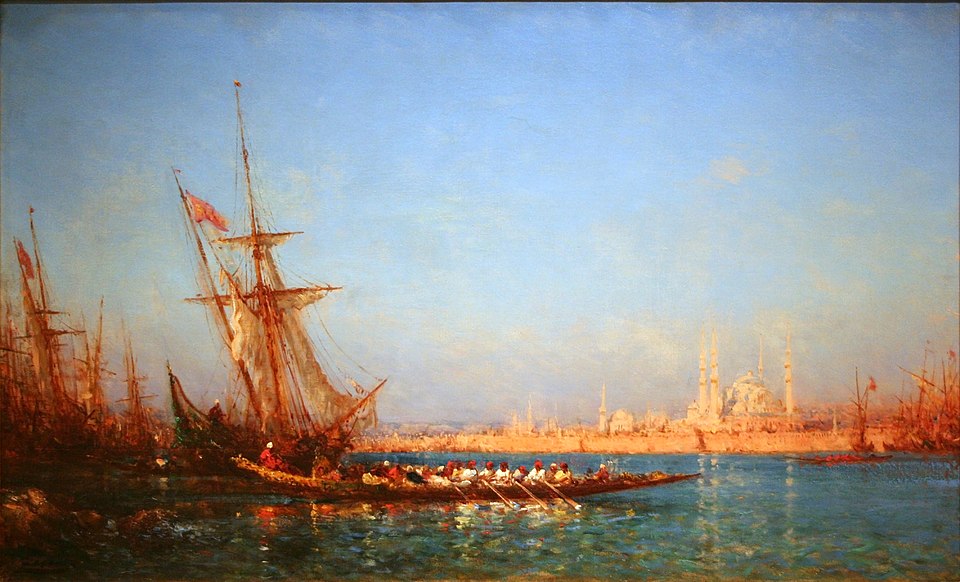
As much as Ziem loved Venice, his artistic curiosity took him farther afield. In the 1850s and 1860s, he began traveling to North Africa and the Eastern Mediterranean, including Algeria, Egypt, and Constantinople. These regions fed into the 19th-century European fascination with the “Orient”—a broad and romanticized term that encompassed everything from Ottoman palaces to desert caravans. For Ziem, the East offered a new palette, new architecture, and new subjects.
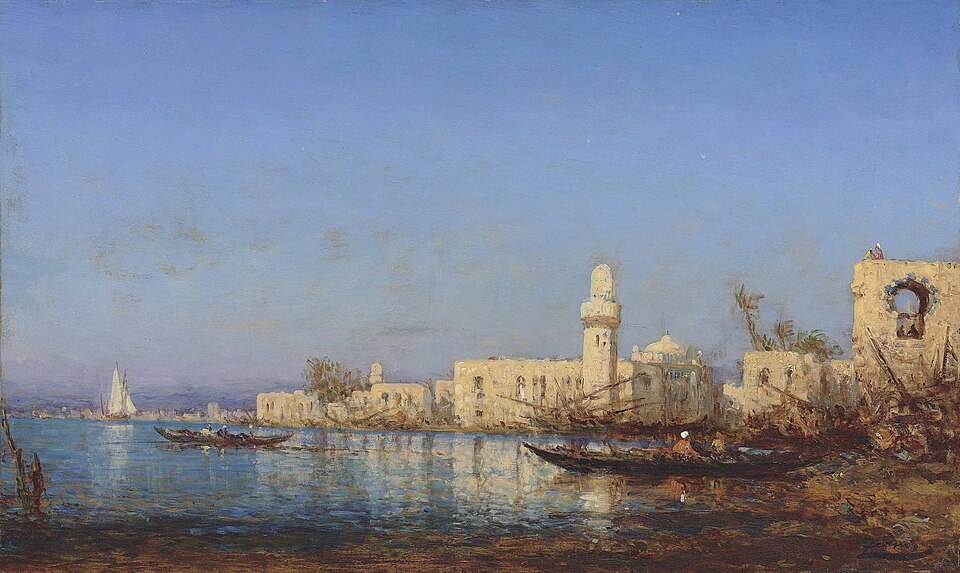
These travels were both adventurous and productive. He returned with sketchbooks full of bustling bazaars, mosque domes, and sweeping desert landscapes. While he did not always paint on-site, he drew from memory and notes to recreate scenes with vivid color and dramatic flair. His Orientalist paintings were less about ethnographic accuracy and more about conveying atmosphere and fantasy. They became sought-after by collectors who craved the exoticism of faraway lands.
The Orientalist Painter
Ziem’s contribution to the Orientalist movement placed him among a group of European painters who portrayed the East as a realm of mystery, beauty, and tradition. Unlike some of his contemporaries who used Orientalist themes for social or political critique, Ziem maintained a respectful, almost reverent tone in his depictions. His works focused on the majesty of Islamic architecture, the elegance of desert life, and the vibrant energy of Eastern cities.
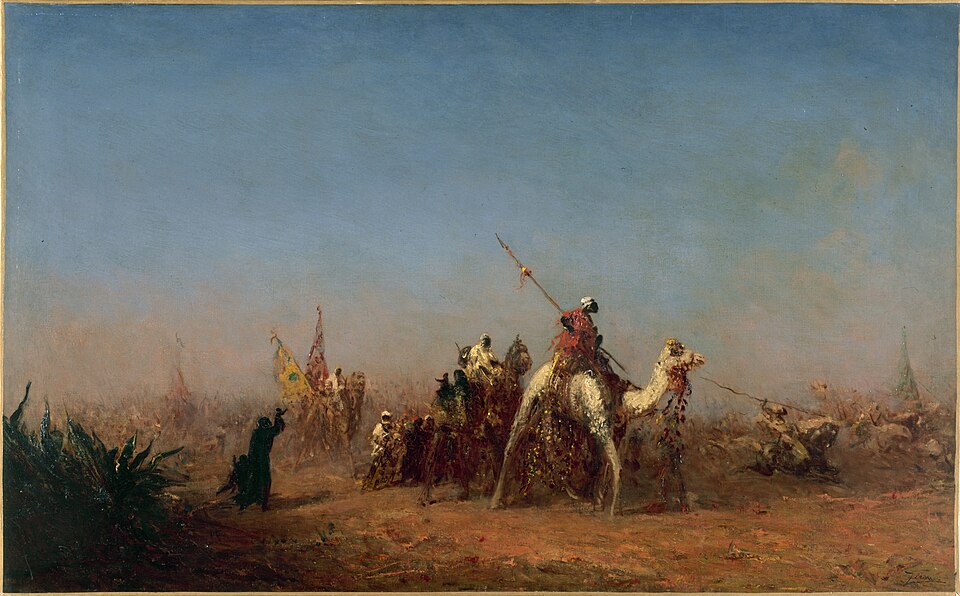
His palette became richer and bolder during this period, reflecting the bright textiles, open skies, and sun-soaked landscapes he encountered. These scenes balanced grandeur with intimacy, offering viewers a glimpse into places that felt both foreign and strangely familiar. Though later critiques would reevaluate Orientalism through a more critical lens, in Ziem’s time, these works were celebrated for their beauty and imagination. They showcased his adaptability and expanding artistic vision.
Career and Recognition in France
Ziem’s professional breakthrough came with his debut at the Paris Salon in 1849. His Venetian scenes immediately stood out for their color, movement, and luminous detail. He quickly gained a following among collectors, critics, and aristocrats who appreciated his unique fusion of Romantic idealism and realistic light effects. Over the next few decades, his works were shown regularly in major exhibitions across Europe.
He received one of France’s highest artistic honors in 1857 when he was awarded the Chevalier of the Legion of Honor. This recognition was later elevated in 1878 when he was promoted to Officer of the Legion of Honor—a rare distinction for a landscape painter. These honors reflected not just artistic merit but also his commercial popularity and widespread appeal. Ziem had become a household name in French art circles by the late 19th century.
Connections and Patrons
Ziem’s rise was also supported by powerful connections. One of his most important patrons was Emperor Napoleon III, who reportedly purchased several of his works. He also had friendships with leading members of the Barbizon School, including Théodore Rousseau and Narcisse Díaz de la Peña. These relationships helped him stay relevant during a time when the art world was evolving rapidly.
His Paris studio in Montmartre became a well-known site for collectors and artists, while he also maintained workshops in Martigues and later in Nice. Unlike many artists of his generation, Ziem enjoyed financial success throughout most of his life. He was known to be generous with his earnings, donating works to charities, disaster relief funds, and public collections. His reputation was built not just on talent, but also on a strong work ethic and integrity.
Artistic Style and Techniques
Ziem’s artistic style is best described as a fusion of Romanticism and pre-Impressionism, with a focus on light, water, and atmosphere. His landscapes and marine paintings often featured glowing skies, delicate reflections, and a sense of movement that made his canvases feel alive. His brushwork was loose and expressive, giving his work a spontaneous and emotional quality. He had a keen sense of composition and often placed figures or boats to draw the viewer’s eye.
While he worked primarily in oil paint, he also created watercolors and drawings, especially during his travels. He used sketchbooks extensively, not only for preliminary studies but also to explore ideas that would later be developed into full-scale works. His technique emphasized light over detail, mood over realism, a quality that resonated with early Impressionists who came after him. Though not officially part of their movement, his work paved the way for their aesthetic.
The Ziem Aesthetic
Ziem’s paintings often depicted dawns and dusks, times of day when natural light transforms the landscape into something almost magical. He used a warm palette filled with golds, oranges, and soft blues, creating a dreamy atmosphere that was unmistakably his. Whether painting Venice, Constantinople, or the French coastline, he pursued the same visual poetry—glowing horizons, drifting clouds, and tranquil waters.
He rarely included narrative content; instead, his focus was emotional tone and harmony. His seascapes conveyed calmness, his city views hinted at nostalgia, and his Eastern scenes evoked awe and wonder. Though his approach remained consistent, he experimented with perspective and layout, sometimes flattening the space to emphasize color over depth. His aesthetic stood apart in a time when academic painting still dominated the French art scene.
Late Life and Death
Even in his later years, Félix Ziem remained a prolific and energetic painter. Into his 80s, he continued to travel between his studios in Martigues and Nice, both locations offering the kind of Mediterranean light he adored. Despite changes in art trends and the rise of modernist movements, Ziem held firmly to his style, believing that beauty and craftsmanship never went out of fashion. He painted almost daily and rarely gave interviews, preferring solitude and reflection.
By the early 1900s, Ziem’s work was viewed as traditional compared to younger artists like Monet and Cézanne. Still, he maintained a loyal audience who appreciated his timeless elegance and dedication to beauty. He contributed generously to public causes, donating both funds and artworks. His reputation remained intact as a respected elder statesman of French painting, even as the avant-garde took center stage.
Legacy in His Lifetime
Ziem died on November 10, 1911, in Paris, at the age of 90. He was buried at the famed Père Lachaise Cemetery, joining the ranks of many great French artists and intellectuals. In his final years, he had taken steps to ensure that his legacy would live on. He donated works to several French museums and helped establish what would later become the Musée Ziem in Martigues, dedicated to his life and work.
Though out of step with modernist tastes, his reputation remained strong within classical and academic circles. Critics admired his consistency, his loyalty to his vision, and his technical excellence. More importantly, he had succeeded in building a life as a painter without suffering the poverty or instability that plagued so many of his peers. In a rapidly changing world, Ziem had remained true to the art of beauty.
Legacy and Influence Today
Today, Félix Ziem is recognized as one of the most successful French painters of the 19th century. His works are held in major institutions including the Louvre, the Musée d’Orsay, the Hermitage Museum in St. Petersburg, and the Metropolitan Museum of Art in New York. The Musée Ziem in Martigues continues to preserve and promote his legacy with a permanent collection of his paintings, sketches, and personal items. His influence is especially felt in the genre of marine and Orientalist painting.
In recent decades, art historians have re-evaluated Ziem’s role in bridging the gap between Romanticism and Impressionism. While not a radical innovator, he introduced techniques and themes that prefigured the more daring experiments of the later 19th century. His focus on natural light, fleeting effects, and expressive brushwork placed him ahead of many of his contemporaries. Exhibitions around the world have reintroduced Ziem to new generations of art lovers.
Market and Critical Reputation
Ziem’s paintings remain popular among collectors, especially his Venetian views, which often command high prices at auctions. His works are appreciated for their decorative appeal, technical mastery, and emotional resonance. While critics may debate his place in the broader canon of art history, few deny the charm and craftsmanship of his best works. For conservative collectors and institutions, Ziem offers a reassuring blend of tradition, beauty, and skill.
Today, Ziem is seen not only as a painter of place but also of mood and memory. His ability to transform ordinary cityscapes into glowing visions has earned him a lasting place in art history. Whether hanging in the halls of major museums or in private homes, his works continue to captivate viewers. Félix Ziem painted what he loved—and in doing so, gave others a vision of the world suffused with light and harmony.
Key Takeaways
- Félix Ziem was born in Beaune, France, in 1821 and trained originally as an architect.
- His first trip to Venice in 1841 deeply influenced his painting style and subjects.
- He became known for his Orientalist travels and luminous seascapes.
- Ziem achieved commercial success and was honored with the Legion of Honor.
- His legacy includes a museum in Martigues and widespread collection in major institutions.
FAQs
- What style of painting is Félix Ziem known for?
Romantic landscapes with Orientalist influences and glowing light effects. - Where can I see Félix Ziem’s paintings today?
His works are in the Louvre, Musée d’Orsay, Hermitage, and Musée Ziem. - Did Ziem influence the Impressionists?
Yes, his loose brushwork and focus on light prefigured Impressionism. - Was Ziem successful during his lifetime?
Absolutely—he was commercially successful and widely honored. - What subjects did Ziem favor most?
Venice, North African scenes, and maritime landscapes dominated his work.