Ansel Easton Adams was born on February 20, 1902, in San Francisco, California. A sensitive and inquisitive child, Ansel was often ill and had difficulty adjusting to formal schooling. In 1916, at age 14, his father took him on a trip to Yosemite National Park—a visit that changed the trajectory of his life. It was there that Ansel first encountered the raw beauty of the Sierra Nevada, sparking a deep, lifelong connection to nature and setting the stage for both his future career and the great love of his life.
Virginia Best was born just two years later, in 1904, also in California. Her father, Harry Cassie Best, was an established landscape painter who owned and operated Best’s Studio in Yosemite Valley. Virginia grew up in the park, surrounded by natural splendor and artistic visitors. This upbringing instilled in her a calm resilience, a love for wilderness, and a practical understanding of the art world—qualities that would later prove vital in supporting Ansel’s career.
Ansel and Virginia first met in 1921, when Ansel, then 19, returned to Yosemite on another summer visit. He frequented Best’s Studio during that trip, initially to admire the artwork and photography on display. It was there that he encountered Virginia, and a friendship was quickly formed. Although their first meeting wasn’t the dramatic spark of romance seen in novels, it was the beginning of a profound and enduring bond built on shared interests and mutual admiration.
Childhoods Shaped by the Sierra
While Ansel took to roaming the mountains with his camera and notebooks, Virginia stayed rooted in the valley, helping her father run the studio. The two began to spend more time together each summer as Ansel’s visits to Yosemite grew more frequent. Though separated for much of the year by distance—Ansel in San Francisco and Virginia in Yosemite—their connection deepened with every season. In this rugged and sacred corner of the country, their relationship quietly began to take shape.
A Courtship of Letters, Cameras, and Conflicts
By the early 1920s, Ansel had developed a serious interest in both photography and classical music. He studied piano intensely, believing it might be his professional calling, even as he continued to refine his photography in Yosemite and the High Sierra. During this time, he and Virginia exchanged letters frequently, cultivating an emotional intimacy that their limited time together in person could not. These letters reveal a mix of artistic reflection, tender affection, and practical discussions about the future.
The romance was not without strain. Ansel was often away for extended periods—either photographing in the wilderness or touring for piano recitals. His intense drive and perfectionism made it difficult for him to fully commit emotionally during this period. Virginia, however, remained grounded and patient. Her calm demeanor and rooted sense of purpose contrasted with Ansel’s more restless spirit, yet the two remained committed despite the ups and downs of their early years.
Distance, Devotion, and a Changing America
As the 1920s unfolded, so too did major changes in America—culturally, economically, and artistically. Ansel began to associate with members of the Sierra Club and exhibited his work for the first time in 1927, gaining recognition as a serious photographer. Still, he remained conflicted about choosing between music and photography. Virginia, although not formally trained in either field, offered steady counsel and emotional clarity. She encouraged him to follow photography, recognizing his passion and genius before even he was fully convinced.
Even in moments of uncertainty, their shared love for Yosemite acted as a binding thread. Each year, they returned to the park—Ansel to photograph its ethereal beauty and Virginia to care for her father and his studio. The Sierra Nevada was more than a backdrop to their romance—it was the very soil in which it grew. These foundational years, full of longing, growth, and shared vision, solidified their bond as both romantic partners and creative allies.
Marriage in the Mountains – Becoming Mr. and Mrs. Adams
On January 2, 1928, Ansel Adams and Virginia Best were married in a simple ceremony in Yosemite. It was an intimate affair, surrounded by the towering cliffs and tranquil meadows that had defined their relationship from the beginning. At the time, Ansel was still balancing his career ambitions, unsure whether music or photography would become his life’s work. Virginia, on the other hand, was already deeply committed to the stability and vision their shared life would require.
The early years of their marriage were marked by financial uncertainty. Ansel took on commercial assignments to support the family while continuing to pursue fine art photography in his spare time. Virginia, meanwhile, remained in Yosemite helping to run Best’s Studio. Despite their physical separations due to Ansel’s travels, the couple remained close emotionally. Their shared values—love of nature, commitment to craftsmanship, and reverence for beauty—kept their relationship rooted and resilient.
Tying the Knot in 1928
In 1930, Virginia gave birth to their first child, Michael, followed by their daughter, Anne, a few years later. Parenthood brought both joy and challenge, particularly as Ansel’s professional demands increased. Virginia took on most of the child-rearing responsibilities, managing the home front with grace while continuing to work in the family business. Ansel credited her with keeping the family grounded, even as he pursued national recognition and critical acclaim.
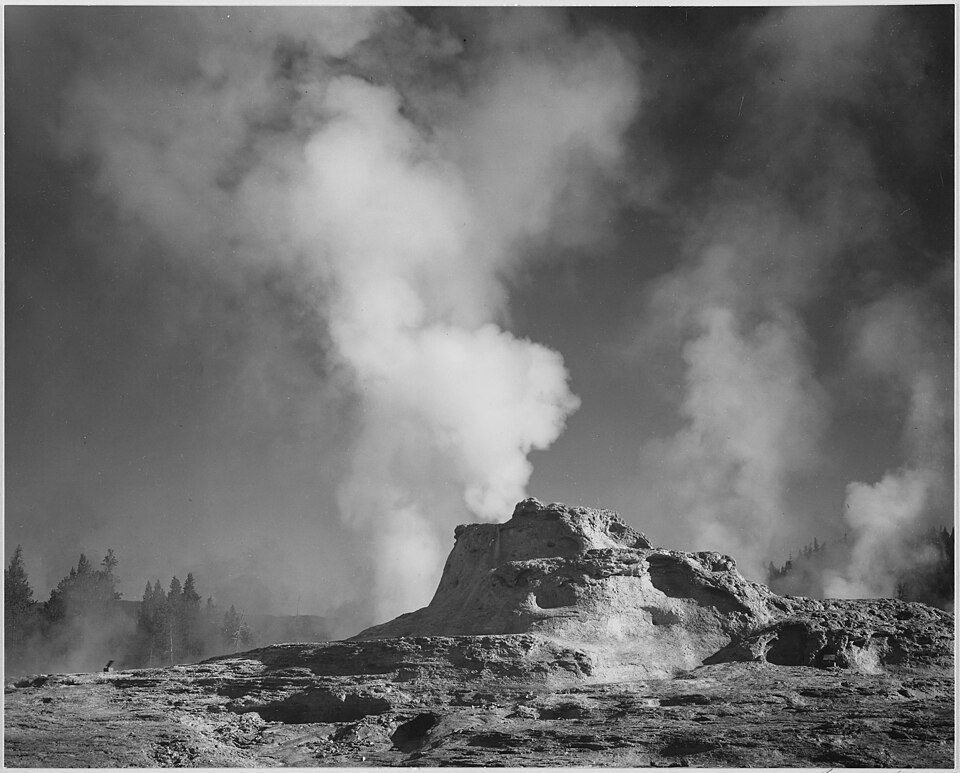
Throughout the 1930s and into the 1940s, Ansel’s reputation as a photographer grew rapidly. He helped found Group f/64 with fellow modernists like Edward Weston and Imogen Cunningham, promoting sharp-focus photography that emphasized clarity and structure. Virginia’s support during this period was unwavering. Though rarely in the spotlight, her influence was felt in every decision Ansel made—quiet but profound, the bedrock of his success.
Life Behind the Lens – Virginia’s Quiet but Vital Role
After Harry Best’s death in 1936, Virginia took over Best’s Studio in Yosemite Valley. Rather than simply maintain her father’s gallery, she transformed it into a showcase for Ansel’s photography and an educational hub for art and conservation. Renaming it “The Ansel Adams Gallery,” she helped turn the space into a cultural landmark. It would become one of the most recognized and visited art venues in any national park.
Virginia managed every aspect of the gallery, from business operations to curating exhibitions. Her organizational skills and eye for detail allowed Ansel to focus more on his artistic pursuits. She oversaw the production of prints, coordinated sales, and handled relationships with museums and collectors. In an era where many women’s contributions were undervalued, Virginia’s behind-the-scenes work kept Ansel’s career afloat and thriving.
The Woman Who Ran the Studio
Her role as a mother, wife, and business manager was complex and demanding. Yet she rarely complained, understanding that their shared vision required sacrifice. While Ansel traveled to Washington, D.C. for government commissions or toured the country lecturing, Virginia ensured the home and studio were in good order. Her loyalty and steadiness were constants in a life marked by artistic chaos and professional ambition.
Even as Ansel achieved iconic status in the 1940s and 1950s, gracing the pages of magazines and collaborating with the U.S. Department of the Interior, he often referred to Virginia as the foundation of it all. Her pragmatic spirit balanced his artistic temperament. Though she never sought fame, Virginia’s contributions made Ansel’s enduring legacy possible. Without her, the empire of light and granite he built might have crumbled under the weight of ambition.
Peaks and Valleys – The Strain of Fame and Family
As Ansel’s career soared, the couple faced increasing pressures. He was often gone for weeks, even months at a time, pursuing photographic commissions, lecturing, and lobbying for environmental causes. This separation put a strain on the marriage, especially as the children grew older and Virginia shouldered the burden of raising them largely on her own. The tension was felt deeply but handled with grace on Virginia’s part, who never allowed personal frustration to overshadow her loyalty.
There were moments of difficulty, including emotional distance and even infidelities, hinted at in some of Ansel’s letters and noted by biographers. These events, while painful, were not allowed to define the marriage. Virginia’s maturity and sense of long-term commitment outweighed the hurt of fleeting betrayals. She chose to focus on the life they had built together, grounded in shared values and a profound mutual respect.
Love, Loyalty, and Imperfection
Their correspondence during difficult periods reflects the real complexities of a long marriage—admiration mixed with frustration, longing alongside duty. Virginia once wrote that she didn’t marry a saint but an artist with a noble heart and restless soul. Ansel, for his part, frequently acknowledged her sacrifices and credited her with holding everything together when he couldn’t. Through every trial, their bond remained strong, refined by fire but never shattered.
The couple’s resilience in the face of adversity became part of their love story. Unlike the fleeting romances of modern culture, theirs was a union built not on ease but on perseverance and choice. In choosing each other, day after day, they demonstrated a commitment that transcended momentary failures. This kind of faithfulness—quiet, enduring, and deeply rooted—is a rare testament to the power of traditional marriage.
Legacy in the Landscape – Their Enduring Partnership
In the 1950s and 1960s, the Ansel Adams Gallery became more than just a business—it became a living museum of the American wilderness. Under Virginia’s leadership, it expanded its offerings to include workshops, artist residencies, and conservation education. The gallery continued to operate year-round, showcasing not just Ansel’s work but that of other photographers and painters inspired by the Sierra. Visitors from around the world flocked to see the images that had helped define America’s natural beauty.
The Adams family eventually settled in Carmel Highlands, California, where they lived for the remainder of their lives. Ansel continued working well into his 70s, creating some of his most famous prints during this time. Virginia remained the bedrock of his personal and professional life, managing affairs and curating his growing legacy. The two were often seen walking along the cliffs near Point Lobos, still united by the love of landscape that had brought them together.
The Ansel Adams Gallery and Their Final Years
In 1984, Ansel Adams passed away at the age of 82. His death marked the end of an era, but not the end of their story. Virginia remained active in promoting his work, overseeing exhibitions, and preserving his negatives and writings. Her stewardship ensured that Ansel’s legacy would not be diluted or misinterpreted in the years to come.
Virginia Best Adams died in 2000 at the age of 96. She had lived through nearly a century of cultural change, standing as a quiet pillar behind one of the most influential artists of the 20th century. Her dedication ensured that the values she and Ansel shared—art, nature, and enduring love—would live on. Today, their partnership continues to inspire artists, lovers, and anyone who believes in the power of loyalty and purpose.
A Love Written in Light and Granite
Looking back on their story, the love between Ansel Adams and Virginia Best is more than a personal tale—it’s a symbol of devotion rooted in something eternal. Their bond was as steadfast as the granite cliffs of Yosemite, shaped by seasons of joy and trial. In the natural world, they found common ground and spiritual harmony. And in each other, they found the rare kind of loyalty that turns ambition into something sacred.
Virginia’s love was never loud, but it was unwavering. While Ansel’s name became synonymous with American photography, hers remained quietly behind the scenes, where she preferred it. But anyone who understands their story knows that Ansel’s success was, in part, a shared creation. It was Virginia’s steady hand that allowed his wild vision to take flight.
What We Learn from Ansel and Virginia’s Story
In a world that often values fast fame and easy romance, their marriage offers a different model—one of endurance, mutual respect, and shared purpose. Theirs was not a flawless relationship, but a faithful one. It grew through trials and matured through forgiveness, anchored by the timeless landscape that first brought them together. In many ways, their love is as much a part of Yosemite’s legacy as its waterfalls and peaks.
The story of Ansel and Virginia reminds us that behind every monumental life stands someone quietly holding things together. In their case, the legacy is not just visual or artistic, but relational. It’s a legacy of building something lasting—together. And that, more than any photograph, is what gives their story its enduring light.
Key Takeaways
- Ansel Adams met Virginia Best in 1921 at Yosemite, where she lived and worked at her father’s art studio.
- They married in 1928 and raised two children while balancing a demanding artistic career.
- Virginia ran Best’s Studio and later turned it into The Ansel Adams Gallery, preserving his legacy.
- Their marriage endured artistic pressures, long separations, and personal trials with resilience and grace.
- Their love story is deeply tied to Yosemite and remains a powerful symbol of lasting commitment.
FAQs
- When did Ansel Adams and Virginia Best get married?
They married on January 2, 1928, in Yosemite National Park. - Did Virginia Best have a career of her own?
Yes, she managed Best’s Studio and later The Ansel Adams Gallery, playing a major role in Ansel’s legacy. - How many children did Ansel and Virginia have?
They had two children: Michael and Anne. - Where did Ansel and Virginia live in later years?
They lived in Carmel Highlands, California, after leaving Yosemite. - When did Ansel and Virginia pass away?
Ansel died in 1984 at age 82; Virginia passed away in 2000 at age 96.