In the world of medieval manuscripts, light was more than a visual element—it was a language, a theology, and an artistic technique. From the 8th century through the 15th century, scribes and illuminators worked in dimly lit scriptoria to produce books that glowed with divine symbolism and technical brilliance. These works of art were not only copied by hand but adorned with gold leaf, bright pigments, and intricate patterns that gave the impression of heavenly radiance. Across Europe, from Irish monasteries to Carolingian courts, artists turned the pages of Scripture and literature into illuminated paths to truth.
The term “illumination” carries several layers of meaning. On the surface, it refers to the application of gold, silver, and vivid colors to manuscripts, making them shimmer as if catching the light of day or candle. But illumination also symbolized enlightenment—spiritual understanding and divine presence brought forth by the written word. The contrast between darkness and light served as a visual metaphor for the Christian journey from sin to salvation.
Monasteries were the beating heart of manuscript culture, especially during the early Middle Ages. Monks not only copied biblical texts but added elaborate initials, marginalia, and full-page illustrations to enrich the reading experience. In places like Lindisfarne and Kells, Irish monks developed a distinctive style where swirling knotwork and radiant color schemes brought the Scriptures to life, blending the sacred and the artistic.
What Do We Mean by “Light” in Manuscript Art?
Light in this context refers to literal brightness—golden gleams of pigment—as well as spiritual concepts of divine revelation and knowledge. Illumination was used to reflect a higher reality, an invisible truth made visible. Artists of the medieval era believed they were participating in a divine act, mirroring the light of God through art. As we explore the role of light across the centuries, we uncover a tradition that speaks to both faith and craft, mind and soul.
Natural and Symbolic Light in Christian Theology
Christian theology deeply shaped how light was used in medieval manuscripts. From the opening verses of Genesis—“Let there be light”—to Christ being described as “the light of the world” in John 8:12, light was central to understanding God’s nature. The early Church Fathers, particularly St. Augustine (AD 354–430), wrote extensively about divine illumination, connecting visible light to spiritual awakening. In his Confessions, Augustine described how internal light helps the soul perceive eternal truth.
Another towering influence on medieval thought was the theologian known as Pseudo-Dionysius the Areopagite, active around AD 500. He emphasized the hierarchy of light in the cosmos, where divine light flowed downward through the angels and into the material world. His works were translated into Latin by John Scotus Eriugena in the 9th century and widely circulated in monastic centers. This theology shaped not only manuscript decoration but church architecture, with stained glass and gilding used to embody divine light physically.
Light as a Representation of Divine Presence
The belief that God’s essence could be represented through light meant that manuscript illumination was never purely decorative. Instead, it served to direct the reader’s soul toward higher truths. Gold leaf wasn’t simply shiny—it symbolized heaven, purity, and divine majesty. Manuscripts like the Codex Amiatinus (completed around AD 700 in Northumbria) used naturalistic light effects in miniatures to illustrate God’s grandeur and order.
The concept of light extended to how texts were read and interpreted. Glosses, marginal notes, and ornate borders all contributed to a layered experience, where visual light paralleled intellectual clarity. Light, in essence, was a conduit for truth. The scribes and illuminators believed they were engaging in a sacred task: making the Word of God visually radiant, so even the illiterate might grasp its divine message through sight.
Techniques of Illumination in Manuscripts
The craftsmanship behind medieval manuscript illumination was both scientific and artistic. Scribes and illuminators worked collaboratively, often within monastic communities, to create pages that dazzled with precision and symbolic meaning. To produce gold leaf, artisans first applied a sticky clay-like substance called gesso onto the vellum. Once dried to a tacky texture, they carefully laid thin sheets of gold and burnished them with tools made of stone or bone until the surface gleamed like sunlight.
Pigment creation was a meticulous and often dangerous process. Bright blues were made from lapis lazuli, imported from Afghanistan, while red pigments like vermilion came from powdered cinnabar, a toxic mineral. The effort and expense involved in procuring and applying these materials underscored the sacred nature of the work. Every stroke of the brush, every fleck of gold, was a labor of devotion. These manuscripts weren’t mere books; they were acts of worship crafted into material form.
The Science Behind the Shine
Our knowledge of these techniques comes largely from medieval treatises like De Diversis Artibus, written by Theophilus Presbyter around AD 1125. A German monk and craftsman, Theophilus documented detailed recipes for inks, gilding, and paints, offering insight into the technical knowledge of his time. His descriptions reveal a process that was equal parts chemistry and liturgy. For example, he advised purifying gold with vinegar and fire before applying it, treating the process as a sanctified act.
Workshops across Europe developed distinctive styles while following shared methods. The monastery of Montecassino in Italy, Tours in France, and Winchester in England became renowned for their scriptoria. Each region had access to different pigments and tools, influencing the local aesthetic. Yet across these differences, the unifying element was light—carefully applied to create sacred brilliance and guide the viewer from earthly pages to heavenly truths.
Famous Illuminated Manuscripts and Their Use of Light
Some of the most revered illuminated manuscripts from the medieval period demonstrate the evolving use of light as both technique and metaphor. The Book of Kells, created around AD 800 in an Irish monastery, is one of the most intricate examples of Insular art. The manuscript’s Chi Rho page explodes with swirling lines, spirals, and gold detailing, making the very name of Christ shine like a burst of divine energy. This blending of visual chaos and sacred order captures the mystery of incarnation and the radiant nature of God’s Word.
Another landmark is the Bury Bible, produced around AD 1135 in Bury St. Edmunds, England. Its creator, Master Hugo, was one of the earliest known professional lay illuminators. His work is notable for its rich color palette, subtle use of shadow, and humanistic modeling of figures. Light in the Bury Bible is used not just as shine but as a way to shape form—bringing depth to robes, halos, and architectural elements. This reflects a growing attention to naturalism during the Romanesque period.
Case Studies: Kells, Bury, and Très Riches Heures
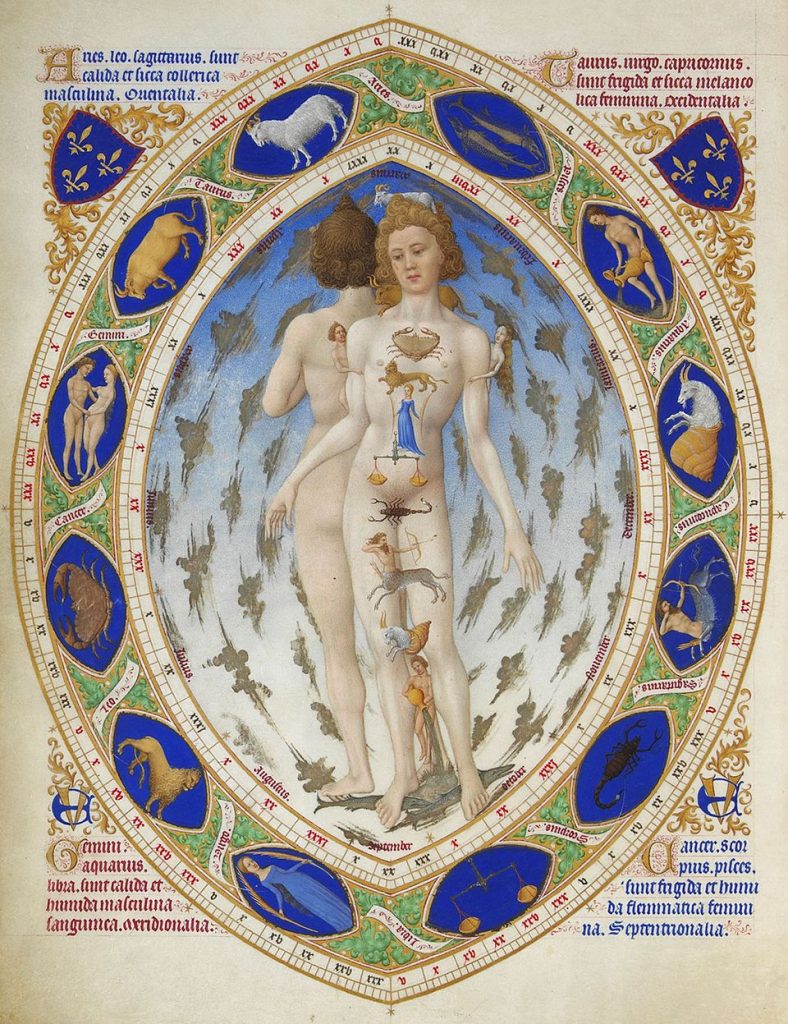
By the early 15th century, the Très Riches Heures du Duc de Berry (1412–1416) marked a high point in the Gothic manuscript tradition. Created by the Limbourg brothers—Pol, Herman, and Jean—for Jean, Duke of Berry, this book of hours featured calendar pages with lush outdoor scenes that realistically captured sunlight, shadow, and atmosphere. This was a significant shift from symbolic light to observable, earthly light. The brothers’ mastery of illumination gave the impression that the scenes themselves were glowing from within.
Through these case studies, we see the transformation of light from an otherworldly presence to a more naturalistic, earthly element. Yet in all three manuscripts—the Book of Kells, the Bury Bible, and the Très Riches Heures—light remains central. Whether representing divine order, theological depth, or daily life, light anchors the spiritual and artistic dimensions of the page. These masterpieces did not just reflect their age—they illuminated it.
Light and Learning – Manuscripts in Monastic Life
Monasticism was the backbone of manuscript production and theological scholarship throughout the medieval period. Monks lived by the Rule of St. Benedict, which emphasized labor, prayer, and study. Copying and illuminating manuscripts was seen not only as work but as a form of devotion and education. Scriptoriums became centers of intellectual and spiritual life, where the glow of candles mirrored the glow of learning.
The metaphor of light was often used to describe knowledge. To be illuminated was to understand Scripture, to receive wisdom from above. This was especially true during the Carolingian Renaissance (late 8th to 9th century), where Alcuin of York (AD 735–804), a scholar in the court of Charlemagne, emphasized the spread of literacy and learning. Alcuin helped establish scriptoria and standardized script, ensuring that the Word of God could be widely and accurately disseminated.
Knowledge, Literacy, and Illumination
Illuminated manuscripts often included marginalia, glosses, and diagrams designed to clarify the text for monks and students. This use of visual light—bright colors and symbolic design—mirrored the process of intellectual illumination. Light thus became both a literal and metaphorical guide in the pursuit of knowledge. The integration of images and words was not merely artistic but pedagogical.
Books like the Carolingian Gospels used gold ink on purple-dyed vellum to echo the regal majesty of divine wisdom. These were not casual reading materials—they were tools for worship, study, and reflection. The act of reading itself became sacred, a journey from darkness to light. For centuries, the monastic worldview held fast to the conviction that through reading illuminated texts, the soul could be guided toward truth and salvation.
Women, Light, and Illumination
Though often overlooked, women played a meaningful role in the production and commissioning of illuminated manuscripts. In convents across Europe, especially in Germany and northern France, nuns engaged in copying texts and sometimes illuminating them. These women viewed light not only as a technical element but as a symbol of spiritual encounter and divine presence. Their contributions added a vital layer to the history of manuscript illumination.
One of the most remarkable female figures in this tradition is Hildegard of Bingen (AD 1098–1179), a German abbess, mystic, composer, and visionary. Hildegard described her visions as being “bathed in the living light,” and she interpreted divine light as both healing and instructional. Her principal work, Scivias, included illustrated visions that incorporated symbolic rays and halos, designed under her direction. Though the illuminations were executed by others, the theological imagery was distinctly hers.
Hildegard of Bingen and the Visions of Divine Light
Hildegard’s use of light in her visions was unprecedented. In one image, divine light flows from heaven into the heart of the Church, represented as a woman. This visual theology emphasized light as a direct channel between God and the believer. Her concept of light transcended gender and hierarchy, suggesting a more personal, inner illumination that could be achieved through faith.
Another significant figure was Herrad of Landsberg (d. 1195), abbess of Hohenbourg Abbey, who compiled and supervised the creation of the Hortus Deliciarum—a 12th-century encyclopedia aimed at educating young nuns. This manuscript used vibrant light imagery to explain theological concepts visually. The women who created and studied these works participated in a broader Christian tradition that viewed light as the visible thread between knowledge and divinity.
The Decline of Manuscript Illumination and the Legacy of Light
By the late 15th century, the medieval world was undergoing dramatic changes. The invention of the printing press by Johannes Gutenberg around AD 1440 marked a turning point in the production of books. Illuminated manuscripts, once the pinnacle of spiritual and artistic achievement, began to fade in popularity due to the speed and affordability of printed materials. The sacred light of gold and pigment gave way to the stark contrast of black ink on white paper.
Yet the visual language of illumination did not disappear overnight. Early printed books, especially incunabula (books printed before 1501), often included space for hand-painted initials and marginalia. Some even mimicked the appearance of illuminated manuscripts. The tradition of using light as a symbol of divine truth continued, especially in religious texts and illustrations. Printers and woodcut artists sought to retain some of the medieval page’s spiritual depth.
From Gold Leaf to Print Ink – A Changing Era
Illumination was gradually replaced by other forms of religious and artistic expression. The use of stained glass, altar paintings, and printed devotional books carried forward the symbolism of divine light. In some cases, old illuminated manuscripts were cut up and reused in bindings or sold to collectors, their original function forgotten. But their legacy endured in the broader visual culture of Christendom.
Today, illuminated manuscripts are studied not only for their artistic merit but for what they reveal about a civilization rooted in order, truth, and divine hierarchy. Museums, universities, and churches hold these treasures as windows into a time when faith and art were inseparable. Light, once applied by brush and gold, still shines from their pages as a testament to human devotion and divine beauty.
Key Takeaways
- Light in medieval manuscripts symbolized divine truth, theological knowledge, and spiritual enlightenment.
- Artists used gold leaf and rare pigments to physically represent heavenly light on vellum pages.
- Theologians like Augustine and Pseudo-Dionysius influenced how light was understood and depicted.
- Women like Hildegard of Bingen and Herrad of Landsberg brought visionary uses of light to manuscript art.
- The tradition of illumination left a lasting legacy in printed religious works and Christian visual culture.
Frequently Asked Questions
- What is manuscript illumination?
Manuscript illumination is the art of decorating handwritten texts with gold, silver, and bright pigments to enhance their spiritual and visual impact. - Why was light so important in medieval manuscripts?
Light represented divine presence, truth, and knowledge—key themes in Christian theology and medieval thought. - Who were some notable figures involved in illumination?
Artists like Master Hugo, theologians like Augustine, and visionaries like Hildegard of Bingen played pivotal roles in this tradition. - Did women contribute to illuminated manuscripts?
Yes, nuns and abbesses participated in creating and commissioning illuminated works, particularly in German convents. - What happened to illuminated manuscripts after printing was invented?
They declined in use but inspired early printed books, maintaining the tradition of spiritual and artistic symbolism.