The Chupacabra in Art: Folklore and Fear
The chupacabra legend emerged explosively in Puerto Rico in March 1995, when local woman Madelyne Tolentino claimed to witness a creature that looked “like a gray alien with spikes.” Her detailed description…
Our growing archive of info about art, design, and culture.

The chupacabra legend emerged explosively in Puerto Rico in March 1995, when local woman Madelyne Tolentino claimed to witness a creature that looked “like a gray alien with spikes.” Her detailed description…

In the late 19th century, the rugged coastline of Vancouver Island offered more than just natural beauty—it held rich limestone deposits ideal for cement production. Robert Pim Butchart, a Canadian industrialist born…

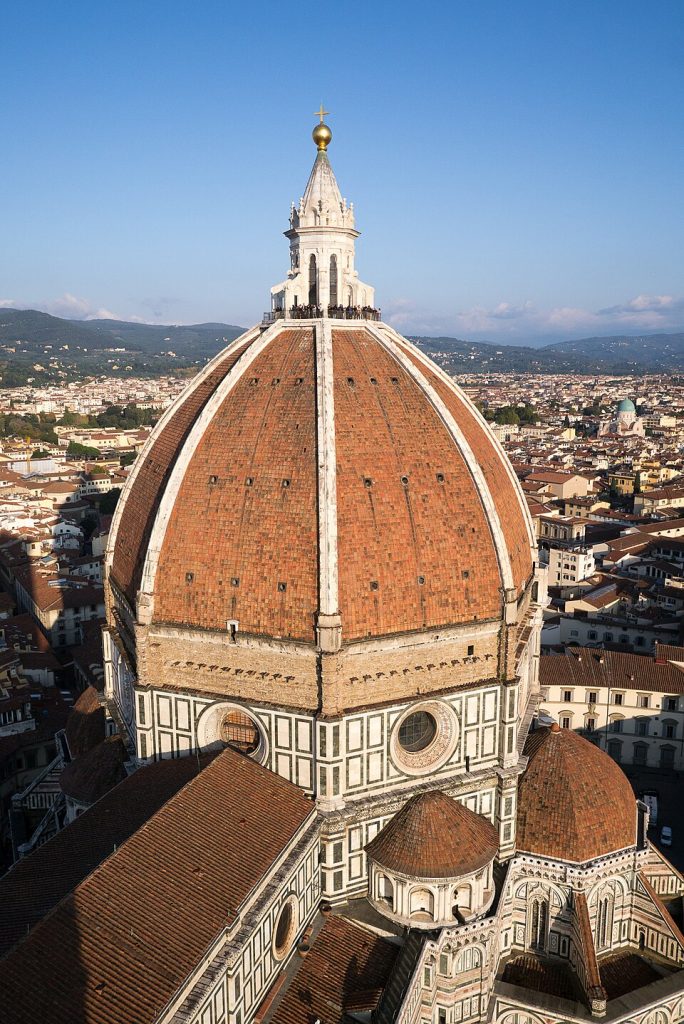
Palazzo Vecchio, one of the most commanding structures in Florence, began construction in 1299 as the Palazzo della Signoria, named after the Signoria, the governing body of the Florentine Republic. The design…

There is no single Vatican Museum. This is the first and most important truth—one that eludes many of the five million visitors who funnel each year through its marble gates and security…

The first art of Oregon was inseparable from life itself—woven into cedar bark, carved into river cliffs, and traded along forest trails that predated written history by thousands of years. Long before…

In the shifting world of the Belle Époque and early 20th-century Europe, where new artistic movements flourished and old traditions were challenged, a select few women stood not on stage or canvas,…

Gunnar Fredrik Berndtson (1854–1895) was one of the most technically gifted painters to emerge from Finland in the 19th century, yet his name is often missing from popular surveys of Nordic art.…

In 1848, during a period of unusual drought, a limestone statue was pulled from the shallow waters of the Zbruch River near the village of Lychkivtsi, in what is now western Ukraine.…

The Late Gothic period in Germany, spanning roughly from 1450 to 1530, marked a time of profound creativity, technical innovation, and spiritual intensity in the arts—particularly in woodcarving. During this time, woodcarvers…

During the 17th century, the Dutch Republic flourished economically, culturally, and scientifically. Amid this prosperity, a distinct style of painting emerged — Dutch still life — which focused on objects carefully arranged…

In the heat of the French Revolution, few figures were more artistically and politically intertwined than Jacques-Louis David. Born in Paris in 1748, David became France’s leading Neoclassical painter. His early works,…

The use of dolls as magical instruments traces back to the ancient civilizations of the Mediterranean. In Greece and Rome, small human-shaped figures made of wax, clay, or lead were commonly used…