Käthe Kollwitz, born on July 8, 1867, in Königsberg, Prussia, is remembered as one of the most influential German artists of the early 20th century. Known for her profound, empathetic works focusing on human suffering, Käthe created masterpieces that resonated with social issues and personal loss. Alongside her success as an artist stood her husband, Karl Kollwitz, a dedicated doctor who provided unwavering support throughout their marriage. Their love story is a testament to the power of partnership, mutual respect, and resilience in the face of adversity.
The couple’s relationship spanned decades, beginning in the 1880s, and continued until Karl’s death in 1940. They lived through times of great societal upheaval, including World War I and World War II, and yet their love for each other remained steadfast. Käthe often credited Karl’s constant encouragement and belief in her art as essential to her creative pursuits. In this article, we will explore how their relationship developed, how they supported each other during difficult times, and how their love story continues to inspire generations today.
Their marriage was marked by shared struggles and victories, mutual support, and an unbreakable bond that fueled both their individual successes and collective resilience. By delving into their experiences, we can better understand the significance of their relationship, not just in the context of their lives but as an example of love’s enduring power. Their story remains one of the most compelling in the world of art, a reminder of how a supportive partner can change the course of history.
Through this exploration, we will see how love and support formed the cornerstone of Käthe and Karl’s life together. The challenges they faced and overcame highlight the depth of their devotion. Their love was not just a romantic tale but an enduring partnership built on respect, trust, and shared purpose. Join us on this journey into the lives of Käthe and Karl Kollwitz—a love story for the ages.
How Käthe and Karl First Met
Käthe Schmidt was born in Königsberg to a liberal and progressive family that nurtured her artistic ambitions from an early age. Her father, Karl Schmidt, recognized her talent and encouraged her to pursue art, leading her to study at the Women’s Art School in Berlin. During this time, Käthe developed a passion for drawing and printmaking, which would become the hallmarks of her artistic career. She had a natural ability to capture raw human emotion, a skill that would define her life’s work.
Karl Kollwitz was born in 1863 and pursued a career in medicine, driven by a strong sense of social responsibility. He specialized in treating the working-class population, dedicating his life to helping those in need. Karl’s compassionate nature and desire to make a difference in the world mirrored Käthe’s own sense of empathy, creating a strong foundation for their future relationship. He was known for his gentle spirit and commitment to his patients, qualities that drew Käthe to him.
The couple met in the late 1880s when Käthe was still a young art student, and Karl was completing his medical training. Their initial interactions were marked by a shared appreciation for social causes, a passion for helping the less fortunate, and a deep intellectual connection. It was clear from the start that they understood each other in a profound way, which would become the bedrock of their relationship. Their mutual respect and admiration grew quickly, setting the stage for a lifelong partnership.
Käthe was inspired by Karl’s dedication to his work and his unwavering compassion for others. In turn, Karl was captivated by Käthe’s artistic talent and her commitment to shedding light on the plight of the working class. This connection, based on shared values and a desire to make a difference in the world, laid the groundwork for a relationship built on mutual support and love. They recognized each other’s strengths and believed in each other’s dreams, forming a bond that would last a lifetime.
Their Marriage and Family Life
In 1891, Käthe and Karl married, marking the beginning of a lifelong partnership that would be defined by love, support, and shared purpose. They settled in Berlin, where Karl established a medical practice serving the working-class community. Käthe continued to pursue her art while supporting Karl in his career, and together, they built a home centered on compassion and creativity. Their shared commitment to social justice and helping others became a defining aspect of their married life.
The couple had two children: Hans, born in 1892, and Peter, born in 1896. Family life was of paramount importance to Käthe and Karl, and they took great pride in raising their sons in an environment that valued empathy, creativity, and a sense of social responsibility. Despite the demands of their respective careers, they prioritized spending time together as a family and fostering a nurturing, supportive home. This focus on family was a source of strength during difficult times.
Käthe’s studio was located within their home, allowing her to balance her artistic pursuits with her responsibilities as a mother. Karl played a vital role in creating an environment where Käthe could thrive creatively, often taking on additional responsibilities to ensure she had the time and space needed to work. This partnership allowed Käthe to create some of her most significant works, including her powerful print cycles that explored themes of grief, loss, and the human condition.
Throughout their marriage, Käthe and Karl faced numerous challenges, but their unwavering support for each other was a constant. They were each other’s confidants and greatest champions, providing encouragement during times of self-doubt and celebrating each other’s successes. Their marriage was a true partnership, defined by mutual respect, shared values, and a deep and abiding love that sustained them through life’s many trials.
Käthe’s Artistic Career and Karl’s Support
Käthe Kollwitz’s artistic career was marked by groundbreaking achievements that cemented her legacy as one of the most important artists of her time. She became known for her powerful depictions of human suffering and her commitment to social realism. Her work often focused on the struggles of working-class families, the horrors of war, and the profound impact of grief and loss. Throughout her career, Karl provided unwavering support, recognizing the importance of Käthe’s art in giving voice to the voiceless.
Karl’s belief in Käthe’s talent was instrumental in her success as an artist. He understood the significance of her work and the impact it could have on society, and he did everything he could to encourage her creative pursuits. Karl often provided her with the financial stability needed to continue her work, and he created a home environment where Käthe could focus on her art. His support was a driving force behind many of her most iconic pieces, including her powerful series The Weavers (1893-1897) and The Peasant War (1902-1908).
Käthe’s artistic career was not without its challenges, including criticism from those who felt her work was too political or emotionally raw. Throughout these struggles, Karl remained her steadfast supporter, offering encouragement and reassurance. He understood that Käthe’s art was a reflection of her deep empathy for the suffering of others and her desire to create meaningful change in the world. His unwavering belief in her talent gave Käthe the strength to continue her work, even in the face of adversity.
The collaboration between Käthe and Karl extended beyond their personal relationship; it was a partnership built on a shared commitment to social justice and a desire to make a difference in the world. Karl’s support allowed Käthe to create art that would resonate across generations, touching the hearts and minds of those who viewed her work. Their love and partnership served as the foundation for Käthe’s artistic achievements, making Karl an integral part of her legacy.
Shared Challenges and Losses
One of the most significant challenges Käthe and Karl faced was the impact of World War I on their family. The war brought immense suffering and hardship, and the Kollwitz family was not spared from its devastating effects. In 1914, their youngest son, Peter, enlisted in the German army. Tragically, he was killed in battle shortly after joining, an event that shattered Käthe and Karl’s hearts. Peter’s death marked a turning point in their lives, as they struggled to come to terms with the profound loss of their beloved son.
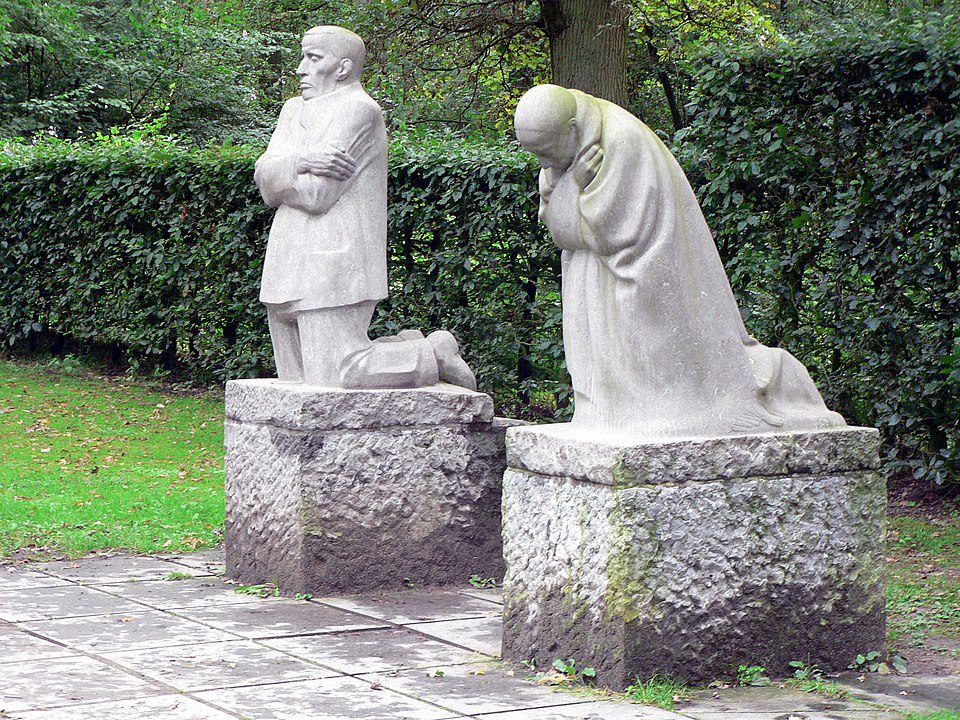
The grief that Käthe and Karl experienced in the wake of Peter’s death was immense and all-consuming. Käthe channeled her sorrow into her art, creating a series of works that explored the theme of mourning and loss. Her famous piece, The Grieving Parents, was inspired by her own grief and serves as a tribute to Peter’s memory. Karl provided emotional support during this time, helping Käthe process her pain and find a way to continue her work despite the darkness that had enveloped their lives.
The loss of their son was not the only challenge they faced during this period. The war’s impact on society and the suffering it caused weighed heavily on both Käthe and Karl. Käthe’s art became increasingly focused on themes of anti-war sentiment and the need for peace, while Karl continued his work as a doctor, providing care and comfort to those in need. Despite the challenges they faced, their love for each other remained a source of strength and resilience.
Through shared adversity, Käthe and Karl’s bond grew even stronger. They found solace in each other’s presence, drawing strength from their mutual support and understanding. Karl’s unwavering belief in Käthe’s artistic mission and Käthe’s appreciation for Karl’s compassionate nature helped them navigate the difficulties of their lives. Their love and resilience in the face of tragedy and hardship serve as a powerful testament to the strength of their partnership.
The Power of Mutual Respect and Love
One of the defining characteristics of Käthe and Karl’s relationship was their deep mutual respect and admiration. They recognized each other’s talents and contributions, and this respect formed the foundation of their partnership. Käthe often spoke of Karl’s unwavering support for her art, emphasizing that his belief in her work gave her the confidence to pursue her creative vision. In turn, Karl admired Käthe’s empathy, passion, and commitment to making a difference in the world through her art.
Their love was not limited to words but expressed through actions that demonstrated their commitment to one another. Karl’s support for Käthe’s artistic career was more than just encouragement—it was an active partnership. He took on additional responsibilities at home, provided financial support, and created an environment where Käthe could focus on her art without distraction. This tangible support was a testament to the depth of his love and belief in her work.
Käthe and Karl’s relationship was characterized by a profound sense of partnership and shared purpose. They worked together to achieve their goals, whether it was Käthe’s desire to create art that spoke to the human experience or Karl’s mission to provide compassionate care to those in need. This sense of shared purpose strengthened their bond and allowed them to face life’s challenges together. Their love was rooted in a deep understanding of each other’s dreams and a commitment to helping each other succeed.
Their love story is a powerful example of how mutual respect and support can fuel personal growth and resilience. Käthe and Karl’s partnership was not without its challenges, but their unwavering belief in each other allowed them to overcome obstacles and achieve great things. Their relationship was a source of strength, inspiration, and creative energy, proving that love built on respect and support can withstand even the most difficult trials.
Legacy of Their Love and Partnership
The legacy of Käthe and Karl Kollwitz’s love and partnership is one that continues to inspire generations. Käthe’s art has endured as a powerful testament to the human experience, and her work remains a vital part of art history. Karl’s support and encouragement played a crucial role in her success, making their partnership an essential element of her artistic legacy. Together, they created a life that was defined by compassion, empathy, and a commitment to making a difference in the world.
Their love story has been celebrated as an example of the power of partnership and mutual support. Käthe’s work, which often focused on themes of loss and suffering, was deeply influenced by her experiences with Karl and their shared challenges. The strength of their bond is evident in the emotional depth of her art, which continues to resonate with audiences today. Their partnership is remembered as a shining example of how love can inspire creativity and resilience.
Käthe and Karl’s influence extended beyond their own lives, shaping the lives of those around them and inspiring others to pursue their passions. Their commitment to social justice, empathy, and compassion remains a guiding principle for many who seek to make a positive impact on the world. Their legacy is one of love, resilience, and a belief in the power of art to create change.
The impact of their love and partnership can be seen in the lasting influence of Käthe’s art and the continued admiration for their story. Their relationship serves as a reminder that true love is built on mutual support, respect, and a shared vision for the future. Käthe and Karl’s love story is not just a tale of romance but a powerful example of how two people, united by a common purpose, can create a legacy that endures long after they are gone.
Lessons from the Kollwitzes’ Supportive Marriage
The love story of Käthe and Karl Kollwitz offers valuable lessons about the importance of partnership, mutual support, and resilience in the face of adversity. One of the key lessons we can learn from their relationship is the power of believing in each other’s dreams. Karl’s unwavering support for Käthe’s artistic pursuits was essential to her success, demonstrating that a supportive partner can play a crucial role in helping someone achieve their goals.
Another important lesson is the value of creating a home environment that fosters creativity and growth. Karl’s willingness to take on additional responsibilities and create space for Käthe’s art allowed her to focus on her work without distraction. This act of love and support highlights the importance of creating an environment where both partners can thrive. It is a reminder that true partnership involves sharing responsibilities and supporting each other’s ambitions.
The Kollwitzes’ story also emphasizes the importance of resilience in the face of loss and hardship. Despite the challenges they faced, including the devastating loss of their son, Käthe and Karl’s love remained a source of strength. They found comfort and solace in each other, using their shared experiences to fuel their commitment to creating positive change in the world. This resilience is a powerful reminder of the strength that can be found in a supportive partnership.
Finally, their story underscores the importance of mutual respect and shared purpose. Käthe and Karl’s relationship was built on a foundation of respect, empathy, and a desire to make a difference in the world. Their love was rooted in a shared vision and a commitment to helping others. This sense of purpose strengthened their bond and allowed them to face life’s challenges together, proving that love built on mutual respect and support can withstand even the most difficult trials.
Key Takeaways
- Käthe and Karl Kollwitz’s love story is a powerful example of a supportive partnership.
- Karl’s unwavering support played a crucial role in Käthe’s artistic success.
- The couple faced significant challenges, including the loss of their son Peter.
- Their bond was defined by mutual respect, love, and a shared purpose.
- Their legacy continues to inspire others to pursue their passions and make a difference.
FAQs
1. Who were Käthe and Karl Kollwitz?
Käthe Kollwitz was a renowned German artist known for her powerful depictions of human suffering. Karl Kollwitz was a doctor who supported her artistic career.
2. How did Käthe and Karl Kollwitz meet?
They met in the late 1880s when Käthe was an art student, and Karl was completing his medical training. They shared a passion for social justice.
3. How did the death of their son impact their relationship?
The death of their son Peter during World War I was a profound loss, but it strengthened their bond and influenced Käthe’s art.
4. What role did Karl play in Käthe’s artistic career?
Karl provided unwavering support, creating a home environment where Käthe could focus on her art. He believed in her talent and encouraged her work.
5. What is the legacy of Käthe and Karl Kollwitz’s relationship?
Their love story is remembered as a powerful example of mutual support, resilience, and the importance of partnership in achieving creative and personal success.