Diego Velázquez, one of Spain’s most celebrated painters, remains a symbol of artistic genius from the Golden Age of Spanish art. His mastery of realism, light, and texture catapulted him into fame, earning him a place as the royal painter for King Philip IV. Yet, behind this extraordinary man was an equally extraordinary woman, Juana Pacheco, his wife and constant companion. Often overshadowed by her husband’s immense talent, Juana was not only a devoted partner but also the daughter of Francisco Pacheco, Velázquez’s teacher and mentor.
The love story of Velázquez and Juana is one of partnership, resilience, and shared dedication to a life of art and family. Juana grew up immersed in an artistic household, while Diego honed his craft under her father’s guidance. Their union was not merely a personal decision but also a professional alliance, one that symbolized a merging of artistic traditions. Through their life together, Juana supported Diego’s ambitions, standing beside him as he navigated the demanding world of the Spanish court.
Set against the rich cultural tapestry of 17th-century Spain, their story is more than a tale of romance; it is an exploration of how love can inspire greatness. Diego Velázquez’s artistic achievements may not have been possible without Juana’s steadfast support and understanding. This article delves into their shared journey, offering a glimpse into a love that flourished amidst the pressures of ambition and the demands of art.
As we examine the life and love of Diego Velázquez and Juana Pacheco, it becomes clear that their bond was foundational to Velázquez’s success. Together, they embody the balance between personal devotion and professional achievement, a dynamic that continues to inspire audiences centuries later. Their legacy, woven into the fabric of Spanish art history, reminds us of the enduring power of partnership.
Early Lives: Paths that Would Cross
Diego Velázquez was born in Seville in 1599, into a modest family with noble aspirations. From an early age, he displayed an exceptional talent for drawing, which led him to study under Francisco Pacheco, a respected artist, and theorist. Pacheco’s workshop became a hub for artistic exploration, offering young Diego not only technical training but exposure to intellectual discussions about art and its role in society. It was here that Diego first encountered Juana, the daughter of his mentor, who would later become his wife.
Juana Pacheco grew up surrounded by creativity and culture, a lifestyle that shaped her perspective on art and life. As Francisco Pacheco’s daughter, she witnessed the intersection of artistry and intellect in her home, a place frequented by poets, scholars, and painters. Her upbringing instilled in her a deep appreciation for art and a keen understanding of the challenges faced by artists. While Juana’s own creative contributions remain largely undocumented, her role as a muse and partner was undoubtedly shaped by her immersion in this artistic environment.
The mentorship between Francisco Pacheco and Diego Velázquez was pivotal not only for Diego’s career but also for his personal life. Under Pacheco’s guidance, Velázquez mastered the techniques and principles that would define his work, including his renowned use of chiaroscuro and realism. At the same time, a bond grew between Diego and Juana, fostered by their shared experiences and mutual admiration for art.
Their paths, initially intertwined through professional circumstances, soon became inseparable through a budding romance. In a time when marriages often served practical purposes, the union of Diego and Juana appears to have been rooted in genuine affection and shared goals. Their early lives, shaped by a shared passion for art, laid the foundation for a relationship that would endure decades of triumphs and challenges.
Love Blossoms: Marriage and Family Life
In 1618, Diego Velázquez and Juana Pacheco were married, cementing a partnership that would prove vital to both their lives. Their wedding marked the joining of two families deeply entrenched in the artistic traditions of Seville. While Velázquez’s burgeoning career as a painter took precedence, Juana remained his anchor, ensuring that their home life was stable amidst the demands of his ambitions. Together, they built a family, welcoming two daughters, Francisca and Ignacia, who became integral parts of their shared legacy.
Their marriage was a testament to resilience, especially given the societal expectations placed upon women in 17th-century Spain. Juana’s role as a wife was multifaceted, balancing domestic responsibilities with the pressures of supporting her husband’s career. Historical records suggest that she managed the household while Velázquez pursued his artistic endeavors, often traveling for commissions. Despite these challenges, their bond remained strong, rooted in mutual respect and shared dedication.
Juana’s unwavering support allowed Velázquez to focus on his craft, even during periods of great stress and uncertainty. She provided the emotional stability he needed to excel in the competitive world of court painting. Their relationship was a partnership in the truest sense, with Juana’s sacrifices enabling Velázquez to achieve greatness. Her quiet strength was the bedrock of their family, a role that often goes unrecognized in historical narratives.
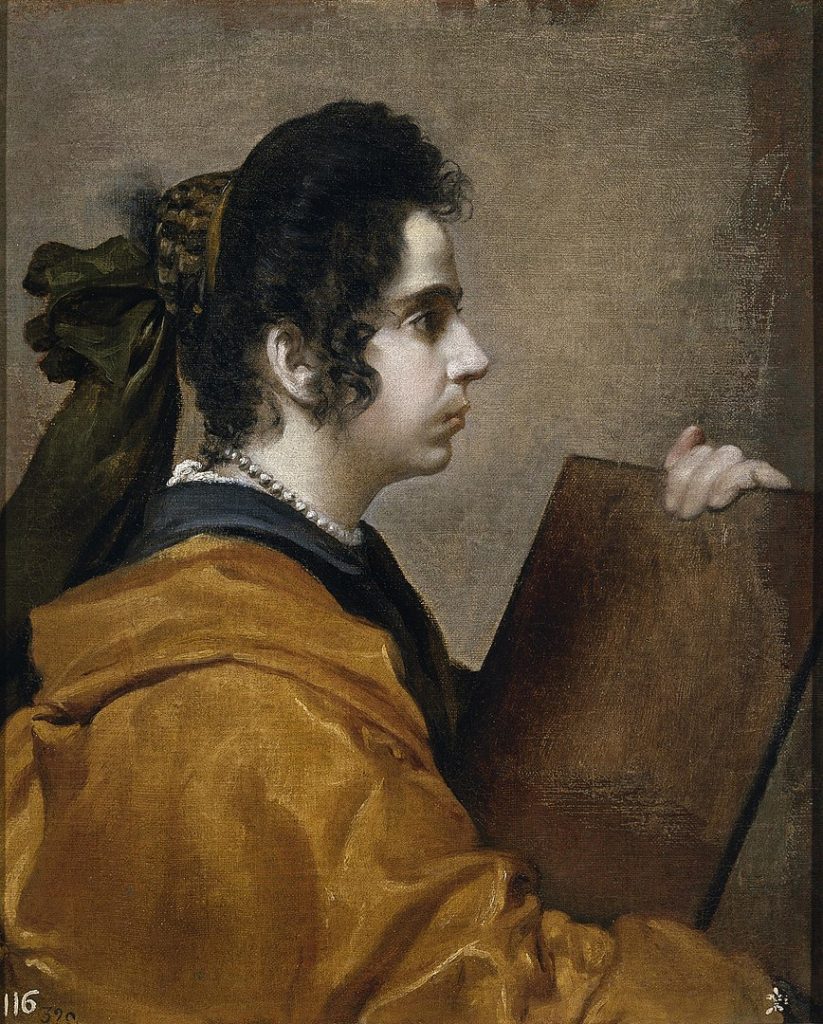
The Velázquez-Pacheco family dynamic also played a role in Diego’s art. While few direct references to Juana exist in his work, her presence was undoubtedly felt in the warmth and humanity that characterize many of his paintings. As Diego’s career flourished, their marriage endured, standing as a testament to the enduring power of love and partnership in the face of life’s challenges.
The Role of Juana in Velázquez’s Career
Juana Pacheco was not only Velázquez’s wife but also his most steadfast supporter throughout his career. While historical accounts rarely highlight her contributions, her role as a stabilizing force in his life cannot be overstated. Her understanding of the artistic world, shaped by her upbringing in Francisco Pacheco’s household, allowed her to provide insightful support to her husband. Juana’s encouragement and resilience created an environment where Velázquez could thrive, even during the most demanding periods of his career.
Though she may not have held a brush, Juana’s influence on Velázquez’s work was profound. She offered emotional and logistical support, managing the household and shielding him from distractions so he could focus on his art. Some historians speculate that her presence may have inspired the tenderness and humanity evident in his portraits, particularly those depicting women and children. While these connections remain speculative, Juana’s contributions to her husband’s success are undeniable.
In addition to her behind-the-scenes support, Juana played a significant role in Velázquez’s integration into the upper echelons of society. As Francisco Pacheco’s daughter, she brought connections and prestige that helped pave the way for Diego’s appointment as court painter. Her social grace and understanding of courtly etiquette likely aided Velázquez in navigating the complex world of royal commissions. Without her influence, his ascent in the Spanish art world may have been far more challenging.
Juana’s legacy as a partner and supporter underscores the importance of collaboration in creative success. While history often elevates individual genius, it is clear that Velázquez’s achievements were in part a result of their shared journey. Juana’s quiet but vital role in his career highlights the often-overlooked contributions of those who stand beside great figures, ensuring their success through love and dedication.
Velázquez’s Rise to Fame: The Madrid Years
Velázquez’s career reached new heights when he became the court painter for King Philip IV in Madrid. This prestigious position, secured with the help of Francisco Pacheco’s connections, catapulted him into the center of Spanish artistic and political life. The move to Madrid marked a turning point not only in Velázquez’s career but also in his marriage to Juana, as they adjusted to the demands of court life. Despite the pressures, their bond remained strong, anchored by Juana’s unwavering support.
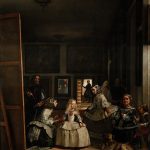
During his time at court, Velázquez produced some of his most iconic works, including portraits of the royal family and members of the Spanish nobility. These commissions required immense skill and attention to detail, leaving little time for his personal life. Juana, however, ensured that their family life remained stable, managing their household and providing a sanctuary for Velázquez amid his busy schedule. Her ability to balance these responsibilities reflects her strength and dedication as a partner.
The Pacheco family’s influence extended into Velázquez’s life in Madrid, where Francisco Pacheco’s reputation bolstered Diego’s standing among the artistic elite. Juana’s role in maintaining these connections cannot be underestimated, as her social skills and understanding of courtly customs complemented Diego’s artistic talents. Together, they navigated the challenges of life at court, creating a legacy that endures to this day.
Despite the demands of his position, Velázquez remained deeply devoted to Juana and their family. Letters and accounts from the period suggest a strong bond between the two, even as his career consumed much of his time. The Madrid years, while challenging, showcased the resilience of their partnership and the depth of their love.
Their Legacy: Love, Art, and History
The marriage of Diego Velázquez and Juana Pacheco stands as a testament to enduring love and partnership. Together, they built a life centered on art, family, and mutual support, creating a legacy that extends beyond Diego’s masterpieces. Juana’s quiet presence in his life ensured that he could pursue his passion without distraction, making her an integral part of his success. Their love story continues to inspire, offering a glimpse into the human side of one of history’s greatest artists.
While Velázquez’s name is celebrated in art history, Juana’s contributions often go unrecognized. Yet her influence is evident in the stability she provided and the opportunities she helped create for her husband. Their marriage reflects the importance of collaboration and support, particularly in a world as demanding as the Spanish court. Juana’s role as both wife and daughter of a mentor adds depth to her story, highlighting her unique position in Velázquez’s life.
The Pacheco and Velázquez families’ combined legacy left an indelible mark on Spanish art. Their shared dedication to artistic excellence fostered an environment where creativity could flourish, shaping the trajectory of Spanish painting. Juana’s role in this legacy, though understated, underscores the power of love and partnership in achieving greatness.
In the end, Diego Velázquez and Juana Pacheco’s story reminds us of the humanity behind the art. Their marriage, built on mutual respect and shared purpose, serves as a timeless example of how love can inspire and sustain greatness. It is a legacy that endures not only in their descendants but in the masterpieces that continue to captivate audiences around the world.
Key Takeaways
- Diego Velázquez and Juana Pacheco’s love story is deeply intertwined with his artistic legacy.
- Juana played a vital but often unrecognized role in supporting Velázquez’s career.
- Their marriage combined personal affection with professional collaboration.
- The Pacheco family’s influence helped shape Velázquez’s path to success.
- Their enduring partnership reflects the timeless power of love and dedication.
FAQs
1. Who was Juana Pacheco?
Juana Pacheco was the wife of Diego Velázquez and the daughter of his mentor, Francisco Pacheco.
2. When did Velázquez and Juana get married?
They married in 1618, early in Velázquez’s career as a painter.
3. Did Juana influence Velázquez’s art?
While her direct influence is speculative, Juana’s support and stability were critical to his success.
4. How many children did they have?
They had two daughters, Francisca and Ignacia, who contributed to their family legacy.
5. What was the Pacheco family’s role in Velázquez’s life?
The Pacheco family provided artistic mentorship, connections, and support that helped Velázquez rise to prominence.