Leeds Arts University traces its roots to 1846, when it was founded as the Leeds School of Art. It was originally part of the Leeds Mechanics Institute, which itself had been established to improve the education of working-class men during the height of Britain’s Industrial Revolution. The School of Art’s early mission was clear: train skilled draftsmen and designers to serve local industries in textiles, printing, and manufacturing. At that time, artistic training wasn’t about fine art for galleries — it was focused on practical skills needed in a booming industrial economy.
The 19th century was a period of deep social and educational reform throughout the United Kingdom. As more technical schools opened in cities like Manchester, Birmingham, and Leeds, demand grew for artistic education tailored to modern commercial needs. The Leeds School of Art was ahead of the curve. It taught traditional drawing and painting but also included architectural design and pattern work for textiles — key to supporting Leeds’ booming cloth trade.
From Mechanics Institute to Modern Art School
By the 1880s, the school had outgrown its original home and was developing its own independent identity. It gradually distanced itself from the Mechanics Institute and began building a stronger reputation within the arts community. The move reflected a growing respect for visual arts as a discipline distinct from engineering or industrial design. By the turn of the 20th century, the institution had become known in its own right as a serious center of artistic instruction.
While rooted in technical skill, the school never lost sight of its creative core. Early students worked from plaster casts and studied anatomy to improve figure drawing — a time-honored academic tradition. Even in the Victorian era, students exhibited original works locally, blending classical training with a flair for expression. The legacy of these early decades laid a foundation for what would become one of the most respected independent art schools in the United Kingdom.
Leeds Arts University Through the 20th Century
The 20th century brought profound change to Leeds Arts University, starting with a series of name and structural changes. It was known for much of the century as Leeds College of Art, a title reflecting its growing stature beyond a basic art school. In the 1960s, under Principal Harry Thubron, the school embraced more experimental teaching methods. These changes mirrored shifts in British art education more broadly, where the old atelier-style models gave way to modernist thinking and interdisciplinary exploration.
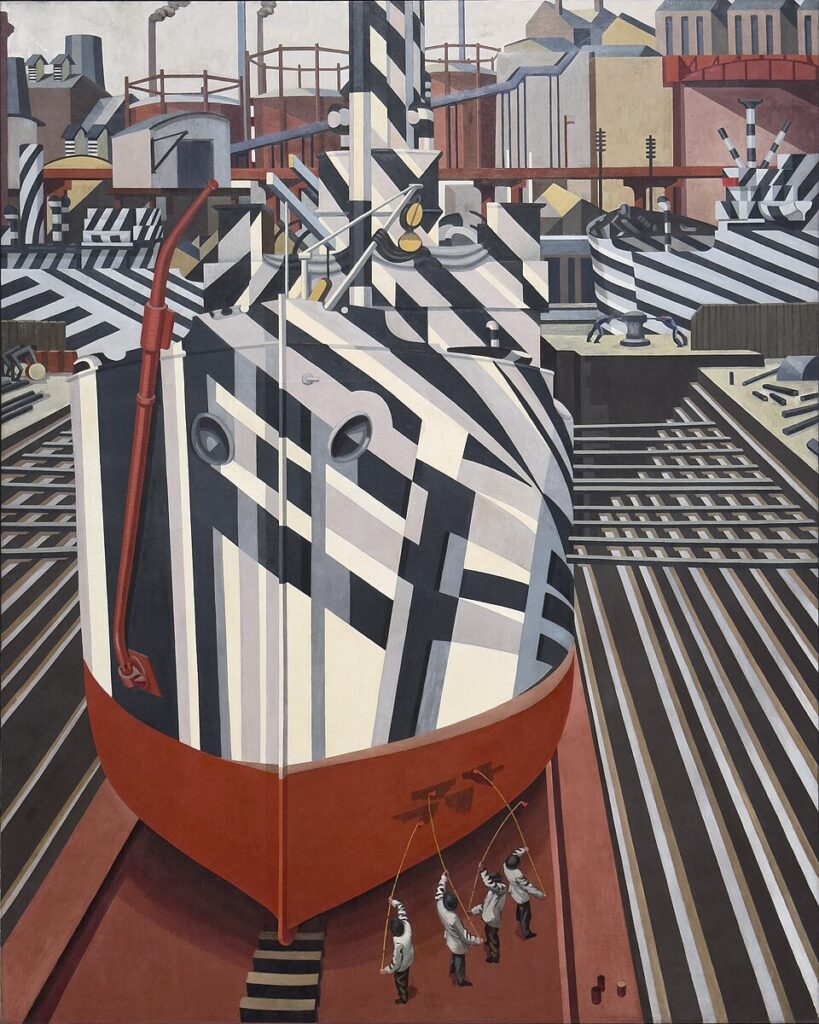
During World War II, the college experienced staffing shortages and building damage but managed to maintain operations. Art students were recruited into the war effort, with some contributing to camouflage design and graphic production for the government. In the postwar period, the school expanded its curriculum to include photography, ceramics, and graphic design. These courses reflected broader societal interest in media, advertising, and popular culture.
Growth, Rebranding, and Reinvention
In 1993, the school was incorporated into Leeds Metropolitan University, a change that some faculty and alumni viewed as diminishing its independence. However, it continued offering well-regarded art and design degrees under the broader university umbrella. This period saw a sharp rise in student enrollment, new facilities, and a wider course offering. Still, many longed for the school’s return to self-governance and its historic identity.
That desire was fulfilled in 2009, when it formally broke away and was renamed Leeds College of Art. This marked a return to autonomy, followed by a milestone in 2017, when it gained full university status and adopted the name Leeds Arts University. Today, it stands as one of the very few independent art universities in the United Kingdom. That hard-won independence reflects its strong commitment to the visual arts and its ability to adapt without losing its identity.
Degrees, Courses, and Unique Academic Offerings
Leeds Arts University offers a focused and highly specialized range of degrees designed to develop working artists and creative professionals. Its programs span undergraduate, postgraduate, and foundation diploma levels. Some of the most popular undergraduate programs include Fine Art, Fashion Design, Illustration, Graphic Design, and Animation. Postgraduate offerings allow for deeper creative research in fields like Fine Art and Curation Practices.
Courses are structured to allow for rigorous studio practice with individual mentorship and critiques — a throwback to traditional art education, but with a modern sensibility. Small class sizes help maintain a sense of community and focus. Students often receive direct feedback from instructors with deep professional backgrounds. Assessment is project-based, allowing students to build strong portfolios by graduation.
Programs That Foster Professional Artists
What distinguishes Leeds Arts University from larger institutions is its studio-based learning model, where students are immersed in hands-on work from day one. Facilities are tailored for practical application: printmaking studios, 3D fabrication labs, digital media suites, and drawing studios are available for all levels. For example, the Fashion Design course includes runway presentation experience, while Animation students work on frame-by-frame production with industry-standard software.
The university also integrates new technology, offering modules in virtual reality, augmented reality, and digital sculpture, particularly within its MA programs. Yet it still maintains a strong grounding in classical training. This balance of old and new reflects the institution’s values: skill, originality, and adaptability. Students leave not only with creative depth but with marketable, practical skills for today’s competitive art world.
Campus Life and Creative Facilities
The heart of Leeds Arts University today is its modern campus at Blenheim Walk, a short walk from the city center. This building, opened in stages between the early 2000s and late 2010s, is purpose-built for art education. Every department is housed in its own dedicated space, with studios that reflect the needs of each discipline. The facility is sleek, filled with natural light, and designed to foster both solitude for work and communal collaboration.
Students have access to industry-grade equipment, including photography darkrooms, screen-printing rooms, Mac labs, and ceramics studios. There’s a 3D workshop that allows students to work in wood, metal, and plastics. A sound editing suite serves both music production students and filmmakers. The school’s library and visual resources center houses thousands of art books, journals, zines, and digital archives — a true treasure trove for serious researchers.
A Purpose-Built Environment for Artists
The Blenheim Walk Gallery is one of the central features of the campus, offering rotating exhibitions of student, faculty, and guest work. These shows are open to the public and draw attention from local galleries and media outlets. The school also hosts visiting lectures, often bringing in working artists, alumni, and critics to speak directly to students. These experiences deepen the university’s link to the broader art world.
Life in Leeds is part of the draw. The city is a cultural hub in West Yorkshire, known for its music scene, museums, and independent arts spaces. Students often collaborate with local organizations like East Street Arts or show their work in fringe festivals. It’s not just about campus — the creative life of the city becomes an extension of the classroom, giving students real-world experience and exposure.
Notable Alumni and Their Impact
One of the strongest indicators of an art school’s success is the work of its alumni, and Leeds Arts University ranks among the most impressive in the United Kingdom. Henry Moore (born 1898, Castleford – died 1986) began his artistic training here in 1919 before continuing at the Royal College of Art. He became one of the most celebrated sculptors of the 20th century, known for monumental bronze forms. His time at Leeds shaped his early understanding of human anatomy and abstraction.
Another standout alumna is Barbara Hepworth (born 1903 in Wakefield – died 1975), who also studied at the school before moving to London. Like Moore, she became a leading figure in British modernist sculpture. Hepworth’s work is noted for its organic forms and deeply spiritual quality. Her connection to Yorkshire remained strong throughout her life, and she credited her early years at Leeds with building her foundational skills.
From Damien Hirst to Barbara Hepworth
Perhaps the most notorious modern alumnus is Damien Hirst, born in 1965 in Bristol. He attended the Foundation Art and Design course at Leeds in the early 1980s before enrolling at Goldsmiths College in London. Hirst was a central figure in the Young British Artists (YBAs) and won the Turner Prize in 1995. His provocative works involving formaldehyde animals and medical themes remain controversial, but undeniably influential.
Other notable graduates include Marcus Harvey (born 1963), known for his portrait of Myra Hindley made from children’s handprints — a piece that drew national attention and backlash when displayed in the Sensation exhibition in 1997. The presence of so many influential artists with ties to Leeds cements its place in the history of British modern art. Each of these alumni developed under the university’s unique blend of technical discipline and artistic freedom.
Leeds Arts University’s Role in the UK Art Scene
Leeds Arts University holds a unique position in the United Kingdom’s academic and cultural landscape. Unlike large, multi-discipline universities, it is a stand-alone institution dedicated entirely to the arts. This singular focus has allowed it to develop deeper ties with the professional art world and build a reputation for quality over quantity. It’s one of the few remaining independent arts universities in the country.
Its partnerships extend beyond academia. Leeds Arts University regularly collaborates with national and regional institutions, including Tate, The Hepworth Wakefield, and Leeds Art Gallery. Students benefit from work placements, gallery internships, and collaborative exhibitions. These partnerships enhance the learning experience and raise the university’s profile within the broader arts community.
A Cultural Anchor in Yorkshire and Beyond
The university’s annual degree shows attract curators, collectors, and critics from across the UK. These exhibitions are open to the public and give graduating students a major platform for launching their careers. Many find gallery representation, freelance work, or further study opportunities through these shows. The events are heavily publicized and have helped maintain the school’s relevance in an increasingly digital and dispersed art world.
Internationalization is another priority. Leeds Arts University has exchange agreements with partner schools in Europe, North America, and Asia. It attracts students from over 50 countries, offering them a supportive environment for growth. This global reach, balanced with local heritage, allows the university to maintain tradition while adapting to global trends in art and design education.
Looking Ahead — The Future of Leeds Arts University
As art and design evolve, so too does Leeds Arts University. Its strategic plans include expanding its digital curriculum to address the growing importance of AI, VR, and interactive design. The university is investing in technology that allows students to create digital environments, code-based installations, and hybrid forms of media art. It aims to stay competitive by preparing students for an increasingly digital world without sacrificing traditional craft.
A growing concern for all higher education institutions in the UK is sustainability — both environmental and financial. Leeds Arts University is responding with green building initiatives and eco-conscious course content. Several programs now include modules on sustainable materials and ethical design practices. The university’s commitment to virtue and responsibility is not just academic, but deeply cultural.
Vision, Challenges, and Global Reach
Remaining independent in an era of university consolidation is no small feat. Leeds Arts University has resisted mergers or buyouts, preserving its unique mission. This independence allows it to chart its own academic priorities without compromise. However, it also faces real challenges: rising tuition, a competitive job market, and political debates over public funding for the arts.
Despite these hurdles, the institution’s leadership remains committed to excellence and creative freedom. The university has made public statements affirming its support for academic rigor, professional preparation, and individual expression. Future developments may include expanded online programs and more international recruiting. Whatever changes come, Leeds Arts University appears poised to remain a beacon of artistic education for decades to come.
Key Takeaways
- Leeds Arts University was founded in 1846 and gained full university status in 2017.
- The school has trained iconic artists such as Henry Moore, Barbara Hepworth, and Damien Hirst.
- It offers specialized programs focused on studio practice and creative professions.
- The university has strong ties to UK galleries and maintains global partnerships.
- It faces modern challenges while preserving its independence and artistic mission.
FAQs
- Is Leeds Arts University a public university?
No, it is an independent institution dedicated solely to the arts. - Who are some famous alumni of Leeds Arts University?
Henry Moore, Barbara Hepworth, Damien Hirst, and Marcus Harvey. - Can international students attend Leeds Arts University?
Yes, it welcomes students from over 50 countries with tailored support. - What facilities does the university offer?
State-of-the-art studios, labs, 3D workshops, and gallery spaces. - Does it offer both undergraduate and postgraduate degrees?
Yes, including BA (Hons), MA, and Foundation Diplomas in various disciplines.