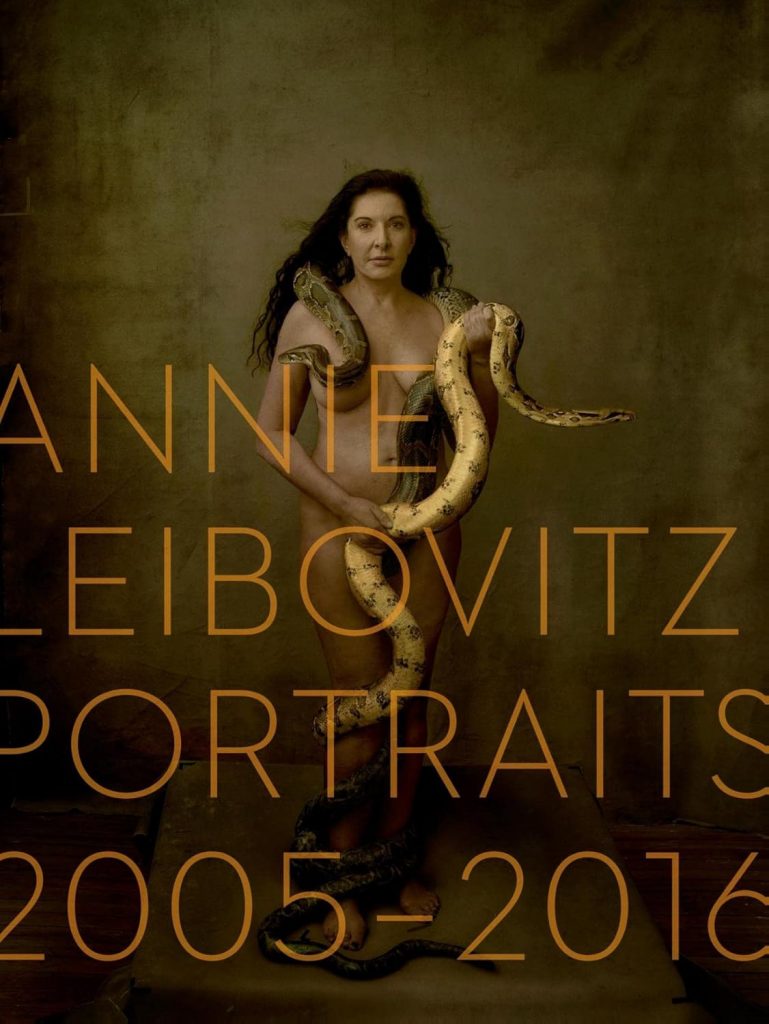
Annie Leibovitz: Portraits 2005–2016, published by Phaidon in 2017, is a monumental volume that captures more than a decade of portraiture from one of the most iconic and influential photographers of our time. As the latest in her ongoing chronicle of American culture and global celebrity, this book picks up where her 1991–2004 collection left off, presenting over 150 portraits that range from heads of state and cultural giants to unexpected and intimate studies of lesser-known figures.
Annie Leibovitz has long been celebrated for her ability to create images that are both meticulously composed and emotionally resonant. In this collection, she continues to blur the lines between portraiture, editorial photography, and conceptual art—each photo is not merely a likeness, but a statement. She turns her lens on the people who shaped the early 21st century—from Barack Obama to Queen Elizabeth II, from Elon Musk to Rihanna—and in doing so, she constructs a visual time capsule of power, creativity, and influence.
This book is both a career milestone and a masterclass in the art of photographic portraiture.
Main Themes
A core theme of the book is portraiture as narrative. Leibovitz doesn’t just photograph faces—she captures personas, moods, and carefully curated myths. Her subjects appear not as themselves, but as versions of themselves: projected, performed, and amplified through staging, costume, and light.
Another theme is the evolving face of fame and power. While earlier Leibovitz collections centered on rock stars and rebels, this one includes political leaders, entrepreneurs, activists, and digital-era icons. It reflects the changing nature of celebrity and the widening scope of cultural capital.
A third key theme is the balance between spectacle and intimacy. Many of these portraits are grand and theatrical, yet others are stripped down and quiet. The book oscillates between artifice and authenticity, reminding us that both can coexist within a single frame.
Artistic Context
Leibovitz’s career spans from Rolling Stone to Vanity Fair to Vogue, and her work helped define the aesthetic of late-20th and early-21st-century editorial photography. In this volume, she refines her signature style: dramatic lighting, sculptural composition, and an almost cinematic sense of atmosphere.
The influence of painters like John Singer Sargent and the formal traditions of classical portraiture remain present, but Leibovitz increasingly blends that with postmodern irony and theatricality. The result is a body of work that is both culturally loaded and personally expressive.
Importantly, the book also acknowledges its place within the history of portraiture—not just photography. These images carry forward the tradition of portraying power, beauty, and human complexity for posterity, yet they also subvert it by offering ambiguity and vulnerability where one might expect polish.
Style and Structure
The book is organized chronologically, allowing the viewer to trace the progression of cultural moments alongside Leibovitz’s evolving vision. Each portrait is given a full page—or often a spread—allowing space for close study. The minimal captions keep the focus on the visuals, with brief identifying text but no heavy commentary.
The book’s large format and clean design let the images breathe, while the sequencing subtly groups portraits by mood, setting, or theme. There’s no overt narrative, but a rhythm develops as you move from opulence to minimalism, from color to black and white, from icon to unknown.
Leibovitz’s technical mastery is evident throughout: soft yet controlled lighting, impeccable timing, and expressive posing make even the most composed portraits feel alive.
Key Insights and Analysis
One of the most striking insights is that portraiture is a collaborative performance. Leibovitz clearly choreographs her subjects, but the images still carry their personalities, tensions, and tells. It’s this blend of direction and spontaneity that makes her work so distinctive.
Another takeaway is that environment and wardrobe are characters in the portrait. Whether photographing Benedict Cumberbatch on a moody stage or Patti Smith against a stark backdrop, the setting becomes a co-narrator, contributing meaning and mood.
A third insight is the quiet presence of aging, mortality, and time. Many of the portraits revisit familiar figures at later stages in their lives. These aren’t just updates—they’re meditations on evolution, endurance, and identity under the spotlight.
Notable Quotes and Ideas
- Though the book has limited text, Leibovitz’s philosophy is embedded in every frame: the portrait is not about literal truth—it’s about resonance.
- Her approach paraphrased: A photograph can never show the whole person, but it can show the part that’s being presented—and that in itself is revealing.
- The recurring idea is that every portrait is a construction, and in that construction lies both fiction and truth.
These ideas underscore Leibovitz’s belief that portraiture is storytelling with a lens.
Who Should Read It?
This book is a must-have for photographers, artists, designers, art directors, and cultural historians. It’s particularly valuable for those working in editorial photography, fashion, advertising, or any field where image-making intersects with identity.
Fans of Leibovitz’s earlier work will find continuity and growth, while newer audiences can engage with a collection that doubles as a survey of 21st-century public figures.
Art educators, museum professionals, and anyone studying portraiture—photographic or otherwise—will also find it rich with visual and conceptual material for analysis.
Final Thoughts & Rating
Annie Leibovitz: Portraits 2005–2016 is a powerful visual document of an era, rendered by one of photography’s most consistent and curious eyes. It is as much about style and production as it is about human presence—offering glamour, gravitas, and nuance in equal measure.
As a collection, it showcases Leibovitz’s continued evolution and unflinching dedication to pushing the boundaries of what a portrait can be. It reminds us that every face holds a story—and every story benefits from an artist willing to look deeply.
Rating: 4.9 out of 5
(A masterfully curated portrait of a decade—timeless, theatrical, and endlessly compelling.)