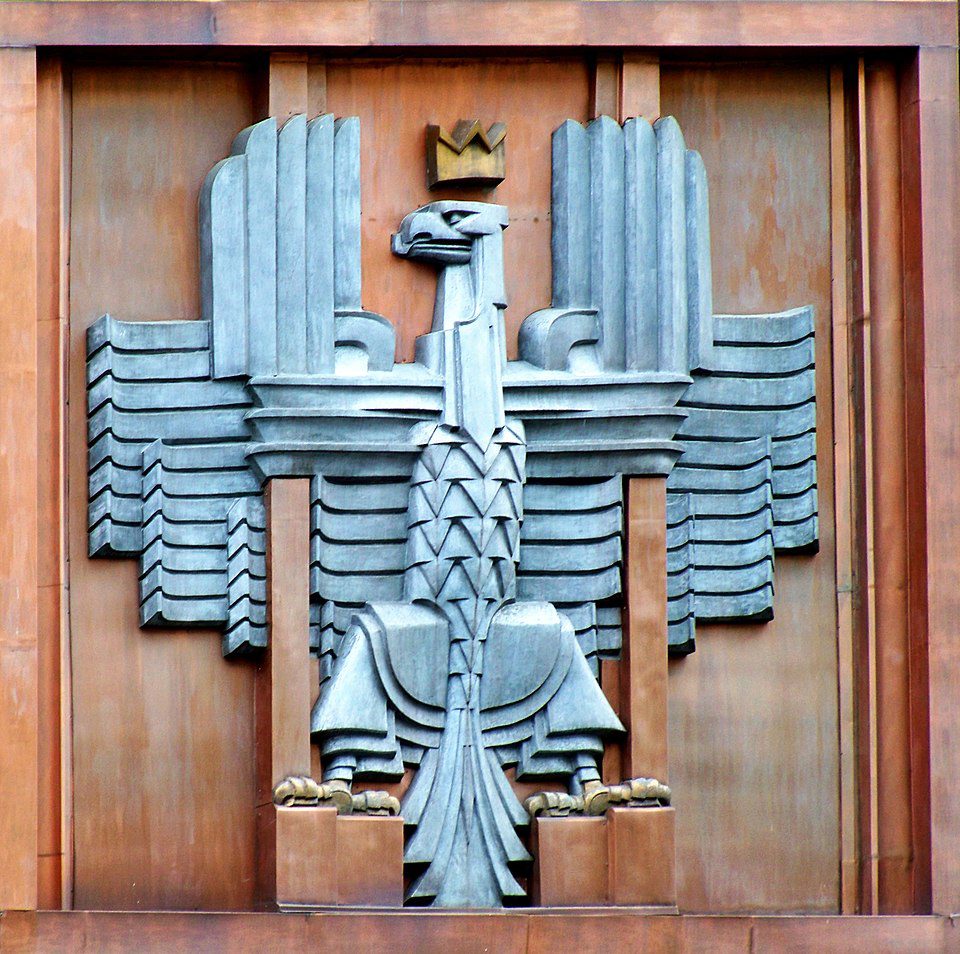
Art Deco is one of the most celebrated artistic movements of the 20th century, blending tradition with innovation. Defined by its rich colors, bold geometric forms, and lavish ornamentation, Art Deco emerged as a sophisticated response to the tumultuous years following the First World War. The term itself was derived from the 1925 Exposition Internationale des Arts Décoratifs et Industriels Modernes held in Paris, a grand event that sought to glorify modern decorative arts. This pivotal moment marked a sharp break from the fluid, organic lines of Art Nouveau, steering design toward a bolder, more confident future.
The historical roots of Art Deco lie firmly in the post-World War I climate of optimism and a thirst for progress. Societies scarred by years of conflict craved both modernity and luxury, seeking to celebrate human achievement through architecture, fashion, art, and design. In contrast to earlier romantic or naturalistic styles, Art Deco favored clean lines, symmetry, and industrial materials like chrome and steel, symbolizing mankind’s dominion over nature and circumstance. It was a style that reflected the new, bustling cities of the era, teeming with machines, jazz, and newfound freedoms.
Art Deco quickly transcended its Parisian roots, becoming a worldwide phenomenon embraced by traditionalists and modernists alike. Its reach extended from grand public spaces to everyday items, such as radios, jewelry, and automobiles, demonstrating how high art could meet industrial practicality. Despite being luxurious in spirit, Art Deco permeated the lives of the middle class, offering beauty and refinement to ordinary homes and workplaces.
Today, Art Deco remains a sacred testimony to the enduring power of beauty and order. Its blend of ancient motifs and futuristic vision continues to inspire architects, designers, and artists. Just as important, Art Deco’s disciplined sense of elegance stands as a rebuttal to the chaos of both war and the nihilistic strains that would later come to dominate much of modern art. Its legacy is a reminder that true art, grounded in virtue, craftsmanship, and clarity, can uplift society.
The Birth and Early Development of Art Deco
The seeds of Art Deco were planted during the late Belle Époque period, a time of relative peace and optimism in Europe that stretched from 1871 until 1914. Artists and designers at the turn of the 20th century began to seek new visual languages, tired of both historicist imitations and the flowing lines of Art Nouveau. Figures like Hector Guimard, born in 1867 and active until his death in 1942, bridged the gap between the ornate organic styles and the geometric regularity that would characterize Art Deco. His famous Paris Metro entrances hinted at a future more focused on structure and stylized grandeur.
The cultural atmosphere of pre-World War I Paris played a critical role in nurturing early Deco tendencies. Russian-born Léon Bakst, born in 1866, designed exotic costumes for Sergei Diaghilev’s Ballets Russes in the early 1910s, introducing bold colors and dramatic patterns that would influence furniture, textiles, and fashion. Jacques-Émile Ruhlmann, born in 1879, emerged during this period as one of the most important designers, crafting refined furniture that combined traditional craftsmanship with sleek forms. Émile-Jacques Ruhlmann (a distinct but equally important figure) also championed the union of luxury with simplicity, setting the stage for the full flowering of Art Deco.
The devastation of World War I (1914–1918) transformed Europe’s cultural consciousness, creating a widespread desire for renewal. People longed to shake off the past’s heavy weight and embrace a new aesthetic that celebrated human progress, technological advancement, and worldly pleasures. This hunger for a rejuvenated life was fertile ground for Art Deco, which presented itself as modern without being revolutionary, stylish without being vulgar.
Thus, by the time the 1925 Exposition in Paris opened, Art Deco had found its voice. It was a style neither rooted in nostalgia nor fully iconoclastic. Instead, it honored tradition through craftsmanship while celebrating the mechanical and industrial spirit of a new age. This rare marriage of virtue and vision gave Art Deco a richness and permanence that few other 20th-century movements have achieved.
Characteristics and Symbols of the Art Deco Style
At its heart, Art Deco is a celebration of order, symmetry, and beauty. The style is instantly recognizable by its use of geometric shapes such as zigzags, chevrons, sunbursts, and stylized floral motifs. Designers preferred clean, bold lines that conveyed strength and dignity, often arranging patterns in symmetrical, repeating forms. Even when depicting natural subjects like animals or plants, Art Deco artists reduced them to their essential shapes, reinforcing the primacy of reason and structure.
Material choice was another hallmark of the Art Deco spirit. Luxurious surfaces gleamed with the sheen of polished stainless steel, chrome, and glass, while interiors featured exotic woods such as ebony and rosewood, often inlaid with ivory or mother-of-pearl. Lacquered finishes, intricate marquetry, and sumptuous textiles underscored a devotion to craftsmanship even in an increasingly mechanized world. This embrace of modern materials without sacrificing traditional virtues set Art Deco apart from harsher later movements.
Speed, power, and technological prowess fascinated Art Deco designers, reflecting society’s admiration for industrial achievements. Motifs such as stylized cars, trains, airplanes, and ocean liners frequently adorned murals, sculpture, and fashion accessories. These symbols of human ingenuity were not portrayed realistically but rather idealized, transformed into dynamic icons of strength, movement, and optimism.
Equally important was the human figure, often depicted in a stylized, athletic form. Women were portrayed as confident, slim, and poised, exemplifying ideals of beauty rooted in both nature and discipline. Men appeared powerful and virile, dressed in sharp suits or heroic nudity, representing an aspiration to strength and virtue rather than the rebellion and despair that would characterize later 20th-century art. In every way, Art Deco celebrated the created order rather than subverting it.
Expansion Across the Arts: Architecture, Design, and Fashion
Art Deco’s influence on architecture remains one of its most enduring legacies. William Van Alen’s Chrysler Building, completed in 1930 in New York City, stands as a shimmering testament to the style’s power. Rising 1,046 feet into the sky, the building’s terraced crown, with its radiating arcs and stylized eagle gargoyles, epitomizes the fusion of craftsmanship and modern ambition. The Rockefeller Center, completed in 1939 by Raymond Hood and his team, further demonstrated how Art Deco could shape not just individual structures but entire cityscapes.
Interior design also flourished under Art Deco’s reign. Jean-Michel Frank, born in 1895, became famous for his restrained yet luxurious interiors, often combining parchment-covered furniture with textured wallpapers and gilded accents. Donald Deskey’s masterful interior work for Radio City Music Hall, completed in 1932, transformed the American entertainment landscape, blending geometric murals with plush seating and brilliant lighting schemes. These interiors communicated a sense of awe and refinement that audiences had come to expect from the new modern world.
Fashion was not left untouched by the Art Deco wave. Designers like Paul Poiret, active primarily before 1925, had already begun to liberate women from corseted silhouettes, paving the way for Art Deco’s streamlined look. Cartier’s jewelry, adorned with Egyptian and Asian motifs, exemplified the era’s exotic yet disciplined sensibility, combining precious gems with geometric clarity. Accessories like cigarette cases, evening bags, and compact mirrors became canvases for Deco’s dazzling aesthetic.
Even industrial design embraced Art Deco’s elegance. Radios, vacuum cleaners, and automobiles bore streamlined bodies with gleaming surfaces, offering a glimpse of the future wrapped in the assurance of artistry. The interiors of the SS Normandie ocean liner, completed in 1935, brought the glamour of Art Deco to transatlantic travelers, with Lalique glass panels, gilded murals, and sweeping staircases that turned travel into an act of high culture.
Art Deco Around the World
While France and the United States were principal centers of Art Deco, the style’s influence quickly spread across the globe. In Britain, Art Deco found a particularly strong expression in public works, advertising, and entertainment venues. Posters commissioned by the Empire Marketing Board during the 1920s and 1930s exhibited crisp graphics and heroic imagery. London’s Claridge’s Hotel interiors, redesigned in the late 1920s, are a surviving testament to Deco’s refined embrace of luxury.
In the United States, New York’s skyline was utterly transformed by Art Deco, with the Empire State Building, completed in 1931 by Shreve, Lamb & Harmon, crowning the city’s ambitions. The style also spread to cities like Chicago, Miami, and Los Angeles, often blending with local motifs. Miami Beach, in particular, became home to a vibrant tropical version of Art Deco, characterized by pastel colors and nautical themes.
South America saw a tremendous boom in Art Deco architecture between the 1920s and 1940s. Rio de Janeiro’s Gustavo Capanema Palace (completed 1943) combined Deco motifs with Brazilian sensibilities. Montevideo and Buenos Aires developed neighborhoods filled with Deco apartment buildings and movie theaters, bringing the style to everyday life on a grand scale. In these cities, Art Deco represented progress, modernity, and civic pride.
Asia and Africa, too, embraced Deco during the interwar years. Shanghai’s Bund district became home to numerous Deco skyscrapers, blending Western forms with Chinese details. In Casablanca, Morocco, the influence of French colonialism gave rise to entire neighborhoods filled with sleek Deco structures, often incorporating Islamic geometric patterns into their design. Even in distant corners of the globe, the moral clarity and visual splendor of Art Deco found a receptive audience.
Decline, Rediscovery, and Modern Influence
World War II (1939–1945) brought a sharp end to the Art Deco era. The immense human and material cost of the war shifted societal priorities toward austerity and rebuilding, and the glamorous optimism of Deco seemed out of step with a wounded world. In architecture and design, the International Style and Mid-Century Modern movements replaced Art Deco’s ornamentation with stripped-down functionality. Many Deco buildings fell into neglect or were demolished altogether during the 1950s and 1960s.
However, a rediscovery of Art Deco’s virtues began in the 1970s. Miami Beach’s Art Deco District faced widespread demolition, but a preservation movement led by Barbara Baer Capitman and the Miami Design Preservation League saved many buildings. The Chrysler Building’s designation as a National Historic Landmark in 1966 marked a turning point in the appreciation of Deco architecture. Across the country, citizens realized that Deco embodied not just beauty but a proud chapter of American history.
Art Deco’s influence continues to ripple through modern design. In graphic arts, echoes of Deco can be seen in elegant logos, streamlined posters, and editorial layouts. Hollywood has consistently returned to Art Deco when seeking to evoke elegance and lost grandeur, as in Baz Luhrmann’s 2013 adaptation of The Great Gatsby, which recreated 1920s opulence with dazzling fidelity. Even in furniture and home décor, Deco’s clean lines and rich materials continue to inspire new generations.
Ultimately, Art Deco reminds us that beauty, craftsmanship, and order are not relics of the past, but virtues worth pursuing even today. In an age of disposable culture and rapid technological change, the timeless principles embodied by Art Deco offer a sacred model of how innovation can serve tradition, rather than destroy it.
Legacy and Enduring Appeal
Art Deco’s enduring appeal lies in its timeless blend of beauty, virtue, and innovation. Unlike fleeting trends, Art Deco’s commitment to symmetry, quality materials, and disciplined creativity has given it a lasting place in the world’s artistic consciousness. Its sacred balance of past and future, of reason and imagination, continues to captivate scholars, collectors, and casual admirers alike.
Preservation efforts continue to honor Art Deco’s legacy. The New York Art Deco Society, founded in 1981, has worked tirelessly to protect the city’s architectural gems, while the Art Deco Trust in Napier, New Zealand, champions the preservation of that town’s remarkable 1930s streetscapes. International conferences, museum exhibitions, and guided tours keep the spirit of Deco alive for future generations.
Major exhibitions have also contributed to the revival of Deco appreciation. In 2003, the Victoria and Albert Museum in London mounted Art Deco 1910–1939, a landmark exhibition that surveyed the movement’s global influence. The exhibition attracted enormous crowds, demonstrating that Deco’s appeal transcends national and generational boundaries.
In closing, Art Deco remains more than just an artistic style; it is a celebration of man’s capacity to create beauty within the framework of order and virtue. Its legacy endures because it speaks not only to the eye but to the soul.
Key Takeaways
- Art Deco emerged after World War I as a celebration of modernity and luxury.
- The style is characterized by geometric patterns, symmetry, and rich materials.
- Art Deco influenced architecture, fashion, industrial design, and fine arts worldwide.
- The movement declined after World War II but saw a revival beginning in the 1970s.
- Today, Art Deco remains a timeless inspiration across multiple fields of design.
FAQs
- What is the origin of the term “Art Deco”?
It comes from the 1925 Exposition Internationale des Arts Décoratifs in Paris. - Who are some key figures of the Art Deco movement?
Jacques-Émile Ruhlmann, William Van Alen, Jean-Michel Frank, and Donald Deskey. - What materials were commonly used in Art Deco?
Stainless steel, chrome, exotic woods, lacquer, ivory, and glass. - How did World War II affect Art Deco?
The war shifted priorities toward austerity, leading to the rise of simpler styles. - Where can you see famous Art Deco architecture today?
New York City, Miami Beach, London, Rio de Janeiro, and Shanghai.