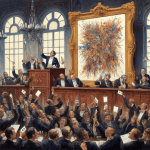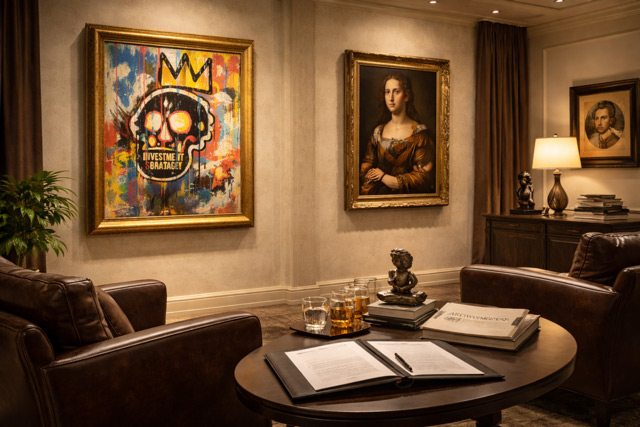
Art as an investment has intrigued collectors, financial advisors, and wealthy individuals for decades because it combines aesthetic pleasure with the potential for financial return. Unlike traditional financial assets such as stocks and bonds, art offers a tangible item that can deepen cultural value over time while also acting as a store of wealth. The beauty of a painting or sculpture can evoke deep emotional responses, yet behind that beauty lies the possibility of appreciation in value, particularly during times of economic uncertainty. For many investors, especially after the 2008 financial downturn, art became a desirable hedge against market volatility and inflation.
Art is often compared to traditional investments to highlight both its unique qualities and limitations. While stocks and bonds are liquid and readily valued daily, art is illiquid and requires time, expertise, and patience for value realization. Art markets can be opaque, with private sales and auction results that may not always be publicly disclosed, making valuation more challenging. This opaque nature is part of the mystique and appeal, drawing in collectors who relish both aesthetic enjoyment and financial speculation.
Art vs. Traditional Investments
Investors often debate whether art should be part of a diversified portfolio alongside equities, real estate, and fixed-income securities. Art historically does not correlate directly with stock market performance, giving it a perceived advantage in a well-balanced financial strategy. However, the lack of standardized pricing mechanisms and regulatory oversight means investors must rely on expert advisors to gauge value and market timing. For some, this added complexity enhances the allure of art investment, positioning it as both a cultural asset and a financial strategy.
Despite the challenges, the potential for art to outperform traditional investments captivates many high-net-worth individuals. The allure is not merely financial; owning a work by a renowned artist carries cultural prestige that stocks cannot convey. Wealth management firms increasingly recommend art advisory services to clients seeking both diversification and legacy assets that can be passed down through generations. The combination of beauty, scarcity, and the promise of appreciation makes art a compelling, if complex, component of modern investment planning.
When Art Pays Off: Historic Success Stories
There are iconic success stories in the art investment world where early buyers saw extraordinary returns, turning modest purchases into multimillion-dollar assets. One of the most cited examples involves American artist Jean-Michel Basquiat, born December 22, 1960, who died August 12, 1988. A painting acquired in the early 1980s for approximately $19,000 was resold decades later for over $110 million, illustrating how market recognition and artist legacy can dramatically elevate value. Such stories fuel interest in art as an investment and underscore the importance of timing, provenance, and market demand.
Another dramatic example is Leonardo da Vinci’s Salvator Mundi, attributed to the Renaissance master born April 15, 1452, and died May 2, 1519. This painting was rediscovered and restored in the early 21st century before selling at auction for an astounding $450 million in 2017, setting a record for any work of art. The painting’s journey from obscurity to record-breaking sale highlights how rarity and historical significance can drive valuation beyond typical expectations. For investors, these high-profile successes symbolize what is possible in the art market when conditions align.
From Bargain Buys to Multi-Million Sales
Investors seeking examples of outsized returns often analyze works by artists who achieved posthumous fame or were underappreciated during their lifetimes. Artists like Vincent van Gogh, born March 30, 1853, and died July 29, 1890, illustrate how value can surge long after an artist’s death, as his works now sell for tens of millions at auction. These success narratives are not universal but demonstrate how certain works capture the collective imagination and market demand. The lesson for investors is to understand trends, historical context, and the evolving appreciation of artistic merit.
While these stories are inspiring, they represent exceptional outcomes rather than everyday results for art investors. Still, they provide compelling evidence that well-chosen artworks can deliver significant financial returns. Wealth management professionals often reference these examples when advising clients on the potential upside of art as an alternative investment. Ultimately, the art world’s most legendary sales continue to captivate investors and collectors alike, blending culture and capital in remarkable ways.
The Risks of Betting on Beauty
Despite high-profile successes, art investment carries significant risks that can outweigh potential rewards for many buyers. One of the primary challenges is liquidity: selling artworks can take months or even years, unlike stocks that can be sold instantly. Additionally, art markets are susceptible to shifts in taste, economic conditions, and speculative bubbles, making valuation and timing especially tricky. Investors who lack expert guidance may find themselves holding assets that fail to appreciate as expected.
Authenticity and provenance issues present further risk, as forgeries and misattributed works can devastate investment value. The famous British sculptor Henry Moore, born July 30, 1898, and died August 31, 1986, has been subject to forgeries that confused buyers and diluted confidence in certain market segments. Market volatility can also affect even established names, as seen in the case of Damien Hirst, born June 7, 1965, whose direct auction in 2008 initially seemed groundbreaking but led to price instability in subsequent years. These dynamics illustrate how art investment is not immune to economic forces and speculative excess.
When the Market Doesn’t Agree
Investors must carefully evaluate market trends and be wary of hype that may not translate into sustainable value growth. For example, the market for contemporary art has experienced spikes in demand that later softened, leading to reduced resale potential for some pieces. This phenomenon underscores the importance of research and expert advice before purchasing. Without such diligence, the beauty that attracted an investor may ultimately fail to deliver financial performance.
Illiquidity, high transaction costs, and subjective valuations make art a challenging asset class for many investors. Unlike stocks or bonds, the absence of standardized pricing means buyers must rely heavily on advisors, auction results, and dealer networks. Missteps in these areas can lead to significant financial losses or prolonged holding periods with minimal return. Understanding these risks is crucial for any investor considering art as part of a diversified wealth strategy.
Who’s Buying? The Role of Wealth Managers and Advisors
As interest in art investment has grown, wealth managers and advisory firms have developed specialized services to help clients navigate the complex market. High-net-worth individuals often seek professional guidance to build art portfolios that align with financial goals, tax planning, and legacy objectives. These services go beyond simple acquisition, incorporating market analysis, valuation, and long-term strategy. Wealth advisors recognize that art has both emotional and financial dimensions, requiring careful integration into broader financial plans.
Art advisory services have become integral to many private banking offerings, as seen with firms like Citi Private Bank’s Art Advisory and the Deloitte Art & Finance Report, which track trends and provide insights for investors. These services help clients identify promising artists, evaluate market conditions, and manage risks associated with authenticity and provenance. Advisors also work with legal and tax professionals to ensure that art acquisitions fit within estate planning and wealth transfer strategies. For investors, these comprehensive services add layers of expertise that can help mitigate risk and maximize potential returns.
Tailored Portfolios for the Ultra-Wealthy
For the ultra-wealthy, art can serve as both an investment and a status symbol that enhances personal and family legacy. Wealth managers often recommend including art alongside other alternative assets like real estate, private equity, and collectibles. By diversifying across asset classes, advisors aim to balance risk and reward while capturing potential growth opportunities. These tailored portfolios reflect a sophisticated approach to wealth management that considers emotional, cultural, and financial value.
Art investment advice also encompasses practical considerations like storage, insurance, and conservation, all of which impact an artwork’s long-term preservation and value. Professional advisors help clients navigate these logistical aspects to protect their investments. In doing so, they bridge the gap between passion and prudence, enabling collectors to enjoy their art while also treating it as a strategic financial asset. For many investors, this blend of guidance and expertise is essential for success in the art market.
What Makes Art Appreciate in Value?
Several factors drive appreciation in the art market, including an artist’s reputation, exhibition history, and market visibility. Museum shows, major gallery representation, and inclusion in prestigious art fairs can elevate an artist’s profile and, by extension, the value of their works. For example, Yayoi Kusama, born March 22, 1929, experienced a surge in market demand in the 2010s after decades of consistent artistic production. Her exhibitions at major institutions worldwide helped solidify her status and drive collector interest.
Artist reputation plays a central role in value creation, especially when tied to historical significance or groundbreaking contributions to art movements. Works by artists linked to influential periods, such as Abstract Expressionism or Pop Art, often command higher prices due to their cultural importance. Collectors and investors closely monitor such trends to identify potential growth areas within the market. The interplay of artistic merit, cultural relevance, and market demand shapes long-term appreciation in meaningful ways.
Artist Reputation, Exhibitions, and Timing
Timing also matters, particularly in relation to an artist’s career arc and broader market dynamics. Posthumous fame can dramatically elevate the value of an artist’s oeuvre, as seen with van Gogh whose works gained momentum after his death in 1890. Conversely, artists still living may experience fluctuating demand that reflects contemporary tastes and market sentiment. Investors must understand how these timing elements influence value to make informed purchase decisions.
Market visibility through exhibitions, critical acclaim, and media attention can act as catalysts for value growth. When museums, galleries, and collectors validate an artist’s importance, demand can intensify rapidly. These forces are especially powerful when supported by strong provenance and documented exhibition history. Ultimately, the confluence of reputation, exposure, and timing determines much of art’s potential to appreciate in value over time.
Red Flags: When Art Fails as an Investment
Not all art performs well as an investment, and certain warning signs can signal trouble ahead for buyers. One major red flag is overproduction, particularly in markets flooded with prints or reproductions that lack uniqueness and scarcity. For artists like Thomas Kinkade, born January 19, 1958, and died April 6, 2012, mass-produced works once popular with cottage collectors saw a steep decline in value as supply outpaced genuine demand. Excess supply erodes the scarcity that often underpins value in art markets.
Another cautionary signal is speculative buying driven by hype rather than fundamental appreciation of artistic merit or historical significance. Art markets that become trend-driven may inflate prices temporarily but can lead to sharp corrections when interests shift. Investors should watch for market bubbles, particularly in contemporary segments where tastes can be fickle and short-lived. Without solid underlying value, art purchased in bubble conditions may struggle to retain or grow in price.
Bubble Markets and Overproduction
Understanding the dynamics of bubble markets is essential for responsible art investment. A bubble occurs when enthusiasm and speculation push prices beyond what is justified by long-term market trends or historical performance. Such conditions can lead to dramatic losses when the bubble bursts and prices normalize. Investors need to recognize these patterns to avoid entering the market at unsustainable highs.
Awareness of red flags also includes evaluating the artist’s broader market context, peer valuation, and long-term demand signals. Works by emerging artists may offer potential, but without established market depth, they carry higher risk. Investors should balance optimism with careful research and professional guidance to avoid pitfalls that lead to failed investments. A disciplined approach helps mitigate losses and preserves capital for opportunities with stronger fundamentals.
Smart Art Investment: What to Know Before You Buy
Successful art investment requires due diligence, diversification, and expert input to navigate the complexities of the market. Before making a purchase, investors should verify provenance, authenticate through reputable experts, and review documented sales history. These steps help ensure that the artwork is genuine and positioned for potential appreciation rather than representing a liability. Professional appraisals and condition reports are foundational to informed buying decisions.
Diversification remains a prudent strategy even within the art category, spreading exposure across different periods, styles, and market segments. Modern art from post-World War II artists may behave differently from Old Masters or Impressionist works, offering varied risk-return profiles. By diversifying, investors reduce dependence on any single trend or artist, stabilizing overall portfolio performance. This approach aligns with broader investment principles while respecting the nuances of the art market.
Due Diligence, Diversification, and Expert Help
Partnering with art advisors, legal counsel, and wealth managers enhances the investment process by providing specialized insights that most individual buyers lack. Advisors can recommend works aligned with an investor’s financial goals, risk tolerance, and collection preferences. They also assist with practical considerations such as storage, insurance, and tax implications, ensuring the investment is protected and optimized. This collaborative approach transforms art buying from speculation into a disciplined strategy.
Investors should also consider long-term horizons, recognizing that art often appreciates over decades rather than months. Patience and timing are crucial, as value milestones may occur through major exhibitions, market recognition, or shifts in cultural importance. Thoughtful engagement with the art world, combined with professional support, maximizes the likelihood that art becomes a successful investment. By embracing these best practices, collectors can enjoy the dual rewards of aesthetic fulfillment and financial growth.
Key Takeaways
- Art can be a compelling alternative investment, offering diversification and cultural value alongside financial potential.
- Historic success stories like Basquiat and da Vinci highlight the possibility of significant returns when market conditions align.
- Risks such as illiquidity, authenticity issues, and speculative bubbles underscore the need for careful evaluation.
- Wealth management and art advisory services play a vital role in guiding collectors within the complex art market.
- Smart investment practices including due diligence, diversification, and expert support enhance the likelihood of success.
Frequently Asked Questions
- What makes art a viable investment?
- How does art investment differ from stocks and bonds?
- What risks should art investors be aware of?
- Why should collectors work with art advisors and wealth managers?
- How long should I expect to hold art before seeing possible financial return?