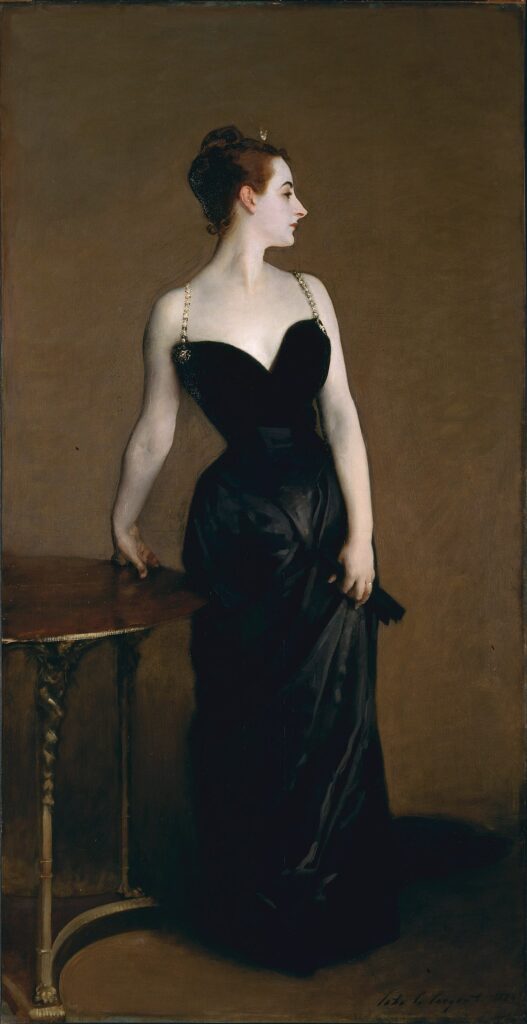
The Gilded Age, spanning roughly from the 1870s to 1900, was a time when wealth glittered as brightly as gold leaf on a fine painting. America’s rapid industrial growth created fortunes that had rarely been seen before in the nation’s history. Railroad tycoons, oil magnates, and financiers turned their attention toward culture, seeking to shape not only markets but also taste. Luxury art in the Gilded Age became a powerful symbol of status, refinement, and ambition.
During this era, art was not simply decoration but a statement of identity. Wealthy families filled their mansions with paintings, sculptures, and ornate furnishings that rivaled European aristocratic collections. These objects often came with stories, provenance, and prestige that elevated their owners in elite social circles. The desire to appear cultured drove a surge in collecting that reshaped the American art market.
Why the Gilded Age Still Shapes Luxury Art Markets Today
The fascination with luxury art during the Gilded Age still echoes in today’s global art world. Modern collectors often follow similar patterns, using art as both investment and social signal. Auction houses, galleries, and museums continue to reflect systems that took shape in the late nineteenth century. While tastes have evolved, the underlying connection between wealth and art remains remarkably consistent.
The era also introduced the idea that art could serve as a bridge between private wealth and public legacy. Collectors began thinking about how their acquisitions would be remembered long after their deaths. This mindset continues to influence philanthropy and museum culture today. In many ways, the Gilded Age laid the foundation for how art circulates between private and public hands.
The Rise of Wealth and Its Influence on Art Patronage
The explosive growth of American industry after the Civil War created unprecedented wealth. Figures like John D. Rockefeller, born in 1839 and later founder of Standard Oil in 1870, accumulated fortunes that reshaped entire industries. Andrew Carnegie, born in 1835 in Scotland and immigrating to the United States in 1848, built his steel empire before selling it in 1901. J. P. Morgan, born in 1837, became a dominant force in banking and finance by the 1890s.
These men did not merely accumulate wealth; they sought to legitimize it through culture. Art collecting became a way to demonstrate refinement and moral responsibility. Many of these collectors were influenced by European traditions, where aristocrats had long supported the arts. By acquiring paintings and sculptures, they aligned themselves with a lineage of cultural authority.
From Industry Titans to Cultural Gatekeepers
As their collections grew, these industrialists became cultural gatekeepers. They decided which artists were worthy of recognition and which styles would dominate elite taste. Their homes often included private galleries, where guests could admire works in carefully arranged settings. These spaces functioned as both social venues and quiet demonstrations of power.
Their patronage also extended to institutions and artists directly. Some commissioned portraits or funded exhibitions, shaping the careers of prominent painters. While their motivations included genuine appreciation, they also reflected a desire for legacy. Responsible historical speculation suggests that many collectors viewed art as a way to soften public criticism of their business practices.
European Influence and the American Art Market
American collectors of the Gilded Age looked to Europe for artistic validation. They purchased works by Old Masters, including artists from the Renaissance and Baroque periods, to establish credibility. These acquisitions often required travel to cities like Paris, London, and Rome, where art markets were well established. The process brought American wealth into direct contact with European tradition.
French academic painters such as Jean-Léon Gérôme, born in 1824 and active until his death in 1904, were especially popular. His detailed, polished works appealed to collectors who valued technical mastery and historical themes. Italian Renaissance paintings also found their way into American collections, often through dealers who specialized in transatlantic sales. This influx of European art helped define American taste.
The American Hunger for European Prestige
Owning European art became a form of social currency. Collectors displayed these works prominently, signaling both wealth and sophistication. The presence of such pieces suggested that the owner had access to global networks and refined judgment. It was not just about beauty, but about belonging to an international elite.
Art dealers played a crucial role in facilitating these transactions. They acted as intermediaries, guiding collectors toward prestigious acquisitions. Auctions also became more prominent, creating competitive environments that drove up prices. Responsible historical speculation suggests that some purchases were motivated more by rivalry than genuine appreciation.
Iconic Artists and Luxury Artworks of the Era
The Gilded Age saw the rise of artists whose works became symbols of elite culture. John Singer Sargent, born in 1856 in Florence and trained in Paris, gained fame for his portraits of high society. His ability to capture both likeness and personality made him a favorite among wealthy patrons. James McNeill Whistler, born in 1834 and active in both America and Europe, developed a unique style that emphasized mood and composition.
Portraiture became especially important during this time. Wealthy individuals commissioned paintings that would immortalize them and their families. These works often featured luxurious clothing, elegant interiors, and subtle symbols of status. The result was a visual record of power and refinement.
Portraiture as a Tool of Power and Legacy
Commissioned portraits served multiple purposes. They preserved family history, reinforced social standing, and demonstrated cultural awareness. Sitting for a portrait by a renowned artist was itself a mark of distinction. The process often involved multiple sessions and careful planning.
Artists and patrons developed close relationships through these commissions. In some cases, these collaborations influenced the direction of an artist’s career. Responsible historical speculation suggests that artists sometimes adapted their styles to meet the expectations of wealthy clients. This dynamic highlights the interplay between creativity and commerce.
Architecture, Interiors, and Decorative Arts
Luxury in the Gilded Age extended beyond paintings and sculptures into architecture and interior design. Wealthy families built grand mansions that reflected European palaces. Richard Morris Hunt, born in 1827 and trained at the École des Beaux-Arts in Paris, became a leading architect of the period. His designs combined classical elements with modern innovations.
Louis Comfort Tiffany, born in 1848, brought artistry into decorative objects. His stained glass, lamps, and mosaics added color and texture to elite homes. These elements transformed interiors into immersive environments that blended art and function. Every detail, from furniture to lighting, was carefully chosen.
The Mansion as a Living Gallery
Mansions during this era functioned as living galleries. Rooms were designed to showcase specific artworks, creating curated experiences for guests. Visitors moved through spaces that revealed the owner’s taste and wealth at every turn. The arrangement of objects often followed themes or historical styles.
The integration of architecture and art created a unified aesthetic. Walls, ceilings, and furnishings worked together to create harmony. Responsible historical speculation suggests that these environments were intended to impress and even intimidate visitors. They represented a world where art and power were inseparable.
Museums, Institutions, and Public Access
As the Gilded Age progressed, private collections began to transition into public institutions. The Metropolitan Museum of Art, founded in 1870 in New York, became a central hub for art in America. Wealthy donors contributed works from their collections, expanding public access. This shift marked an important change in how art was experienced.
The Smithsonian Institution also played a role in preserving and displaying art and cultural artifacts. Founded earlier in 1846, it expanded during the late nineteenth century. These institutions reflected a growing belief that art should be accessible to a broader audience. Philanthropy became a way for collectors to shape cultural legacy.
From Private Luxury to Public Culture
Donating art to museums allowed collectors to secure their place in history. Their names became associated with galleries, wings, and collections. This practice reinforced the connection between wealth and cultural influence. It also helped legitimize their contributions to society.
Public access to art changed how people engaged with culture. Visitors could experience works that were once hidden in private homes. Responsible historical speculation suggests that this shift also served to ease tensions over wealth inequality. By sharing art, collectors presented themselves as benefactors rather than mere accumulators of wealth.
Legacy of Gilded Age Luxury Art
The legacy of luxury art in the Gilded Age continues to shape the modern art world. Collecting practices established during this period remain influential. Wealthy individuals still acquire art as both investment and expression. The structures of galleries, auctions, and museums reflect patterns formed over a century ago.
The relationship between wealth and art remains complex. While art can inspire and educate, it also reflects disparities in access and ownership. The Gilded Age serves as a reminder of how cultural power can be concentrated. At the same time, it highlights the potential for art to transcend those boundaries.
Lessons for Modern Collectors and Investors
Modern collectors can learn from the successes and challenges of their predecessors. Thoughtful curation and a focus on legacy can create lasting impact. At the same time, there is value in supporting emerging artists and diverse perspectives. Balancing tradition with innovation is key.
Responsible historical speculation suggests that the most enduring collections are those built with intention rather than competition. The Gilded Age shows that art can be both personal and public. Its lessons remain relevant in a world where culture and commerce continue to intersect. The story of this era invites readers to reflect on their own relationship with art.
Key Takeaways
- The Gilded Age (1870s–1900) marked a surge in luxury art collecting driven by industrial wealth.
- Prominent figures like Rockefeller, Carnegie, and Morgan used art to shape cultural identity and legacy.
- European art heavily influenced American collections, especially Old Masters and French academic painters.
- Artists like John Singer Sargent and James McNeill Whistler defined elite portraiture.
- Museums emerged from private collections, expanding public access to luxury art.
FAQs
- What defined luxury art in the Gilded Age?
Luxury art included fine paintings, sculptures, and elaborate decorative objects owned by wealthy elites. - Why did industrialists collect art?
They used art to display status, gain cultural legitimacy, and build lasting legacies. - Which artists were popular during this time?
John Singer Sargent and James McNeill Whistler were among the most sought-after portrait artists. - How did European art influence America?
Collectors imported Old Masters and academic works to emulate European aristocratic traditions. - What is the lasting impact of this era?
It shaped modern art markets, museum culture, and the relationship between wealth and art.