The magic of a great painting often begins long before the final brushstroke is laid down. Beneath the glowing colors and lifelike details lies a quiet foundation that most viewers never see. This hidden layer, known as underpainting, has guided artists for centuries and shaped some of the most admired works in history. It acts like a roadmap, helping painters build structure, depth, and harmony before committing to final color. Once you understand underpainting, you begin to see paintings not as single images, but as carefully constructed layers.
Underpainting is more than a technical trick. It is a disciplined approach that separates skilled painters from casual hobbyists. Many of the great masters depended on it to control light, shadow, and composition. From Renaissance workshops to modern studios, the method continues to prove its value. This article explores its meaning, history, techniques, materials, and lasting importance. By the end, you will see why this hidden layer remains essential in serious art practice.
What Is Underpainting?
Underpainting refers to the first layer of paint applied to a surface before the final colors are added. This layer is usually thin and simple, focusing on structure rather than detail. Artists use it to map out the composition, define shapes, and establish tonal values. By doing so, they avoid making costly mistakes later in the process. It acts as a guide that supports every layer that follows.
Unlike a rough sketch, underpainting uses paint to explore light and shadow in a more developed way. It allows artists to test how forms interact before adding complexity. This stage often uses a limited color palette, sometimes just one color in different shades. That simplicity helps artists stay focused on form rather than getting distracted by color choices. The result is a stronger, more controlled final image.
Core Definition and Purpose
The purpose of underpainting is to build a solid visual foundation before moving into full color. Artists rely on it to organize composition and ensure balance across the canvas. It also helps establish the emotional tone of the piece through light and dark contrasts. When done correctly, it makes later stages faster and more confident. Many painters consider it the most important phase of the process.
You can think of underpainting as the skeleton of a painting. Without it, the final work may lack structure and clarity. With it, every brushstroke has direction and purpose. This method has been used consistently for centuries because it works across styles and mediums. Whether working in oil, acrylic, or tempera, the principle remains reliable and effective.
A Brief History of Underpainting
The origins of underpainting can be traced back to medieval Europe, before AD 1400, when artists created religious panel paintings using tempera. These early works required careful layering, as mistakes were difficult to fix. While written records from that period are limited, scientific analysis of surviving paintings confirms the use of layered preparation. This strongly suggests that early forms of underpainting were already in practice. Artists of that time understood the need for structure even if they did not describe it in modern terms.
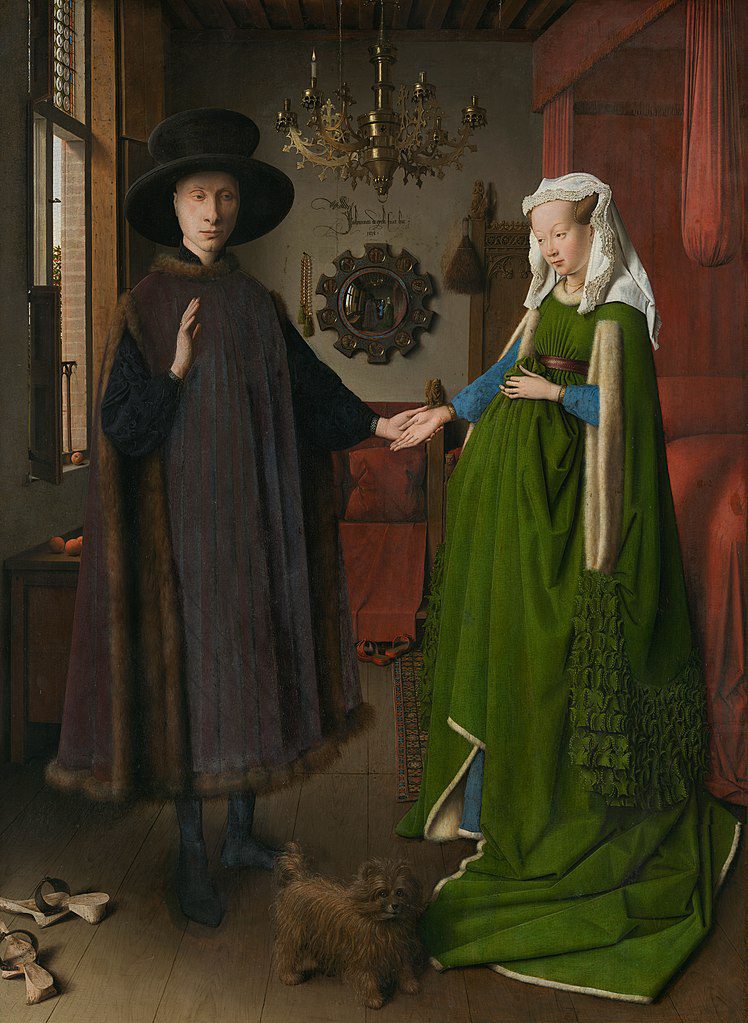
The method developed further during the Renaissance, beginning around AD 1400. Jan van Eyck, born around 1390 and deceased on July 9, 1441, is often credited with refining oil painting techniques that relied on layering. Leonardo da Vinci, born April 15, 1452, and died May 2, 1519, used subtle underpainting to achieve soft transitions in light and shadow. His approach allowed for a sense of realism that was revolutionary at the time. These artists treated underpainting as an essential step in the creative process.
From Renaissance Workshops to Modern Studios
During the Baroque period of the 1600s, artists expanded the use of underpainting to create dramatic lighting effects. Rembrandt, born July 15, 1606, and died October 4, 1669, used strong contrasts to guide the viewer’s eye. His layered approach allowed light to appear as if it emerged from darkness. This method became a hallmark of his style and influenced generations of painters. Underpainting was no longer just structural but also expressive.
In the 1700s and 1800s, academic art schools across Europe formalized underpainting techniques. Students were required to master these methods before attempting complex compositions. However, in the 20th century, some modern movements moved away from traditional layering. Direct painting became more popular among certain artists. Still, contemporary realist painters and ateliers have revived underpainting, proving its lasting value in serious art training.
Types of Underpainting Techniques
Artists have developed several types of underpainting techniques, each serving a different purpose. One of the most widely used is grisaille, which uses shades of gray to establish value and form. This technique removes the distraction of color and focuses entirely on light and shadow. It is especially useful for artists aiming for realism and strong three-dimensional effects. Many classical painters relied on this approach to build convincing figures.
Another important method is imprimatura, where a thin wash of color is applied over the entire surface. This creates a unified tone that influences all later layers. It also prevents the stark white of the canvas from showing through. This technique can create warmth or coolness depending on the chosen color. Many artists use it to set the mood of a painting from the very beginning.
Grisaille, Imprimatura, and More
Verdaccio is a traditional technique often used in Renaissance figure painting. It involves greenish-gray tones applied beneath skin areas to create lifelike flesh tones. Technical studies of Italian frescoes from the 1400s confirm its use. While less common today, it remains an important part of art history. It shows how carefully artists studied color and light even in early stages.
Another approach is sometimes called “dead coloring,” where muted colors block in the composition before final layers. This stage helps artists organize the painting without committing to full intensity. While the exact terminology varies, the concept is widely recognized. Each method offers a different path to the same goal. Artists choose based on their style, subject, and working preferences.
Materials and Tools for Underpainting
The materials used in underpainting are simple but essential. Most artists choose between oil paint and acrylic paint, depending on their workflow. Oil painting has been widely used since the 1400s because of its slow drying time. This allows for blending and adjustments during the early stages. Acrylic paint, developed in the 20th century, dries faster and offers more convenience.
Brush selection also plays an important role. Soft brushes are often used to create smooth transitions and thin layers. Surfaces can include canvas, wood panels, or primed boards. Each surface affects how the paint is absorbed and how it dries. Artists often experiment with different combinations to find what suits their style.
Choosing the Right Medium
Underpainting usually requires thinning the paint to create a transparent layer. In oil painting, artists traditionally used linseed oil or turpentine. Modern safety practices recommend good ventilation when using these materials. Acrylic painters typically use water or acrylic mediums to achieve similar effects. The goal is always to keep the layer thin and flexible.
Color choice is usually limited to neutral tones such as burnt umber or raw sienna. These colors dry quickly and provide a stable base. They also help unify the painting as layers are added. The simplicity of these materials keeps the focus on structure rather than decoration. This disciplined approach leads to stronger results in the final work.
Why Artists Use Underpainting
Underpainting offers several advantages that make it valuable across different styles. One of the most important benefits is improved value structure. By focusing on light and dark relationships early, artists create stronger compositions. This leads to paintings that feel more solid and believable. It also reduces the risk of errors in later stages.
Another benefit is the ability to enhance realism. Underpainting helps guide where highlights and shadows should be placed. This creates depth and dimension that would be harder to achieve otherwise. Many classical painters relied on this method to produce lifelike results. It remains a key technique in realistic painting today.
Structural and Visual Benefits
Underpainting also helps unify the painting by creating a consistent base layer. This makes color application more controlled and harmonious. It can speed up the painting process by solving problems early. Artists spend less time correcting mistakes later on. This efficiency is especially helpful in large or complex works.
Some painters also use underpainting for expressive purposes. The initial layer can influence the mood of the final piece. For example, a dark underpainting can create a dramatic atmosphere. A lighter one can produce a softer effect. This flexibility makes underpainting both practical and creative.
Step-by-Step Process of Creating an Underpainting
Creating an underpainting begins with preparing the surface. The artist applies a ground layer and lightly sketches the composition. This sketch provides a guide for placing shapes and proportions. It is important to keep this stage simple and clear. Overworking the sketch can make later steps more difficult.
Next, the artist begins blocking in values using thin paint. This involves identifying the lightest and darkest areas of the composition. By focusing on contrast, the artist builds a sense of depth. This stage sets the tone for the entire painting. It is often done quickly to maintain a sense of energy.
A Practical Workflow for Beginners
After blocking in values, the artist refines the relationships between light and shadow. This helps create a balanced composition. The underpainting is then allowed to dry, especially in oil painting. Drying time can vary depending on materials and environmental conditions. Patience at this stage is important.
Finally, the artist begins applying layers of color over the underpainting. These layers bring the painting to life while preserving the structure beneath. Beginners should focus on keeping their underpainting simple and clean. Common mistakes include using paint that is too thick or adding too much detail too early. With practice, the process becomes more natural and effective.
Underpainting in Contemporary Art
Underpainting remains relevant in modern art, especially in realistic and academic styles. Many contemporary artists continue to use it as a foundation for their work. Art schools and ateliers still teach underpainting as a core skill. This reflects its long-standing importance in serious art training. It provides a reliable method for building strong compositions.
Digital artists have also adapted the concept of underpainting. In digital painting software, artists often begin with grayscale layers before adding color. This mirrors the traditional approach used in physical media. It shows that the principles of underpainting are not limited to one medium. Instead, they apply across different tools and technologies.
Is It Still Relevant Today?
There is ongoing debate about whether underpainting is necessary for all artists. Some prefer direct painting methods that skip this step entirely. However, many professionals still rely on it for complex works. It offers control and predictability that is hard to achieve otherwise. This makes it especially useful for detailed or realistic subjects.
Ultimately, underpainting is a choice rather than a rule. Artists decide whether it fits their style and goals. Those who use it often find it improves both efficiency and quality. Its continued use across centuries speaks to its effectiveness. Even in a fast-paced modern world, this traditional technique remains valuable.
Key Takeaways
- Underpainting is a foundational layer that guides the entire painting process.
- It has been used since before AD 1400 and refined during the Renaissance.
- Techniques like grisaille and imprimatura offer different approaches to structure.
- It improves composition, depth, and efficiency in painting.
- Both traditional and digital artists continue to use underpainting today.
FAQs
- What is the main purpose of underpainting?
- Is underpainting necessary for beginners?
- What colors are best for underpainting?
- How long should underpainting dry before adding layers?
- Can underpainting be used in acrylic painting?