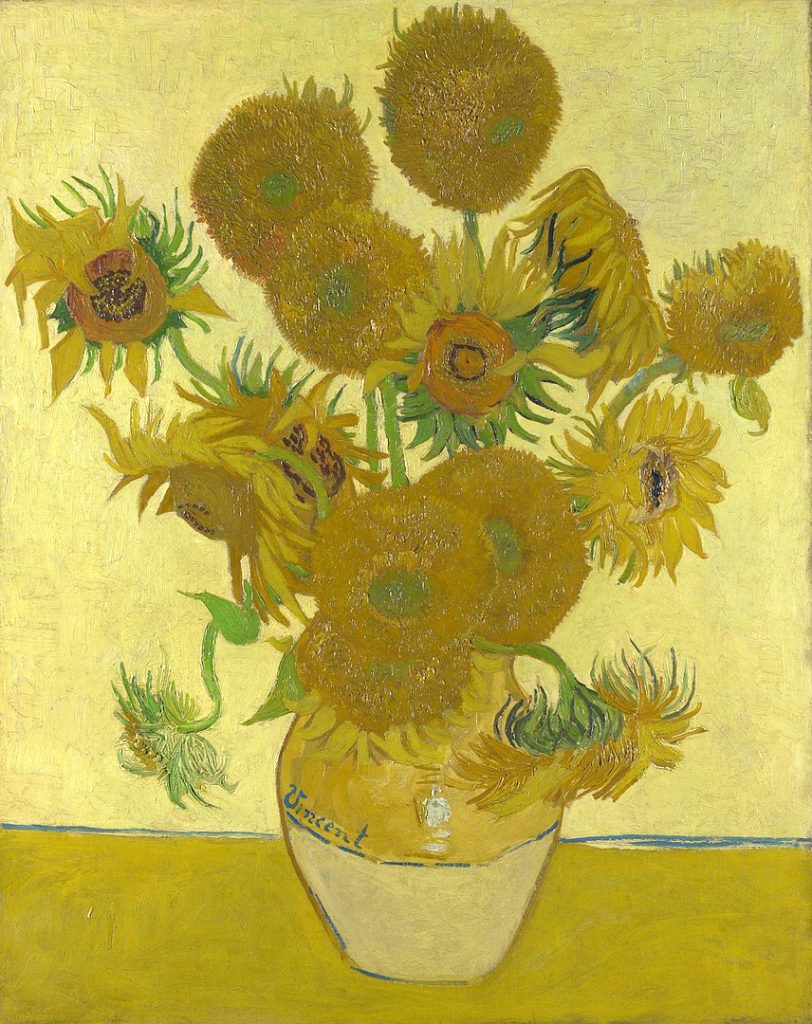
Art often appears to be an attractive investment because high-profile sales dominate headlines. When a painting by a major artist sells for millions, it creates the impression that art is a reliable source of profit, encouraging investors to buy art for investment. Stories from auctions, such as works by Pablo Picasso (1881–1973) or Jean-Michel Basquiat (1960–1988), contribute to the belief that art values always rise. The rich colors, luxurious galleries, and social cachet tied to owning renowned works make art feel like a prestigious, profitable asset.
The Allure of Prestige and Profit
Collectors and investors alike are drawn to art not only for potential financial gain but also for pride in ownership. Many imagine that buying art for investment will provide both emotional satisfaction and economic reward. The notion of combining beauty with profit appeals to those seeking alternatives to traditional stocks and bonds. However, the surface glamour often hides significant investment risks that are less obvious at first glance.
Behind the stories of spectacular sales are complex markets with unique dynamics that differ greatly from conventional financial systems. Unlike shares in publicly traded companies, artworks do not have standardized pricing models or guaranteed buyers. The art market’s opacity means prices can vary widely based on subjective demand and the reputation of a small group of collectors, dealers, and auction houses. Collectors who buy art for investment must understand that the allure of prestige does not always translate to dependable returns.
Understanding why art seems like a good investment sets the stage for examining the risks involved. The art market’s unique characteristics can amplify both gains and losses in unpredictable ways. As a result, investors who buy art for investment must go beyond headlines and consider the underlying challenges. This awareness helps temper expectations and highlights the importance of careful research before committing substantial funds.
Illiquidity—Art Isn’t Easy to Sell
Art is fundamentally different from liquid assets like stocks or bonds, which can be traded almost instantly. When you buy art for investment, selling it quickly at a fair price is rarely simple. The process requires finding the right buyer, which can take months or even years, especially for pieces by lesser-known artists. This illiquidity means investors may be unable to access their capital when they need it, trapping funds in physical objects that do not generate income.
What Makes Art a “Locked” Asset
Several factors contribute to art’s illiquidity, including the limited number of buyers interested in any given piece. Unlike financial markets where thousands of shares trade every second, the art market moves slowly, and serious buyers are few. Auction houses such as Christie’s and Sotheby’s can help connect sellers with buyers, but even these venues do not guarantee a sale at the expected price. As a result, investors who buy art for investment may wait extended periods before realizing any return.
Even when a sale does occur, the costs involved can further reduce net gains. Auction houses charge substantial fees, often reaching 20 percent or more, which comes off the final sale price. Additional expenses such as shipping, insurance, and marketing can further eat into profits, making the process of selling art expensive regardless of the outcome. For investors focused on liquidity, these hidden costs complicate the decision to buy art for investment.
Because art does not provide periodic dividends or interest payments, it relies entirely on eventual resale value for financial return. For investors accustomed to income-generating assets, this lack of cash flow adds to the risk of buying art for investment. The combination of uncertain sales timing and high transaction costs means investors must plan for long holding periods. Understanding illiquidity helps potential buyers grasp the real challenges of converting art into cash.
Subjectivity and Volatility of Art Valuations
The valuation of art is deeply subjective, influenced by taste, critical reception, and trends that shift over time. Unlike stocks, which are priced based on earnings, revenue, and clear financial metrics, art has no intrinsic formula for value. A piece may be worth one amount today and dramatically more or less in the future depending on public perception. This volatility makes buying art for investment a fundamentally different endeavor than traditional financial investing.
How Value Depends on Trends, Not Just Talent
Art trends often shift rapidly, driven by cultural interests, museum exhibitions, and the influence of powerful collectors. For example, abstract expressionist painters like Jackson Pollock (1912–1956) saw significant market interest in the late twentieth century, while interest in other movements fluctuated. Contemporary artists such as Banksy (estimated born 1974) have seen meteoric rises in price as public fascination grew, only to face uncertainty in changing markets. These shifts illustrate how demand can vary unpredictably, affecting valuation for those who buy art for investment.
The subjective nature of artistic value means that even experts sometimes disagree on what makes a work “important” or “valuable.” Auction estimates can vary widely, and two comparable pieces may fetch very different prices based on slight differences in perceived significance. Galleries and critics play influential roles in shaping these perceptions, meaning investors must understand more than surface aesthetics. Emotional and cultural factors exert as much influence on prices as any measurable feature of the work itself.
This volatility can frustrate investors who expect stable, predictable returns. When trends shift away from certain styles or artists, demand—and thus prices—can fall sharply. Investors who buy art for investment without appreciating this risk may find their collections stagnant or devalued. Recognizing the subjective nature of art valuation is essential to understanding the market’s unpredictability.
Due Diligence Pitfalls
Before purchasing art for investment, serious due diligence is essential, yet this process can be fraught with complexity and risk. Authentication and provenance research are critical steps that protect buyers from forgeries and misattributions. Without clear documentation of a work’s history, investors face disputes and legal challenges that can jeopardize the value of their purchase. These pitfalls illustrate why buying art for investment requires expertise and patience.
Authentication, Provenance, and Legal Risks
Even established art markets have been rocked by scandals involving fake or misattributed works. A notable example is the 2011 closure of the Knoedler Gallery in New York, which had operated since 1846 and was later revealed to have sold forged paintings attributed to prominent artists. Cases like this show how misleading documentation or false attributions can deceive collectors. Investors who buy art for investment without independent verification risk substantial financial loss.
Provenance, the chain of ownership, plays a central role in establishing a work’s legitimacy. A clear record showing dates of sale, previous owners, and exhibitions adds confidence to a purchase. Without it, disputes can arise, as seen in legal cases where heirs contest ownership or museums challenge past sales. Professional authentication often requires scientific analysis, expert opinions, and time-consuming research, adding to the cost and complexity of buying art for investment.
In addition to authenticity, legal issues such as export restrictions or unresolved claims can prevent resale. Some countries impose strict laws on cultural property, meaning works leaving their origin may face repatriation demands. Investors must navigate these legal frameworks to ensure their acquisitions are free of encumbrances. Due diligence is not optional; it is a necessary safeguard for anyone serious about buying art for investment.
Market Manipulation and Insider Influence
The art market is influenced heavily by a small network of galleries, collectors, and dealers who can shape demand and pricing behind closed doors. Unlike transparent financial exchanges, private sales and discreet negotiations are common, making it difficult for outsiders to gauge true market conditions. This concentration of influence creates opportunities for market manipulation that can mislead investors who buy art for investment. Understanding these relationships helps clarify why art market risks extend beyond the artworks themselves.
The Closed Doors of the Art World
Powerful dealers and galleries often support the prices of artists they represent to maintain reputations and attract high-end clients. In some cases, insiders may purchase works to boost market confidence, only to resell later at higher prices. These practices, while not always illegal, create artificial price support that can misrepresent an artwork’s true market value. For investors without access to insider knowledge, this makes it harder to assess whether a piece’s price reflects genuine demand.
Private sales are another aspect of market opacity that complicates valuation. Many high-value transactions occur outside auctions, meaning that the public record provides limited information on recent prices. Collectors who buy art for investment must rely on occasional auction results, gallery reports, or market analyses that may not capture broader trends. This lack of transparency can lead to misinformed decisions that fail to reflect the reality of current demand.
Relationships between artists, galleries, and collectors also influence which works receive attention and ascend in value. An artist favored by a well-connected gallery may see rapid price increases, while equally talented peers remain overlooked. Investors must recognize that these dynamics are not purely merit-based but also shaped by social and economic networks. Awareness of insider influence helps potential buyers approach the market with a more critical perspective.
Storage, Insurance, and Ongoing Costs
Owning art involves more than the initial purchase price; it includes ongoing expenses that can significantly affect overall investment returns. Proper storage is crucial to preserving a work’s condition, requiring controlled environments that guard against humidity, light damage, and pests. Insurance premiums for valuable pieces can be substantial, particularly for works that exceed six or seven figures in value. These costs persist over time, making it important for investors who buy art for investment to budget beyond the acquisition itself.
Hidden Expenses Behind the Canvas
Shipping and handling are additional considerations, particularly for large or delicate works. Moving a significant painting or sculpture safely requires professional art handlers and specialized crates, which can cost thousands of dollars. Restoration and conservation, when necessary, add another layer of expense, especially for older works that show signs of wear. These ongoing financial commitments can diminish net profits, especially when the artwork does not appreciate as expected.
Insurance is not optional for valuable collections; it protects against theft, damage, and natural disasters. Premiums vary based on the piece’s value, location, and security measures, and they must be renewed annually. Investors who buy art for investment must factor these recurring costs into their financial plans. Neglecting these expenses can leave owners underinsured or susceptible to losses that outweigh any future sale gains.
Taxes and duties may also apply to art ownership and sale. Capital gains taxes in many countries apply to profits from art sales, reducing the net return. Import and export duties can further complicate international sales or exhibitions. These financial realities underscore that the cost of owning art extends far beyond the original purchase, affecting the economics of buying art for investment.
When Emotion Clouds Judgment
Many individuals are drawn to art because it resonates emotionally, sparking joy, nostalgia, or curiosity. While emotional connection can enrich the experience of owning art, it can also cloud judgment when financial decisions are involved. Investors who buy art for investment because they “love” a piece may overlook market fundamentals or overpay based on personal taste. Recognizing how emotion influences decisions is key to approaching art as a potential investment with clarity.
The Danger of Mixing Taste with Strategy
Collectors often form attachments to works that evoke powerful feelings, making it harder to evaluate them objectively. When someone pays more than market value because they feel a deep connection to a piece, they may find it difficult to sell later without taking a loss. This phenomenon is common at charity auctions where bidders exceed fair market estimates to win a work they adore. Emotional investing can cloud judgment and lead to unsound financial choices for those who buy art for investment.
Psychological biases also come into play when investors seek validation through ownership of prestigious works. The idea that buying a famous artist’s work elevates one’s status can override prudent investment strategy. This can lead to prioritizing artworks by big names even when market data suggests slower growth or oversaturation. Emotional motives can thus distort true investment value, increasing the risk of poor returns.
Another risk emerges when buyers assume that their personal aesthetic aligns with broader market trends. What appeals to one person may not attract future buyers, making resale difficult. Investors who buy art for investment must separate personal taste from market demand, a challenging task for many collectors. Awareness of emotional influence helps guard against decisions that feel good but may not pay off financially.
Understanding the role of emotion enhances the ability to make strategic choices in the art market. By acknowledging personal biases, investors can seek objective data, expert opinions, and market insights before purchasing. This balanced approach improves the odds of making sound investments while preserving the joy of art appreciation. Ultimately, separating emotion from strategy is essential for anyone serious about buying art for investment.
Key Takeaways
- Art may look profitable, but headlines often mask complex market realities that challenge investors.
- The illiquidity of art means selling quickly at fair value is difficult and expensive.
- Valuations depend heavily on subjective trends and insider influence, making prices volatile.
- Due diligence, including authentication and provenance research, is crucial but costly.
- Emotional attachment can distort judgment and lead buyers to overpay without clear investment strategy.
Frequently Asked Questions
- What makes art illiquid compared to stocks or bonds?
- How do authentication and provenance affect the value of artwork?
- Why is the art market considered volatile and subjective?
- What ongoing costs should I expect if I buy art for investment?
- How can emotion negatively impact my art investment decisions?