The Victorian College of the Arts (VCA) was founded in 1972 in Melbourne as a bold effort to centralize and elevate arts education in Australia—especially in the visual arts. Prior to its establishment, formal training in painting, sculpture, drawing, and related disciplines was scattered across smaller institutions. The founding of the VCA brought these fragmented elements under one roof, forming a robust visual arts department with a national mission. This decision reflected a growing cultural movement in 1970s Australia to recognize and support homegrown creative expression, particularly in fine art.
One of the most influential figures in the founding of the college was Dr. Lenton Parr (1924–2003), an acclaimed sculptor and educator who became the first director of VCA. Parr studied under Henry Moore in England and returned to Australia with a vision to transform visual arts education. His approach emphasized discipline, technical excellence, and the need for institutions that preserved artistic tradition while welcoming innovation. Under his leadership, the visual arts department took root as the college’s foundational pillar, producing a generation of Australian artists grounded in both craftsmanship and critical thought.
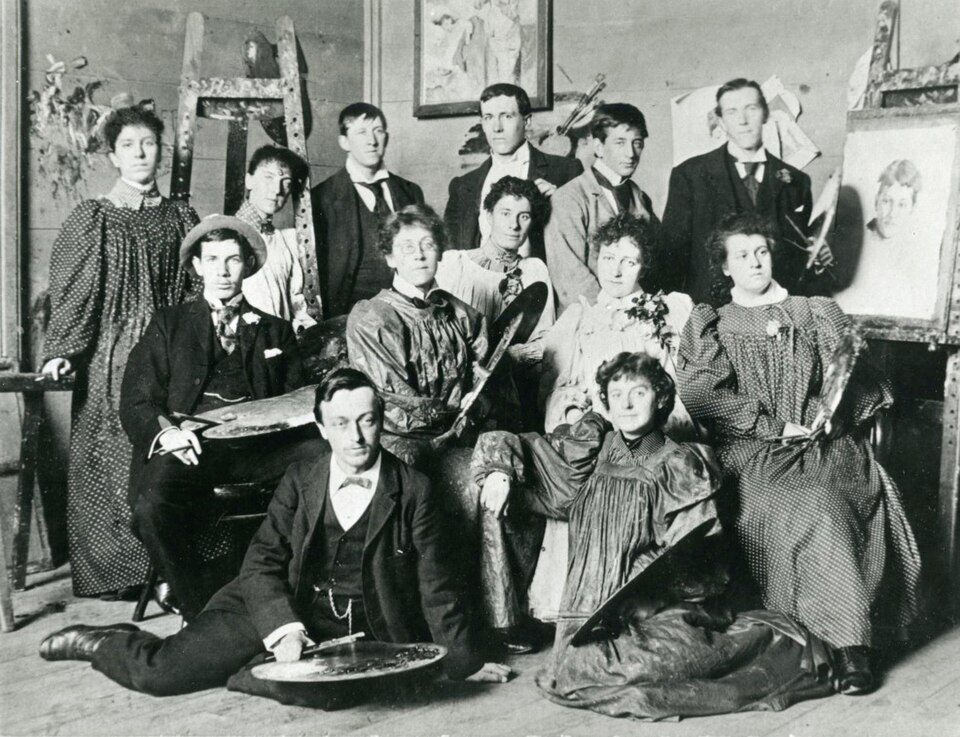
The visual arts were central to VCA’s early identity. The college originally incorporated the National Gallery School, one of Australia’s oldest art institutions dating back to 1867, where legendary artists like Frederick McCubbin and Tom Roberts once trained. By integrating this heritage into a new, dynamic model, VCA preserved Australia’s artistic legacy while equipping young artists to push boundaries. It was, and remains, a place where the old masters meet the avant-garde—where students can learn to draw from life one day and explore experimental media the next.
In the cultural climate of the 1970s, the founding of VCA was more than just an educational milestone—it was a political and social statement. At a time when much of Australia’s best talent left for Europe or America, VCA declared that world-class training could happen here at home. It became a beacon for aspiring visual artists who wanted to create serious work grounded in their own national identity. And from that firm beginning, the visual arts department has continued to anchor the college’s mission and global reputation.
A Legacy of Excellence in Arts Education
The visual arts department at the Victorian College of the Arts stands as one of the most respected and competitive programs in the Southern Hemisphere. It offers training in disciplines such as painting, drawing, photography, sculpture, printmaking, and more recently, digital and expanded practice. Students are immersed in rigorous studio-based learning supported by theory, art history, and critical analysis. Unlike many other institutions, VCA doesn’t treat visual art as an elective—it places it front and center, requiring students to fully commit to the life of the artist.
Admissions into the visual arts program are notoriously selective. Each year, applicants from across Australia and abroad submit extensive portfolios showcasing their conceptual and technical abilities. A panel of established artists and lecturers evaluates each candidate, seeking originality, clarity of vision, and a strong work ethic. This gatekeeping ensures that every student admitted into the program is prepared for the intensive journey ahead. Once admitted, students are expected to devote themselves entirely to their studio practice while engaging critically with contemporary and historical art.
VCA’s educational philosophy places strong emphasis on studio time and mentorship, which have long been essential in the training of visual artists. From the first year, students are assigned their own workspaces and meet regularly with academic staff for critiques and guidance. Unlike mass-produced online courses or theory-heavy university programs, VCA insists on the importance of making—getting paint on canvas, carving into stone, developing film by hand, or composing images pixel by pixel. This tactile, workshop-based education honors centuries of artistic tradition while remaining alert to modern changes.
Since the 2007 merger with the University of Melbourne, the visual arts department has benefited from broader academic resources while maintaining its autonomy and unique culture. Students now graduate with accredited degrees—Bachelor of Fine Arts, Master of Contemporary Art, or Doctor of Philosophy—but the day-to-day structure remains driven by studio practice. Academic coursework supports, rather than replaces, hands-on creation. This balance is a rare and valuable feature in modern art education, especially in an era increasingly drawn to digital shortcuts over disciplined craft.
Influential Figures and Alumni
The visual arts department of VCA has produced some of Australia’s most respected and influential artists. Among them is Patricia Piccinini, born in Freetown, Sierra Leone, in 1965 and raised in Canberra, who completed postgraduate studies in painting at VCA in 1991. Her hyperrealist sculptures and installations explore the boundaries between technology, nature, and humanity, and her 2003 Venice Biennale presentation placed Australian visual art firmly in the global spotlight. Piccinini’s work speaks to the college’s ability to foster both technical brilliance and conceptual daring.
Another esteemed alumna is Destiny Deacon, born in 1957 in Maryborough, Queensland, who graduated from VCA in the early 1990s. A photographer and multimedia artist, Deacon is known for her darkly humorous commentary on Indigenous identity and media representation. Her work has been exhibited internationally, including at the Tate Modern and the Museum of Contemporary Art in Los Angeles. Deacon’s impact extends beyond her art—she’s inspired countless emerging Indigenous artists, many of whom followed in her footsteps at VCA.
Louise Hearman, born in Melbourne in 1963 and a graduate of the VCA painting program in 1987, has become one of Australia’s most enigmatic and collected painters. Her moody, surreal images often blend portraiture with elements of the uncanny, earning her accolades including the 2016 Archibald Prize. Hearman’s work reflects the kind of disciplined, original thinking that the VCA fosters—art that is technically superb yet charged with emotional and philosophical complexity. She, like many VCA graduates, continues to exhibit both in Australia and abroad.
Collaborations among visual arts alumni are a hallmark of the VCA experience. From shared exhibitions to joint ventures in curation and design, the relationships formed in those Southbank studios often last decades. Artists like David Noonan, known for his monochromatic collage installations, and Stelarc, whose body-based performance art continues to provoke, have maintained strong links to their VCA peers. These alumni form an interconnected community that fuels Australia’s contemporary art scene while reinforcing the long-standing traditions learned at VCA.
Campus, Facilities, and Environment
The VCA campus is situated in the heart of Melbourne’s Southbank arts precinct, where the visual arts department enjoys both seclusion and synergy. Tucked behind the galleries and theatres that line St Kilda Road, the VCA Visual Arts Building provides students with light-filled studios, communal critique spaces, and state-of-the-art workshops. The building hums with the sound of brushes on canvas, chisels on wood, and dialogue between artists exchanging ideas and feedback. It’s more than a school—it’s a living, breathing workshop of creation.
Visual arts students are given 24/7 access to personal studios, a rare offering that reflects the seriousness of the program. Each studio serves as both sanctuary and laboratory, where works are conceived, tested, discarded, and born anew. The Margaret Lawrence Gallery, located on-site, provides a public platform for students and emerging artists to exhibit professionally. Meanwhile, the Print Workshop, Photography Lab, and Digital Imaging Suite are equipped to museum-level standards, ensuring students can create to international benchmarks.
Being in Southbank also allows for exceptional collaboration with major institutions like the National Gallery of Victoria (NGV), which is just a short walk from campus. Many students intern or volunteer at the NGV and other cultural venues, gaining firsthand experience in curation, installation, and arts administration. This proximity also enriches academic life—lectures and tutorials often include excursions to exhibitions or artist talks hosted nearby. The broader Melbourne art scene feels like an extension of the classroom.
Despite the intensity of the workload, the atmosphere remains deeply supportive. Visual arts students often gather in courtyard areas, outdoor cafes, or on gallery walks to critique each other’s work and share perspectives. The college actively encourages dialogue between departments, so painters might consult with digital artists, and sculptors might collaborate with performance students. This spirit of interaction creates a unique, fertile environment for creative growth—one that combines the solitude required for deep work with the community needed for inspiration.
Collaborative Programs and Industry Connections
The visual arts department at the Victorian College of the Arts is deeply integrated with Australia’s professional arts industry, offering students numerous pathways to exhibit, collaborate, and connect with the world beyond the studio. From early in their studies, students are introduced to external curators, critics, and artists who work in partnership with the college through mentorships, residencies, and critiques. These interactions are not simply add-ons—they are built into the very structure of the program. This ensures that students are constantly challenged by professional standards and industry expectations.
Key partnerships with institutions like the National Gallery of Victoria (NGV), Gertrude Contemporary, and ACCA (Australian Centre for Contemporary Art) allow students direct access to Melbourne’s gallery scene. The NGV’s Top Arts Exhibition, held annually, regularly features work from VCA undergraduates and recent graduates. These events place emerging artists in front of collectors, curators, and critics—audiences that are crucial for launching a career. VCA also has a longstanding relationship with Bus Projects and Blindside Gallery, two independent spaces that specialize in experimental and emerging work.
International opportunities further extend the reach of the visual arts program. Through exchange partnerships with institutions such as Parsons School of Design in New York, Central Saint Martins in London, and the Beaux-Arts de Paris, VCA students can complete part of their studies overseas. These programs encourage global perspectives while allowing students to build international networks. Many alumni return from these exchanges with fresh approaches to material, form, and conceptual frameworks—broadening their work far beyond national trends.
Internships and work-integrated learning opportunities are structured to connect students directly with Melbourne’s vibrant commercial and not-for-profit art world. Many complete internships at established galleries or within artist-run spaces, taking on roles in curation, installation, arts marketing, or conservation. Others assist working artists in their studios, learning firsthand how professional practice operates beyond the university. These experiences provide crucial preparation for life after graduation and help students navigate the often-complex world of professional artistic careers.
Cultural Impact in Australia and Beyond
The visual artists trained at the Victorian College of the Arts have made profound contributions to Australia’s cultural identity. From traditional landscapes to provocative contemporary installations, VCA graduates have shaped how Australians view themselves and their environment. Their work has tackled national themes such as land, memory, identity, and technology, often with a boldness and sophistication rarely seen in other institutions. These artists have helped shift Australia from a cultural outpost to a confident, creative hub with a strong visual voice.
The college has also been instrumental in promoting Indigenous Australian visual art and nurturing the careers of First Nations artists. Programs developed through the Wilin Centre for Indigenous Arts and Cultural Development support Indigenous students in developing contemporary practices grounded in tradition. Visual artists such as Bindi Cole Chocka and Yhonnie Scarce, both of whom have worked closely with or through VCA initiatives, have produced work that challenges audiences and reframes the narrative around Aboriginal identity in contemporary Australia. Their success reflects VCA’s ongoing commitment to diversity, truth-telling, and excellence.
On the international stage, VCA alumni regularly feature in prestigious art fairs, biennales, and museum exhibitions. The college has produced artists who have exhibited at the Venice Biennale, Documenta, Art Basel, and other major global events. Patricia Piccinini’s 2003 Venice Biennale representation is still remembered as a high point for Australian contemporary art. The ripple effects of these artists’ global recognition feed back into Australia’s national pride and reputation for cultural sophistication.
Beyond exhibitions, VCA-trained visual artists have also shaped Australia’s public spaces and visual identity through sculpture commissions, murals, and public art installations. From civic squares to suburban streets, traces of VCA alumni can be found decorating and elevating everyday life. These works connect the academy to the general public and ensure that art created in studios is ultimately shared with the communities it reflects. In doing so, VCA fulfills its highest mission: bringing art from the studio into the soul of the nation.
The Future of VCA: Innovation and Challenges
As visual arts continue to evolve in the 21st century, the VCA faces both exciting opportunities and significant pressures. The department has embraced new technologies, including digital fabrication, augmented reality, and video projection mapping. These innovations are not adopted as fads but integrated thoughtfully into existing disciplines. The goal remains the same: to train artists who are technically competent, conceptually rigorous, and culturally aware. In a time of artistic saturation and information overload, VCA provides the discipline and grounding that true artistry requires.
However, financial and political challenges loom. Over the past decade, budget cuts to higher education and shifting cultural policies have placed pressure on arts institutions. While some argue that the arts should “pay their way,” this view overlooks the broader societal value of visual literacy, historical memory, and civic engagement. VCA has had to make tough decisions about staffing and course offerings while continuing to advocate for the place of fine art in public life. From a conservative standpoint, there is deep value in preserving the moral and civilizing power of art—something VCA has long understood.
The pandemic years of 2020–2021 were particularly challenging, as lockdowns forced studios to close and critiques to go online. Visual arts students, used to working with material objects and tactile processes, had to adapt to remote critiques and digital exhibitions. Yet many rose to the challenge with remarkable resilience, developing work that reflected isolation, digital dependence, and human connection. These experiences have forever altered the way VCA teaches and delivers content, with hybrid models now a permanent part of the curriculum.
Looking ahead, the VCA visual arts department must continue to balance tradition and innovation. That means upholding rigorous training in drawing, color theory, and composition, while also exploring the limits of AI, data visualization, and immersive environments. It must continue mentoring the next generation of artists, especially those from marginalized or regional backgrounds. And it must protect the studio as a sacred space of experimentation and excellence. If it can do these things, VCA will not just survive—but lead.
Key Takeaways
- The Victorian College of the Arts was founded in 1972 with visual arts at its core.
- It offers elite training in painting, sculpture, photography, and digital arts.
- Alumni include internationally acclaimed artists like Patricia Piccinini and Destiny Deacon.
- VCA’s location in Melbourne’s Southbank links students with major galleries and industry.
- The school blends classical training with cutting-edge innovation to shape Australia’s visual identity.
Frequently Asked Questions
- Is the Victorian College of the Arts focused on visual art?
Yes, visual art has been a cornerstone of VCA since its founding in 1972. - What programs does the VCA visual arts department offer?
Programs include painting, sculpture, photography, printmaking, and digital art. - Are there notable visual artists who graduated from VCA?
Yes—Patricia Piccinini, Destiny Deacon, and Louise Hearman are all VCA alumni. - Does VCA support Indigenous visual artists?
Yes, through the Wilin Centre and scholarship opportunities for Indigenous students. - How does VCA connect with the broader art world?
Through exhibitions, industry partnerships, internships, and international exchanges.