Sturm und Drang was more than just a fleeting artistic movement—it was an eruption of raw emotion that challenged the rigid order of the Enlightenment. Emerging in the late 18th century, primarily in Germany, this movement brought intense emotion, dark storytelling, and rebellious energy to literature, music, and visual art. While initially a literary and theatrical phenomenon, its influence quickly spread to painting, where artists abandoned strict academic rules in favor of dramatic expression and psychological depth. Sturm und Drang art laid the foundation for Romanticism and left an enduring mark on Western creativity.
This article explores the key characteristics of Sturm und Drang art, its philosophical foundations, and its most notable artists. By tracing its rise, influence, and eventual transformation into Romanticism, we can better understand why this movement remains relevant. The themes of rebellion, inner turmoil, and the struggle between humanity and nature continue to resonate with modern audiences. Whether through Johann Heinrich Füssli’s haunting imagery or Caspar David Friedrich’s melancholic landscapes, the legacy of Sturm und Drang lives on in powerful, evocative works.
Introduction to Sturm und Drang Art
The term Sturm und Drang, which translates to “Storm and Stress,” originated in German literature during the 1760s and 1770s. It was named after the 1776 play Sturm und Drang by Friedrich Maximilian Klinger, but the movement itself had already been developing for years. The core idea was to break free from the constraints of rational thought and embrace raw, unfiltered emotion. This rebellious spirit quickly extended beyond literature into theater, music, and the visual arts, influencing the trajectory of European culture.
The late 18th century was a period of profound change, as Enlightenment ideals of reason and logic dominated intellectual thought. However, many artists and writers felt stifled by these rigid principles and sought to explore the depths of human emotion instead. In art, this meant a shift away from the decorative elegance of Rococo and the ordered symmetry of Neoclassicism. Instead, artists began portraying psychological intensity, dramatic movement, and themes of individual struggle against fate.
German poets and playwrights such as Johann Wolfgang von Goethe and Friedrich Schiller were among the pioneers of the Sturm und Drang movement. Goethe’s The Sorrows of Young Werther (1774) captured the emotional turbulence of youthful passion, while Schiller’s The Robbers (1781) emphasized themes of rebellion and moral conflict. Their work deeply influenced visual artists, who sought to capture similar intensity through painting. The same passion that animated literary Sturm und Drang would soon find expression in the brushstrokes of German painters.
While Sturm und Drang art never became a formalized school, its influence was undeniable. Painters, engravers, and printmakers drew inspiration from the movement’s literary themes, emphasizing dark, moody compositions filled with human struggle. The emphasis on dramatic gestures, expressive faces, and chaotic natural settings foreshadowed the Romantic era. This brief but powerful movement reshaped artistic conventions and left a lasting legacy that continues to inspire artists today.
The Philosophical and Cultural Foundations
At its core, Sturm und Drang was a reaction against the intellectual rigidity of the Enlightenment. The Enlightenment, which had dominated European thought throughout the 18th century, emphasized reason, scientific discovery, and order. While these ideas led to incredible advancements, they also discouraged individual expression and emotional depth in favor of rationalism. Many artists and writers felt this approach was too restrictive, leading them to embrace a more emotional and subjective worldview.
One of the most significant philosophical influences on Sturm und Drang was Jean-Jacques Rousseau. His writings championed the idea that human beings were inherently good but corrupted by society’s artificial constraints. Rousseau’s emphasis on nature, individualism, and emotion resonated deeply with Sturm und Drang artists. His belief that art should reflect authentic human experience encouraged painters to depict unfiltered passion, suffering, and raw energy in their work.
German nationalism also played a role in shaping the movement. During the late 18th century, Germany was not yet a unified nation but a collection of independent states. Many German artists and intellectuals sought to establish a distinct cultural identity that set them apart from the French-dominated art world. Sturm und Drang provided an avenue for this expression, emphasizing German folklore, mythology, and landscapes. This nationalistic spirit would later evolve into the Romantic fascination with the German countryside and medieval history.
The rejection of classical aesthetics was another defining feature of the movement. While Neoclassical art adhered to clear structure, idealized figures, and historical grandeur, Sturm und Drang was the opposite. Artists abandoned strict compositional rules in favor of asymmetry, expressive brushwork, and exaggerated contrasts. This break from tradition was not just a stylistic choice—it was a philosophical statement about the value of emotional truth over artistic perfection.
Key Characteristics of Sturm und Drang Art
Sturm und Drang art was defined by its intense, often chaotic energy. Unlike the polished elegance of earlier styles, this movement embraced rough textures, dramatic lighting, and bold compositions. The goal was to provoke an emotional response, whether fear, awe, or deep contemplation. This emphasis on raw expression made Sturm und Drang art stand out as one of the most passionate artistic movements of its time.
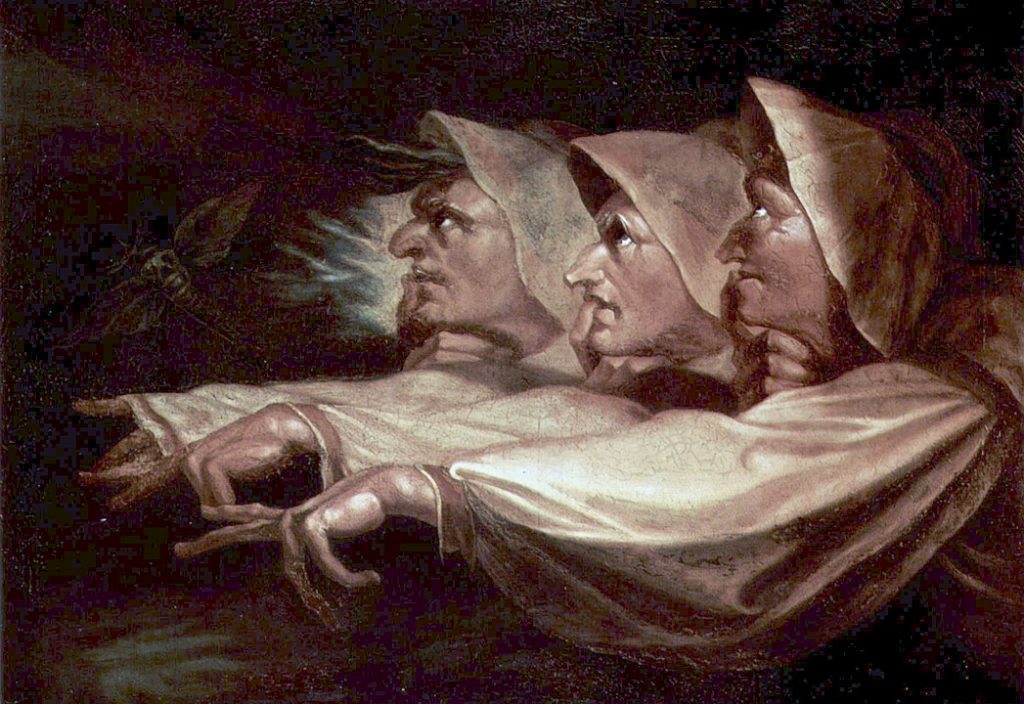
One of the most striking characteristics of this art was its use of dark and moody color palettes. Painters frequently used deep reds, blacks, and browns to create a sense of foreboding and unease. Shadows played an essential role in compositions, often obscuring parts of a scene to heighten mystery. This technique, known as chiaroscuro, was borrowed from Baroque artists like Caravaggio but intensified to an almost theatrical degree.
The depiction of human emotion was another key aspect of Sturm und Drang painting. Artists often exaggerated facial expressions and body language to convey inner turmoil. Figures were rarely static; instead, they appeared to be caught in moments of struggle, despair, or ecstasy. The emphasis on psychological depth made these paintings deeply engaging, as they invited viewers to connect with the subjects on an emotional level.
Nature also played a significant role in these artworks, often serving as a metaphor for human emotion. Stormy skies, crashing waves, and gnarled trees were common motifs, symbolizing the uncontrollable forces of fate. These landscapes were not meant to be serene or decorative; rather, they reflected the chaos and unpredictability of life. This connection between human experience and the natural world would later become a defining feature of Romanticism.
Notable Artists and Their Works
One of the most prominent painters associated with Sturm und Drang was Johann Heinrich Füssli, known in English as Henry Fuseli. Born in 1741 in Switzerland, Füssli was heavily influenced by literature, particularly Shakespeare and Milton. His most famous painting, The Nightmare (1781), is a quintessential example of Sturm und Drang’s fascination with the supernatural and the subconscious. The eerie image of a sleeping woman tormented by a demonic incubus captures the movement’s obsession with psychological horror.
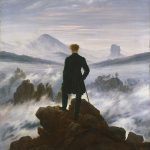
Caspar David Friedrich, though primarily known as a Romantic painter, also embodied Sturm und Drang elements in his early works. His 1818 painting The Wanderer Above the Sea of Fog captures the movement’s themes of individualism and introspection. The lone figure standing atop a rocky peak, gazing into the mist, symbolizes the search for meaning amid chaos. Friedrich’s dramatic use of light and perspective adds to the painting’s emotional impact.
Another influential artist was Philipp Otto Runge, whose work bridged Sturm und Drang and early Romanticism. Runge’s paintings often featured dreamlike compositions and symbolic use of light. His Morning series from 1808 exemplifies his fascination with the spiritual connection between nature and human existence. Runge’s work laid the groundwork for later Romantic landscape painting.
Sturm und Drang also found expression in German printmaking and illustration. Daniel Chodowiecki, a prolific engraver, created emotionally charged scenes that brought literary Sturm und Drang themes to life. His work, particularly his illustrations for Goethe’s plays, helped disseminate the movement’s ideas to a broader audience. These artists ensured that the spirit of Sturm und Drang endured well beyond its initial burst of activity.
The Influence of Sturm und Drang on Other Art Forms
Sturm und Drang was not confined to painting—it had a profound impact on theater, music, and literature. In the realm of drama, the movement broke away from rigid classical structures and embraced intense, often violent emotions. Goethe’s Götz von Berlichingen (1773) was one of the first plays to fully embody the Sturm und Drang spirit, depicting a rebellious knight defying authority. Similarly, Friedrich Schiller’s The Robbers (1781) portrayed deep moral conflict and the struggle between individual freedom and social order. These works were theatrical in the extreme, filled with emotional outbursts, duels, and tragic consequences.
In music, Sturm und Drang found its voice in the compositions of the late 18th century, particularly in the works of Joseph Haydn and Wolfgang Amadeus Mozart. During the 1760s and 1770s, composers experimented with minor keys, abrupt dynamic shifts, and dramatic melodies to reflect heightened emotion. Haydn’s Symphony No. 44 in E minor (1772), also known as the Trauer (Mourning) Symphony, is a prime example of this style. Similarly, Mozart’s Symphony No. 25 in G minor (1773) features intense, stormy passages that evoke the same emotional turbulence found in Sturm und Drang art and literature.
The movement also had a lasting effect on 19th-century literature, particularly in the Gothic genre. Mary Shelley’s Frankenstein (1818) can be seen as an extension of Sturm und Drang’s fascination with the sublime, the supernatural, and the tormented individual. Similarly, the dark, brooding characters of Lord Byron’s poetry reflect the movement’s themes of rebellion and existential struggle. The emotional intensity of Sturm und Drang continued to inspire novelists, playwrights, and poets well into the Romantic era.
Even in modern times, the movement’s influence is evident in film and visual storytelling. Directors like Ingmar Bergman, Werner Herzog, and Guillermo del Toro have incorporated Sturm und Drang aesthetics—high contrast lighting, psychological depth, and raw emotional intensity—into their work. The themes of inner turmoil, nature’s power, and the struggle against oppressive forces remain compelling. Though the movement itself was relatively short-lived, its ideas and artistic principles have never faded.
The Decline and Legacy of Sturm und Drang Art
By the late 1780s, Sturm und Drang began to fade as a distinct movement, gradually giving way to Romanticism. While the emotional intensity and individualism remained, Romanticism refined these elements into a more structured and philosophical approach. The raw chaos of Sturm und Drang was smoothed into grand, sweeping narratives that celebrated the sublime rather than merely the stormy. Artists like Caspar David Friedrich transitioned into the Romantic style, blending Sturm und Drang’s dramatic themes with a more contemplative mood.
The movement’s short lifespan did not diminish its impact. Sturm und Drang had introduced the idea that art should be driven by deep personal emotion rather than strict academic rules. This notion laid the groundwork for later artistic rebellions, from 19th-century Realism to 20th-century Expressionism. The emotional directness that characterized Sturm und Drang continued to inspire artists seeking to break free from tradition. Even the Symbolists and Surrealists of the late 19th and early 20th centuries inherited the movement’s fascination with dreams, nightmares, and the subconscious mind.
One of the reasons Sturm und Drang remains so influential is its universality. The themes of human struggle, nature’s power, and emotional conflict transcend time and culture. These ideas are just as relevant today as they were in the 18th century, particularly in an era where artistic expression often pushes against societal constraints. Whether through literature, cinema, or modern painting, the movement’s rebellious spirit endures.
Even as new artistic movements emerge, elements of Sturm und Drang continue to resurface. From the intense emotional performances in theater to the use of dramatic chiaroscuro lighting in photography, its aesthetic and thematic contributions remain vital. While it may have been a reaction against the rationalism of its time, its influence persists, reminding us of the power of raw, unfiltered emotion in art.
Conclusion: Why Sturm und Drang Still Matters Today
Sturm und Drang was more than just an art movement—it was a revolution in creative expression. By rejecting the rigid rationalism of the Enlightenment, it paved the way for a new kind of art that prioritized emotion over order. This movement changed the way artists thought about their work, proving that creativity was not just about technique but also about passion, feeling, and psychological depth. Its emphasis on individualism and raw human experience continues to inspire artists and audiences alike.
Even today, the themes of Sturm und Drang resonate in unexpected places. The chaotic beauty of nature, the struggles of the human soul, and the defiance of artistic conventions remain powerful subjects. Whether in literature, painting, or film, the movement’s emphasis on emotional intensity and dramatic contrast continues to shape modern storytelling. From classic Romantic paintings to modern psychological horror films, the legacy of Sturm und Drang is alive and well.
For those who wish to explore the movement further, visiting a museum featuring works by Henry Fuseli or Caspar David Friedrich is an excellent starting point. Reading Goethe and Schiller’s works can also provide insight into the movement’s literary side. Sturm und Drang was not just about visual art—it was a full-fledged cultural shift that changed the course of history.
Ultimately, the legacy of Sturm und Drang is a reminder that art is most powerful when it speaks to the depths of human experience. The movement’s artists dared to embrace the chaos of life and express it without restraint. That fearless approach to creativity continues to inspire, proving that sometimes, the storm is just as important as the calm.
Key Takeaways
- Sturm und Drang was a late 18th-century movement that emphasized intense emotion, rebellion, and individual expression.
- The movement influenced literature, theater, music, and visual arts, particularly in Germany.
- Key artists like Johann Heinrich Füssli and Caspar David Friedrich used dramatic compositions and expressive imagery.
- Though short-lived, Sturm und Drang laid the groundwork for Romanticism and later artistic movements.
- Its themes of human struggle, nature’s power, and emotional turmoil continue to inspire modern storytelling.
FAQs
What does “Sturm und Drang” mean?
“Sturm und Drang” is a German phrase meaning “Storm and Stress,” referring to the emotional intensity and rebellious spirit of the movement.
Who were the major artists of Sturm und Drang?
Notable artists include Johann Heinrich Füssli, Caspar David Friedrich, and Philipp Otto Runge, who depicted dramatic scenes with deep psychological intensity.
How did Sturm und Drang influence later art movements?
It laid the foundation for Romanticism, Expressionism, and even modern cinematic storytelling by emphasizing raw emotion and psychological depth.
Why did Sturm und Drang decline as a movement?
By the late 18th century, its chaotic energy was refined into Romanticism, which retained its emotion but embraced a more structured aesthetic.
How can I recognize a Sturm und Drang painting?
Look for dramatic lighting, expressive faces, intense contrasts, and themes of human struggle, nature’s power, or supernatural elements.