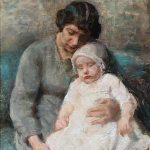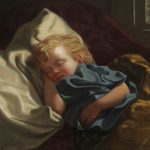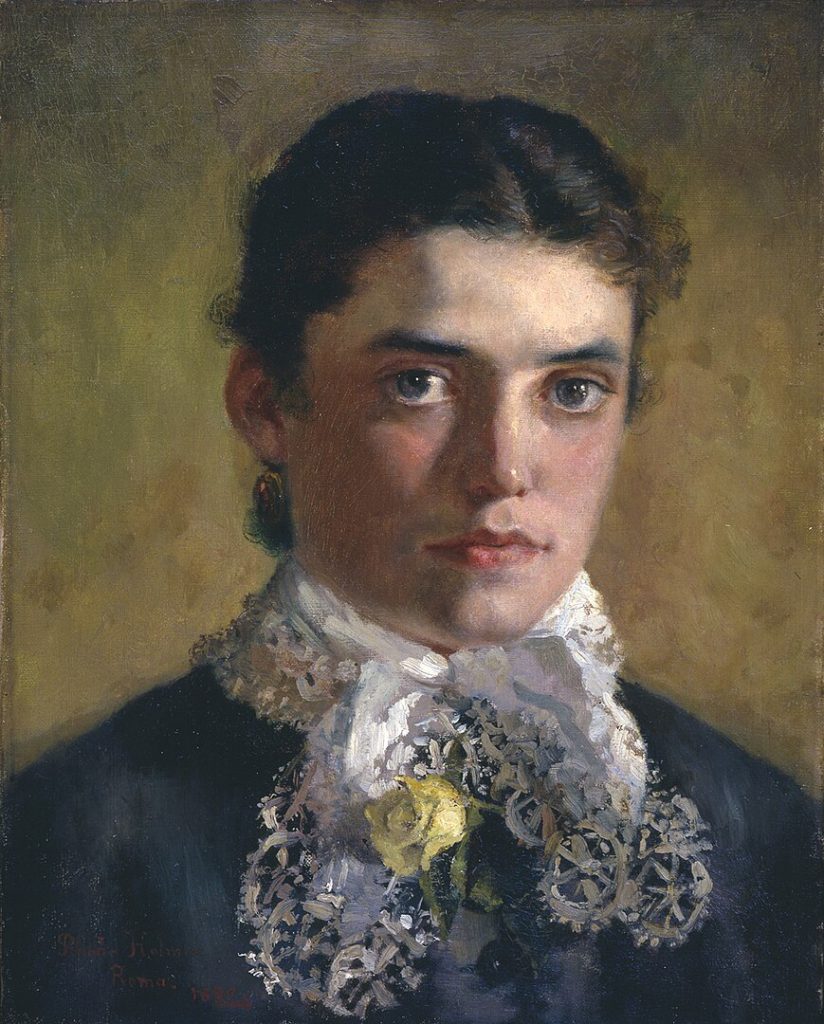
Rhoda Holmes Nicholls was a pioneering painter, writer, and educator who made a lasting mark on both British and American art. Best known for her mastery of watercolor and oil painting, she skillfully blended academic precision with expressive brushwork. Her landscapes, portraits, and genre scenes displayed a deep understanding of light and atmosphere, setting her apart from many of her contemporaries. At a time when women faced significant challenges in the professional art world, Nicholls broke barriers and established herself as a respected figure.
Born in England, Nicholls honed her skills in Italy before making her way to the United States. Her career was not only defined by her artistic accomplishments but also by her efforts to promote opportunities for women in art. She exhibited widely, wrote about artistic techniques, and mentored aspiring painters, particularly female artists. Her contributions to art education and advocacy helped pave the way for greater gender equality in the field.
Nicholls’ paintings were widely showcased in major exhibitions across Europe and the United States. She won numerous awards for her work and gained recognition for her innovative approach to watercolor. Unlike many of her contemporaries who viewed watercolor as a secondary medium, she treated it with the same seriousness as oil painting. Her ability to achieve remarkable depth and vibrancy in her watercolors distinguished her as a master of the craft.
This article explores Nicholls’ journey from her early training in England to her lasting impact on American art. We will examine her influences, major works, and dedication to teaching and writing. Her story serves as a testament to perseverance, artistic excellence, and the pursuit of equality in the art world. By understanding her legacy, we gain insight into the challenges and triumphs of women in 19th- and early 20th-century art.
Early Life and Education
Rhoda Holmes Nicholls was born in 1854 in Coventry, England, into a family that supported her artistic ambitions. From an early age, she displayed an extraordinary ability to draw and paint, capturing details with a level of skill beyond her years. Unlike many women of her era, she was given the rare opportunity to pursue a formal artistic education. Her parents recognized her potential and ensured she had access to the best training available.
She enrolled at Kensington Art School in London, a prestigious institution that emphasized academic rigor. There, she studied anatomy, perspective, and composition, all of which provided her with a strong technical foundation. Kensington followed the traditions of the Old Masters, requiring students to develop precise observational skills before embracing more expressive styles. During this time, she was deeply influenced by the landscape paintings of J.M.W. Turner and John Constable.
Determined to expand her artistic knowledge, Nicholls traveled to Florence, Italy, where she attended the Accademia di Belle Arti. This experience proved transformative, as she immersed herself in the grandeur of Renaissance art and the rich landscapes of Tuscany. Florence introduced her to the power of light and shadow, which would later become defining elements of her own work. She also embraced plein-air painting, a technique that allowed her to study natural light firsthand.
By the time she completed her studies, Nicholls had become a highly skilled and well-rounded artist. She had mastered both oil and watercolor painting, distinguishing herself from many of her peers. Her ability to merge academic realism with expressive, modern techniques set her apart in an evolving art world. With a strong foundation in classical art and an openness to new artistic movements, she was prepared to embark on a successful professional career.
Early Artistic Career and Influences
Nicholls began exhibiting her work in Europe, quickly earning recognition for her talent. Her paintings featured rich colors, dynamic compositions, and a striking use of light, which captivated audiences. Critics praised her ability to blend meticulous detail with expressive brushwork, a combination that reflected both her classical training and modern artistic sensibilities. Her early works demonstrated a balance between realism and the growing influence of Impressionism.
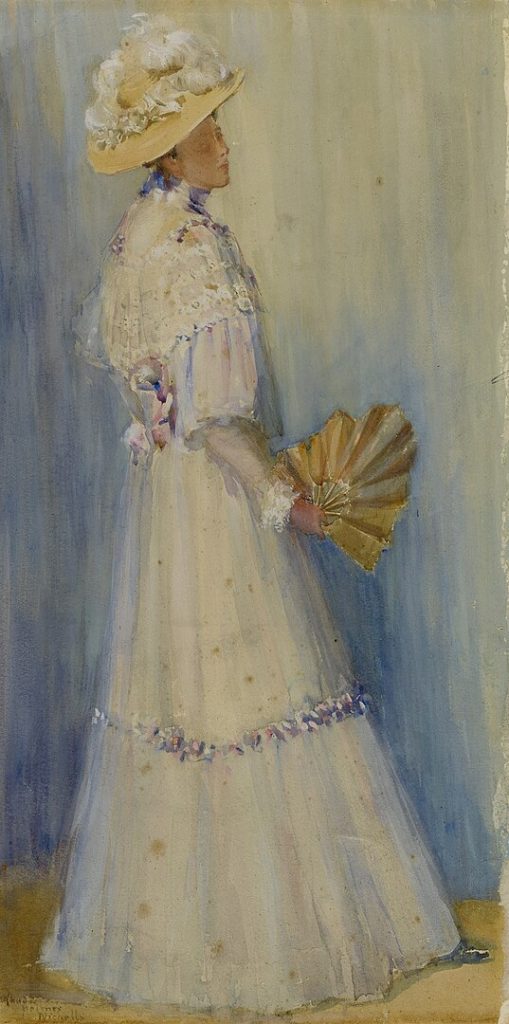
The British landscape painters Turner and Constable had a significant impact on her approach to light and atmosphere. She was also influenced by the Barbizon School, a group of French painters who emphasized naturalistic landscapes and loose brushstrokes. Her studies in Italy further shaped her technique, introducing her to Renaissance art and the importance of dramatic lighting. Additionally, she was inspired by the Impressionist movement, particularly in her use of color and her interest in capturing fleeting moments.
During her time in Italy, Nicholls developed a passion for painting outdoor scenes that depicted everyday life. Many of her works from this period featured women engaged in quiet, reflective activities, often in sunlit gardens or rural settings. She had a remarkable ability to capture the warmth of sunlight on fabric, stone, and foliage, creating a sense of realism and intimacy. This emphasis on light and atmosphere became a hallmark of her style.
By the late 1870s, Nicholls had firmly established herself as a respected artist in European exhibitions. She had successfully exhibited in London, Florence, and other major cultural centers, earning both financial success and critical acclaim. However, she sought greater opportunities and a larger audience for her work. In the 1880s, she made the pivotal decision to relocate to the United States, where she would reach the height of her career.
Recognition and Exhibitions
After moving to the United States, Nicholls quickly gained prominence in the American art world. She exhibited her paintings at major institutions, including the National Academy of Design in New York and the Pennsylvania Academy of the Fine Arts. Her work attracted widespread attention, and she became a well-respected figure in both oil and watercolor painting. Her exhibitions were met with praise for their technical excellence and emotional depth.
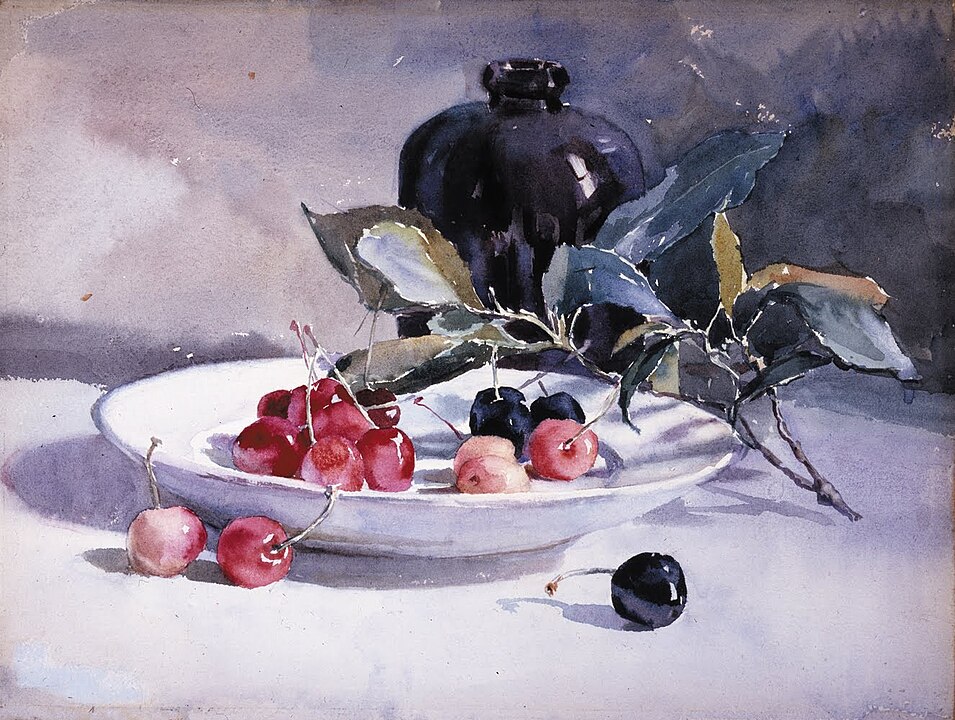
Nicholls was particularly admired for her skill in watercolor, a medium she elevated beyond its traditional role. Many artists of her time considered watercolor to be primarily a preparatory or amateur medium, but she proved otherwise. She developed techniques that allowed her to create richly layered, luminous compositions, rivaling the complexity of oil painting. Her innovative approach earned her multiple awards and secured her reputation as a leading watercolorist.
In addition to her individual success, she played a crucial role in advancing opportunities for women in art. She actively participated in women’s art organizations, advocating for greater representation in major exhibitions. Through her involvement in these societies, she helped open doors for female painters, challenging the gender barriers of the era. Her contributions to the American art scene extended beyond her own career, benefiting countless artists who followed.
By the early 20th century, Nicholls had cemented her place as one of the most important painters of her time. Her works were highly sought after by collectors, and she remained an influential figure in the art world. She continued to exhibit widely, proving that women could achieve greatness in a traditionally male-dominated field. Her success served as a powerful example for future generations of female artists.
Artistic Philosophy and Teaching Career
In addition to her success as a painter, Rhoda Holmes Nicholls was deeply committed to art education. She believed that technical skill and creative freedom should be balanced, allowing artists to develop a unique voice while maintaining strong foundational training. Her teaching emphasized the importance of studying light, color, and atmosphere directly from nature, a principle she had embraced through her plein-air painting experience. As a mentor, she inspired many young artists, particularly women who faced limited opportunities in the field.
Nicholls became a well-respected art instructor, offering classes and workshops in the United States. She shared her expertise through demonstrations, lectures, and published articles that explored painting techniques and artistic philosophy. Her contributions to art magazines helped to shape public discussions on watercolor painting and the role of women in the arts. Through her writings, she encouraged aspiring painters to experiment with different mediums and embrace modern artistic movements.
Her teaching approach was rooted in discipline but also encouraged exploration and individuality. She often advised students to paint what they saw rather than adhere strictly to traditional formulas, a mindset influenced by Impressionism. This emphasis on personal interpretation helped her students develop confidence in their artistic choices. Her ability to connect classical techniques with evolving styles made her one of the most sought-after instructors of her time.
Beyond the classroom, Nicholls actively supported women’s access to formal artistic training. She was involved in art organizations that promoted female artists and worked to ensure that they were given equal opportunities in exhibitions. Her mentorship extended beyond her own students, as she advocated for systemic changes in the art world. Her influence as a teacher, writer, and mentor played a significant role in advancing women’s representation in professional art circles.
Personal Life and Later Years
Rhoda Holmes Nicholls’ personal life was intertwined with her professional ambitions, shaping her artistic journey. She married Burr H. Nicholls, an American landscape painter, and together they moved to the United States. Their relationship was initially built on a shared passion for art, and they collaborated on exhibitions while building their reputations in the American art scene. However, their marriage faced difficulties, leading to their eventual separation, though Rhoda continued to use the Nicholls name professionally.
Despite the challenges in her personal life, she remained dedicated to her artistic career. She continued to exhibit widely, maintaining a strong presence in both American and European galleries. Her work evolved in later years, displaying a greater focus on light and atmosphere, particularly in her watercolors. Even as she aged, her commitment to innovation and experimentation in painting never wavered.
In addition to painting and teaching, Nicholls spent much of her later years writing about art. She contributed to various publications, offering insights into techniques and trends in the evolving art world. Her ability to articulate artistic principles in a clear and engaging manner made her an influential voice in both art education and criticism. Through her writings, she extended her influence beyond her paintings, reaching a broader audience interested in the craft of fine art.
Rhoda Holmes Nicholls passed away in 1930, leaving behind a rich legacy of artistic excellence and advocacy. Her death marked the end of an era, but her influence continued through the many students she had mentored and the works she had created. Her paintings remained highly regarded, with collectors and museums continuing to display her works. Even decades after her passing, she was remembered as a trailblazer who had helped redefine women’s roles in the art world.
Legacy and Influence on Art
Rhoda Holmes Nicholls’ impact on the art world extended far beyond her own paintings. She played a significant role in advancing the status of women in the arts, demonstrating that female painters could achieve the same level of recognition and success as their male counterparts. Her commitment to exhibiting her work alongside established artists helped open doors for other women in the field. Through her advocacy and participation in art societies, she laid the groundwork for future generations of female painters.
One of her most significant contributions was her elevation of watercolor painting as a serious artistic medium. Many artists of her time viewed watercolor as less prestigious than oil painting, but Nicholls demonstrated its depth, vibrancy, and complexity. Her ability to create luminous compositions rivaled the best oil painters of her era, challenging traditional artistic hierarchies. Today, her watercolors continue to be studied as examples of technical mastery and innovation.
Her influence as a teacher and writer also helped shape American art education. She introduced European plein-air techniques to her students, encouraging them to observe nature with fresh eyes and experiment with color and texture. Her writings provided valuable guidance for aspiring artists, ensuring that her knowledge and expertise would endure beyond her lifetime. Through both her direct teaching and published works, she left an imprint on the artistic community that lasted well beyond her active years.
Nicholls’ paintings remain in private collections and museums, preserving her artistic vision for future generations. Institutions such as the National Museum of Women in the Arts continue to recognize her contributions, ensuring that her legacy is not forgotten. Her career stands as a testament to perseverance, talent, and the importance of breaking societal barriers. As an artist and advocate, she played a crucial role in shaping the evolution of watercolor and in securing a place for women in the professional art world.
Conclusion
Rhoda Holmes Nicholls was a remarkable artist whose impact on the art world extended beyond her own paintings. Her ability to blend academic traditions with the expressive qualities of Impressionism set her apart as one of the most innovative painters of her time. She was not only a master of watercolor and oil painting but also a dedicated educator and advocate for women in the arts. Her legacy lives on through her students, her writings, and the ongoing appreciation of her works.
Her career spanned multiple countries, bridging the artistic traditions of England, Italy, and the United States. She introduced European plein-air techniques to American artists, helping to shape the development of American landscape painting. Through her exhibitions, teaching, and publications, she left an enduring mark on the art community. Even today, her contributions continue to be recognized and studied by historians and artists alike.
Beyond her artistic achievements, Nicholls’ legacy is defined by her commitment to advancing opportunities for women in art. She challenged societal norms and fought for female representation in galleries and professional organizations. Her success demonstrated that women could not only participate in the art world but also lead and innovate within it.
For those interested in studying her work, her paintings can still be found in museums and private collections. Her contributions to both artistic technique and gender equality in the arts ensure that she remains an essential figure in art history. Through her dedication and perseverance, Rhoda Holmes Nicholls carved out a place for herself in a field that had long been dominated by men, leaving behind a lasting and inspiring legacy.
Key Takeaways
- Rhoda Holmes Nicholls was a pioneering artist known for her mastery of watercolor and oil painting.
- She studied in England and Italy before moving to the United States, where she gained recognition.
- Her work blended academic realism with Impressionist influences, particularly in landscape and genre painting.
- She was a passionate educator and writer, advocating for women in the arts and mentoring young artists.
- Her legacy continues through museum collections, publications, and the impact she had on art education.
Frequently Asked Questions (FAQs)
1. What was Rhoda Holmes Nicholls known for?
She was known for her landscape and portrait paintings, particularly in watercolor and oil.
2. Where did Nicholls study art?
She studied at Kensington Art School in London and the Accademia di Belle Arti in Florence, Italy.
3. What was her impact on women in the arts?
She advocated for female artists, wrote articles on art, and taught to help other women gain recognition in the field.
4. Where can I see her paintings today?
Her works are held in private collections and institutions such as the National Museum of Women in the Arts.
5. How did Nicholls influence American art?
She contributed to exhibitions, taught students, and introduced European plein-air techniques to American painters.